Choosing the right school can shape your entire future as a creative professional, so if you are exploring the best industrial design universities, it is essential to weigh your options carefully. Industrial design has long been at the intersection of art, technology, and business, creating products that influence how we live, work, and play. Whether you picture yourself engineering innovative devices or designing user-friendly everyday objects, picking the right university is a critical step toward thriving in a competitive design world.
Below, you will find a curated list of leading institutions recognized for excellence in industrial design. You will also discover tips for selecting the program that aligns with your aspirations and advice on what to expect from each school. By the end, you will have a clearer picture of how these programs differ, so you can make an informed decision about your future.
Explore industrial design
Industrial design is about more than just sketching or producing beautiful concepts. It involves understanding user behavior, cultural trends, business strategies, and the entire product lifecycle. This multifaceted discipline demands a balance of creativity, problem-solving, and practical thinking. If you decide to pursue an industrial design degree, you will dive into subjects such as:
- Human-centered design and ergonomics
- Materials science and manufacturing processes
- Design research and user testing
- Aesthetic principles and visual communication
- Sustainability and ethical production
Many students are drawn to industrial design because it involves a hands-on learning approach that blends theory with practical projects. You might find yourself creating conceptual prototypes, exploring interactive technologies (like augmented reality or 3D printing), and collaborating with real companies to solve design challenges. With a solid foundation in both art and engineering, industrial designers often develop careers in product design, user experience (UX), automotive design, furniture design, and beyond.

Factors to consider when choosing your university
Before you dive into the list of best industrial design universities, it is useful to reflect on a few deciding factors. Remember, you want to pick a program that supports your unique goals and learning style.
Location and industry connections
Programs in major urban centers often give you better chances to connect with established design firms and take on high-level internships or partnerships. Schools near tech hubs — like those in Seattle or Silicon Valley — may provide direct paths to positions at leading companies. Consider where you want to launch your career, since those regional connections might help you land your first job.Curriculum structure
Each school’s design program has a different mix of theory, hands-on workshops, and interdisciplinary projects. Some universities emphasize user experience or interaction design, while others focus on product manufacturing or design engineering. Take a close look at what electives or specializations you can pursue. Make sure you choose a program that resonates with your interests — whether you are more passionate about conceptual design or you are aiming to master advanced prototyping.Faculty expertise and facilities
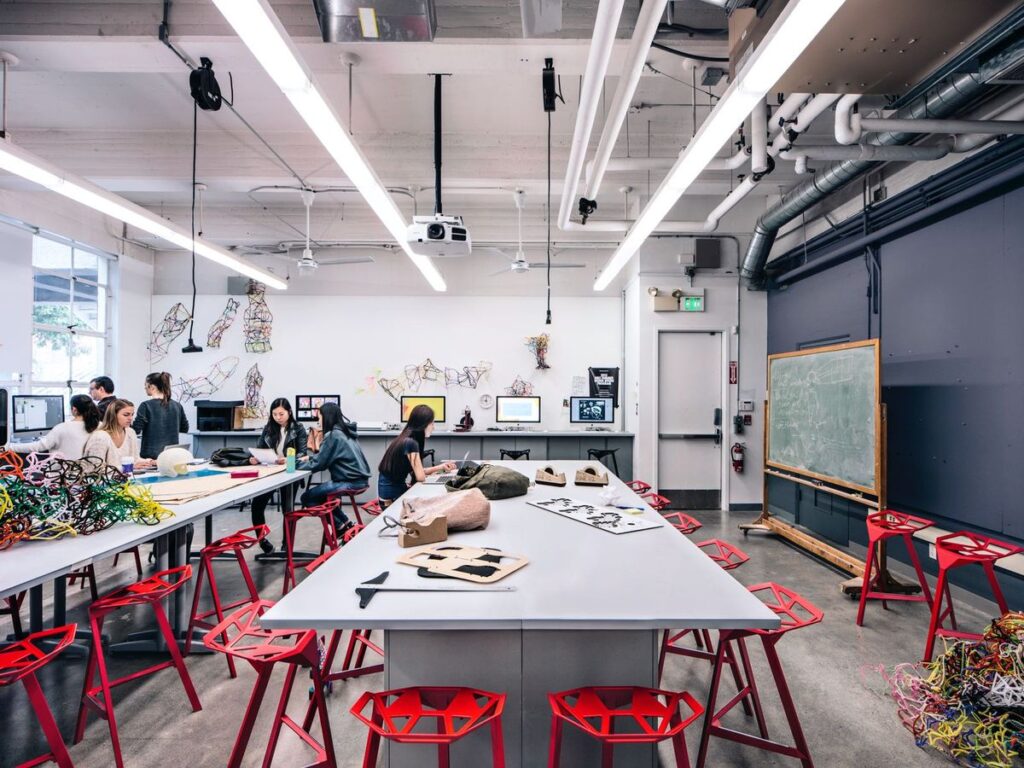
The quality of your professors is directly linked to the real-world knowledge you will gain. Faculty members who are active in industry research or have run successful design consultancies can offer valuable guidance. Additionally, check the school’s labs, 3D printing capabilities, prototyping spaces, and art studios. Modern facilities can significantly enhance your learning experience by allowing you to experiment with the latest technology.Networking and alumni outcomes
A strong alumni network can open doors to internships and post-graduation job opportunities. Look for programs that maintain good relationships with their alumni, helping you forge meaningful connections within the design community. Pay special attention to job placement rates or success stories from recent graduates.Costs, scholarships, and financial aid
Studying industrial design can involve course fees for materials and specialized equipment. Explore financial support options such as scholarships, grants, or assistantships offered by the institution or third parties. The net price of your education can vary widely from one school to another, so consider both tuition and living expenses when you make your choice.


Best industrial design universities to consider today
Below is a carefully curated list of universities known for leading-edge industrial design programs. Each entry includes important details such as acceptance rates, net pricing, and specialized focus areas, all drawn from reputable ranking sources and direct program data.
1. Massachusetts Institute of Technology (MIT)
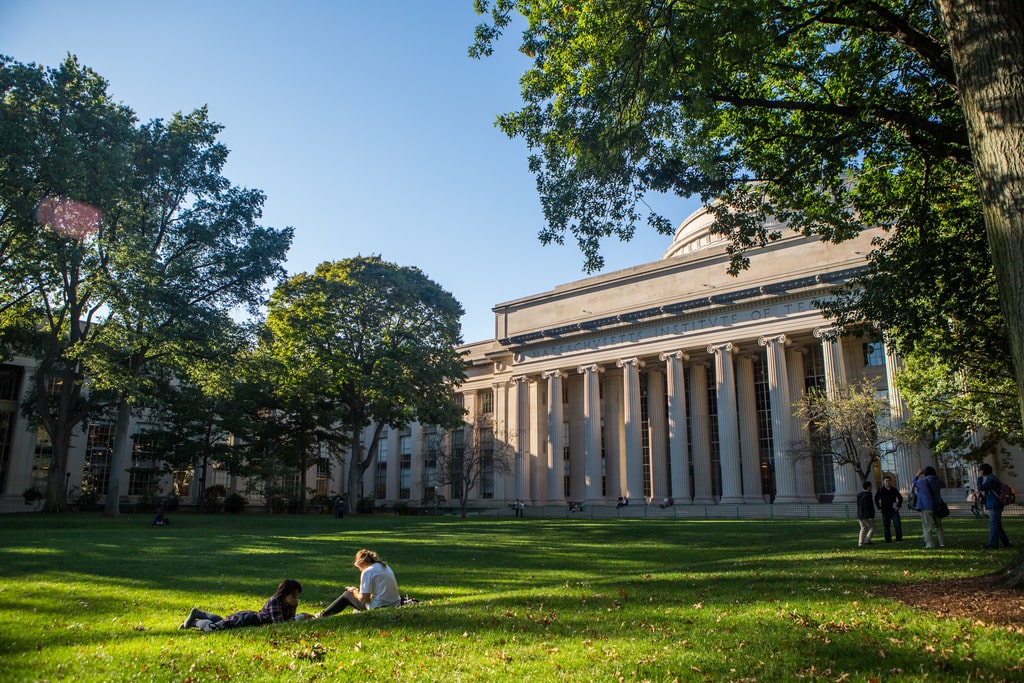
If you are seeking a top-tier education with an emphasis on research and innovation, MIT is one of your strongest options. As of March 2, 2025, it is recognized as the best university worldwide for Product and Industrial Design based on research performance (EduRank). While MIT is often renowned for its engineering programs, its design track also features cutting-edge technology integration and cross-disciplinary projects. Expect to interact with experts in robotics, computer science, and business as you expand your creative skillset.
- Location: Cambridge, Massachusetts, United States
- Key Strengths: Innovative research environment, interdisciplinary collaboration with engineering and tech, access to world-class labs
- Ideal For: Students eager to push boundaries with futuristic designs and sophisticated prototypes
2. Delft University of Technology
Delft University of Technology, located in the Netherlands, holds the second position globally for Product and Industrial Design research performance, according to early 2025 data (EduRank). Delft is highly regarded in Europe for its engineering-centric approach. As an industrial design student, you will combine engineering, research, and design thinking to solve real-world challenges. This school’s focus on sustainability and public welfare resonates well with forward-thinking designers.
- Location: Delft, Netherlands
- Key Strengths: Strong engineering integration, emphasis on sustainability, renowned for a hands-on problem-solving approach
- Ideal For: Students who want to blend practical engineering concepts with socially responsible design

3. University of Michigan – Ann Arbor
A well-rounded program with a balance between technical skills and creative exploration makes the University of Michigan – Ann Arbor stand out. It is ranked #19 among the best colleges in America for industrial and product design degrees with an acceptance rate of 18%, a net price of $19,005, and an SAT range of 1350–1530 as reported by Niche in 2026 (Niche). You will find diverse course offerings that span product design, manufacturing, and user experience.
- Location: Ann Arbor, Michigan, United States
- Key Strengths: Balanced curriculum, strong research environment, access to top-tier engineering and business departments
- Ideal For: Students looking for a campus with rich resources and a vibrant, collaborative atmosphere
4. Stanford University
Stanford’s reputation for entrepreneurship and transformative research extends into its design programs. Although specific industrial design undergraduate degrees may not be as prominent here, cross-departmental collaboration is a hallmark of this Silicon Valley institution. Within Stanford’s d.school (Hasso Plattner Institute of Design), you can explore design thinking principles, engineering, art, and management. The synergy with tech giants in the region is an extraordinary advantage when looking for collaborations or internships.
- Location: Stanford, California, United States
- Key Strengths: Design thinking culture, close ties to Silicon Valley, strong entrepreneurial environment
- Ideal For: Students who envision launching startups or focusing on user-centered innovation
5. Pennsylvania State University
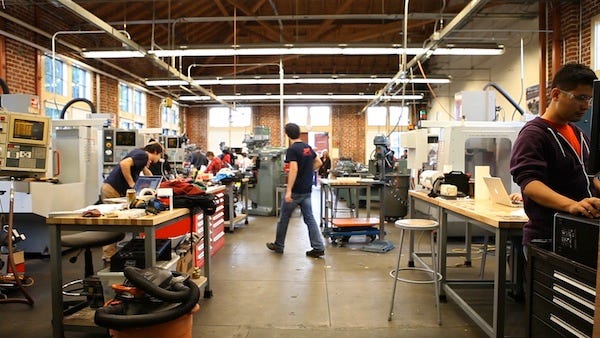
As part of the top-tier research universities in the United States, the Pennsylvania State University offers a design curriculum that is both rigorous and forward-leaning. It appears in the top ten for Product and Industrial Design research performance according to EduRank as of early 2025 (EduRank). Penn State emphasizes problem-solving within a broad social context, encouraging you to think about present-day challenges and propose innovative solutions.
- Location: University Park, Pennsylvania, United States
- Key Strengths: Comprehensive research, wide range of interdisciplinary opportunities, industry partnerships
- Ideal For: Students who want to apply design solutions to broad societal and environmental issues

6. Rhode Island School of Design (RISD)
RISD is often one of the first names you will hear when it comes to top design programs in the United States. According to multiple sources, it has a long history of championing responsible, human-centered design approaches. At RISD, industrial design merges critical thinking, adds value to communities, and offers the chance to collaborate with other arts programs. If you like to get hands-on from day one and learn to design with empathy, this school can be a perfect fit.
- Location: Providence, Rhode Island, United States
- Key Strengths: Studio-based learning, strong emphasis on human-centered processes, rich arts community
- Ideal For: Students seeking an immersive design environment where creative freedom meets practical application

7. Carnegie Mellon University
Carnegie Mellon University, based in Pittsburgh, offers an industrial design approach that highlights designing products and interactions based on human needs. The School of Design integrates user experience, communication design, and environmental design within its curriculum (Tuft + Paw). You will learn to view products as part of vast systems involving people, technology, and new media.
- Location: Pittsburgh, Pennsylvania, United States
- Key Strengths: Human-centered methodology, ties to robotics and computing research, synergy between design and technology
- Ideal For: Students wanting a program that merges traditional product design with cutting-edge tech developments
8. ArtCenter College of Design
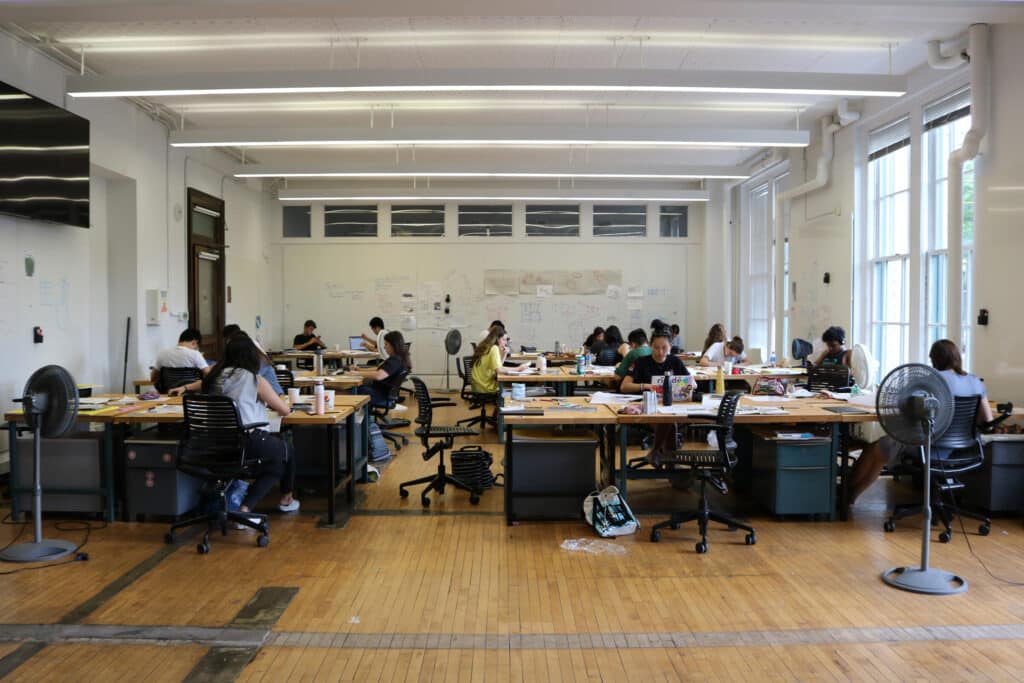
ArtCenter College of Design in Pasadena is recognized for its Strategic Innovation methodology, which blends business, technology, and human aspects to address essential human needs (Tuft + Paw). With a studio-based curriculum, you will spend significant time honing your technical skills, research capacity, and creative thinking. Companies in the automotive and consumer electronics industries often recruit ArtCenter graduates for their innovative approach and industry-ready portfolios.
- Location: Pasadena, California, United States
- Key Strengths: Industry-focused projects, advanced prototyping facilities, globally recognized for design excellence
- Ideal For: Students looking for intense studio work and real-world industry exposure

9. Georgia Institute of Technology
If you prefer a science-driven approach to design, Georgia Tech might be the place to be. It holds the #29 position among the best colleges for industrial and product design degrees, featuring a 16% acceptance rate, a net price of $15,901, and an SAT range of 1330–1530 according to 2026 data from Niche (Niche). Here, design concepts overlap with engineering research, manufacturing systems, and human-computer interaction. The program nurtures innovation and technological competence while encouraging sustainable solutions.
- Location: Atlanta, Georgia, United States
- Key Strengths: STEM-driven curriculum, strong connections to research labs, emphasis on sustainability and entrepreneurship
- Ideal For: Students wanting to blend a robust technical background with creative industrial design principles

10. Rochester Institute of Technology (RIT)
RIT places strong emphasis on user-centered design and hands-on learning, allowing you to explore various media like virtual reality and interactive technologies (The Art Career Project). Within MAGIC Spell Studios at RIT, you could get involved in cutting-edge projects relating to AR/VR. If you thrive on tinkering and building prototypes that push new boundaries, this program might be for you.
- Location: Rochester, New York, United States
- Key Strengths: Innovative labs, user-centered design ethos, cross-department collaboration opportunities
- Ideal For: Students who like to experiment with new technologies and bring ideas to life in real products
11. California College of the Arts (CCA)
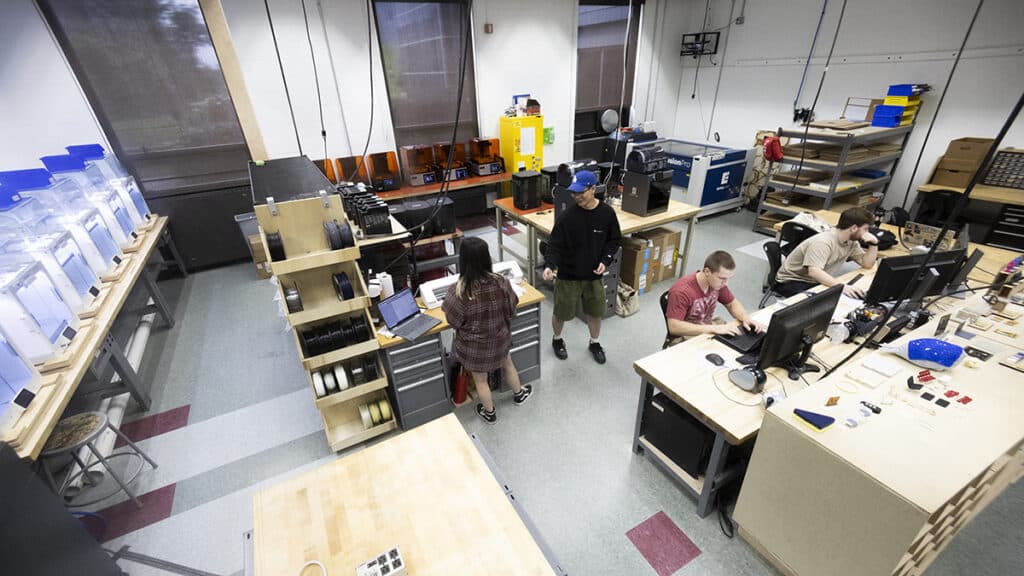
At California College of the Arts in San Francisco, the Industrial Design program spotlights the influence of design on society, politics, and environmental sustainability (The Art Career Project). You will collaborate on real projects in areas such as renewable energy and healthcare while learning in facilities equipped with 3D printers and prototyping tools. Industry connections in Silicon Valley provide a springboard for internships and job prospects.
- Location: San Francisco, California, United States
- Key Strengths: Sustainability focus, interdisciplinary projects, design lab with advanced prototyping tools
- Ideal For: Students who want to tackle real-world issues through creative solutions and join a progressive design community
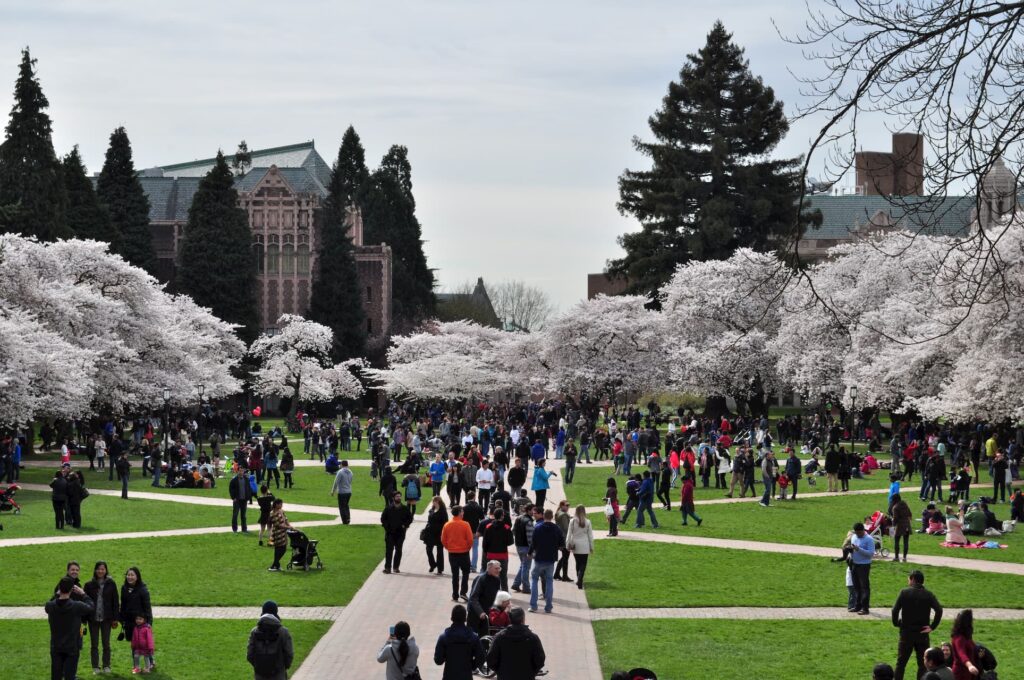
12. University of Washington
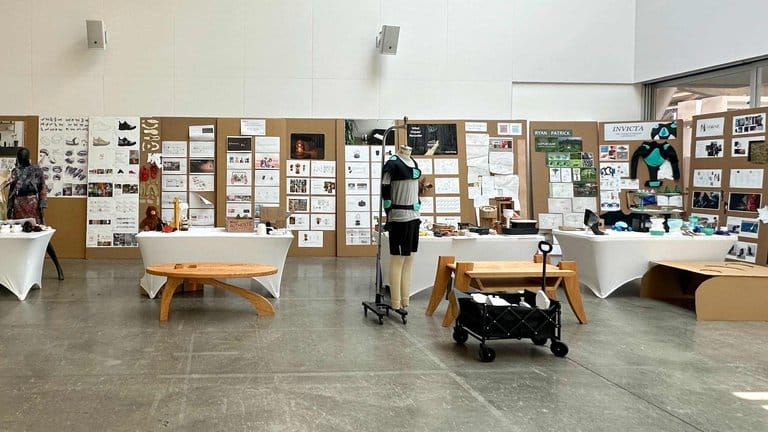
The University of Washington offers an industrial design program deeply rooted in user-centered research. Situated in Seattle’s vibrant tech ecosystem, UW students gain firsthand exposure to innovative companies like Amazon and Microsoft, often leading to internship and collaboration opportunities (The Art Career Project). The curriculum underlines sustainable materials, integration with engineering, and forward-thinking design solutions.
- Location: Seattle, Washington, United States
- Key Strengths: Proximity to major tech companies, sustainability initiatives, mix of design studio work and engineering
- Ideal For: Students who envision practical design solutions informed by cutting-edge technology and user research
13. Tsinghua University
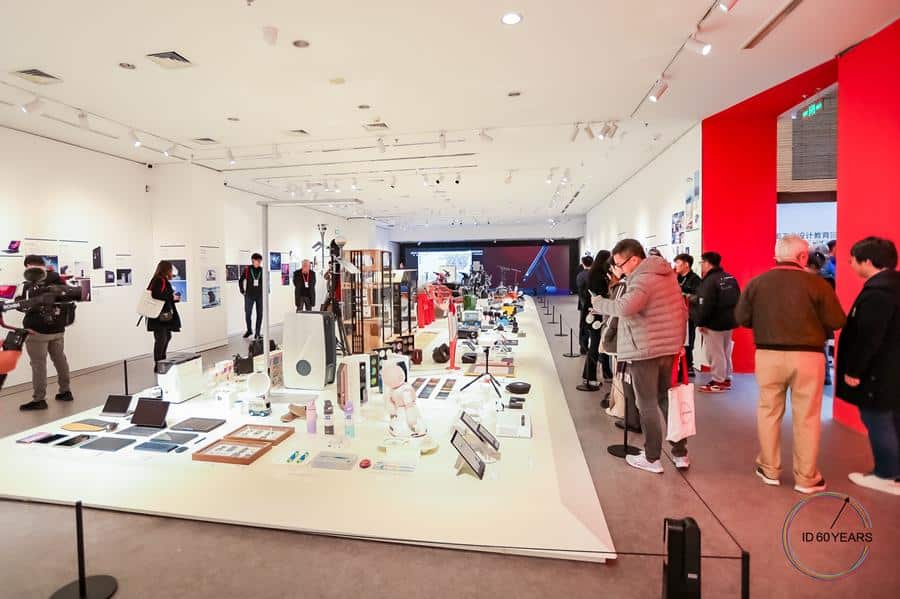
For students looking beyond the United States, Tsinghua University in Beijing, China, stands out. It climbed 10 places to joint 14th in the 2025 QS Art & Design rankings, making it the highest-ranked university in Asia for art and design studies (TopUniversities). Also, Tsinghua is one of China’s top industrial design institutions, propelled by extensive government support for innovation and a global focus on collaboration with the USA, Japan, and Europe (Springer).
- Location: Beijing, China
- Key Strengths: Rapidly expanding program, government-backed innovation, international collaborations
- Ideal For: Students looking for a multicultural experience and eager to explore global perspectives in design
14. Politecnico di Milano
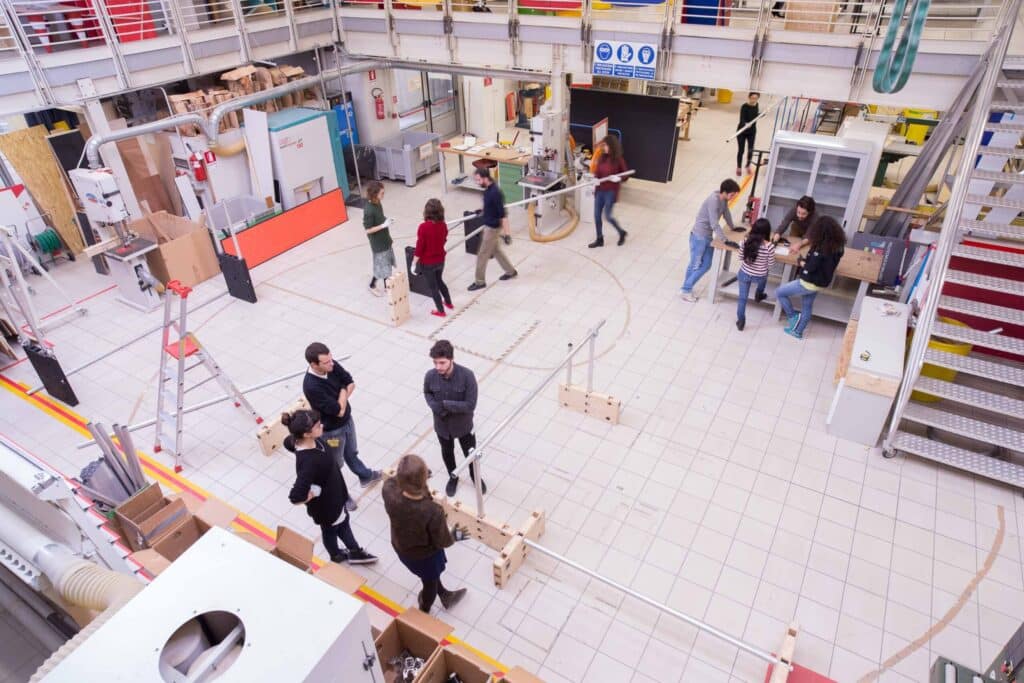
Politecnico di Milano, ranking sixth in the 2025 QS Art & Design rankings, leads continental Europe in art and design education (TopUniversities). This Italian institution unites heritage and contemporary innovation, offering you a chance to study industrial design in one of the world’s design capitals. Courses are known for blending design theory with craftsmanship and advanced engineering approaches, making you well-rounded in the field.
- Location: Milan, Italy
- Key Strengths: Internationally recognized design focus, strong ties to European art and fashion, comprehensive design-thinking curriculum
- Ideal For: Students who want to immerse themselves in a European design culture renowned for style and quality
15. Swarthmore College
Swarthmore College is not always the first school that comes to mind for industrial design, but it is ranked #36 best college for industrial and product design with an acceptance rate of 7%, a net price of $17,930, and an SAT range of 1460–1560, per Niche’s 2026 report (Niche). Swarthmore’s liberal arts environment encourages you to blend technical coursework with broad academic exploration. This could be ideal if you want a smaller college setting with a personalized learning approach.
- Location: Swarthmore, Pennsylvania, United States
- Key Strengths: Personalized academics, interdisciplinary liberal arts framework, intimate campus community
- Ideal For: Students seeking a small-college feel that still provides industrial design-related pathways and resources

16. University of Illinois Urbana-Champaign (UIUC)
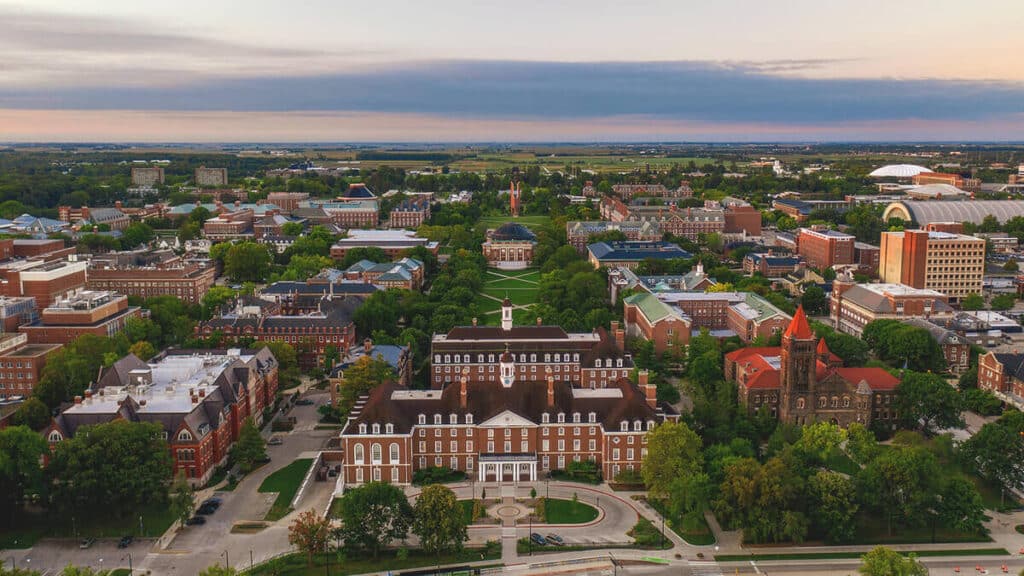
UIUC ranks #47 for industrial and product design degrees with an acceptance rate of 44%, a net price of $14,297, and an SAT range of 1270–1510 according to Niche’s 2026 rankings (Niche). Known for its engineering pedigree, UIUC also integrates robust design elements into its product design track. Expect cooperation with engineering labs and facilities specializing in manufacturing and prototyping.
- Location: Champaign-Urbana, Illinois, United States
- Key Strengths: Strong engineering heritage, cross-department labs, supportive environment for research
- Ideal For: Students who love to blend creative projects with advanced technology and engineering studies
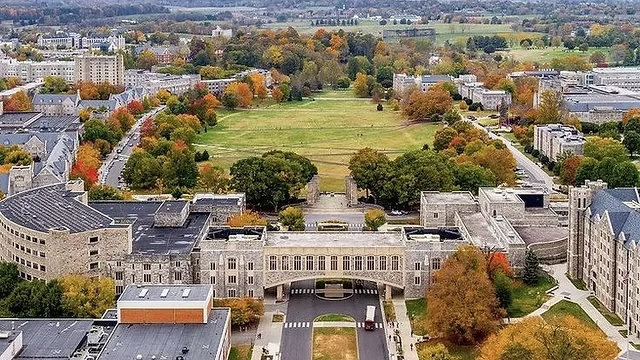
17. Virginia Tech
Virginia Tech sits at #58 among top industrial and product design colleges, featuring an acceptance rate of 57%, a net price of $22,205, and an SAT range of 1240–1420 as stated in the 2026 Niche data (Niche). The program highlights an applied, hands-on education. Collaborations across departments encourage you to work on cutting-edge projects, ranging from electronics and robotics to consumer products.
- Location: Blacksburg, Virginia, United States
- Key Strengths: Emphasis on experimental project-based learning, robust research opportunities, diverse campus resources
- Ideal For: Students who want a larger public university experience with a strong focus on technology and design
Frequently asked questions
What is the main difference between industrial design and product design?
In many universities, “industrial design” and “product design” are often used interchangeably. However, industrial design tends to focus on creating solutions suitable for mass production and complex manufacturing systems. Product design is sometimes narrower in scope, emphasizing the conceptual and aesthetic development of specific products. Each university may define these terms slightly differently, so it is wise to check the curriculum details.How important is accreditation for an industrial design program?
Accreditation ensures that the curriculum meets certain quality standards. In the United States, the National Association of Schools of Art and Design (NASAD) often accredits design programs, but not all top programs maintain the same accreditation status. While accreditation can be helpful for validating educational quality, program reputation, faculty expertise, and graduate success may matter just as much.Do I need a strong background in art or engineering to succeed in industrial design?
It certainly helps to have an interest in art, sketching, or engineering principles, but many industrial design programs offer foundational courses to bring students up to speed. A passion for solving problems, an open mind, and a willingness to learn new skills is often more important than having a perfect technical background.Should I prioritize a well-ranked design school over a broader university?
Both paths have advantages. Specialized design schools often provide an immersive creative environment, advanced prototyping labs, and direct connections to design studios. Larger universities, on the other hand, might offer interdisciplinary learning and robust research funding. Your choice depends on the kind of campus environment and resources you want.Is it possible to specialize in sustainable or socially responsible design?
Absolutely. Many of the best industrial design universities now include courses and research opportunities in sustainability, eco-friendly materials, and ethical production. Programs at schools like Delft University of Technology, the California College of the Arts, and Tsinghua University are known to emphasize socially responsible design. If you want a career centered on mindful product development, look for programs that prioritize a sustainable, human-centered approach.
Whichever path you follow, a quality industrial design degree gives you the tools to shape ideas into tangible products that enrich people’s lives. By considering each program’s strengths and aligning them with your personal goals, you can confidently step toward a future in one of the most dynamic and creative fields around.
- 12shares
- Facebook0
- Pinterest12
- Twitter0
- Reddit0