Are you just starting out with pencil and paper and hungry for some beginner sketching tips that actually move the needle? Sketching is all about building skills step by step, from loosening up your hand to adding those final shadows. In this tutorial, you’ll learn how to start drawing sketches that feel confident and fun, even if you’ve never sketched a straight line. Let’s dive in.

Warm up your hand
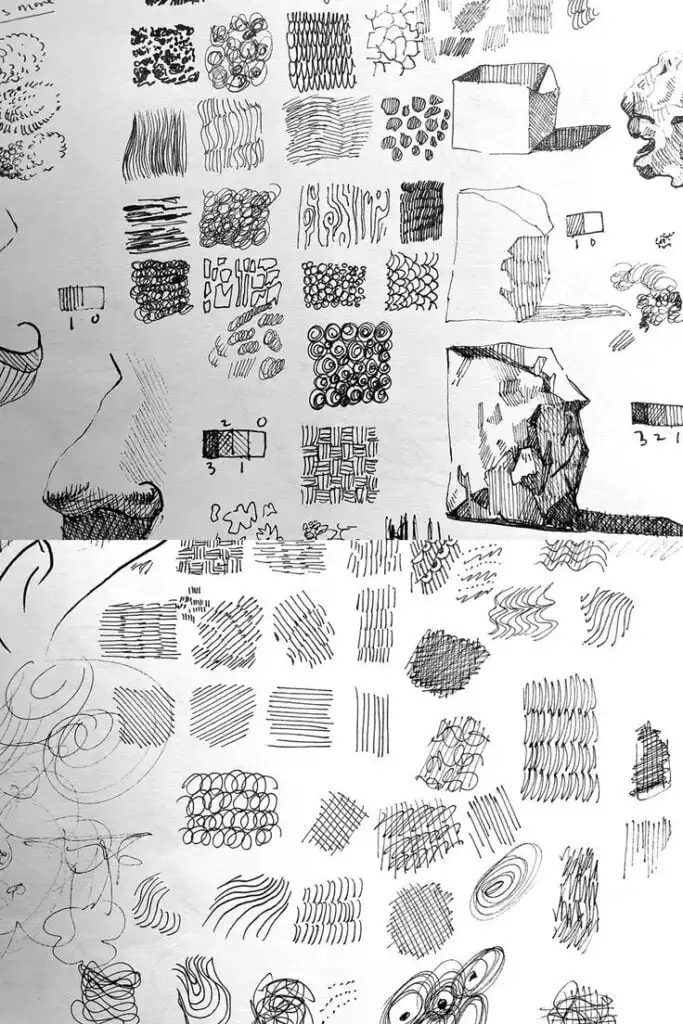
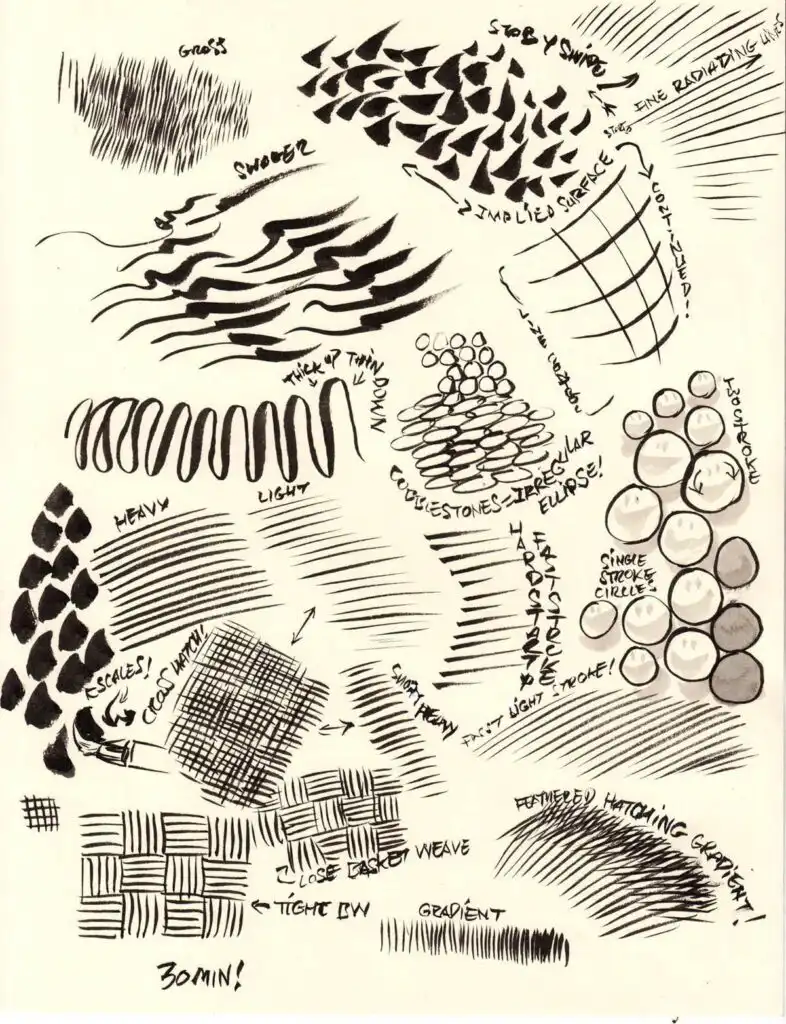
Vary your mark-making
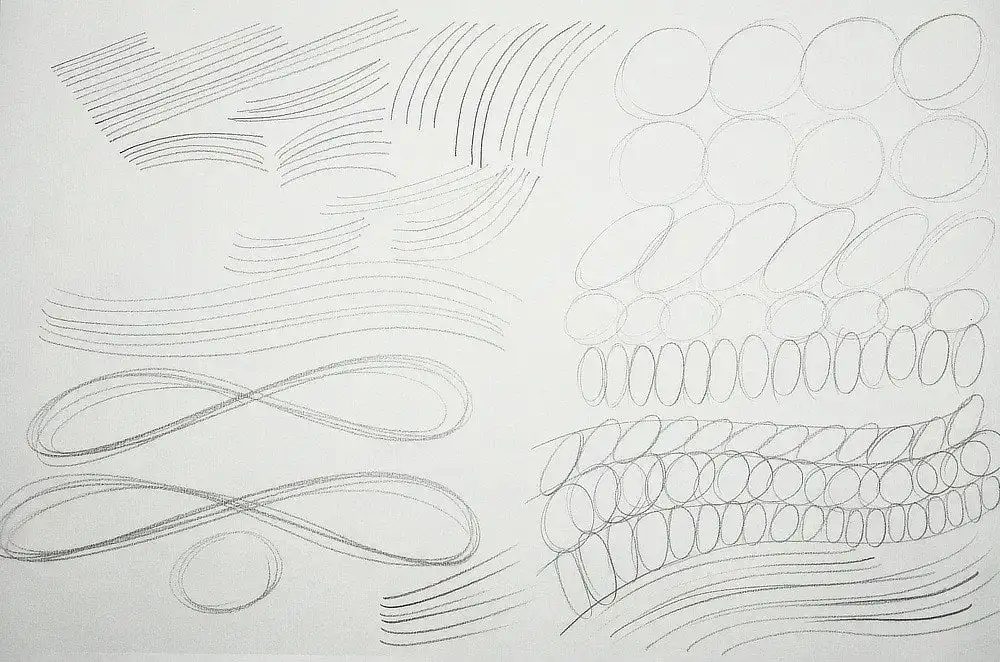
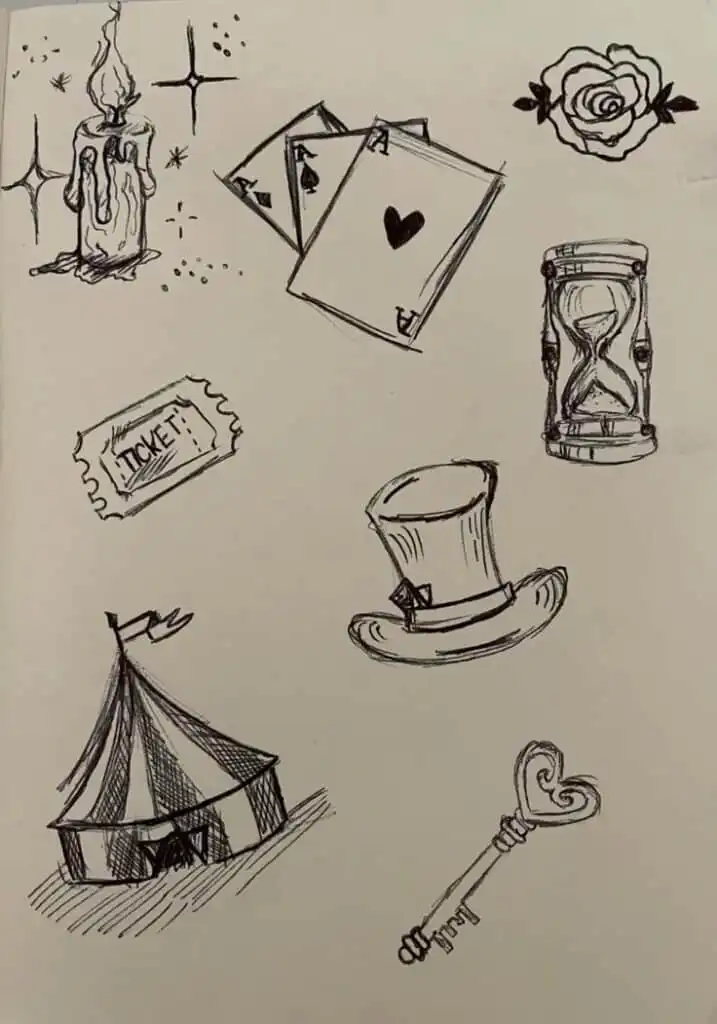
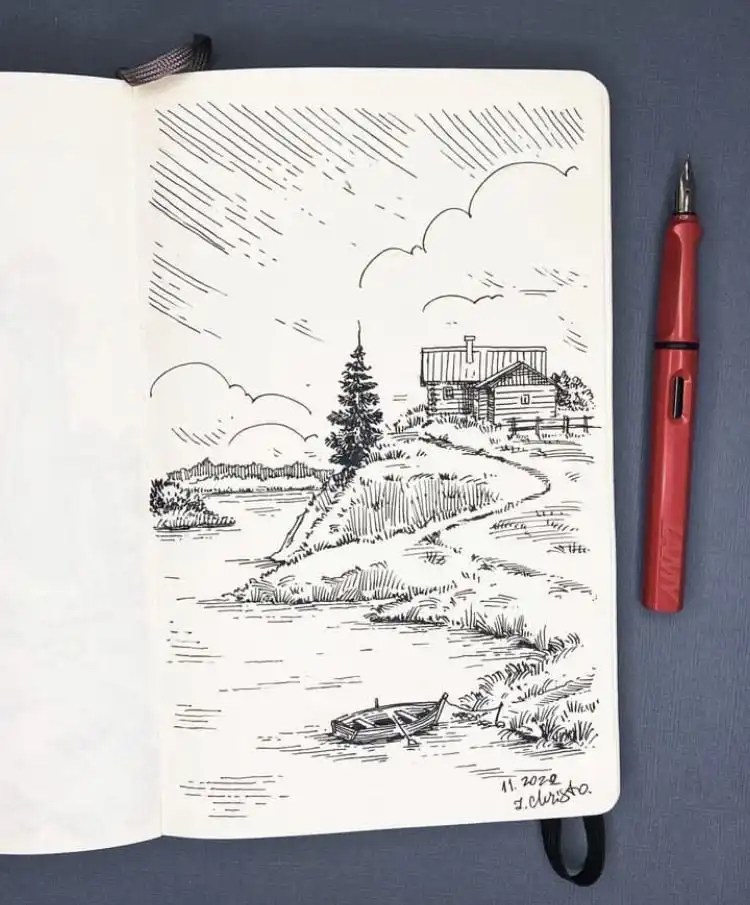
Kick things off with quick exercises using scribbles, dots, stipples, hatching, zigzag lines, and other random strokes to loosen your drawing muscles and sharpen hand-eye coordination ( Julia Bausenhardt ).
Time your warm-ups
Set a timer for 1–5 minutes each session. Keep it short, playful, and judgment-free, so you build momentum without feeling overwhelmed.
Rough out your sketch
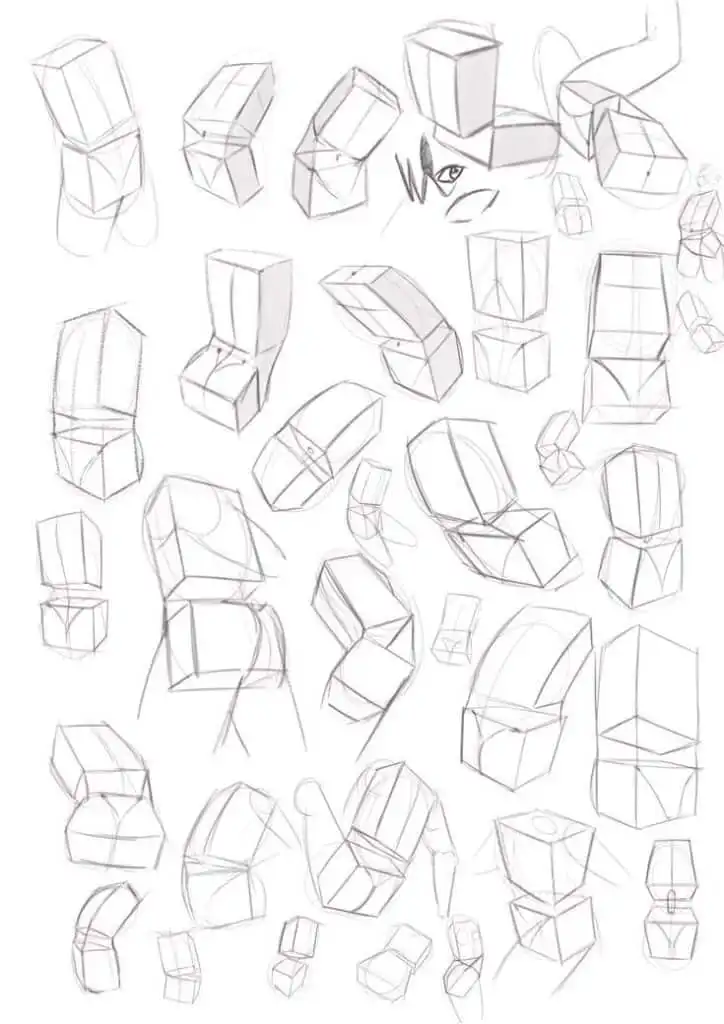
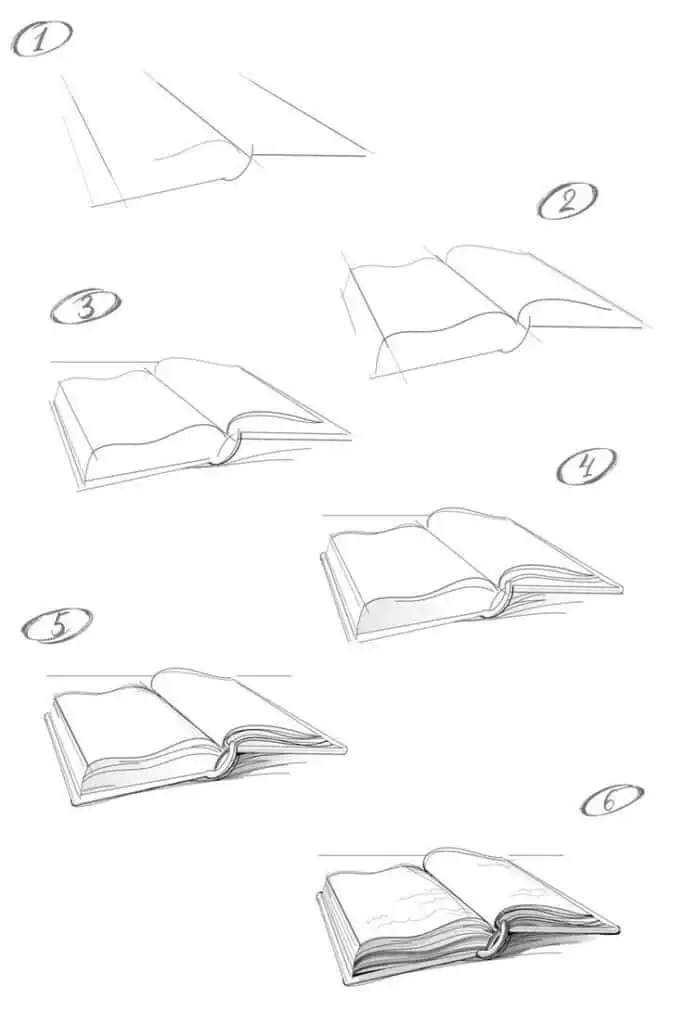
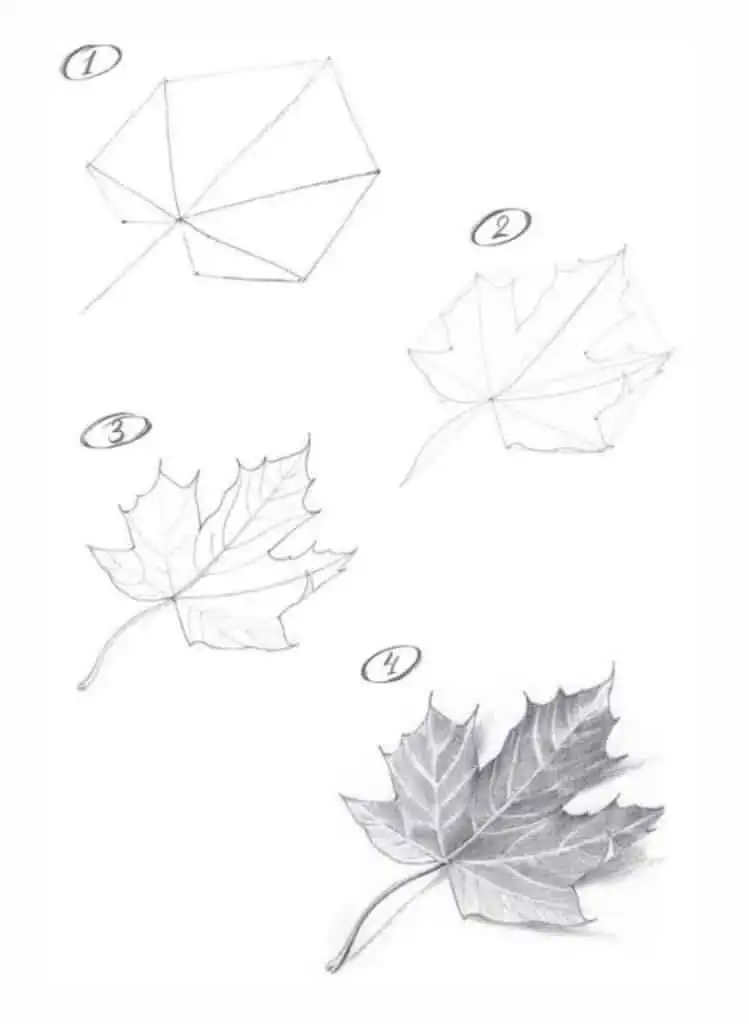
Break down shapes
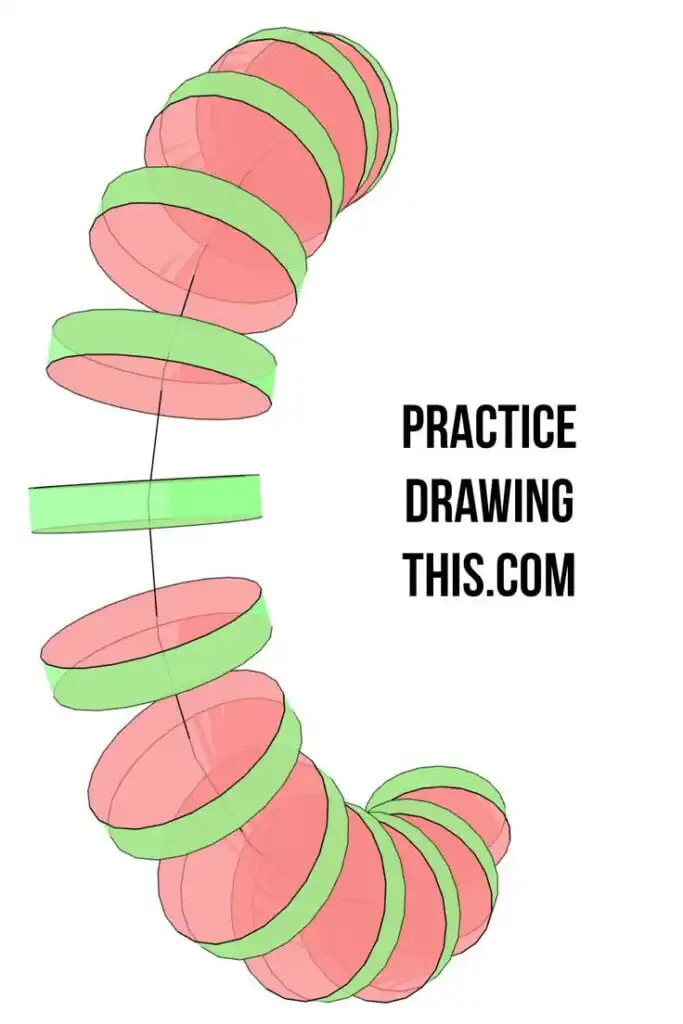
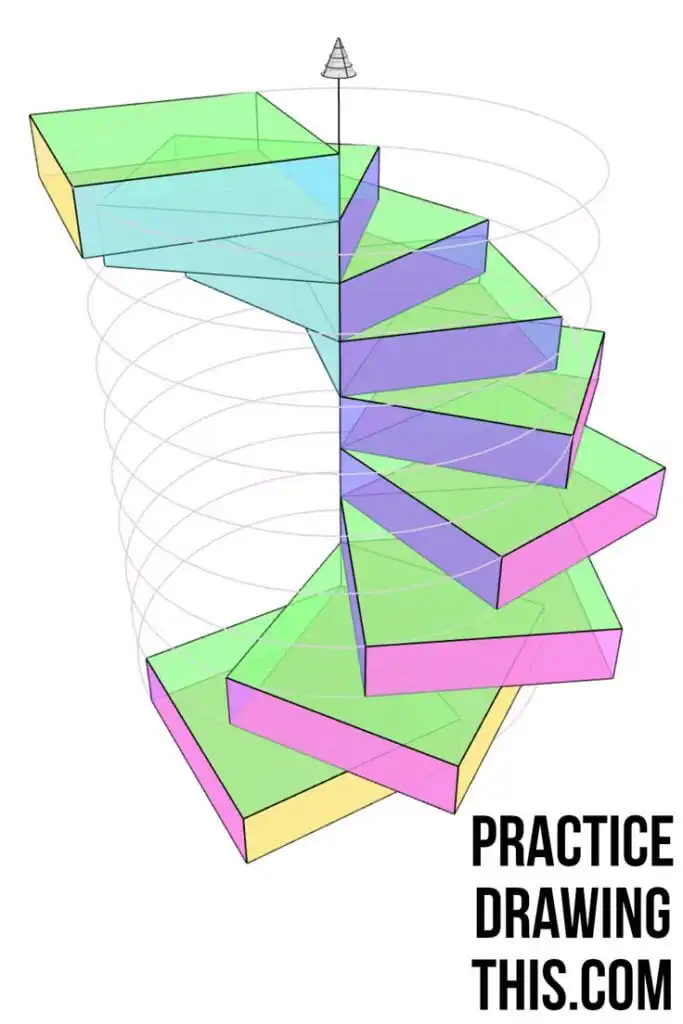
Start by mapping your subject as basic circles, rectangles, and triangles with very light lines. This underdrawing helps you lock in correct proportions before diving into details.
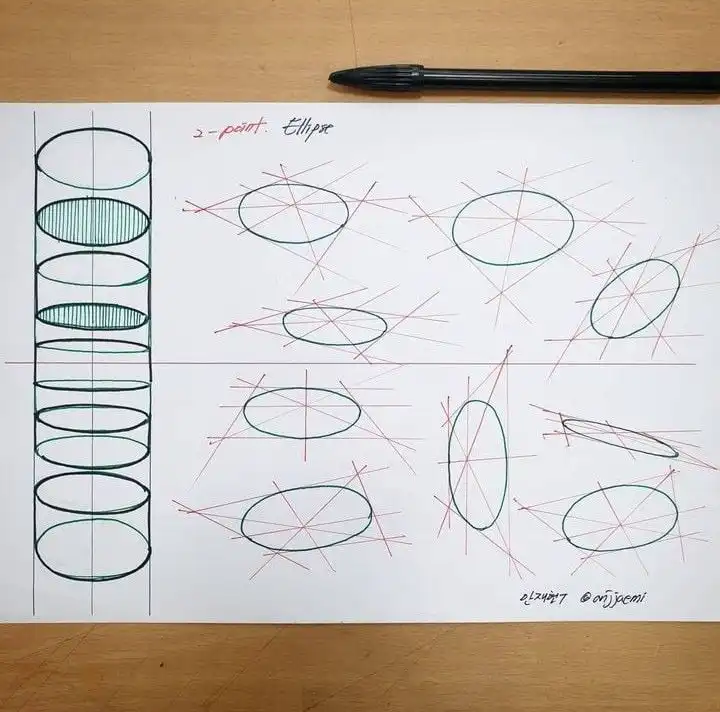
Check proportions early
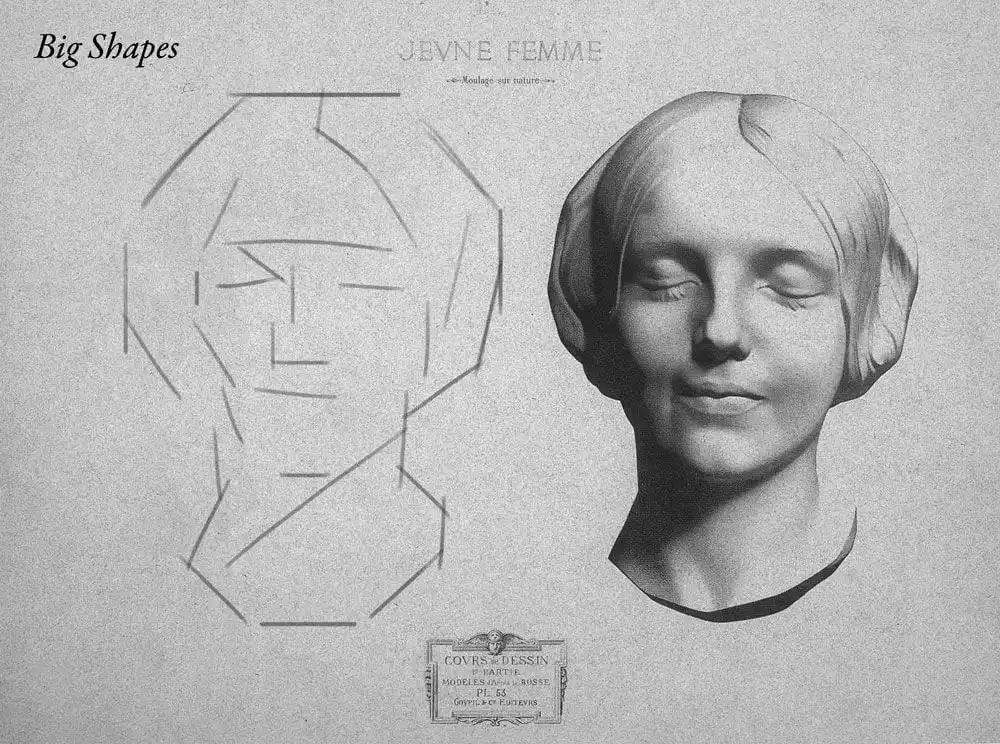
Use a viewfinder or hold your pencil at arm’s length to compare measurements on paper. This construction phase ensures elements relate to each other accurately ( Reddit ).
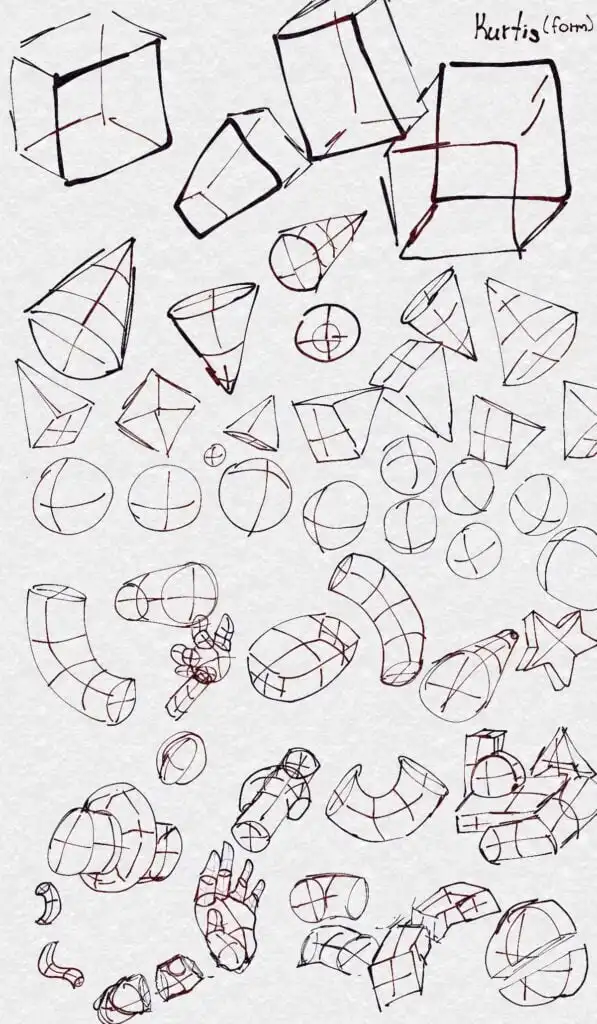
Draw from real life
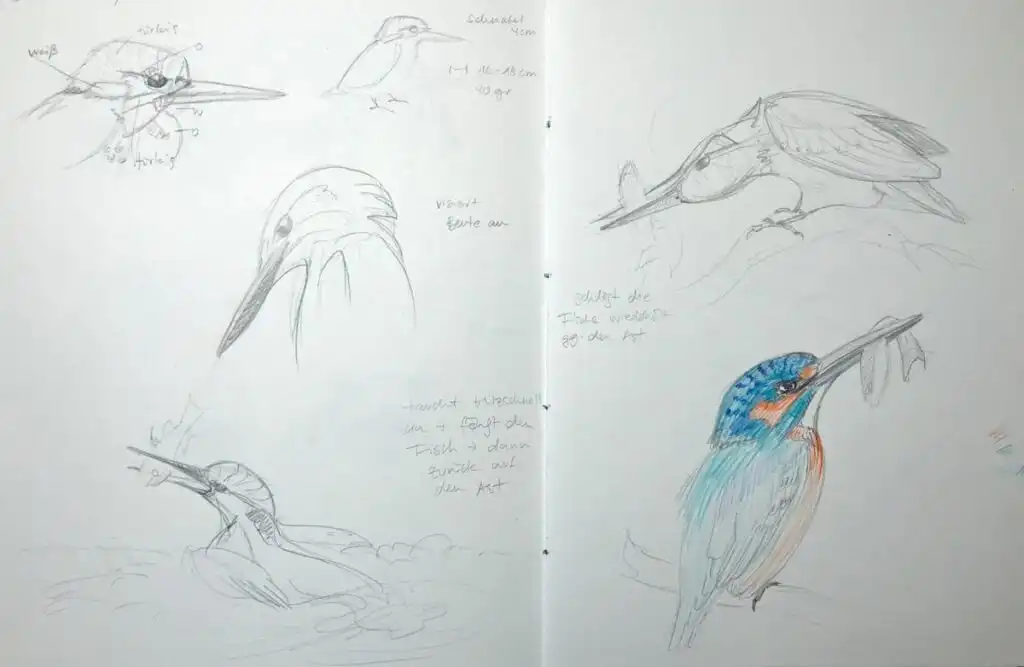
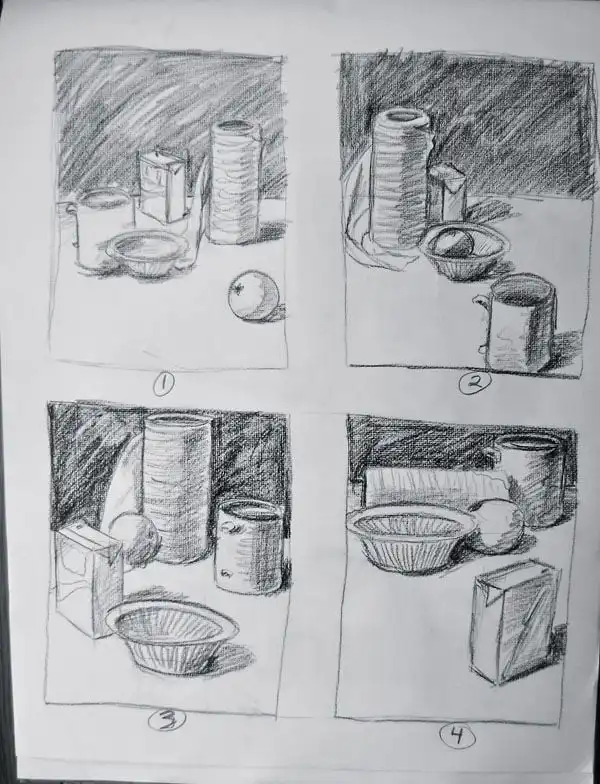
Skip tracing or drawing straight from photos—photos often lack realistic lighting and depth. Instead, sketch still life setups or posed friends under stable light to strengthen observation skills ( Reddit ).
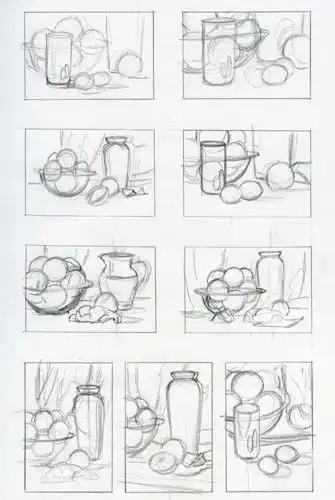
Tighten your sketch
Refine your contours
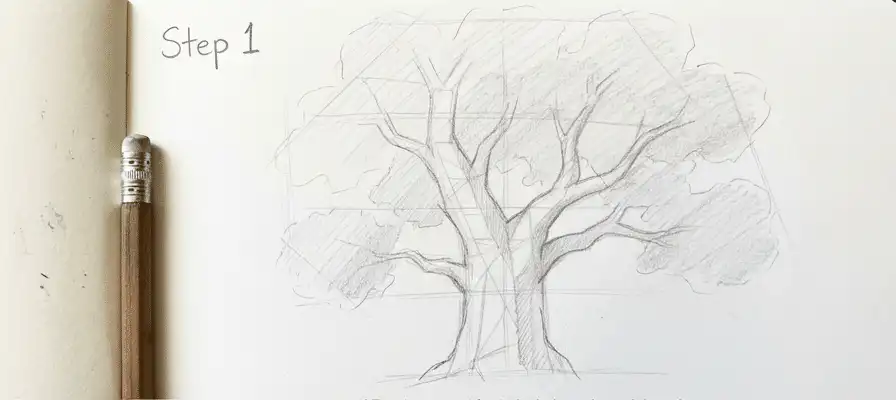
Once your rough lines feel solid, observe angles and edges carefully. Replace clusters of loose strokes with a single, confident contour line to define shapes clearly ( Julia Bausenhardt ).
Work from general to specific
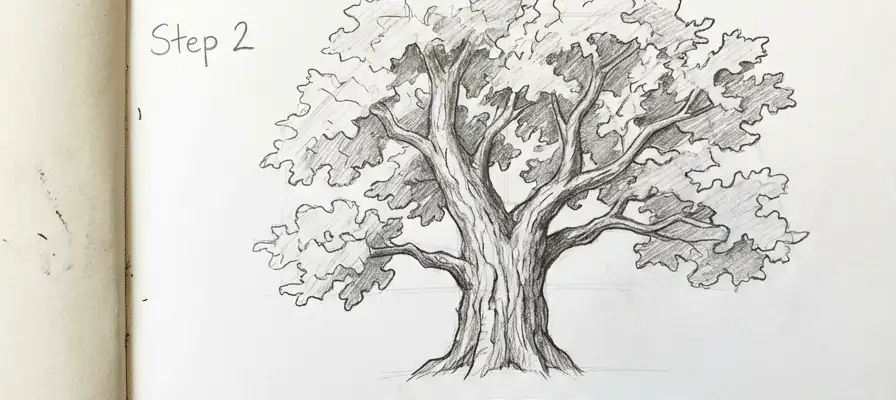
Avoid zeroing in on one area too soon. Render all parts of your sketch equally as you tighten it, so the composition stays balanced.
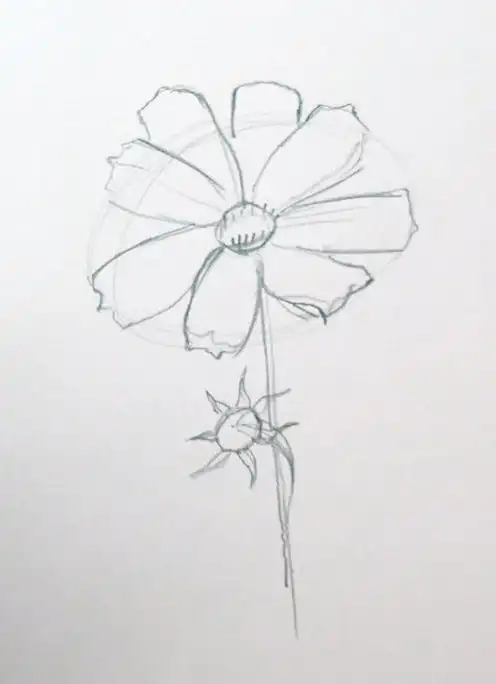
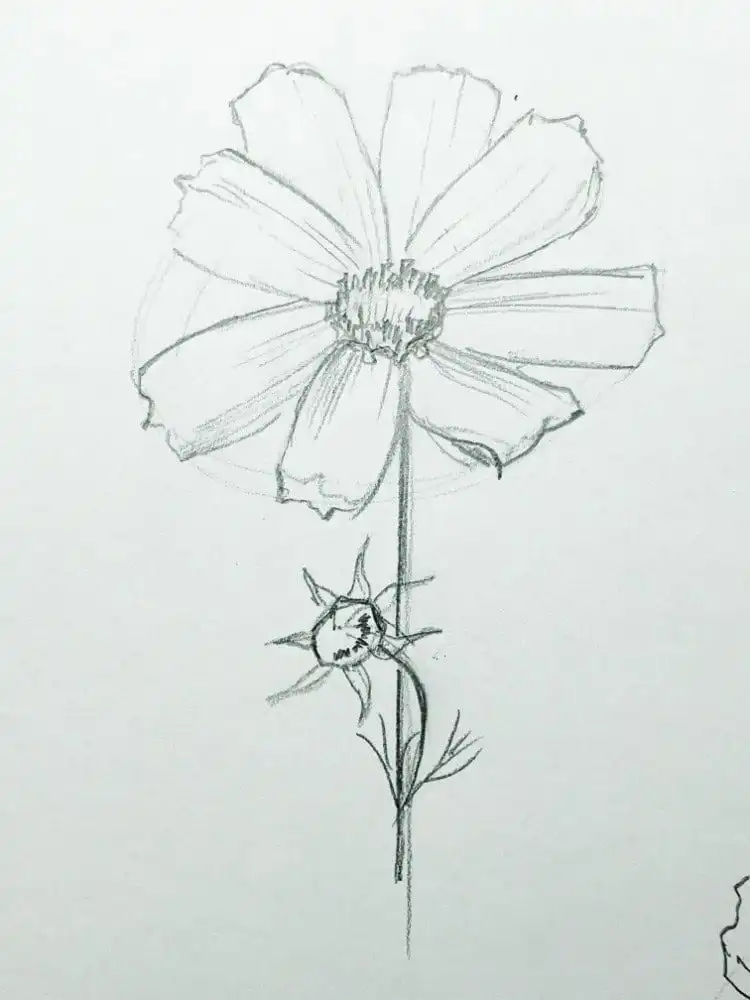
Finish with details
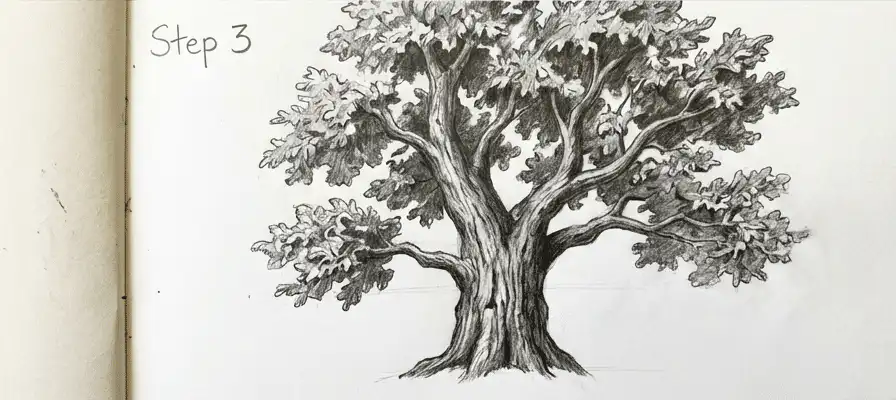
Apply light and shadow
Squint at your drawing to judge value ranges, then add contrast sparingly. Focus on highlights and shadows that guide the viewer’s eye without overworking the sketch.
Use fresh perspectives
Flip your page upside down or view it in a mirror to spot mistakes you might miss right-side up. This shift in perspective helps you catch proportion and value errors.
Choose quality tools
Pick the right pencils
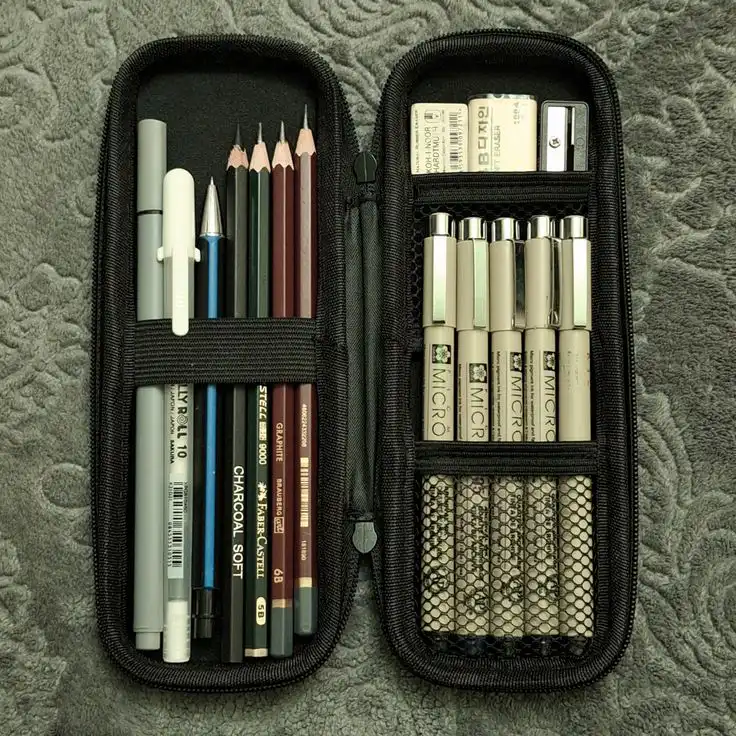
Build a small pencil kit with grades like 2H, HB, 2B, and 4B for a versatile mark-making range. Many beginners swear by Derwent graphite pencils for consistent quality ( The Virtual Instructor ).
Select your sketchbook
Invest in a hardcover sketchbook with acid-free, medium-tooth paper. It’s durable enough for daily use and won’t yellow over time ( The Virtual Instructor ).
Stock up on erasers and sharpeners
Keep a kneaded eraser for gentle corrections and a vinyl or rubber eraser for clean removal. Use a handheld metal sharpener for portability and an electric one for quick pencil prep.
Build a daily habit
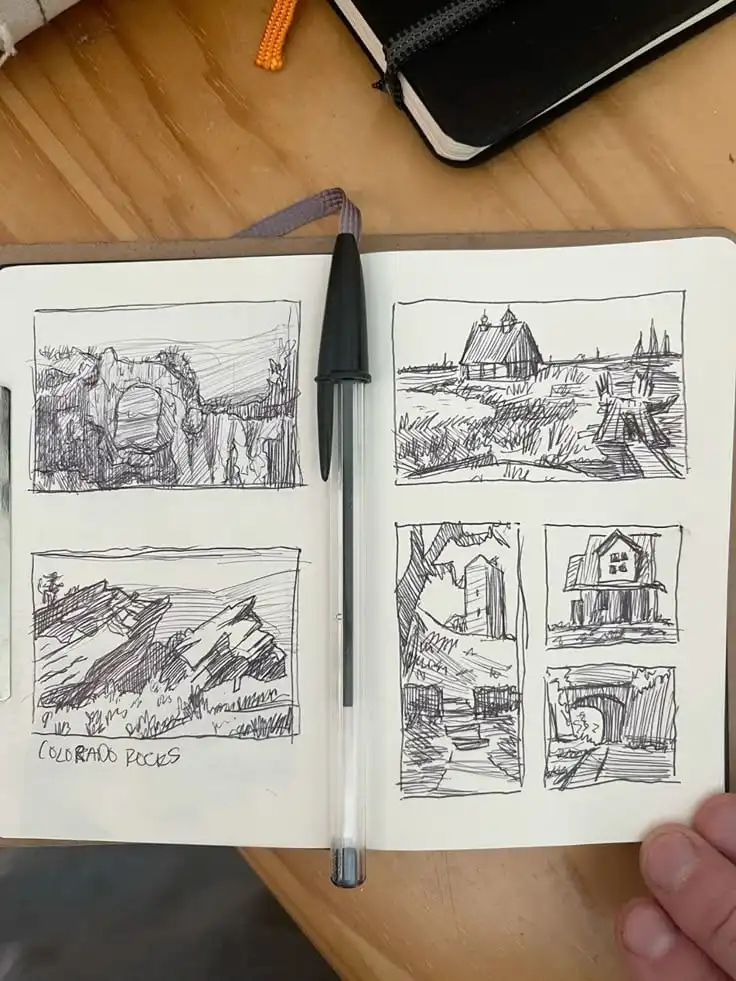
Keep an active sketchbook
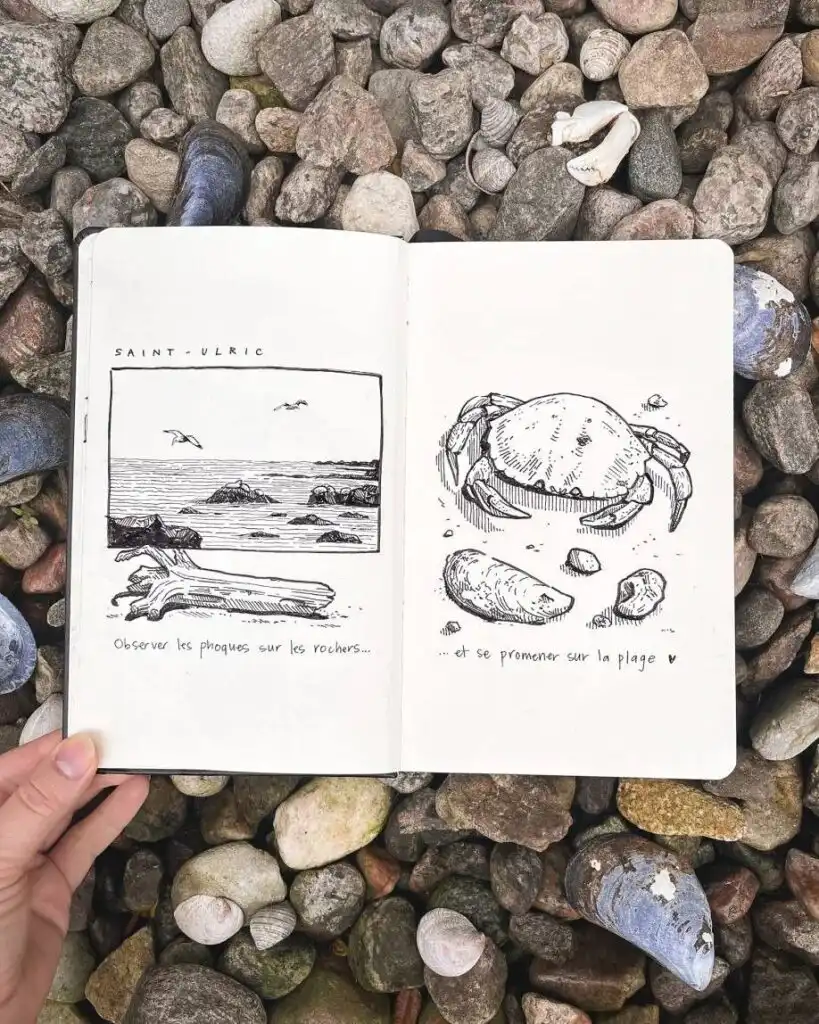
Carry your sketchbook everywhere and draw simple objects, faces, or patterns in 15–30 minute bursts. These short sessions beat occasional marathon draws for steady improvement ( DaisyYellowArt ).
Track your progress
Every few weeks, compare recent sketches with older ones. You’ll see real growth over months or years, not hours, which keeps you motivated.
Frequently asked questions
How much time should I spend sketching daily?
Aim for 15–30 minutes each day. Consistent short sessions build muscle memory faster than sporadic long ones.
Do I need fancy supplies to start?
No, a basic pencil and paper are enough to begin. Upgrading tools is helpful later, but it won’t replace regular practice.
How can I improve my shading skills?
Practice value studies on gray paper or with both light and dark mediums. Squint frequently to judge lights and darks more accurately.
Should I trace reference images when learning?
Avoid tracing. Drawing freehand from life or photo references trains your eye and hand coordination much more effectively.
What if I feel stuck or frustrated?
Switch up your exercises—try gestural sketches, new mark-making drills, or different materials. Remember, progress is gradual and every line you draw counts.
- 3.6Kshares
- Facebook0
- Pinterest3.6K
- Twitter0
- Reddit0