When you choose a cabinet knob, you look at the style and the finish that gives it personality. However, you might not realize how much craftsmanship goes into creating that finish. The way a cabinet knob is coated determines how long it will last and how well it will hold up in your everyday space. Understanding these finishing processes helps you make confident decisions when upgrading your space or furniture.
In this guide, you will explore how popular finishes such as electroplating, powder coating, and several others are applied. You will also gain a clearer view of how to choose the right finish for your space.
1. Electroplating
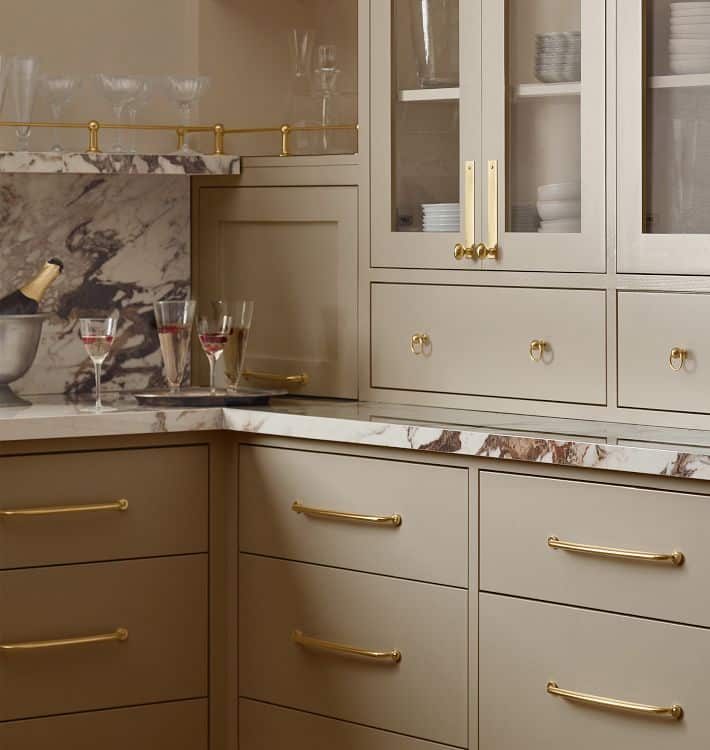
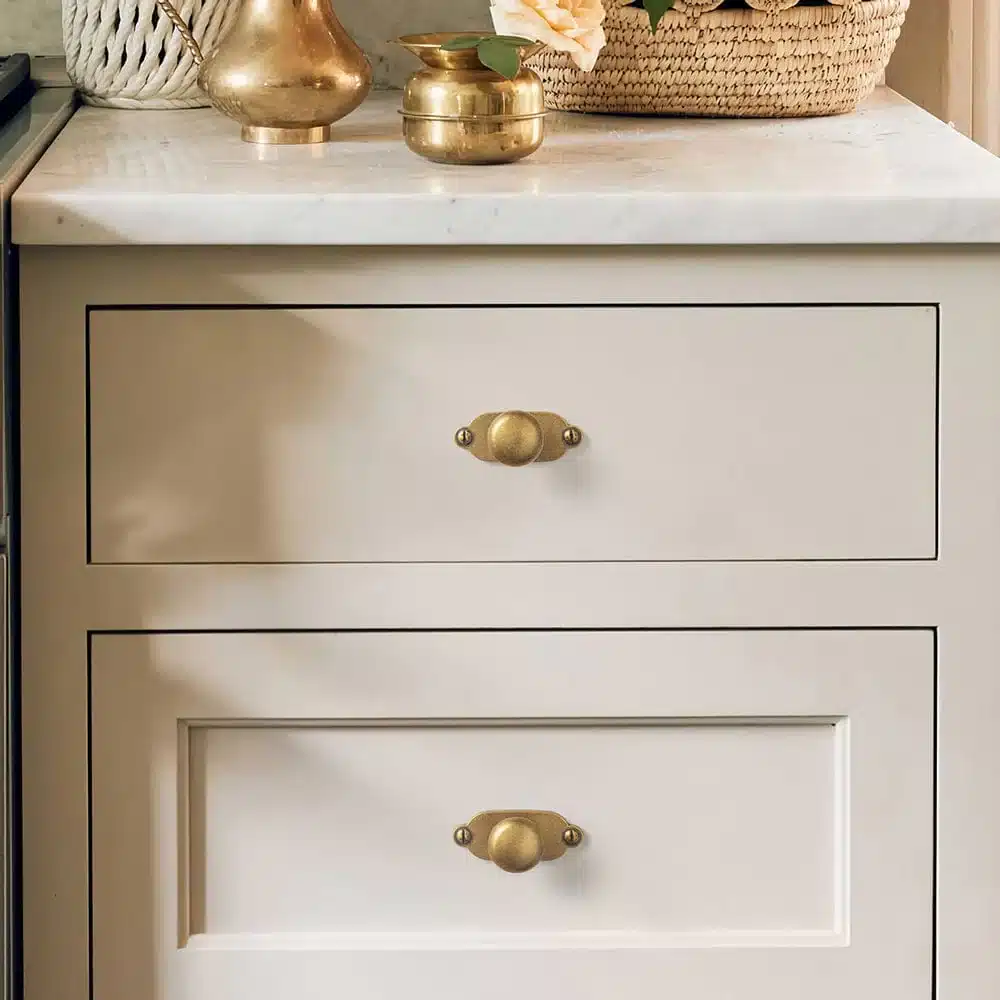
Electroplating is one of the most commonly used finishing methods in the cabinet hardware industry. You will often find it in popular finishes such as polished chrome, brushed nickel, brass tones, and oil-rubbed bronze.
How the Process Works
Electroplating involves coating a metal knob with a thin, durable layer of another metal. During the process, the knob is submerged in a liquid solution containing metal ions. Once an electric current passes through the solution, the ions bond to the surface of the knob. This controlled bonding creates a smooth, even coat that enhances appearance and strength.
Why You Should Choose Electroplated Hardware
Electroplated knobs are highly durable. The metal coating protects the hardware from corrosion and tarnishing. This feature makes it ideal for frequently used spaces such as kitchens and bathrooms. These finishes also achieve a uniform appearance, which means every knob in a set will look identical in tone and shine.
You will find electroplated finishes in a wide variety of styles, from sleek modern chrome to warm classic brass. This versatility makes electroplated knobs a top choice for both contemporary and traditional interiors.
2. Powder Coating
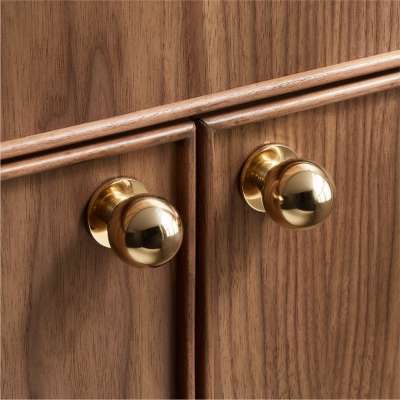
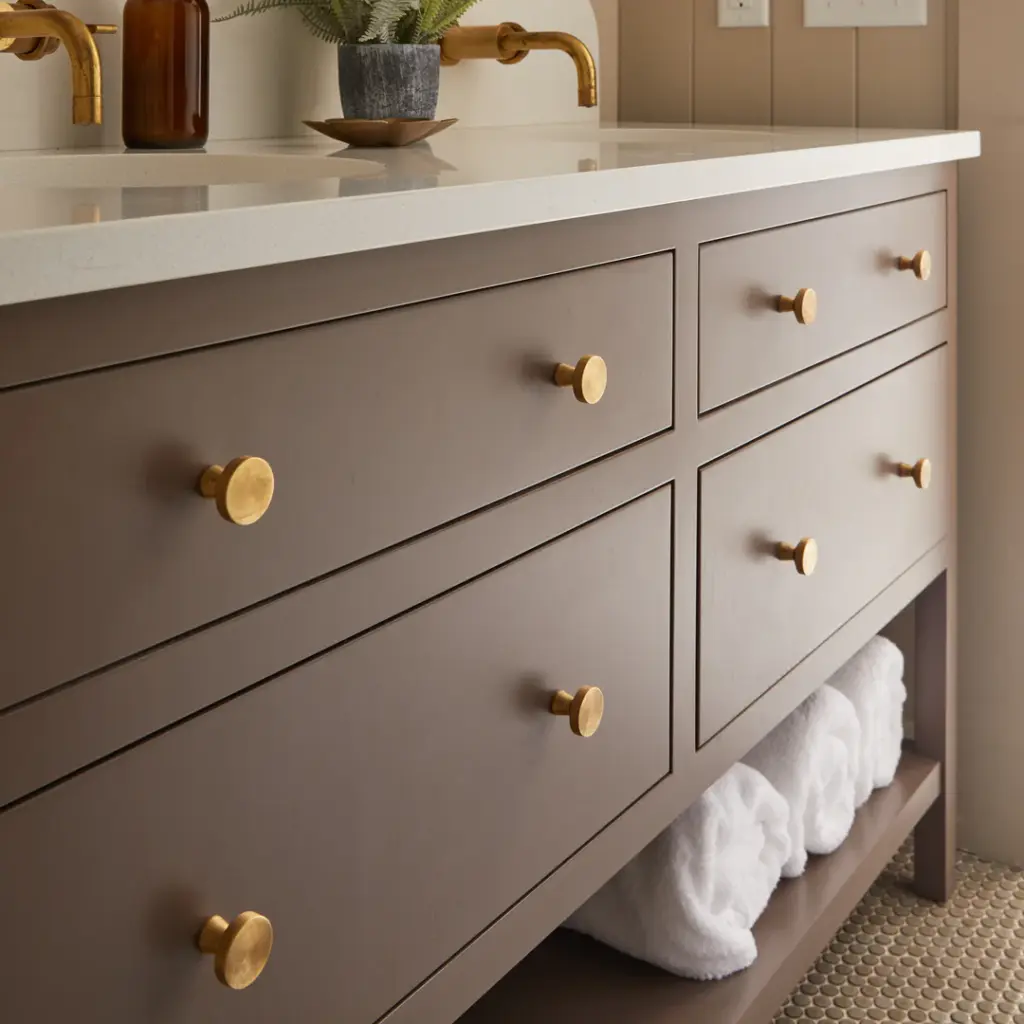
Powder coating is another widely used method, favored for its superior durability and unique texture options. You often see powder-coated finishes on black, white, matte, or textured cabinet hardware.
How Powder Coating Is Applied
Instead of using liquid paint, powder coating uses fine particles of pigment and resin. These particles are electrostatically charged and sprayed onto the metal knob. Because the knob has an opposite charge, the powder clings to it evenly. Once coated, the knob is placed in a curing oven. The heat melts the powder, forming a solid, durable coating.
What Makes Powder Coating Valuable
Powder-coated knobs resist chipping, scratching, and fading far better than many liquid-paint finishes. Because the coating is thicker and more consistent, the hardware stands strong against everyday wear. Powder-coated hardware also provides rich, matte, or textured appearances that fit beautifully with every type of design.
If you want hardware that combines aesthetic appeal with exceptional durability, powder coating delivers an excellent balance.
3. PVD Coating
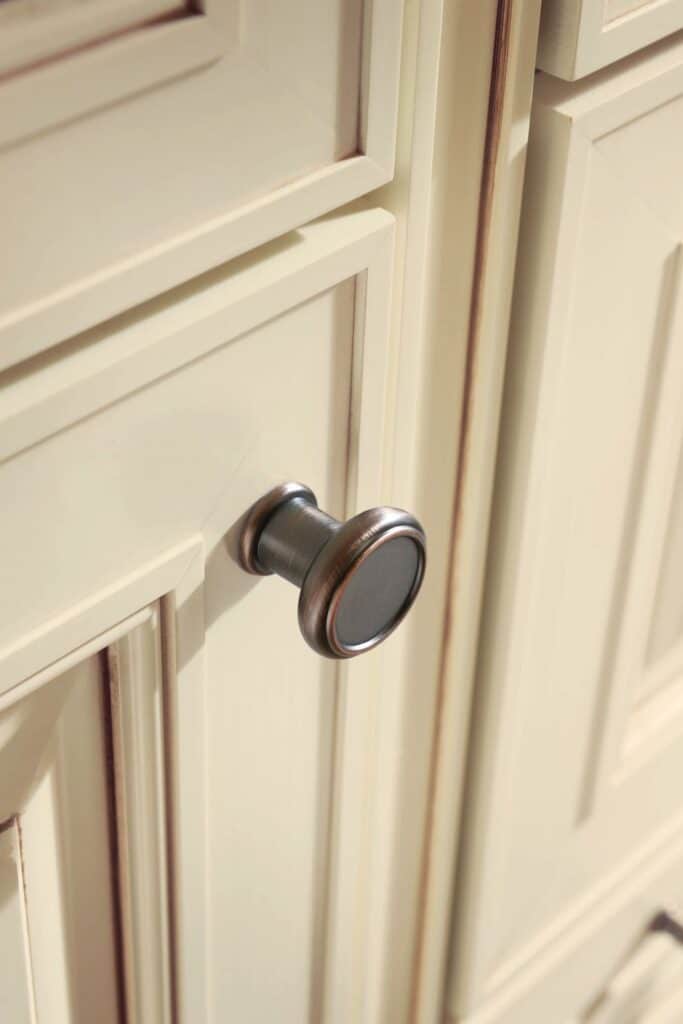
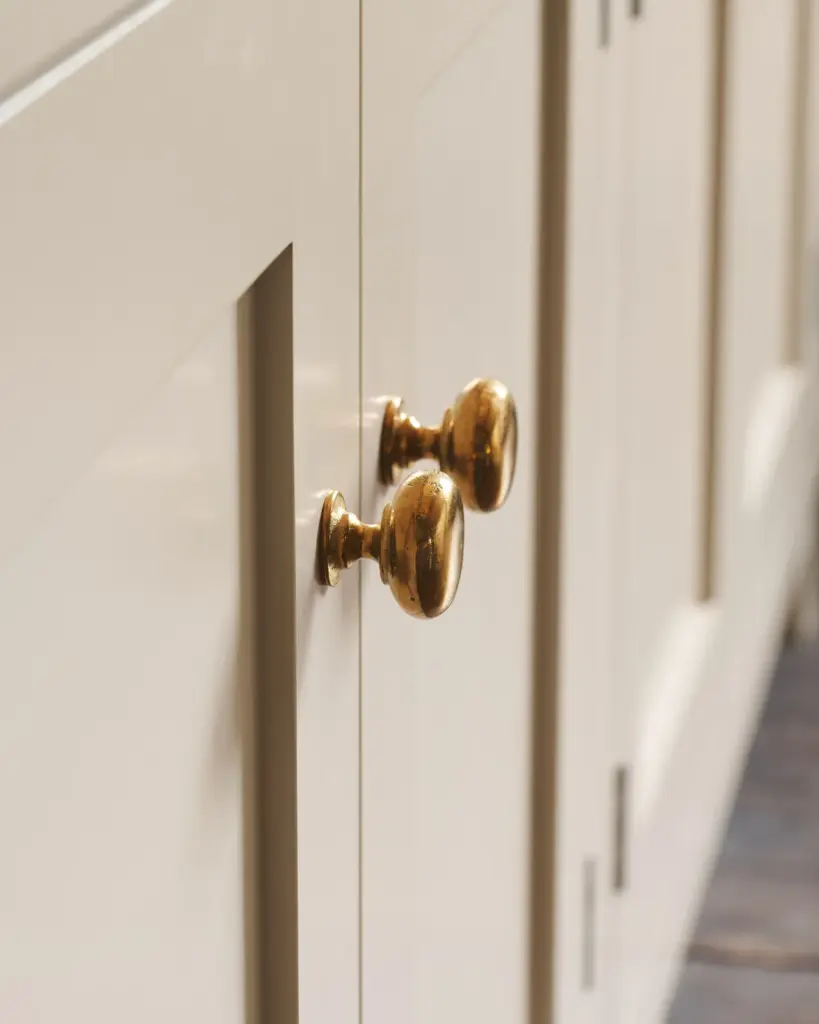
Physical Vapor Deposition (PVD) is a premium finishing technique used to create long-lasting coatings in stylish tones such as brushed gold, matte black, and sleek stainless finishes.
How PVD Works
During the PVD process, the hardware is placed inside a vacuum chamber. Metal materials are vaporized and bind to the knob’s surface on a molecular level. This creates a coating that is extremely hard and remarkably consistent.
Why PVD Is Worth Considering
PVD finishes are known for their strength. They do not easily fade, peel, or discolor, even in high-humidity spaces. Designers often prefer PVD finishes because they maintain a luxurious appearance for many years with minimal care. If you want a long-lasting, upscale look, PVD is one of the best finishing technologies available.
4. Lacquering
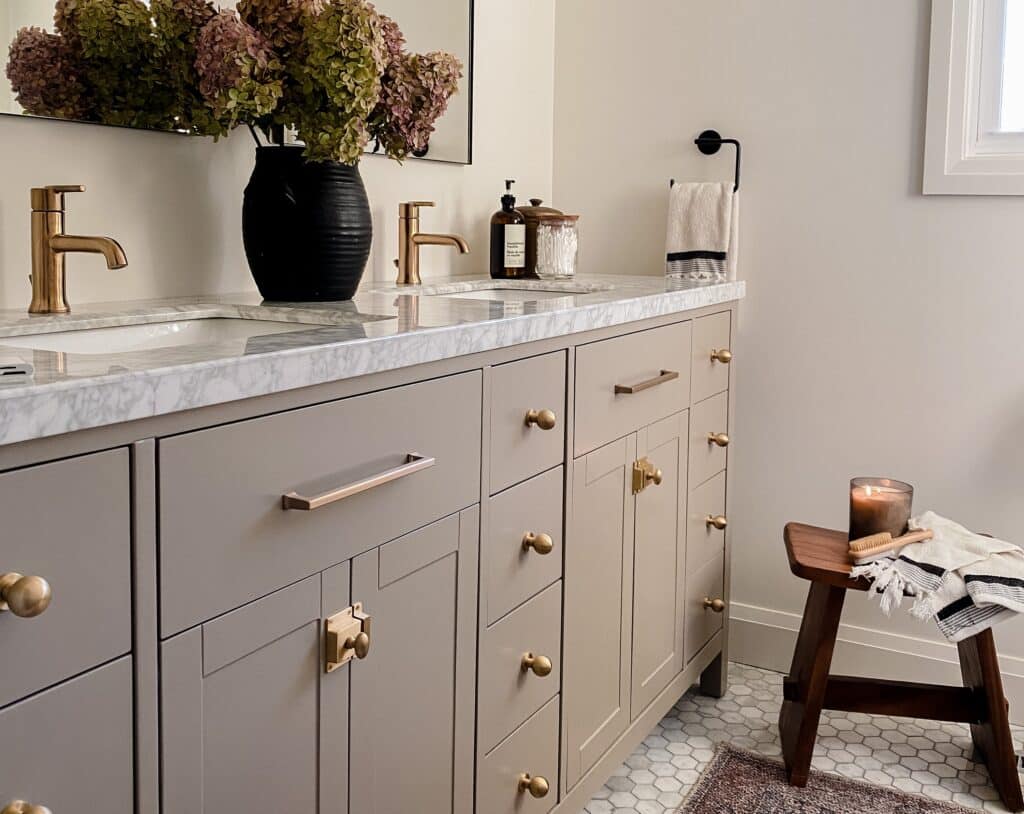
While electroplating, powder coating, and PVD create the color and surface texture, lacquering protects that finish.
What the Lacquering Process Looks Like
Lacquer is a clear protective topcoat applied over metal finishes. It seals the surface, shields the hardware from oxygen, and reduces the risk of tarnish or fingerprints. Once applied, the lacquer dries into a durable coating that preserves shine and color.
Why Lacquer Matters
Lacquering keeps your hardware looking new longer. Polished brass and bronze knobs especially benefit because lacquer prevents darkening and oxidation. If you prefer low-maintenance hardware that stays bright and clean, a lacquer-sealed finish provides an excellent solution.
5. Hand-Applied Finishes
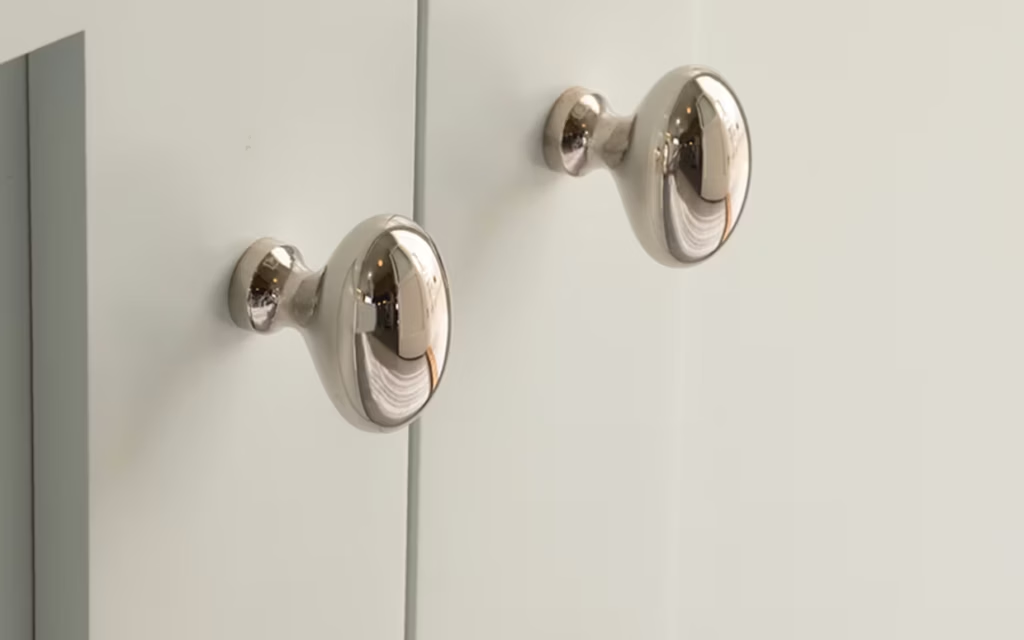
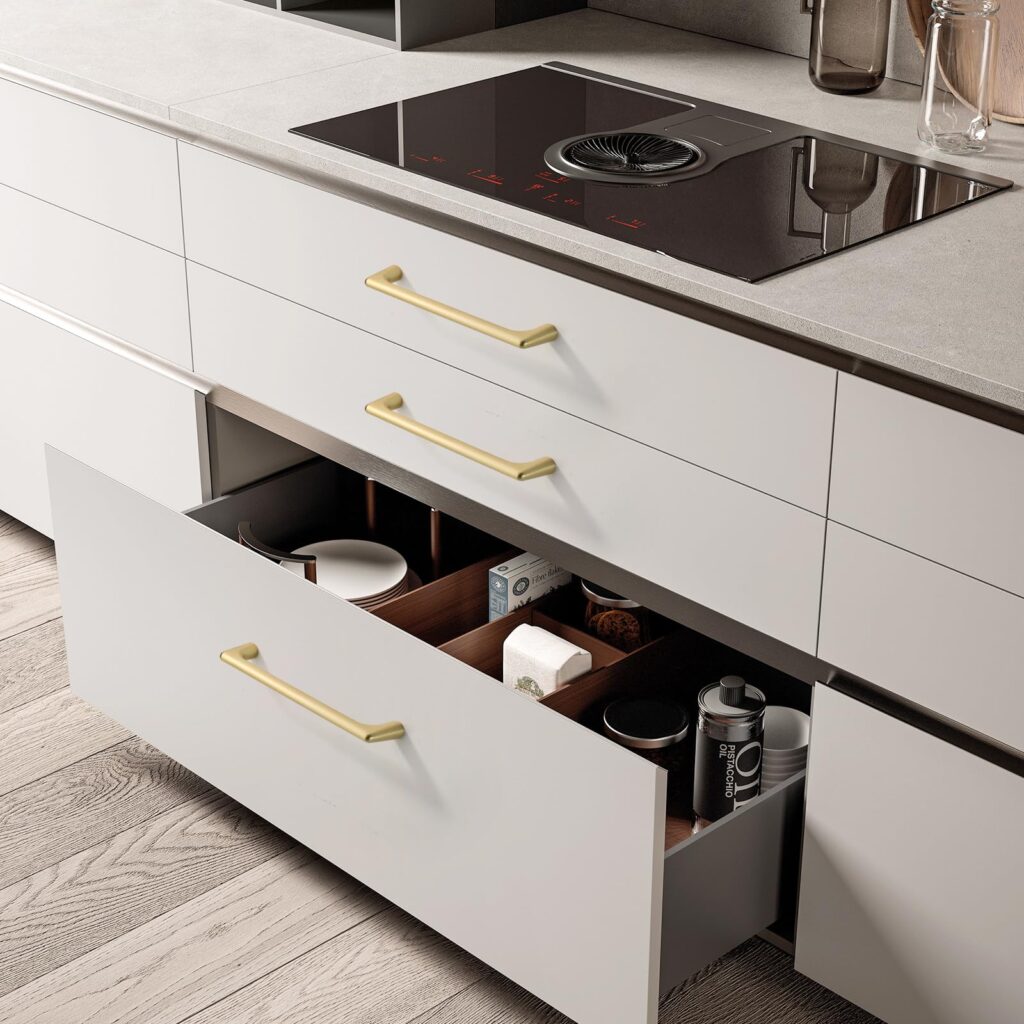
Some finishes cannot be replicated by machines. Hand-applied finishes add depth and character that make every knob feel unique.
Common Hand-Finished Techniques
You may encounter finishes such as:
- Hand-brushed textures
- Hand-painted patinas
- Distressed or antiqued finishes
- Waxed or rubbed metal tones
These techniques require craftsmanship and attention to detail. Each knob receives individual care, which results in a finish with dimension, artistry, and personality.
Why You Might Choose a Hand-Applied Finish
Hand-finished knobs offer unique charm that mass-produced finishes cannot match. If you want hardware that feels artisanal, warm, or vintage, hand-applied finishes create a more custom appearance.
Choosing the Right Finish for Your Space
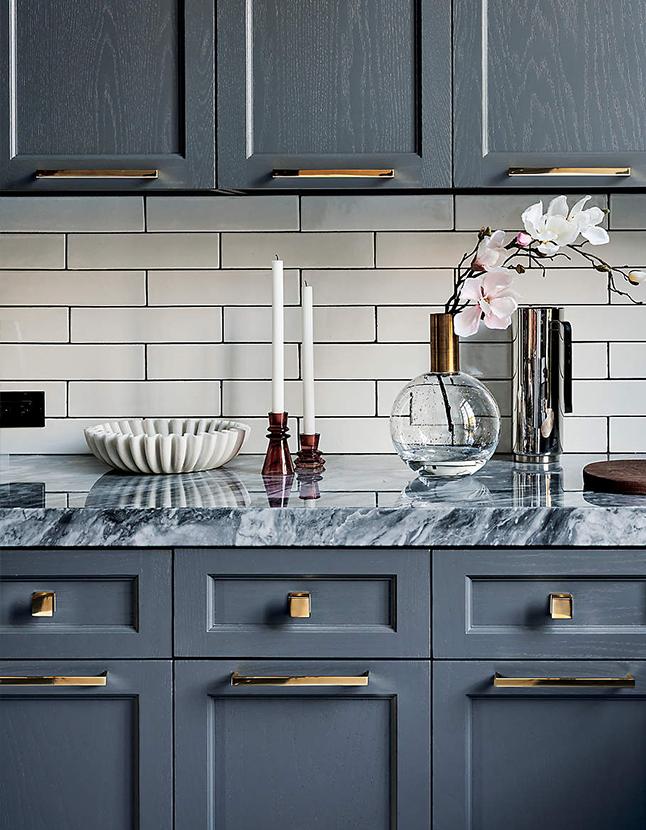
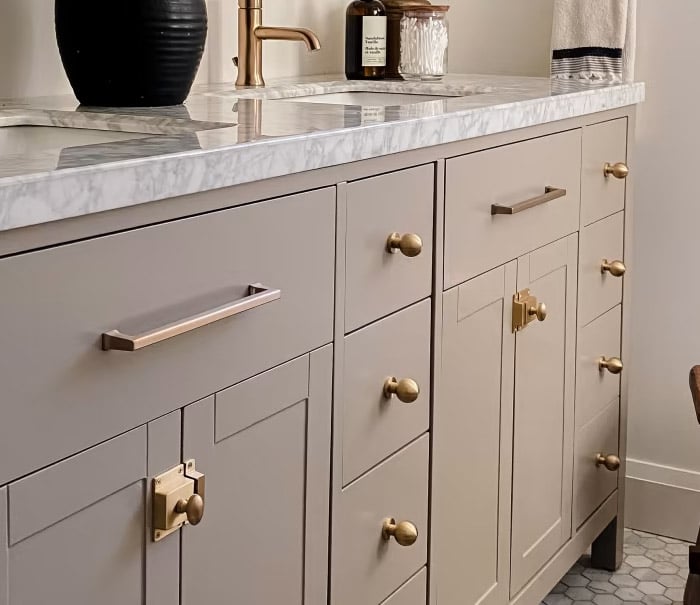
Now that you understand how finishes are applied, you can make better decisions for your home. Consider a few key factors:
Durability Needs
High-traffic kitchens benefit from electroplated, PVD, or powder-coated finishes because they stand up well to wear.
Maintenance Preferences
If you want something low-maintenance, choose brushed, matte, or lacquer-sealed finishes.
Design Style
Sleek polished chrome fits modern spaces, while bronzes and antique tones suit classic or rustic designs.
Long-Term Value
Premium finishing methods such as PVD may cost more initially, but they maintain their beauty for many years.
Final Thoughts
Understanding how cabinet knob finishes are applied helps you choose hardware that not only enhances your home visually but also delivers lasting performance. Whether you decide on electroplating for timeless shine, powder coating for exceptional durability, or PVD for luxury strength, the right finish transforms your space with confidence.
When you know exactly what each process offers, you can pick cabinet hardware that meets your needs in quality, appearance, and longevity. With the right finish, your knobs will continue to look beautiful and function perfectly, day after day.
- 14shares
- Facebook0
- Pinterest11
- Twitter3
- Reddit0