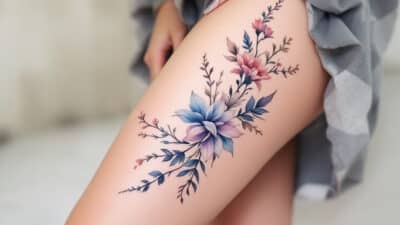
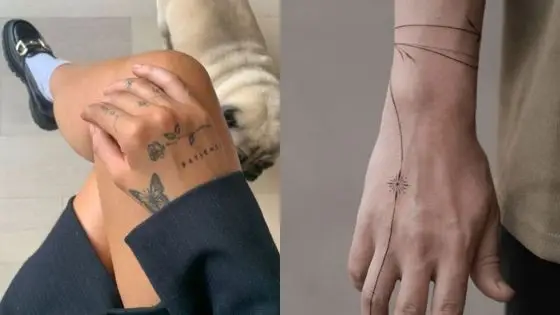
Large thigh tattoos women confidently choose can make a dramatic style statement while offering plenty of creative freedom. Your thigh provides a broad canvas to showcase everything from delicate florals to ornate tribal patterns. Better yet, you can choose when and how to show off your tattoo based on your outfit. Below, you will find an in-depth look at the benefits, placement options, pain factors, and aftercare tips, all backed by insights from top tattoo sources.

Embrace the Thigh’s Advantages
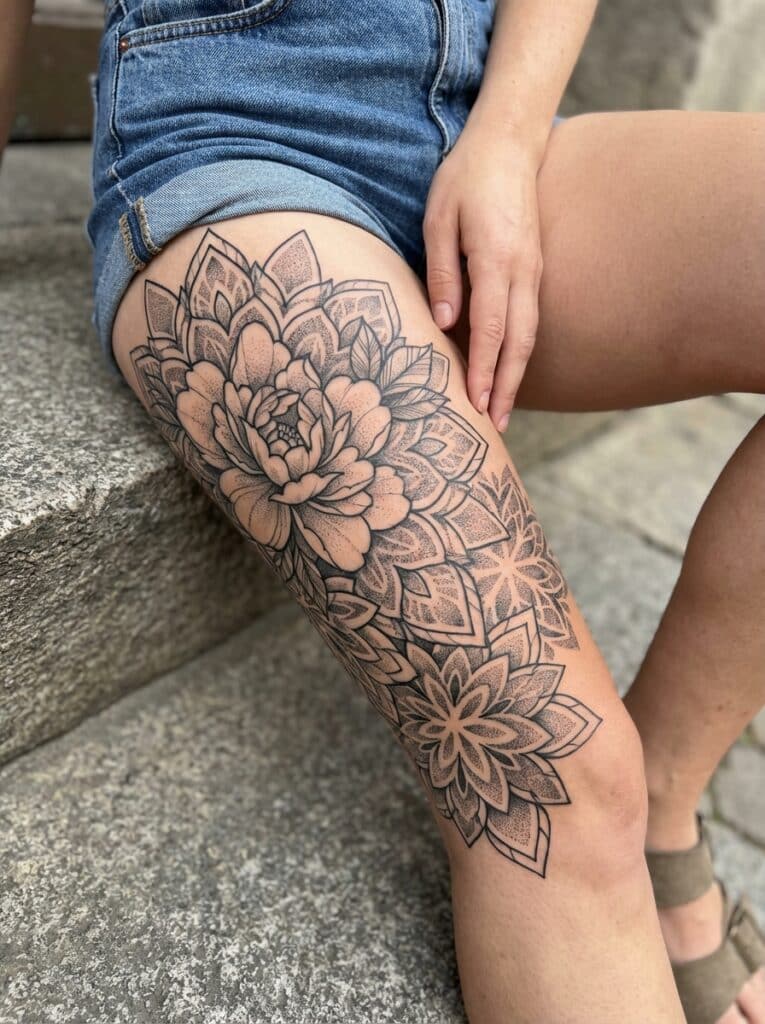
If you want a tattoo that’s both eye-catching and flexible, the thigh is a standout option. According to The Black Hat Tattoo, the thigh is a fleshy, stable zone where the needle doesn’t directly hit bone. This makes it a friendlier spot for beginners and seasoned collectors alike. Since it’s usually covered by clothing, your tattoo faces less sun exposure, which helps keep colors vibrant over time. When you decide to show off your art, you can do so on your terms — whether that’s every day in the summer or only on special occasions.

Pick Your Perfect Placement
The thigh has several distinct areas, each with its own benefits and challenges:
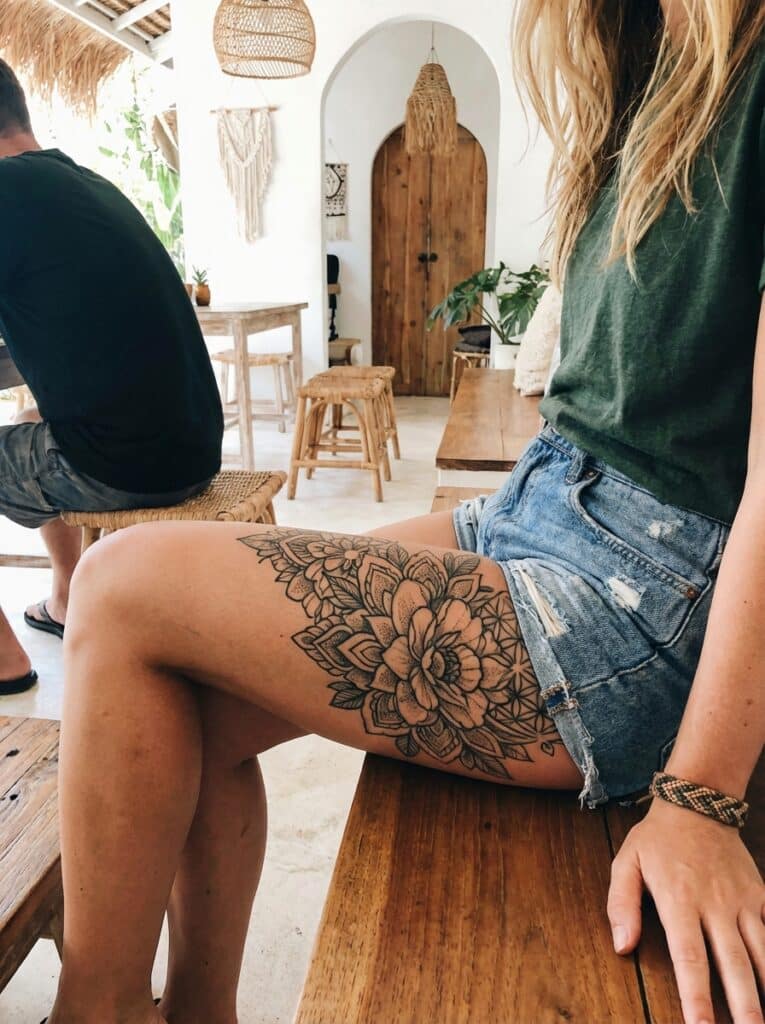
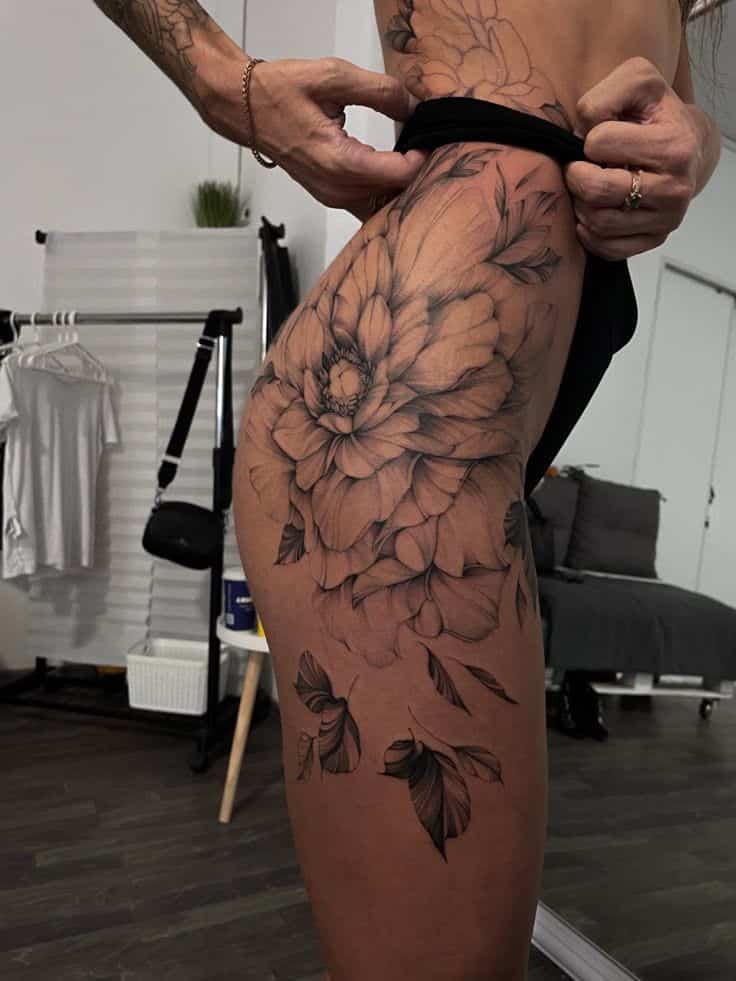
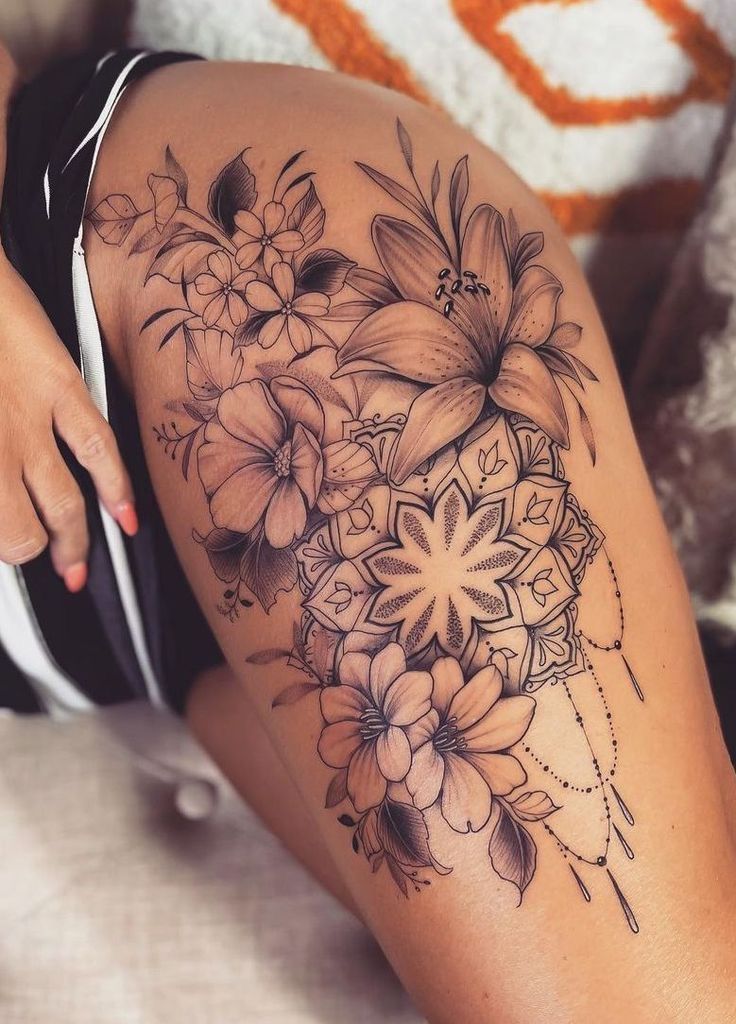
- Outer Thigh: This region is often the least painful for large thigh tattoos, thanks to a natural cushion of muscle and fat. It also offers a wide surface, ideal for intricate designs like floral motifs or geometric patterns (Hyper Inkers).
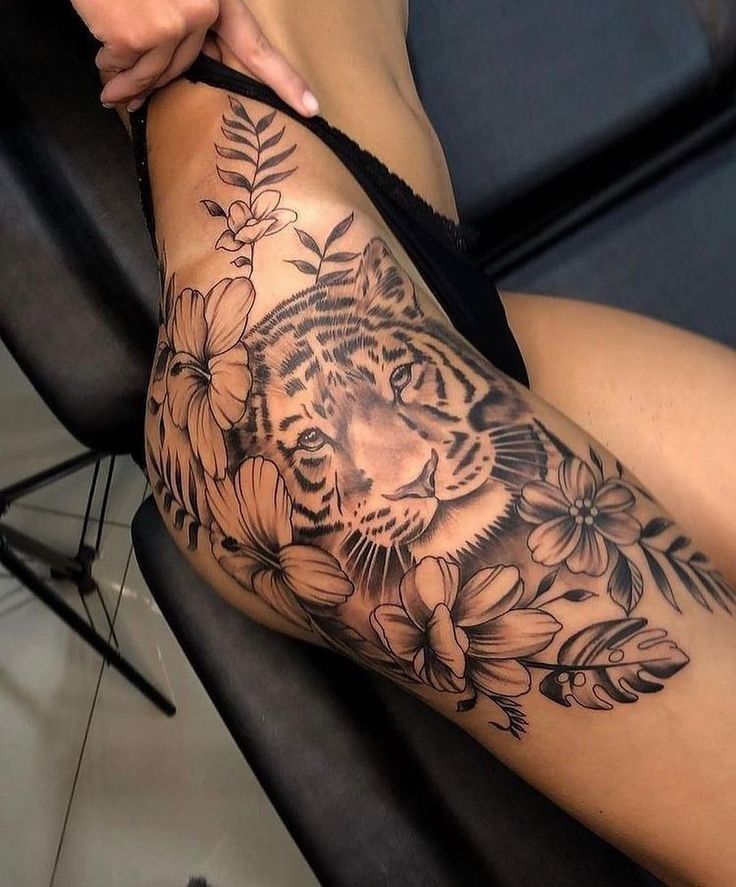
- Front Thigh: With fewer nerve endings, the front can be less sensitive and still offer plenty of space for large artwork. Bold statement pieces can wrap around the front for maximum visibility.
- Inner Thigh: If you prefer a more private tattoo, the inner thigh is naturally hidden. However, it has thinner skin and more nerve endings, so expect a sharper sting if you go this route (Hush Anesthetic).
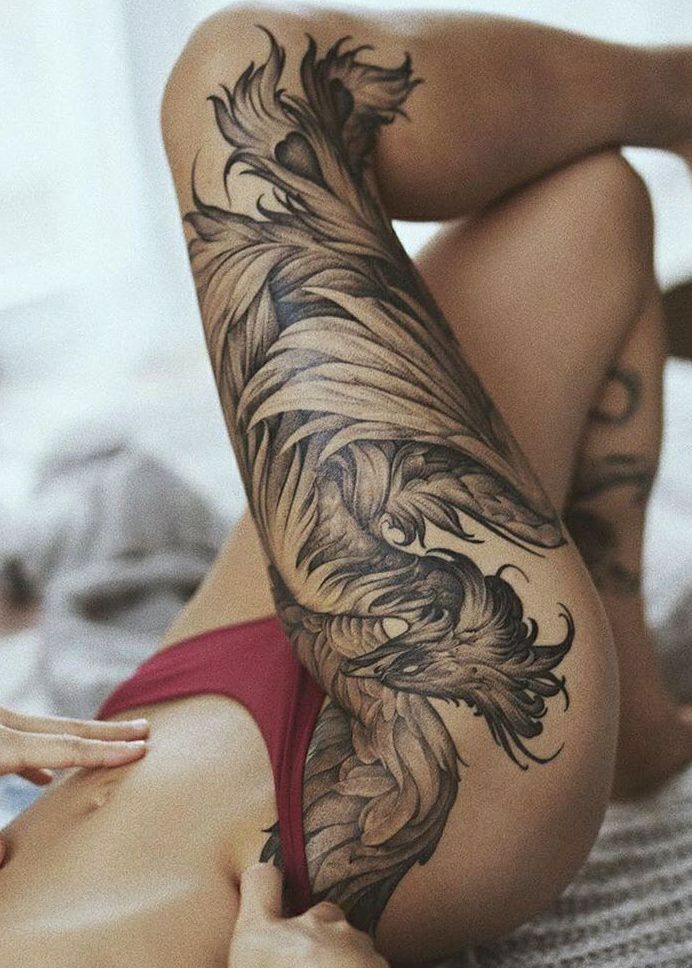
- Upper (Near the Hip): This zone can showcase long, flowing designs like vines or snakes. The hip area is easier to conceal for formal events and can be less painful than the inner thigh (Hyper Inkers).
Select a Bold Design
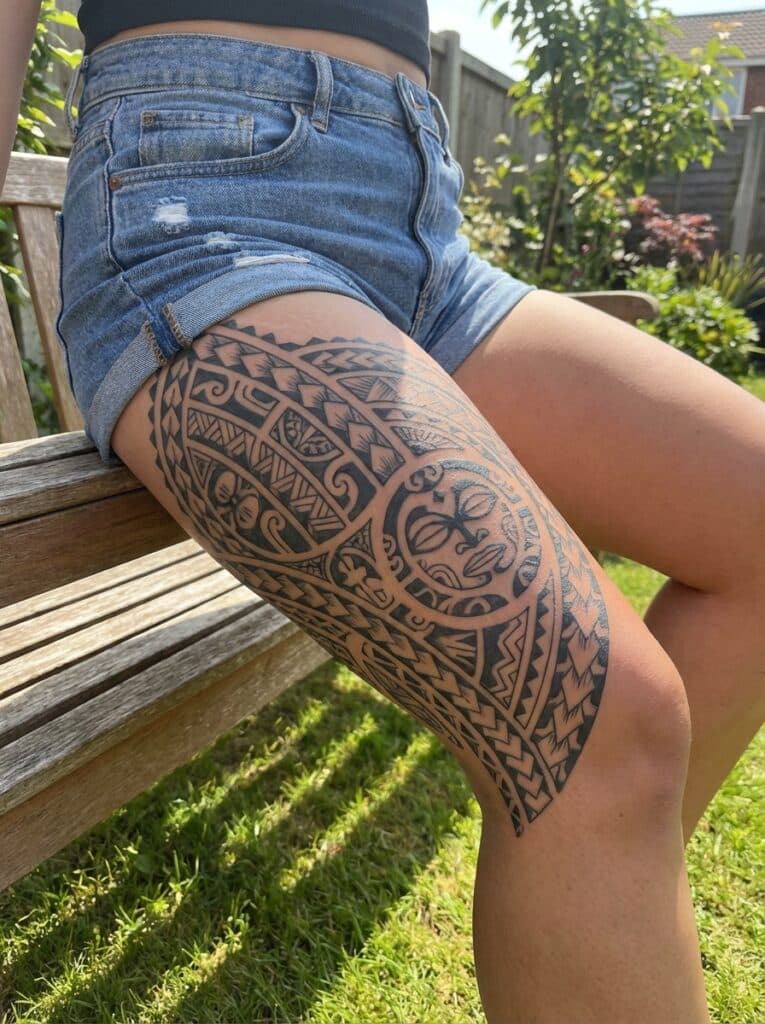
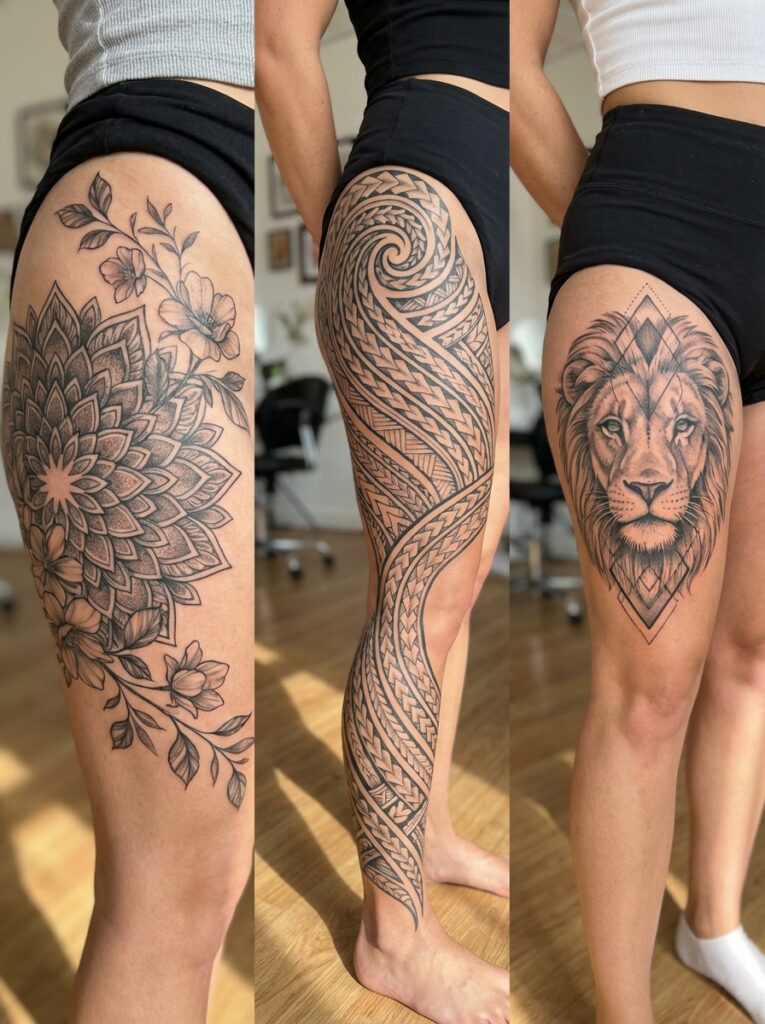
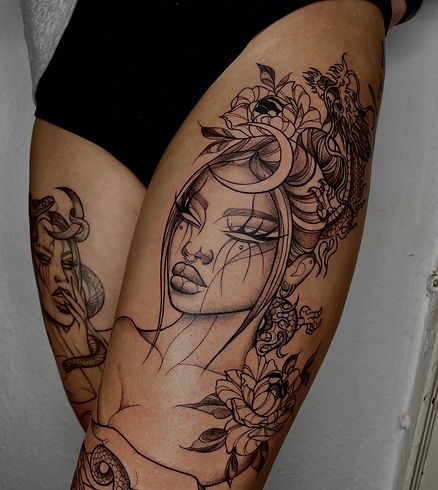
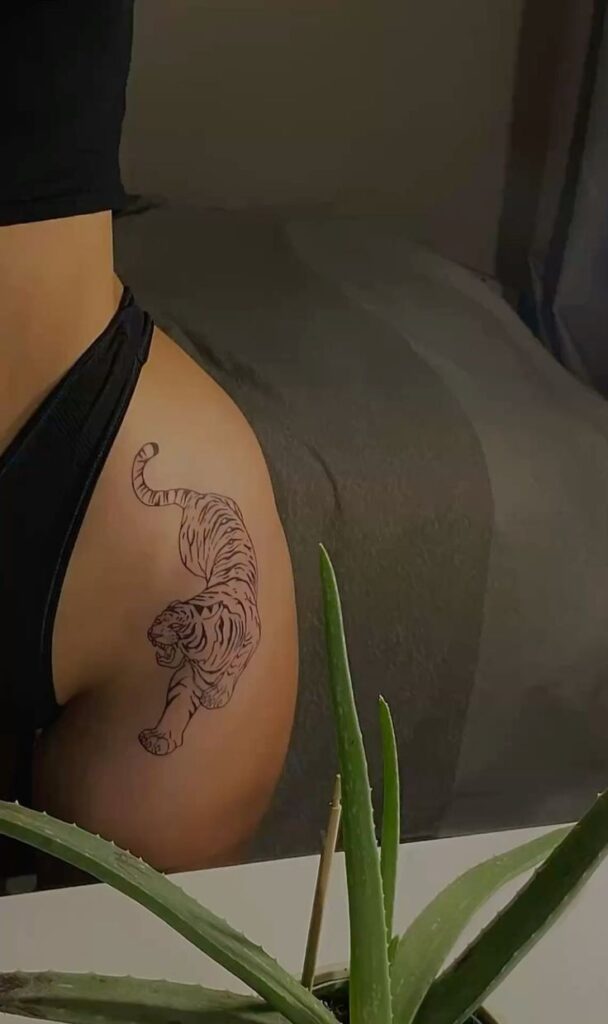
Your thigh’s spacious surface invites large-scale designs. Common favorites include floral creations, tribal-inspired patterns, realistic portraits, or even intricate mandalas. Some women opt for pieces that span the entire outer thigh, featuring elements like giant skulls or elaborate vines (Hush Anesthetic). You might also explore Polynesian-style tattoos for their historical significance in symbolizing protection and strength (Tatship). Whatever you choose, let your personal taste shine.
Manage Pain and Aftercare
Pain will vary based on your personal tolerance, but certain spots (like the inner or back thigh) can be more sensitive. If the discomfort gets intense, a numbing spray or cream can help (Hush Anesthetic). Healing typically goes smoothly if you:
- Keep the area clean.
- Wear loose clothing so your tattoo can breathe and avoid friction (Hush Anesthetic).
- Moisturize as directed by your artist.
- Avoid prolonged sun exposure or swimming until fully healed.
Your first few days of healing may involve mild soreness, but diligent aftercare ensures vibrant color and longevity (The Black Hat Tattoo).
Consider Cultural Roots
Throughout history, thigh tattoos for women have carried deep cultural weight in certain regions. Polynesian traditions, for example, include a rite of passage known as the ‘tatau,’ symbolizing protection and personal identity (Tatship). Meanwhile, some conservative communities still regard thigh tattoos as taboo. If cultural perception matters to you, research your design’s origin and meaning so you can wear it proudly and respectfully.
Answer Common Questions
1. How Painful Is a Large Thigh Tattoo?
The outer and front thighs are often less painful due to fewer nerve endings. Inner and rear areas can feel more intense. If you’re concerned, consider topical numbing agents or starting small to gauge your comfort level.
2. Can I Wear Tight Clothing During Healing?
It’s best to avoid skinny jeans or leggings right after your session. Loose pants or skirts help prevent irritation and allow the tattoo to heal without friction (Hush Anesthetic).
3. Which Thigh Spot Is Best for Large Artwork?
The outer thigh is popular for big, intricate designs because it’s spacious and less sensitive. You can also explore the upper (near the hip) area for flowing designs that complement your natural curves.
4. Is a Thigh Tattoo Suitable for a First-Timer?
Yes. Many beginners find the thigh more comfortable than bony areas since the pain is typically moderate and dispersed. It’s also discreet, should you prefer to keep it private in some settings (The Black Hat Tattoo).
5. How Can I Preserve My Tattoo’s Color Over Time?
Protect it from sun exposure with clothing or sunscreen once it’s fully healed, and keep it well-moisturized. Regular touch-ups might be needed for especially vibrant designs or softer watercolor pieces.
Large thigh tattoos women embrace can be both personal and commanding. By picking the right placement and style, then following sensible aftercare, your new ink can flourish for years to come. Take your time, consult with a reputable artist, and trust your instincts. After all, this is your body, your canvas, and your chance to make a bold impression.
- 0shares
- Facebook0
- Pinterest0
- Twitter0