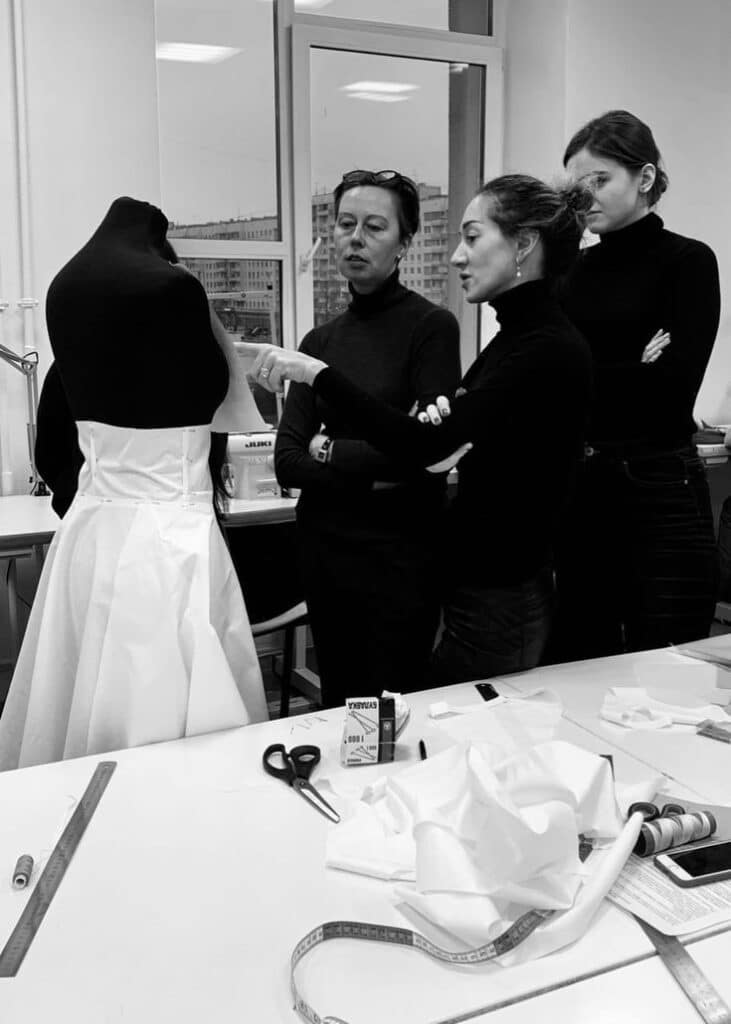
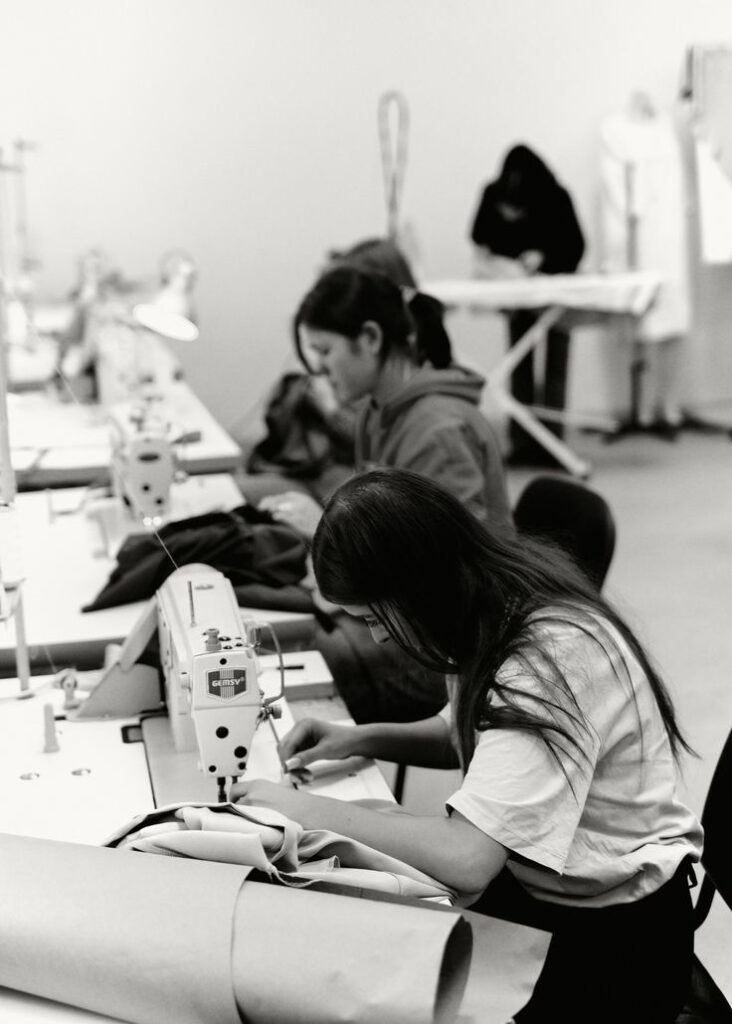
Choosing from the best fashion design colleges is one of the most significant decisions aspiring designers face. These institutions combine rigorous curricula, industry partnerships, and hands-on experiences to prepare graduates for competitive careers in fashion. This ultimate guide reviews the best fashion design colleges in the United States and around the world, compares tuition and program specializations, highlights experiential learning opportunities, and provides actionable advice on how to become a fashion designer by following steps to become a fashion designer and understanding fashion designer education requirements. For those exploring fashion design schools near me, this guide offers strategies to evaluate local and national options.
Overview of Fashion Education
Importance of College Selection
The choice of college shapes design philosophy, technical skills, and industry exposure. Top institutions often boast faculty with brand experience, state-of-the-art studios, and strong alumni networks. Students who select thoughtfully can access internships, show production roles, and mentorship that accelerate career trajectories.
Evaluation Criteria
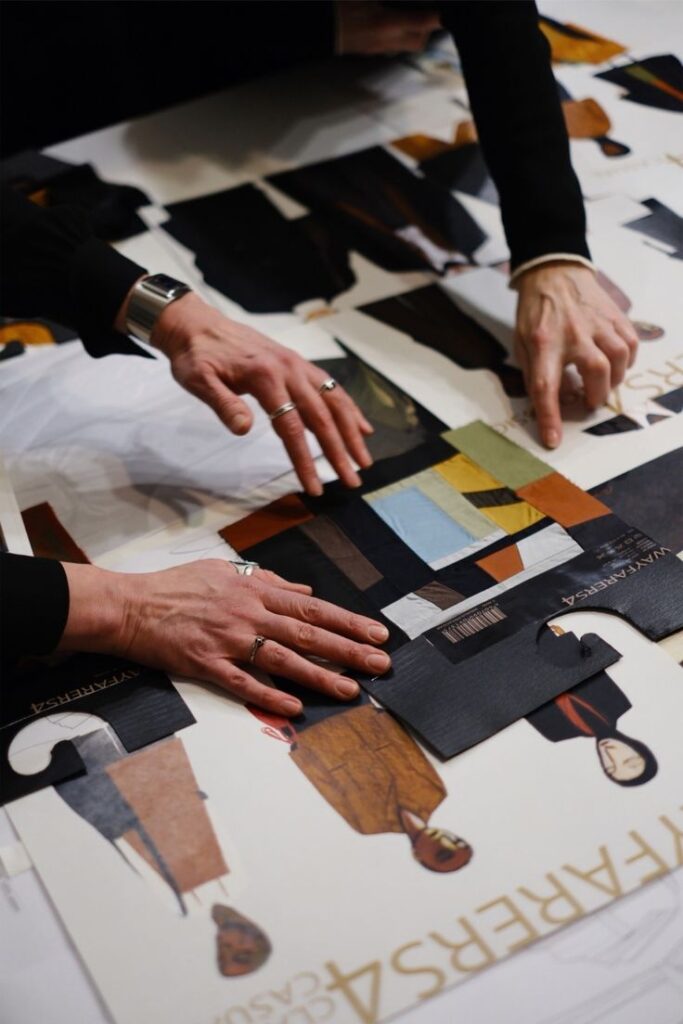
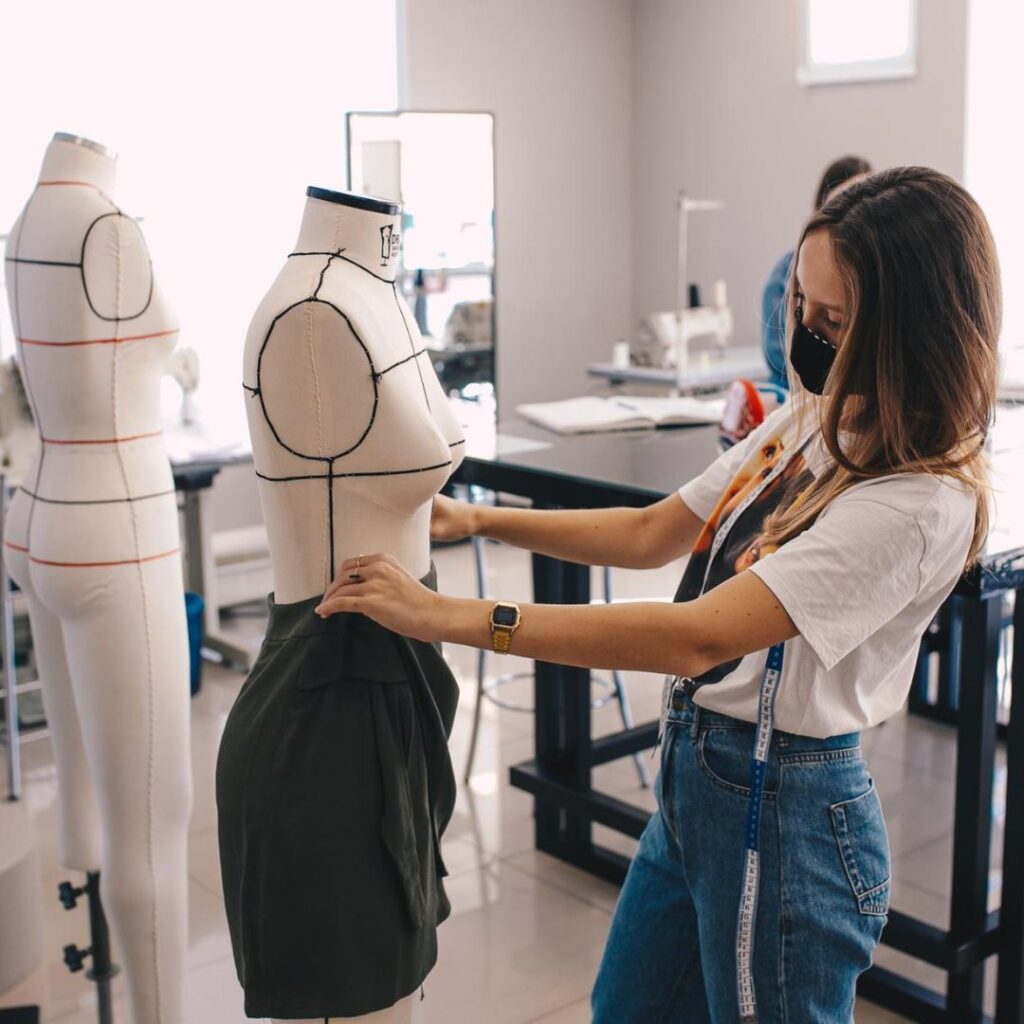
When comparing programs, applicants should weigh:
- Faculty expertise and industry connections
- Curriculum breadth, from draping and pattern drafting to digital design
- Facilities, including sewing labs, CAD suites, and textile libraries
- Internship pipelines and study abroad partnerships
- Alumni placement rates and career support services
Programs may offer specialized fashion design degrees in areas such as sustainability, costume design, or knitwear. Understanding one’s creative goals helps to align them with institutional strengths.
Top Fashion Design Colleges


Best US Fashion Institutions
Fashion Institute of Technology
The Fashion Institute of Technology (FIT) in New York City offers over 48 undergraduate programs with strong faculty ties to major labels and internship access during New York Fashion Week, making it a premier choice for design students [1]. FIT was ranked No. 1 on the Best Fashion Schools in the World list for 2025 by CEOWORLD magazine based on brand influence, employer feedback, and job placement [2].
Parsons School of Design
Parsons at The New School integrates concept theory with advanced technology, preparing students for roles in high-fashion and luxury. Alumni include Tom Ford and Marc Jacobs, and partnerships with leading brands enrich the curriculum [1]. CEOWORLD magazine ranked Parsons second globally in 2025 [2].
Kent State University
The School of Fashion at Kent State University blends global pedagogies with cutting-edge technology and offers study-abroad programs in Florence and Paris. Its personalized approach supports both design and merchandising career paths [1].
Savannah College of Art and Design
Savannah College of Art and Design (SCAD) is renowned for one of the nation’s largest student-run fashion shows and strong industry support from figures like Anna Sui since 2022. SCAD’s comprehensive curriculum spans accessory design to luxury management [1].
Otis College of Art and Design
Otis College in Los Angeles emphasizes sustainability and offers specialized projects in activewear, costume, and eveningwear. Proximity to Hollywood creates unique opportunities in costume design and film collaborations [1].
Leading Global Fashion Schools

London College of Fashion
Ranked fourth by CEOWORLD magazine, London College of Fashion leverages the UK capital’s creative ecosystem and offers cutting-edge programs in fashion business, journalism, and design [2].
ESMOD
ESMOD, based in Paris, emphasizes artisanal craft and avant-garde design, earning fifth place in global rankings. Alumni benefit from Paris Fashion Week involvement and internships with top couture houses [2].
Central Saint Martins
Central Saint Martins at University of the Arts London holds sixth position globally, celebrated for its experimental curriculum and alumni such as Alexander McQueen and Stella McCartney. The program fosters interdisciplinary collaboration and hands-on placements [2].
Compare Leading Institutions
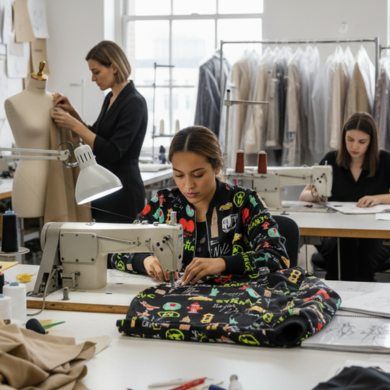
Tuition and Financial Aid
Annual tuition at top private schools can exceed $40,000, while public institutions may offer lower in-state rates. Most colleges provide scholarships, work-study programs, and grants. Prospective students should apply early for merit-based aid and investigate external awards, including industry scholarships.
Program Specializations
Specializations range from textile development and knitwear to fashion business and sustainable design. Students seeking flexible delivery may explore fashion design courses online offered by several accredited colleges.


Industry Connections
Strong internship networks and brand partnerships differentiate programs. Colleges with formal agreements often guarantee credit-bearing internship placements, accelerating professional development.
Enhance Your Learning Experience


Internships and Practical Training
Structured internships bridge classroom theory and workplace practice. Programs frequently require multiple industry placements, and students can explore fashion design internships with design houses, production studios, and retail brands.
Study Abroad Opportunities
Global partnerships enable immersion in fashion capitals such as Milan, Paris, and Tokyo. Exchange programs enhance cultural fluency and international networking, key assets in a globalized industry.
Student-Run Events
Participation in runway shows and design exhibitions cultivates event management and teamwork skills. SCAD hosts one of the largest student-run fashion shows in the country, while RISD organizes an Annual Runway Show during New York Fashion Week [3].
Prepare for a Fashion Career


Curriculum and Skill Development
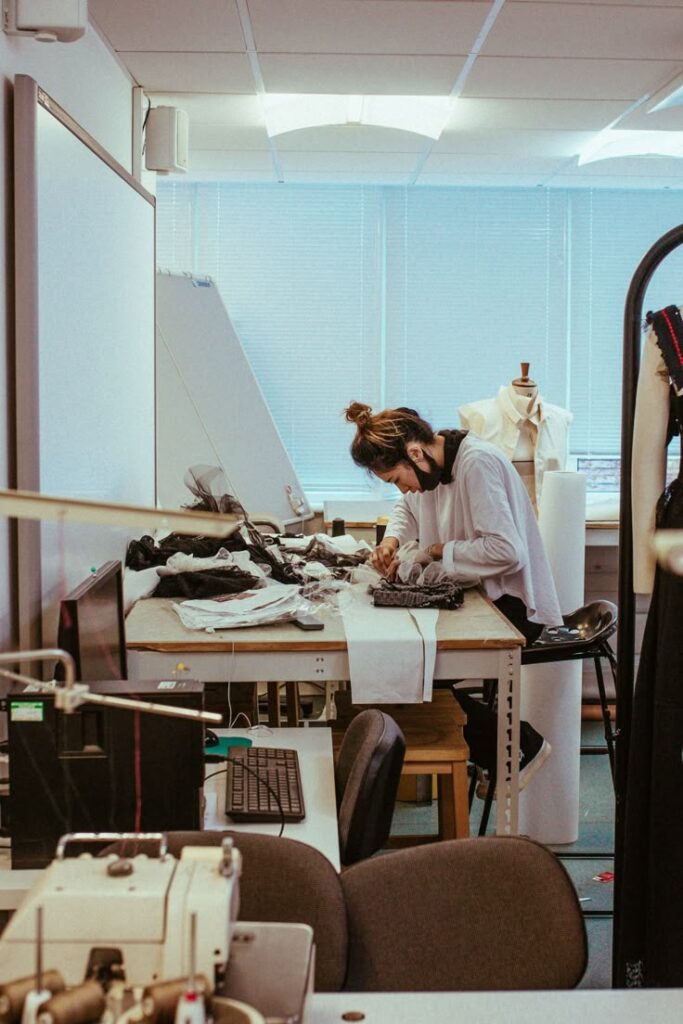
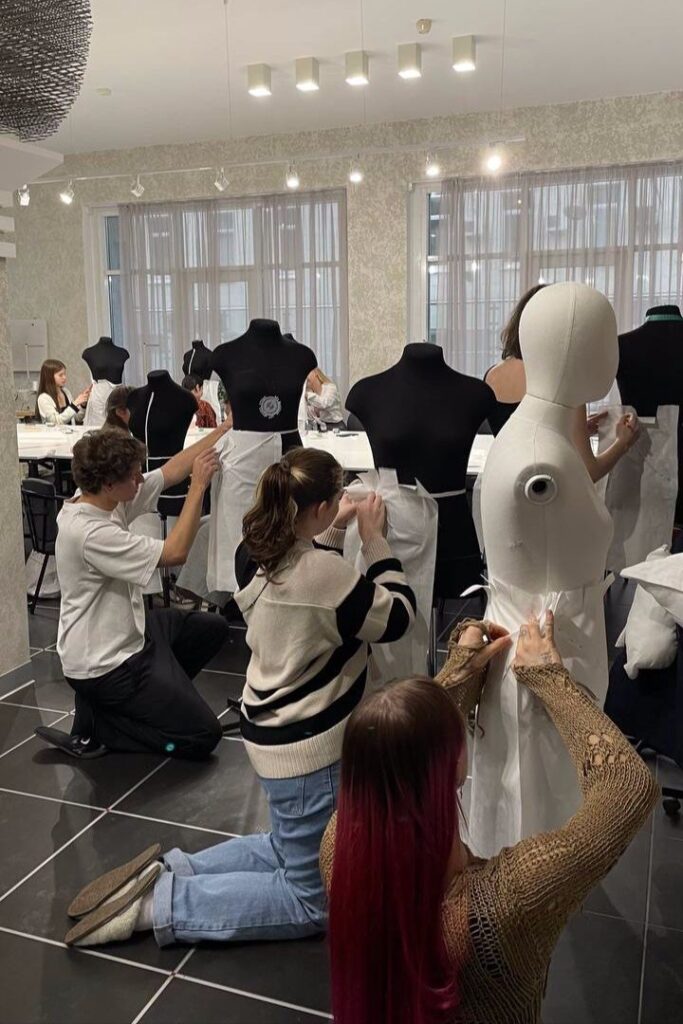
Robust curricula cover draping, pattern drafting, textile science, and digital design software. Students build portfolios through studio coursework, capstone projects, and collaborative labs. They should review skills needed to be a fashion designer and consult the fashion designer job description to align studies with market demands.
Essential Skills
- Creative concept development
- Technical drawing and illustration
- Pattern making and draping
- Sewing and garment construction
- Proficiency in CAD and design software
- Communication and presentation
Career Outcomes
Graduates pursue roles as fashion designers, merchandisers, creative directors, and product developers. Employment rates within six months of graduation illustrate program effectiveness:
| Institution | Employment Rate | Source |
|---|---|---|
| Fashion Institute of Technology | 79% | College Transitions |
| Parsons School of Design | 81% | College Transitions |
| Pratt Institute | 91% | College Transitions |
| Rhode Island School of Design (RISD) | 95% | College Transitions |
| Savannah College of Art and Design | 98% | College Transitions |
Finance Your Fashion Education
Scholarships and Grants
Financial aid can offset high tuition costs. Many fashion schools offer merit-based scholarships, and external platforms like Bold.org publish new opportunities daily [4]. Early applicants—sometimes as young as 14—can build funds to reduce debt.
Student Work Opportunities
On-campus roles such as studio assistant or teaching aide help develop practical skills while earning income. Cooperative education and paid internships further supplement budgets and enhance résumés.
Frequently Asked Questions

What are the top fashion design colleges in the United States?
Programs such as FIT, Parsons, Kent State, SCAD, and Otis consistently rank among the best for their curriculum, facilities, and industry connections.
How much does it cost to attend a leading fashion design college?
Annual tuition ranges from approximately $10,000 for in-state public rates up to $50,000 at private institutions. Students should factor in equipment fees and living expenses when budgeting.
What are the entry requirements for fashion design programs?
Most programs require a portfolio, academic transcripts, and a statement of purpose. For specifics, review fashion designer education requirements.
Can I study fashion design online?
Several accredited schools offer hybrid and fully online programs covering theory, digital design, and business fundamentals. Explore fashion design courses online for available options.
What steps should I follow to become a fashion designer?
Aspiring designers can follow structured steps to become a fashion designer, which include selecting a program, building a portfolio, completing internships, and developing technical and creative skills.
Final Thoughts and Next Steps


Selecting among the best fashion design colleges requires careful research into program strengths, experiential learning opportunities, and financial considerations. Prospective students should visit campuses, review faculty portfolios, and attend open houses. By aligning personal goals with institutional offerings and leveraging resources such as fashion designing for beginners, they can embark on a clear path toward a successful design career.
References
- (Vogue)
- (CEOWORLD magazine)
- (Fashion-Schools.org)
- (Bold.org)
- 940shares
- Facebook0
- Pinterest937
- Twitter3
- Reddit0