Fashion design internships provide hands-on experience that bridges classroom learning and real-world industry practice. In this ultimate guide to finding fashion design internships, they will learn how to define their goals, build a standout portfolio, research top programs, optimize application materials, network strategically, prepare for interviews, and evaluate offers. Whether they are exploring fashion design degrees or sharpening skills through fashion designing for beginners, this step-by-step tutorial equips them to secure an internship that aligns with their career ambitions.
1. Define your goals
Fashion internships span design, merchandising, marketing, PR, and more. Before applying, they should:
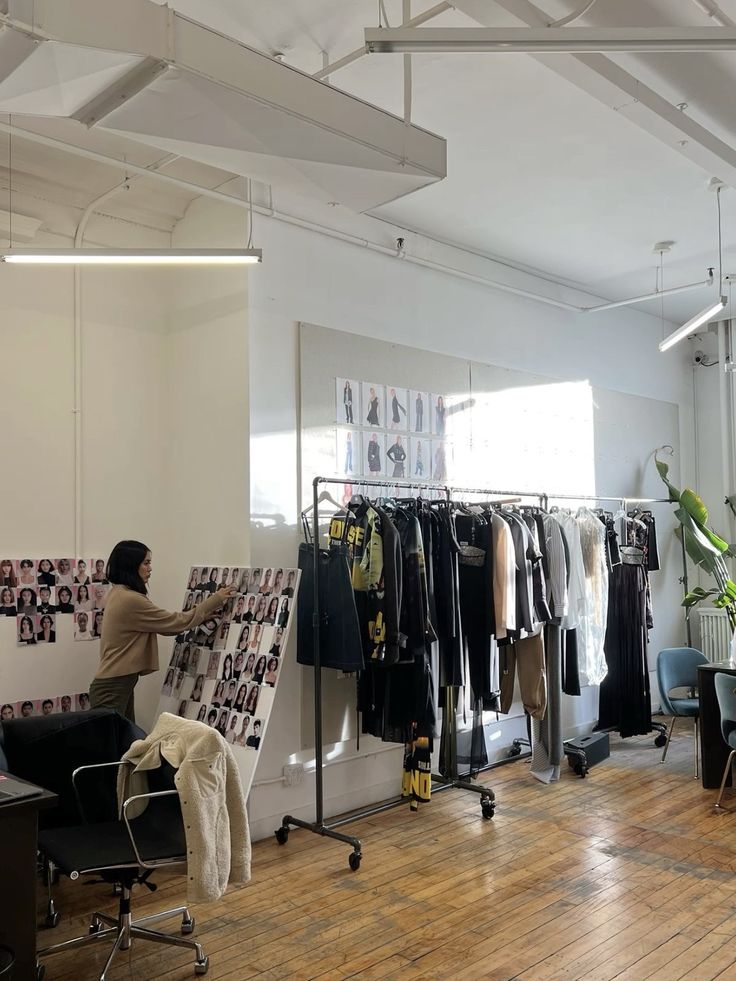
Identify design interests
They can explore specializations—like womenswear, sustainable fashion, or digital commerce—to narrow their focus. Research roles in areas such as merchandising, media, logistics, or creative design to see which aligns with their passions and long-term career vision.
Set learning objectives
Interns gain technical skills (CAD software, trend analysis) and soft skills (communication, teamwork). By listing must-learn competencies—such as pattern making or social media campaigns—they can target internships that meet those objectives.
2. Build your portfolio
A portfolio demonstrates creativity, technical ability, and professional growth. To make it stand out, they should:
Showcase relevant projects
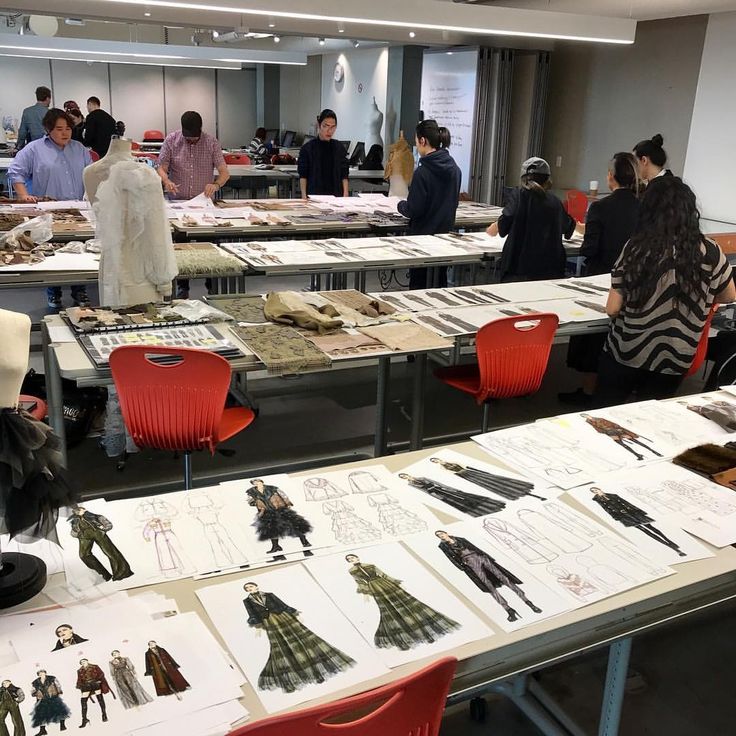
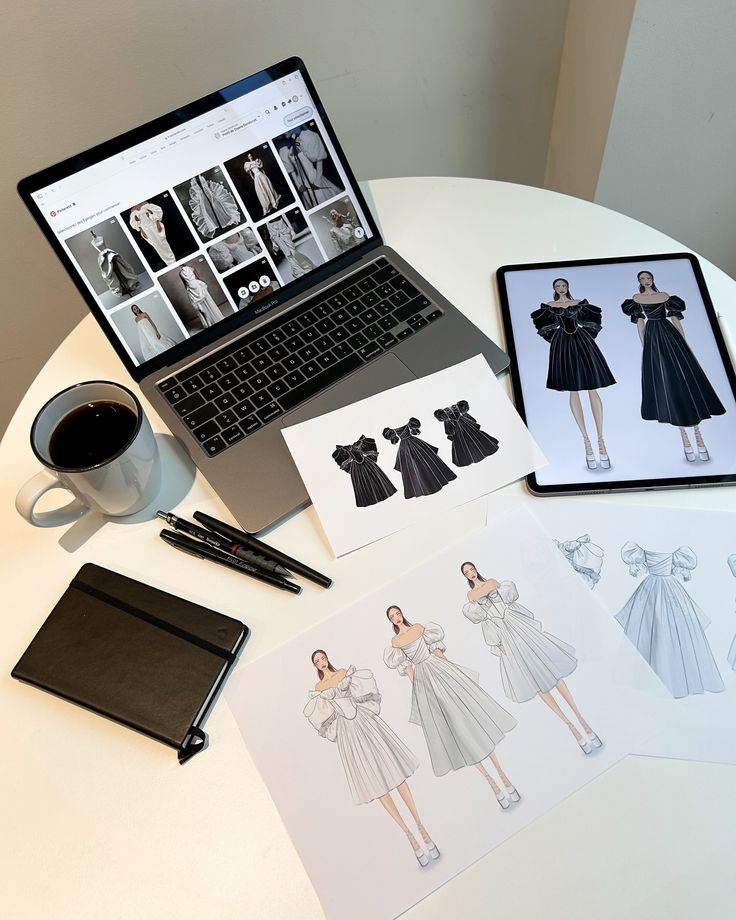
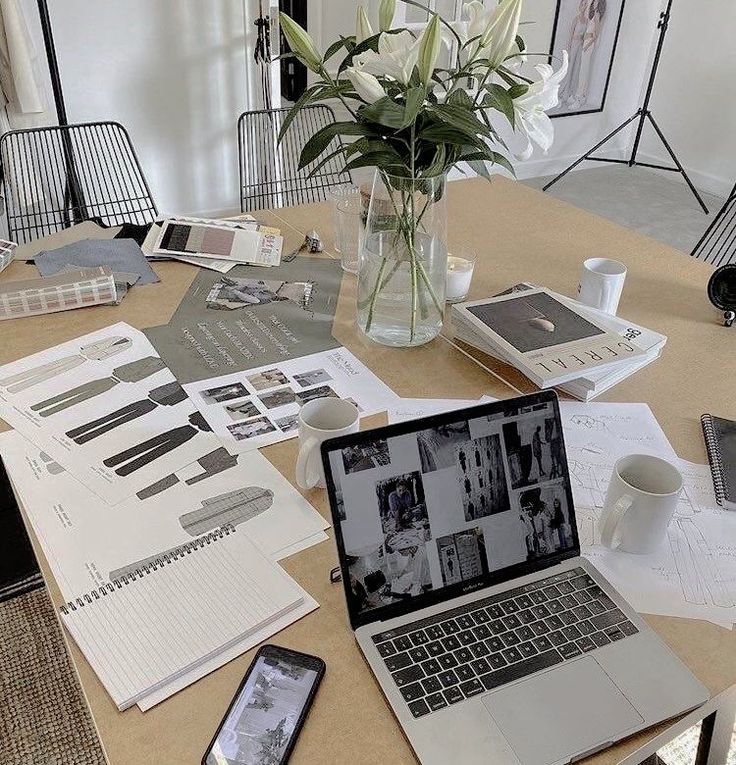
Include coursework, self-initiated designs, or freelance work. Highlight the process—sketches, mood boards, tech packs—and note any real-world outcomes like small-batch production or social media engagement.

Use online platforms
They can publish portfolios on Behance or personal websites, and link to them in applications. For beginners seeking structure, enrolling in fashion design courses online helps them develop polished work samples.
3. Research internship opportunities
Thorough research ensures they target programs that match their interests and skill level.
Explore top brands
The Business of Fashion curates 97 active internship listings across global labels as of 2024 [1]. Notable examples include:
| Brand | Field | Duration | Source |
|---|---|---|---|
| Hugo Boss | Global product management, project management | 6 months full-time | Business of Fashion |
| Prada Group | Retail merchandising, CRM, clienteling | Varies | Business of Fashion |
| Moncler | Omnichannel after sales, sustainable supply chain | 6 months full-time | Business of Fashion |
| Tapestry | eCommerce, merchandising, finance, marketing | Summer program | Business of Fashion |
Leverage college resources
Institutions such as LIM College mandate internships for all fashion programs and provide career coaching, interview prep, and employer connections through their Office of Career and Internship Services [2]. They should tap alumni networks and attend on-campus career fairs.
Use industry job boards
They can bookmark niche sites—like the Business of Fashion careers portal—and general platforms. Tracking openings in fashion hubs (Milan, Paris, London, New York) and emerging markets (Germany, Spain, Dubai, China) widens their options [3].
4. Optimize application materials
Applications should be tailored, concise, and error-free.
Tailor their resume
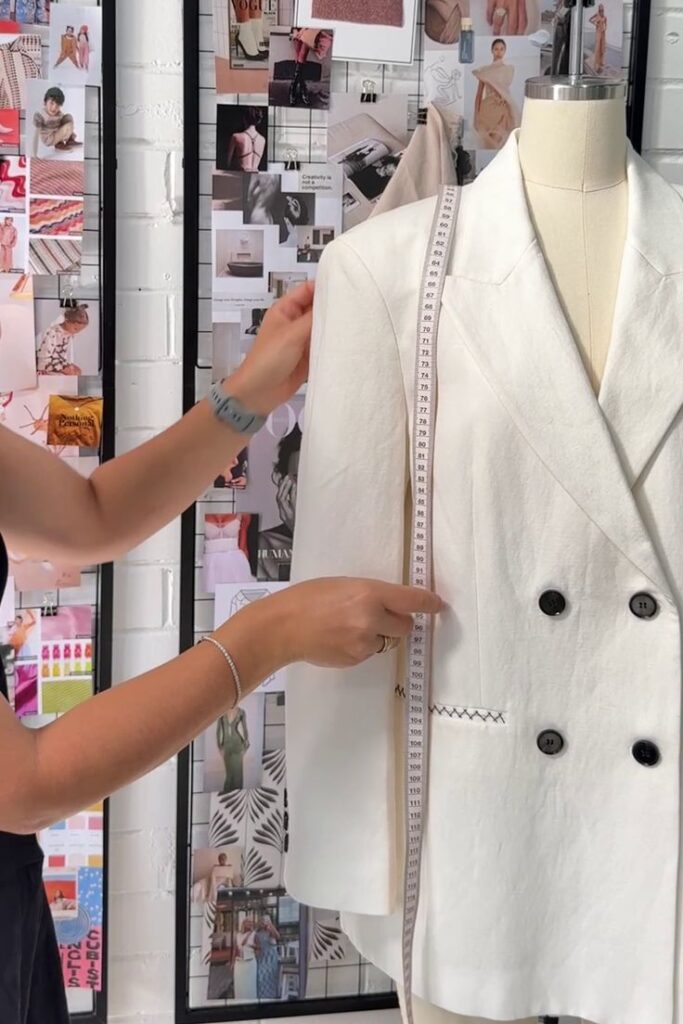
They must highlight internships, freelance projects, and relevant coursework. Key categories include software proficiency, language skills (English, French, Italian), and quantifiable achievements such as boosted social engagement or supported production runs.
Craft a compelling cover letter
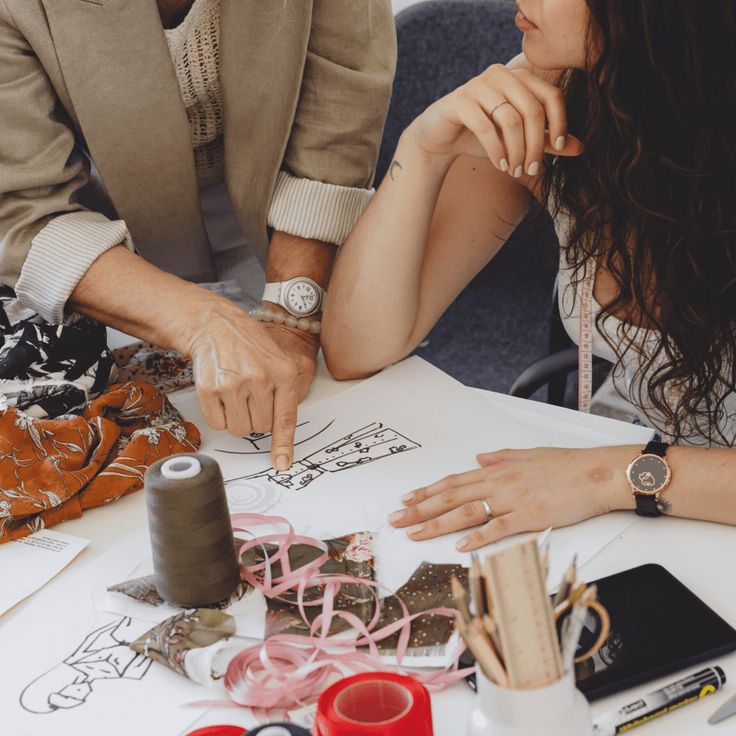
Each letter should reference the brand’s values, mention a recent collection or initiative, and explain how their background in trend analysis or fabric sourcing can add value.
5. Network with professionals
Building relationships often leads to hidden internship openings.
Attend industry events
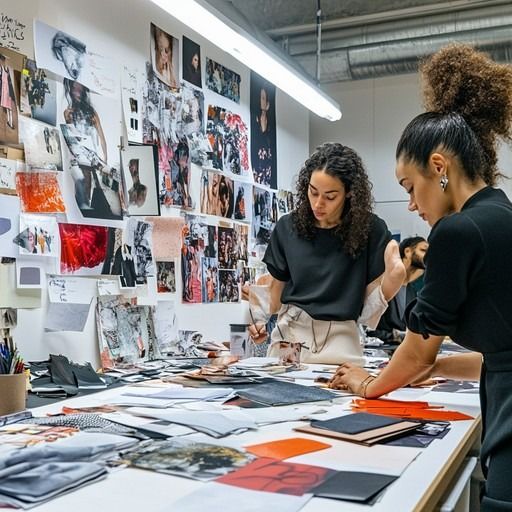
They should register for trade shows, design symposiums, and local fashion meetups. Engaging in workshops or panel discussions puts them in direct contact with designers and recruiters.
Connect on social media
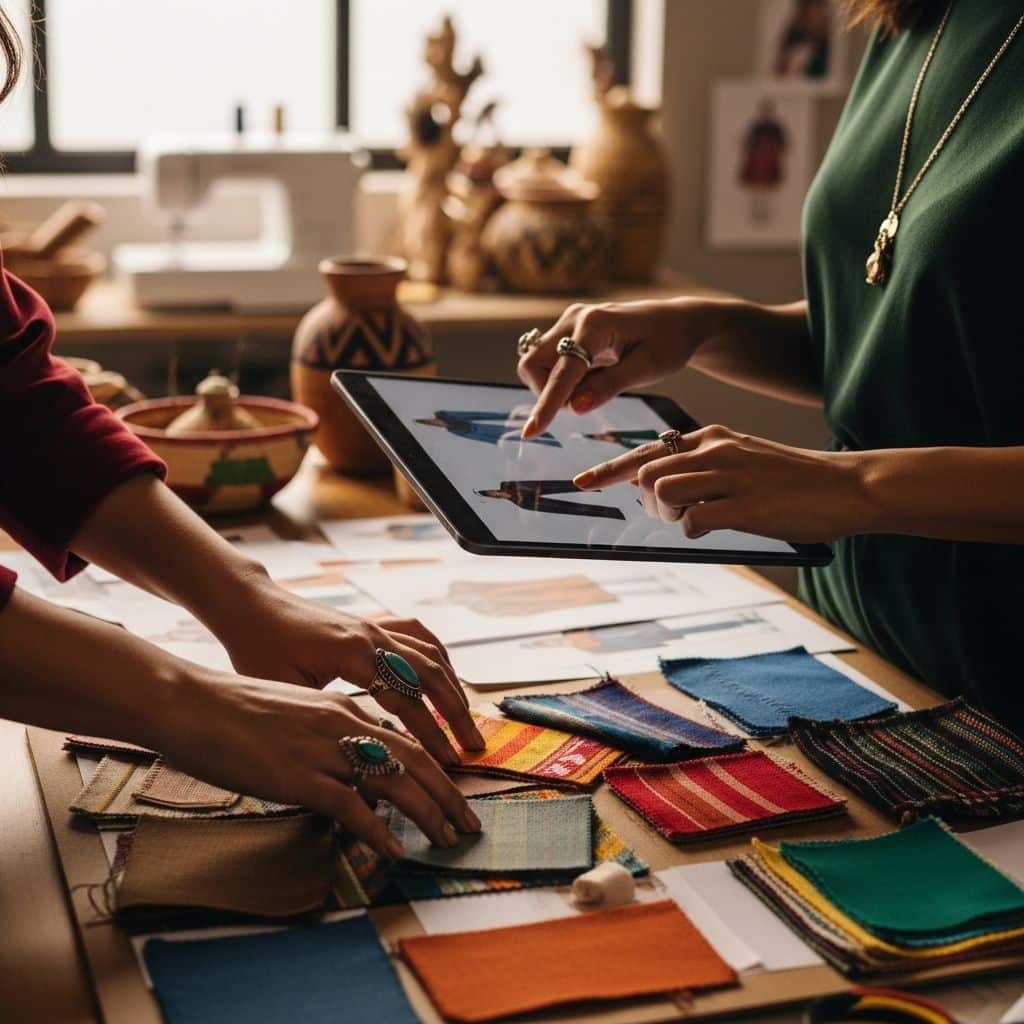
By following brand leaders on LinkedIn or Instagram and commenting thoughtfully on design posts, they can cultivate a digital presence. Reaching out for informational interviews demonstrates initiative.
6. Prepare for interviews
Interviews test both design aptitude and cultural fit.
Practice common questions
They can rehearse responses about their favorite collections, workflows for tech packs, or how they handled a design challenge. Behavioral questions often probe teamwork, adaptability, and problem-solving.

Present the portfolio
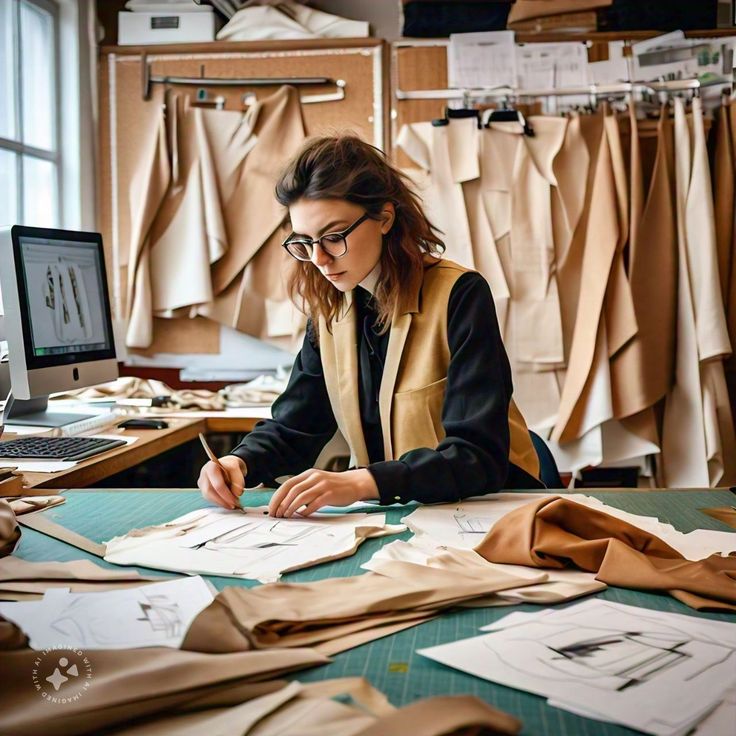
They should organize work chronologically or by theme, explaining the concept, materials, and software used. Including real-world metrics—such as a 15 percent increase in social reach after a styling project—reinforces credibility.
7. Evaluate offers strategically
Once they receive invitations, they should compare opportunities on multiple dimensions.
Compare internship terms
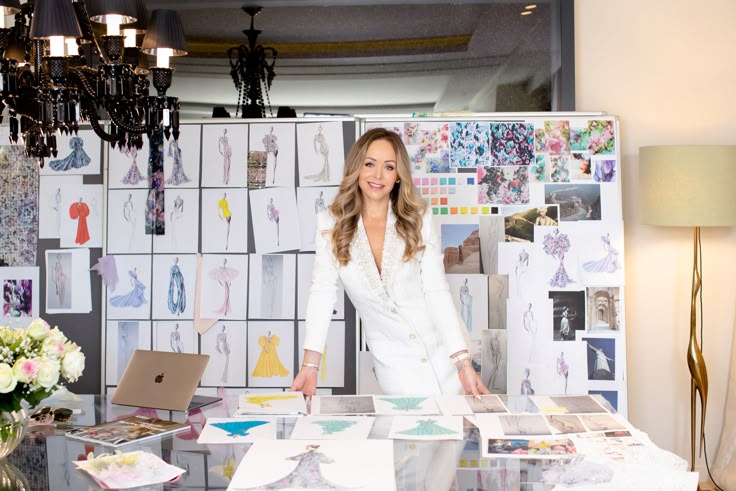
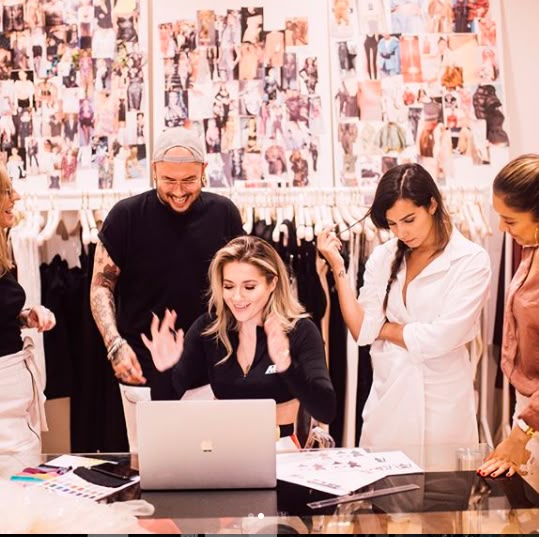
Key factors include duration (3 weeks to 6 months, part-time or full-time) [3], stipend or credit options, and mentorship structure.
Plan for post-internship growth
Securing a strong reference and building ongoing connections can lead to entry-level roles. They should follow up with thank-you emails, seek feedback, and update their portfolio with internship achievements.
Frequently asked questions

What is a fashion design internship?
It is an entry-level position where interns assist various departments—such as design, merchandising, marketing, or PR—gaining hands-on experience and professional feedback on real-world fashion projects.
How long do internships usually last?
Fashion internships can range from 3 weeks to 6 months. They may be part-time or full-time, depending on brand needs and academic requirements.
Do applicants need a fashion degree?
Not always. While many brands prefer candidates enrolled in accredited programs, those from diverse backgrounds—business, engineering, marketing—can compete by showcasing passion, foundational skills, and a strong portfolio.
How can interns build relevant skills before applying?
They can develop project-based portfolios, use design simulators to replicate tasks like PR coordination or data analysis, and take short courses in CAD software or trend forecasting.
What should be included in a portfolio?
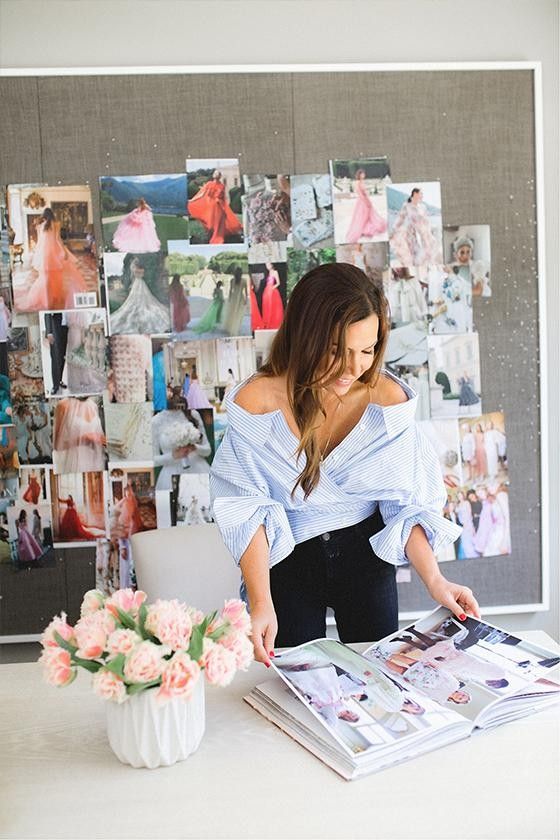
A portfolio should feature process work (sketches, mood boards, tech packs), finished garments or digital mockups, and context on outcomes—whether a campus fashion show, a small-batch production, or measurable social engagement.
References
- 543shares
- Facebook0
- Pinterest543
- Twitter0
- Reddit0