
You can create three distinct wedding looks from one base outfit by changing layers, lines and light-catching surfaces instead of buying a second gown. Use a simple order of operations so choices feel fast and creative rather than overwhelming. Expect concise rules, fit notes and runway-informed examples you can apply immediately.
Silhouette-Smart Accessorizing for Fitted Gowns
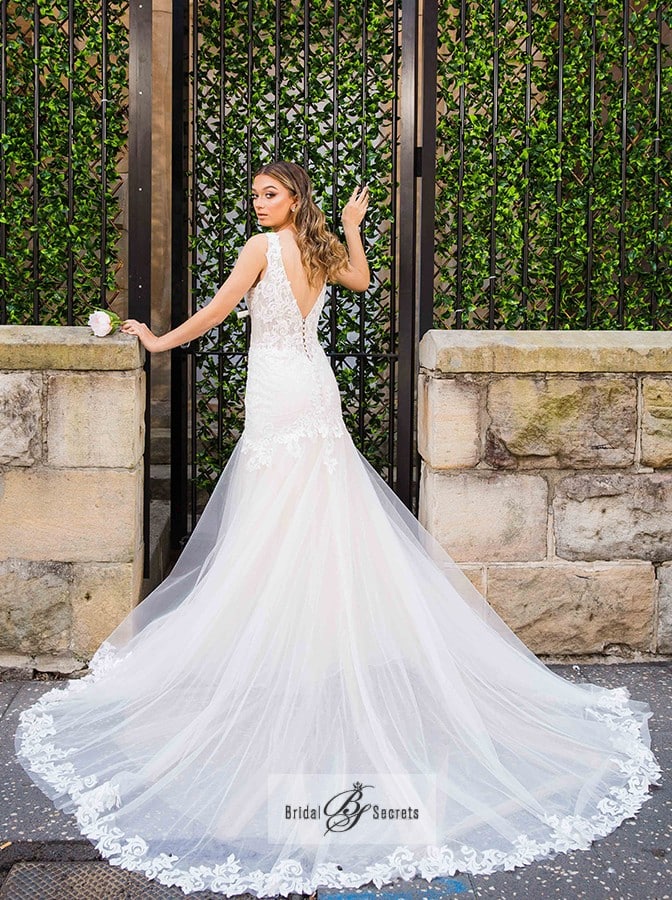

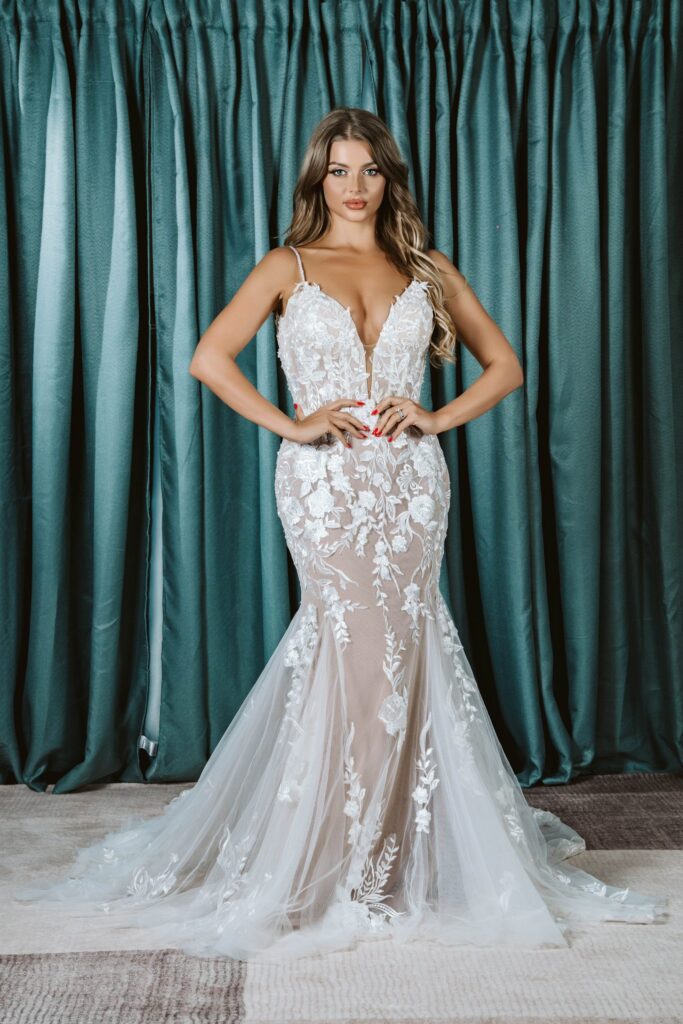
A mermaid or other fitted base changes shape dramatically when you control vertical lines with capes or belts.
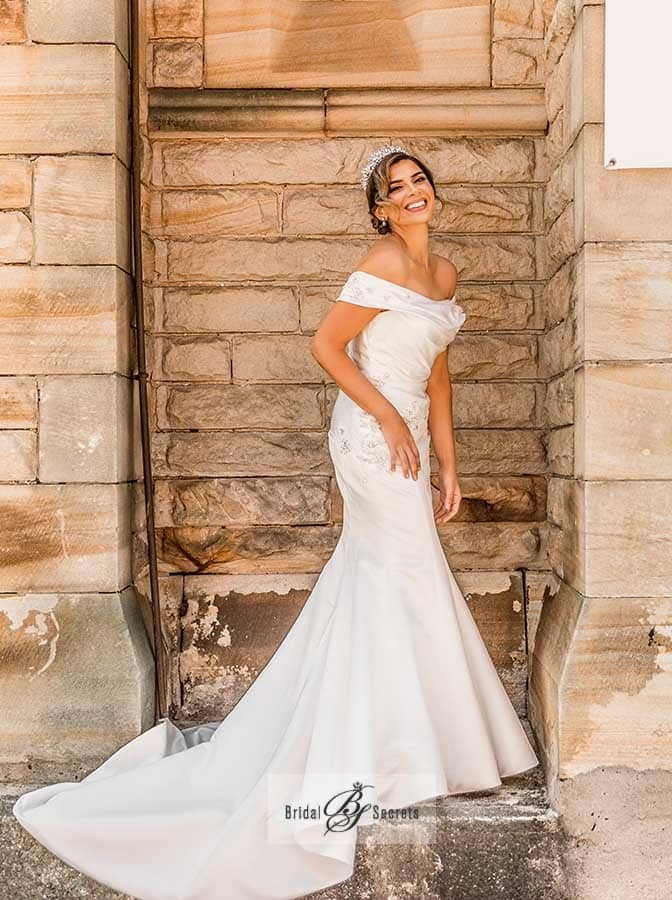
A mermaid wedding dress fits closely through the bodice, waist and hips then flares at or below the knee, so it spotlights curves yet can restrict movement. During fittings walk stairs, sit and practice half turns to confirm the knee flare does not bind. Place any overskirt waistband at the natural waist or just above to keep the leg line long.
A short cape broadens the shoulder line and can visually balance fuller hips. A cathedral cape adds a strong vertical pull that lengthens the body in full length photos. A detachable overskirt gives two silhouettes in one and creates a dramatic first-dance reveal, a runway-backed solution in recent Vogue Runway recaps. Test bustle points on the overskirt hem so it moves quietly over a fitted flare. If you are leaning into a curve-hugging base, browse Mermaid Wedding Dresses from Bridal Secrets to see how detachable overskirts or capes change the proportions without changing gowns.
A slim 0.5 to 1 cm belt sharpens a clean crepe column, while a 3 to 5 cm belt suits satin or more structured gowns. Place a back bow level with the smallest part of the waist to avoid droop in profile shots. Fingertip veils add motion without weight and chapel veils frame a train to create a longer line in portraits.
Belts, Bows and Sashes That Redraw the Waist

Narrow belts define structure while bows add intentional volume at the waist.
Minis or columns suit 0.5 to 2 cm belts for precision, while ball gowns balance best with 3 to 5 cm. Matte crepe pairs well with narrow satin piping, and glossy mikado takes wider grosgrain or silk. Align belt center with the waist seam so the eye does not jump.
Start with equal tails, make a single flat knot, then form loops and pull gently to square the bow. Hide the knot with a small stitch if you want it locked for the ceremony. Steam downward on low heat with a press cloth so the bow holds its shape.
Place the bow just above the small of the back so it does not sag in profile. Check bow height against veil comb placement to prevent crowding. Trim tails to hit mid-hip so they do not catch on buttons.
Hair Architecture: Headbands, Bows, Combs and Micro Birdcage
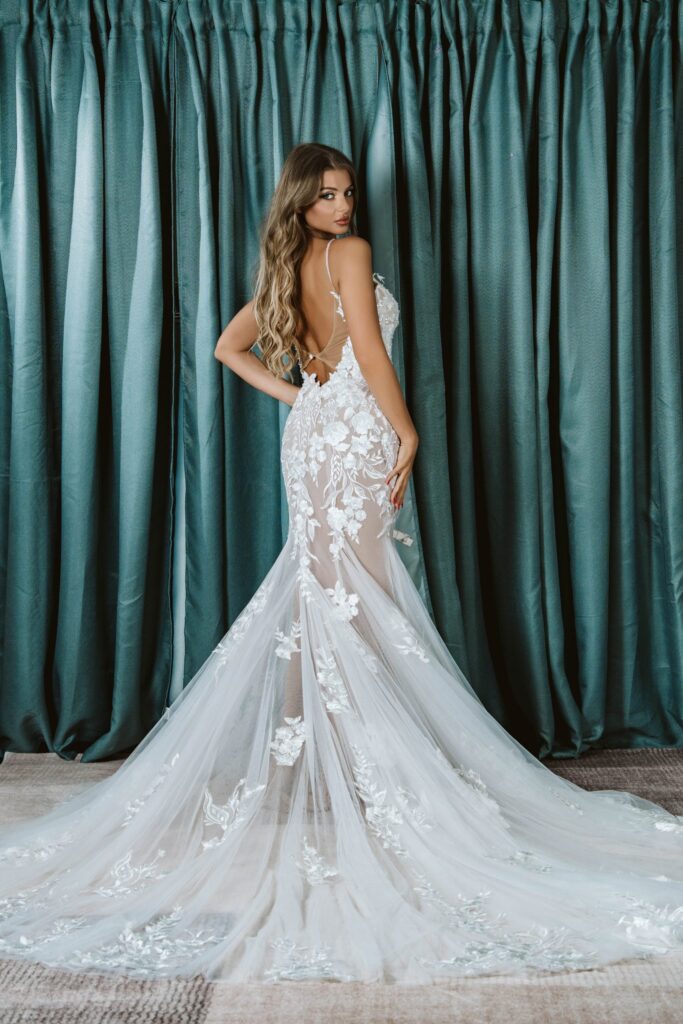

Headbands, bows, combs and micro birdcage veils can replace longer veils after portraits.
Center parts suit low symmetrical headbands, while deep side parts favor off center combs. Tall bows lift a round face, and flat satin bows keep height minimal for longer faces. A micro birdcage veil suits urban venues and protects makeup during close hugs.
Back comb a small section and anchor with crossed bobby pins before placing the piece. Use clear elastics on mini bows and clip into a ponytail base for grip. Carry two spare pins in the micro bag for quick fixes.
Place small pearls or crystals along the front edge of a headband so highlights sit near the eyes. Avoid heavy metal right at the hairline which can read harsh in flash. Swap from veil to headband right after portraits to keep hair smooth for the reception.
One-Statement Rule for Cuffs and Bangles

One bold wrist piece keeps attention on the engagement ring while still adding shape.
Rigid cuffs sit flat under straight sleeve hems and read graphics in photos. Stacked organic bangles add movement and soft texture, best with sleeveless or short sleeves. Test bracelet height against any wrist detail so edges do not clash.
Wear the statement on your non-dominant hand to protect the ring exchange moment. Keep the opposite wrist clean so the crop looks balanced in close ups. Choose a finish that matches your earrings so light reads cohesive.
Use serpent motifs for a sculptural coil that complements sleek gowns, a symbol of eternity and love seen from ancient Roman bracelets to Queen Victoria’s serpent engagement ring according to the British Museum and the Victoria and Albert Museum. If you want one graphic focal point at the wrist, consider serpent bracelets from Viking Trinkets to echo clean gown lines with a sculptural coil.
Capes, Veils and Overskirts That Create a Reveal
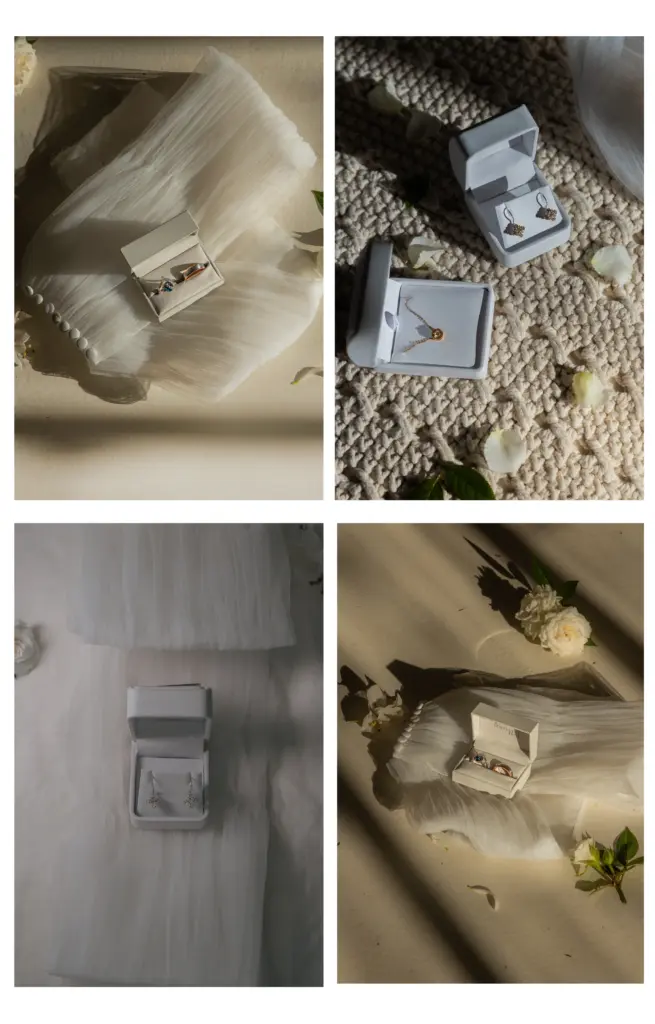
Detachable capes, veils and overskirts deliver the fastest visual shift from aisle to dance floor.
Short shoulder capes add width up top, mid back capes feel editorial and cathedral capes pull the line vertical. Anchor with thread loops to a hidden snap at each shoulder, or with a small comb at the back neckline. Steam from the inside so the face fabric stays smooth in photos.
Raw cut edges feel modern, pencil edges define the outline and beaded edges add light near the face. Cathedral or royal lengths change walking speed and require a helper in wind. Plan veil removal right after portraits so hair stays intact for reception.
Circle-cut overskirts read ethereal, and box pleated overskirts read architectural. Use hook-and-bar plus a hidden snap at side seams so weight distributes evenly. Practice the lift off with two people so tulle does not snag on embellishment.
Install color-coded threads on hook-and-bars so the right hook meets the right bar fast. Pre mark a single bustle point for tulle or two for heavier satin so the hem clears the floor. Time your reveal between cocktail hour and first dance for clean photo coverage.
Sleeves, Gloves and Wrist Details
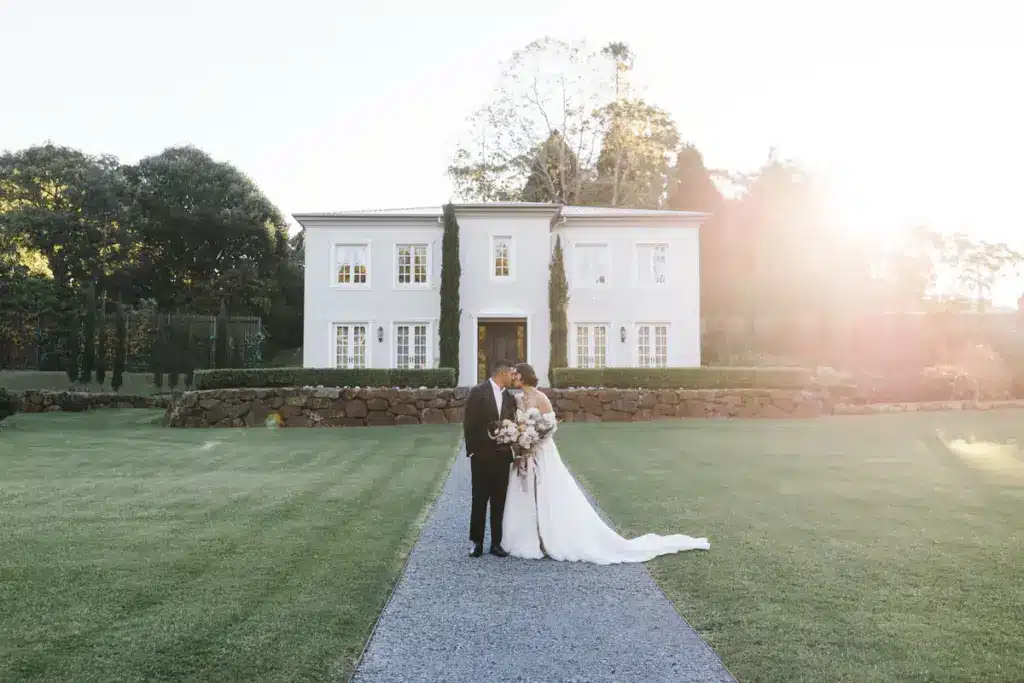
Detachable sleeves and gloves deliver a refined ceremony look that can be removed for the party.
Organza or tulle sleeves add volume without weight, while crepe sleeves sharpen the line. Elasticized top channels or invisible snaps prevent slippage during movement. Match sleeve hem to gown seam lines for a custom look.
Sheer opera gloves feel modern with minis, and fingerless styles keep dexterity for rings. Pearl embellished tulle adds texture and light near the hands. Photograph a glass held in a mirror so the grip looks natural.
Assign a bridesmaid to hold a soft pouch labeled Gloves so items return to the same place. Remove gloves right after the ceremony exit so you can greet guests comfortably. Place sleeves in a mesh pouch to avoid snags before the reception entrance.
Color, Pearls and Personalization
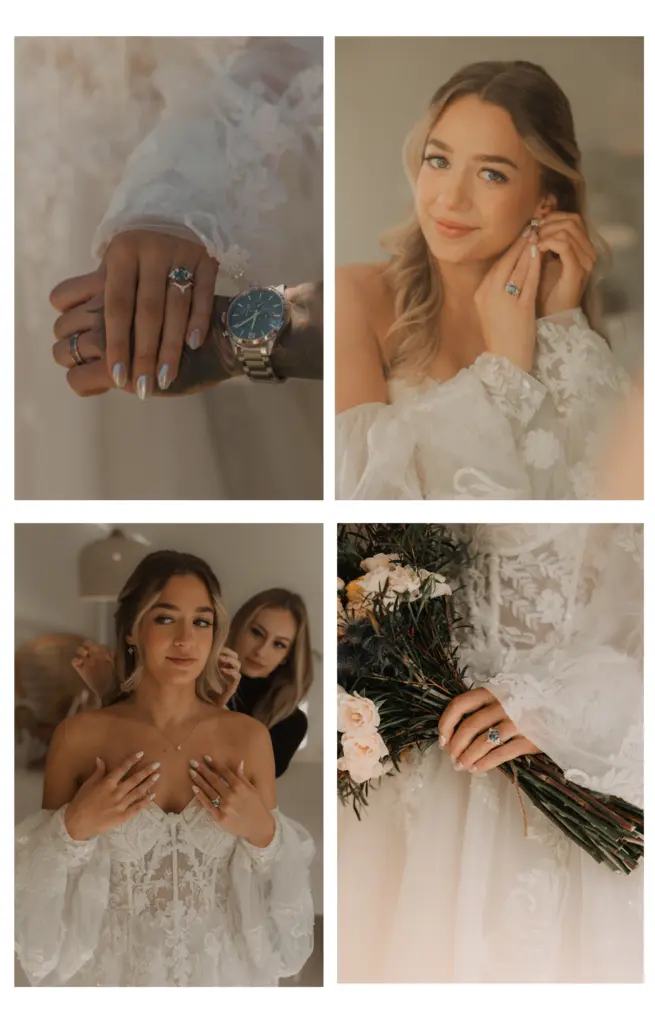
Pearls, subtle color and discreet personalization keep the look modern while adding texture and meaning.
Baroque pearls add irregular light that reads rich on camera. Retailers reported elevated pearl searches in 2024 and baroque iterations rising for Summer 2025 according to Lyst and Vogue Business. Use a single pearl drop or a pearl headband to add movement without clutter.
Powder blue ribbon bows at the waist or on gloves nod to tradition without shouting. A pale blue shoe works under a long hem and reads in walking shots. Keep saturation low so color supports the gown rather than competing.
Monogram a veil edge or bag lining for a private detail. Engrave a date inside a cuff or on a compact mirror. Mix metals by repeating at least two instances of each finish so the eye reads the intention.
Earrings That Modernize the Look
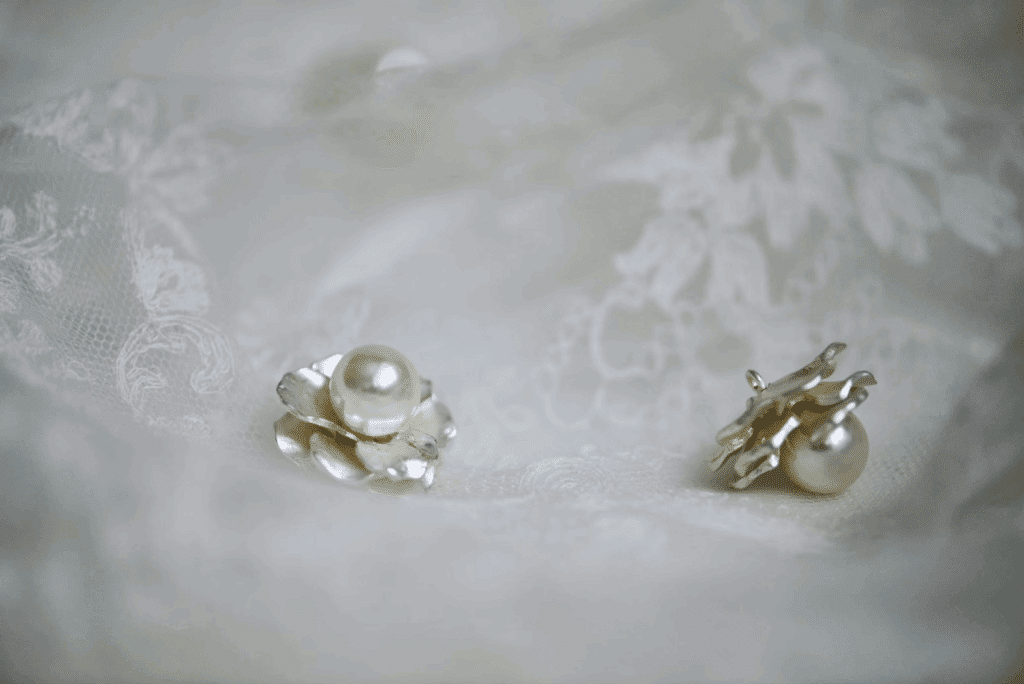
Tiny changes at the ear read large in photos, especially in close ups and during vows.
Warm indoor light flatters yellow gold and pearls, while cool daylight favors silver and platinum. Use asymmetric pairs for editorial interest and keep one ear quieter if hair is tucked on one side. Try a small hoop plus a single drop for movement in portrait frames.
18k gold contains 75 percent pure gold and may be stamped 750 or 18K depending on jurisdiction according to Jewelers of America. White gold is an alloy of gold with white metals like nickel or palladium and is often rhodium plated for brightness according to Jewelers of America. In North American patch-test data nickel is the top allergen with about a 16 percent positive rate in the United States according to the North American Contact Dermatitis Group, which makes metal choice for bridal earrings important. For a timeless metal that blends durability with warmth, build your ear stack around 18k gold earrings at My Jewellery Shop then mix in a single pearl drop for movement.
Do a 24 hour wear test at a fitting to check for irritation and weight. If ears are sensitive choose solid 18k and avoid unknown base metals. Carry alcohol wipes and a spare silicone back for mid reception swaps.
- 12shares
- Facebook0
- Pinterest12
- Twitter0
- Reddit0