
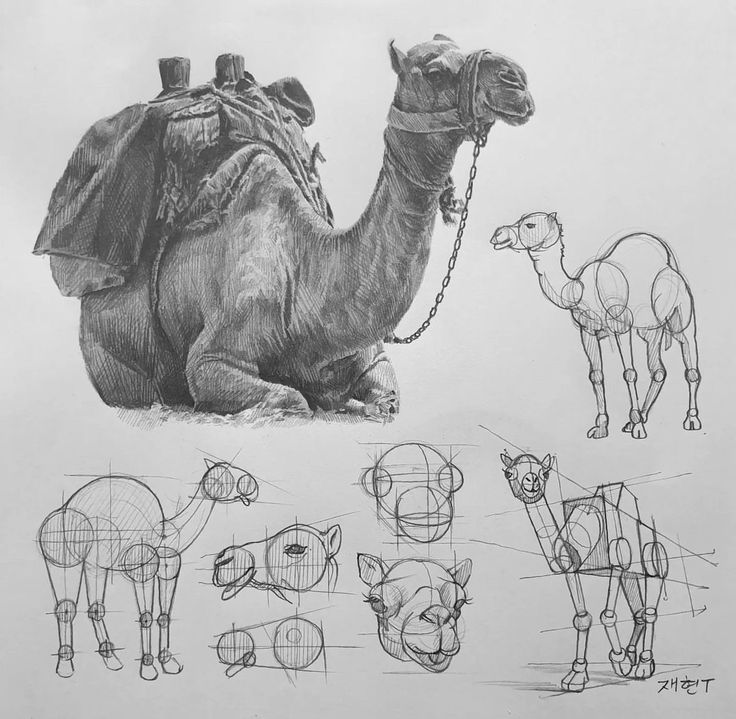
Realistic animal drawing techniques help you bring fur, anatomy, and expression to life on paper. In this ultimate guide, you’ll learn how to select references, understand structure, build texture, and refine shading so your sketches look vivid and lifelike. If you’re just starting out, check out easy projects for beginners in easy realistic animal drawings before diving into these advanced methods.
Gather reference materials
High-quality references are the foundation of every realistic animal illustration. When you study clear images, you’ll capture detail more accurately.
Choose high-definition photos
- Look for images with sharp focus on fur, eyes, and key features
- Use multiple angles to understand three-dimensional form
- Save reference shots of different lighting conditions
Study different poses and species
- Compare standing, sitting, and motion shots to see muscle shifts
- Observe a range of breeds or species to learn varied fur types
- Note the way fur lays over joints and curves
Study animal anatomy
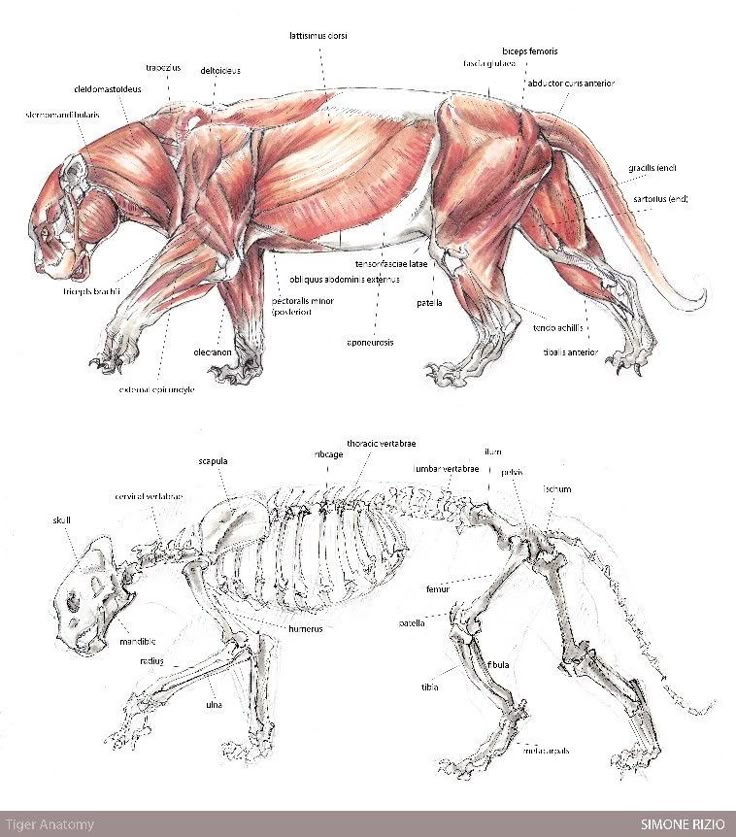
Knowing skeletons and muscles prevents proportion errors and stiff drawings. Anatomy insights help you draw natural contours.
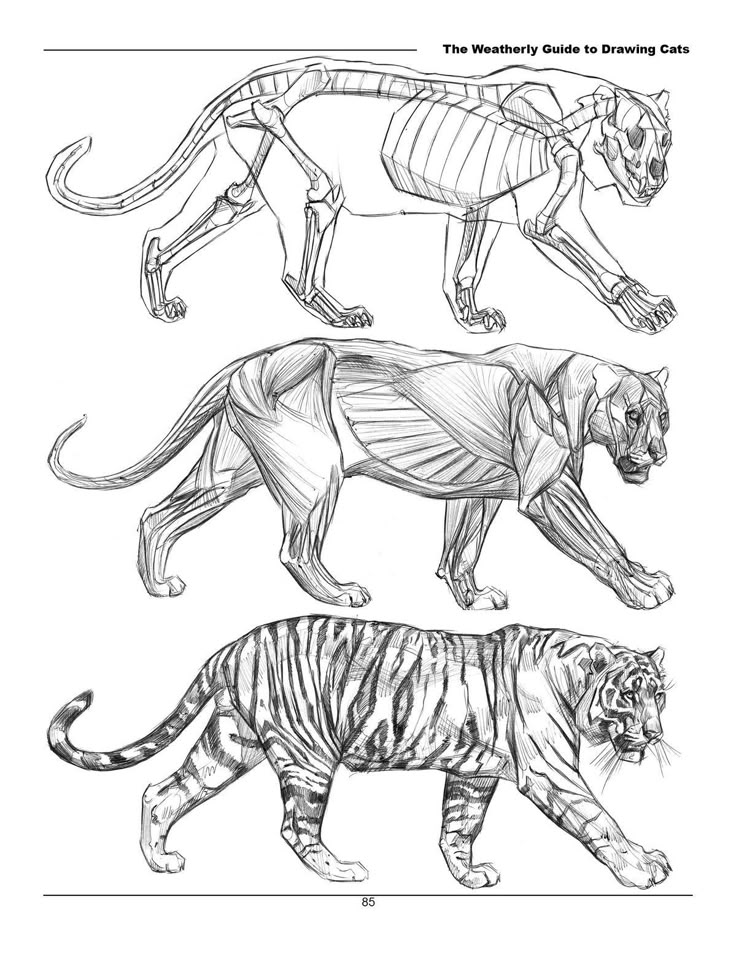
Learn skeletal structure
- Identify skull shape and jawline differences by species
- Trace the spine, rib cage, and limb bones in simple sketches
- Note leg joints: shoulder blades lie flat and heels sit lifted (DeviantArt)
Simplify muscle groups
- Map shoulder and thigh muscles that bulge under fur
- Recognize flat areas like ribs and neck for smoother shading
- Practice quick anatomy studies to internalize forms
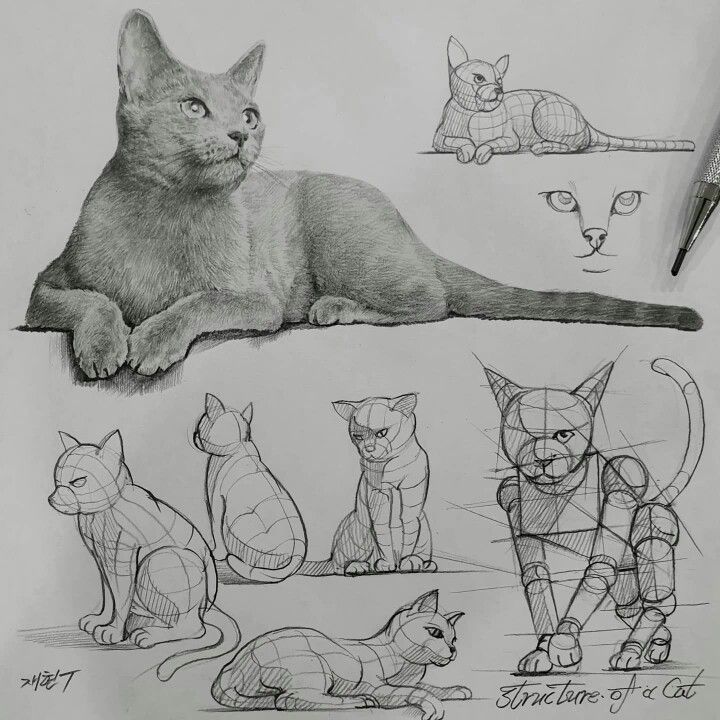
Sketch basic shapes
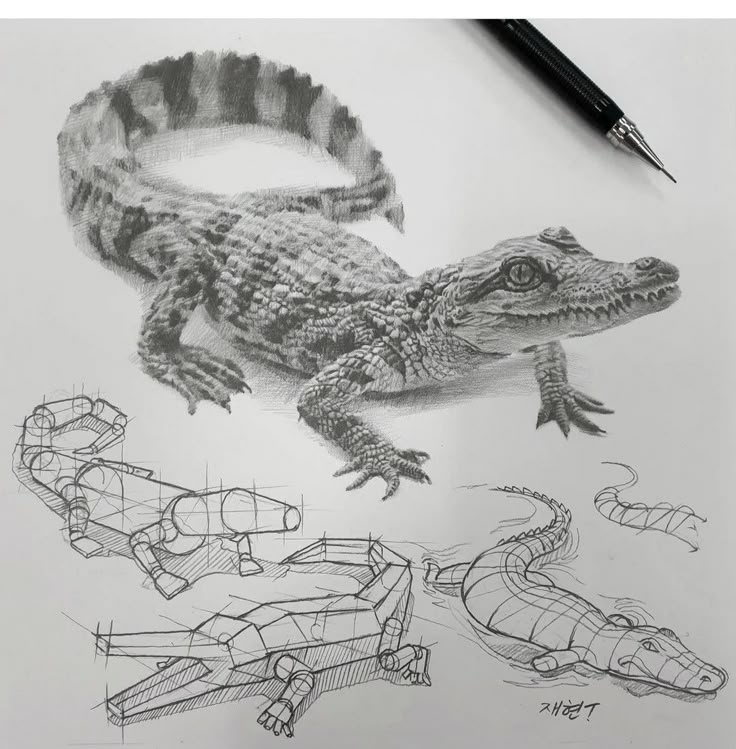
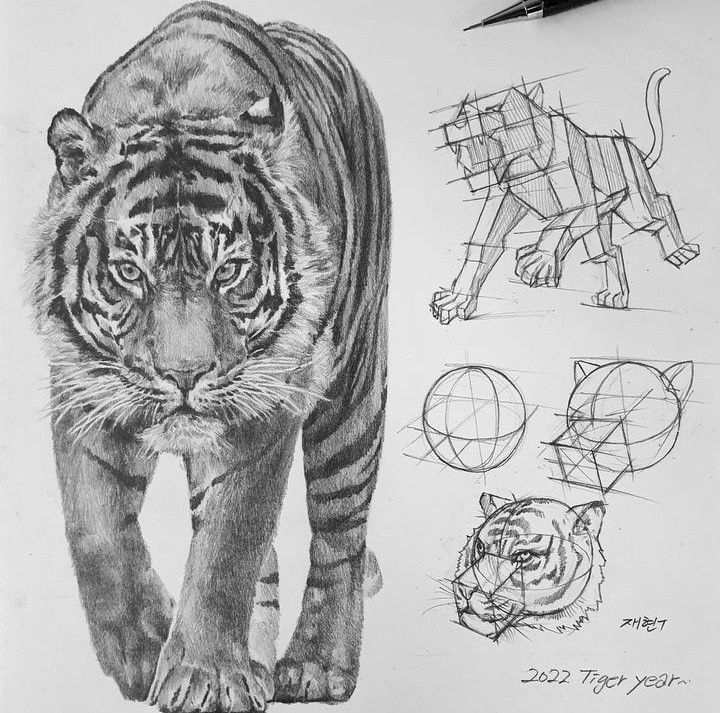
Blocking in simplifies complex forms into circles, ovals, and rectangles. This stage sets correct proportions before you dive into details.
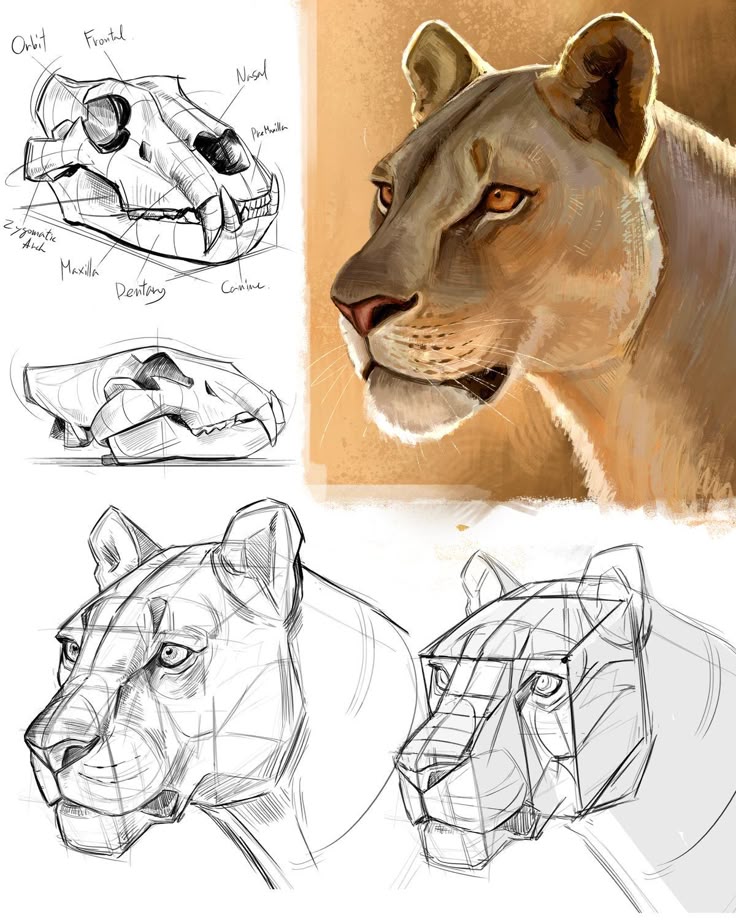
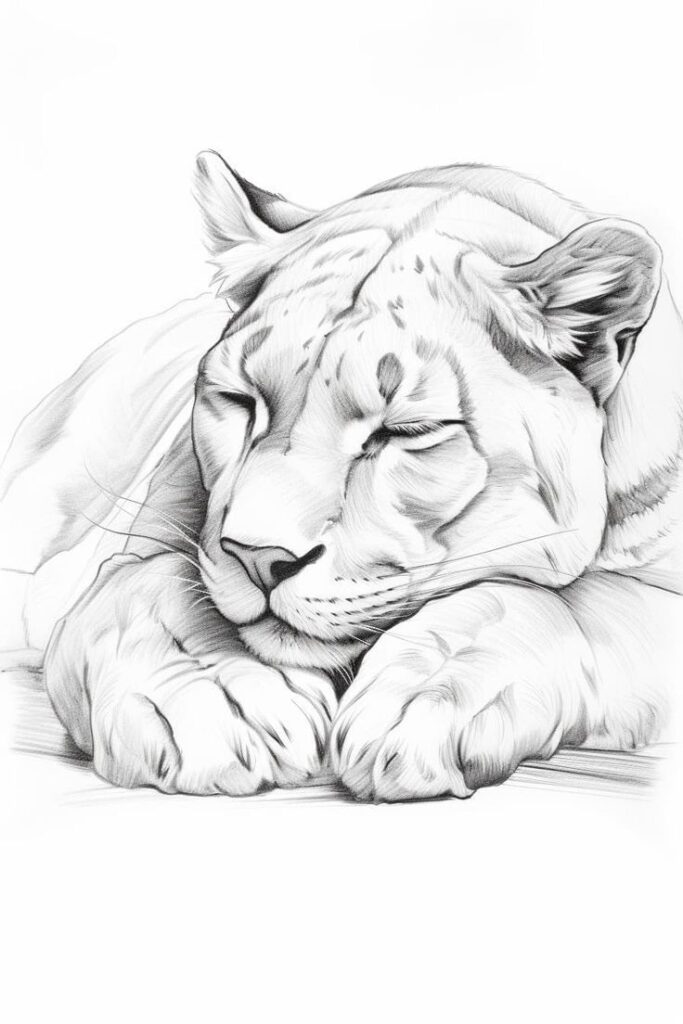
Block in with light lines
- Use hard pencils (4H, 3H, 2H) to make faint guides (Instructables)
- Draw circles for joints, ovals for body segments, and lines for spine direction
- Keep marks loose so you can adjust easily
Check proportions early
- Measure lengths (leg to body ratio, head size) against your reference
- Use a light grid or comparative sight-measuring technique
- Correct mismatches before moving on
Layer fur texture
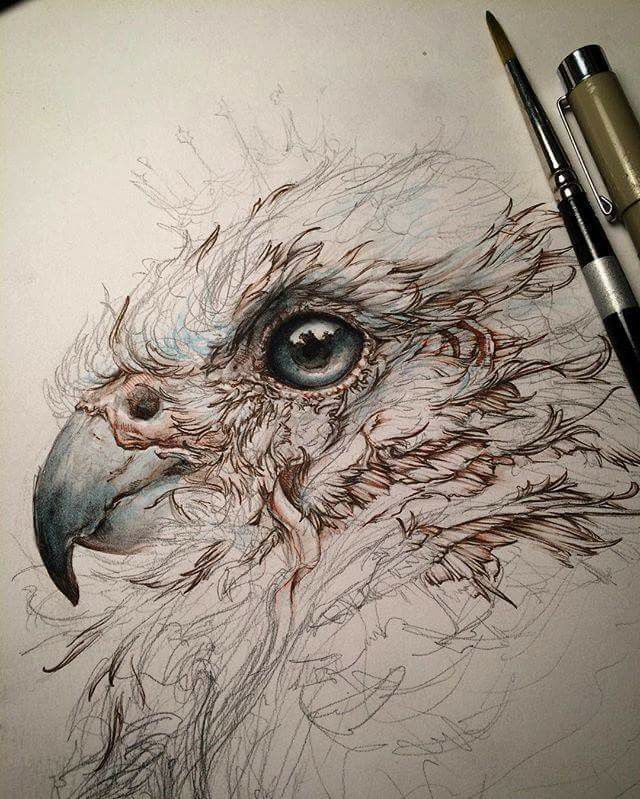
Building realistic fur is a gradual process of light to dark. Each layer adds depth and dimension.
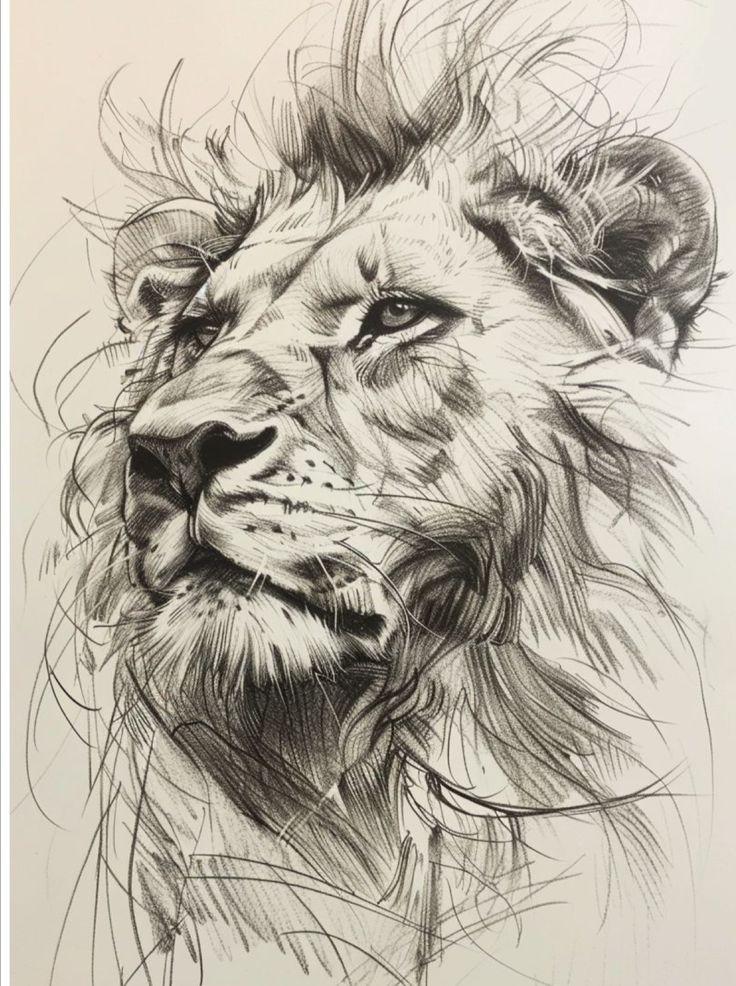
Start with light pencils
- Begin with short, light strokes to indicate fur direction (Instructables)
- Vary stroke length: shorter on faces, longer on flanks or tails
- Follow the natural flow of hair growth
Add midtone layers
- Switch to medium-hard pencils (HB, B, 2B) for deeper fur areas
- Use denser, frequent strokes in shadowed zones to create volume
- Layer strokes in the fur’s direction to maintain consistency
Apply dark accents
- Reserve the darkest pencils (4B, 6B) for contrast points
- Sharpen highlights with a fine eraser to lift graphite and define strands
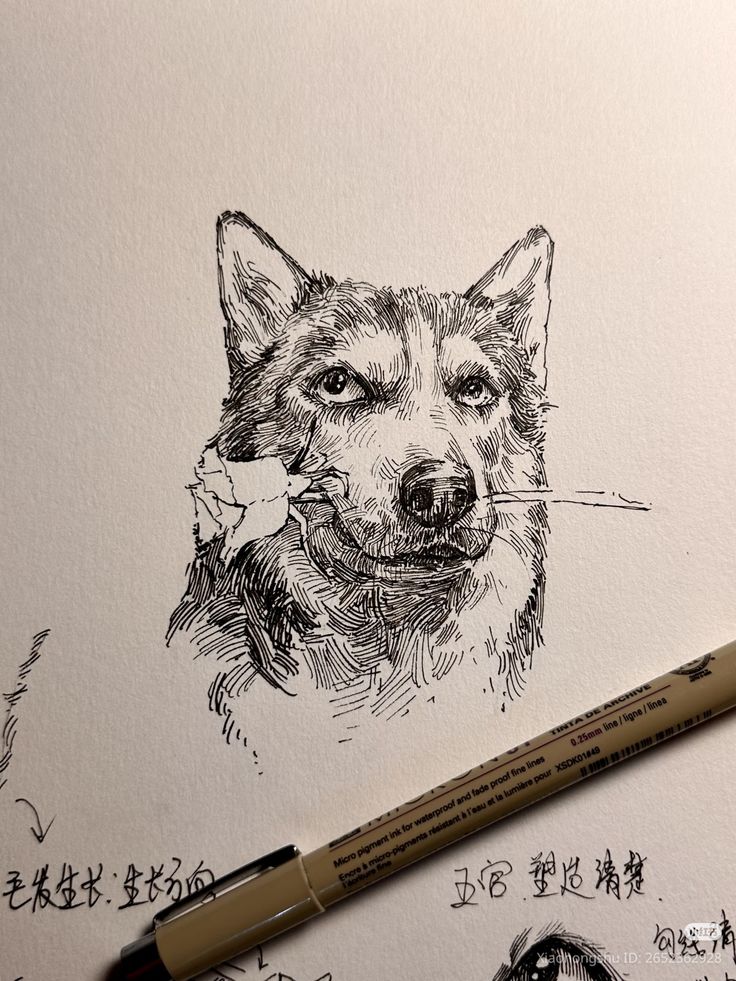
- If desired, add a fine-tip ink marker for crisp edges, avoiding ballpoint pens (Instructables)
Refine form with shading
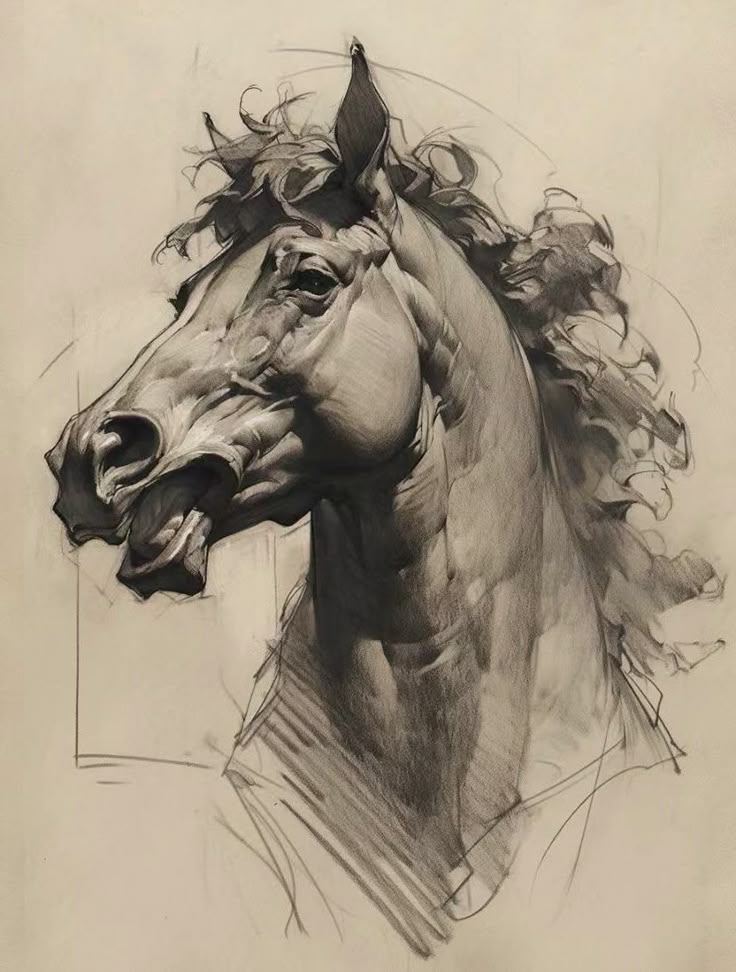
Beyond fur, realistic animal drawing techniques rely on shading to convey three-dimensional form and lighting.
Blend edges for realism
- Use a blending stump or tortillon to soften transitions between light and dark (DIY Homeschooler)
- Feather out the edges of color patches so fur appears natural
- Observe how light wraps around curves in reference photos
Avoid solid outlines
- Replace hard contour lines with subtle shading
- Suggest form changes with small directional strokes
- Let shadows and highlights define boundaries
Choose drawing tools
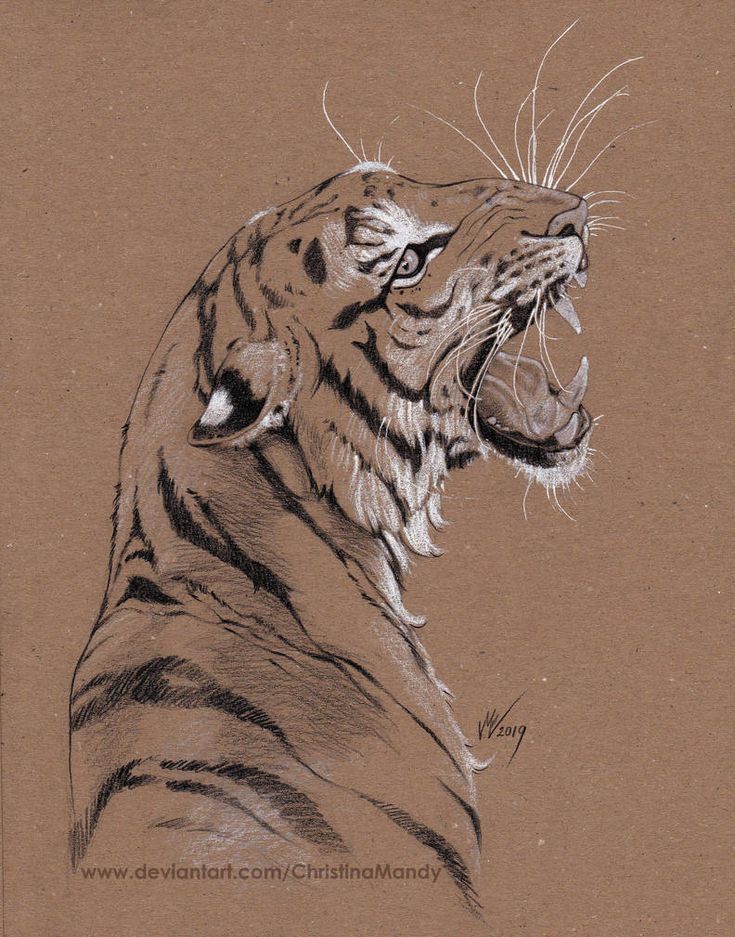
Experimenting with various media enriches your work. Each tool brings unique qualities to texture and tone.
Use pencil grades wisely
- Hard pencils (2H–4H) for initial layout
- Medium pencils (HB–2B) for midtones
- Soft pencils (4B–8B) for deep shadows
Try ink or charcoal
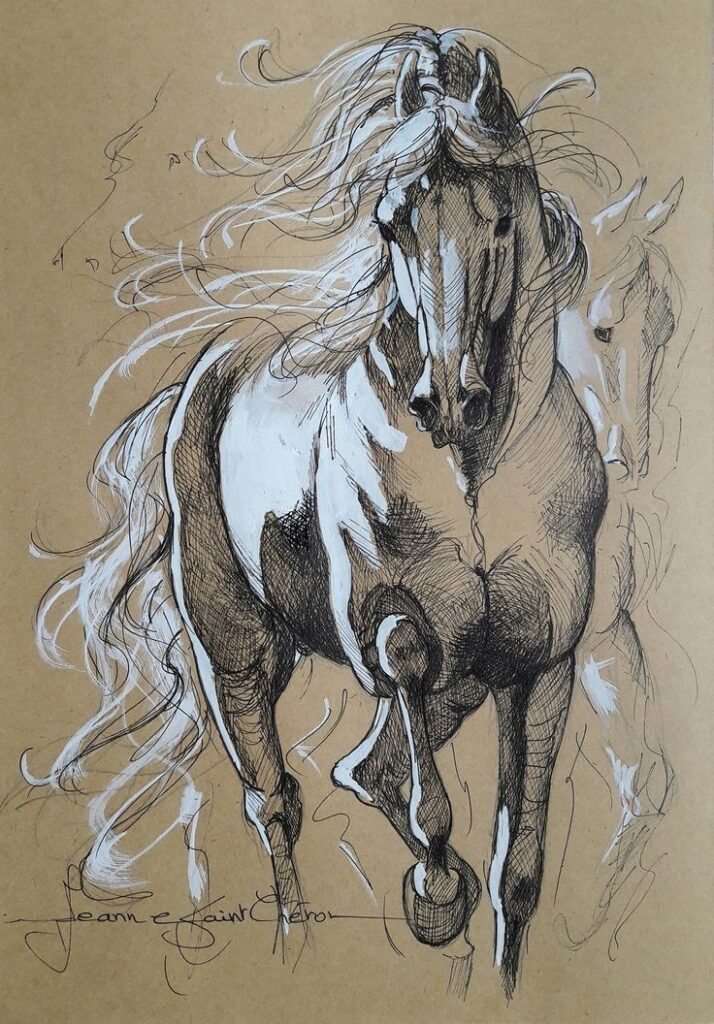
- Ink adds sharp definition, especially around eyes and whiskers
- Charcoal offers rich blacks and easy blending for dramatic effect
Incorporate colored pencils
- Layer colors gradually for realistic animal fur
- Blend warm and cool tones to mimic natural highlights and shadows
- See techniques in how to draw realistic animals with colored pencils
Capture animal personality
Technical accuracy is essential, but conveying mood makes your drawing come alive.
Focus on eyes and expression
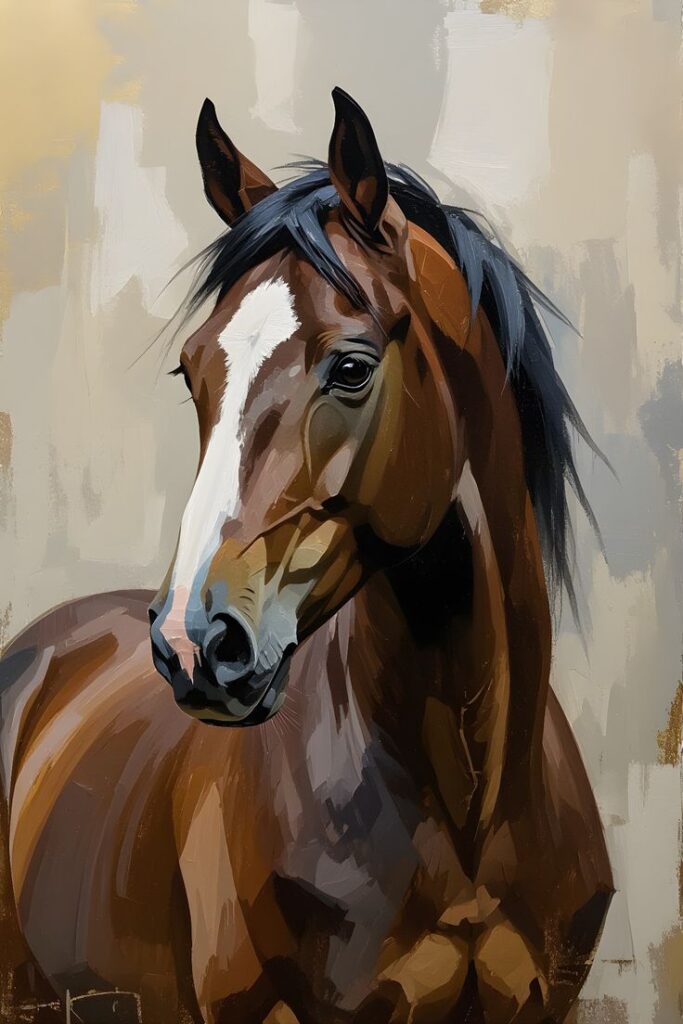
- Draw pupil shape, iris detail, and catchlight reflections carefully
- Use reference to study ear position and mouth shape for emotion
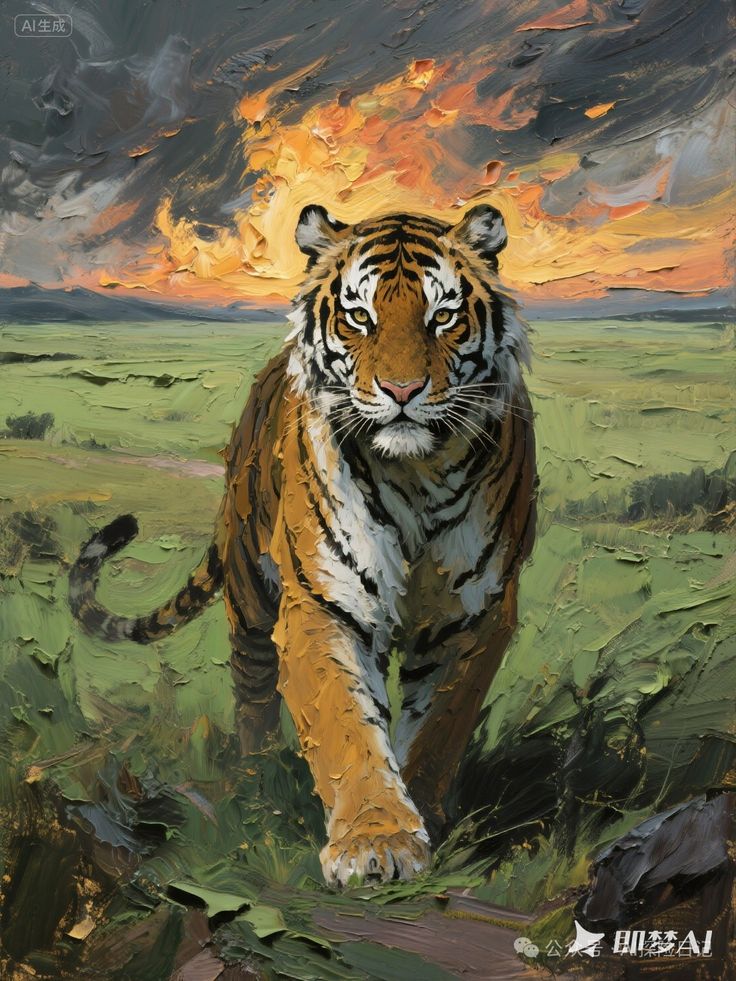
Convey mood with posture
- Tilt head slightly to show curiosity or alertness
- Use tail position and body tension to suggest calm or excitement
Explore advanced tutorials
Once you’ve mastered these realistic animal drawing techniques, deepen your skills with specialized guides:
- Step-by-step breakdowns in how to draw realistic animals step by step
- Bird anatomy and feather rendering in how to draw realistic birds
- Quick sketch strategies in how to sketch realistic animals
- Portrait-style detailing in realistic animal portraits drawing
Frequently asked questions

- What pencil grade is best for fur texture?
Start with hard pencils (2H–4H) for light strokes, then move through medium (HB–2B) and soft (4B–6B) grades for midtones and shadows. - How can I avoid flat-looking fur?
Layer strokes from light to dark, blend edges softly, and sharpen select highlights with an eraser to add depth. - Do I need live animals for reference?
High-resolution photos often provide better detail and convenience, though observing live subjects can refine your understanding of movement. - How do I capture an animal’s personality?
Focus on expressive eyes, ear positions, and body language. A slight change in angle or tension can dramatically shift mood. - What’s the best way to learn anatomy?
Study simplified skeleton and muscle diagrams, practice quick sketches, and refer to guides like those on DeviantArt to internalize form.
By following these steps and practicing regularly, you’ll develop the confidence and skill to draw animals that look both accurate and full of life. Happy sketching!
- 217shares
- Facebook0
- Pinterest217
- Twitter0
- Reddit0