Why Storage Tanks Rely on Continuous Oversight
Storage tanks operate under conditions that test their durability every day. They hold fuel, chemicals, water, and industrial materials that place constant pressure on structural components. Over time, even the strongest tanks begin to show wear. For commercial facilities, staying ahead of these changes is essential. This is where routine storage tank inspection becomes the backbone of safe, compliant, and reliable operations. Regular oversight keeps small issues from becoming major failures and helps businesses maintain performance without unexpected disruptions.
How Routine Inspections Protect Structural Integrity
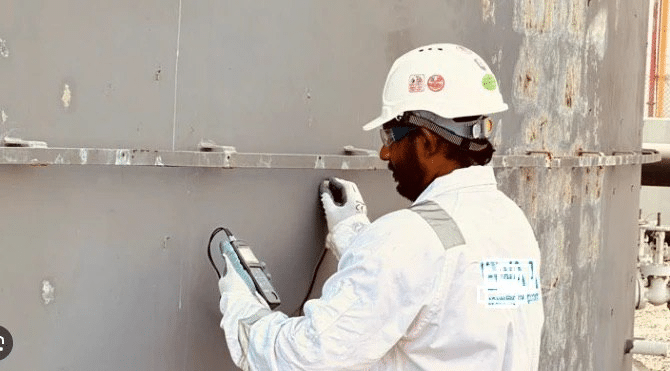
Every tank faces natural stress from temperature changes, product weight, internal pressure, and environmental exposure. Inspections reveal how these factors affect the tank over time. Teams look for cracks, corrosion, wall thinning, weld fatigue, settlement, and coating breakdown. Using visual checks, ultrasonic testing, and pressure monitoring, technicians gather precise data on tank condition. With consistent storage tank inspection, facilities catch problems early and prevent structural issues that could lead to leaks or costly repairs.

Identifying Corrosion Before It Becomes a Hazard
Corrosion is one of the biggest threats to long-term tank safety. Moisture, chemical vapors, and unbalanced pH levels gradually degrade surfaces. Once corrosion spreads, the tank’s structural reliability is compromised. Regular inspections help teams map corrosion patterns, measure wall thickness, and determine when coatings or linings need updating. This keeps the tank protected from interior and exterior damage. When corrosion is detected early through storage tank inspection, corrective measures are far simpler, faster, and more cost-effective.
Monitoring the Foundation and Surrounding Environment
A tank’s performance depends heavily on the condition of the ground beneath it. Soil shifts, erosion, drainage problems, and groundwater intrusion all affect stability. Inspections evaluate settlement levels, floor deformation, and pressure distribution around the tank. Early detection of foundation changes prevents long-term structural issues and protects the tank from unnecessary stress. For commercial operations, this reduces downtime and maintains continuous system reliability.

Using Technology to Enhance Inspection Accuracy
Modern inspection tools give facility teams deeper insight into tank performance. Ultrasonic thickness gauges, remote sensors, drones, and internal robotic crawlers allow technicians to examine inaccessible areas safely. These tools detect weak points long before they are visible. Data from these technologies helps build long-term maintenance plans, predict repair needs, and reduce surprises. With accurate digital records, businesses gain full visibility into tank health and can budget for repairs more effectively.
Why Cleaning and Internal Maintenance Support Inspection Results
A tank that isn’t cleaned regularly becomes harder to inspect and more vulnerable to deterioration. Residue, sediment, and chemical buildup hide structural problems and accelerate corrosion. When tanks are cleaned, inspection teams can assess surfaces accurately. This pairing of cleaning and inspection helps facilities maintain operational safety and extend equipment lifespan.


Protecting Against Environmental and Regulatory Risks
Storage tanks must meet strict commercial regulations. Environmental agencies require consistent monitoring, documentation, and compliance reporting. Inspections verify whether tanks meet leak detection standards, structural requirements, and environmental guidelines. Documentation from each storage tank inspection provides proof of compliance and protects businesses from fines and legal liability. Strong inspection routines also reduce the risk of soil contamination, groundwater pollution, and operational shutdowns.
Planning Repairs Before Problems Escalate
Inspections allow teams to plan repairs proactively instead of responding to emergencies. When technicians can monitor corrosion patterns, structural weaknesses, and foundation movement over time, they know exactly when maintenance should be scheduled. Planned repairs reduce downtime, avoid emergency costs, and protect equipment investments. This proactive approach ensures that storage systems remain safe, dependable, and efficient throughout their lifespan.
Why Skilled Professionals Make a Difference
Storage tank inspections require detailed knowledge of tank construction, materials, coatings, and safety regulations. Professional inspectors understand what subtle warning signs mean and how they affect long-term reliability. Their expertise ensures accurate assessments, safer operations, and better facility planning. For commercial properties that rely on consistent storage capacity, this expertise is essential.
Reliable storage systems depend on routine oversight. With consistent inspection, precise testing, and strong maintenance planning, facility teams protect their tanks, reduce risk, and ensure long-term operational stability.
- 3shares
- Facebook0
- Pinterest0
- Twitter3
- Reddit0