Diabetic nephropathy is one of the most serious long-term complications of diabetes and a leading cause of chronic kidney disease worldwide. It develops gradually and can significantly impact a person’s quality of life if not detected and managed early. Understanding diabetic nephropathy, its causes, symptoms, and treatment options is essential for people living with diabetes and those involved in their care.
What Is Diabetic Nephropathy?
Diabetic nephropathy is a type of kidney damage caused by prolonged high blood sugar levels in people with diabetes. Over time, excess glucose in the blood damages the small blood vessels (glomeruli) in the kidneys, reducing their ability to filter waste and excess fluids from the body. If left untreated, diabetic nephropathy can progress to kidney failure, requiring dialysis or a kidney transplant.
Both type 1 and type 2 diabetes can lead to diabetic nephropathy, especially when blood sugar and blood pressure are poorly controlled.
Causes and Risk Factors
The primary cause of diabetic nephropathy is long-standing diabetes, but several factors increase the risk of developing this condition:
- Poor blood sugar control over many years
- High blood pressure (hypertension)
- Family history of kidney disease
- Smoking
- Obesity
- High cholesterol levels
- Long duration of diabetes
Consistently elevated blood sugar damages kidney tissues, while high blood pressure further strains the kidneys, accelerating disease progression.


Symptoms of Diabetic Nephropathy
In the early stages, diabetic nephropathy often has no noticeable symptoms, which makes regular screening crucial. As the disease progresses, symptoms may include:
- Swelling in the feet, ankles, hands, or face
- Fatigue and weakness
- Foamy or bubbly urine (a sign of protein in urine)
- Frequent urination, especially at night
- Nausea or vomiting
- Loss of appetite
- Difficulty concentrating
Advanced stages can lead to severe complications, including anemia, bone disease, and cardiovascular problems.
Stages of Diabetic Nephropathy
Diabetic nephropathy progresses through several stages:
- Hyperfiltration Stage – Increased kidney function with no symptoms
- Microalbuminuria – Small amounts of protein leak into urine
- Macroalbuminuria – Larger protein loss, noticeable kidney damage
- Declining Kidney Function – Reduced filtration rate
- End-Stage Renal Disease (ESRD) – Kidney failure requiring dialysis or transplant
Early detection during the microalbuminuria stage can significantly slow or prevent progression.

Diagnosis
Doctors diagnose diabetic nephropathy through routine tests, including:
- Urine tests to detect albumin or protein levels
- Blood tests to measure creatinine and estimate kidney function (eGFR)
- Blood pressure monitoring
- Imaging tests in advanced cases
People with diabetes are typically advised to undergo kidney screening at least once a year.
Treatment and Management

While diabetic nephropathy cannot be completely reversed, early and consistent treatment can slow its progression.
1. Blood Sugar Control
Maintaining healthy blood glucose levels is the most important step. This may involve insulin therapy, oral medications, diet changes, and regular monitoring.
2. Blood Pressure Management
ACE inhibitors or ARBs are commonly prescribed to protect kidney function, even in patients without high blood pressure.
3. Dietary Changes
- Reducing salt intake
- Managing protein consumption
- Limiting processed foods
- Eating a balanced, kidney-friendly diet
A dietitian can help create a personalized meal plan.
4. Lifestyle Modifications
- Quitting smoking
- Maintaining a healthy weight
- Regular physical activity
- Limiting alcohol intake
5. Advanced Treatment Options
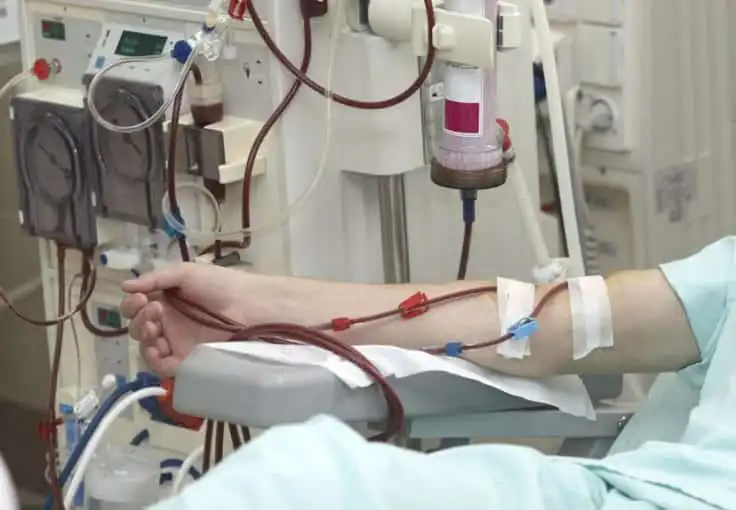
In severe cases, dialysis or kidney transplantation may be necessary to sustain life.


Prevention Tips
Preventing diabetic nephropathy largely depends on diabetes management:
- Keep blood sugar within target ranges
- Monitor blood pressure regularly
- Attend routine medical checkups
- Follow prescribed medications
- Adopt a healthy lifestyle early
Early action can make a significant difference in long-term kidney health.
Conclusion
Diabetic nephropathy is a serious but largely preventable complication of diabetes. With early detection, proper medical care, and lifestyle changes, many people can slow its progression and maintain kidney function for years. Regular screenings, strict blood sugar control, and awareness of early warning signs are key to protecting kidney health and improving overall outcomes for individuals living with diabetes.
- 0shares
- Facebook0
- Pinterest0
- Twitter0
- Reddit0