Tattoo lettering styles begin as whispers on skin, lines coiling into words that carry weight, memory, and meaning. For anyone considering this form of body art, there is an expansive galaxy of fonts and techniques to explore. Each script can mirror personality, commemorate a loved one, or evoke a historical tradition dating back generations.
Explore tattoo lettering origins
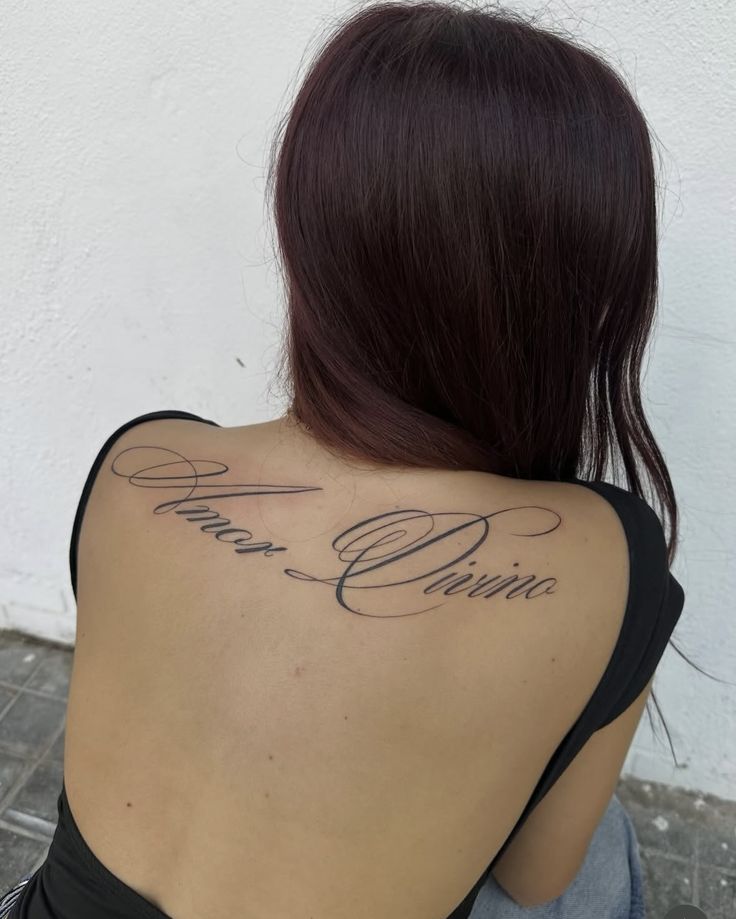
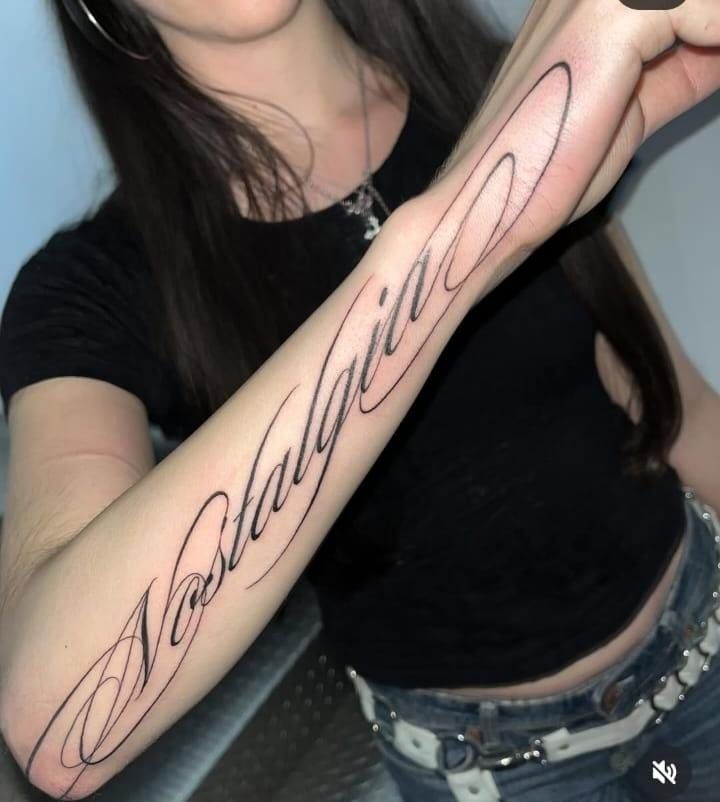
Long before machines buzzed in modern studios, ancient cultures used sharpened instruments and natural pigments to etch stories of triumph, faith, and lineage. Scholars have traced Egyptian hieroglyphs on mummified remains, while medieval scrolls featured bold Gothic letters that have since inspired dramatic Blackletter tattoos. Over time, lettering became more diverse. Russian subcultures in the 1990s gravitated toward Latin phrases such as “Veni Vidi Vici” or Chinese characters, sometimes chosen without knowing the true meaning (INKPPL Tattoo Magazine). Today’s artists build upon these legacies, adding fresh angles and filigree to each piece.
Learn popular style categories
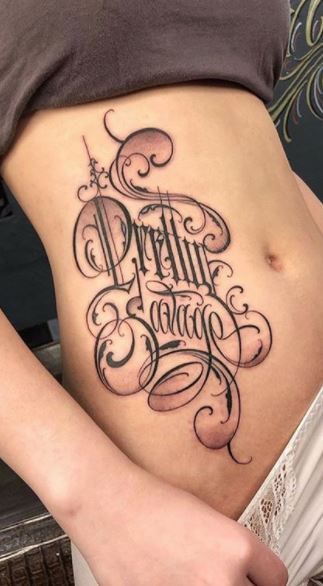
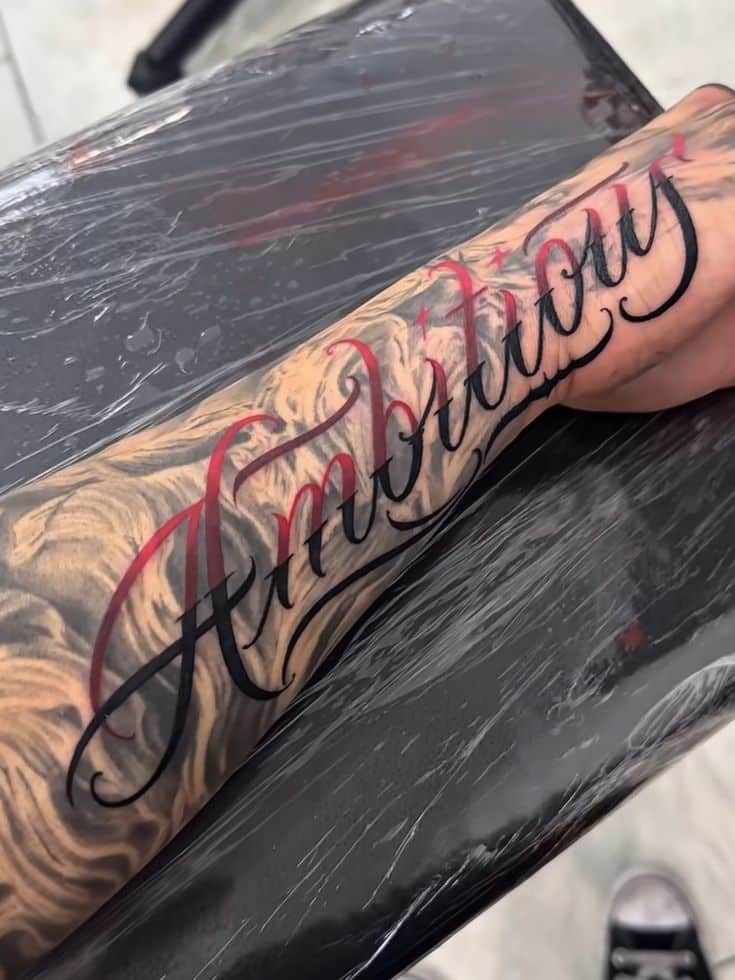
From graceful calligraphy to unabashed Gothic scripts, modern lettering stands as proof that ink can be both aesthetic and profound. These categories represent just a slice of the infinite variety available.
Script styles: elegant flow
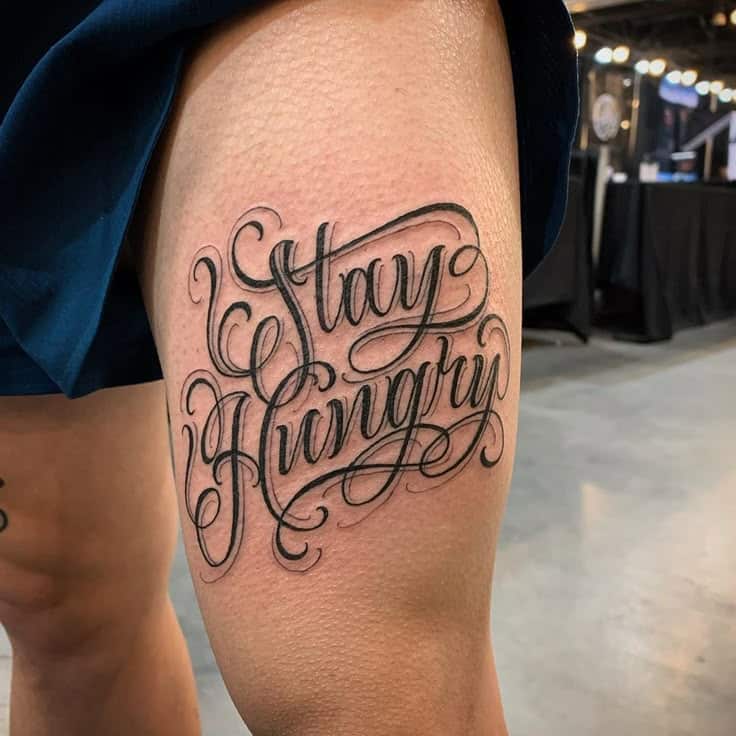
Script fonts emulate handwriting or formal calligraphy by weaving letters together in a fluid dance. Examples include Ananda Black, Weddingday, and Lucy Said Ok—popular among those wanting a graceful, romantic touch (FontSpace). Cursive tattoos often come with delicate flourishes or filigree, accenting treasured quotes, names, or important milestone dates (Tattooing101).
Chicano style: cultural roots
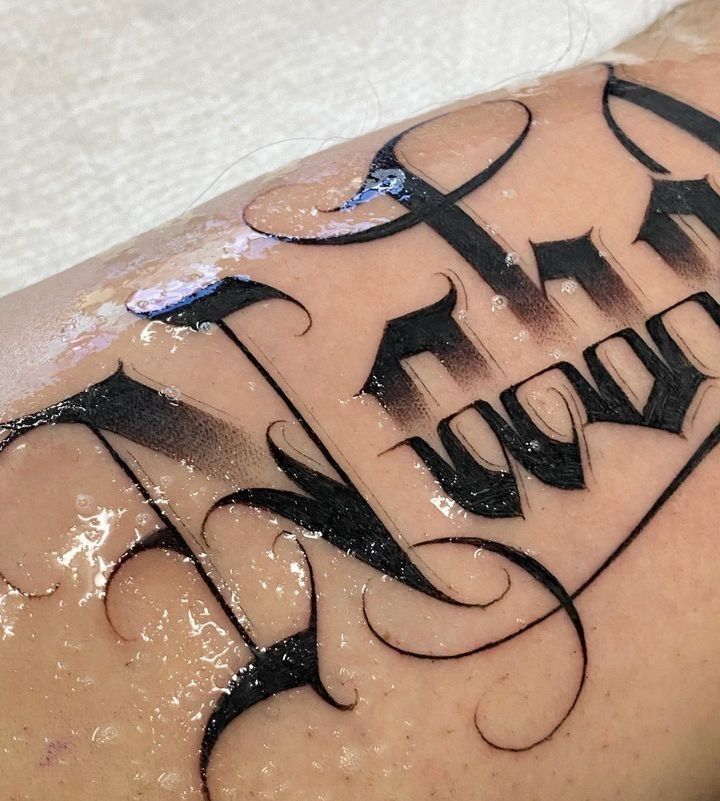
Chicano lettering emerged from 1940s Mexican American subcultures, combining Old English aesthetics with dramatic curves. This style symbolizes loyalty, heritage, and love for family, frequently pairing bold letters with roses, skulls, or script reminiscent of street graffiti (Stories and Ink).
Minimalist: modern clarity
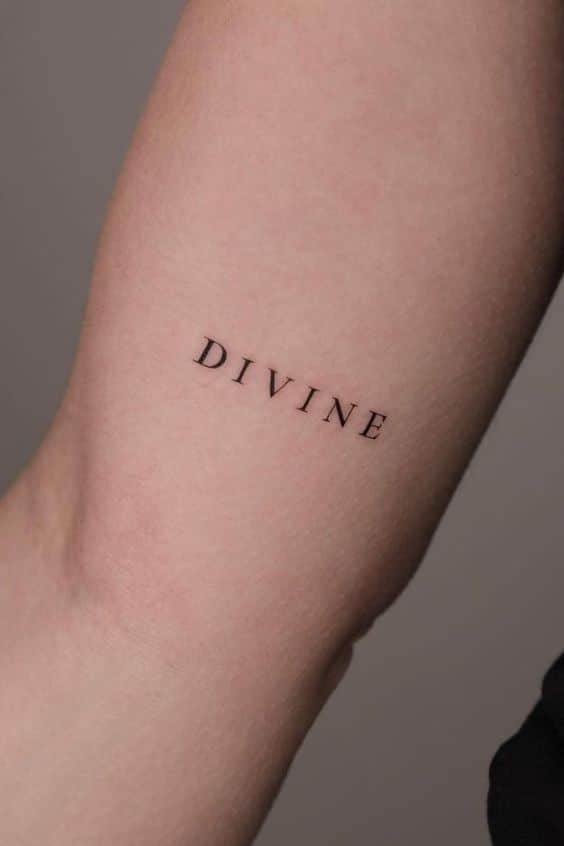
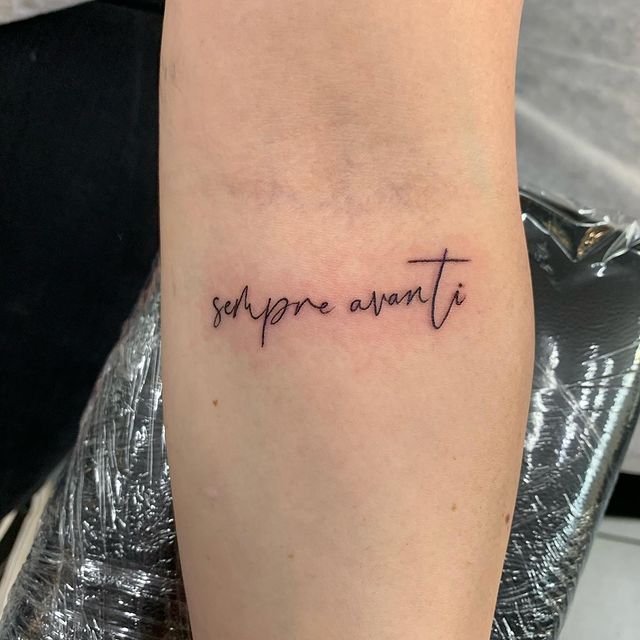
Not all tattoo lettering must wow with extravagance. Minimalist designs use clean, understated fonts that make a subtle statement, perfect for small forearm or ankle placements. The emphasis here is clarity, focusing on the meaning rather than intense embellishment (Monolith Studio).
Old English: timeless drama
Whether called Blackletter, Gothic, or Medieval, this category offers a regal flair to words. Some might recognize bold heads of letters tapering into pointed terminals. Adapting best to shorter words or phrases, Old English designs command attention with their ornate complexity, bridging a link to centuries-old manuscripts (Stories and Ink).
Arabic calligraphy: sacred essence
Curved lines and soft flourishes define Arabic lettering tattoos, often chosen for spiritually significant words or phrases. The fluid, interconnected characters hold deep symbolic resonance and have found favor in modern studios thanks to their elegant, timeless look (Monolith Studio).
Consider important size factors
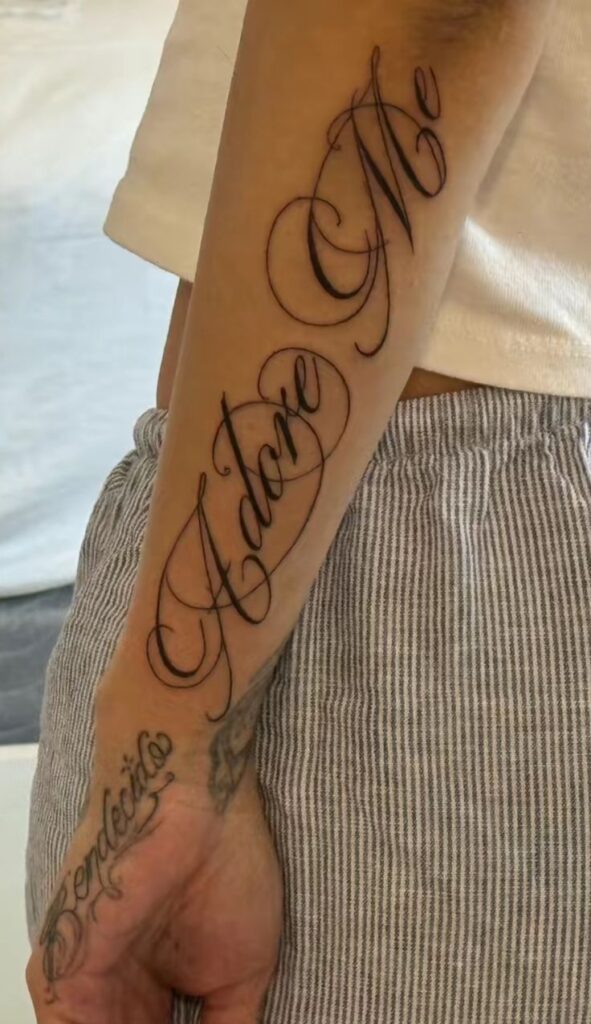
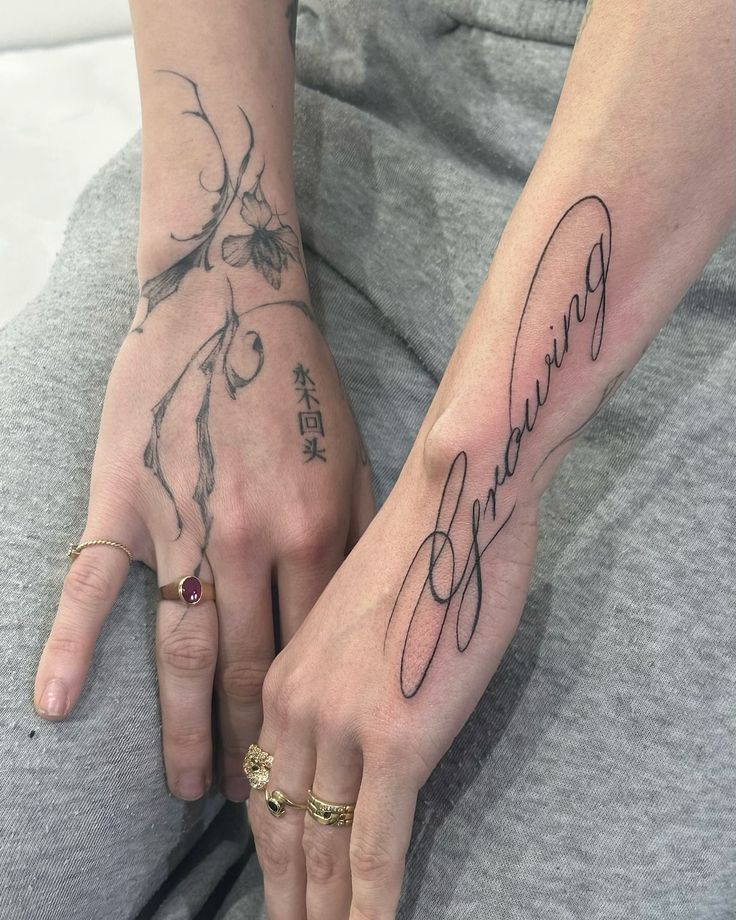
Tattoo lettering demands forethought about font height, spacing, and readability. Artists generally advise letters of at least ½ inch tall so each curve stays crisp over time (Monolith Studio). Placement on curved or flexible areas of the body, like the inner arm or ribs, can distort certain fonts, so mapping out the design with a stencil is often key. Whether going for sweeping words across the collarbone or a single phrase on the wrist, size and style must work together for a timeless piece.
Frequently asked questions
What are the most popular tattoo lettering styles?
Many people favor Script, Old English, or Chicano fonts. These styles each convey distinctive moods and celebrate different cultural or historical legacies.Can lettering tattoos be combined with other design elements?
Yes. Filigree, roses, or dramatic flourishes can accent cursive or block lettering. Even minimalist text can gain subtle ornamentation without losing clarity (Tattooing101).How can I ensure my lettering tattoo remains legible over time?
A skilled artist will recommend appropriate sizing and spacing. Areas prone to stretching or sun exposure might cause ink fade, so proper aftercare and touch-ups help maintain crisp lines.Are there any specific rules for name tattoos?
Some artists hesitate to ink names unless they honor deceased loved ones or pets. This precaution arises due to name cover-ups being all too common, though personal preference ultimately varies (Tattooing101).What if I want a custom font?
Many artists draw lettering by hand, treating each phrase as a one-of-a-kind illustration. Custom calligraphy ensures the script aligns with the individual’s aesthetic and body contours (Stories and Ink).
From delicate cursive that whispers secrets across skin to Old English that roars heritage and pride, tattoo lettering styles flourish when paired with intention. In every thoughtful stroke, a story emerges, shaped by history and personal meaning. And when that ink meets flesh, the result is as unique and powerful as the person wearing it.
- 3.1Kshares
- Facebook0
- Pinterest3.1K
- Twitter0
- Reddit0