The ocean covers 71% of Earth’s surface. We’ve explored less than 5% of it. That ratio—vast mystery hiding in plain sight—is exactly why ocean tattoos resonate so deeply. They’re not just pretty; they carry weight.
But here’s what frustrates me about most ocean tattoo ideas galleries: they show you 50 gorgeous wave photos and tell you nothing useful. Not which styles fade into muddy blurs after three years. Not why your tattoo artist might wince when you show them that Great Wave of Kanagawa screenshot (spoiler: it’s the most requested and most often botched design in the industry). Not which placements make waves look like they’re actually moving versus awkwardly frozen.
- What Ocean Tattoos Actually Mean (Beyond the Clichés)
- 25 Ocean Tattoo Ideas by Style
- The Great Wave Problem (And Better Alternatives)
- Placement That Makes Ocean Tattoos Look Real
- What Nobody Tells You About Ocean Tattoo Fading
- Finding an Artist Who Actually Does Water Well
- Ocean Tattoo Costs: What to Expect
- Frequently Asked Questions
- Your Next Steps
I’ve spent years watching ocean tattoos age—on friends, on strangers at beaches, in healed portfolio photos that artists rarely show. The gap between “fresh ink” and “five years later” is massive for water designs, especially those pretty turquoise colors everyone loves.
This guide covers what actually matters: designs that hold up, placement that makes sense, honest fading expectations, and the mistakes that turn dream tattoos into cover-up candidates. Let’s get into it.
What Ocean Tattoos Actually Mean (Beyond the Clichés)
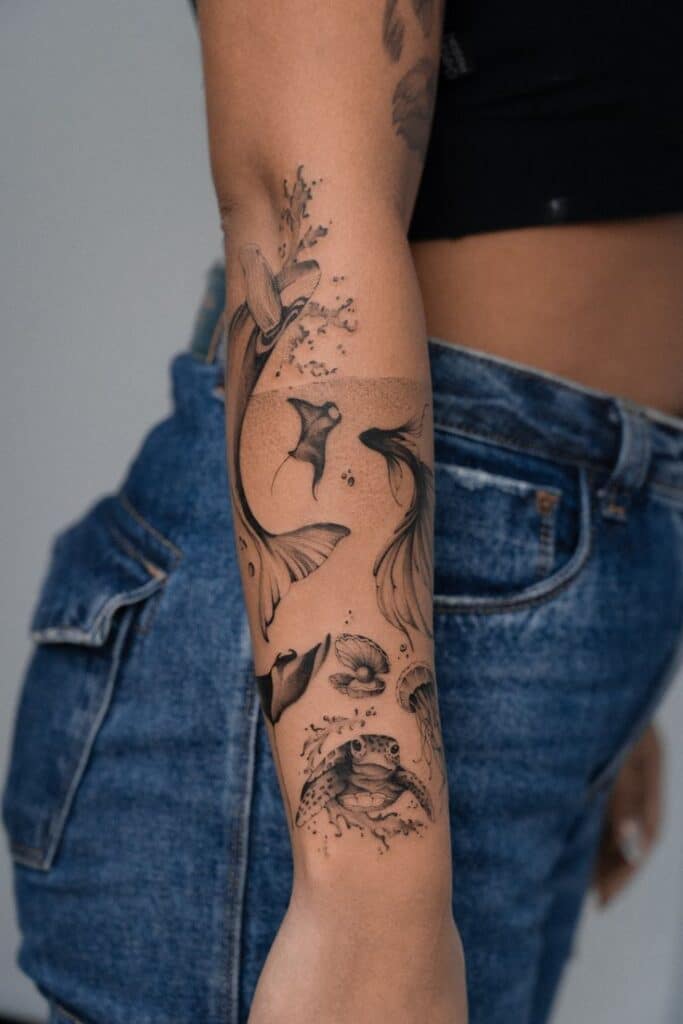
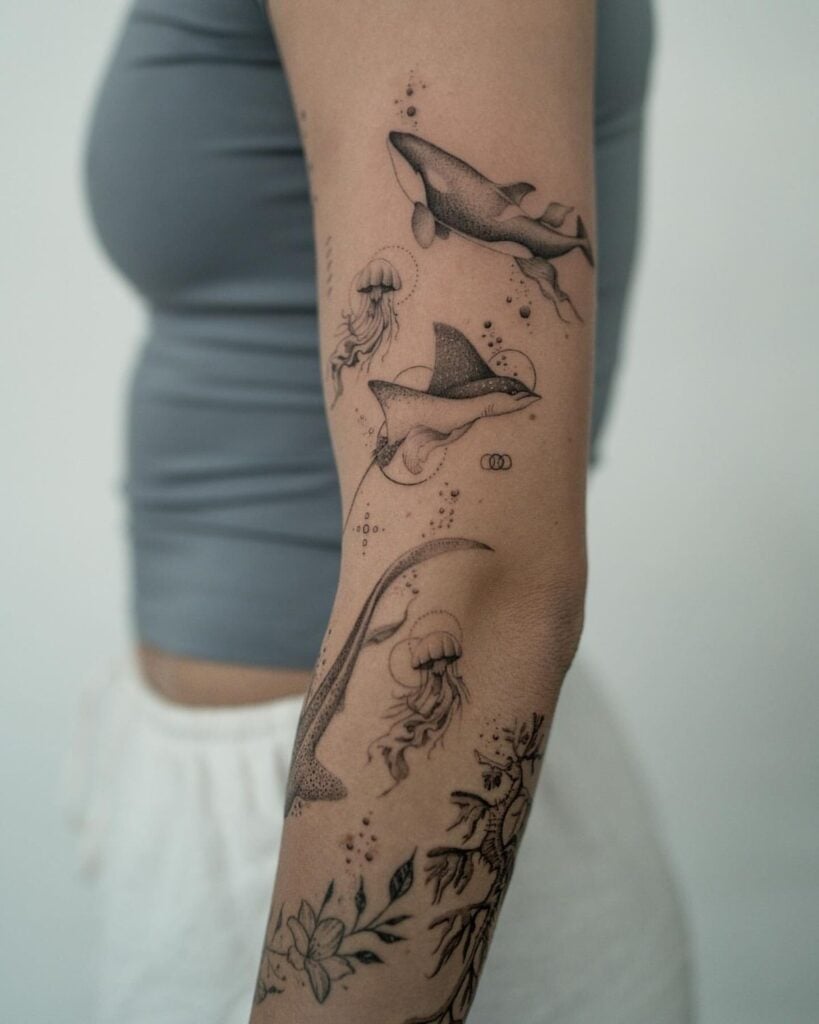
Every ocean tattoo article says the same thing: freedom, adventure, mystery, life’s journey. Fine. True. Also: boring and unhelpful when you’re trying to choose a design that means something to you.
The Obvious Symbolism (And Why It’s Not Enough)
Yes, waves represent life’s ups and downs. Yes, the ocean’s vastness symbolizes possibility. But a surfer who nearly drowned at Pipeline has a different relationship with water than someone who scattered their grandmother’s ashes off the coast of Maine. Same ocean, completely different meaning.
I’ve noticed the best ocean tattoos come from people who can answer one specific question: What’s your ocean story? Not “I like the beach.” A moment. An encounter. A place that changed you.
Cultural Meanings You Should Know
Here’s where it gets tricky—and where many people accidentally stumble into disrespect.
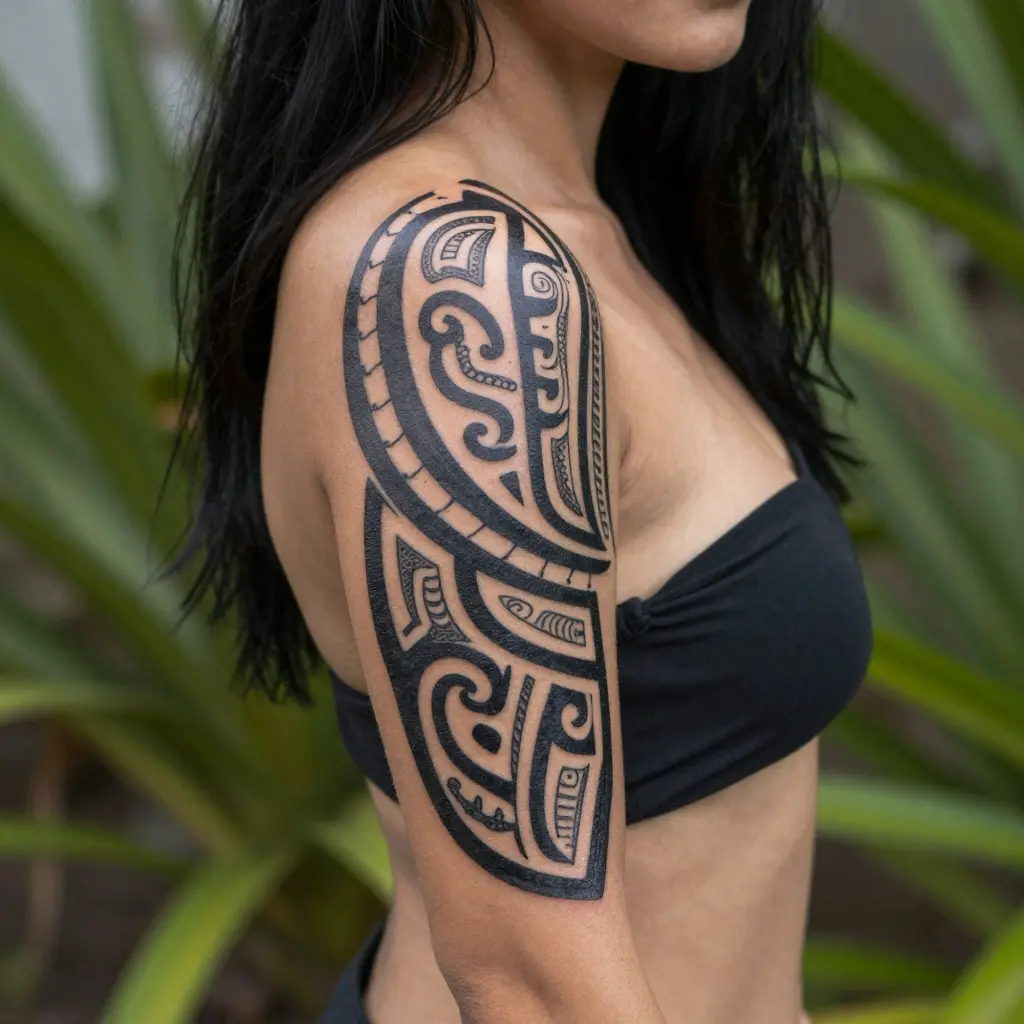
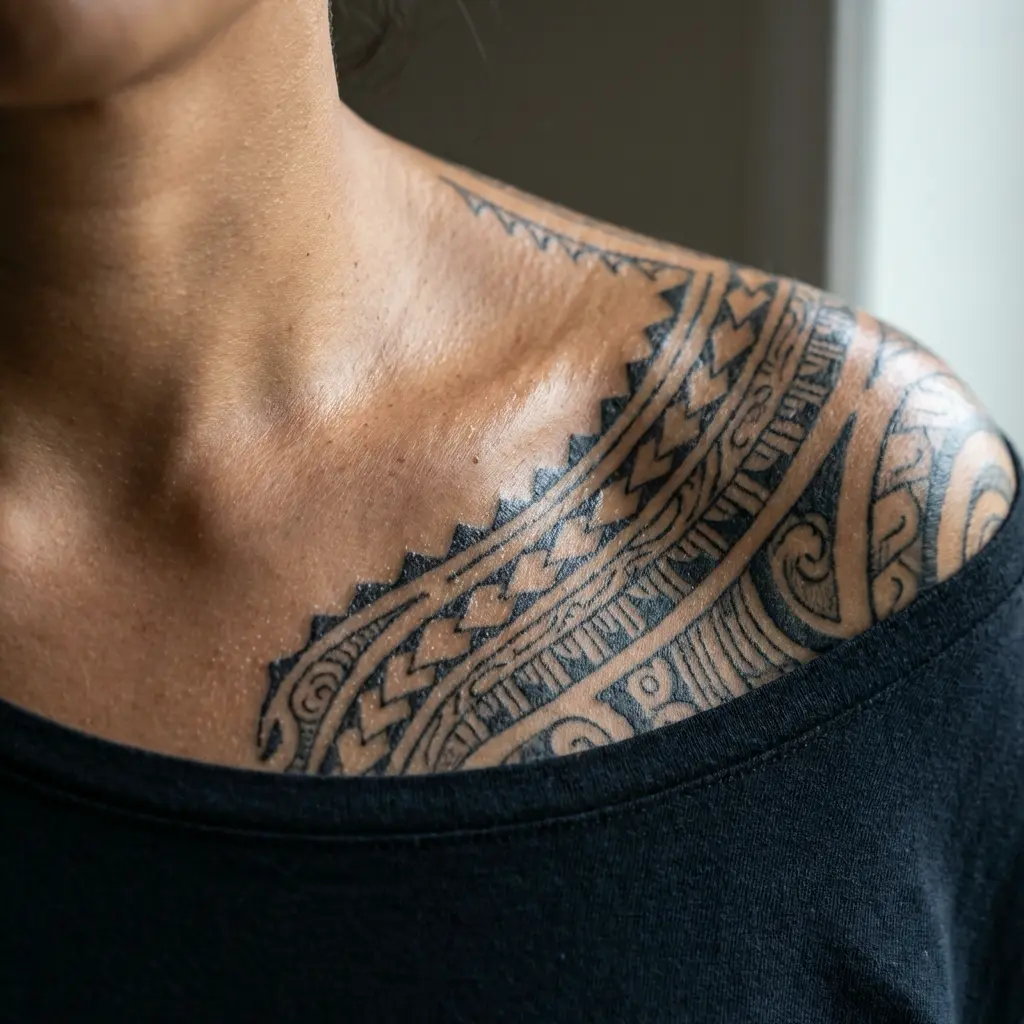
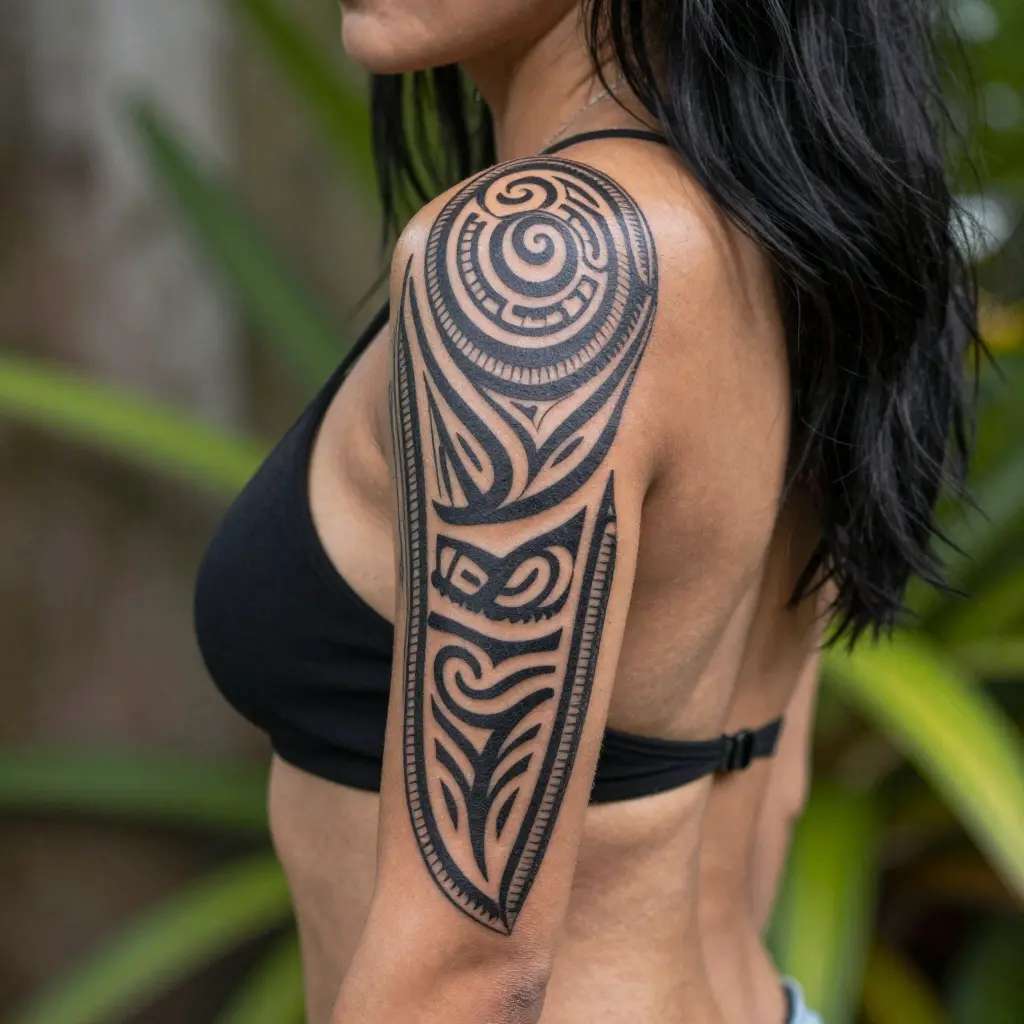
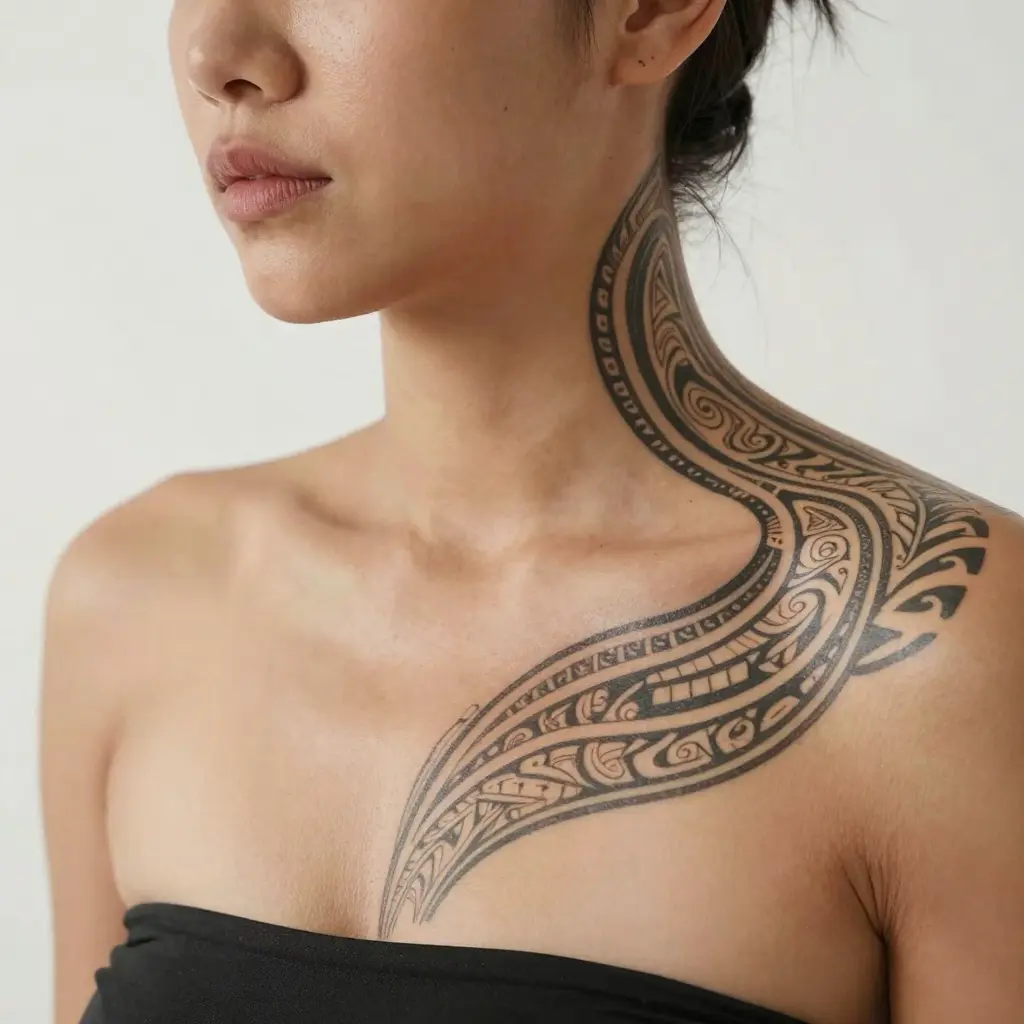
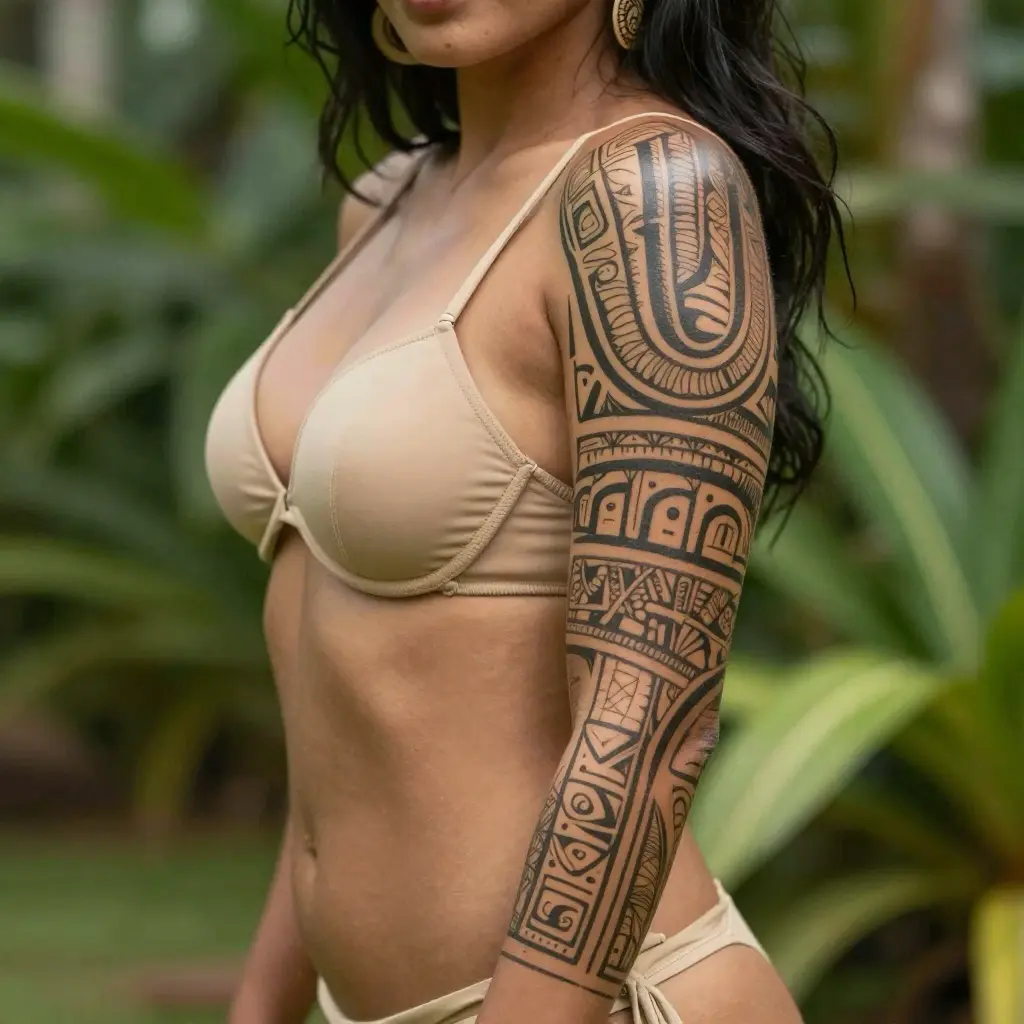
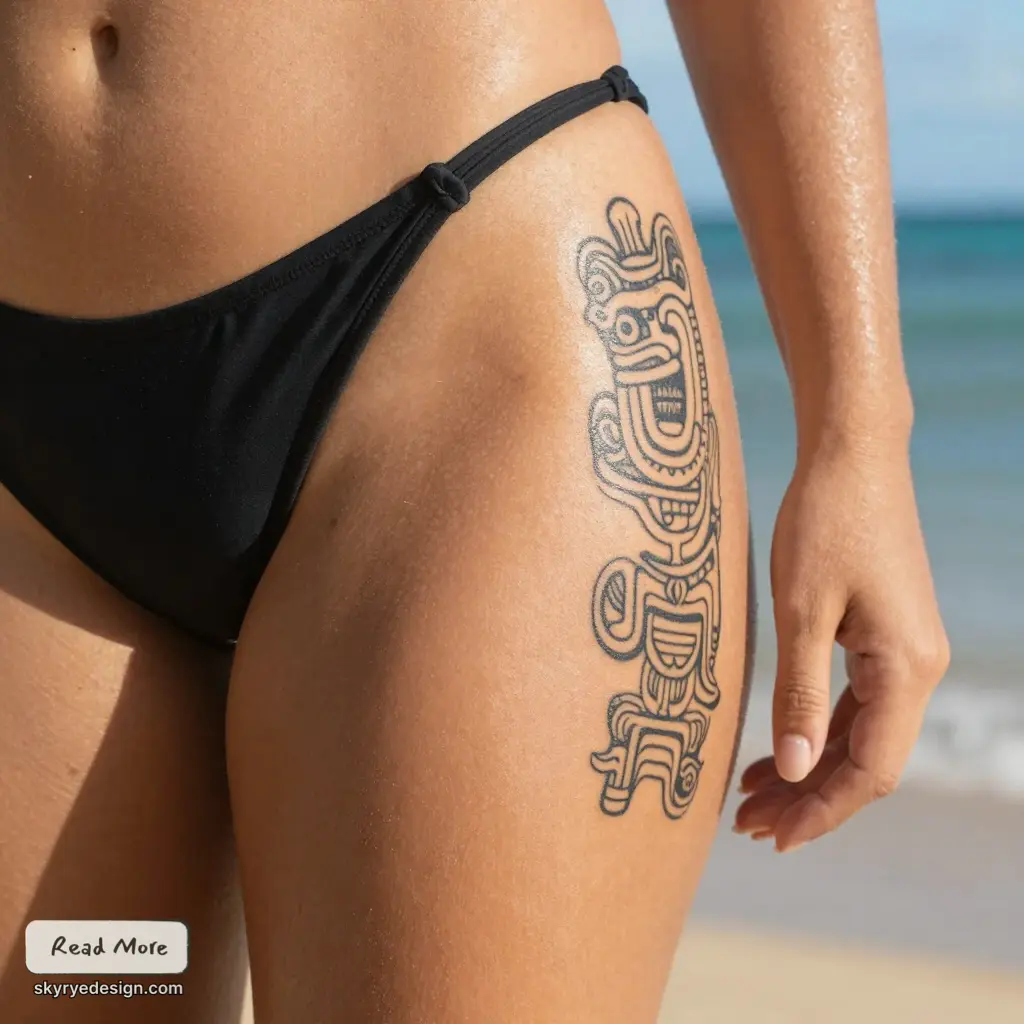
Polynesian tradition treats the ocean as a second home. Waves in traditional Samoan tatau represent life’s journey toward the afterlife. These aren’t decorative patterns; they’re spiritual maps.
Japanese Seigaiha (those layered semicircle waves you see everywhere) dates back to the 6th century. It symbolizes resilience—waves that surge forward no matter what blocks them.
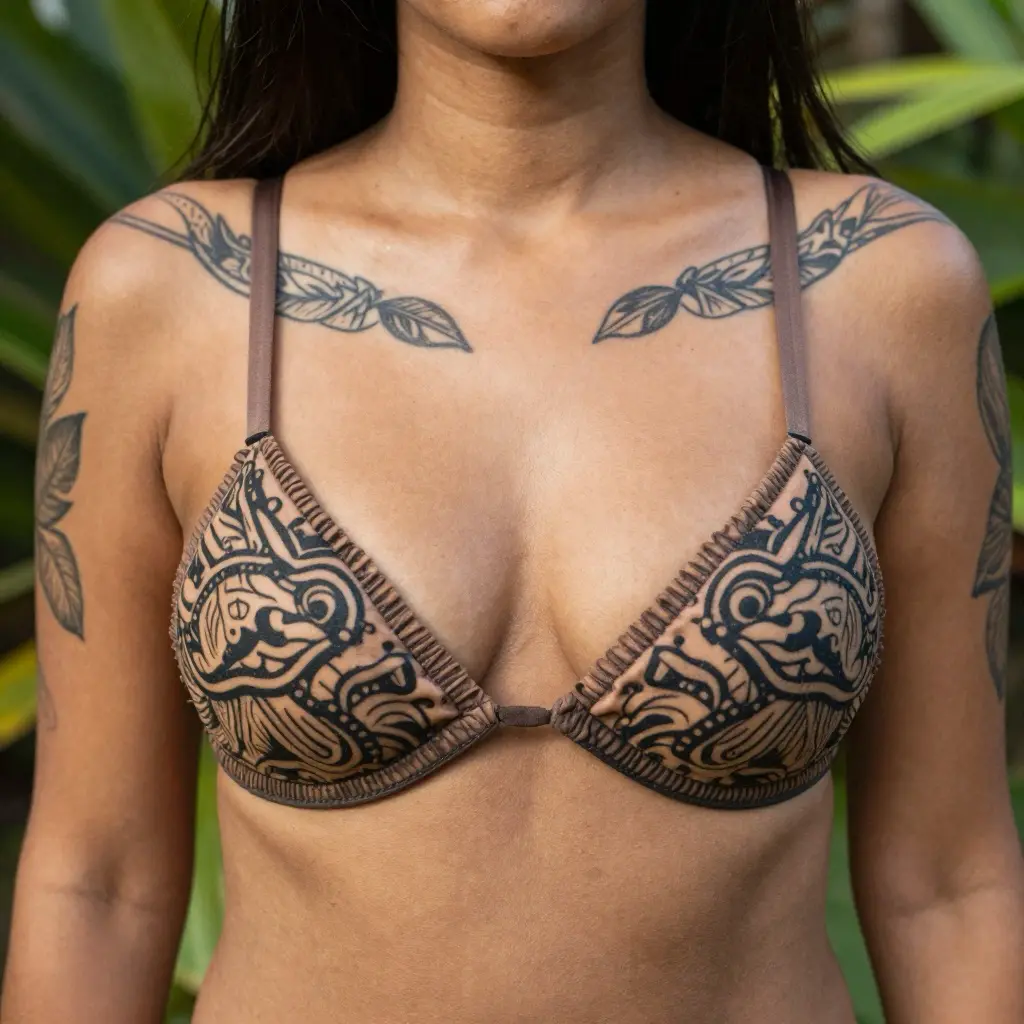
Hawaiian aumakua is particularly personal. It’s your family’s guardian spirit, often revealed through an ocean encounter—a manta ray that swam beside you, a turtle that appeared at a meaningful moment. Getting someone else’s aumakua as a tattoo because it “looks cool” misses the entire point.
Practical advice: If you’re drawn to Polynesian or Maori ocean patterns, research their specific meanings first. Better yet, work with a tattoo artist from that tradition. The designs carry cultural weight that “inspired by” versions often lose.
25 Ocean Tattoo Ideas by Style
Random galleries don’t help. You need to know what you’re looking at—what ages well, what requires a specialist, what looks great fresh but turns into a smudge by year three. Here’s the breakdown, organized by style so you can actually compare.
Minimalist Ocean Tattoos (Ideas 1-5)
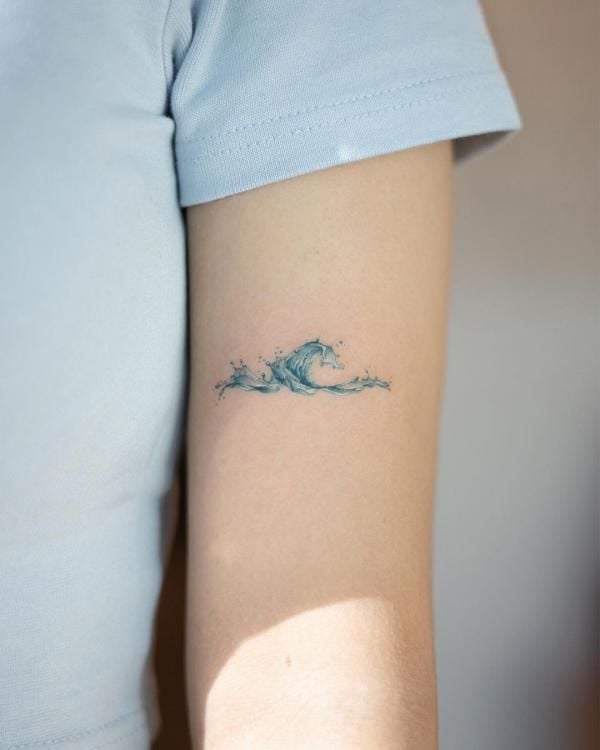
Small doesn’t mean meaningless. Some of the most striking ocean tattoo ideas I’ve seen fit on a wrist.
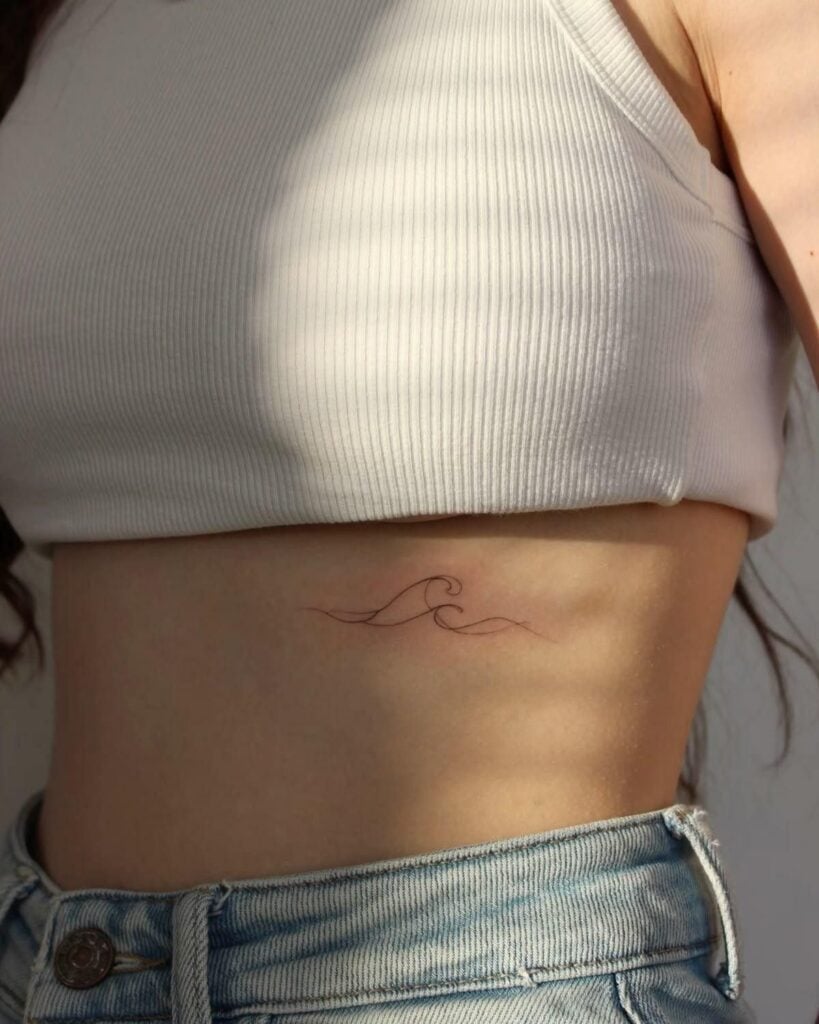
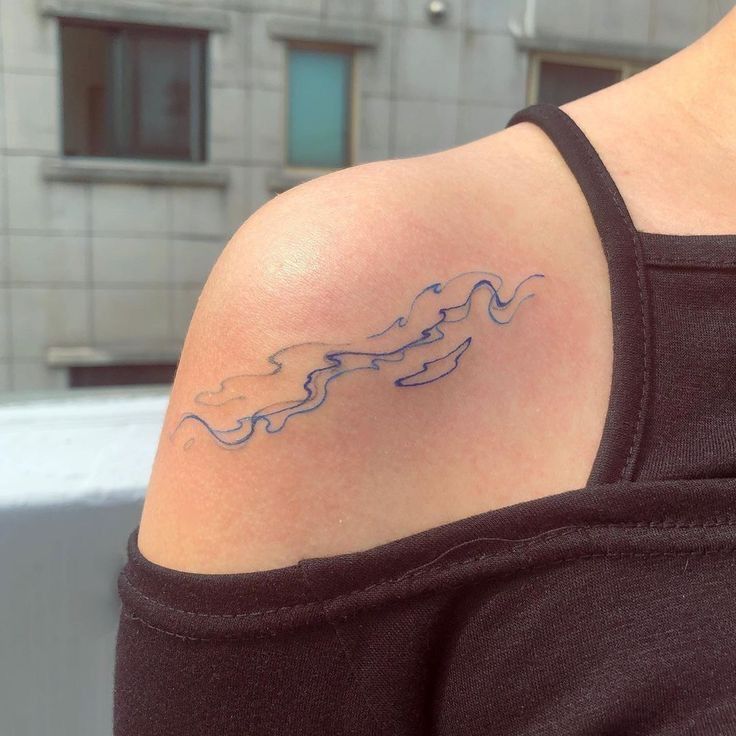
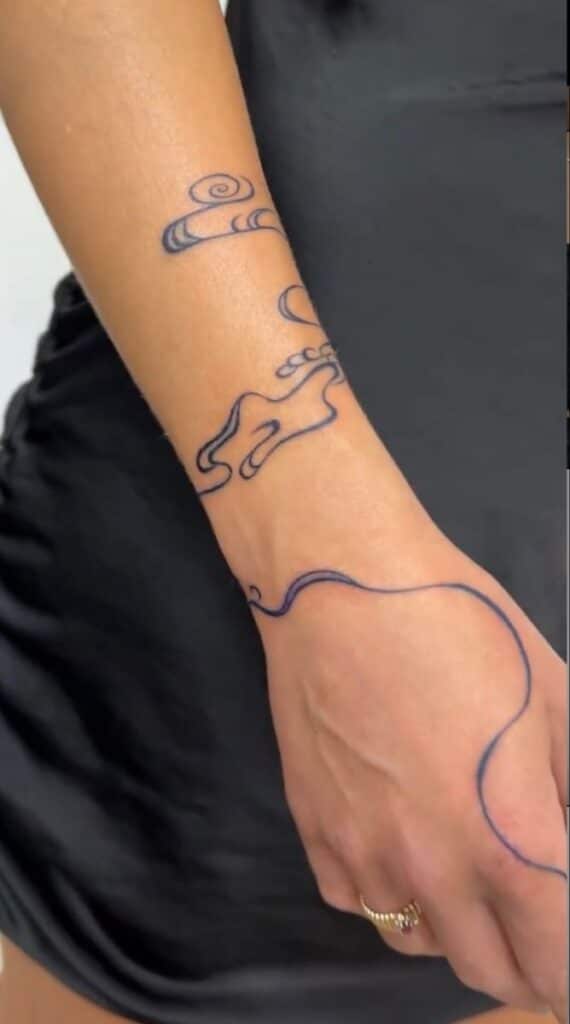
1. Single line wave — One continuous stroke, no fill. Works beautifully on inner wrist or ankle. Artists like @wittybutton_tattoo in Seoul have perfected this style. Expect $80-150.
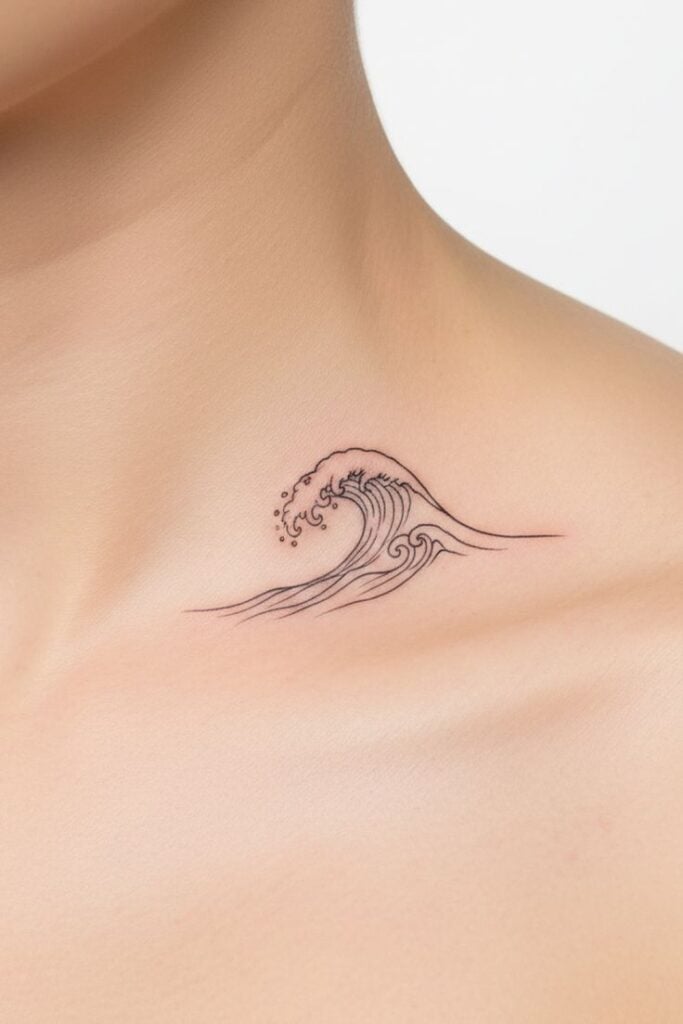
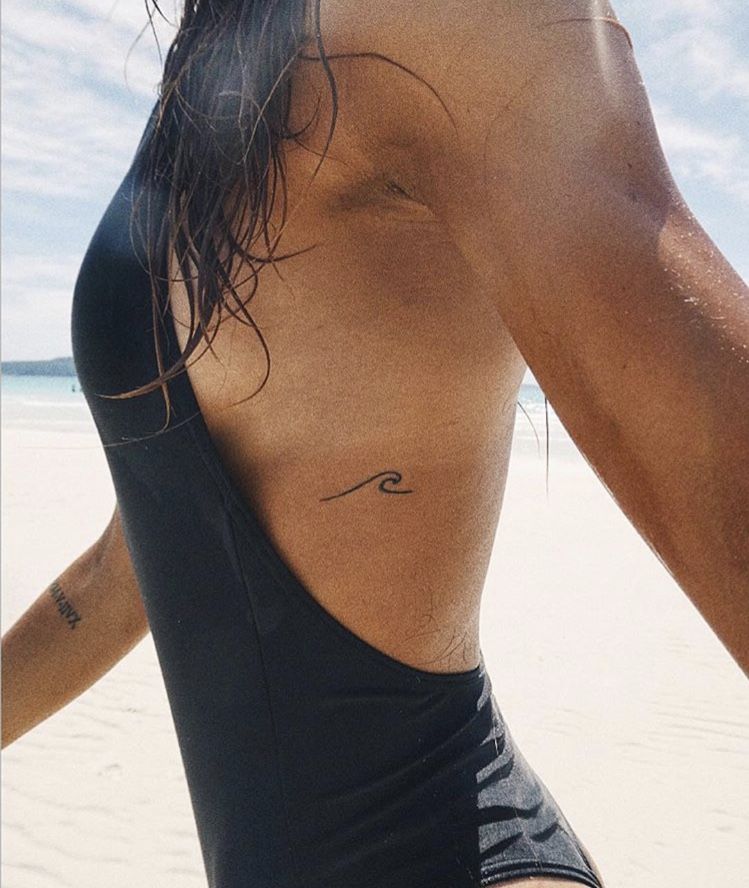
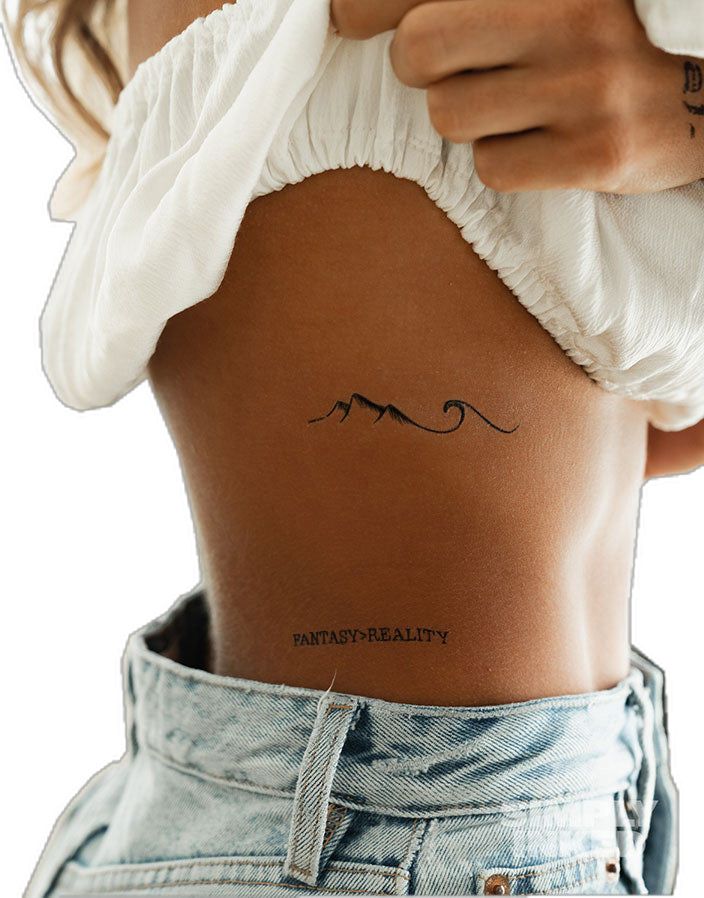
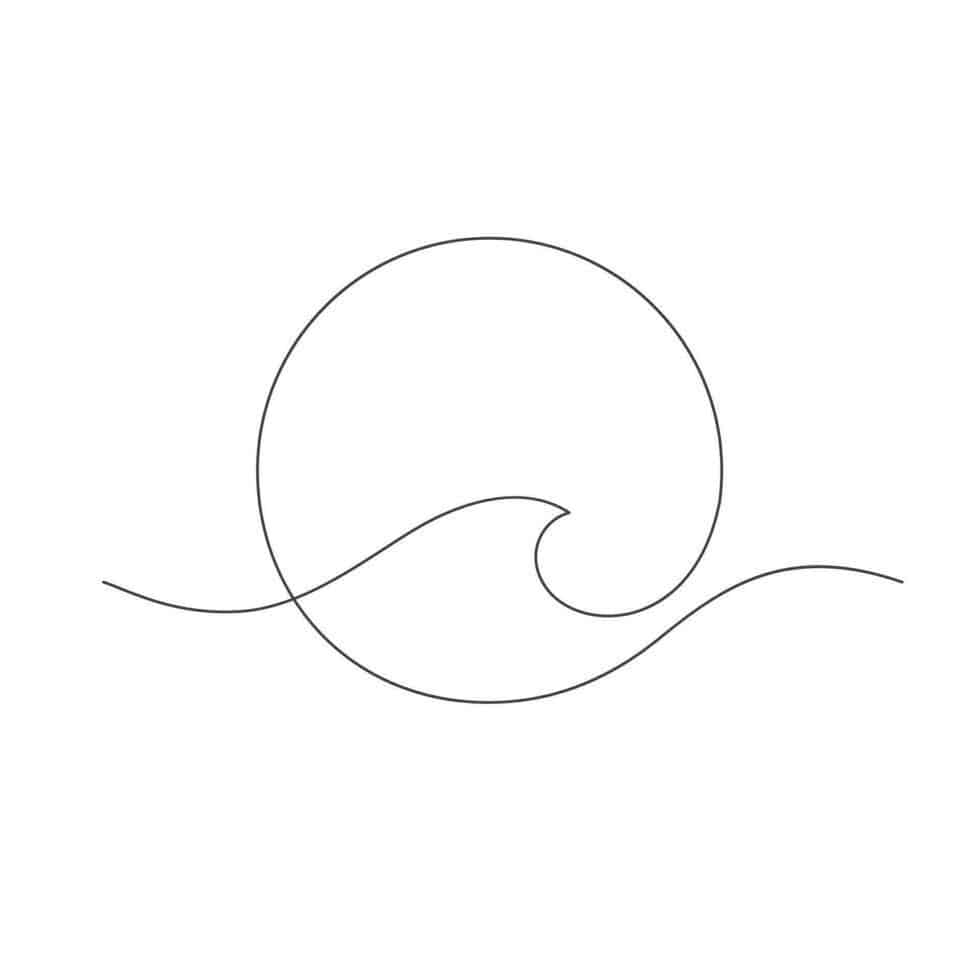
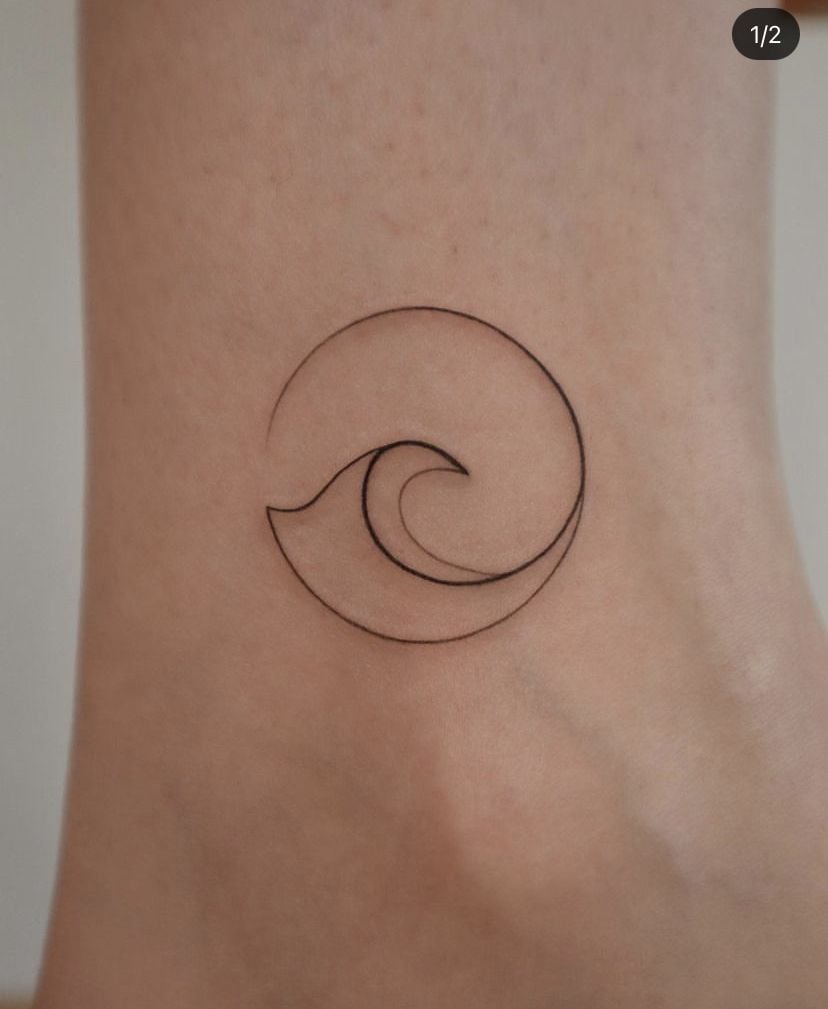
2. Wave inside circle — The contained frame gives it a logo-like quality. Clean, geometric, almost architectural. Popular behind the ear or on the inner forearm.
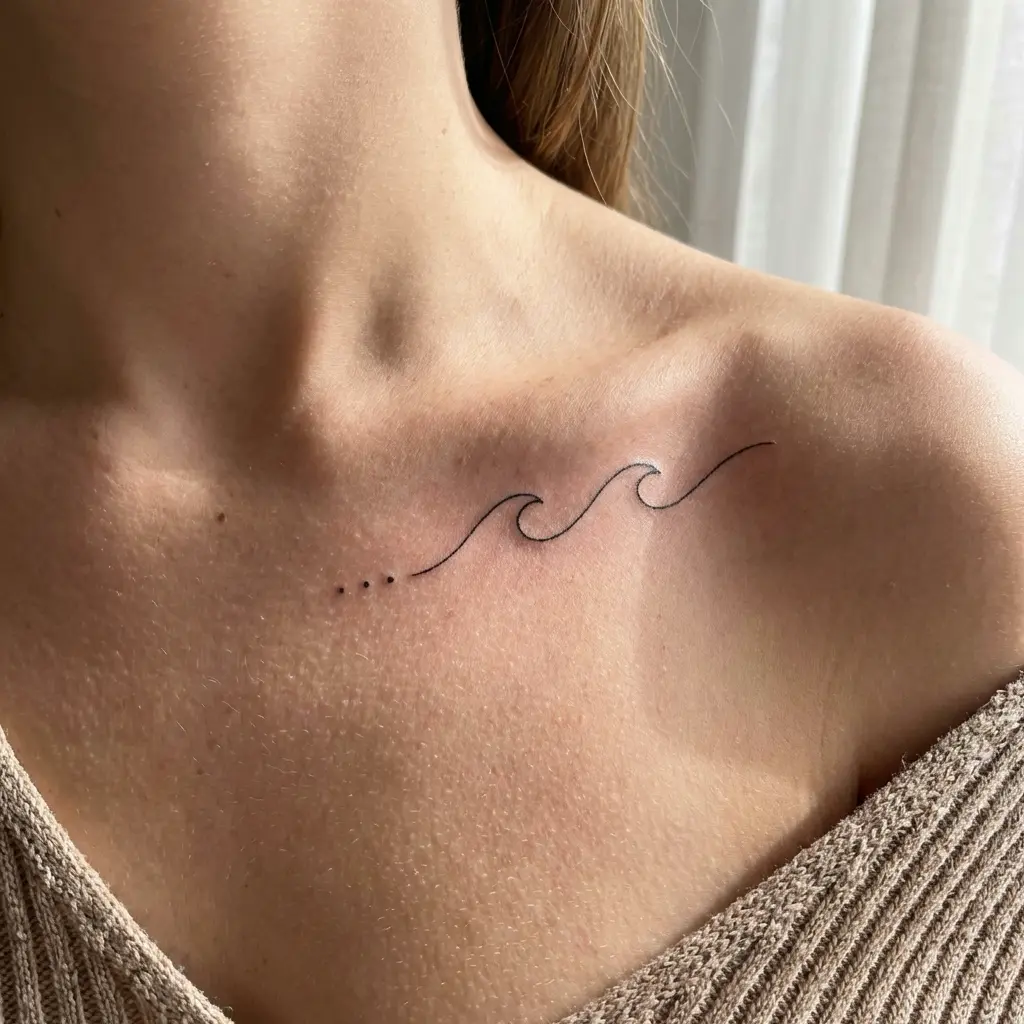
3. Three dots trailing into a wave — Abstract, ambiguous. I’ve noticed people love this because it sparks conversation without being obvious. “Is that morse code? A constellation? Oh—it’s water.”
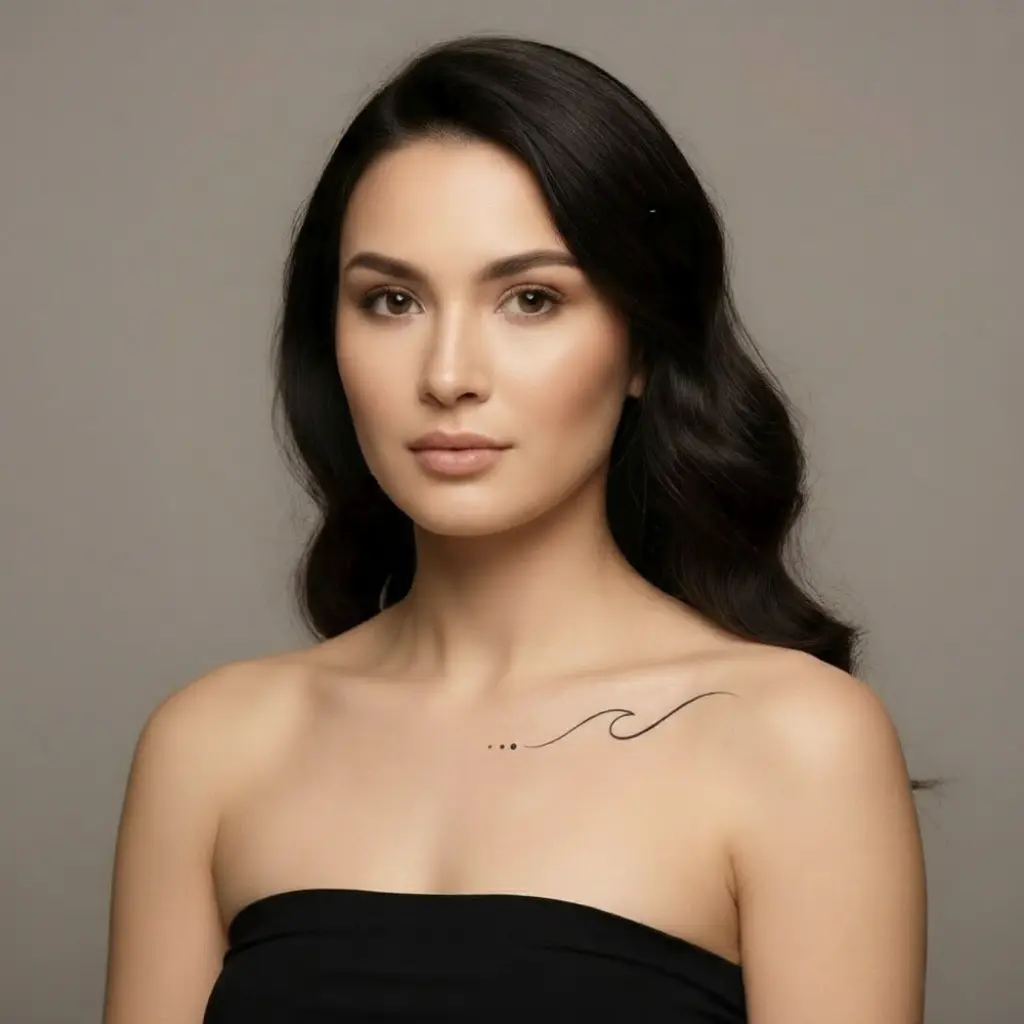
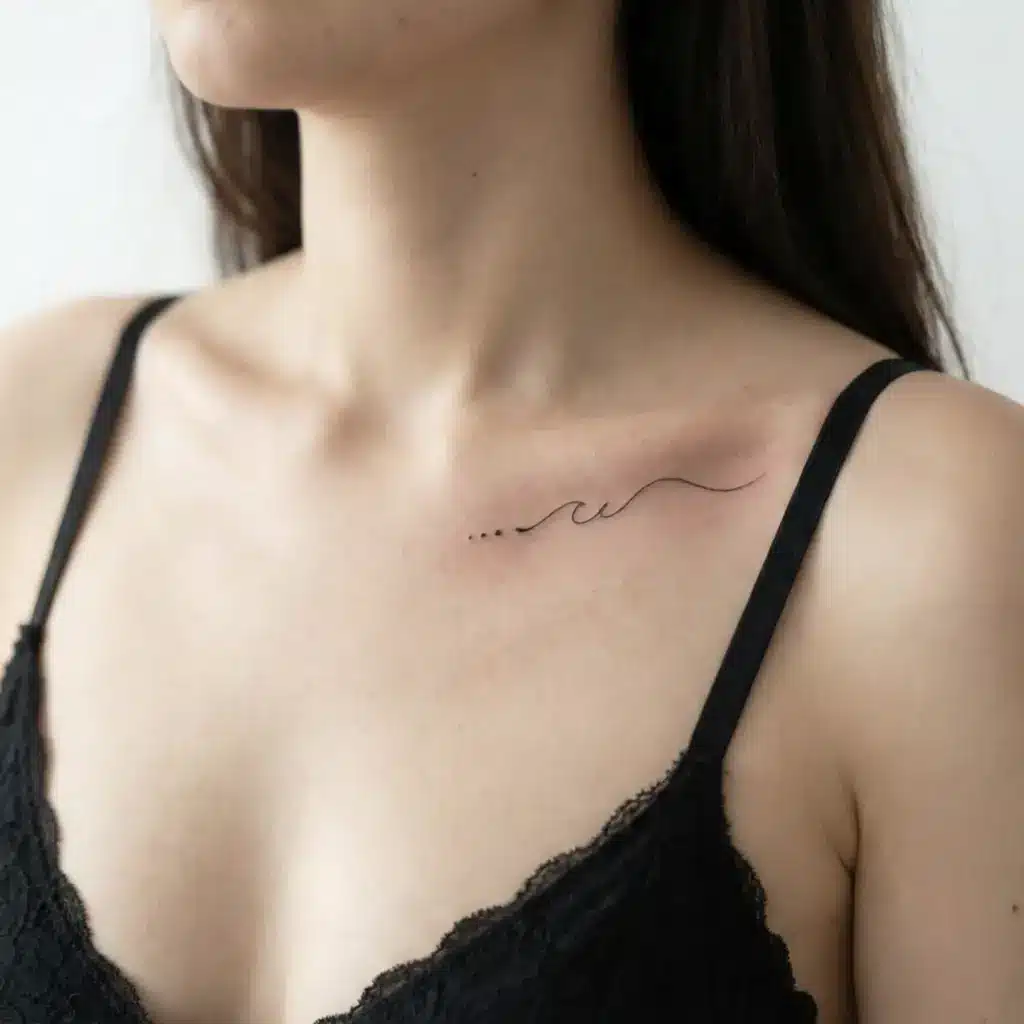
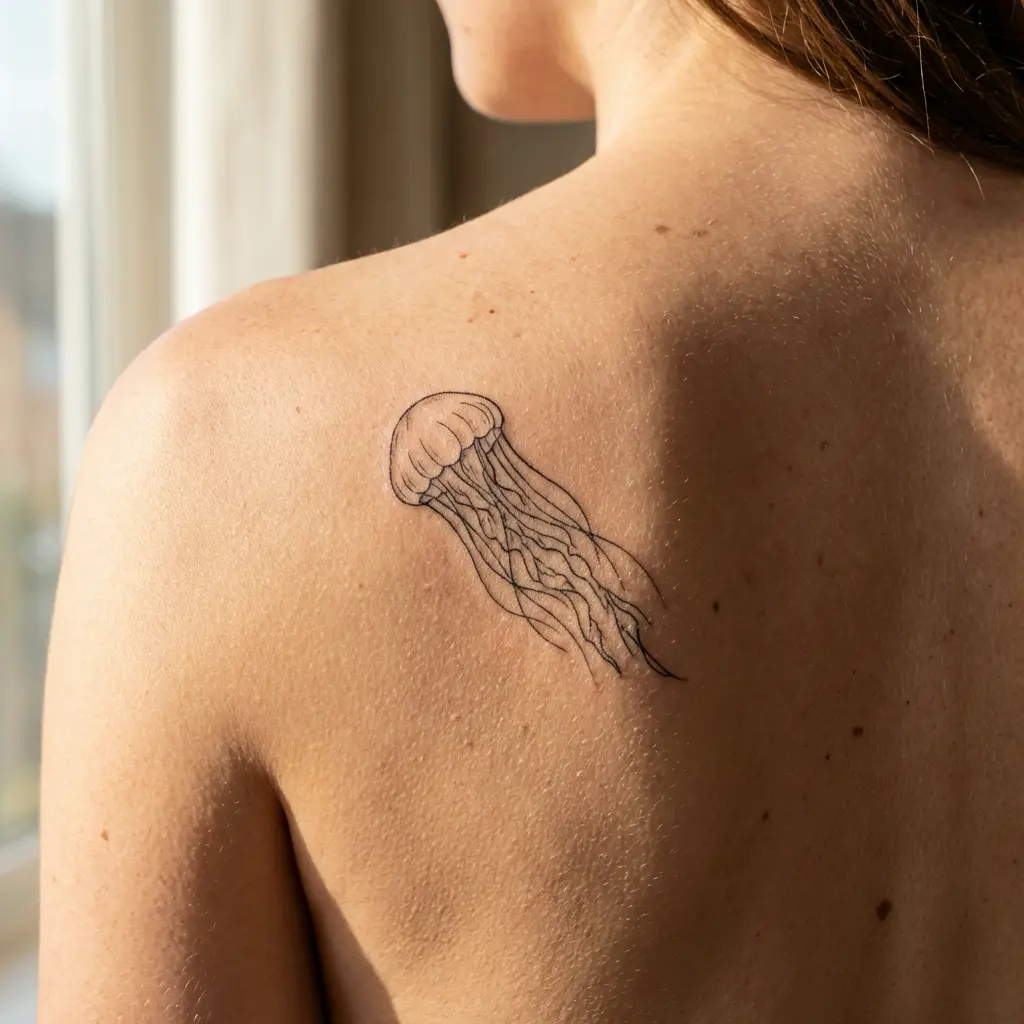
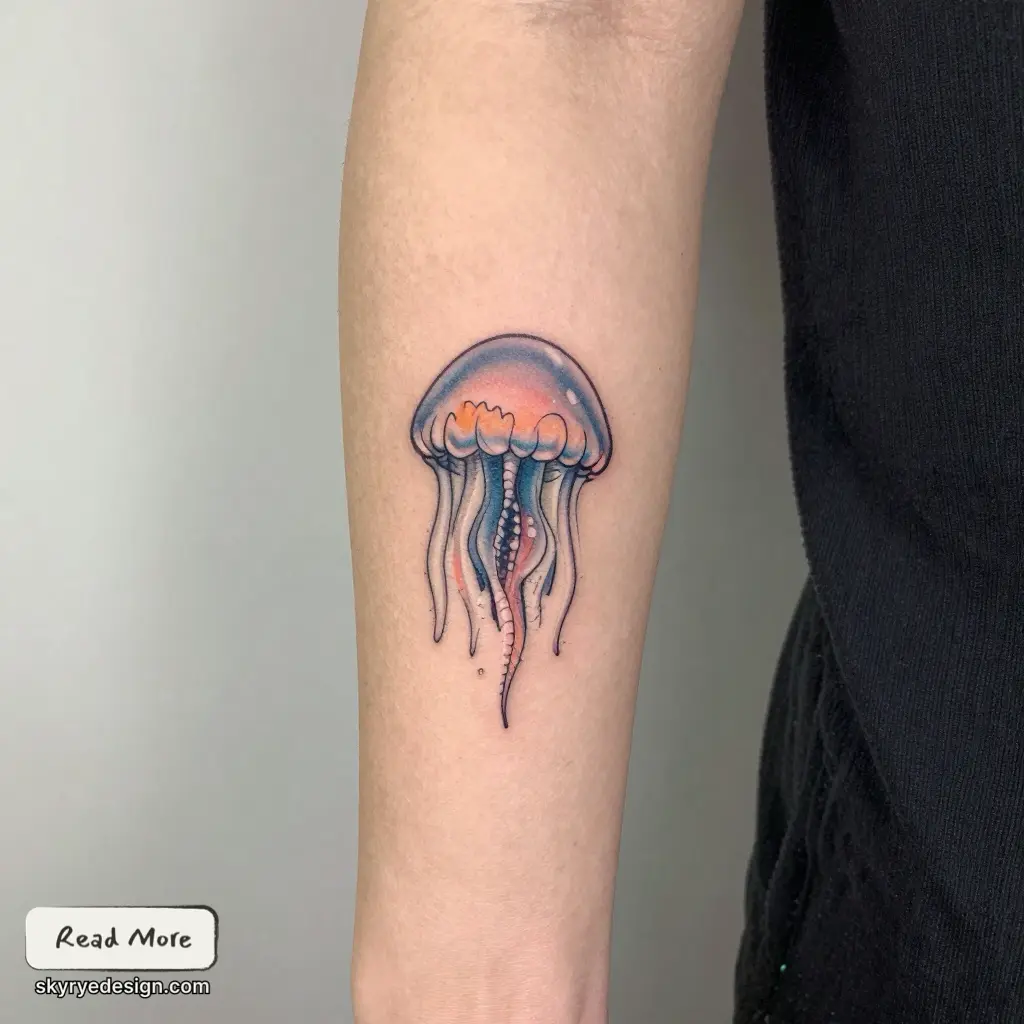
4. Outline jellyfish — Delicate, feminine, surprisingly symbolic (going with the flow, adapting to currents). Tentacles can trail down the forearm beautifully.
5. Tiny anchor silhouette — Yes, it’s common. Yes, it’s a cliché. Also: it’s a classic for a reason, and a skilled artist can make it feel fresh. Just don’t pretend it’s original.
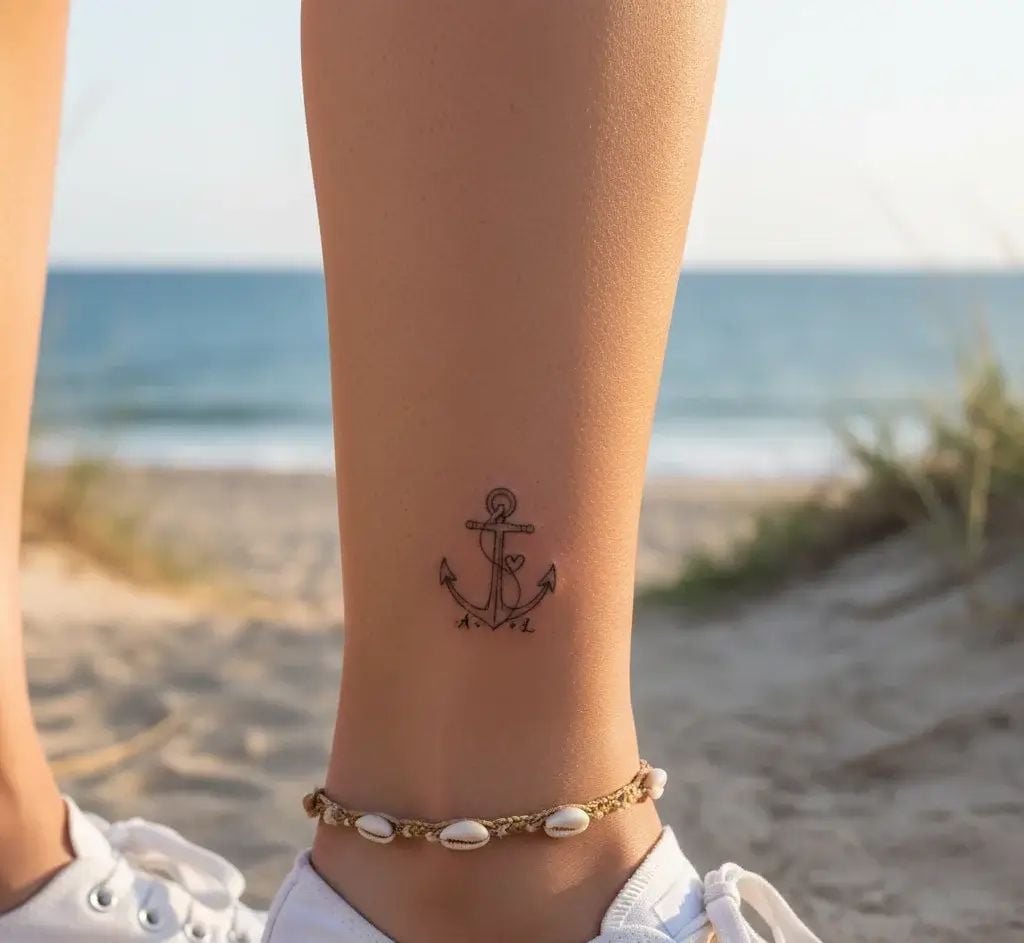
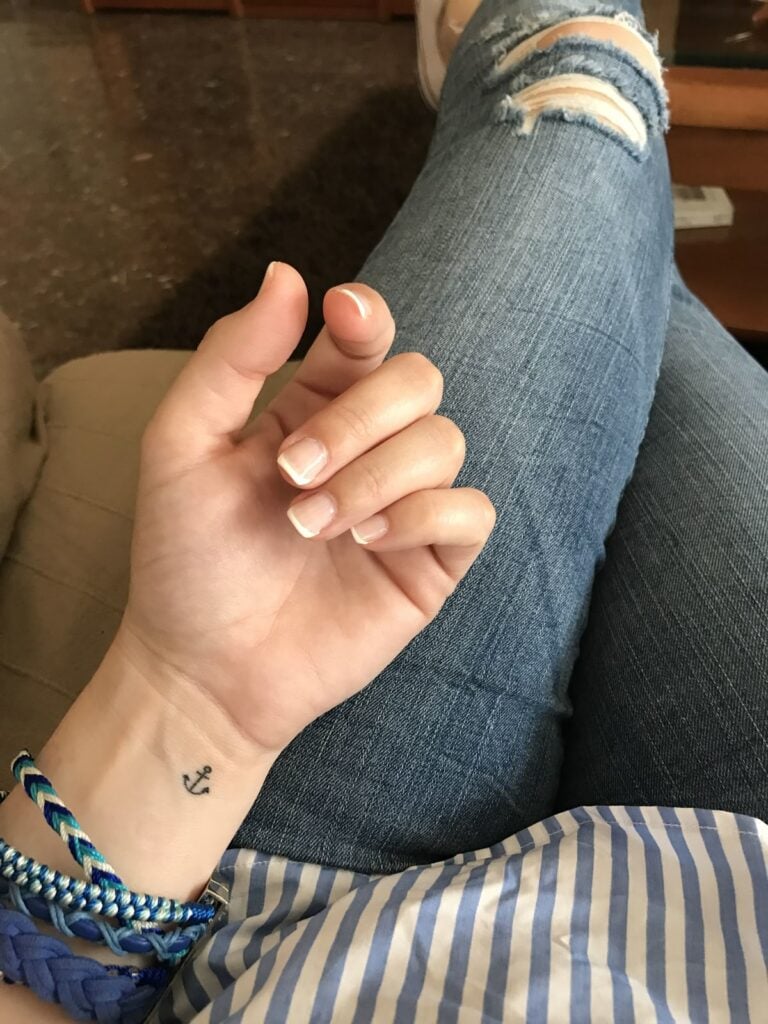
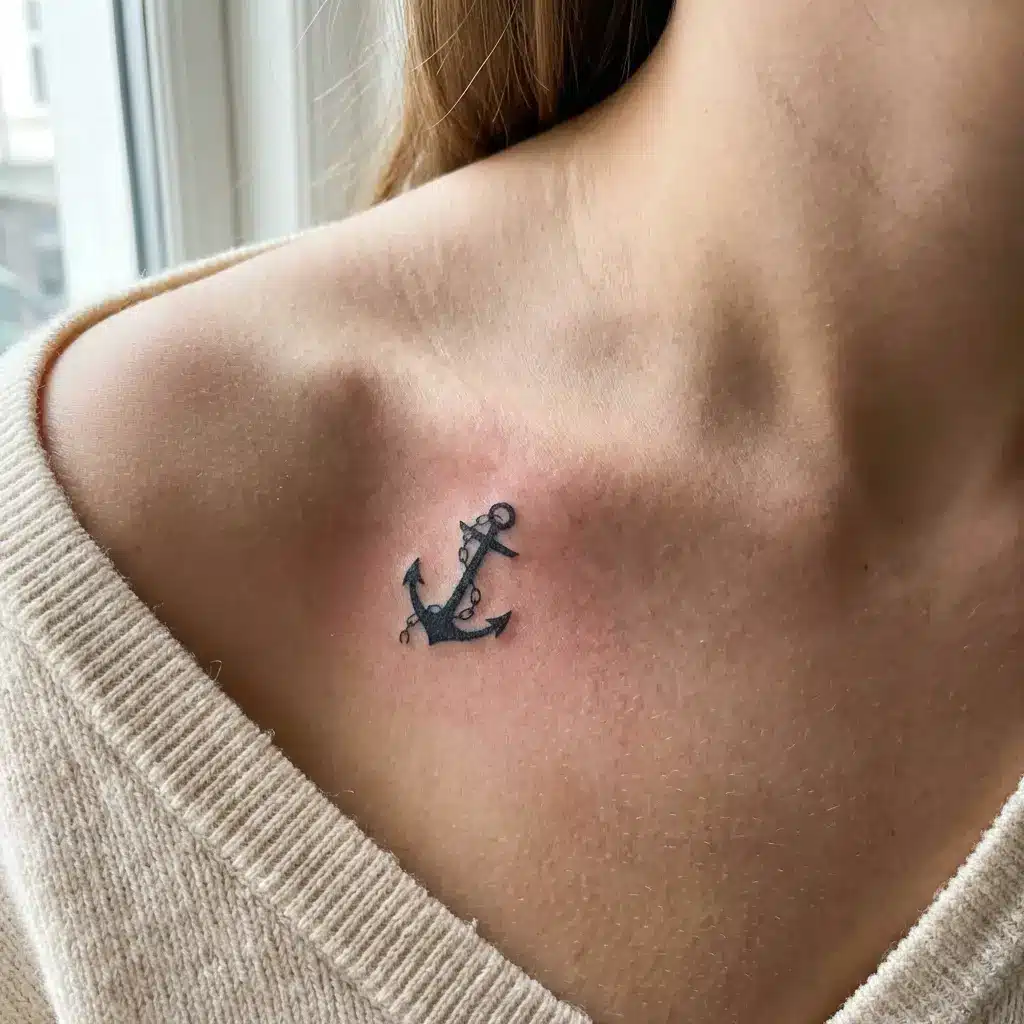
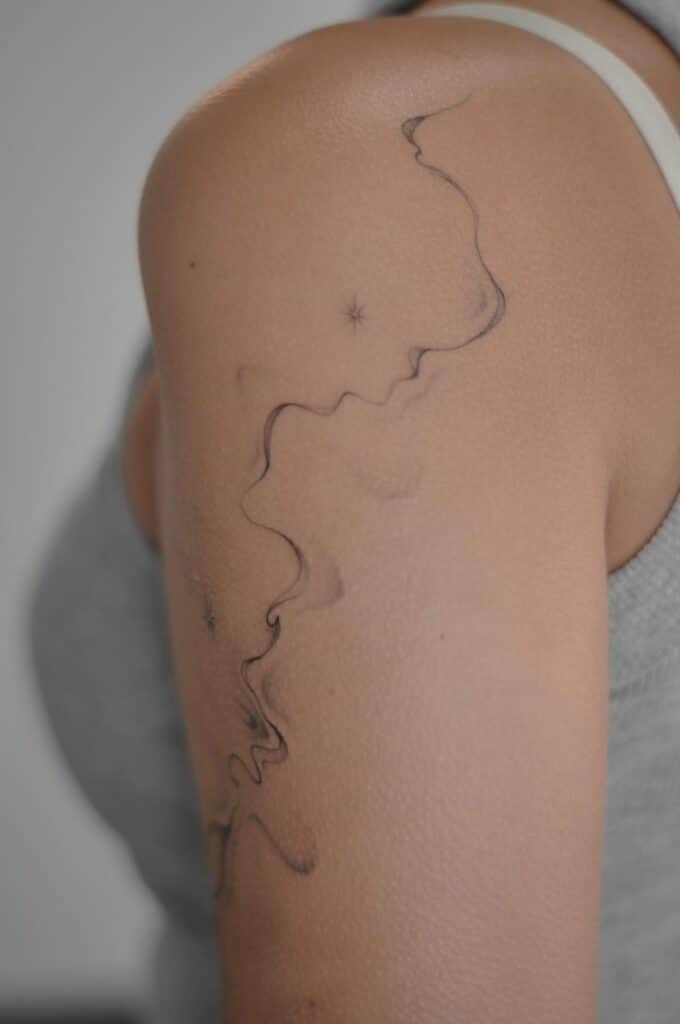
Fading reality check: Fine lines spread over time. Go slightly bolder than you think—what looks delicate at the shop may blur into vagueness by year five.
Realistic & Detailed Ocean Tattoos (Ideas 6-12)
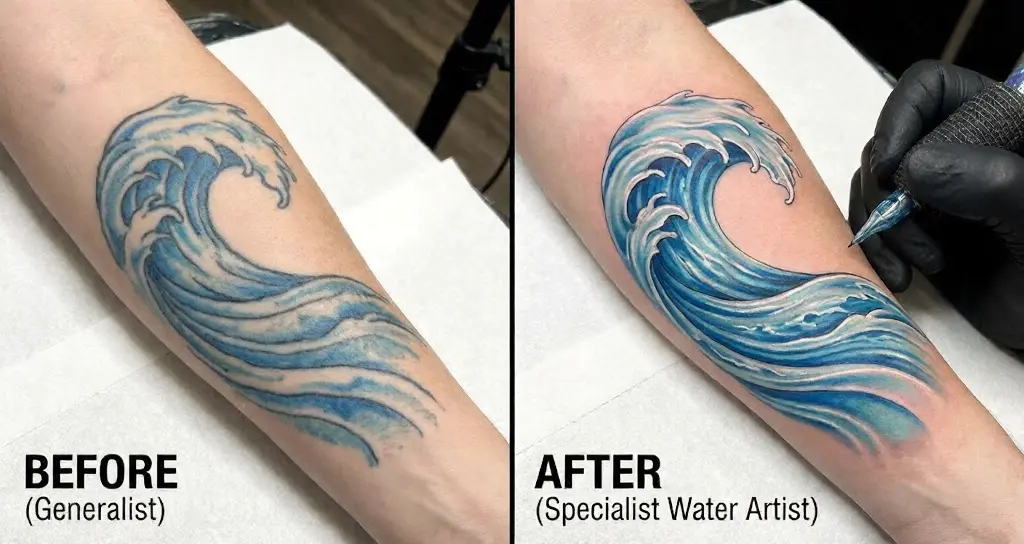
This is where artist selection matters most. Realistic water is one of the hardest things to tattoo—the translucency, the movement, the light refraction. A generalist will struggle.
6. Breaking wave portrait — Think the curl of a wave, frozen mid-crash. Requires serious skill. Check portfolios on Tattoodo’s marine life category for specialists.
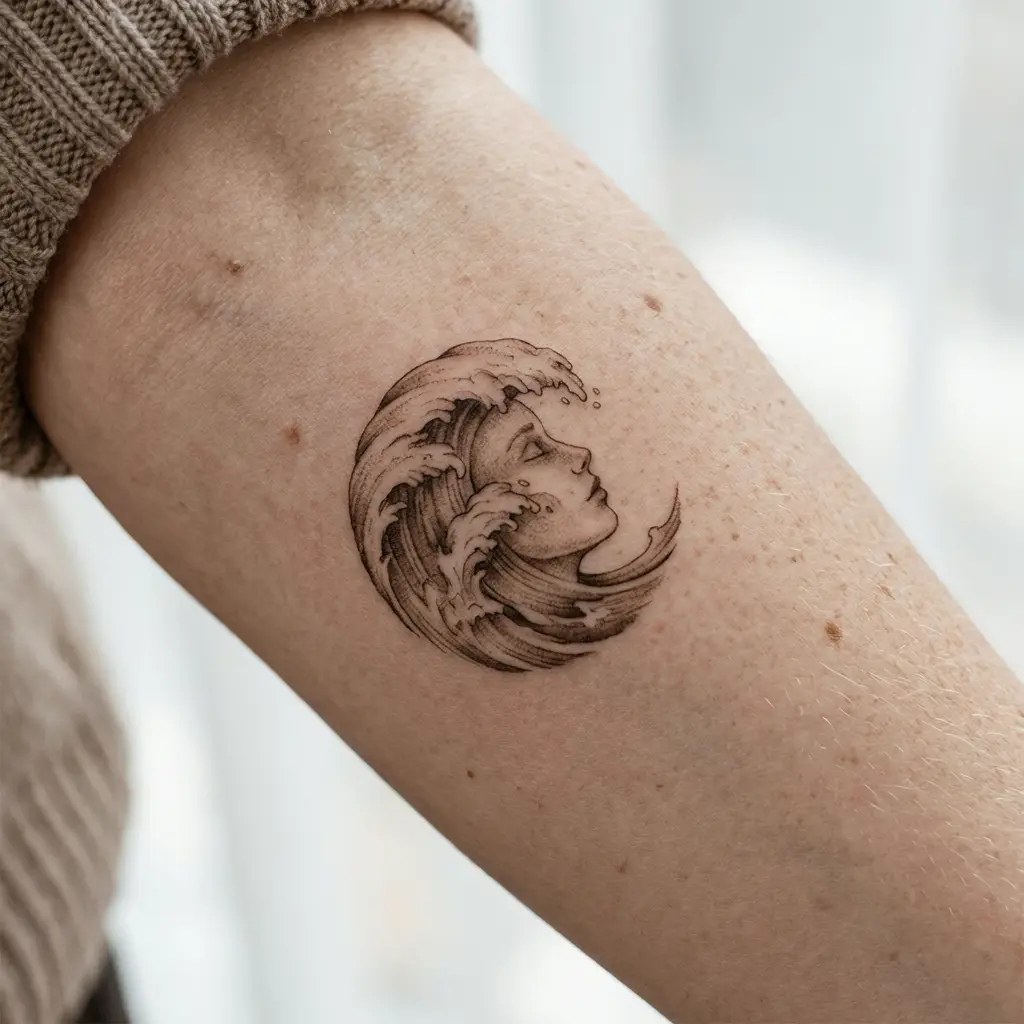
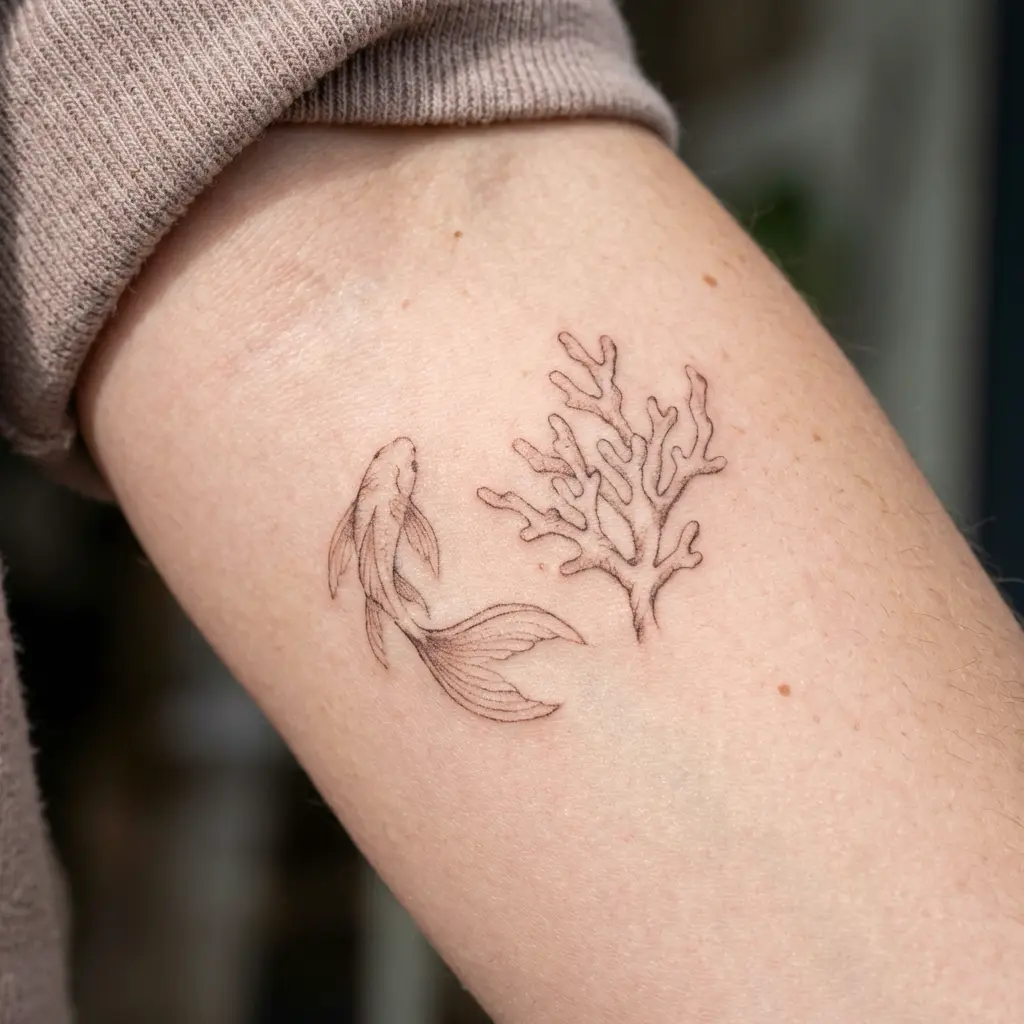
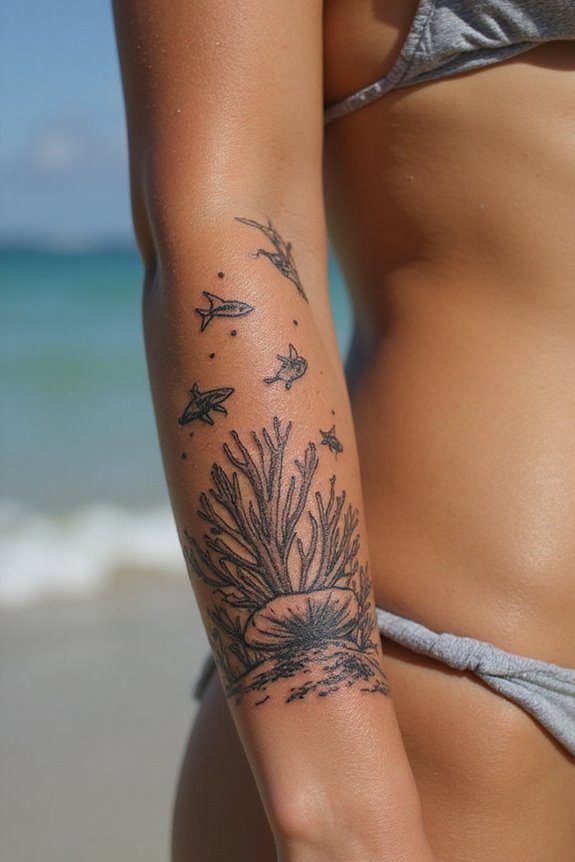
7. Underwater scene — Fish, coral, light rays streaming down. Needs a large canvas—back, thigh, or full sleeve. Small underwater scenes become muddy.
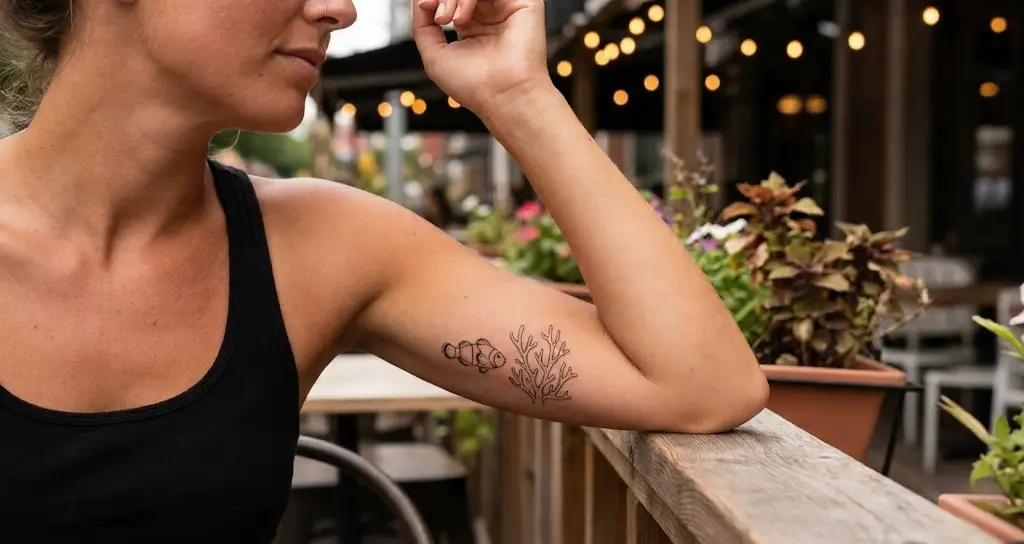
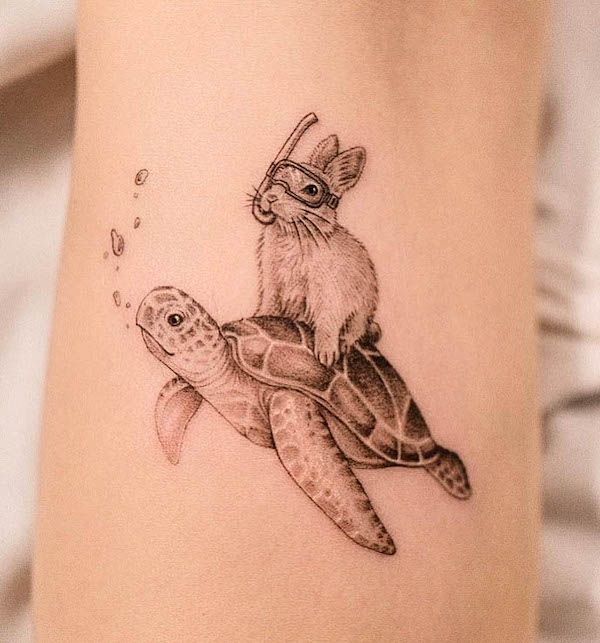
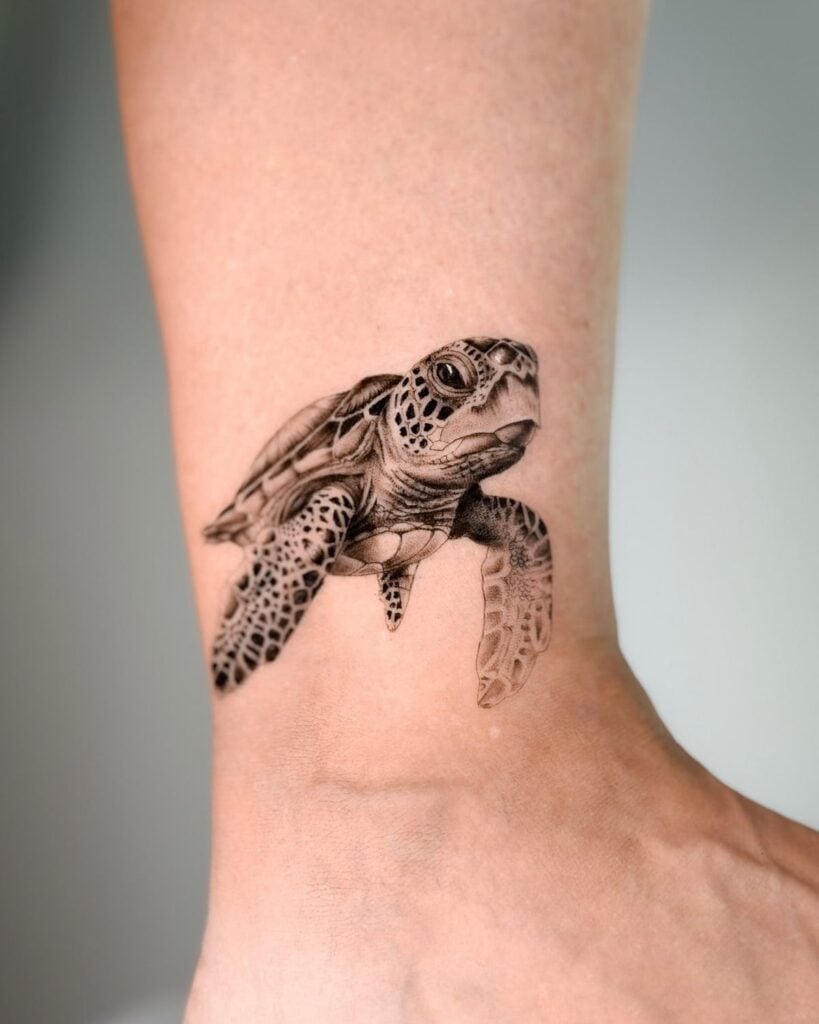
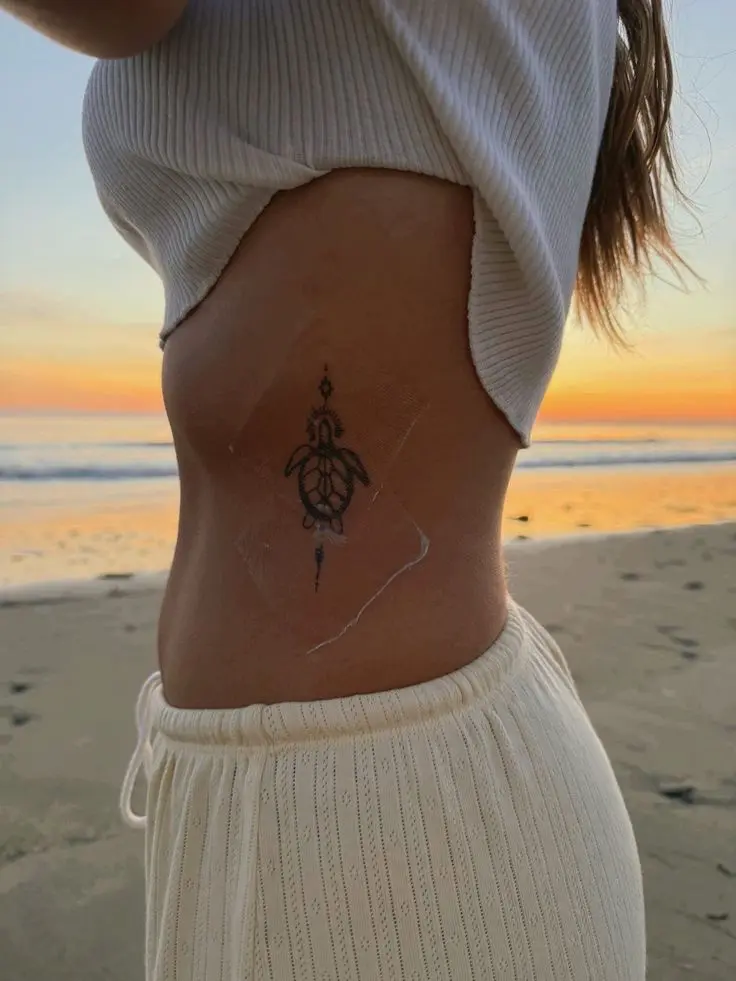
8. Sea turtle with shell texture — Those geometric shell patterns allow for incredible detail. The texture actually helps it age better than smooth subjects.
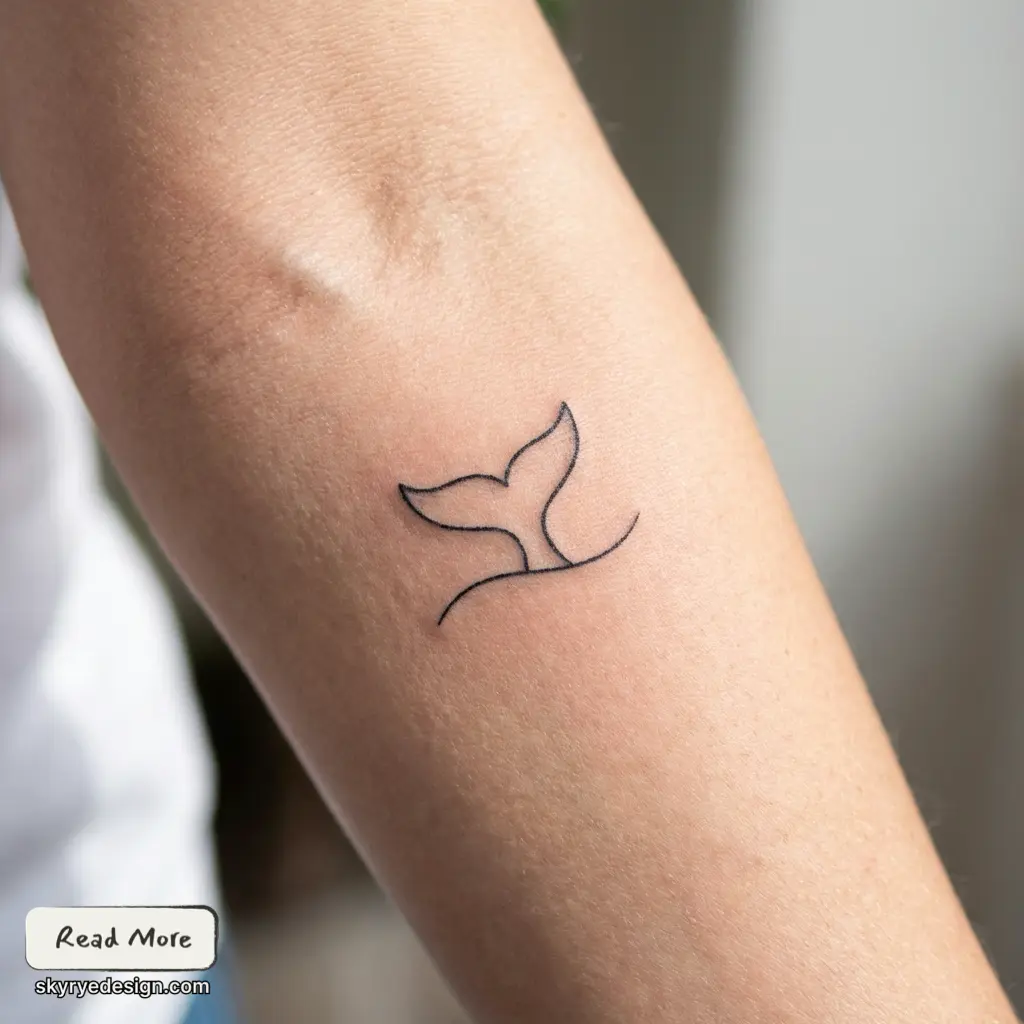
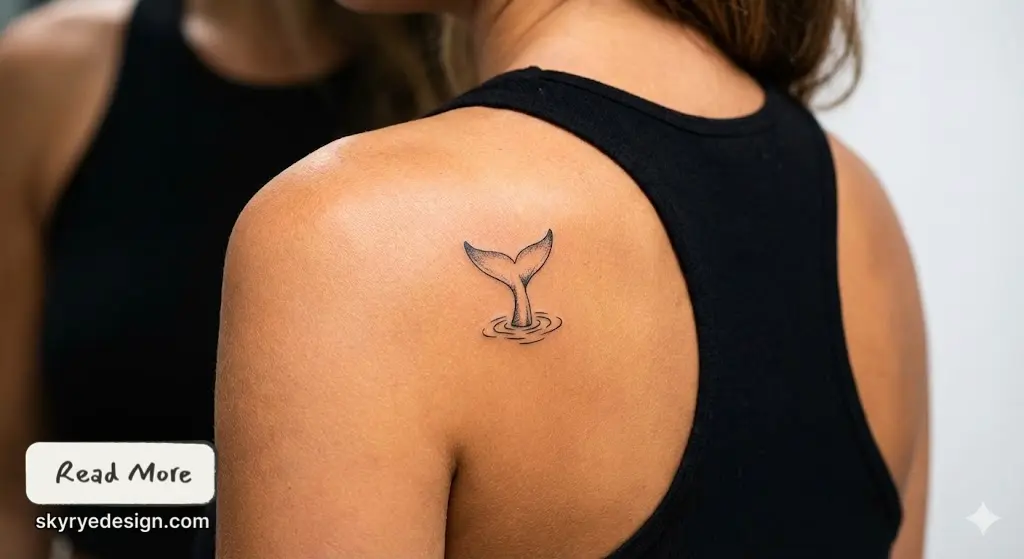
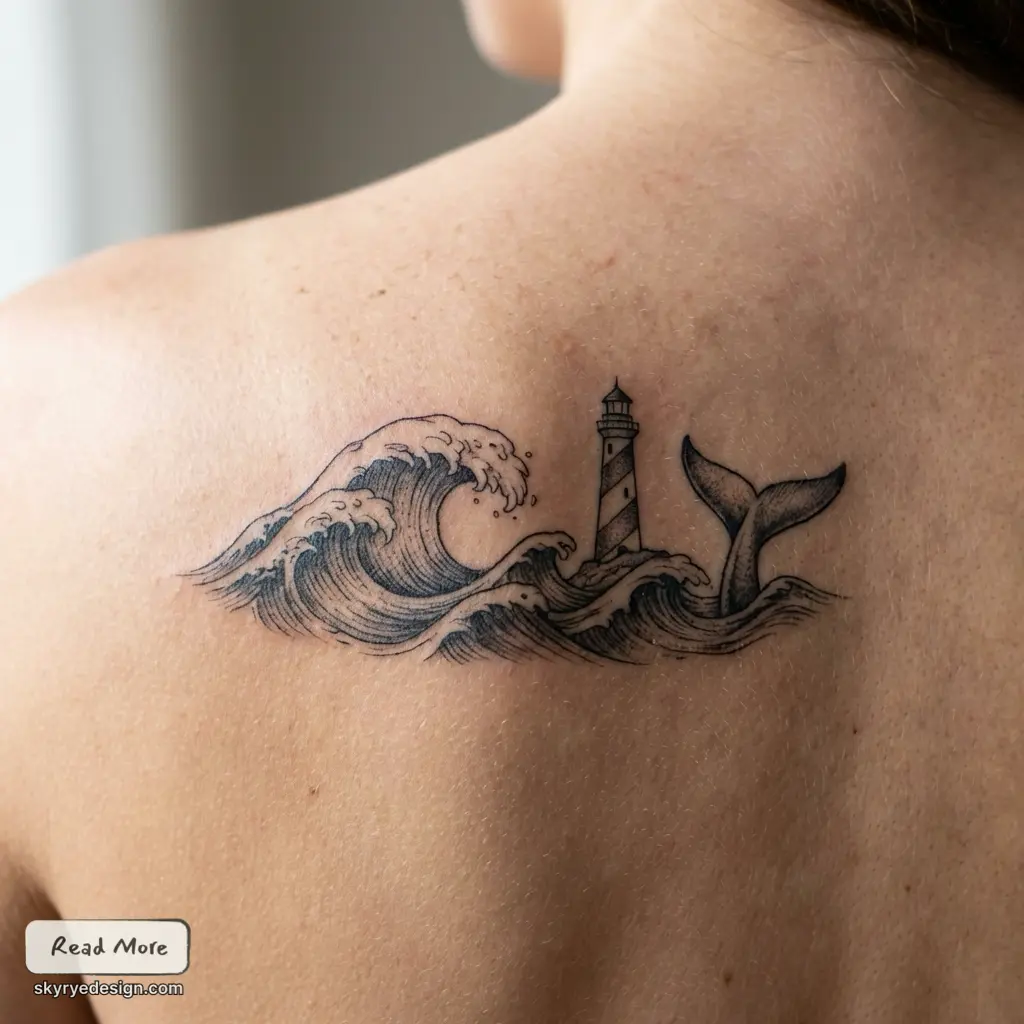
9. Whale tail breaking surface — Dramatic, works vertically on forearm or calf. The splash is where artists prove themselves—stiff spray looks amateur.
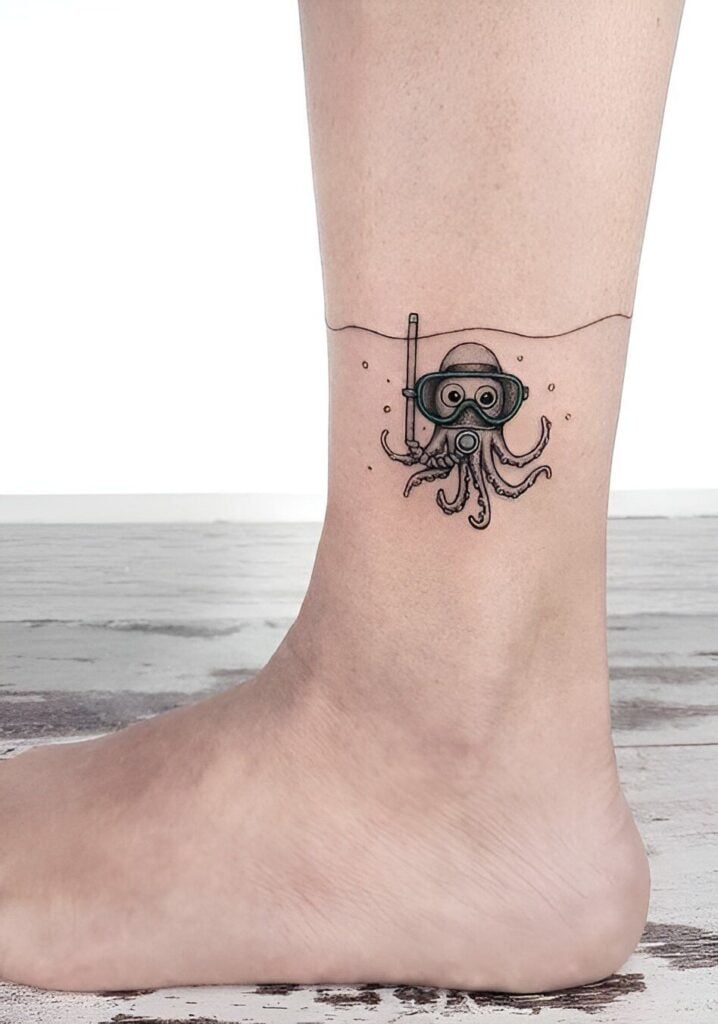
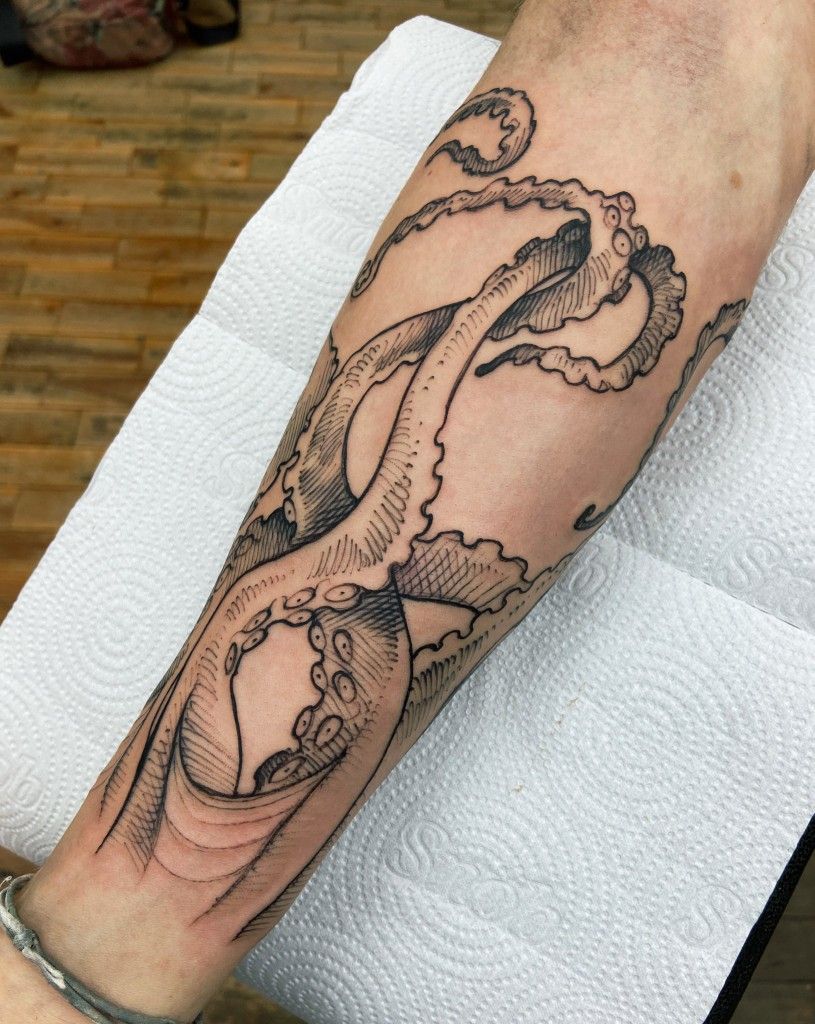
10. Octopus wrapping limb — Tentacles follow your arm’s natural contour. This design requires an experienced artist who understands body flow. Budget $400-800 minimum.
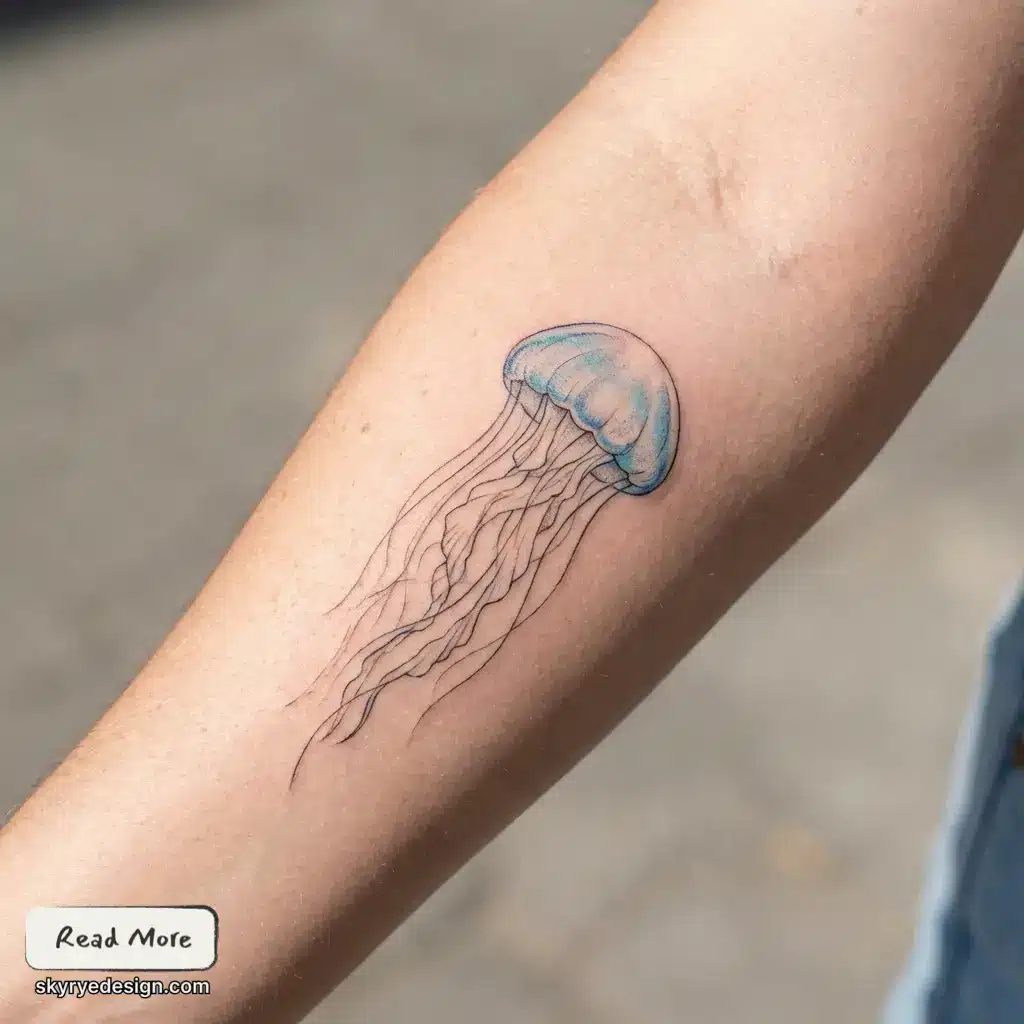
11. Jellyfish with translucent dome — That see-through effect? Extremely difficult. Insist on seeing healed examples, not just fresh ink.
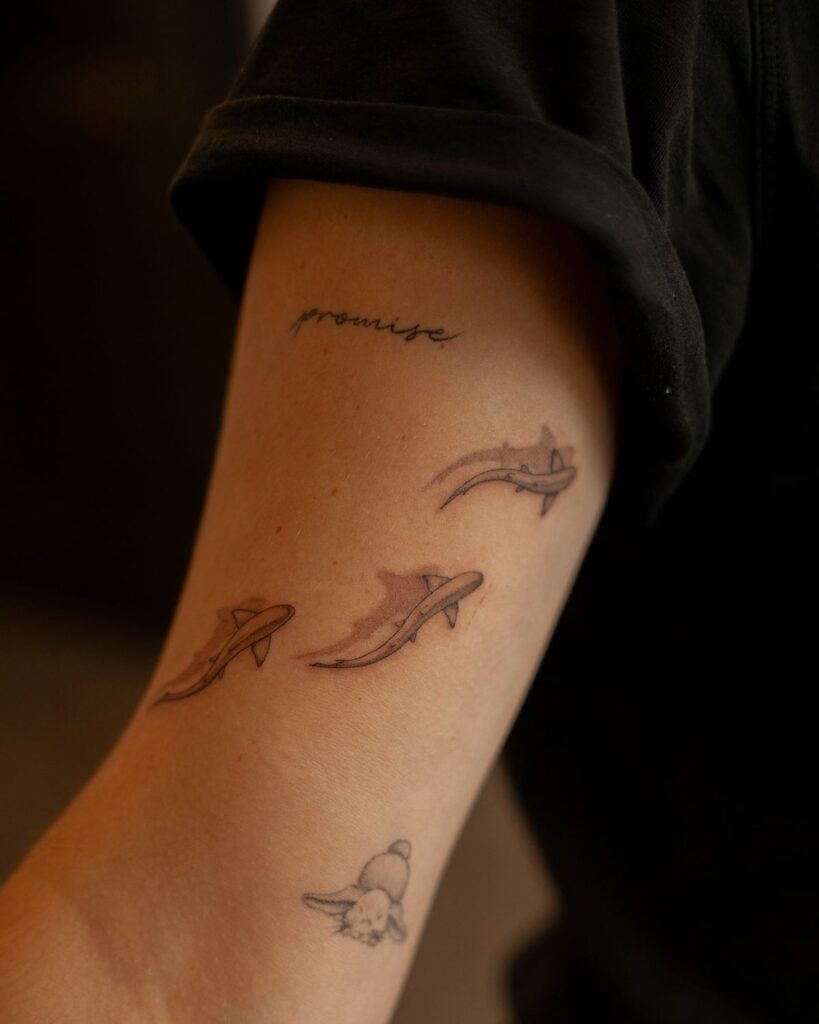
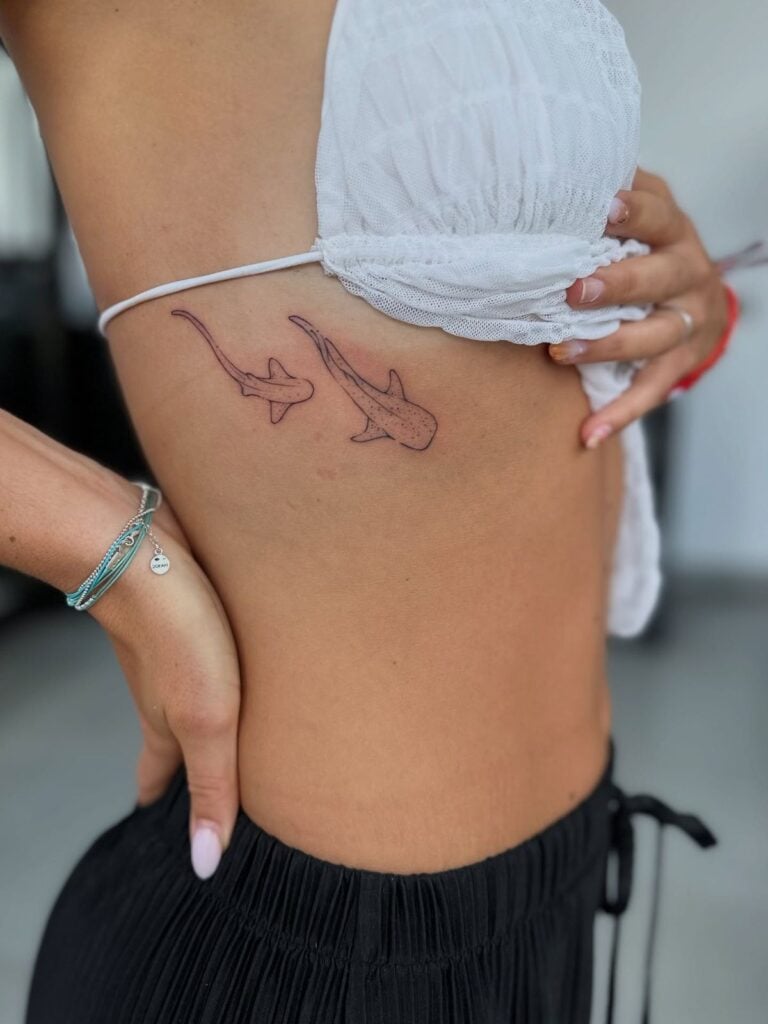
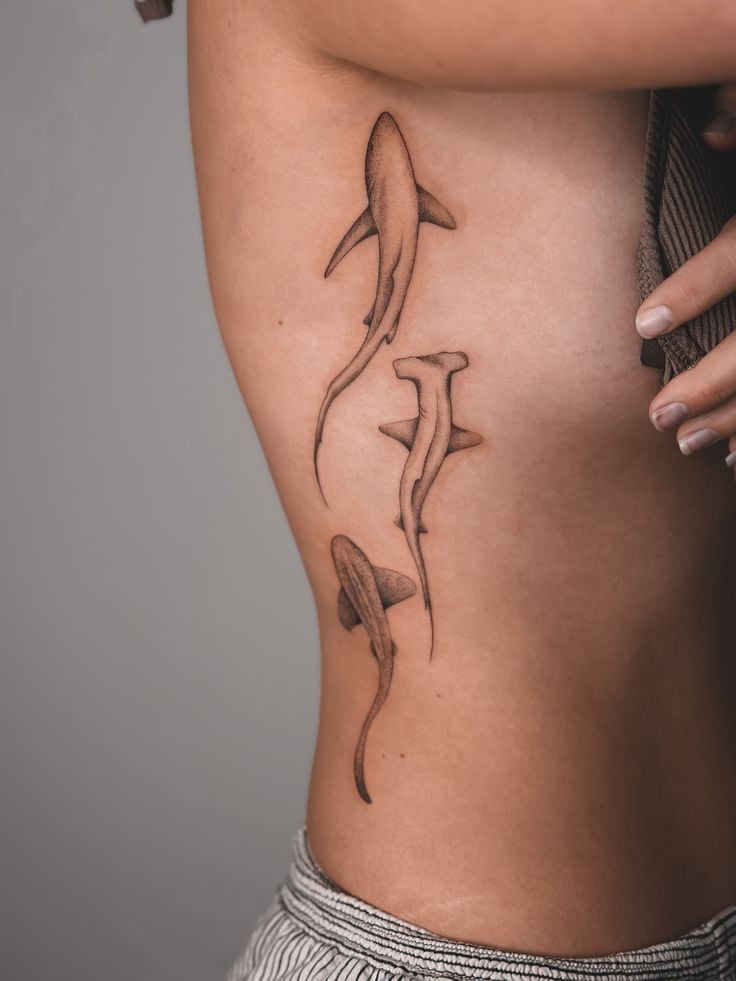
12. Shark in motion — Static sharks look dead. The best ones capture that split-second of movement—turning, hunting, gliding.
Japanese & Traditional Style (Ideas 13-17)
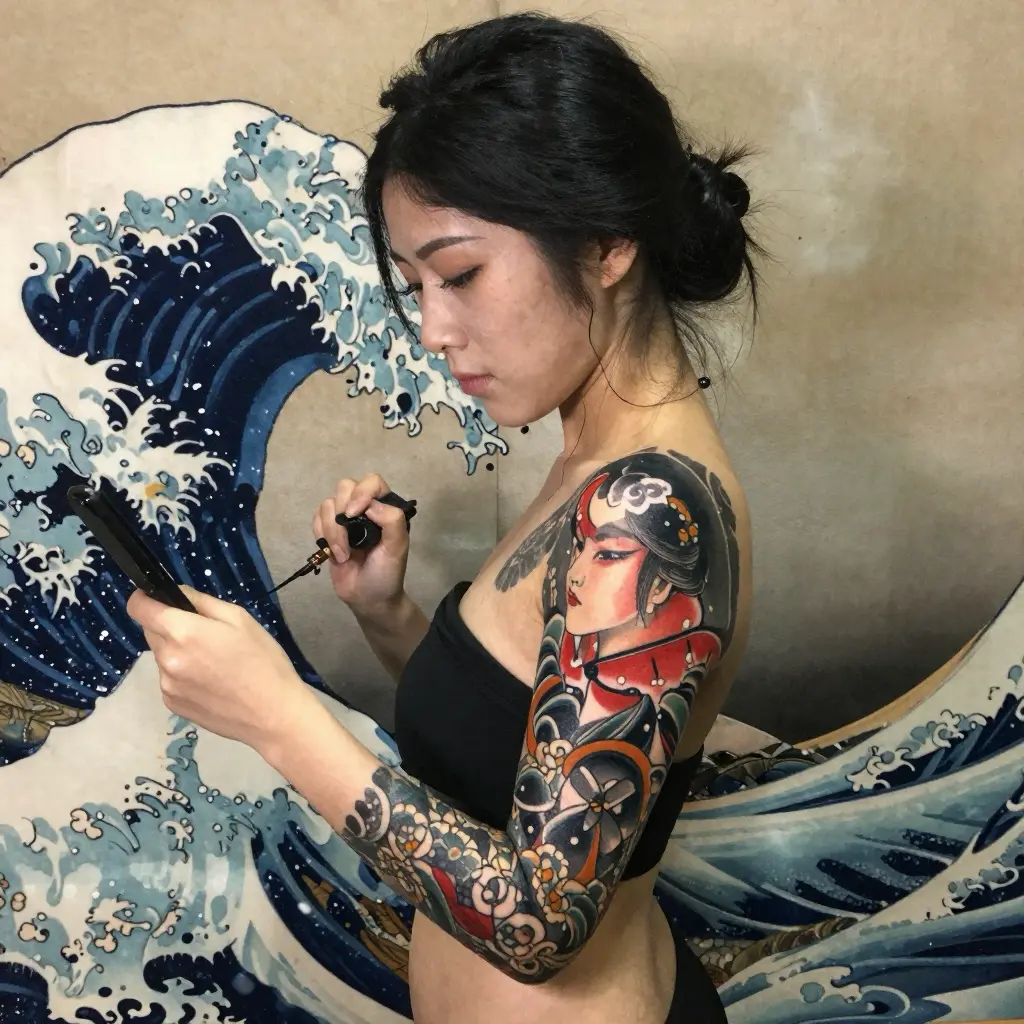
Bold lines. Limited color palettes. Designs built to last decades, not just look good on Instagram.
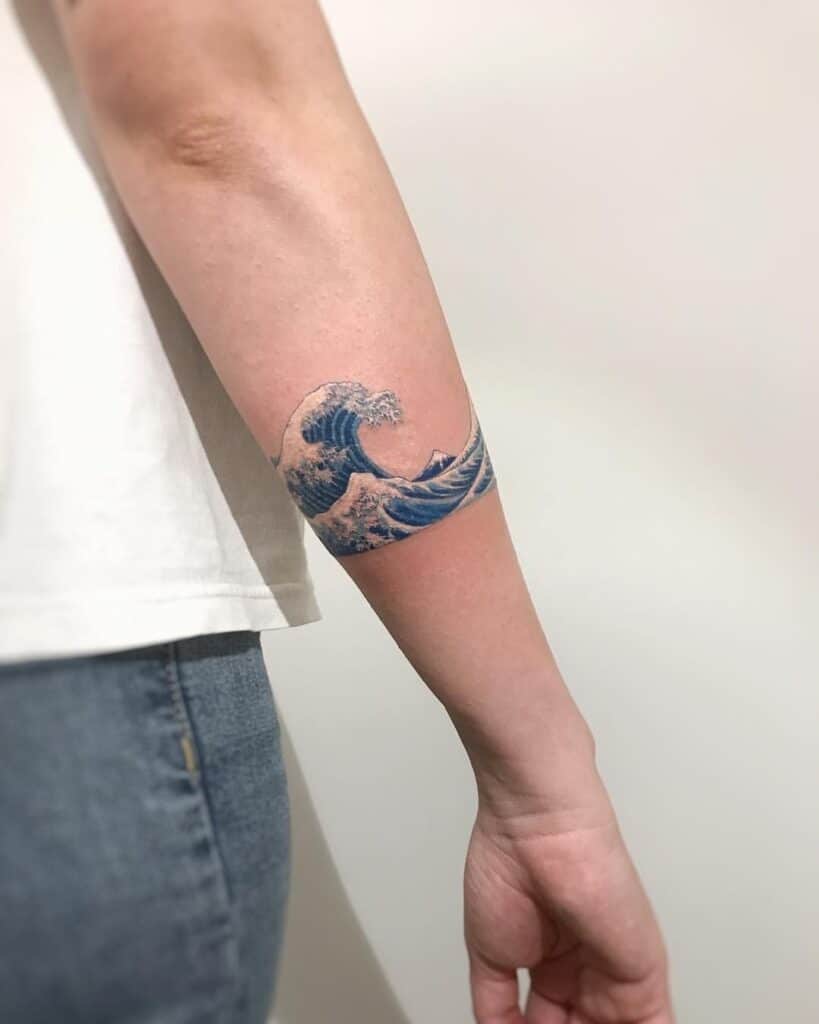
13. Hokusai-inspired wave — Not a direct copy (more on why later). Capture the energy and curl without trying to replicate every foam detail.
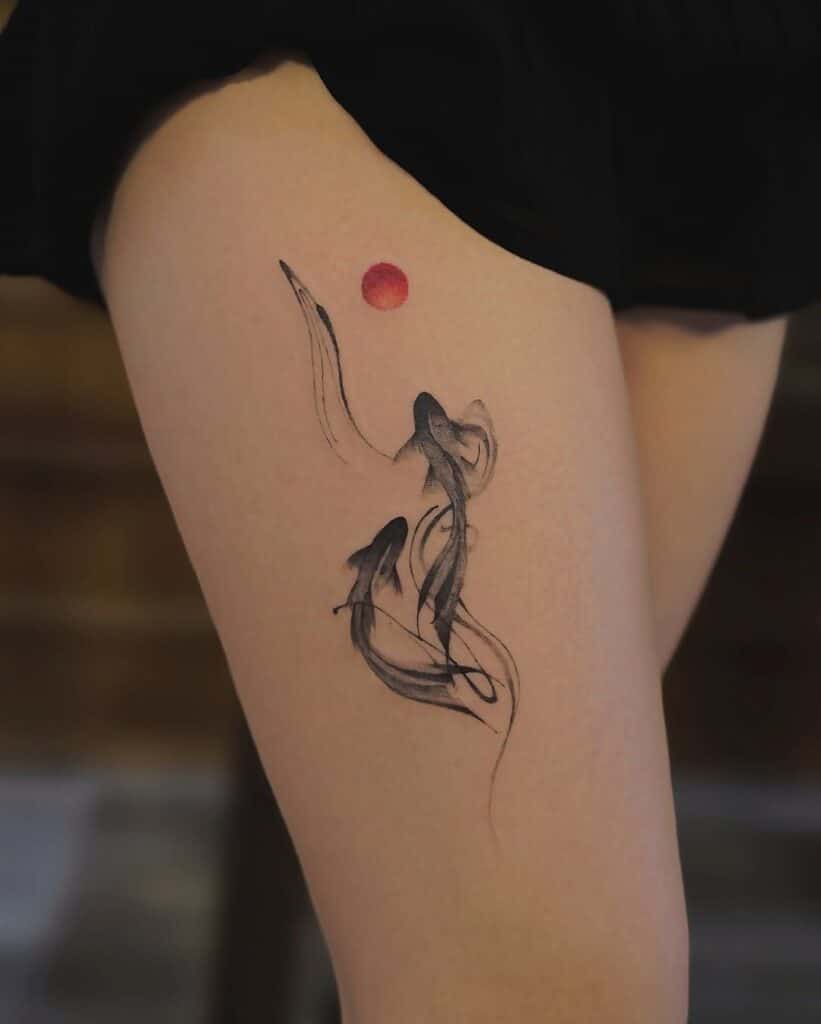
14. Koi with water splashes — The fish symbolizes perseverance; the water shows its environment. Traditional irezumi masters spend years perfecting this combination.
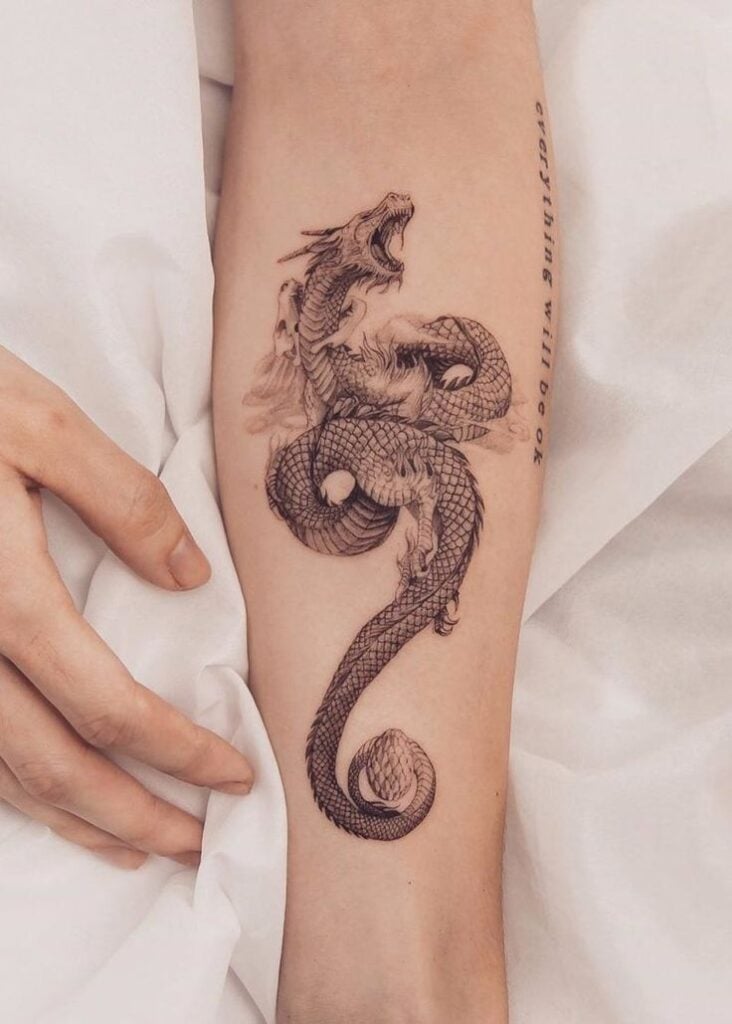
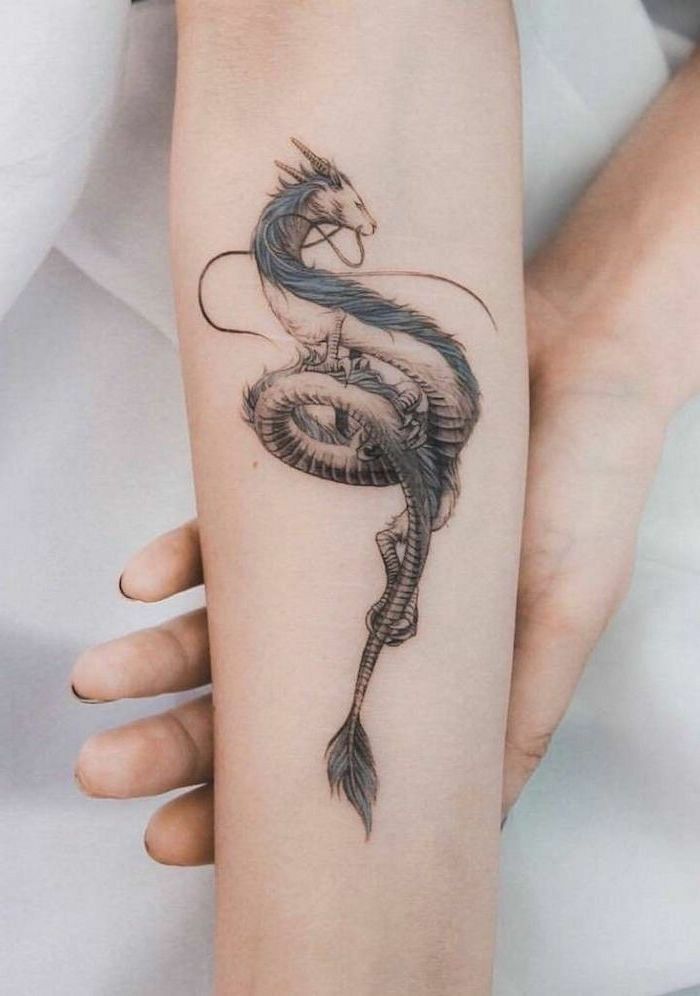
15. Dragon emerging from sea — Full sleeve territory. Japanese dragons are water creatures—this is culturally accurate, not random.
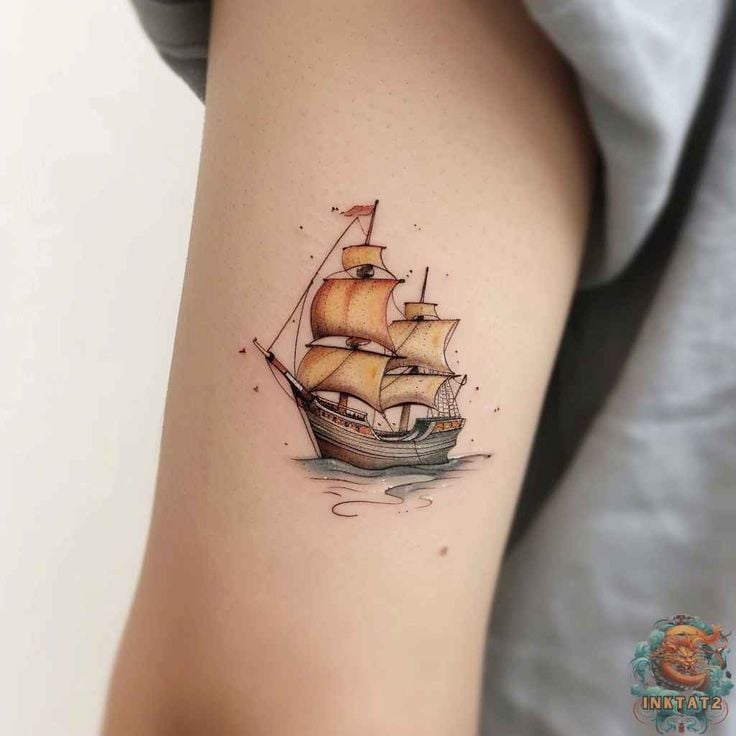
16. American Traditional ship — Sailor Jerry style. Bold black outlines, limited palette (red, green, yellow, black). These look nearly the same at 30 years as they did fresh.
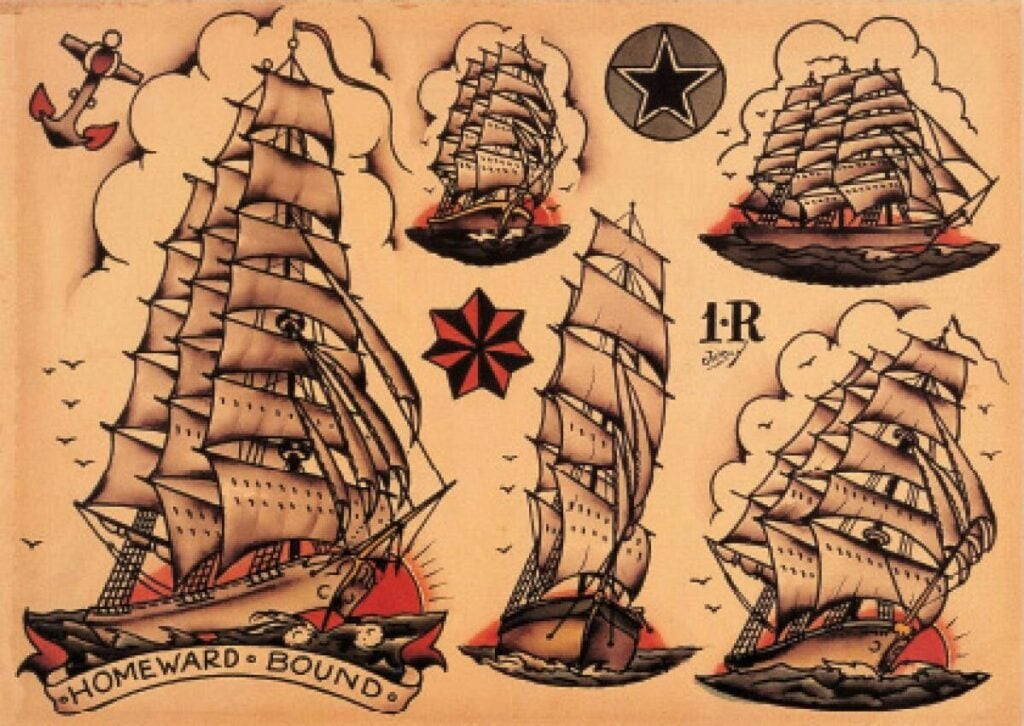
17. Old-school anchor with banner — Add a name, date, or coordinates. The banner personalizes a classic.
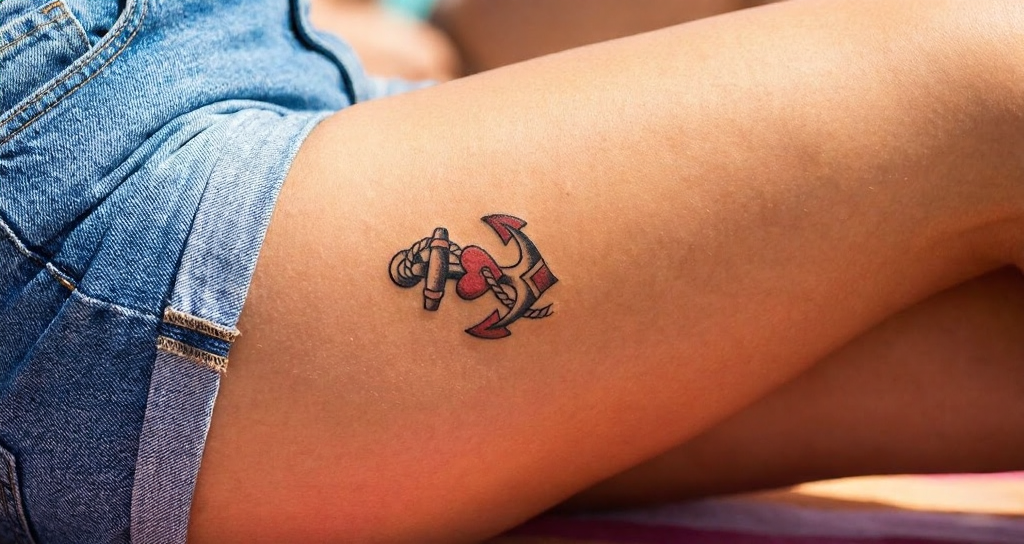
Why this style ages best: Those bold outlines act as walls, keeping color from spreading. Fine-line work has no such protection.
Watercolor & Abstract Ocean Tattoos (Ideas 18-22)
Beautiful. Artistic. Also: the most likely to disappoint you in three years. I’m not saying don’t get them—just know what you’re signing up for.
18. Watercolor wave splash — Soft edges, color bleeds, no outlines. Gorgeous fresh. Blurry later.
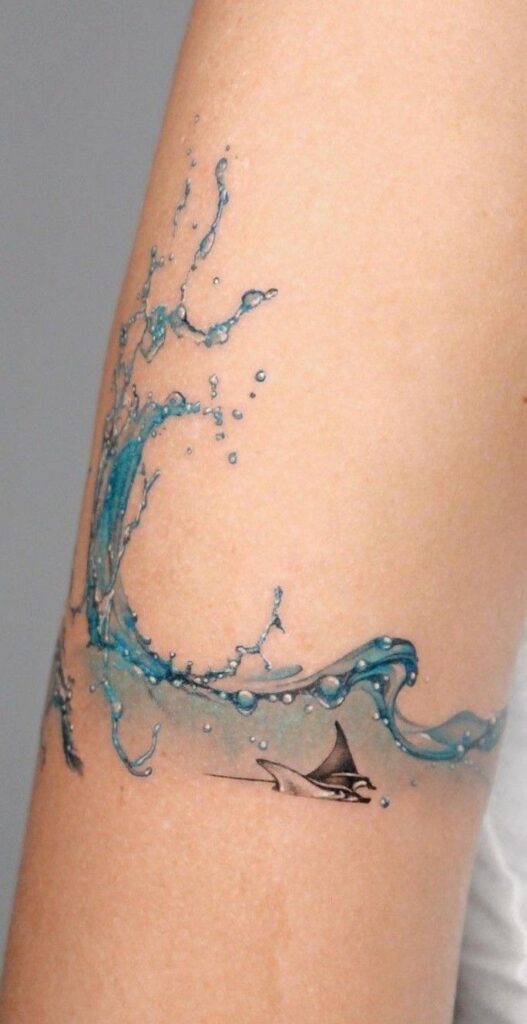
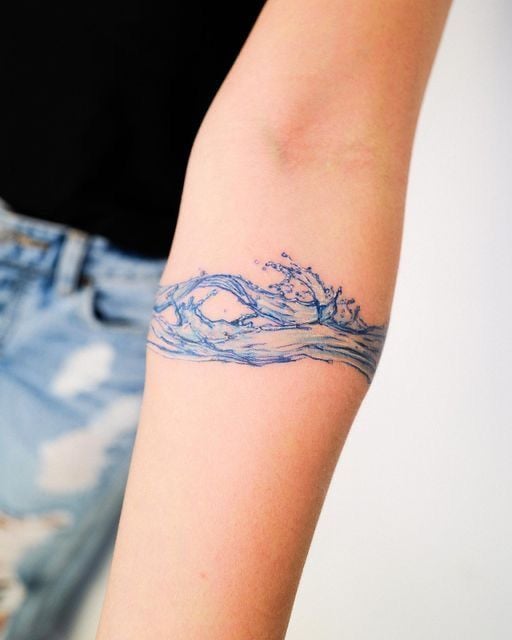
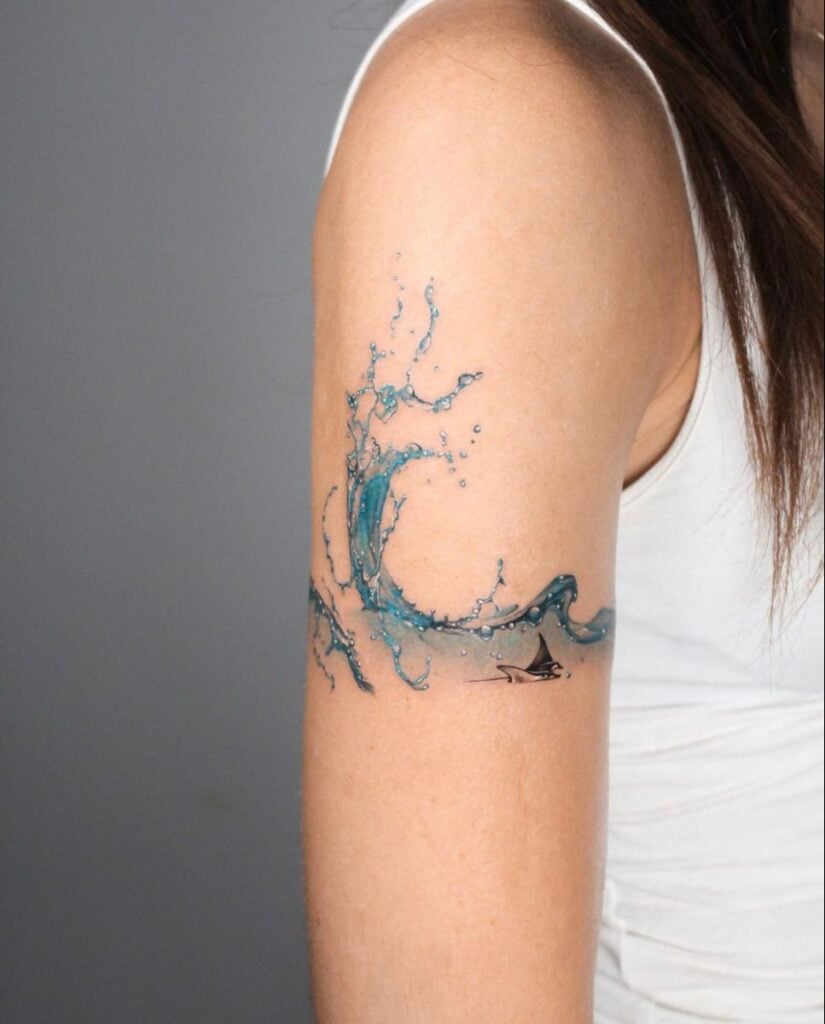
19. Abstract blue gradient — Represents ocean without literal imagery. Works if you want something interpretive.
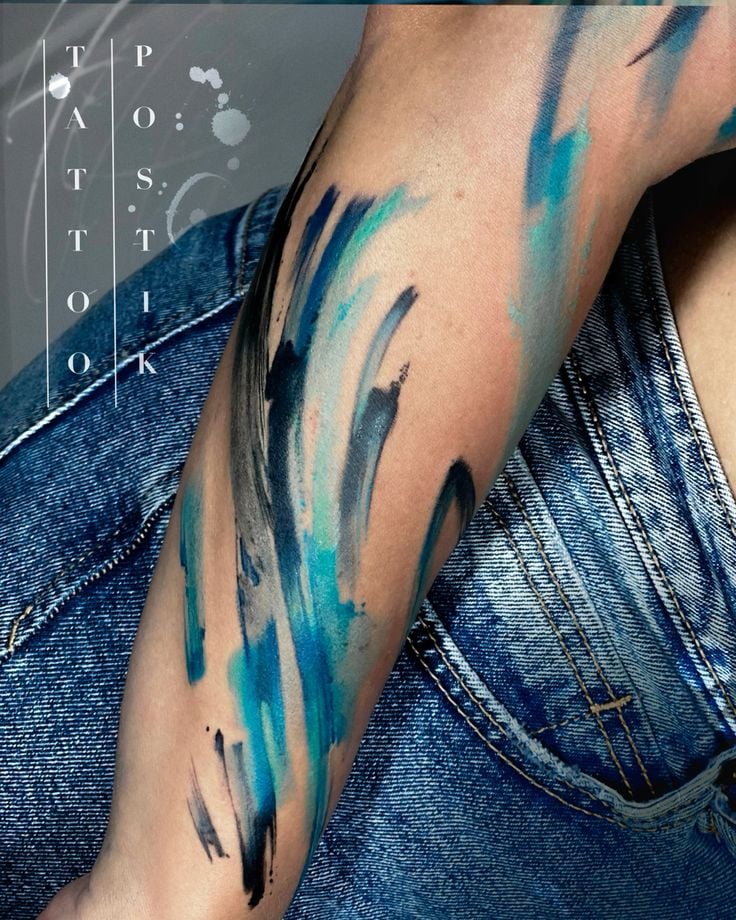
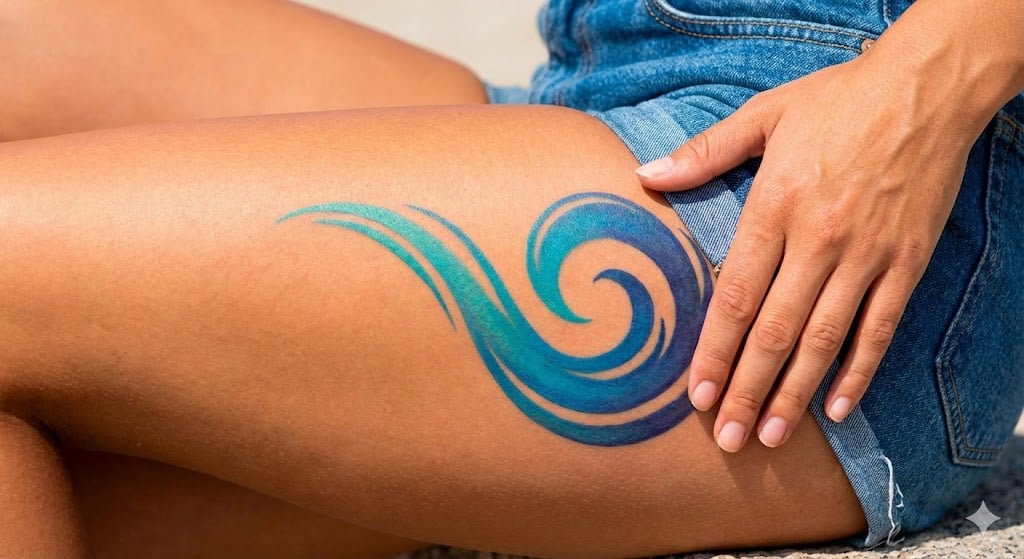
20. Color-bleed coastline — Your favorite beach’s actual map outline, filled with watercolor blues and teals.
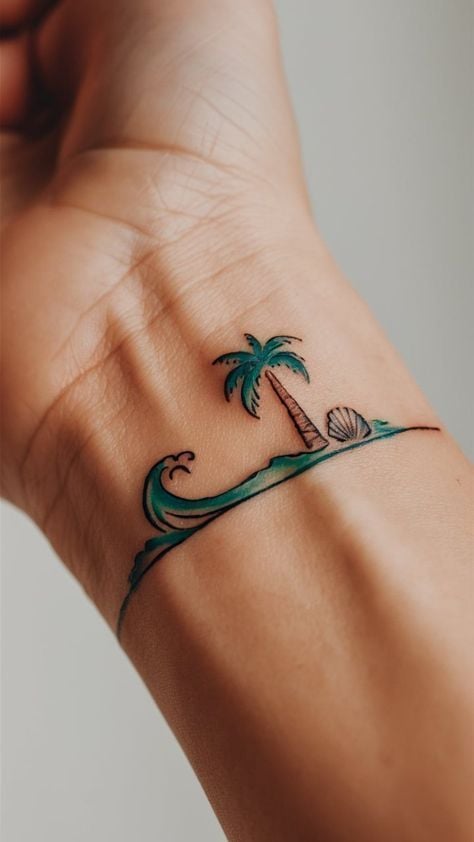
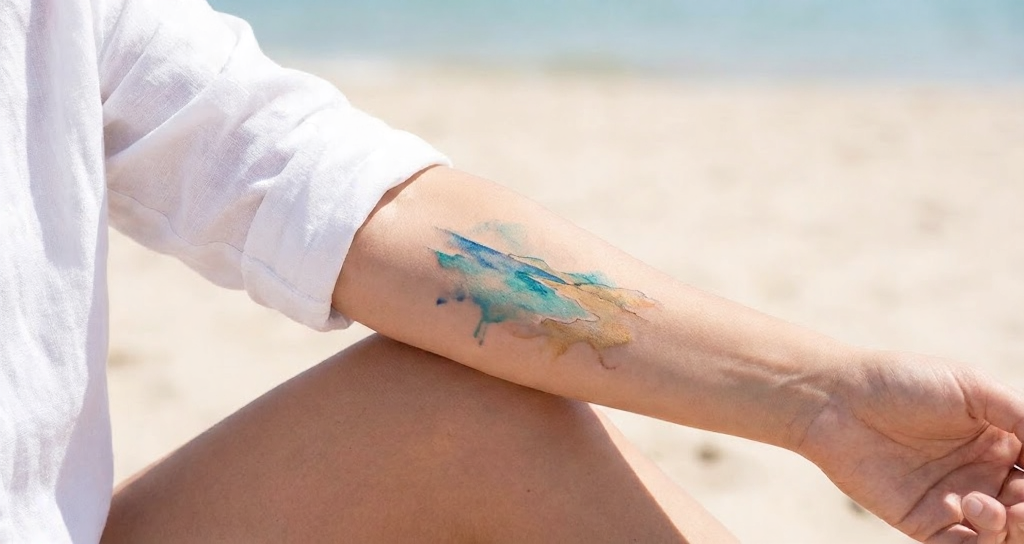
21. Impressionist seascape — Monet-inspired, brushstroke texture. Requires an artist who understands painting, not just tattooing.
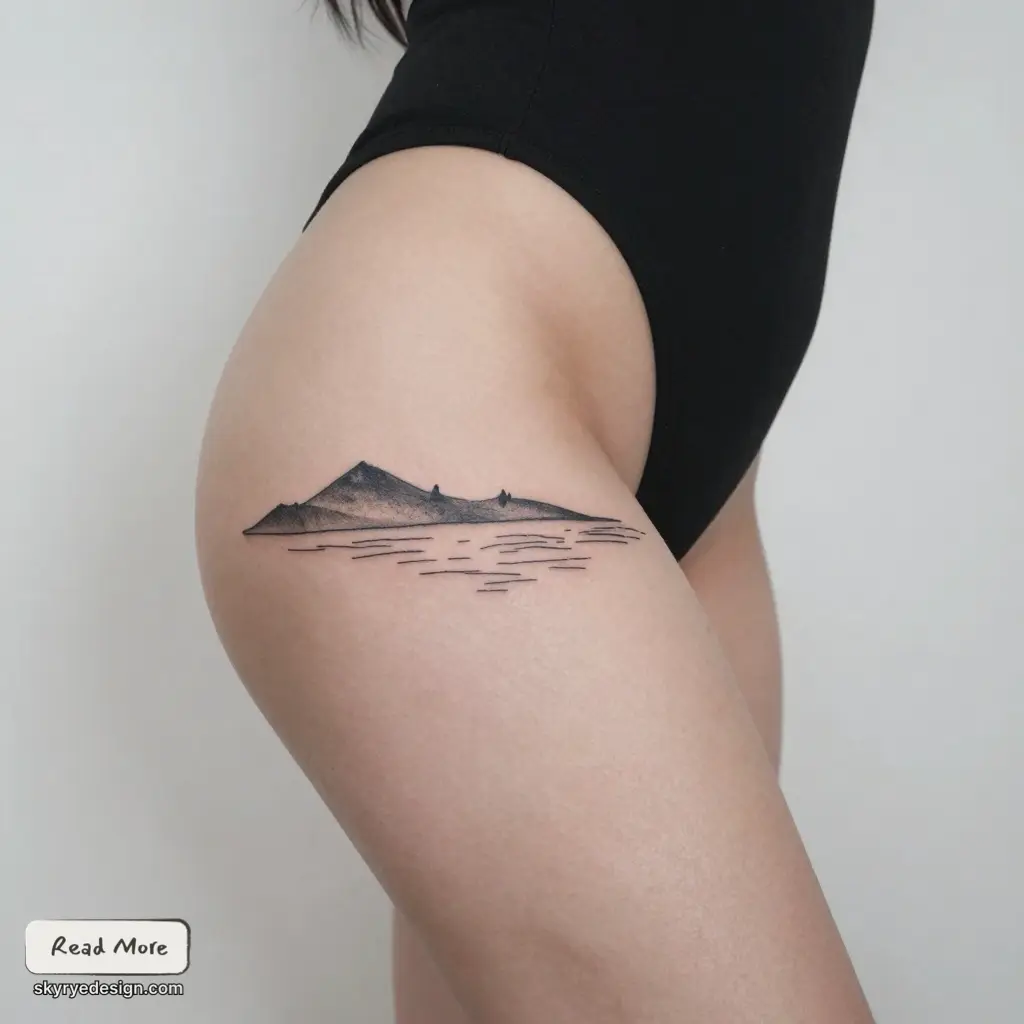
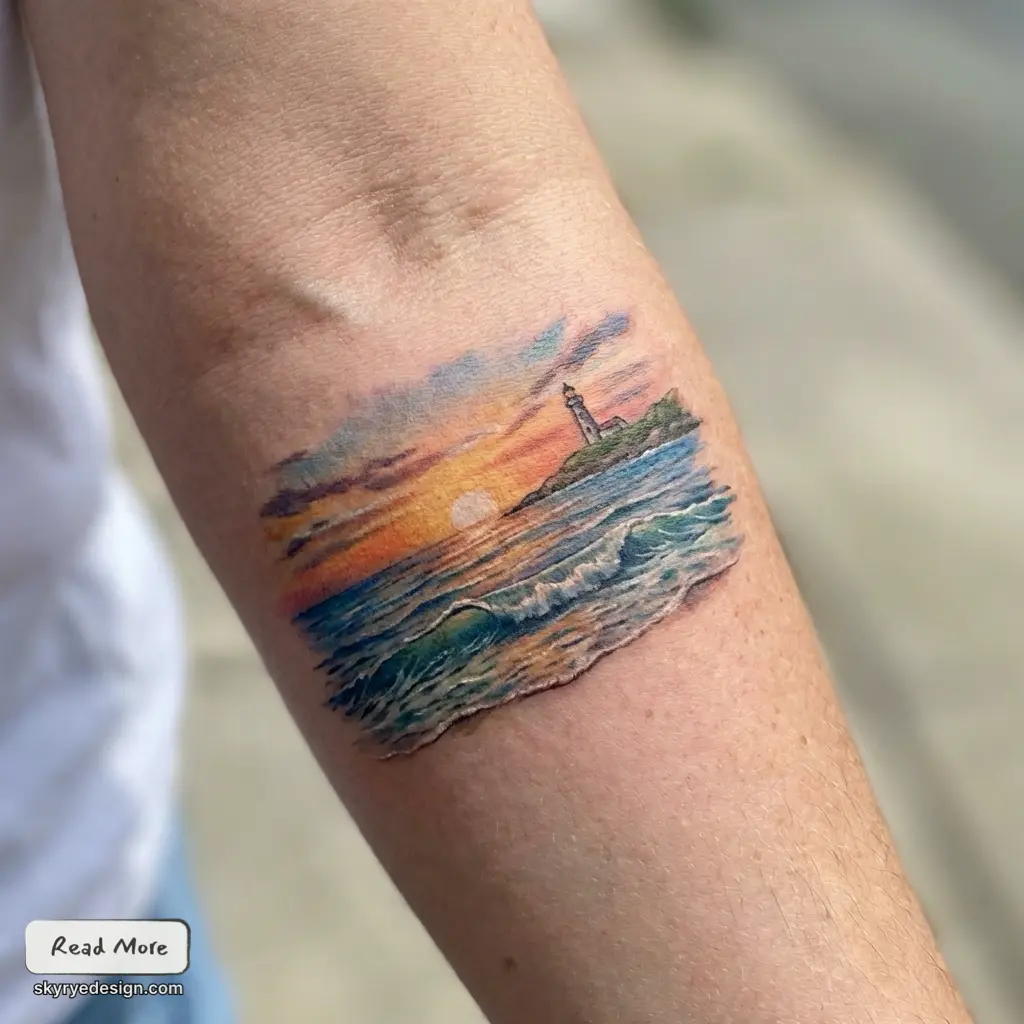
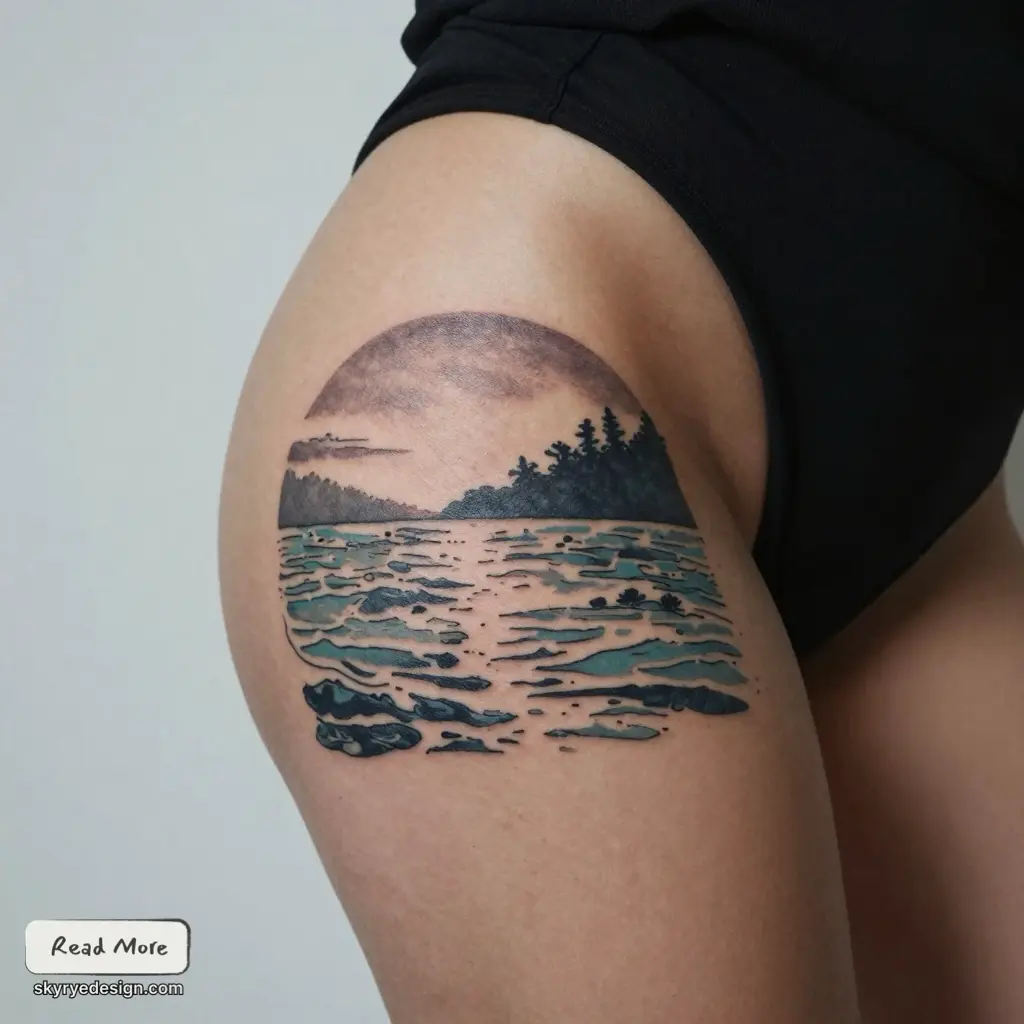
22. Splatter effect — Chaotic, energetic. Think ink dropped in water, frozen.
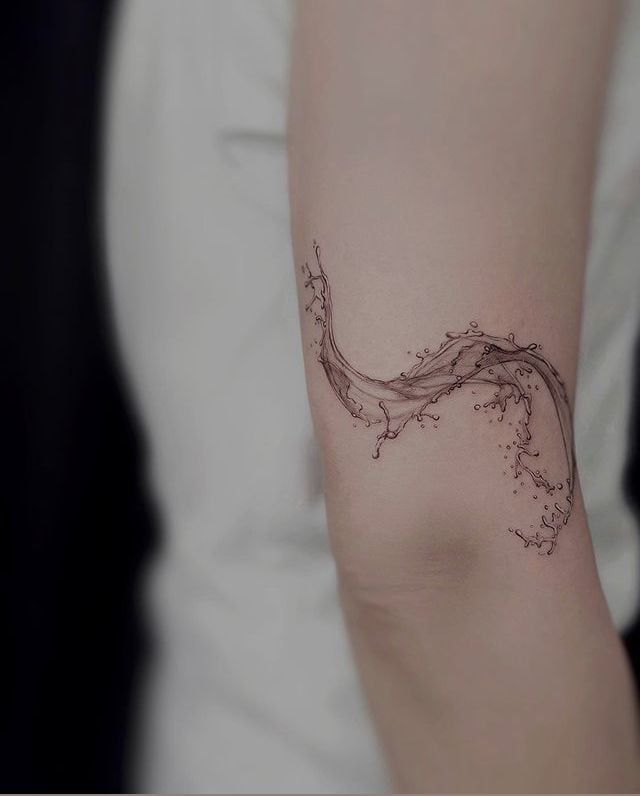
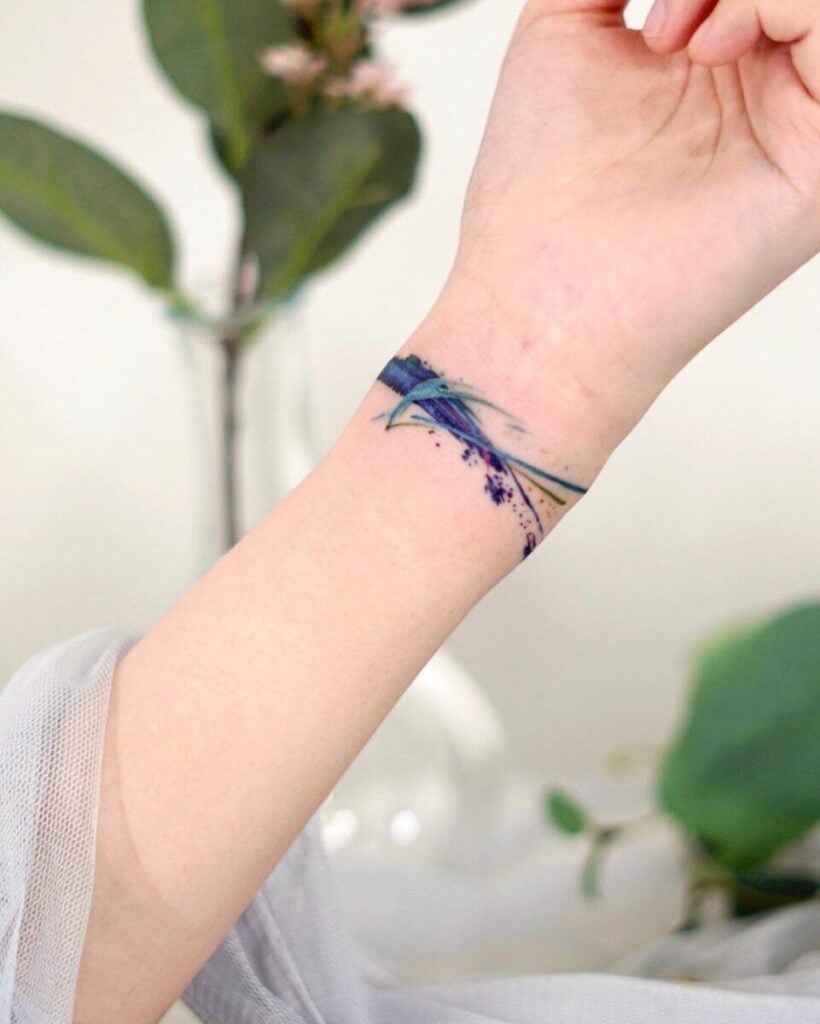
Honest warning: Watercolor tattoos fade faster than any other style. Those soft edges blur further. Budget for touch-ups every 2-3 years if you want it looking fresh.
Conservation & Meaningful Ocean Tattoos (Ideas 23-25)
The 2026 “meaningful ink” movement is real—people want tattoos that say something beyond aesthetics.
23. Extinct species tribute — Sea Shepherd’s “Extinct Ink” campaign partners with artists to tattoo extinct marine animals as conservation conversation starters. The Caribbean monk seal. The Steller’s sea cow. Designs that force people to ask, “What is that?”—and then you tell them it no longer exists.
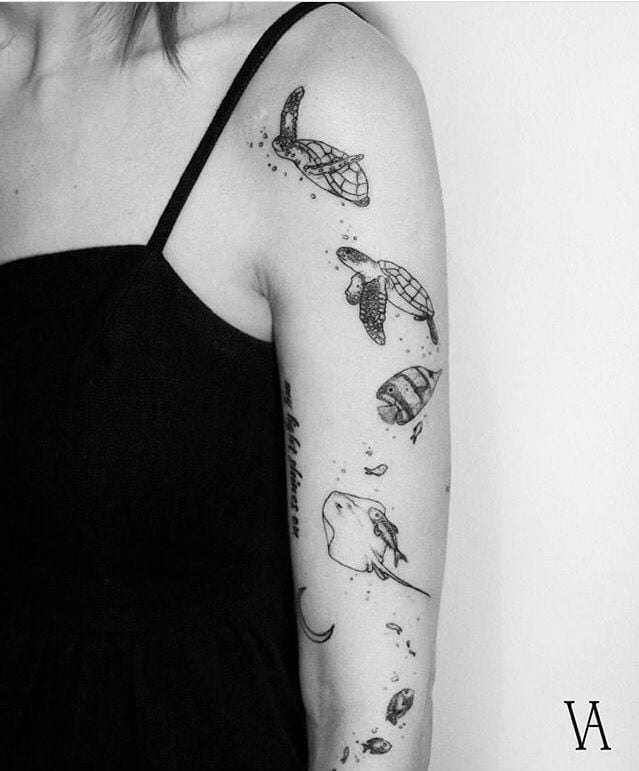
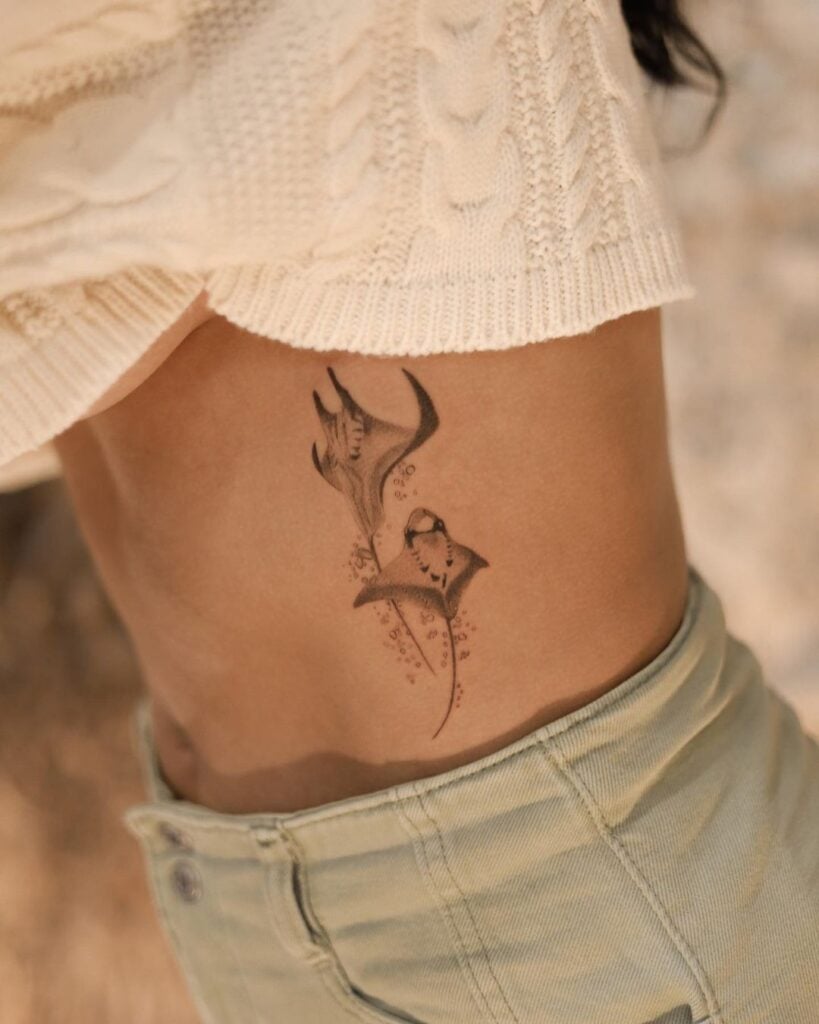
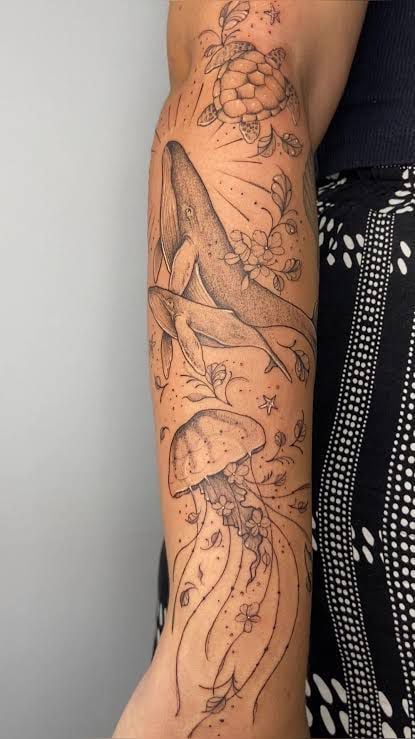
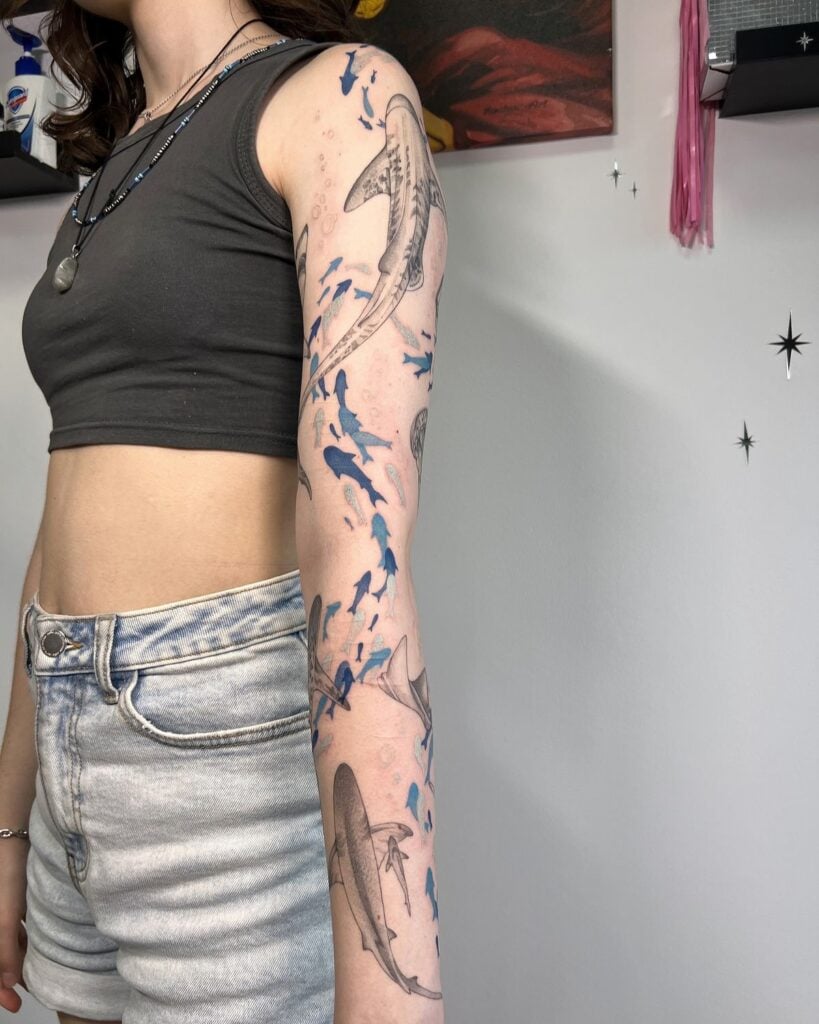
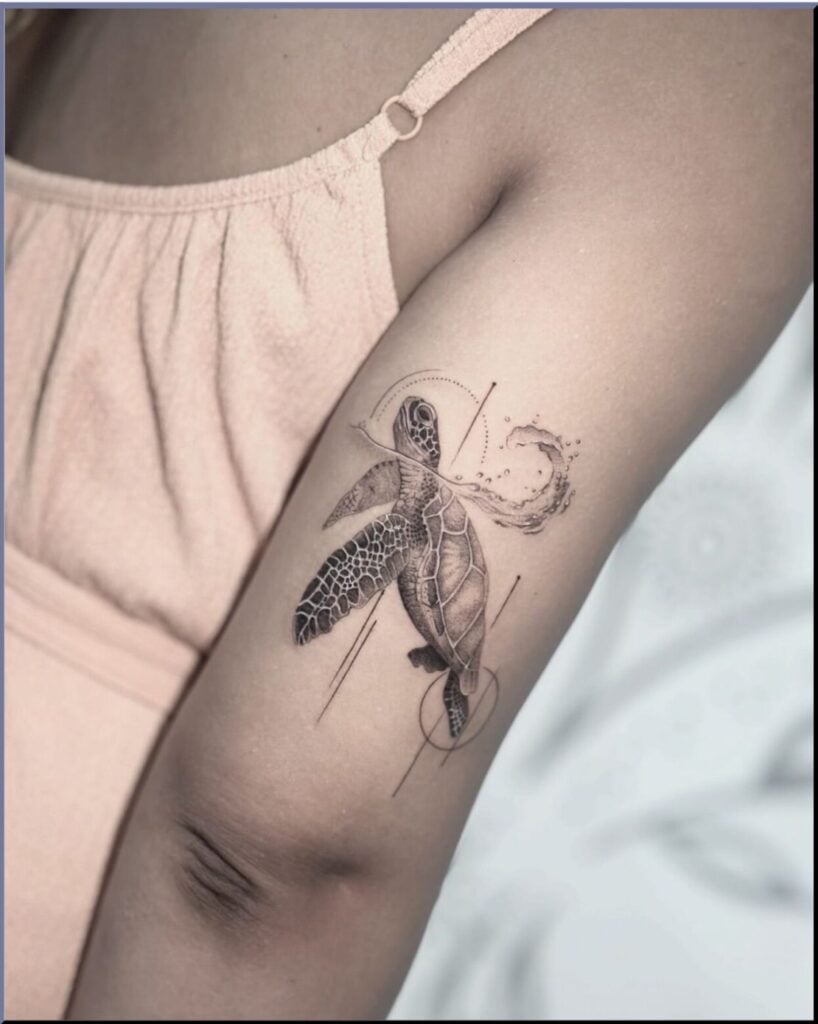
24. Coral reef ecosystem — A statement piece about ocean health. Complex, colorful, and increasingly poignant as reefs bleach worldwide.
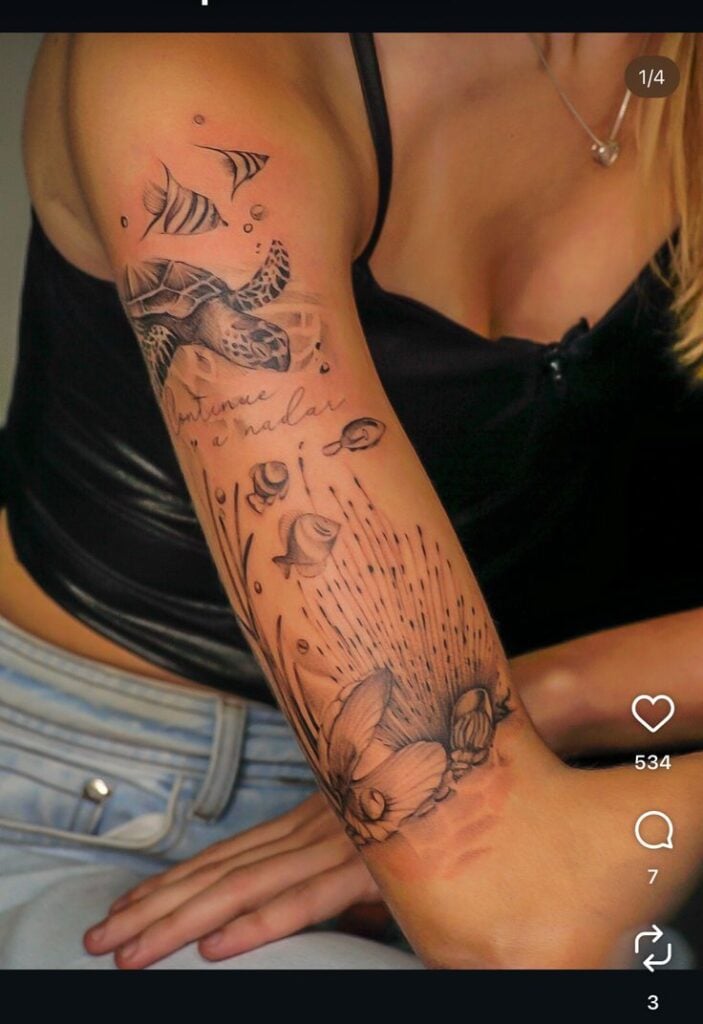
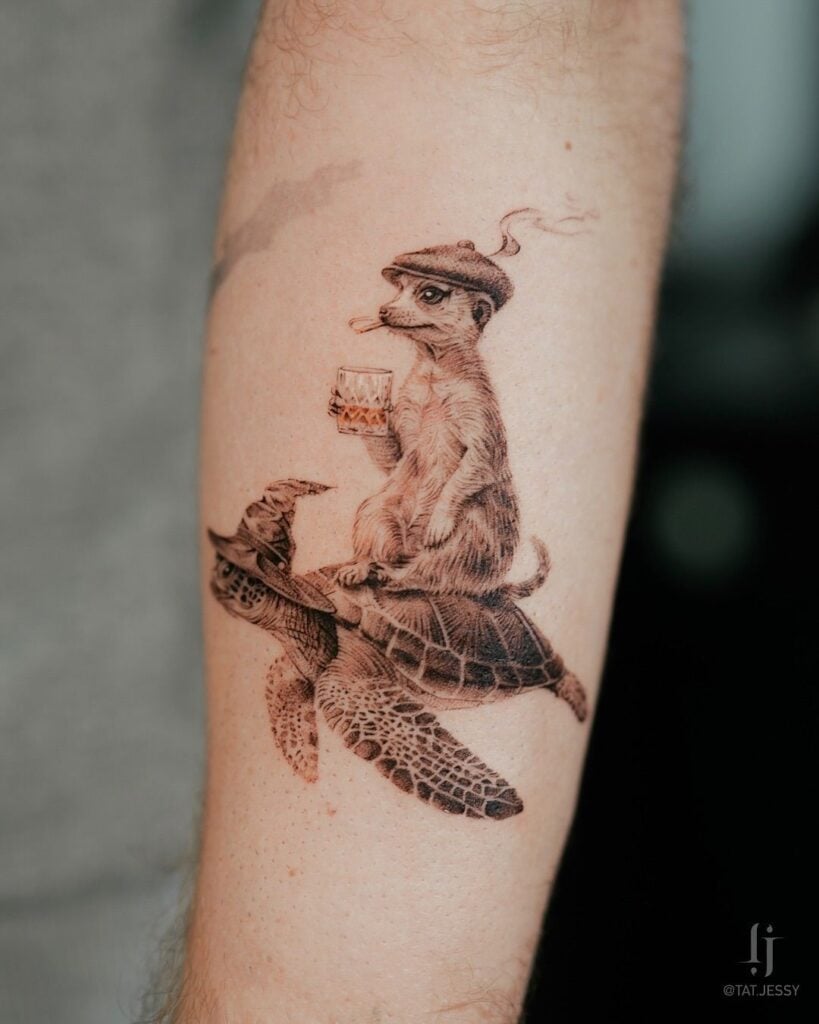
25. Personal encounter animal — Not a generic sea turtle. The sea turtle you saw while diving in Cozumel in 2019. The manta ray that circled you in the Maldives. Specific memory, permanent reminder.
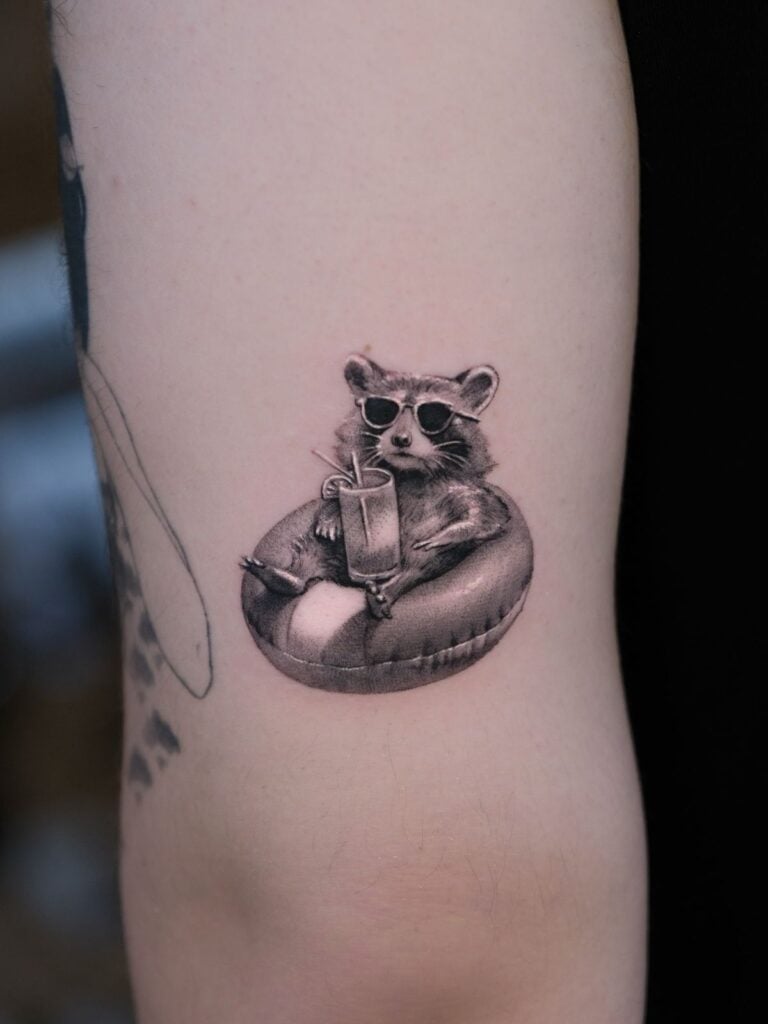
Now, about that Great Wave design everyone wants—and why your artist might secretly dread the request.
The Great Wave Problem (And Better Alternatives)
Katsushika Hokusai created “The Great Wave off Kanagawa” around 1831. Nearly 200 years later, it’s still the most requested ocean tattoo design worldwide. It’s also one of the most frequently botched.
Why Everyone Wants It
The image is everywhere—dorm room posters, phone cases, tote bags, coffee mugs. You’ve seen it a thousand times. The progression feels natural: love the print, want it permanent. I get it. The design is genuinely iconic.
But here’s the thing: what works as a 10×14 inch woodblock print doesn’t automatically work on a 3-inch patch of forearm skin.
Why It Often Goes Wrong
The original has incredible detail—those tiny claw-like foam fingers, Mount Fuji in the background, the precise Prussian blue gradient. Trying to replicate all of that on skin leads to three common disasters:
Cluttered mess. Artists cram in every detail at small scale. Result: muddy blob within two years.
Weird placement. I’ve seen Great Wave tattoos positioned so the wave appears to be erupting from someone’s armpit. Sartle’s “Think Before You Ink” series documented this exact problem—one guy’s placement made him look like he sweats tsunamis.
Color mismatch. That specific blue-gray of Hokusai’s original? Extremely difficult to match in tattoo ink. Most attempts go too bright or too green.
Better Alternatives
Seigaiha pattern — Those traditional layered semicircle waves. Graphic, geometric, ages beautifully. Same cultural heritage, better tattoo translation.
Single wave interpretation — Capture the curling energy without copying exactly. Let your artist interpret rather than replicate.
Black and gray version — Drop the color challenge entirely. Often more successful than fighting the blue problem.
Add personal elements — Combine the wave energy with something meaningful to you. A surfer. Specific coordinates. Your aumakua animal.
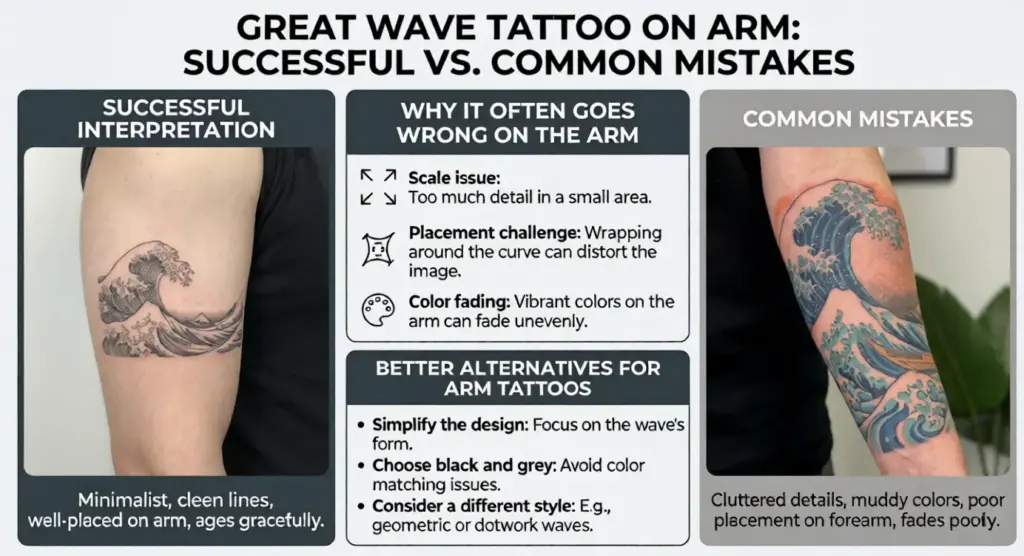
Practical tip: If you’re set on this design, find an artist who specializes in Japanese traditional work—not someone who’ll attempt it because you asked. Check their portfolio for healed photos specifically.
The design isn’t the problem. Execution is. And execution depends entirely on where you put it.
Placement That Makes Ocean Tattoos Look Real
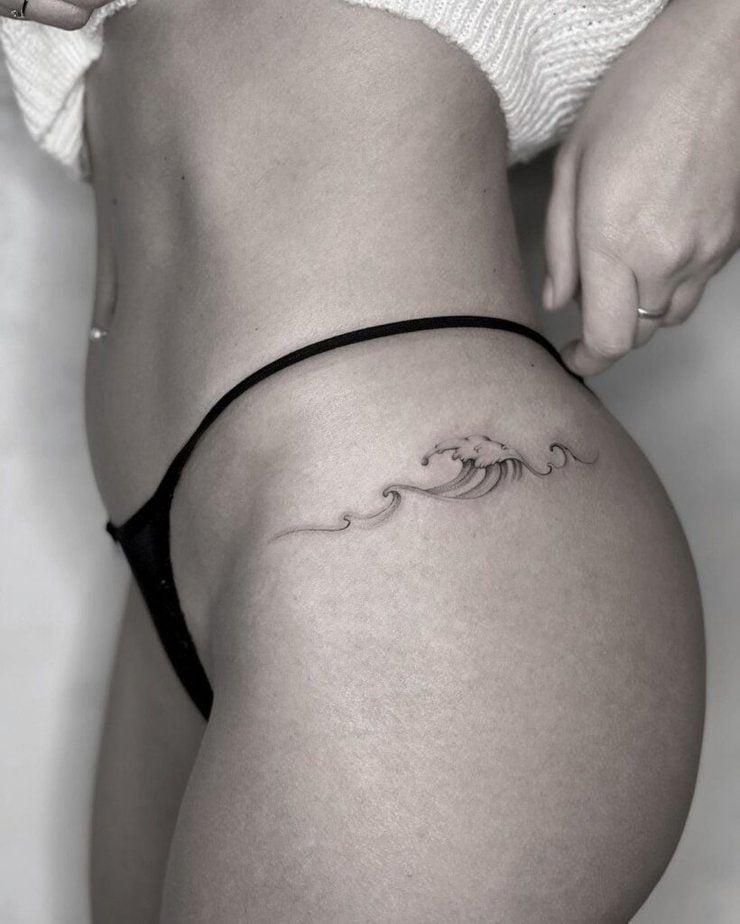
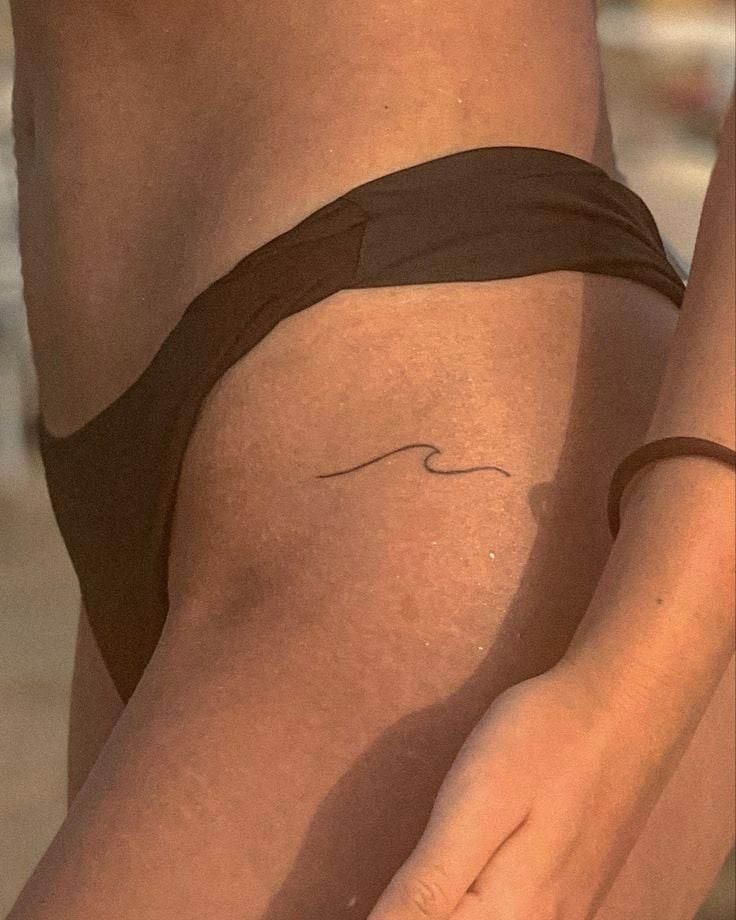
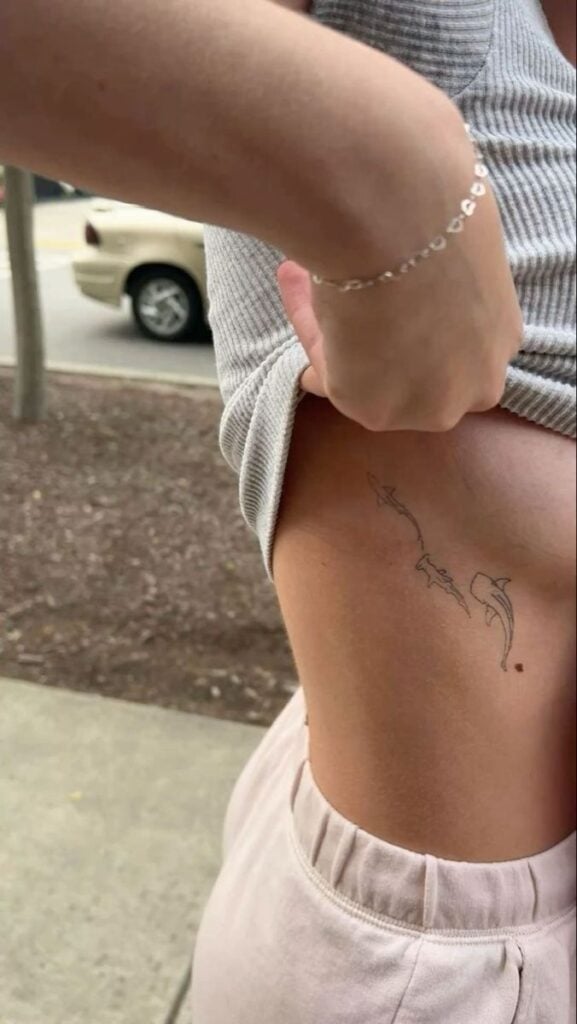
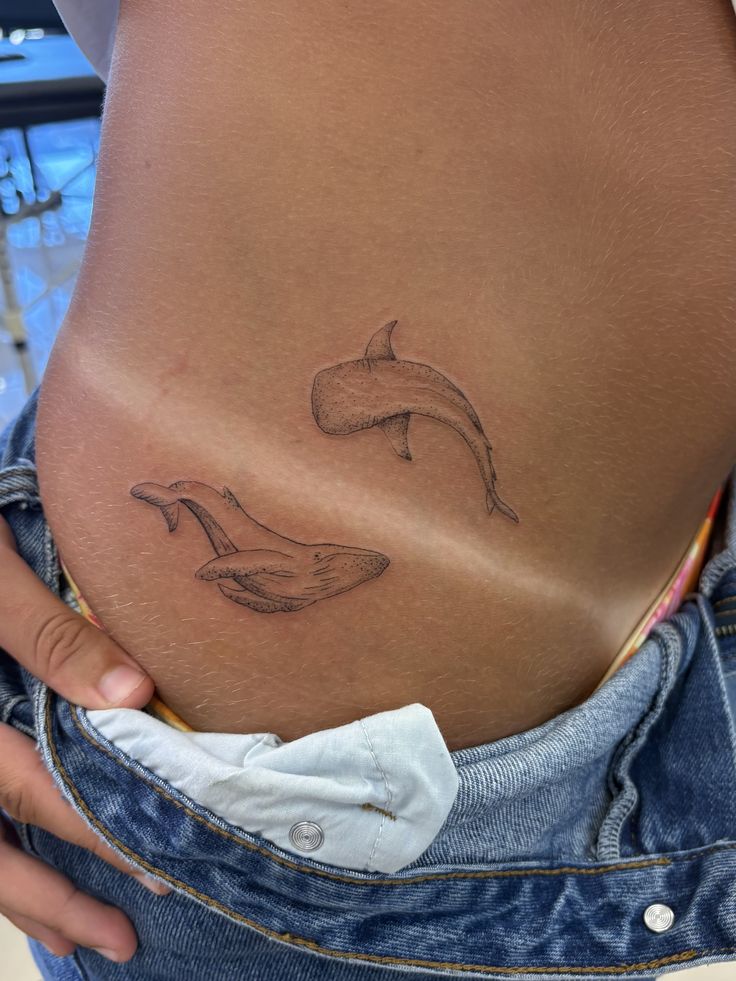
A wave tattoo on the wrong body part looks frozen. The same design in the right spot looks alive. Placement isn’t just about visibility—it’s about physics.
Why Water Needs the Right Canvas
Water flows. It has horizon lines, direction, movement. Your body isn’t flat; it curves, bends, wraps around bone and muscle. The magic happens when the tattoo’s natural direction matches your body’s contours.
I’ve noticed that the best ocean sleeve tattoos on Tattoodo almost always use the forearm or calf. Why? Those cylindrical shapes let waves wrap around continuously—the horizon keeps going, like you’re looking at actual water instead of a flat picture glued to skin.
Best Placements by Design Type
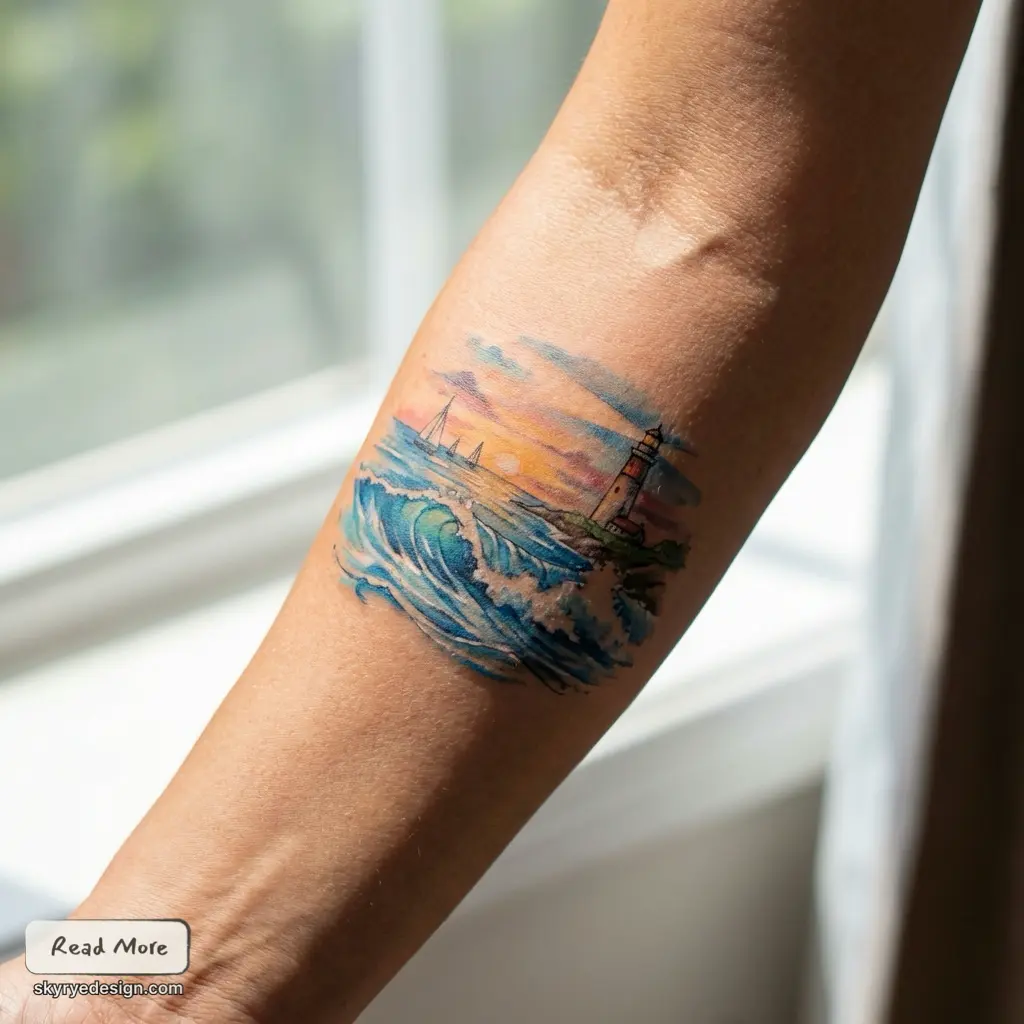
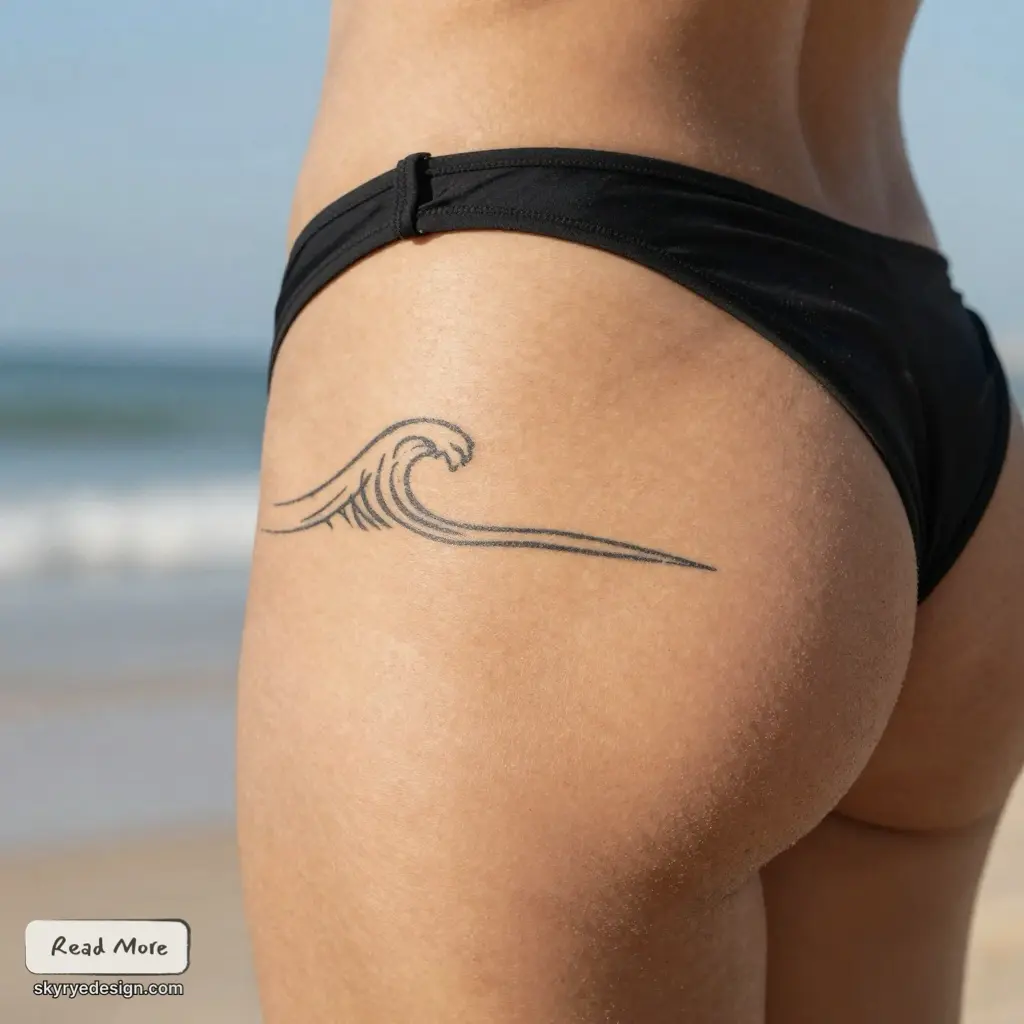
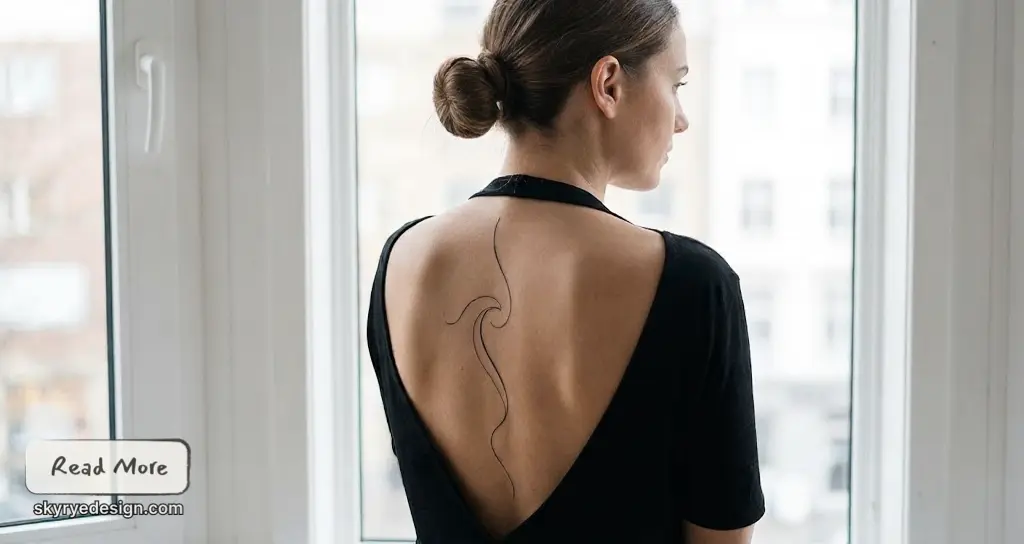
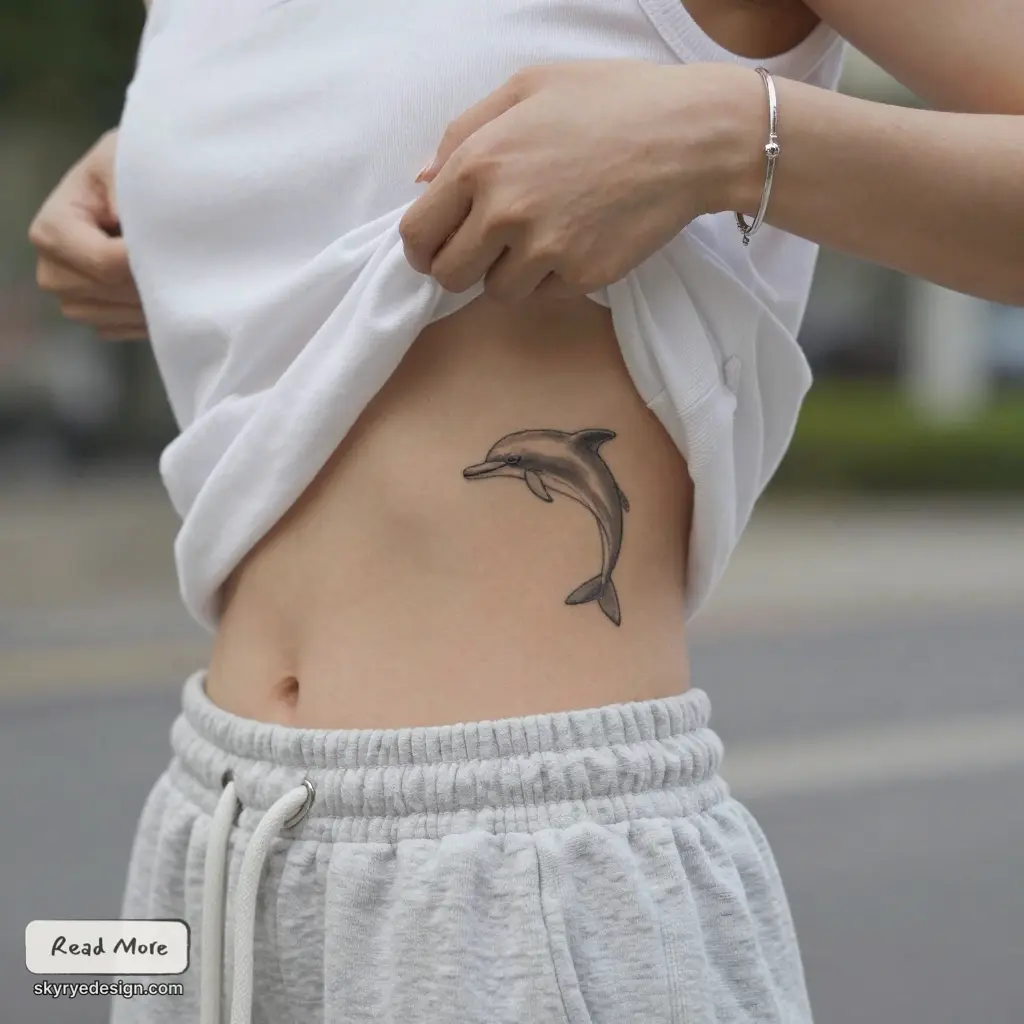
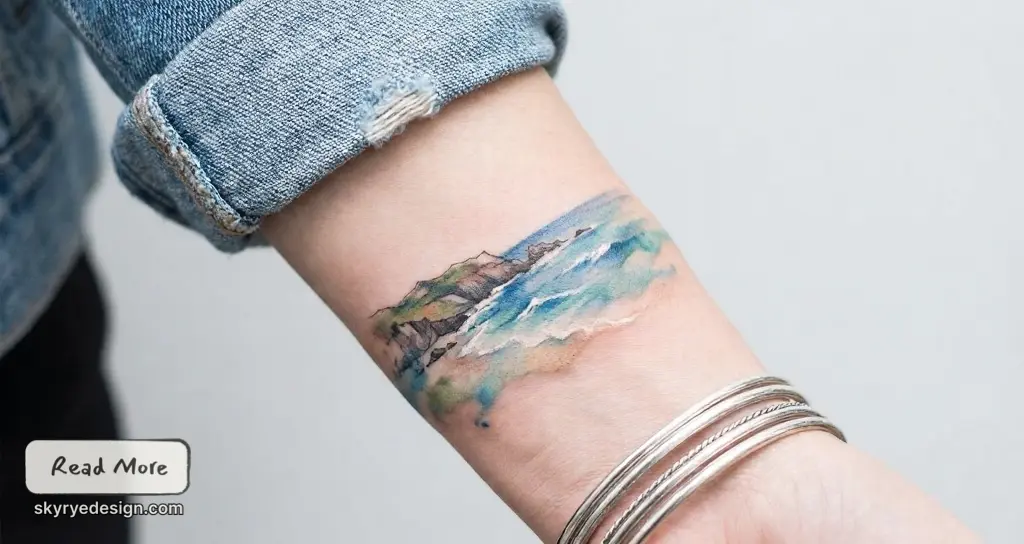
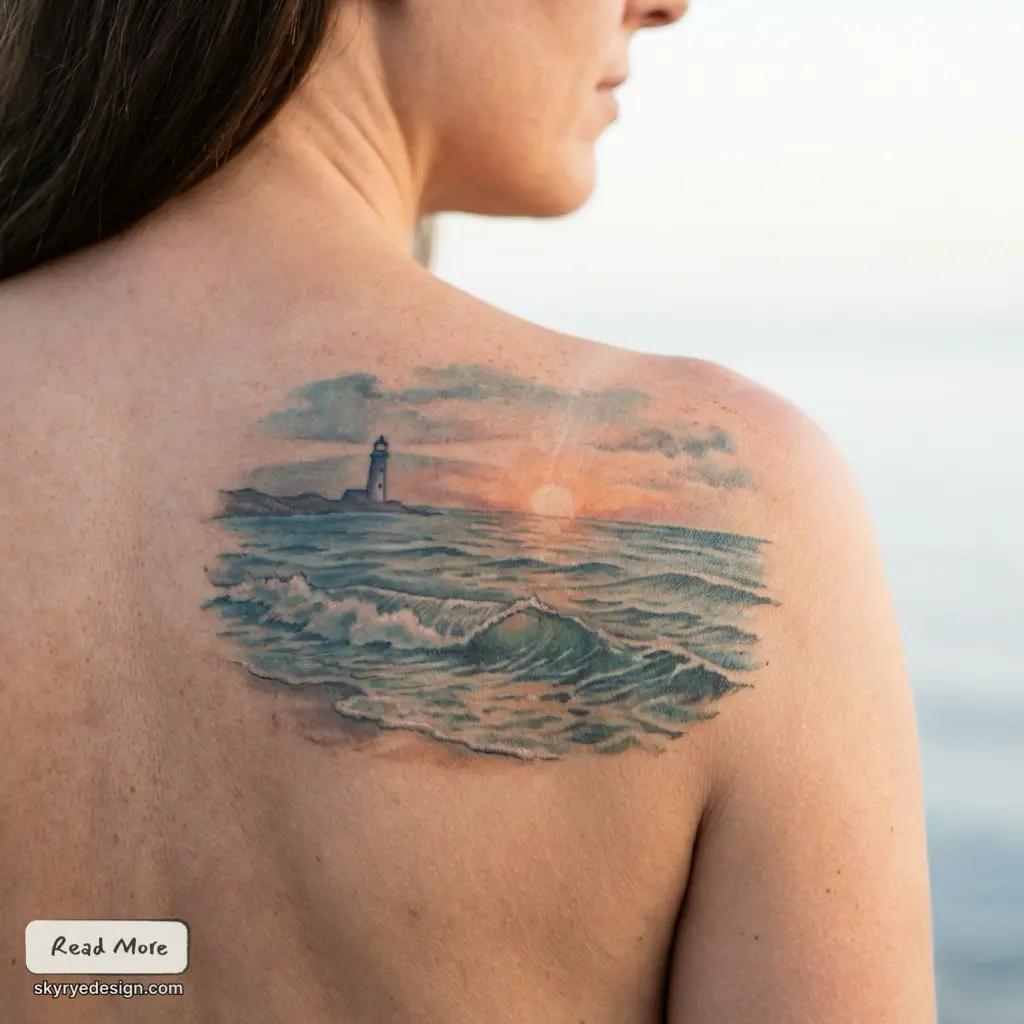
Waves and horizontal compositions:
- Forearm (wraps around, horizon continues naturally)
- Calf (same principle, larger canvas)
- Ribcage (follows body’s curve)
Vertical designs (whale tail, jellyfish tentacles, diving figure):
- Inner forearm (top to bottom flow)
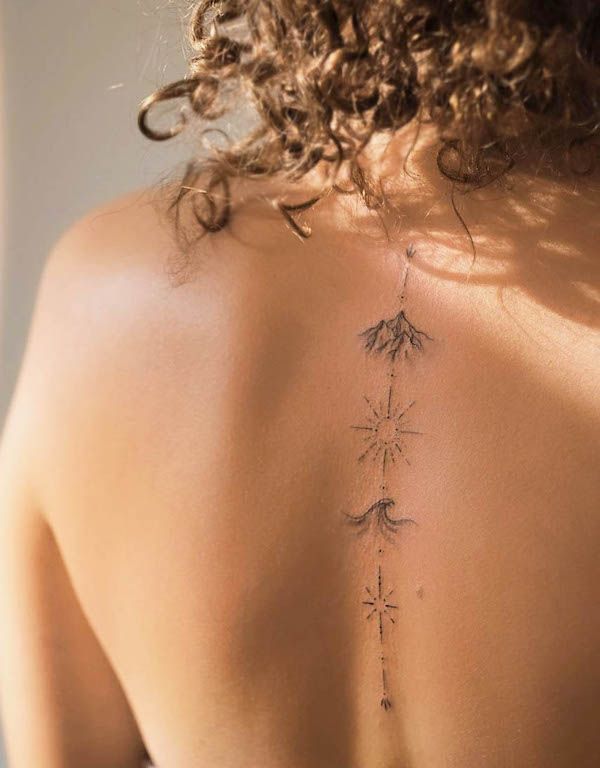
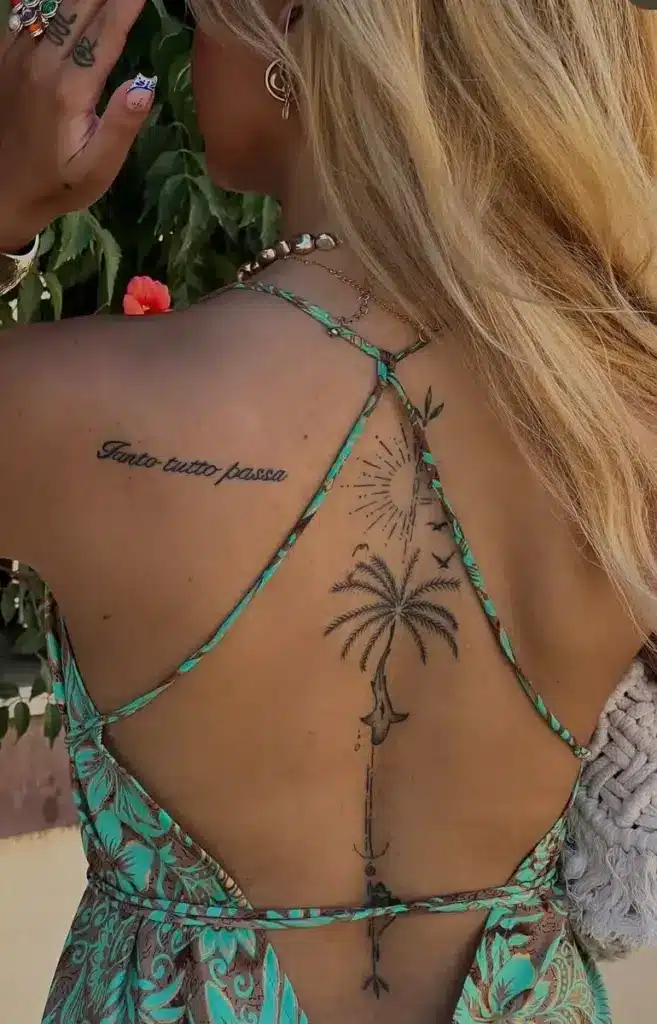
- Spine (2026’s trending placement—dramatic reveals in backless clothing)
- Back of calf
Full scene compositions:
- Back (your largest flat canvas)
- Thigh (substantial space, easy to hide for work)
- Chest (dramatic, but consider hair regrowth disrupting the design)
Minimalist pieces:
- Wrist (bracelet effect)
- Ankle (anklet effect)
- Behind ear
- Inner bicep (hidden surprise)
Thinking About Future Tattoos
Here’s the question nobody asks until it’s too late: is this a standalone piece or a potential sleeve starter?
That small wave you want centered on your forearm? It’ll block a future sleeve design. You’ll either need to cover it or awkwardly work around it. Artists at studios like Black Iris Tattoo in Brooklyn specifically ask about long-term plans during consultations—good ones think ahead for you.
Practical advice: If there’s any chance you’ll want more ocean tattoo ideas inked later, place your first piece toward the wrist or elbow. Leave the prime mid-forearm real estate open.
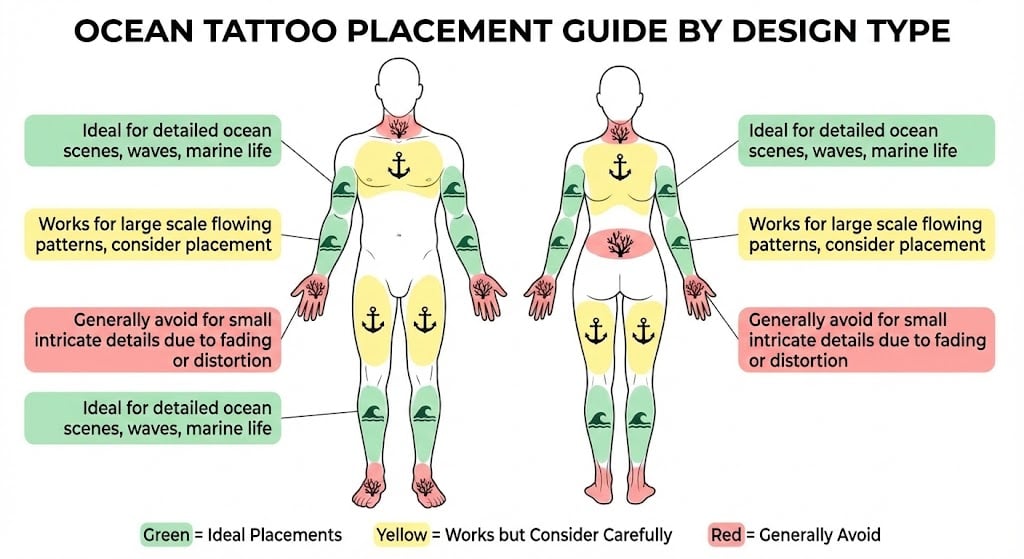
Placement affects how your tattoo looks. But there’s another factor that determines how it looks in five years: fading. And ocean tattoos have a specific problem most people don’t discover until it’s too late.
What Nobody Tells You About Ocean Tattoo Fading
That gorgeous turquoise wave on your Pinterest board? In five years, it might look like a faded bruise. The colors that make ocean tattoos beautiful are also the colors that fade fastest.
Colors That Disappear First
Turquoise and teal — The quintessential ocean colors. Also the first to turn muddy gray-green. I’ve seen stunning Caribbean-blue waves become dishwater dull by year three.
White highlights — That sea foam, those light reflections, the cresting wave tips? White ink fades to nearly invisible on most skin tones. Sometimes within a year.
Light blue — Fades dramatically, especially on darker skin. What looked like bright sky often becomes a faint shadow.
Pastels and watercolor effects — Those soft, dreamy gradients blur and fade simultaneously. Double trouble.
What actually lasts: Black, navy, dark blue, deep teal. The Lucky Tattoo blog ran a comparison showing the same wave design at 1 year versus 8 years—the dark blue sections looked nearly identical while the light accents had vanished.
Styles That Age Best
Traditional and Japanese styles weren’t designed to look pretty on Instagram—they were designed to look good in 30 years. Those bold outlines act like walls, keeping pigment contained. Fine-line watercolor has no such defense.
Black and gray ocean tattoos sidestep the color problem entirely. No turquoise to fade. Just values that shift gracefully over time.
Touch-Up Expectations
Non-negotiable aftercare: SPF 50 on healed tattoos. Every time you’re in the sun. The irony of ocean tattoos fading because you’re actually at the beach isn’t lost on me.
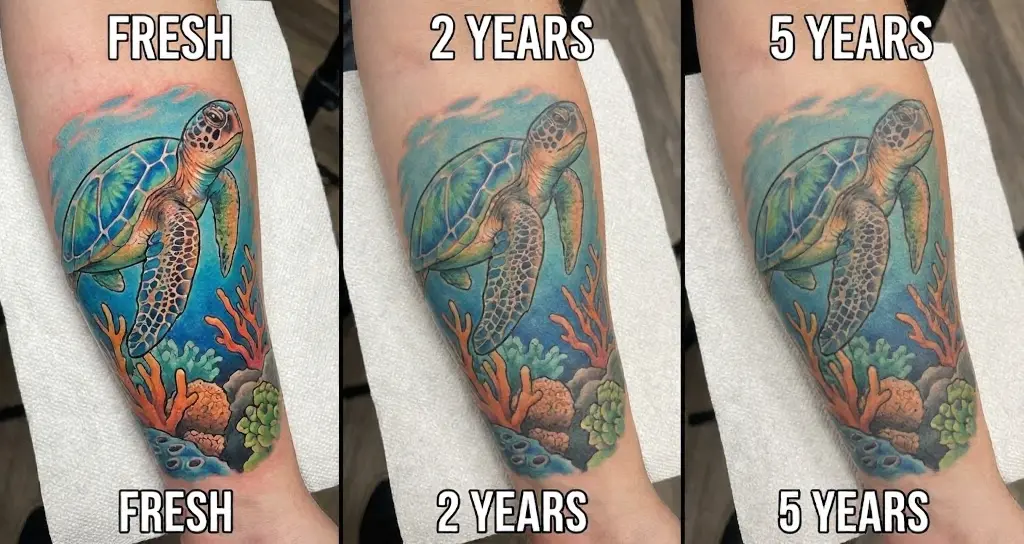
Plan for at least one touch-up within the first two years—that’s normal settling, not failure. Watercolor ocean pieces need refreshing every 2-3 years to maintain vibrancy. Most artists charge 50-75% of the original price for touch-ups.
Finding an Artist Who Actually Does Water Well
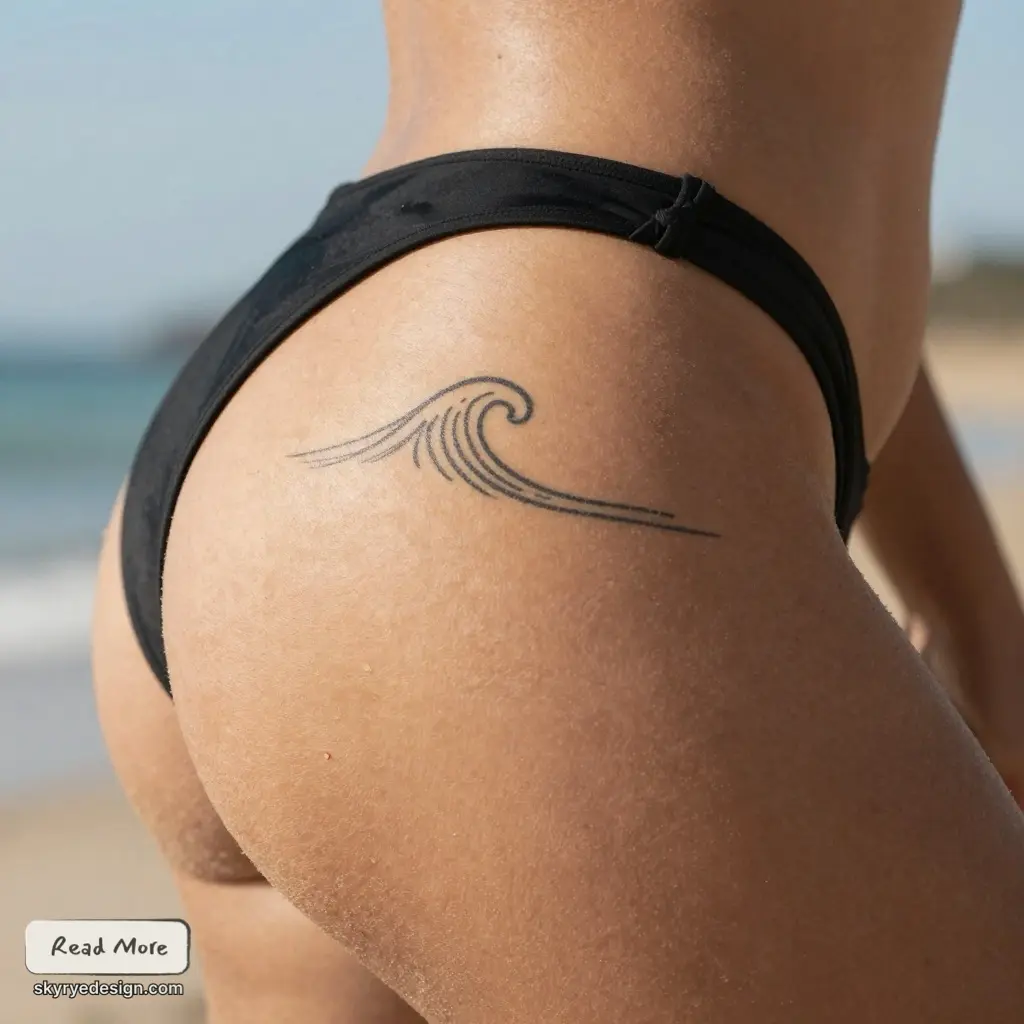
Water is one of the hardest subjects to tattoo. It’s translucent, constantly moving, and has no defined edges. A great portrait artist might struggle with waves. A phenomenal floral specialist might make your ocean look like blue lettuce.
Portfolio Red Flags
Scroll past the pretty flash sheets. Look specifically for water.
- No ocean work in their portfolio — If they haven’t posted it, they probably can’t do it well
- Stiff, geometric waves — Water should flow, not look like origami
- Only fresh photos — Anyone can make a tattoo look good at hour zero
- Same wave design repeated — Copy-paste artists won’t customize for your body
- Oversaturated colors — Heavy editing hides mediocre work
I’ve noticed artists who are genuinely skilled at water proudly show healed photos. Those who aren’t… don’t.
What to Look For
- Multiple healed examples of ocean tattoos—at least 3-6 months old
- Variety in their water work — waves, underwater scenes, different styles
- Custom designs — not just flash modifications
- Willingness to discuss longevity honestly
Studios like Chronic Ink in Toronto and Black Iris in Brooklyn have reputations for water work specifically. Tattoodo’s marine life category lets you filter by location to find specialists near you.
Questions Before Booking
- “Can I see healed photos of your water tattoos?”
- “What colors do you recommend for longevity?”
- “How do you handle touch-ups?”
Practical tip: Book a consultation before the tattoo appointment. Any artist worth their needles will spend 20 minutes discussing your ocean tattoo ideas before inking them permanently isn’t worth your skin.
Ocean Tattoo Costs: What to Expect
Nobody wants to ask about price. But walking into a consultation without a budget is like house hunting without knowing your range—you’ll either overspend or get disappointed.
Price Ranges by Size
| Design Type | Price Range | Typical Session Time |
|---|---|---|
| Minimalist wave (wrist-sized) | $80–200 | 30–60 minutes |
| Small detailed piece (palm-sized) | $200–400 | 1–2 hours |
| Medium design (forearm section) | $400–800 | 2–4 hours |
| Half sleeve | $800–2,000 | 6–10 hours |
| Full ocean sleeve | $2,000–5,000+ | 15–25+ hours |
What ‘Affects’ Your Quote
Artist reputation – When you’re getting water work done, you’re basically paying for the artist’s reputation. The really good ones charge top dollar and its worth every penny
Location – If you live in a big city like NYC or LA you can expect to pay 30-50% more than you would in one of those mid-sized cities. I mean a $300 piece in Austin might cost you $450 in Manhattan
Color vs black and grey – colour takes longer to do, so that means more time = more money
Flash vs custom – If you want some custom design work done you’re going to pay more than if you go down the route and get a standard ‘flash’ piece
I have to say ive seen clients go the cheap option with the artist and end up spending double the cash they would have if they had just gone with the good one in the first place. Getting your tattoo fixed or touched up can cost way more than it would have to get it right the first time.
Practical tip – An honest to goodness rule of thumb is to budget an extra 15-20% ontop of what you were originally quoted for in case you need some touch ups. Dont let the cost drive your decision to go with some mediocre artist instead of a proper pro – trust me its worth paying the extra cash.
Frequently Asked Questions
Q: Do ocean tattoos fade faster than other tattoos?
A: Yes—but only certain colors. Light blues, turquoise, and white highlights fade significantly faster than other pigments. Those pretty sea foam details might disappear within 2-3 years. Black, navy, and dark teal hold up much better. Traditional and Japanese styles with bold outlines age best because the lines act as barriers keeping pigment in place. Watercolor ocean tattoos need touch-ups every 2-3 years to maintain vibrancy. SPF 50 on healed tattoos extends color life dramatically—ironic when you’re actually at the beach, but non-negotiable.
Q: What does a wave tattoo symbolize?
A: The generic answer is “life’s ups and downs” and resilience—which is true but not very helpful. Wave meanings vary by cultural context. Japanese Seigaiha waves represent unstoppable forward momentum. Polynesian wave patterns often symbolize the spiritual journey toward the afterlife. For surfers, waves might commemorate a specific break or near-death experience. The most meaningful wave tattoos connect to a personal story—not just abstract symbolism. Ask yourself: what’s your actual relationship with the ocean? That answer shapes the meaning more than any symbol dictionary.
Q: Is the Great Wave off Kanagawa tattoo overdone?
A: It’s the most requested ocean tattoo design worldwide, so yes—it’s extremely common. More importantly, it’s frequently executed poorly. The original woodblock print has intricate details (foam fingers, Mount Fuji, specific blue gradients) that don’t translate well to small skin canvases. Consider alternatives: Seigaiha patterns offer similar Japanese heritage with better tattoo longevity, or work with an artist to interpret the wave’s energy rather than copying it exactly. If you’re committed to it, find a Japanese traditional specialist and go larger than you initially planned.
Q: Where is the best placement for an ocean sleeve tattoo?
A: Forearm and calf work best because their cylindrical shape lets waves wrap around naturally—the horizon line continues instead of ending abruptly. This creates the illusion of actual water rather than a flat image stuck on skin. For full underwater scenes, the back or thigh provides a large flat canvas. Avoid starting ocean sleeves on the outer bicep; the wrap-around flow is what makes them dynamic. Spine tattoos are trending in 2026 for vertical ocean designs like jellyfish tentacles or diving figures—dramatic reveals in backless clothing.
Q: How much does an ocean sleeve tattoo cost?
A: A full ocean sleeve typically runs $2,000–5,000+ and requires 15-25 hours across multiple sessions (usually 4-8 appointments with healing time between). Half sleeves cost $800–2,000 for 6-10 hours of work. Location matters significantly—NYC and LA studios charge 30-50% more than mid-size cities. Water specialists often charge premium rates above these ranges. Budget an additional 15-20% for touch-ups, which most artists price at 50-75% of the original work. Trying to save money by choosing a cheaper, less experienced artist usually costs more when you need corrections later.
Q: Can I get a Polynesian ocean tattoo if I’m not Polynesian?
A: This is genuinely complicated. Polynesian tattoo patterns—especially Samoan tatau and Maori Ta Moko—carry deep cultural and spiritual significance. They’re not just decorative; they often represent genealogy, social status, and personal history. Getting them purely for aesthetics can be seen as disrespectful. Some options: work with a Polynesian tattoo artist who can guide appropriateness, choose designs “inspired by” rather than directly copied from traditional patterns, or focus on ocean elements (waves, marine life) that don’t carry the same cultural weight. Research specific meanings before committing, and be prepared to explain your connection to the culture if asked.
Your Next Steps
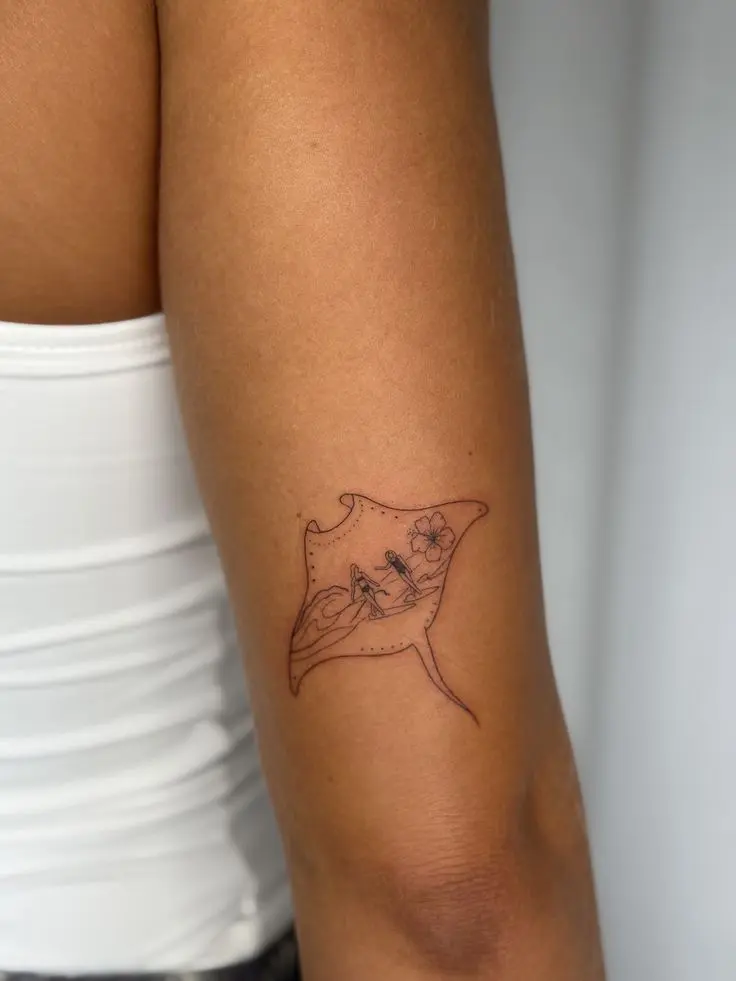
The ocean covers 71% of Earth. We’ve explored maybe 5% of it. Your ocean tattoo should feel just as personal and mysterious—not like the same wave on everyone else’s forearm.
Here’s what actually matters: meaning over aesthetics, artist skill over convenience, longevity over Instagram appeal.
Before you book anything:
1. Save designs that resonate—then research their staying power. That watercolor wave is gorgeous. It’ll also need touch-ups every few years. Know what you’re committing to.
2. Find an artist with water-specific work. Search Tattoodo’s marine life category or Instagram hashtags like #oceantattoo and #wavetattoo. Look for healed photos, not just fresh ink.
3. Book a consultation first. Any artist worth their needles will spend 20-30 minutes discussing placement, sizing, and color choices before the actual appointment. Studios like Chronic Ink offer free consultations—use them.
I’ve noticed the best ocean tattoos come from people who waited until they knew exactly what they wanted. Not the design necessarily—the feeling. The specific memory. The personal connection.
Don’t rush the ocean. It’s not going anywhere.
- 1.2Kshares
- Facebook0
- Pinterest1.2K
- Twitter0
- Reddit0