

Ground care is an invisible but influential factor in the public and private areas because them feel safe and inviting to their visitors. Lawns, paths, communal parks, and open spaces attract regular visits by people for a variety of purposes. If well-managed, risks remain very low, and the environment continues to be healthy. Improperly managed, even the smallest problems will soon escalate into expensive ones. Ground care is not just limited to grass cutting or tidiness anymore. It now connects strongly with safety planning, legal responsibility, and environmental awareness.
Well-planned grounds maintenance supports both people and nature. The practice brings down accident numbers, secures possessions, and demonstrates consideration for nature. This equilibrium is crucial in densely populated cities. Regular cutting, careful litter collecting, and established routines make it possible for the areas to be used without damaging the earth, vegetation, or animals of the locality.
Community trust through visible care
Well-maintained grounds send a message. They show that people and property are valued. This matters in residential areas, commercial sites, and shared public spaces alike. Trust grows when users feel safe and see consistent effort.
In regions where Grounds maintenance Birmingham is part of broader urban care, this visibility plays a role in community confidence. Clean, safe grounds support everyday use without drawing attention to the work behind them.
Understanding liability in shared spaces
Liability often begins with something simple. Uneven grass hides trip hazards. Wet leaves turn paths slippery. Litter creates obstructions or sharp edges. These risks grow when grounds are not inspected regularly. Property managers and site owners carry responsibility for keeping spaces reasonably safe.
Clear maintenance schedules help reduce this exposure. When work is documented and visible, it becomes easier to show that reasonable care is being taken. This matters not just after incidents, but also in preventing them altogether.
• Regular inspections help spot hazards early
• Clear records support accountability and planning
• Consistent routines reduce unexpected safety gaps
Environmental care as a daily practice
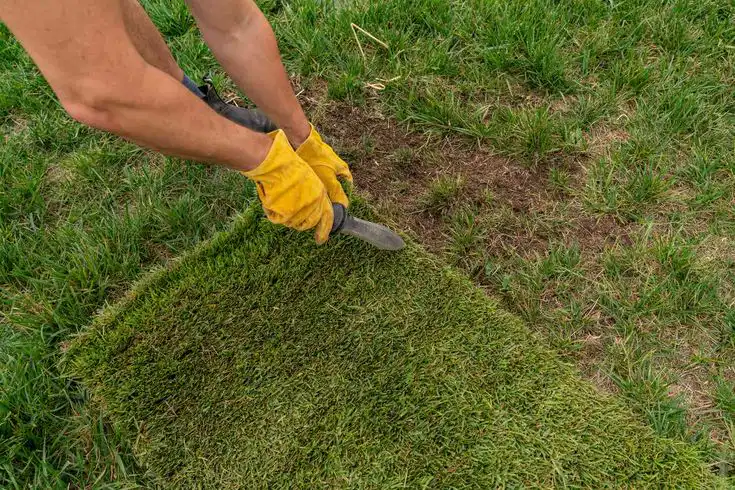
Sustainability in ground care does not require grand gestures. It lives in daily choices. Mowing at the right height protects grass health. Leaving some natural growth supports insects and soil structure. Responsible litter picking prevents waste from entering drains and waterways.
These choices reduce long-term damage and help landscapes recover naturally. Over time, healthier grounds need less intensive repair, saving effort and resources.
Lawn mowing with purpose
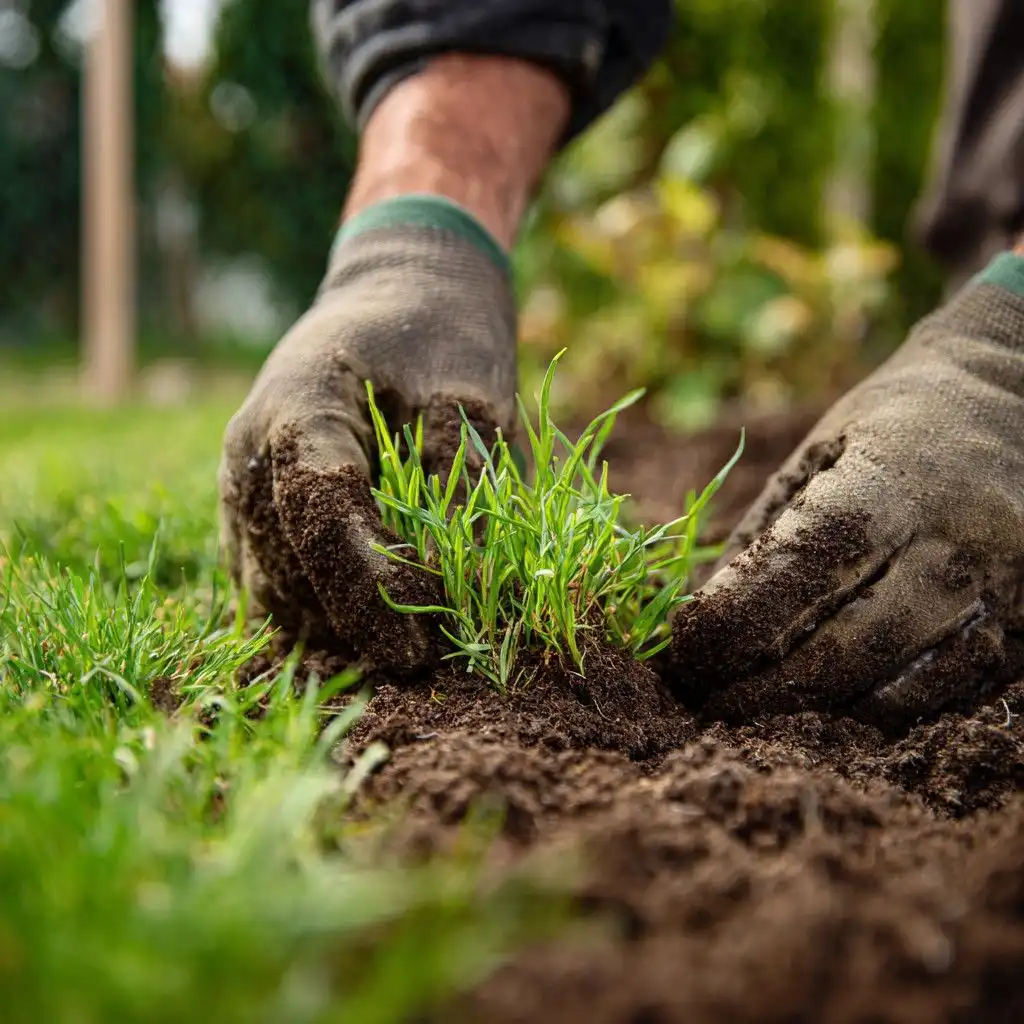
Lawn mowing is often seen as routine, but how it is done matters. When done excessively, the roots are weakened. If done rarely, there is uneven growth. A well-timed approach prevents and beautifies simultaneously.
Mowing done right allows light and visibility in open spaces. This gives people a feeling of security and lessens the risk of accidents due to things being hidden. In case of public areas, this feeling of openness will foster the area’s safer use.
• Maintain consistent cutting heights
• Adjust schedules based on season and growth
• Remove clippings where they may cause slips
Litter picking and public perception
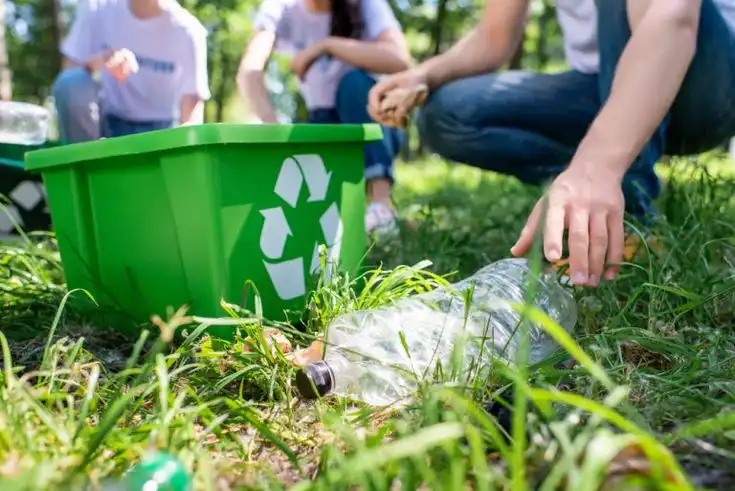
Litter affects more than appearance. Broken glass, metal fragments, and discarded items increase injury risk. Regular litter picking reduces these dangers and improves how people treat the space.
Clean areas tend to stay cleaner. When users see care being taken, they are more likely to respect the environment. This creates a positive cycle that supports both safety and sustainability.
Planning for weather and wear
Ground conditions change with use and weather. Heavy foot traffic compacts soil. Rain creates soft patches. Dry spells stress turf. Effective ground care plans adjust to these changes instead of fighting them blindly.
Flexible scheduling helps teams respond before problems spread. This approach reduces reactive work and supports long-lasting landscapes.
• Monitor high traffic zones closely
• Adjust maintenance during wet or dry periods
• Repair minor damage before it expands

Training and awareness on-site
Ground care teams benefit from clear training and shared awareness. Knowing why certain practices matter helps workers make better decisions on the ground. Safety awareness also protects the team itself during mowing and litter removal tasks.
When staff understand both the legal and environmental impact of their work, quality improves naturally. Small adjustments made in the moment often prevent larger issues later.
Balancing efficiency and responsibility
Modern ground care aims to work smarter, not harder. Efficient routes, planned schedules, and the right tools reduce waste and fuel use. This supports environmental goals while keeping standards high.
Efficiency also helps manage costs tied to liability. Preventive care costs far less than responding to accidents or environmental damage.
• Use planned routes to reduce repeated travel
• Schedule tasks to minimize disruption
• Focus on prevention rather than repair
Here, efficiency also supports worker well-being. Clear task flow reduces rushed movement and mistakes. When teams know what comes next, work feels calmer and more controlled. This lowers fatigue and helps maintain focus across long days. Balanced workloads also mean machines last longer, and fuel use stays reasonable, which quietly supports both budgets and environmental goals over time.
Long-term value of thoughtful maintenance
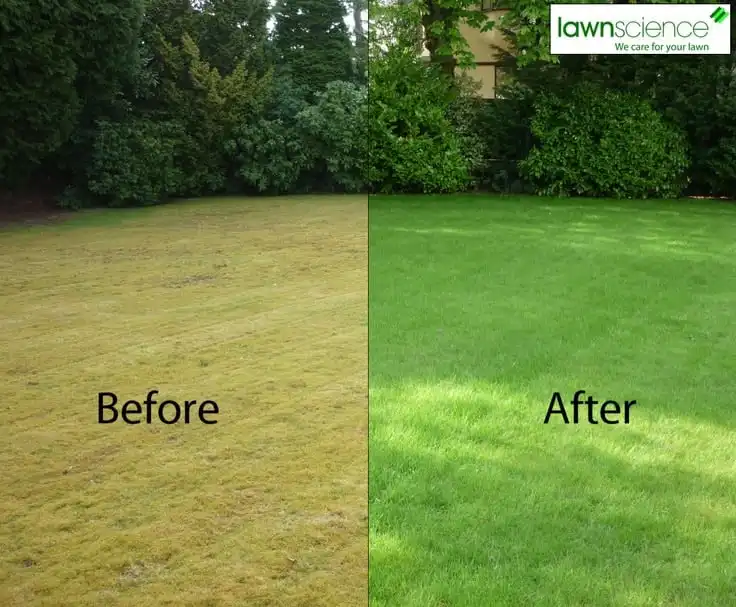
Over time, consistent ground care builds resilience. Lawns recover faster. Paths stay clearer. Waste problems decline. This long view supports both legal protection and environmental health.
For property owners and managers, this approach reduces stress. Fewer surprises mean steadier budgets and safer spaces. For users, it means environments that feel reliable and cared for.
In areas supported by Grounds maintenance Birmingham, long-term planning often shows how small daily actions add up. The result is not just neat grounds, but spaces that work well for everyone.
Ground care does not need to be loud or flashy to be effective. The value of grounds maintenance is seen when there are no issues, when there is a smooth and safe way, and when there is a reliable condition of the vegetation. Maintenance of the grounds, through its emphasis on safety, sustainability, and stability, continues to support both the people and the environment in a very durable way.
- 1share
- Facebook0
- Pinterest1
- Twitter0
- Reddit0