Photographs have a quiet way of settling into a home. They arrive with stories attached, but over time they begin to feel less like objects and more like part of the backdrop of daily life. A hallway portrait you pass every morning, a faded print by the stairs, a small picture frame on a shelf that catches the light in the afternoon. These are not statements. They are companions.
Why photographs age well on walls
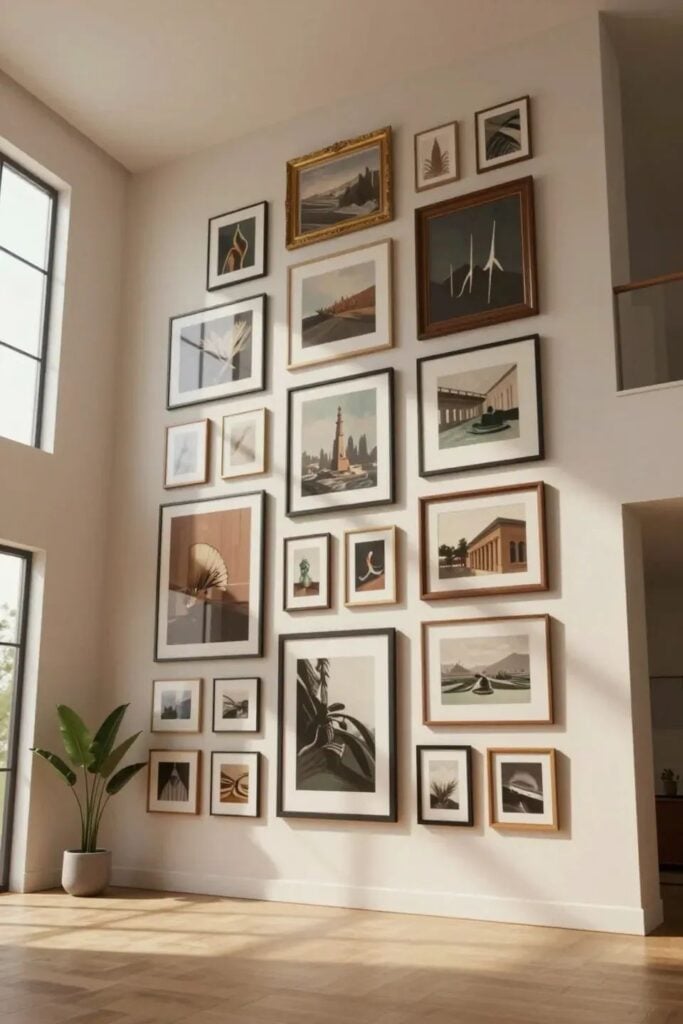
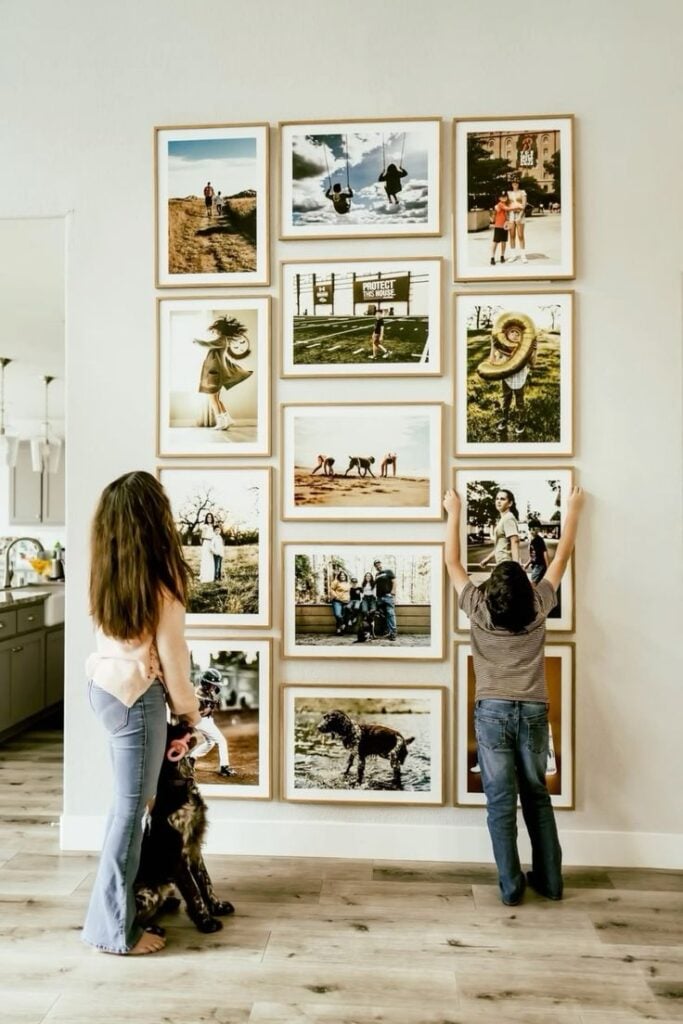
Unlike most decor choices, photographs rarely feel dated. Furniture styles shift and colours cycle in and out, but a photograph holds its ground. Even when fashions move on, the image stays anchored to a moment that mattered. This is why older homes often feel richer for their pictures, not poorer. The marks of time add to the atmosphere rather than detract from it.
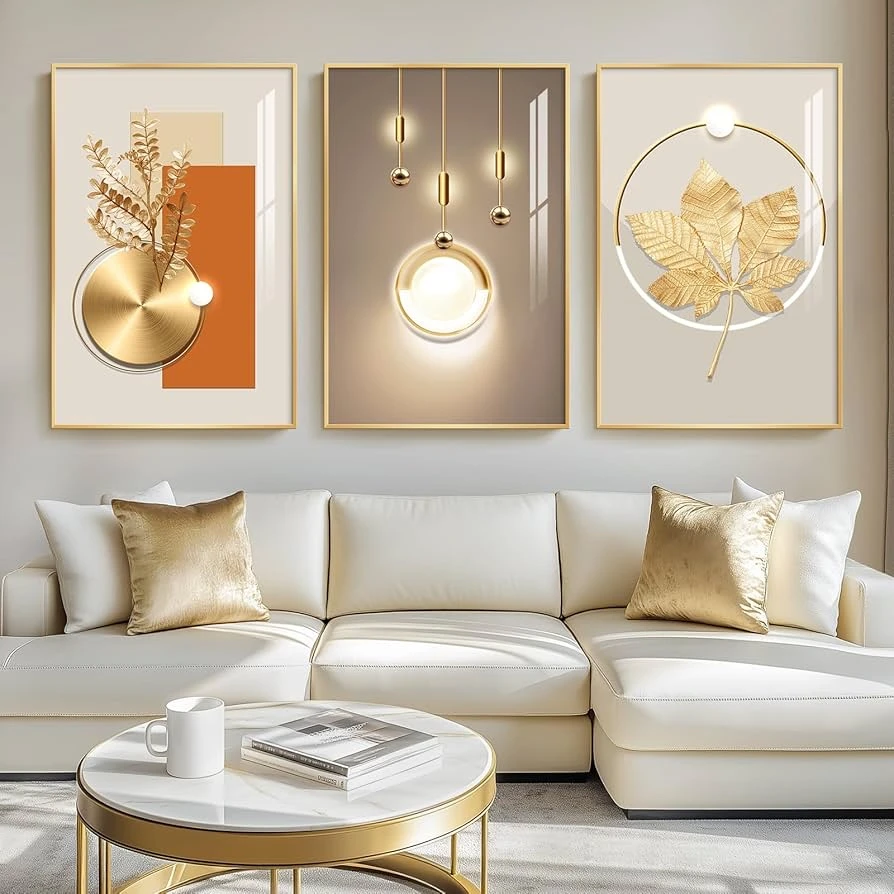
The trick is not chasing perfection. Slightly worn edges, a bespoke picture frame that no longer matches the room exactly, a framed print that has softened with age. These details give a home credibility. They suggest it has been lived in rather than styled for a weekend.
Placement matters more than size
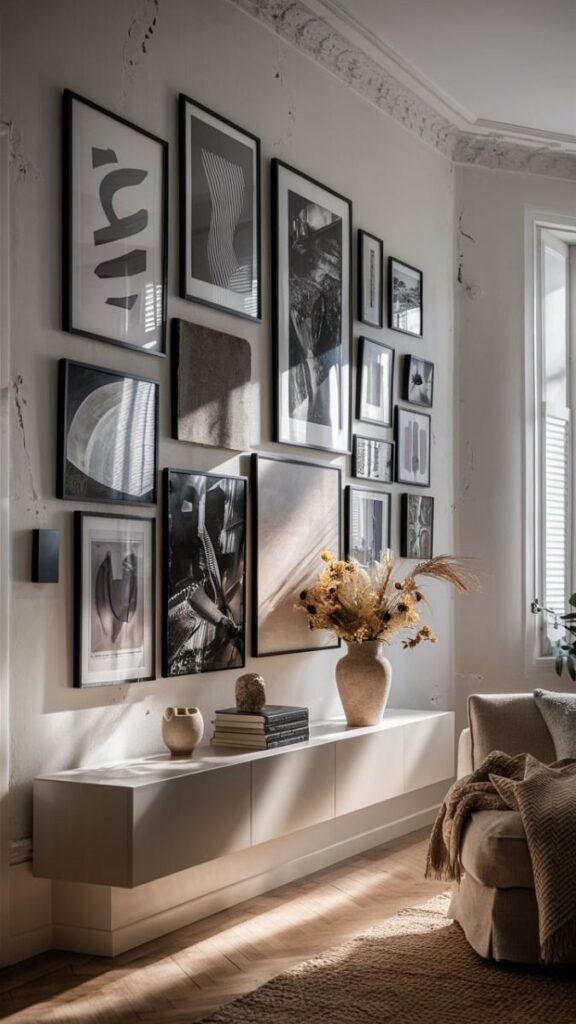
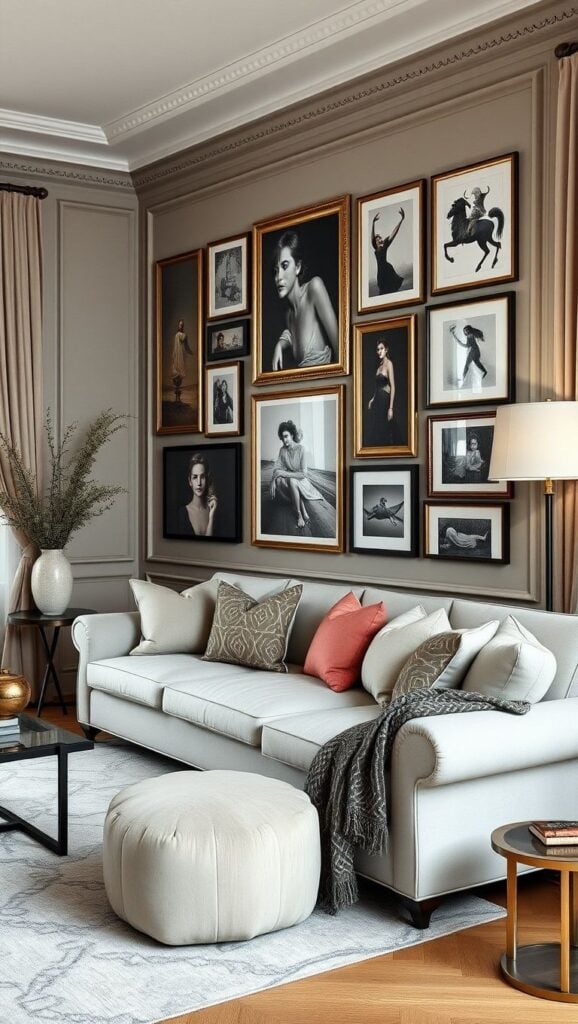
Many people worry too much about choosing the right size print and not enough about where it will live. A modest framed photograph placed where you naturally pause will have more presence than a large piece hung where nobody looks. Think about the places your eye already travels. Along staircases, near light switches, beside doorways, above desks.
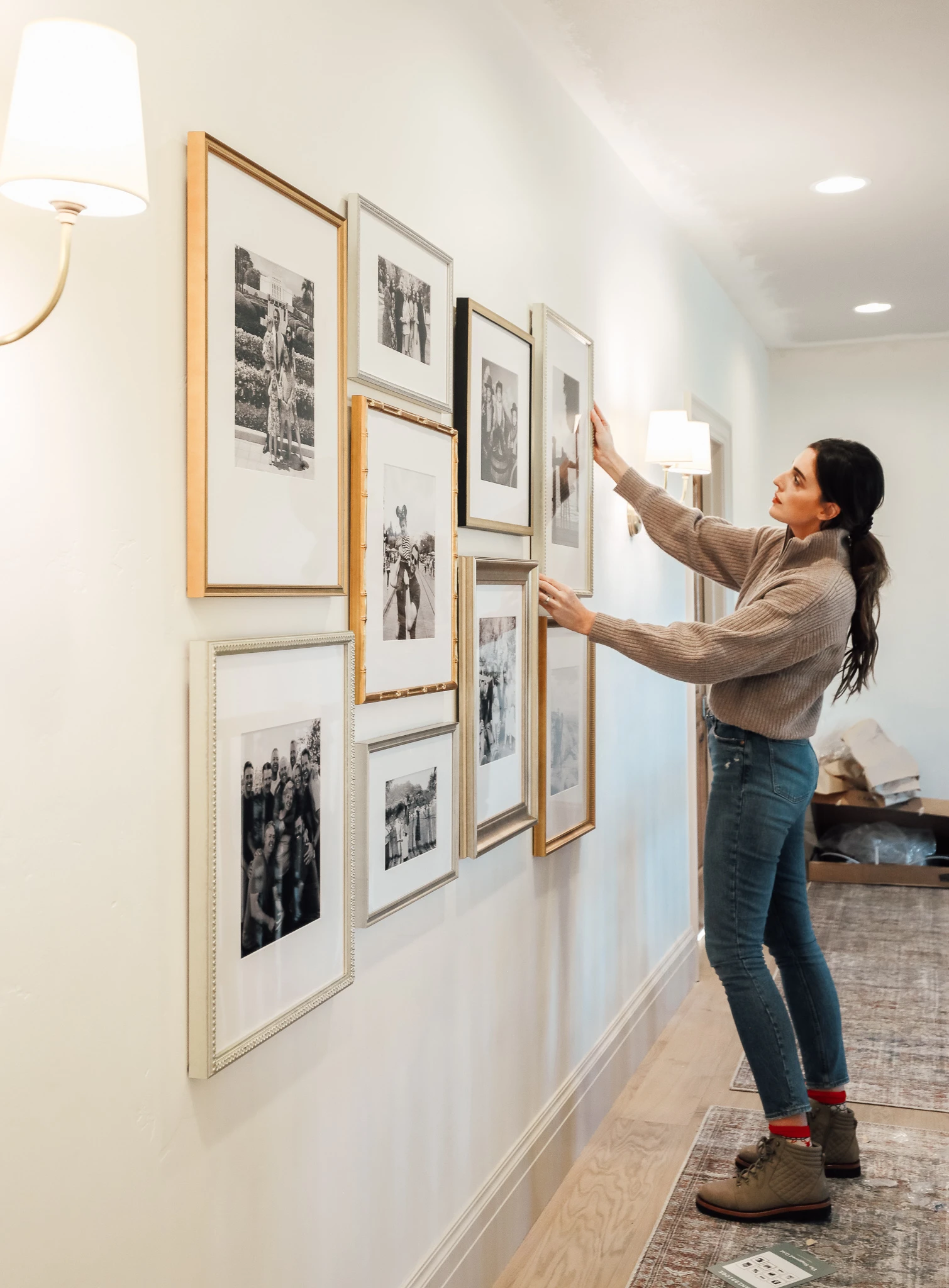
It is also worth resisting the urge to centre everything. A slightly off-centre photograph often feels more natural, especially in older properties where walls are rarely perfectly square. Trusting the space usually leads to better results than forcing symmetry.
Frames as part of the story
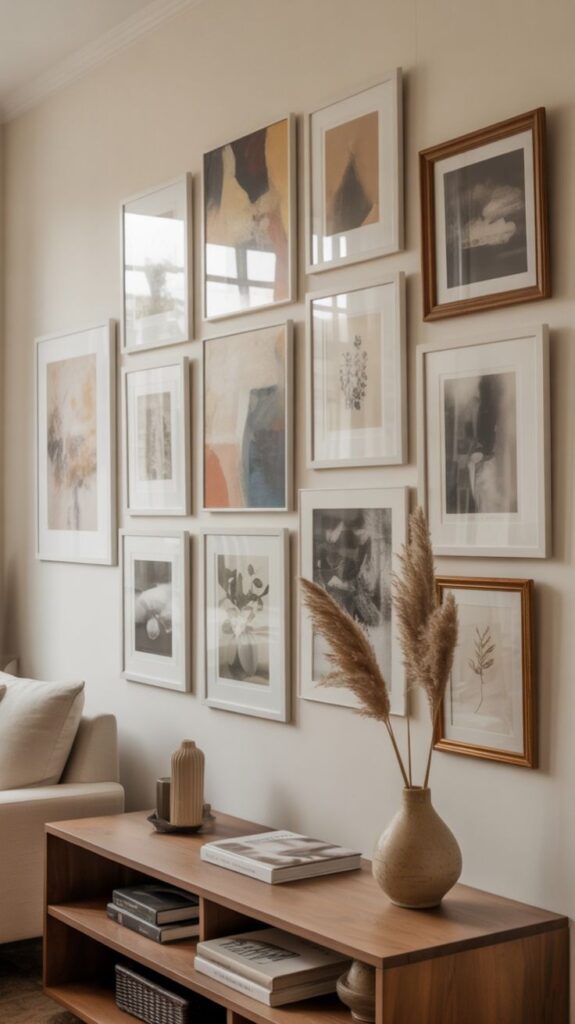
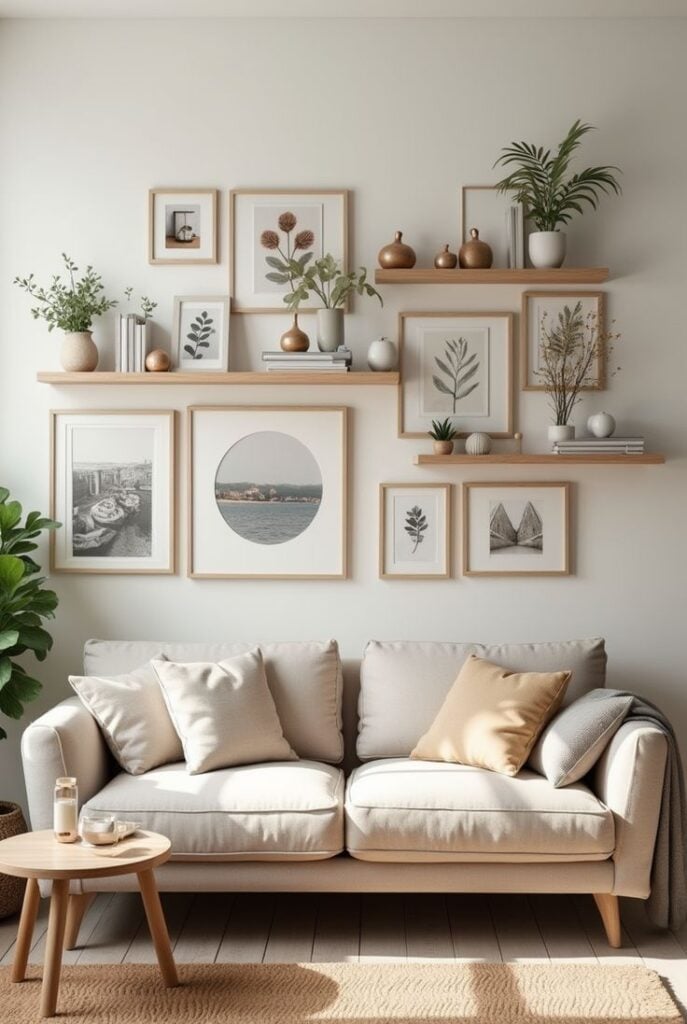
Picture frames are often treated as an afterthought, but they play a quiet supporting role. A simple frame lets the image speak, while a heavier one can add weight to a small print. Mixing frames can work well if there is a common thread, such as similar depths or tones, rather than trying to match everything exactly.
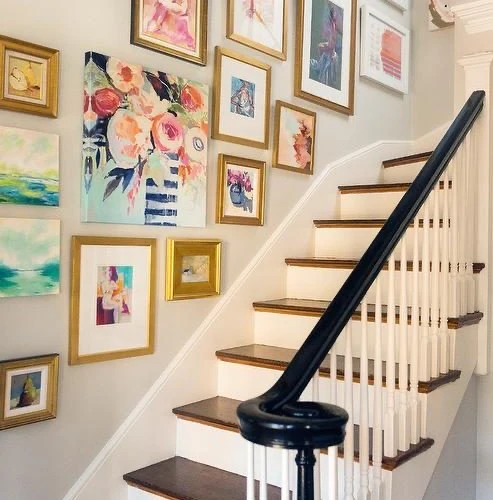
Glazing choice and mount size matter too, even if they are rarely discussed. A little breathing space around an image helps it feel intentional. Without it, photographs can feel cramped, especially on busy walls.
Let rooms change around the pictures
One of the most reassuring things about photographs is that they can outlast the room they are in. Sofas are replaced, walls get repainted, shelves move. The photograph stays, quietly adapting. Sometimes it ends up in a different room altogether, carrying its history with it.
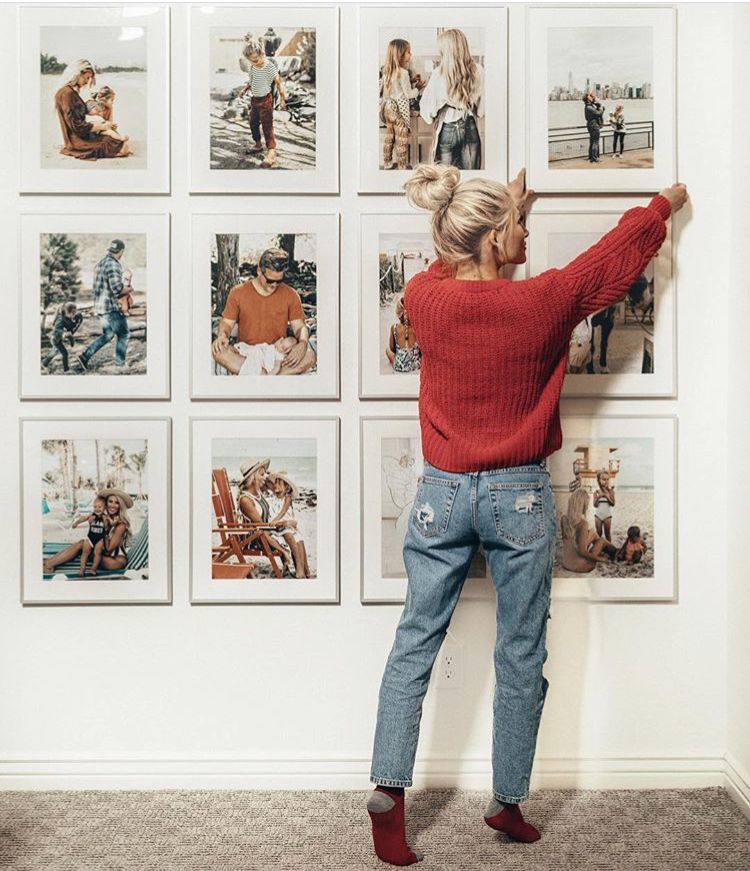
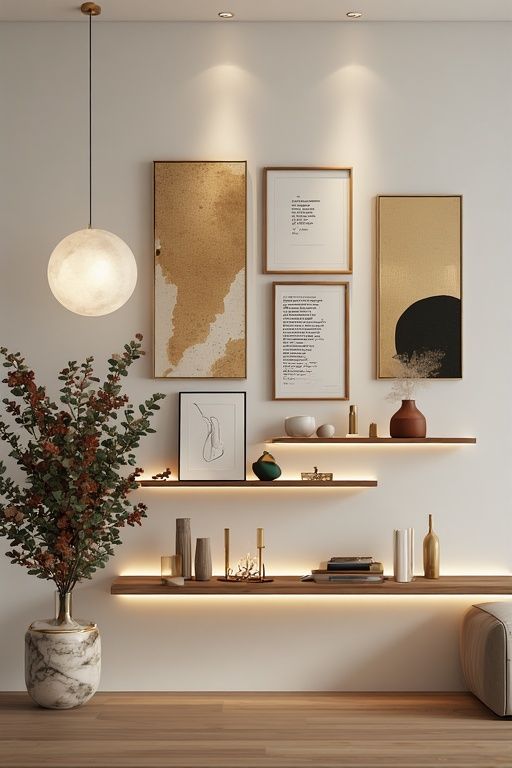
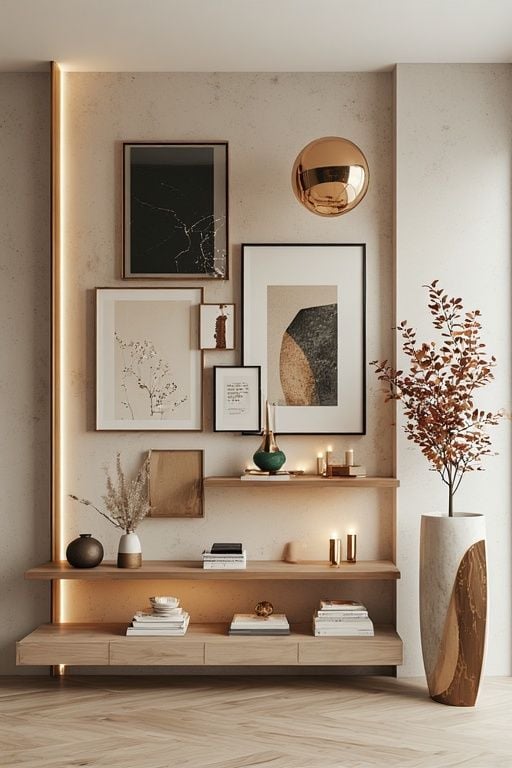
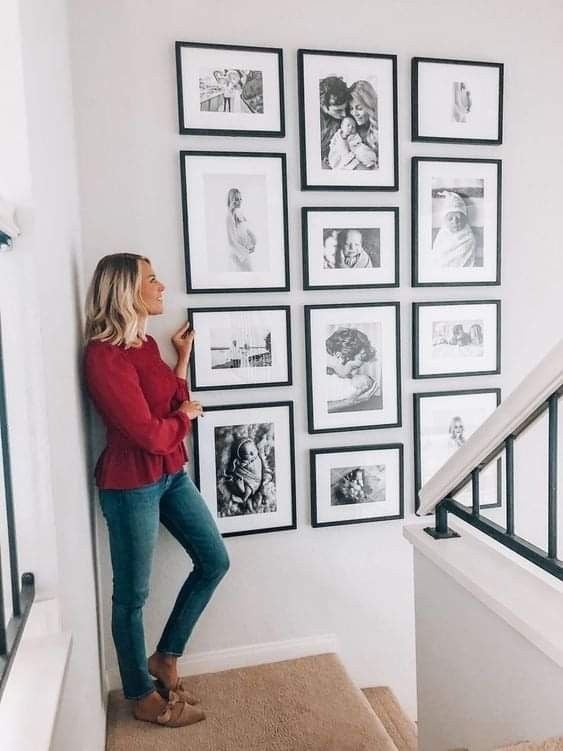
Allowing this movement makes a home feel more organic. Not every photograph needs a permanent home. Some can drift, others can rest for years in the same spot. Both approaches are valid.
A home that remembers
In the end, photographs on walls are less about decoration and more about memory management. They remind us where we have been without demanding attention. They sit alongside us while we cook, work, argue, and relax.
A well-lived home does not curate its photographs too tightly. It lets them breathe, age, and occasionally clash. That is usually when they feel most at home.
- 22shares
- Facebook0
- Pinterest22
- Twitter0
- Reddit0