Visuals have been key for digital communication for a while. A good image can build a brand, back up a message, or move a user to do something. Now, digital behavior is changing, and regular visuals are being updated to interactive designs. Scannable visuals are a big part of this; instead of just showing info, they link users right to it.
Designers in different industries are getting into this because it fixes a real issue: folks want faster access and easier ways to connect offline and online. Smart, scannable images do just that.
Why Visuals Needed an Update
People today skim content. They scroll fast, do many things at once, and want content that works smoothly. Normal materials like posters, banners, business cards, and packaging are still needed, but they don’t do as much because users have to search for more info themselves.
Designers saw that if content could guide users instantly, without extra steps, more people would engage. This is proven. Brands using interactive visuals see better click-through rates, easier onboarding, and more customer interest.
Turning images into entry points is a smarter use of space.
Scannable Design Is Getting More Popular
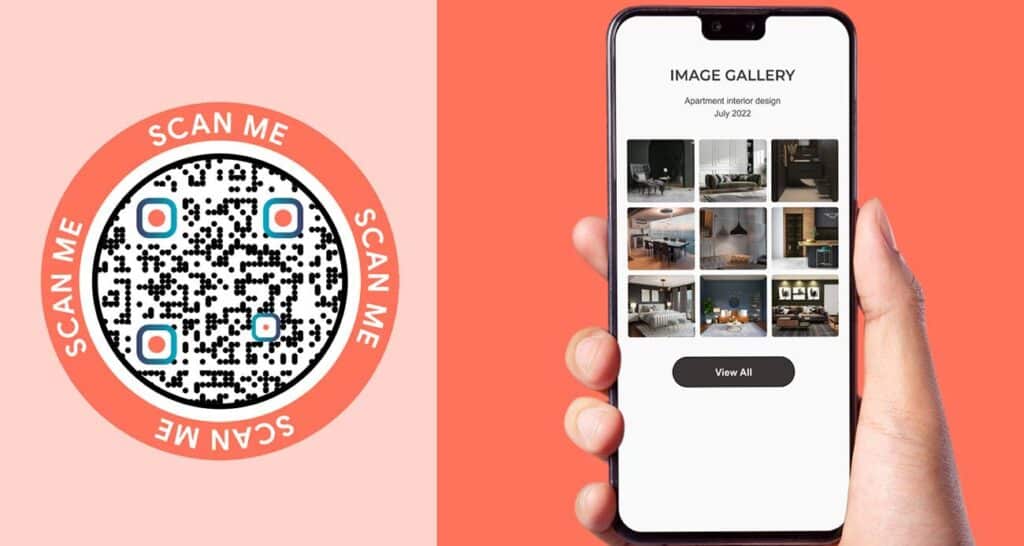
Before, QR codes were just functional and not pretty, just small boxes in the corner. Now, designers are changing their role, adding them to the visual look.
This change is happening for 3 reasons:
1. They make it easier for users
One scan takes someone right where they need to go: a booking page, a gallery, an offer, a menu, a demo, or a download link. The easier it is, the more people will do it.
2. They connect offline and online
Print materials are now digital doorways. A poster can go to a lookbook. A tag can open a guide. A brochure can become a signup. Designers can make a full experience from an image.
3. They look cleaner
Now, QR codes can match colors, shapes, logos, and styles. They don’t mess up the look; they make it better.
How Designers Use Smart Images

Scannable images are becoming standard in branding, marketing, retail, events, and hospitality. Here’s how teams are using them:
Branded business cards with profiles
Instead of typing an email or searching a site, people can scan visuals to open contact info or a portfolio.
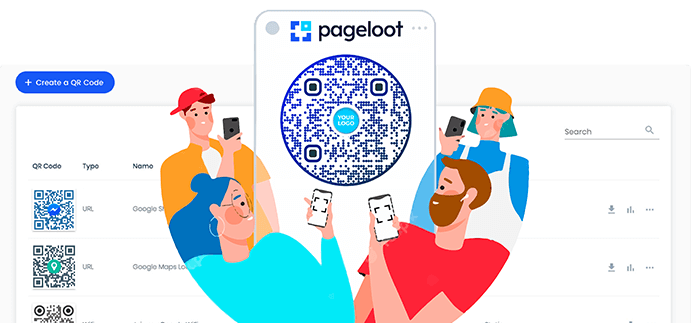
Many teams use tools that turn images into scannable assets, like a profile picture or a graphic, often starting with a simple image to qr code conversion to streamline the process.
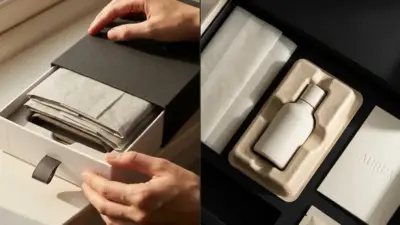
Product packaging that explains
A scan can give instructions, behind-the-scenes content, reviews, or info.
Event materials that make check-ins easier
Badges, posters, and kits can link guests to schedules, maps, or registration with a scan.
Interactive portfolios
Designers add scannable parts to case studies, so viewers can see prototypes or mockups.
The goal is to keep things easy.
Why This Matters for Designers

Scannable visuals aren’t just easier; they change how designers plan and show info. A good visual doesn’t just look nice; it helps guide users.
1. Design is more strategic
Every asset has a purpose: What should the user do? Where should they go? How does this help the brand?
2. It makes visual work better
Clients don’t just get an image; they get a functional point that saves time, gets more people involved, and helps the business.
3. It brings new ideas
Logos and patterns can be part of a scannable part. Designers are trying new code styles to make each asset special.
Challenges for Designers

Scannable images have things to keep in mind:
- The visual must be readable by scanning apps
- Contrast must be high enough
- The layout can’t cover it up
- The user must know where to go after scanning
Good designers think about this early. They test sizes and backgrounds to be sure it works in real life.
What’s Next for Scannable Visuals
As digital use grows, scannable images will be added even more into branding. Expect:
- Creative QR designs around logos
- Animated elements in video content
- Packaging that adjusts content by location or time
- Displays that change after each scan
- Better integration in retail and hospitality
Visual communication is active and responsive.
Conclusion
Smart visual assets are changing how brands talk. They make things easier, involve users, and help designers connect physical and digital experiences.
Turning an image into a scannable entry point gives users what they want: clear, fast access.
For designers, this is a chance to make visuals that not only look good but also work well.
- 0shares
- Facebook0
- Pinterest0
- Twitter0
- Reddit0