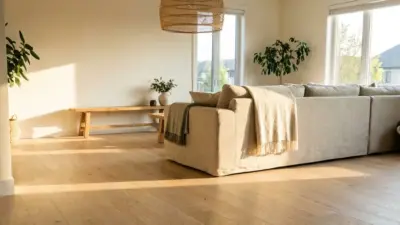
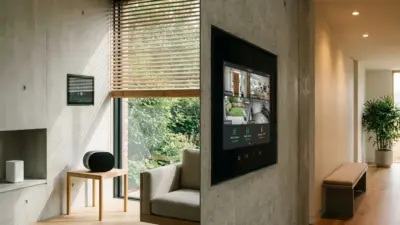
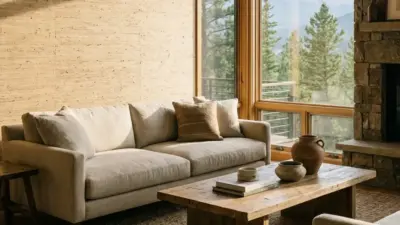
Warm minimalism interior design is all about striking the perfect balance between simplicity and coziness. If you love the calm, uncluttered feeling of a minimalist home but crave a softer, more welcoming atmosphere, this style offers the best of both worlds. In this ultimate guide, you’ll learn how to transform your home into an inviting sanctuary, one that highlights neutral color schemes, organic shapes, layered textures, and as-needed pops of color. You’ll also discover how to choose lighting, furniture, and decor pieces that stay true to minimalism while infusing welcoming warmth. By the end, you’ll be fully equipped to curate a space that feels refined yet comfortable, modern yet personal.
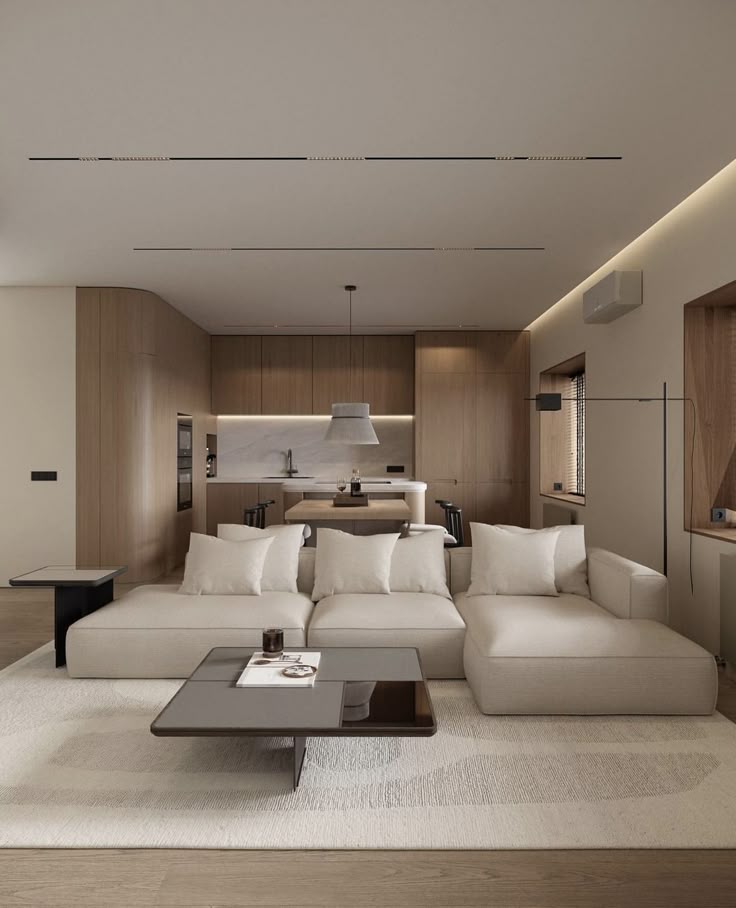
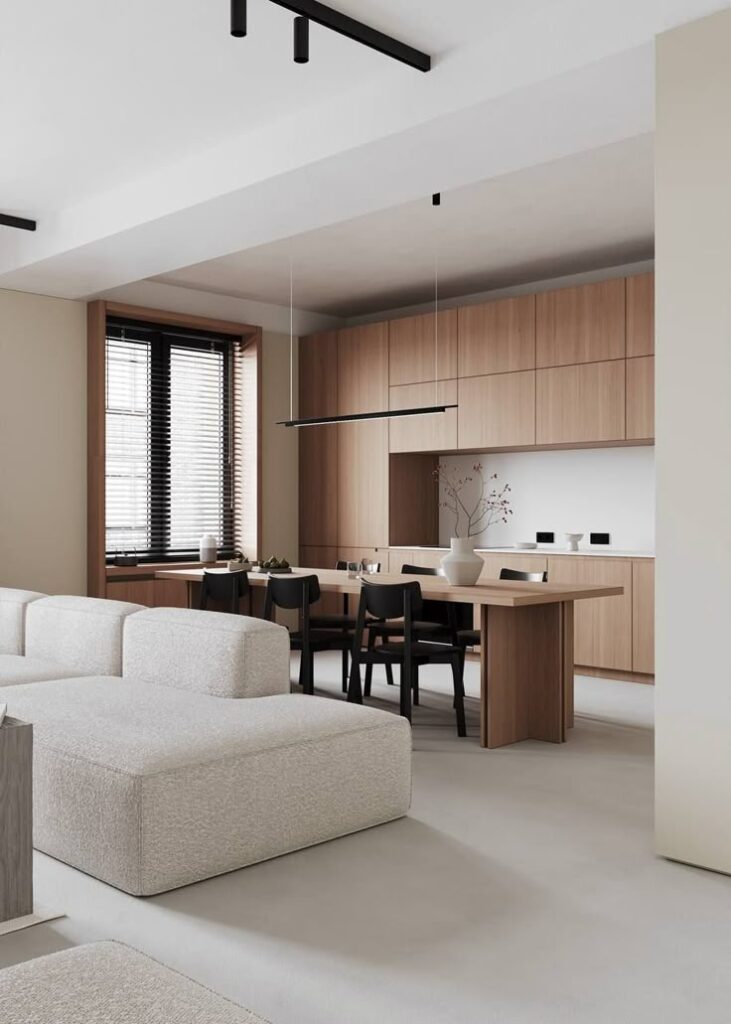
Whether you’re designing a snug bedroom retreat or refreshing a light-flooded living room, warm minimalism puts quality over quantity. Get ready to discover techniques, tips, and real insights from top experts like The Spruce, Benjamin Moore, and Scandinavian Designs to help you create the perfect haven for restful living without compromising on style or function.
Explore warm minimalism
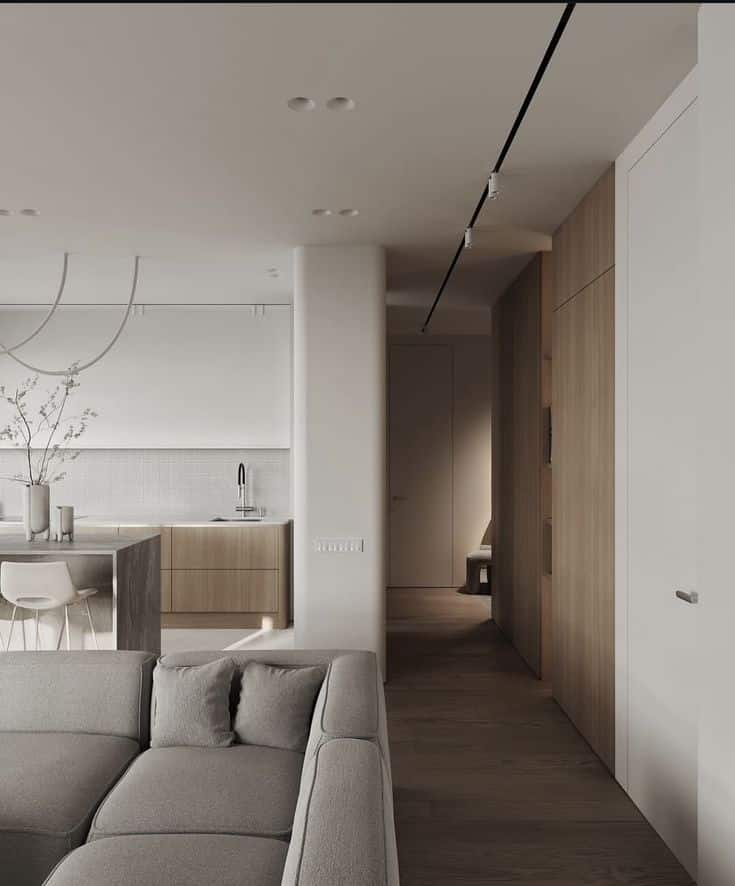
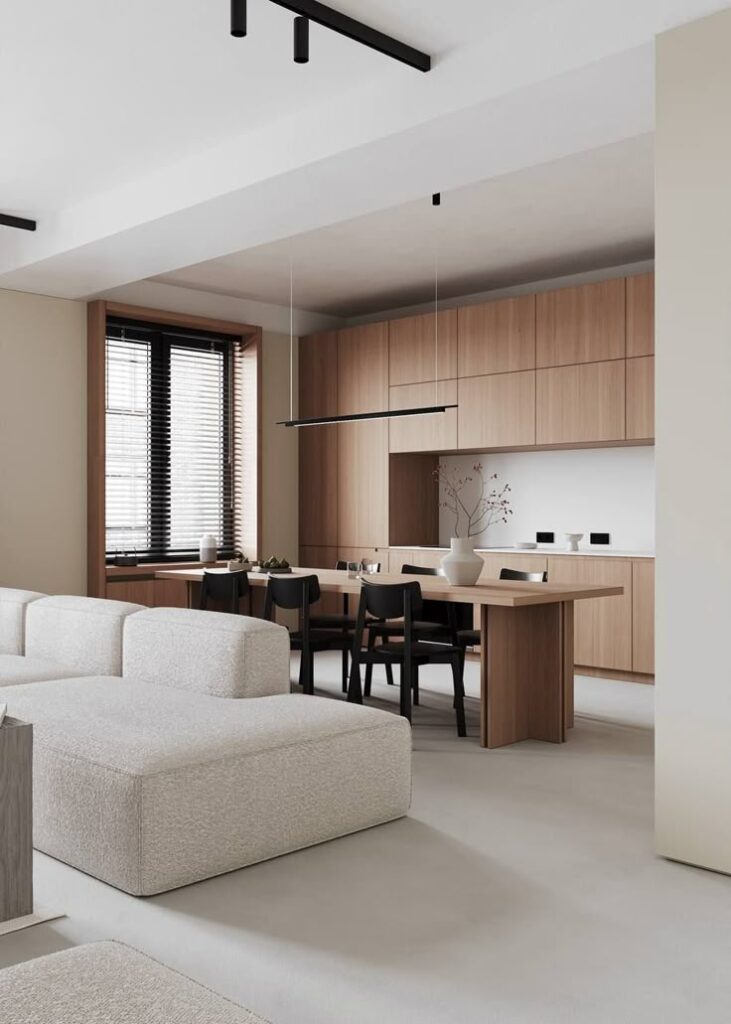
Warm minimalism focuses on combining the simplicity of minimalism with the comfort of organic materials and neutral tones. According to The Spruce in 2025 (The Spruce), you’re not just removing clutter. You’re layering gentle colors, subtle textures, and personal flourishes that underline a sense of peace. Warm minimalism sets itself apart by embracing items that have meaning, so your interior feels human and inviting rather than sterile.
Unlike traditional minimalism, which can sometimes be viewed as cold or austere, warm minimalism offers a relaxing vibe that suits both city apartments and suburban homes. The emphasis is on high-quality rather than numerous items, focusing on craftsmanship, natural finishes, and playful shapes. This style also encourages a gentle accent here and there, such as a soft terracotta pillow or a burnt orange throw, to elevate the space. Each piece, from the coffee table to the artwork on your walls, tells a story without overwhelming the room.
Core characteristics
- Clean lines with softened edges: You can combine straight silhouettes with curved furniture or decor to balance structure and warmth.
- Neutral and earthy palettes: Think creamy whites, beiges, or taupes as your base, with muted earth tones like terracotta or sage for contrast.
- Personal yet uncluttered: Use a “less is more” approach, but keep meaningful objects that reflect your personality.
- Organic materials: Linen, wood, and plant fibers feature heavily to ensure your interior remains cozy and grounded.
Build your neutral base
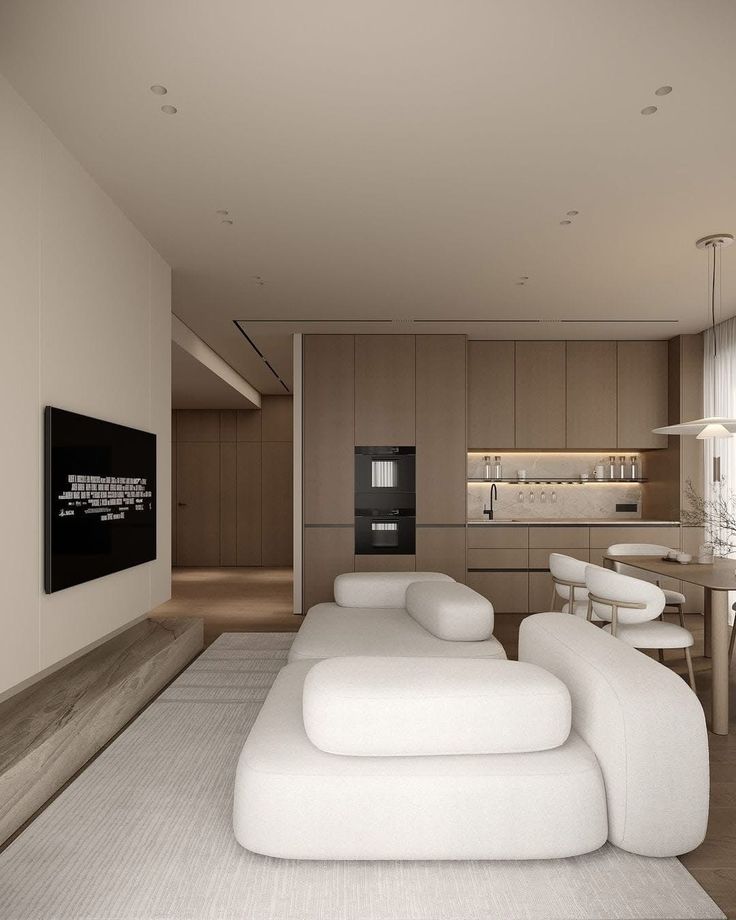

Color is the backdrop that sets the tone for your entire interior. In warm minimalism interior design, neutrals such as creamy whites, pale sand, or soft beige are used generously. Collections like the Scandinavian Minimalism palette by Sherwin-Williams in 2026 (HGTV Home by Sherwin-Williams) present calm, understated hues perfect for creating a welcoming environment.
According to Benjamin Moore (Benjamin Moore), deeper tones like navy, forest green, or black can also play a role in warm minimalism. They add a touch of drama without stealing the show. For instance, consider painting a single accent wall in a soft gray or subtle clay hue. This can serve as an elegant focal point, especially if the rest of your walls are in light neutrals. Just be careful not to overpower your space, ensuring your color choices maintain a sense of calm and harmony.
Selecting paint finishes
- Matte or eggshell sheens work well for walls since they give a subtle, sophisticated feel.
- Satin finishes on trim can highlight architectural details while blending nicely with the neutral palette.
- Experiment with low-contrast transitions such as painting doors and walls in similar colors. This helps you create a seamless flow that feels relaxing.
- Stick to warm undertones. Balanced warmth in your primary paint choices is the key to avoiding a clinical vibe.
Add organic materials
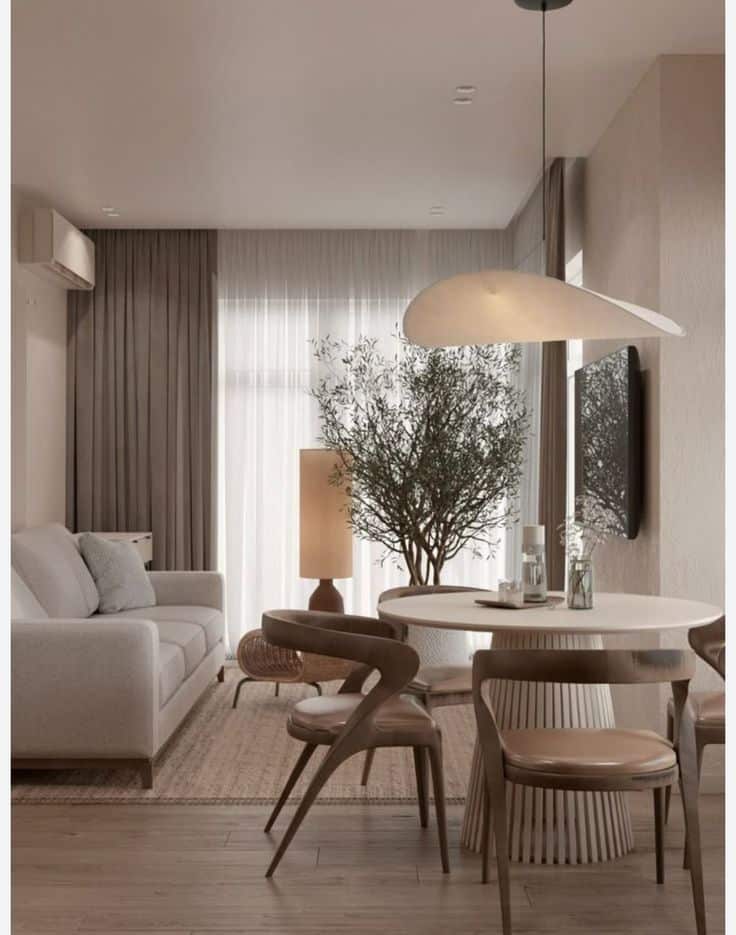
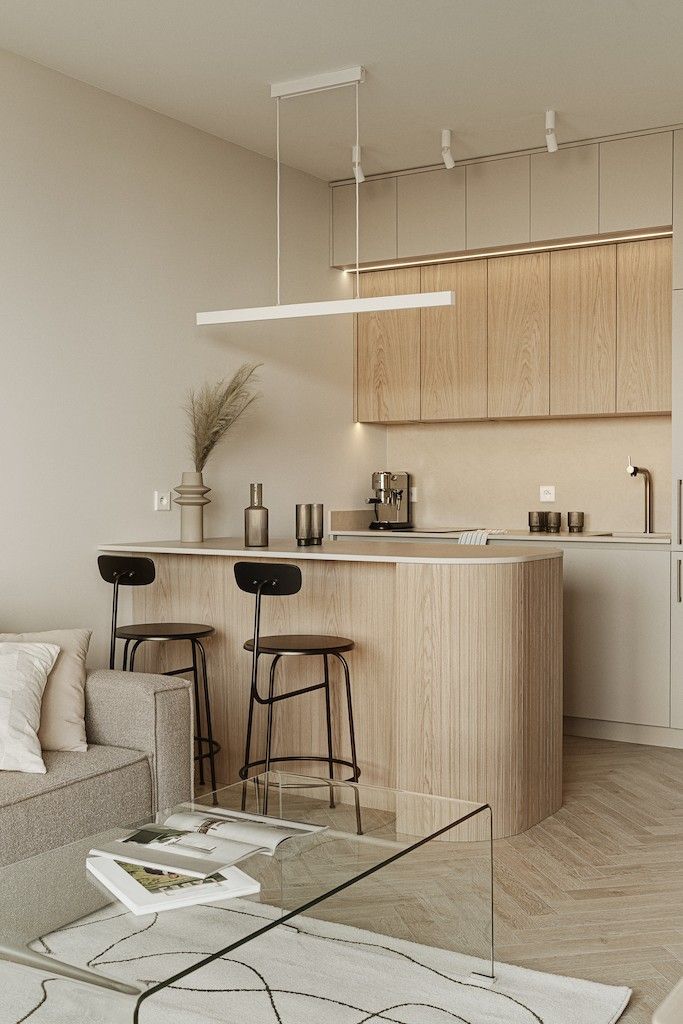
When it comes to warm minimalism, nature is your best friend. Integrating organic materials like wood, stone, jute, or rattan adds character without overcrowding the space. Scandinavian Designs points out that materials such as cotton, linen, and wool not only instill warmth but also harmonize with minimalism’s focus on simplicity (Scandinavian Designs). In essence, you want to bring cues from the outdoors in, creating an environment that feels grounded and visually soothing.
Pairing wooden furniture with raw stone accents is a powerful way to maintain both functionality and elegance. For instance, a timber-framed accent chair layered with a neutral-toned linen cushion can serve as a subtle statement piece in your living room. Rattan baskets or jute rugs are equally impressive for storing throws or softening wooden or tiled flooring. The idea is to let these natural elements speak for themselves without over-adorning the space, so you can keep things simple yet impactful.
Mindful material choices
- Opt for real wood or stone surfaces if possible. Cheaper substitutes can diminish the overall effect.
- Use textiles like linen or cotton for window treatments, bedding, and upholstery.
- Embrace warm-toned metals, such as copper, brass, or antiqued gold, for subtle touches in side tables, lamp stands, or hardware.
- Steer clear of plastics or synthetic materials when you can, and focus on hearty, timeless materials that age gracefully.
Layer cozy textures

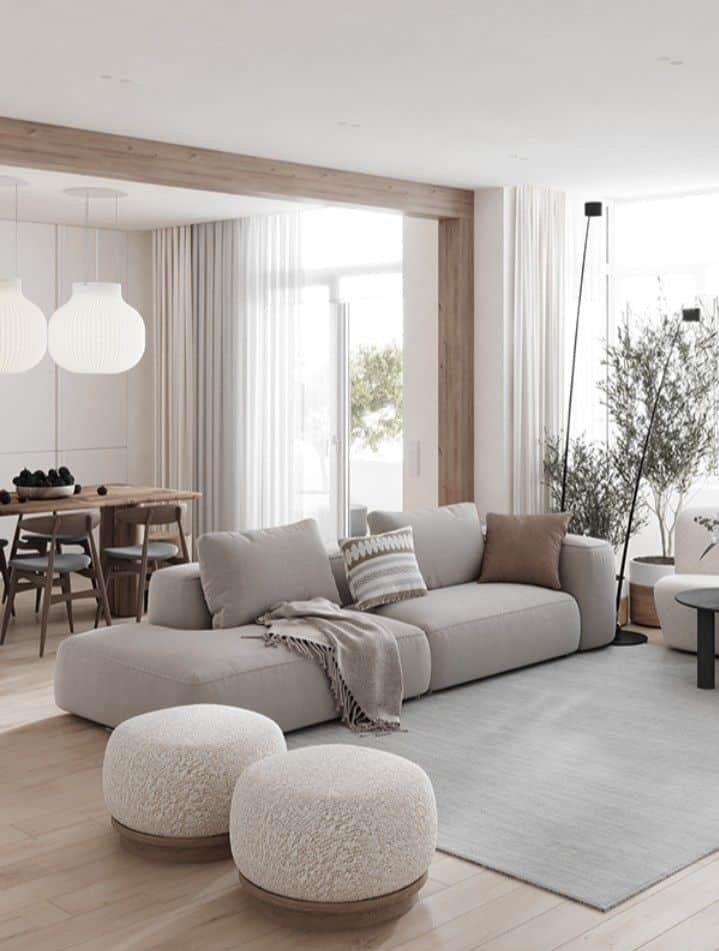
Texture is essential in warm minimalism interior design. By layering a variety of fabrics and finishes, you add dimension that keeps the space from feeling too sparse. According to both The Spruce (The Spruce) and Suzie Anderson Home (Suzie Anderson Home), this is crucial. Consider soft throw blankets, plush area rugs, and tactile pillows in materials like boucle, mohair, or wool. Each layer adds a new sensory feel, making your home more comforting and lived-in.
You can achieve subtle contrast by combining smooth, matte surfaces with more tactile ones. For instance, a marble coffee table can pair beautifully with a fluffy wool rug. Vertical layering is also worth exploring. Add linen drapes with an understated texture, or install lightly patterned wallpaper in a neutral shade for a gentle visual break. By deliberately mixing textures, your home feels dynamic, yet you never stray far from minimalism’s guiding principle of simplicity.
Practical layering tips
- Balance heavier textures (like chunky knit throws) with lighter ones (like cotton pillow covers) to avoid visual overload.
- Keep color variation subtle. Your curly boucle chair cover can match or complement the neutral palette.
- Extend texture to your lighting fixtures with hammered metal or textured glass.
- Maintain consistency in style by choosing textures that align with a natural, earthy look.
Choose meaningful decor
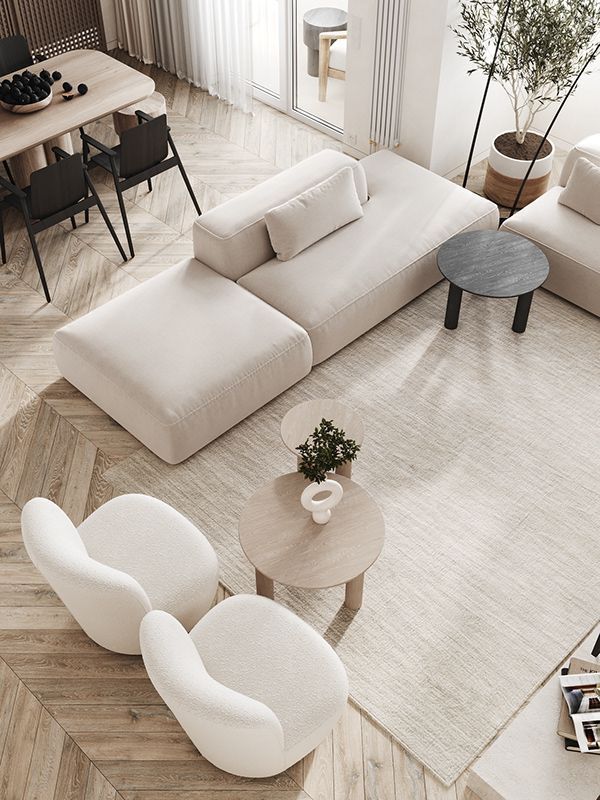
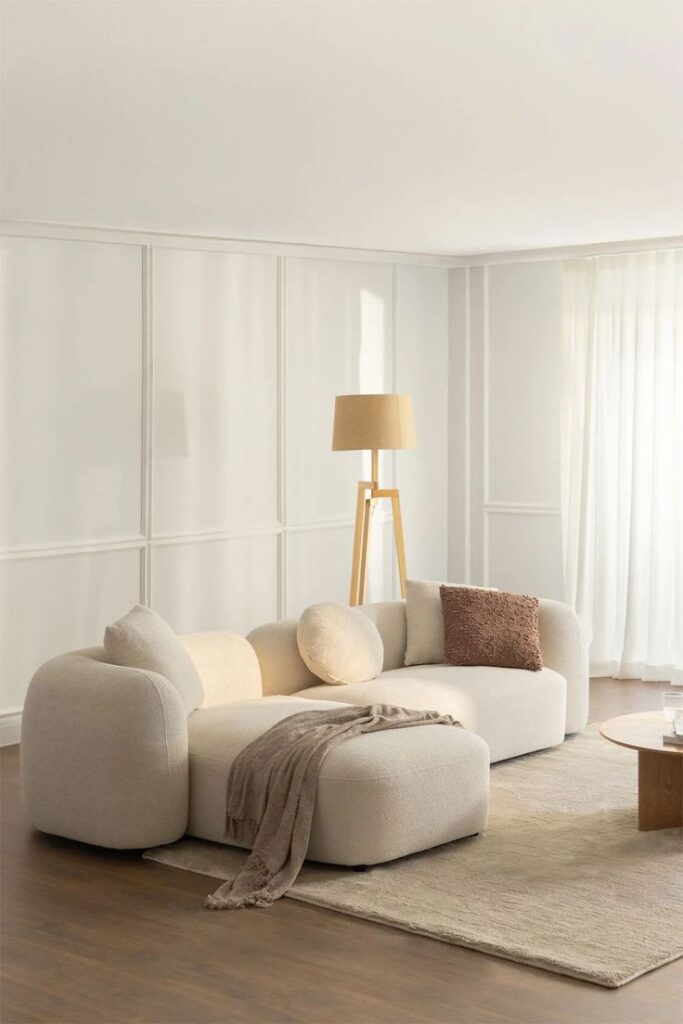
Warm minimalism aims to avoid a stark, impersonal appearance by allowing carefully selected decor pieces that tell a story. This could mean showcasing a handcrafted clay vase passed down through your family or a simple abstract painting you picked up on vacation. The Spruce explains that personal touches help maintain a welcoming atmosphere without turning your home into a cluttered gallery (The Spruce). The goal is to let each object shine while preserving open space for a calm vibe.
When introducing decorative items, look for simplicity of form. Curved shapes, organic silhouettes, and minimal patterns can sit comfortably in a warm minimalist room. A single statement piece on a fireplace mantel or an understated sculpture on a bookshelf can feel far more impactful than multiple collectibles. Plants also serve as living decor, infusing color and fresh air into your home. Opt for easy-care varieties like snake plants or dracaenas to keep the look crisp and intentional.
Tips to avoid clutter
- Limit your decor to a few curated items per room.
- Focus on quality and craftsmanship. Handmade artwork or artisan pottery can become a conversation starter.
- Group items in odd numbers (like three vases of varying heights) for a visually pleasing arrangement.
- Aim for blank space around your decor to give each piece breathing room. Empty surfaces can be just as impactful as filled ones.
Optimize your lighting
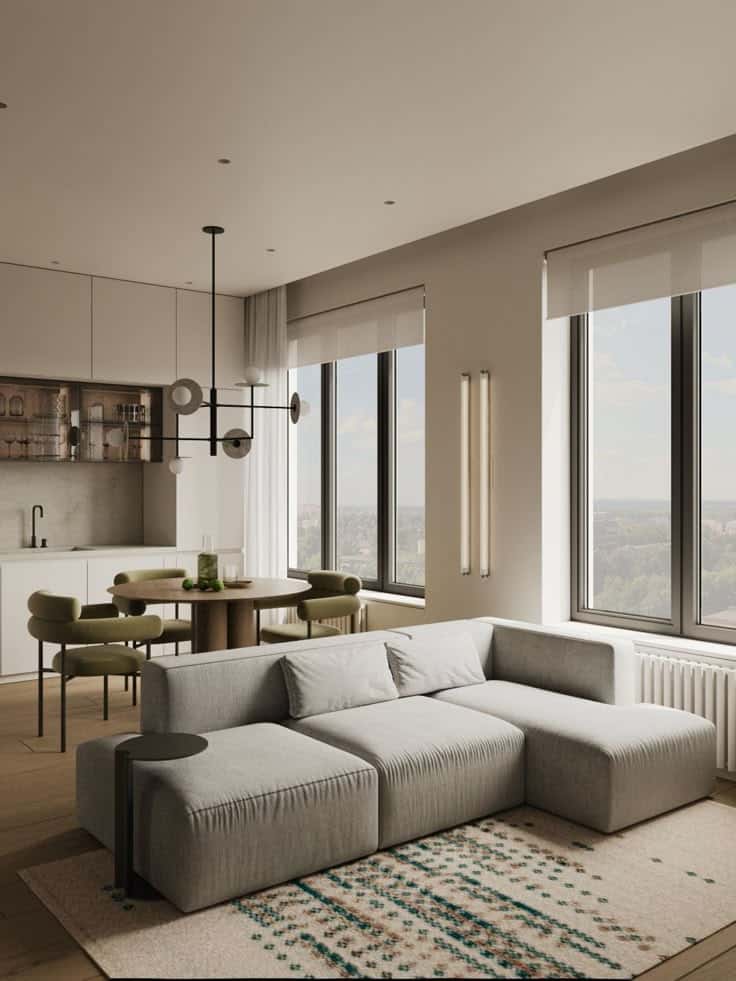
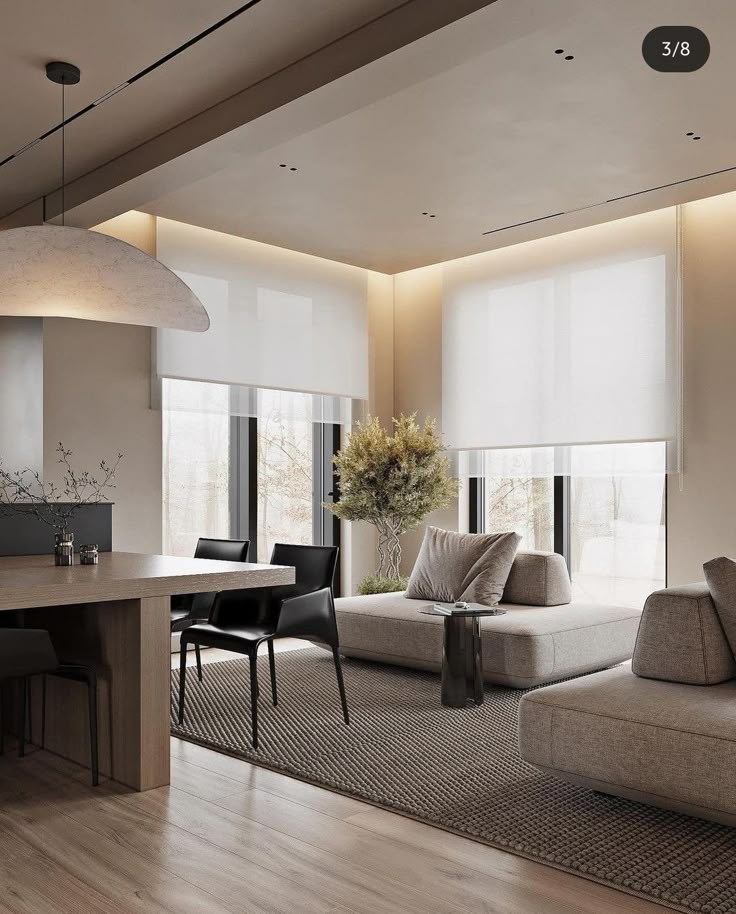
Light, both natural and artificial, is a key player in warm minimalism interior design. Soft, diffused lighting adds an inviting glow that suits the style’s cozy vibe. Sherwin-Williams suggests using tall windows for maximum daylight alongside sheer or semi-opaque curtains (HGTV Home by Sherwin-Williams). This way, you can let in sunlight while maintaining a level of privacy. Large windows also visually expand your space, making it feel open and airy.
Even if your home doesn’t have abundant natural light, you can replicate the same effect with layered fixtures. Pair a warm pendant light with a softer, ambient lamp on a side table. Use LED strips or wall sconces to highlight architectural features like textured walls or wooden beams. A few well-chosen candles can also heighten the relaxed ambiance. Also, consider the color temperature of your bulbs. Aim for about 2700K to 3000K to maintain a warm, soothing glow.
Smart lighting choices
- Mix general lighting (pendants, overhead fixtures) with task lighting (table lamps) and accent lighting (spotlights, decorative sconces).
- Choose warm or soft white bulbs to complement neutral color schemes.
- Use dimmers or smart devices so you can tailor light levels to different times of day.
- Emphasize natural materials, such as lamps with linen or rattan shades, to keep your design cohesive.
Declutter with intention
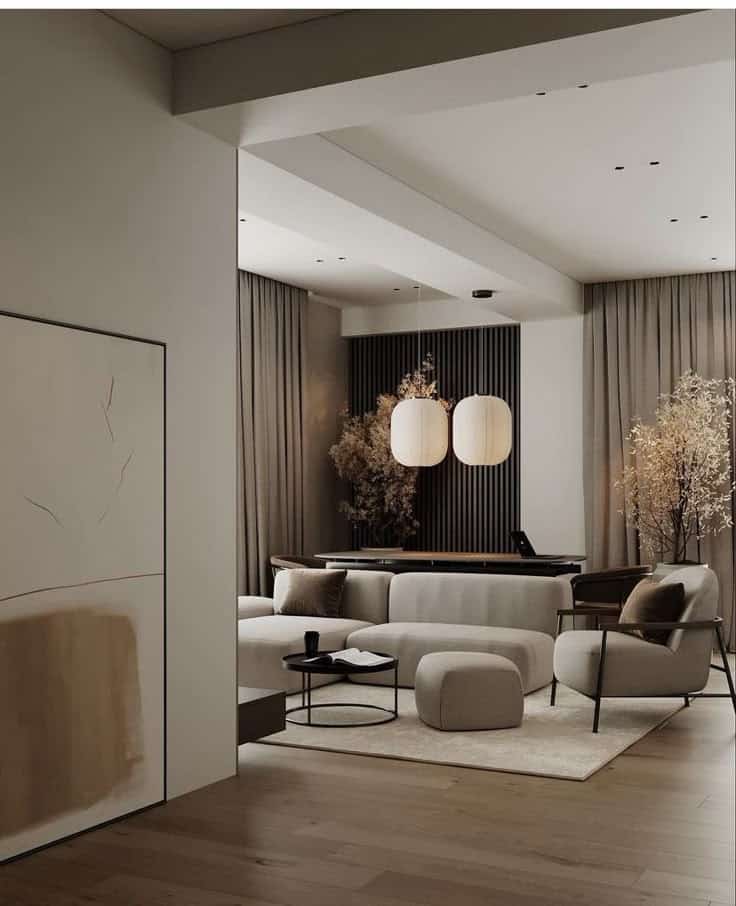
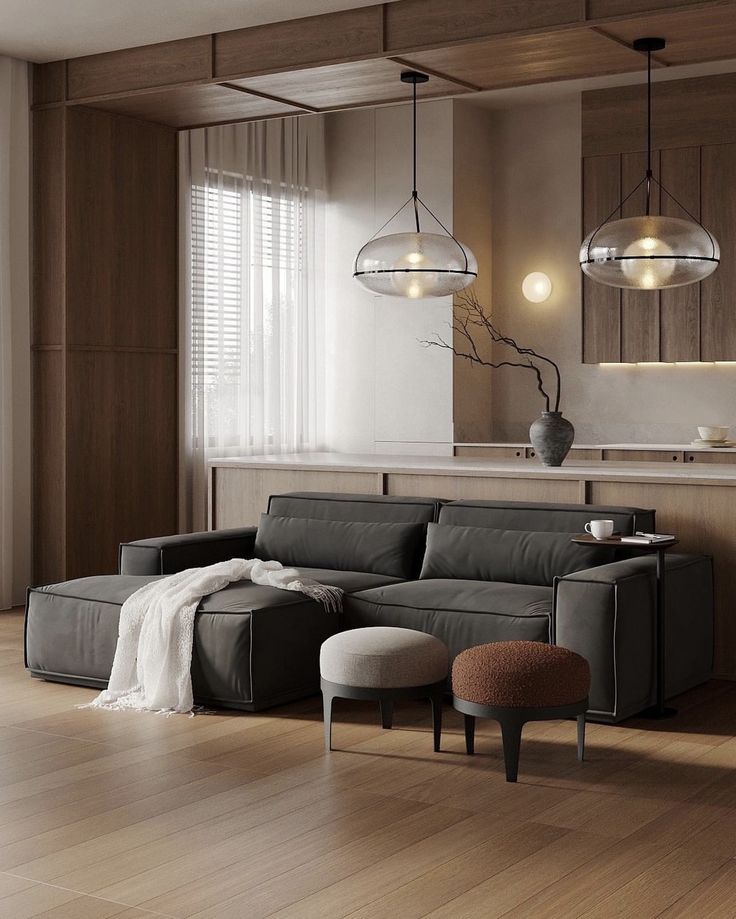
A key feature of warm minimalism is a clutter-free environment that still feels like home. Reducing clutter doesn’t mean throwing out everything you own. Instead, approach it with intention. Suzie Anderson Home (Suzie Anderson Home) emphasizes selecting fewer yet higher quality items for a calm atmosphere. When you clear away the visual noise, the organic shapes and thoughtfully chosen decor items become focal points.
Ask yourself: Do I really need this? Is it serving a purpose, or adding meaning to the space? By directing your organizing efforts through these questions, you keep only what resonates with your design goals and personal values. For instance, stow everyday clutter like mail or charging cables in concealed storage. If you don’t have built-in solutions, simple woven baskets or fabric bins in your living area can give you quick, easy ways to hide stray items.
Minimalist storage solutions
- Use shelves sparingly. Open shelving can showcase decorative pieces but quickly becomes chaotic if overfilled.
- Opt for furniture with built-in storage, like a coffee table with a hidden compartment.
- Store seasonal items in stackable containers in a closet or under your bed.
- Periodically review your possessions for items you no longer need and donate or recycle them. This ongoing habit keeps your home tidy and your mind at ease.
Apply it room by room
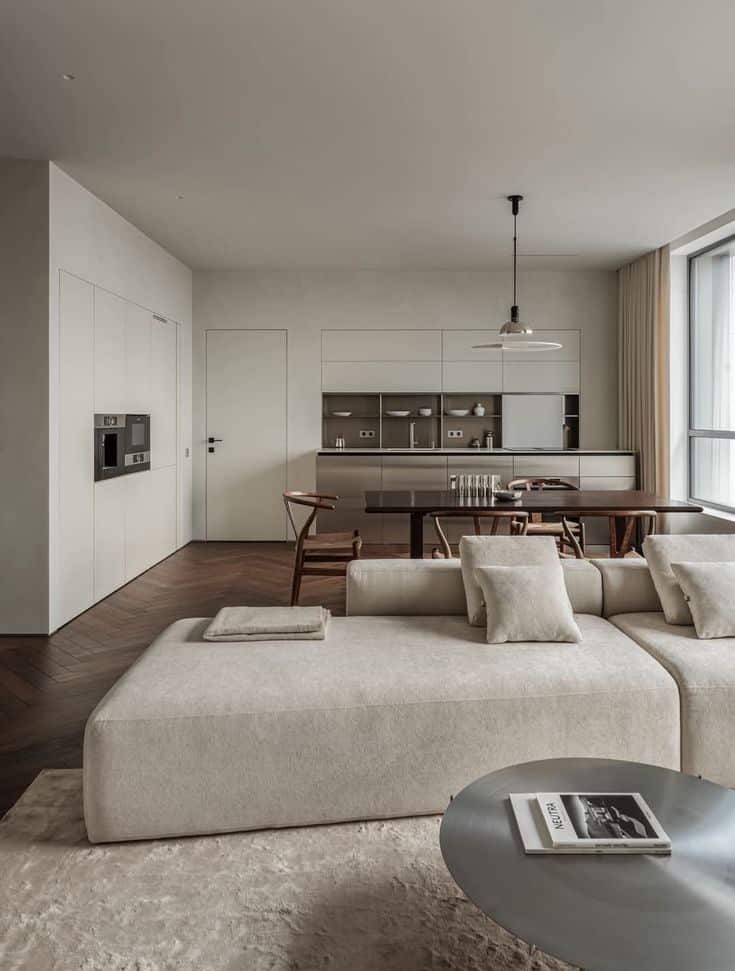
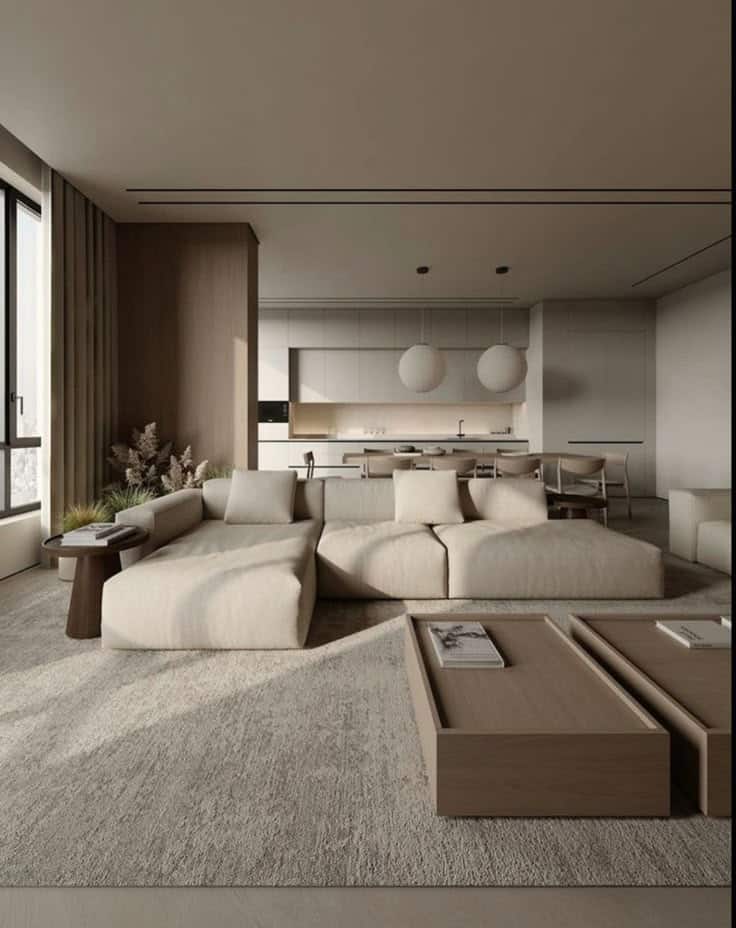
While warm minimalism applies to your entire home, each room can benefit differently from the style’s principles. Scandinavian Designs recommends using warm-toned walls and wood flooring in living rooms, paired with minimalist furniture in linen or oak (Scandinavian Designs). Focus on a neutral palette, then introduce a standout accent—maybe a marble coffee table or a soft terracotta cushion—to keep it visually interesting. The result is a space where everyone feels welcome.
For bedrooms, the focus is on relaxation. A wooden bed frame with a linen-upholstered headboard complements neutral bedding. Adding a plush wool rug or a small reading nook with a comfortable accent chair can make the space inviting. In a kitchen or dining area, consider functional minimalism with wooden cabinets and subtly patterned backsplashes. Neutral color schemes, open shelving for ceramics, and well-chosen metallic hardware like brass or copper easily align with the warm minimalist feel.
Bathroom and beyond
- Use pale, warm-toned tiles or natural stone textures for a spa-like bathroom.
- Pick minimalist fixtures in a matte black or brushed brass finish, which look sleek yet inviting.
- Keep surfaces clear, storing toiletries in simple containers or inside vanity drawers.
- Extend the theme to entryways or home offices by highlighting functional necessities with warm, earthy elements—like a woven entryway rug or a natural wood desk.
Sustain the overall look
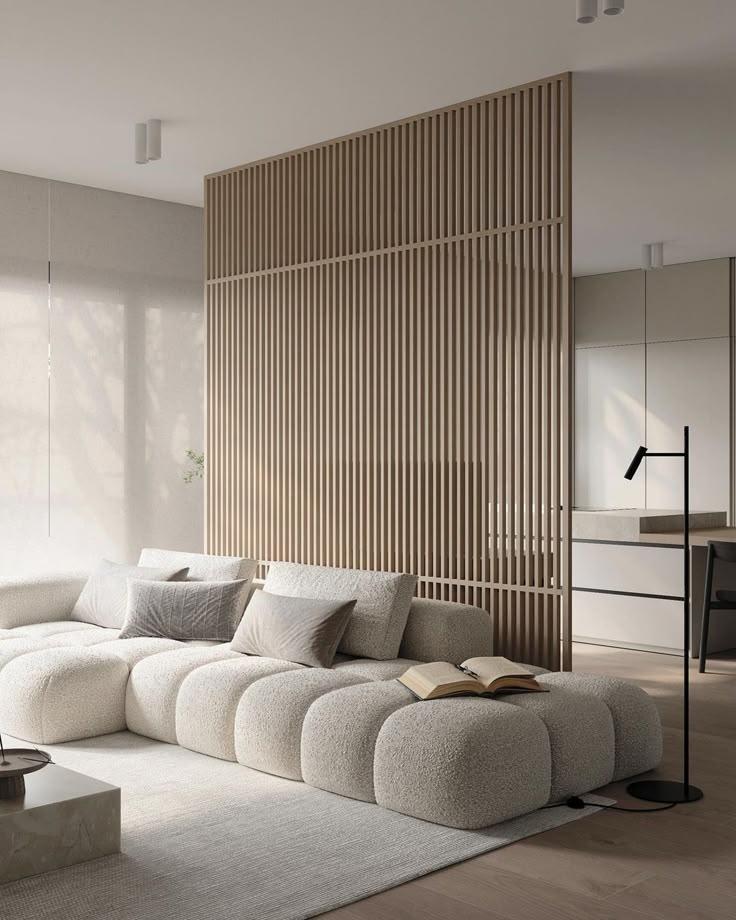
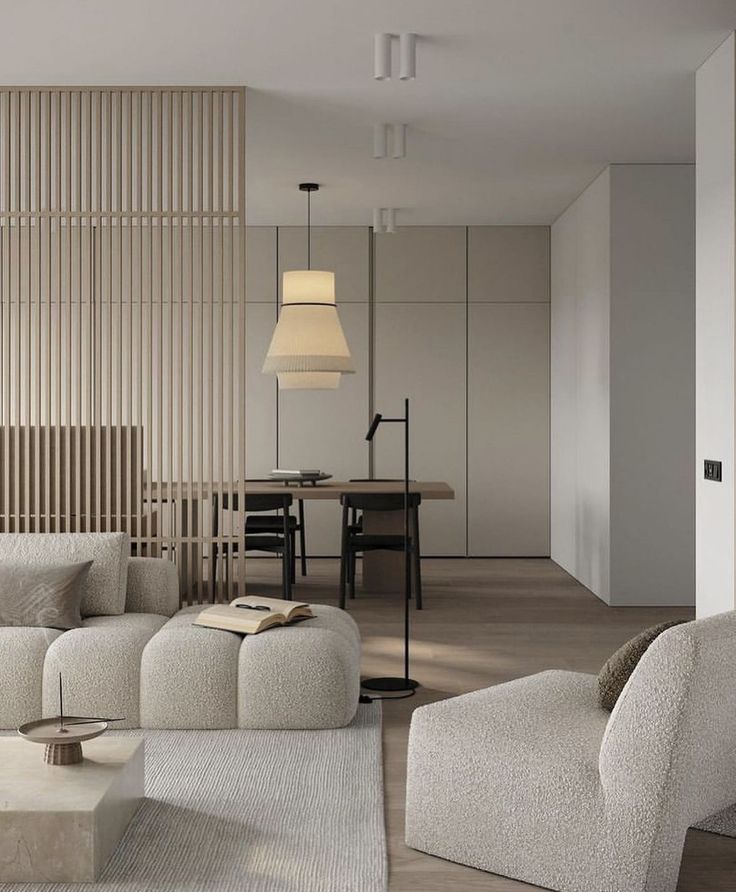
Warm minimalism interior design isn’t just about initial setup. It’s a lifestyle that evolves. Minima Online (Minima Online) suggests taking your time to find the right pieces for your space. You might begin with a quality sofa and dining set, then add finishing touches only after living in your home for a while, observing how you naturally move within it. Unlike fast trends, warm minimalism is refreshingly slow, encouraging you to curate your interior in a way that truly resonates.
Part of sustaining this look involves a regular review of your belongings. Every season or so, revisit each room to identify items you no longer need or want. Constantly refine your space by replacing worn or outdated decor or donating pieces that feel redundant. Keeping the color palette and materials cohesive helps the design maintain its timeless appeal, even if you switch around small accent items. By staying open to change and focusing on quality over quantity, you prevent your interior from feeling stale or impersonal.
Long-term maintenance tips
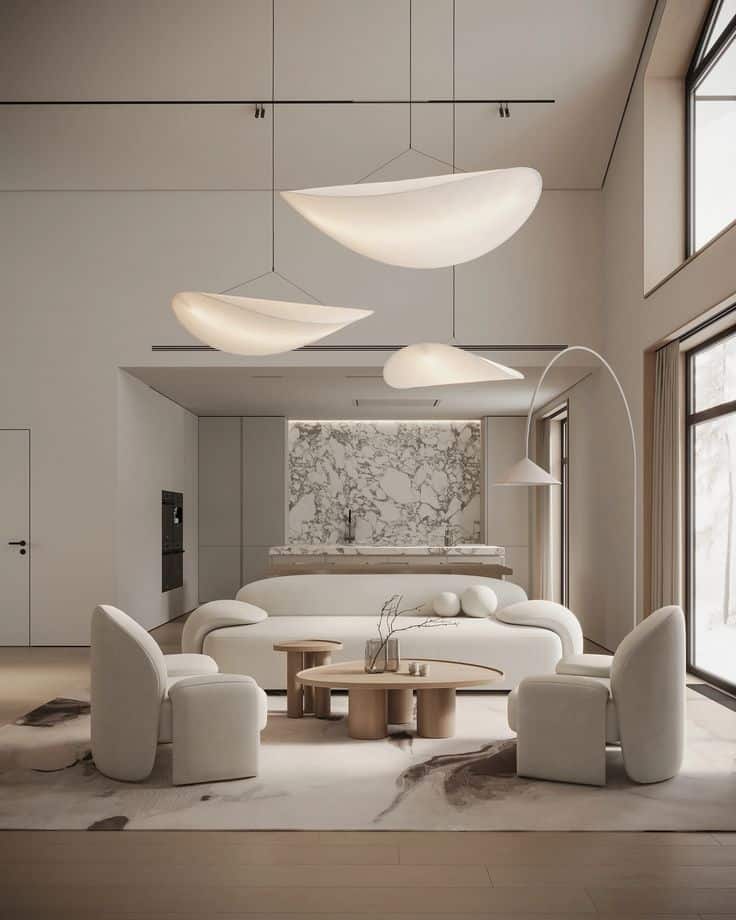
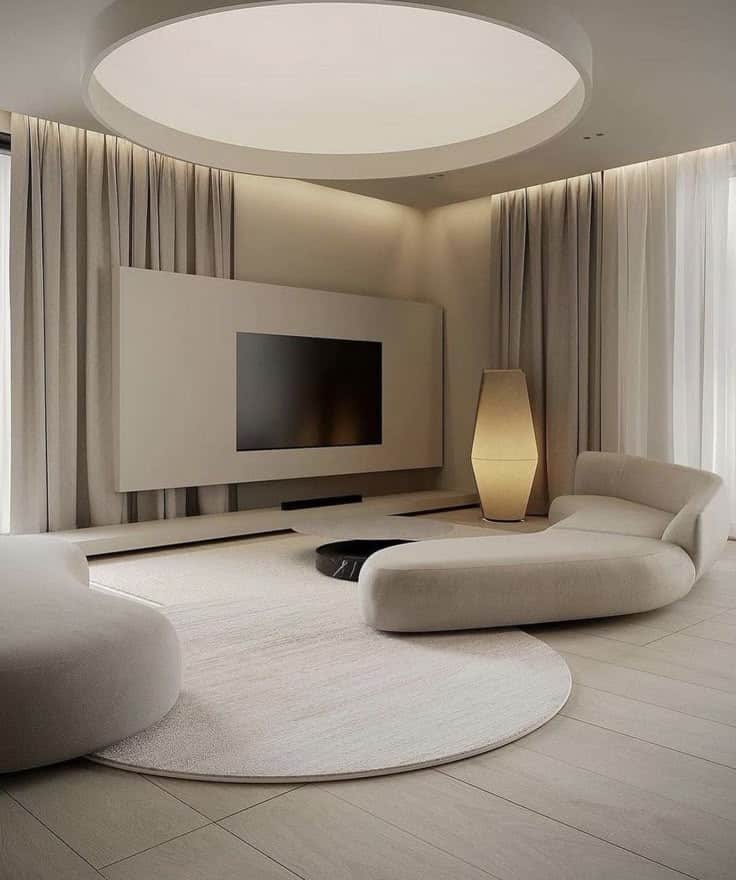
- Clean surfaces regularly. Dust and clutter can quickly ruin the peaceful vibe.
- Keep furniture arrangement flexible. Adjust as needed to accommodate guests or personal preferences.
- Incorporate new items thoughtfully. If you add something, consider letting go of an older piece to maintain balance.
- Update textiles seasonally. Swapping out heavier wool throws for light linen in the summer can refresh the room’s feel while preserving the overall aesthetic.
Creating a warm minimalism interior design is about transforming your home into a refuge that champions simplicity, comfort, and purpose. By combining neutral palettes, natural and tactile materials, mindful lighting, and well-chosen decor, you nurture an environment that is both soothing and inspiring. Each element—be it a handmade vase, a plush linen sofa, or a subtle accent wall—plays its role in communicating warmth and authenticity.
Start your journey with small steps, whether that means repainting a wall in a warm neutral shade or incorporating a few organic textures in your decor. Over time, you’ll see how these mild changes blend to create a home that feels calm yet alive. When you embrace warm minimalism as a guiding philosophy, you don’t just simplify your space—you elevate it. Enjoy the process, and let your home tell your unique story.
- 1share
- Facebook0
- Pinterest0
- Twitter1
- Reddit0