Exceptional bars are built on smart layouts.
Whether you’re planning an intimate local pub, a high-energy sports bar, or a curated wine bar, one of the most critical steps in the process is designing the layout of your space.
That’s why it’s important to start by asking a few key questions: What exactly is a bar floor plan? Why is it necessary? And how does it affect your success?
A bar’s floor plan should be thoughtfully designed and easy for all guests to navigate. Since bars are social environments where people gather to enjoy drinks and conversation, the layout must allow for comfort, accessibility, and efficient movement. You’ll need to accommodate a steady flow of guests, and a well-planned bar or restaurant floor plan makes that possible.
In most countries, bar owners are required to submit detailed blueprints to state authorities to obtain building permits before construction begins. Because of this, a bar floor plan isn’t optional—it’s essential. If you’re looking for guidance on how to design one effectively, this comprehensive guide will walk you through creating a bar that brings people together to relax and celebrate.
What Is a Bar Floor Plan?

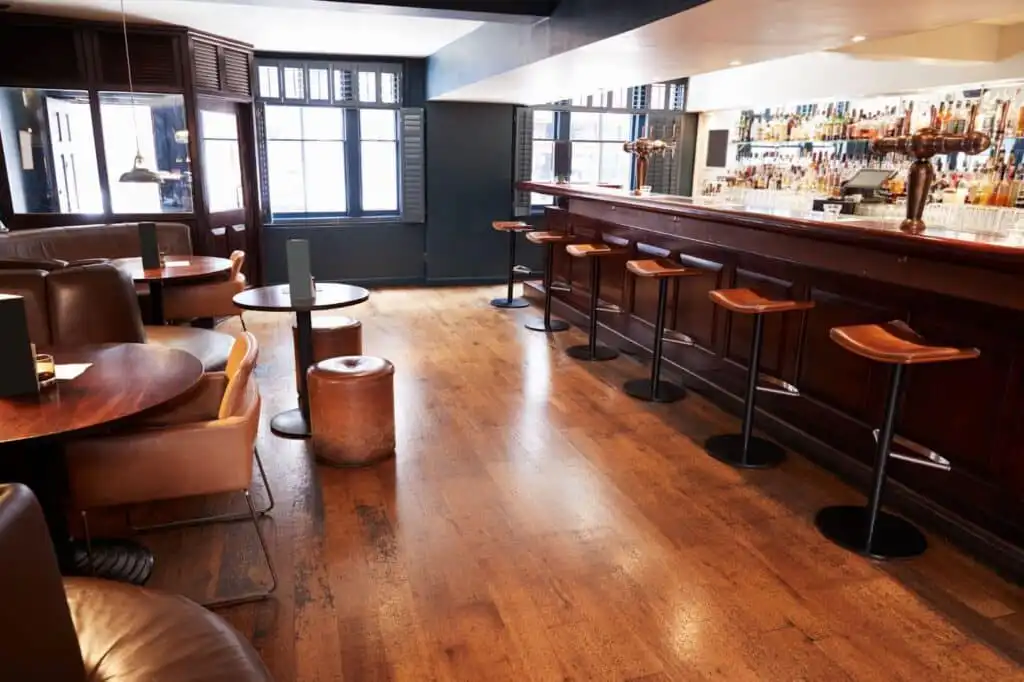
A bar floor plan is essentially a detailed blueprint that outlines every zone within the establishment. This includes the bar itself, seating and dining areas, ordering queues, restrooms, kitchens, glassware storage, staff spaces, and even outdoor areas. The purpose of the floor plan is to show how each area fits together into one cohesive layout.
When developing a bar floor plan, creativity must be balanced with practicality. The design should reflect your visual concept while also ensuring the space is easy to navigate. Both atmosphere and accessibility play a crucial role in creating a successful bar experience.
A complete bar floor plan typically includes:
- A full-service bar
- Preparation stations
- Kitchen areas
- Seating and dining spaces
- Entryways
- Outdoor seating zones
- Entertainment areas
- Staff offices, break rooms, and workspaces
- POS systems and cashier stations
- Restrooms
- Dishwashing and glassware storage areas
- Doors and windows
- Clearly marked emergency exits
- Precise measurements for every section
Working With an Interior Design Studio on Your Bar Floor Plan
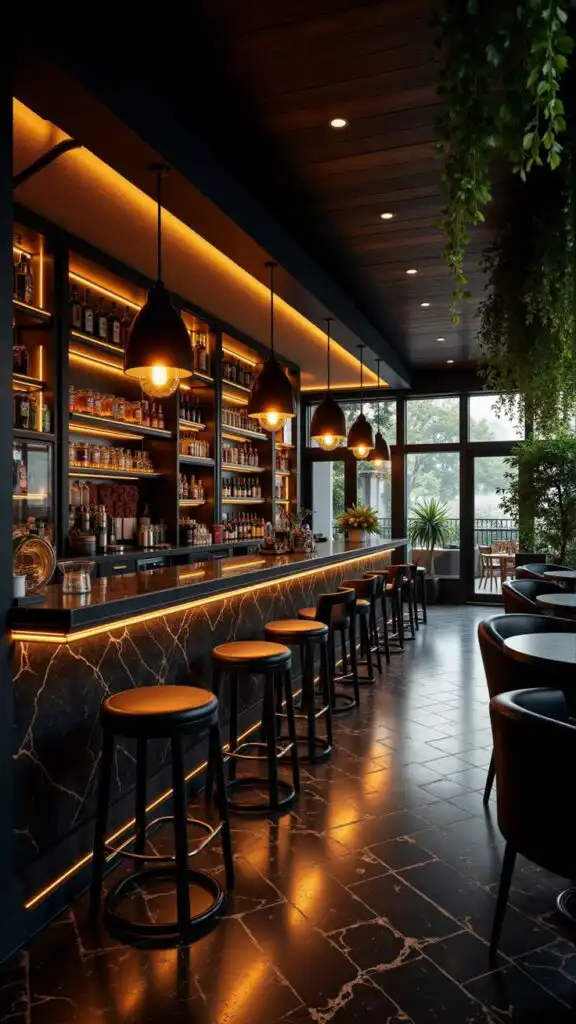
If design isn’t your strong suit, partnering with an interior design studio can help bring your vision to life. Designers understand how to unify aesthetics and functionality, elevating the overall guest experience.
You’ll collaborate with them to define how each section of the bar will be used. For example, administrative offices or storage may be placed toward the back, while seating and social areas take center stage.
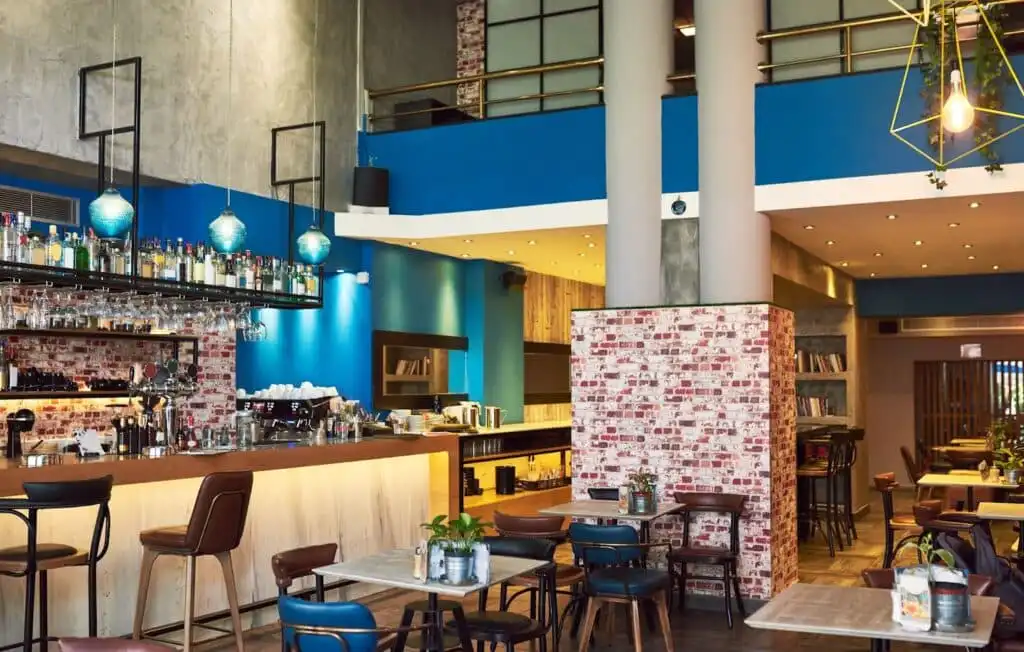
Interior designers also assist with selecting paint colors, décor, and furniture that are both attractive and practical. Before making those decisions, however, it’s important to fully understand the fundamentals of bar floor planning.
Working With a Flooring Expert on Your Bar Floor Materials
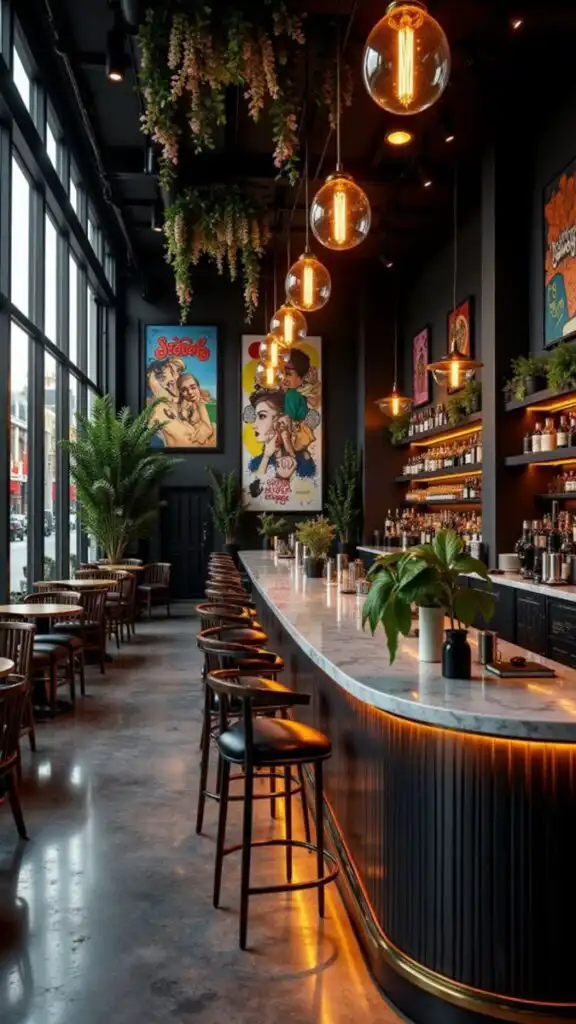
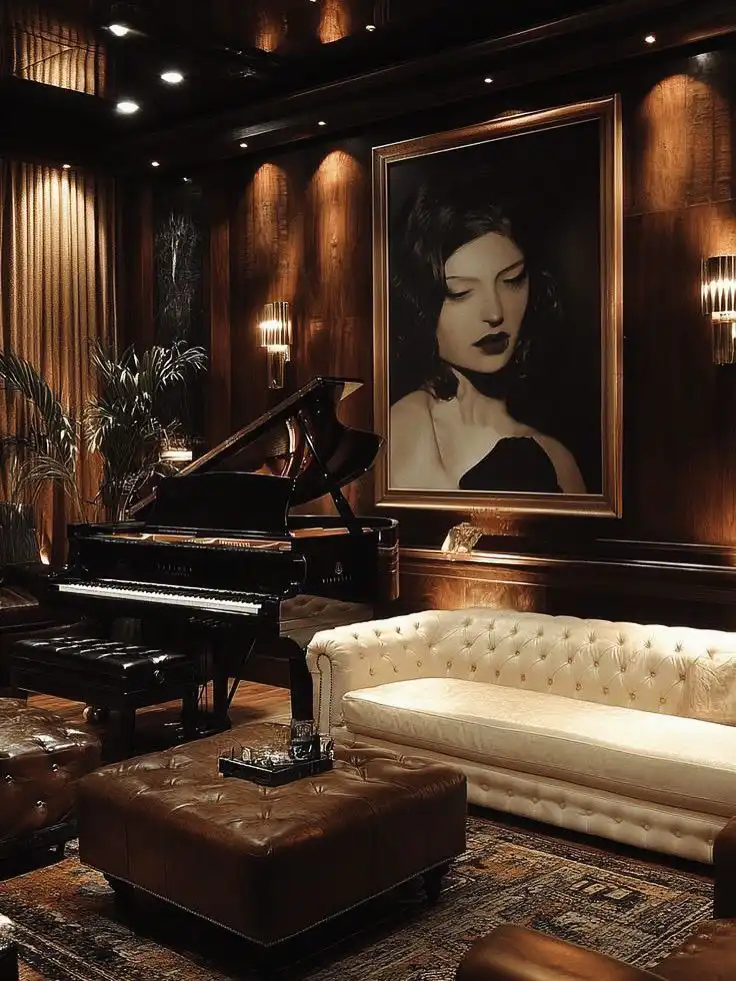
Choosing the right flooring for your bar goes beyond appearance—it directly impacts safety, durability, and daily operations. A flooring expert can help you select materials that stand up to heavy foot traffic, frequent spills, and constant movement behind the bar.
Based on the responses provided upon tentative consultations with LKV flooring, You’ll work together to evaluate how different areas of the bar are used, from high-traffic walkways and service zones to seating areas and restrooms. This ensures each space has flooring that offers the right balance of slip resistance, comfort, and longevity.
Flooring professionals also guide you through moisture protection, maintenance needs, and installation requirements, helping you avoid costly repairs down the line. With expert input, your bar floor can enhance your brand’s look while supporting a safer, more efficient environment for both guests and staff.
Best Practices for Designing a Bar Floor Plan
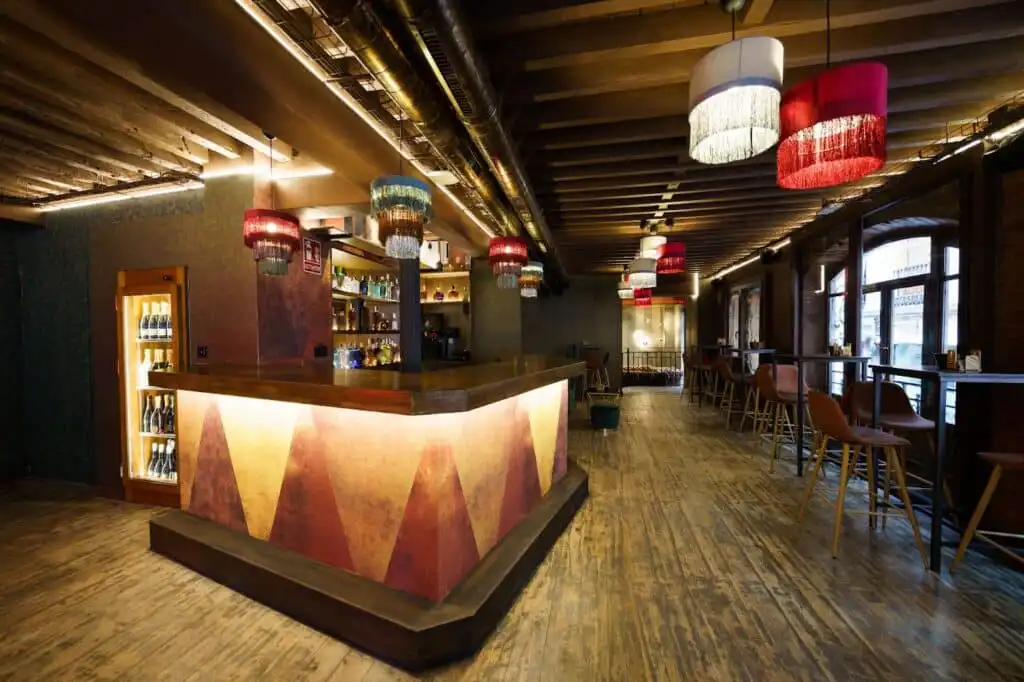
Your layout should be designed with both customers and staff in mind, while also complying with local regulations. The following best practices can help guide your design process:
Wait Area Planning:
If guests will be ordering drinks at the bar, you’ll need to designate space for waiting. Typically, guest-related areas should account for approximately 60% of the bar’s total square footage.
Staff Break Areas:
Employee break rooms and staff-only zones should be factored into your layout. These spaces usually fall within the remaining 40% of the overall square footage.
Efficient Beverage and Food Flow:
The layout should make it obvious where guests go to order, pay, and receive service. The bar should be highly visible upon entry to prevent confusion and improve efficiency.
Guest Seating Allocation:
If table service is offered, seating areas should also come from the 60% guest space allocation.
POS Placement:
Consider how payments will be handled. If guests pay at the bar, POS systems should be integrated directly into the bar layout. Multiple stations can help reduce congestion and speed up transactions.
Bar Floor Plan: Essential Area Sections
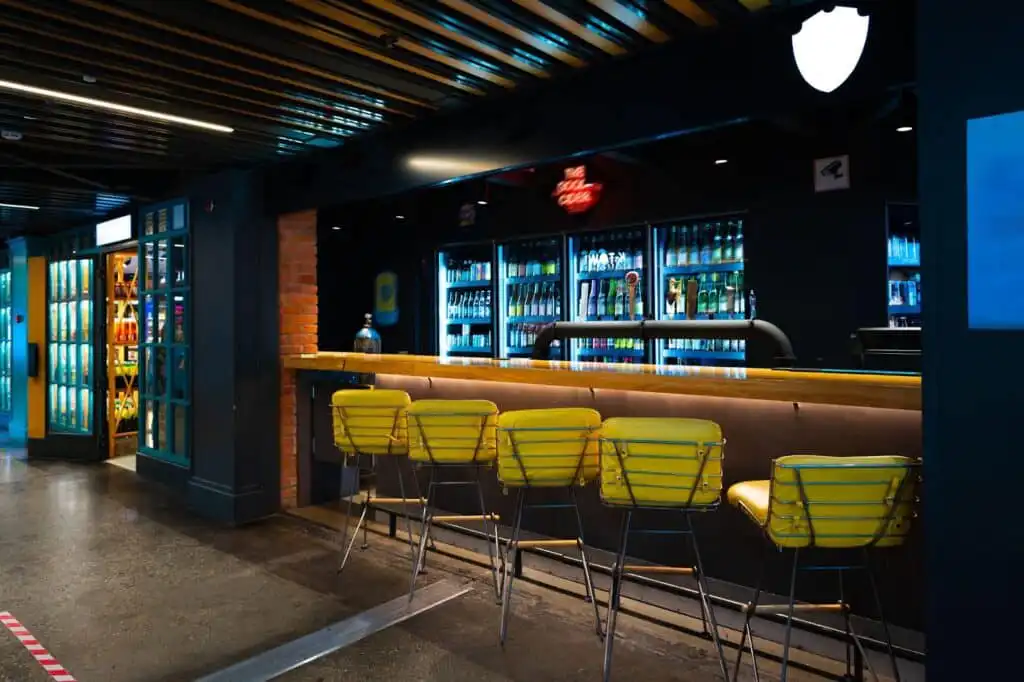
An effective bar floor plan is made up of several critical zones. When planning your layout, a hospitality marketing maverick, Joshua Wood of CJ Digital, pointed out that you should be sure to include the following areas and design considerations.
- Full Bar Floor Plan
The bar itself should feel intuitive for both guests and staff. Consulting experienced bartenders can provide valuable insight into workflow and service efficiency.
Inventory Storage and Management:
Your bar will need space for storing beverages, supplies, and equipment. Inventory and storage areas should fit within 40% of the total floor space.
Bar Counter Design:
The layout of the bar should align with your menu, service style, and staffing needs. Consider bar shape, number of bartenders per shift, and proximity of workstations.
Also plan for how guests interact with bartenders. Ensure the bar top or pickup counter is easy to access, and train staff to guide customers smoothly through the ordering process.
Behind-the-Bar Clearance:
Space behind the bar should allow for safe and efficient movement. An aisle of approximately 37 inches is recommended, with up to one meter if barbacks are working alongside bartenders.
- Bar Kitchen Floor Plan
Even if food service is limited, the kitchen deserves careful planning.
Storage Areas:
Allocate space for kitchen equipment, cleaning supplies, and food storage. This should also fall within the 40% staff-space allocation.
Food Preparation Zones:
Avoid overcrowded kitchens by ensuring adequate prep space. Including a central island with enough clearance for movement can improve efficiency.
Dishwashing Area:
Your layout should include space for sinks and dishwashers dedicated to cleaning glassware and plates, with precise measurements to ensure proper fit.
- Staff Area Floor Plan
Back-of-house areas such as offices and break rooms should be incorporated into your floor plan.
Administrative Office Space:
Set aside a designated office area for management tasks, staff scheduling, and communication. This area should remain within the 40% staff space guideline.
Break Room Layout:
Break rooms should include seating where employees can relax during downtime. Accurate measurements ensure comfort without overcrowding.
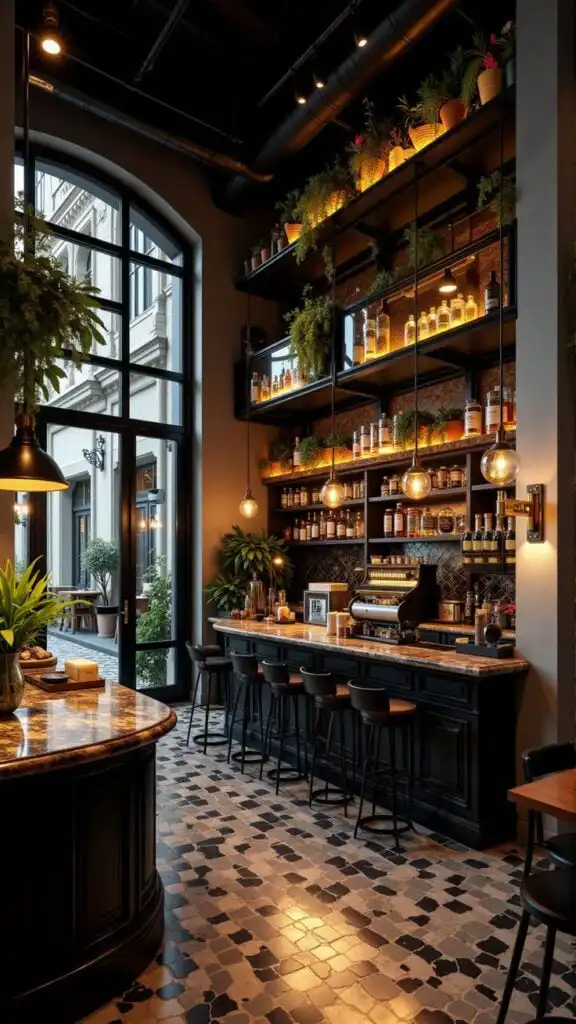
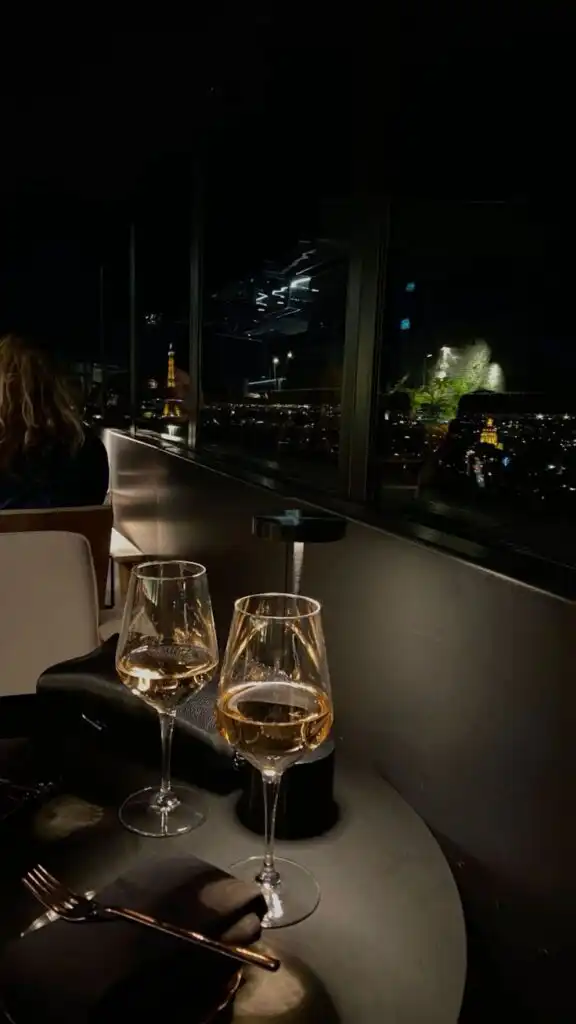
- Bar Seating Floor Plan
Bar seating can be arranged in many creative ways, but space allocation is key.
The standard ratio is 60% for guest areas and 40% for staff and operations. Prep areas, kitchens, and the bar itself fall within the 40%, while seating and entertainment occupy the remaining 60%.
Seat Spacing and Capacity:
Industry guidelines suggest allowing 18 inches between seated guests, 42–60 inches between square tables, and 24–30 inches between diagonal table corners.
Accessibility Considerations:
Wider pathways and spaced-out tables improve accessibility. Offering a mix of seating types—booths, stools, and tables—ensures comfort for all guests and enhances design flexibility.
- Entrance Floor Plan
Your entrance sets the tone for the entire experience.
Visual Impact:
Design an inviting entryway with clear signage, lighting, and branding elements that help guests understand where to go upon arrival.
Exterior Design Elements:
Exterior features such as signage, patios, terraces, or canopies can guide guests and reinforce your bar’s theme. These should be reflected in your floor plan.
- Entertainment Area Floor Plans
If you plan to host live music, DJs, or open mic nights, you’ll need a dedicated entertainment space.
Choosing Entertainment Types:
Decide whether the area will be used for dancing, live performances, karaoke, or DJ setups, then map it accordingly.
Space Measurements:
Entertainment zones must be planned within the 60% guest area and balanced with seating. Measure carefully to ensure everything fits comfortably.
- Restroom Floor Plan
Well-designed restrooms play a significant role in customer satisfaction.
Location Planning:
Restrooms should be easy to find but placed away from staff-only zones. Locating them toward the back of the bar often works best.
Accessibility Standards:
Restrooms must meet ADA guidelines, including minimum lavatory depth and height requirements, to ensure accessibility for all guests.
- Cashier and POS Station Floor Plan
Payment stations should support smooth service flow.
Fixed POS Stations:
Place POS terminals along the bar and near seating areas to minimize staff movement and speed up service.
Handheld POS Options:
Handheld devices allow servers to process payments tableside, reducing wait times and improving efficiency.
- Emergency Exit Floor Plan
Safety is a critical part of any bar design.
Clear Egress Paths:
Emergency exit routes must remain unobstructed at all times. These paths should be clearly mapped during the design phase.
Safety Signage:
Exit signs must be visible and strategically placed. Mark these locations directly on your floor plan using design software annotations.
How to Choose the Right Bar Floor Plan

Whether you’re working with professionals or designing in-house, the following considerations are essential.
Available Space:
Measure all walls and floors carefully, then assess customer flow and capacity. Ensure bartenders have adequate access behind and above the bar.
Space Allocation Priorities:
Maintain the 60/40 guest-to-staff ratio. For example, in a 3,200-square-foot bar, 1,920 square feet would be dedicated to guests, while 1,280 square feet would serve staff and operations.
Construction Budget:
Establish a clear construction budget early in the planning process to guide layout decisions and material choices. Your budget will influence everything from the overall size of the bar to the complexity of the design, helping you prioritize essential features while avoiding costly revisions later.
Intended Flooring Materials:
Factor flooring materials into your floor plan decisions from the start. Different areas of the bar may require different flooring types based on traffic, moisture exposure, and safety needs. Planning for these materials in advance ensures proper subfloor preparation, accurate cost estimates, and a cohesive final design.
Permit Requirements:
Floor plans must be finalized before applying for permits. Regulations vary by location, so consult local authorities to ensure compliance. Required permits may include health permits and certificates of occupancy.
FAQs
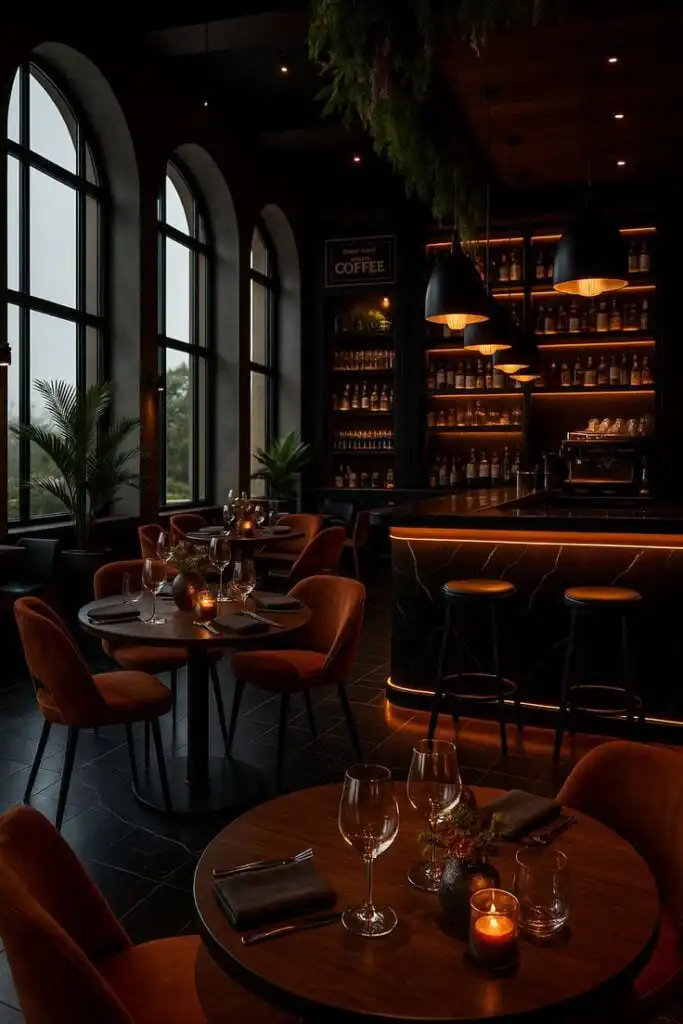
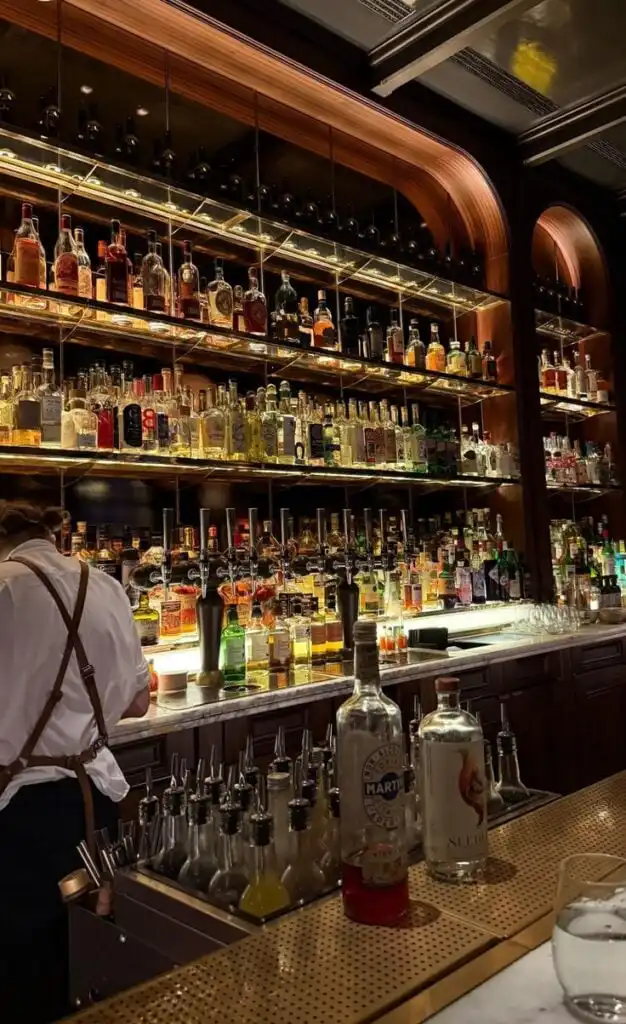
How Many Square Feet Does a Bar Need?
Bar size varies by concept. Smaller bars may range from 1,000 to 1,500 square feet, while larger tavern-style establishments typically span 1,800 to 2,000 square feet.
What Is the Minimum Space Required for a Bar?
Back bar aisles usually require 31–37 inches of clearance. Underbar equipment needs about 24 inches, while bar tops generally measure 24–30 inches. Customer activity zones should allow for approximately 24 inches of space.
What are the Accessibility Requirements for Bar Floor Plans?
Compliance with accessibility codes ensures all guests can enjoy your space comfortably.
At least 5% of seating and standing areas must meet ADA standards. Bar tops should provide 19 inches of leg clearance from the finished front.
- 0shares
- Facebook0
- Pinterest0
- Twitter0
- Reddit0