Basement finishing costs confuse more homeowners than almost any other remodeling project.
- Breaking Down Basement Finishing Costs: What You're Paying For
- Basement Finishing Cost Per Square Foot: What's Typical?
- What Sinks the Most Money in Basement Finishing Costs?
- Getting Accurate Basement Finishing Estimates From Contractors
- How to Budget Smart for Your Basement Remodel
- Getting a Handle on Basement Finishing Costs Before You Start Building
The price range is massive and for good reason.
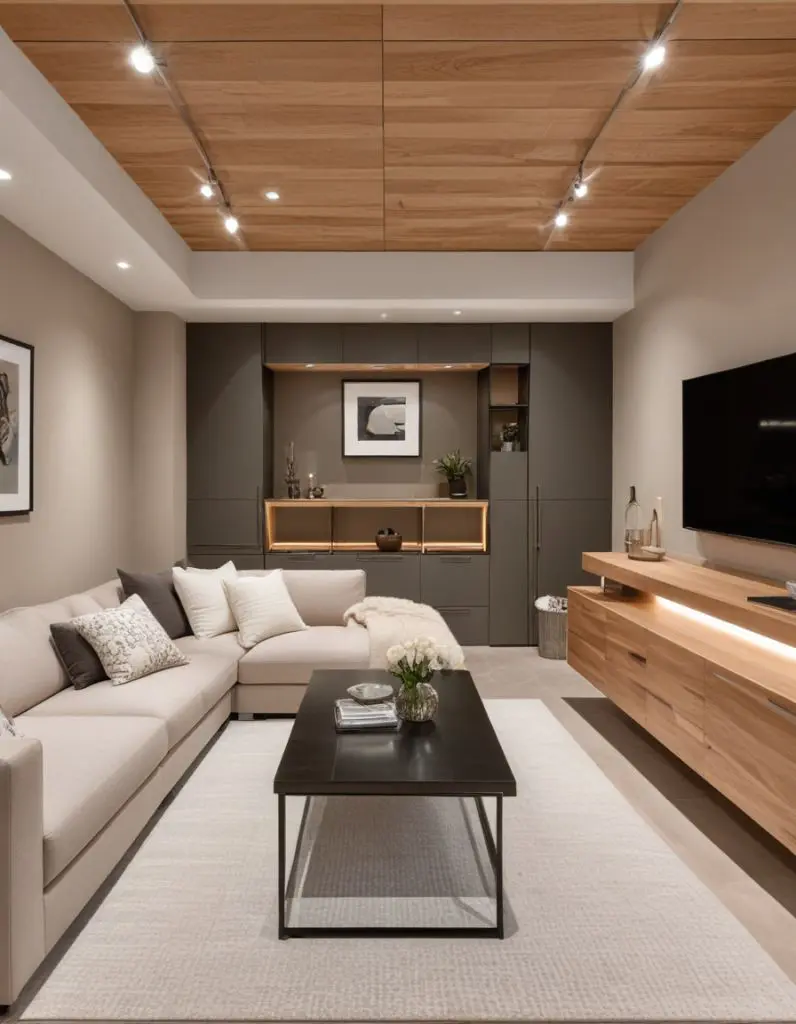
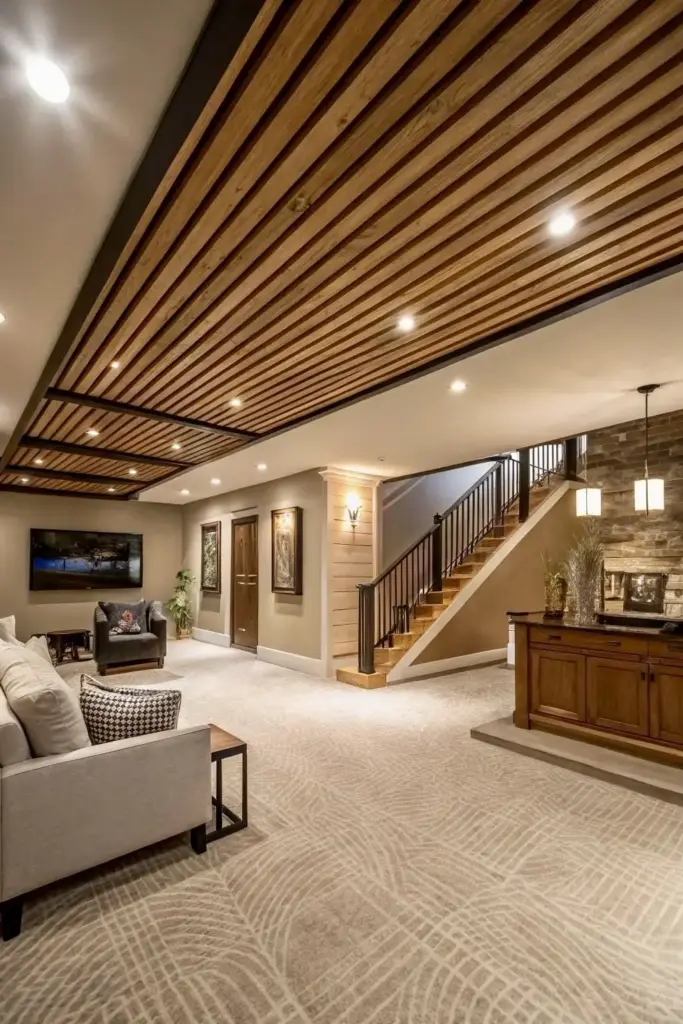
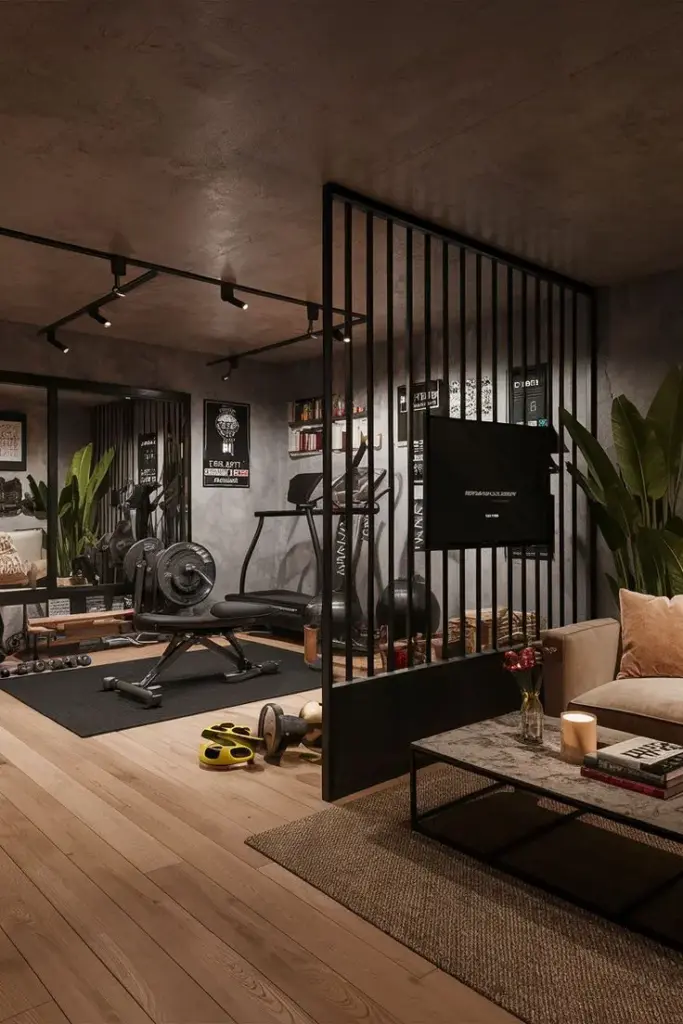
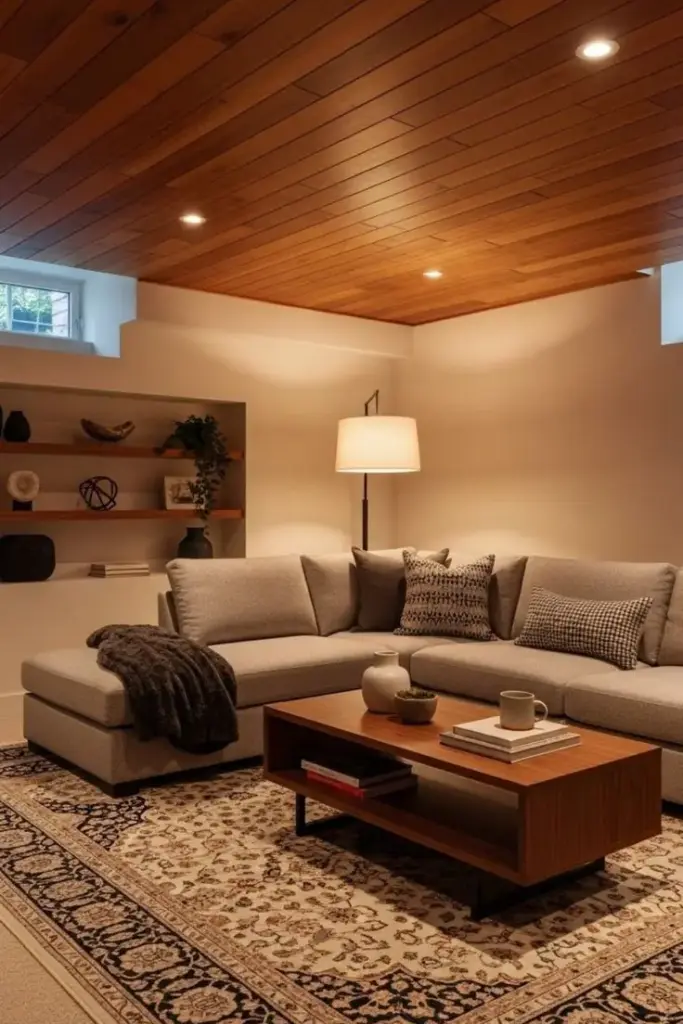
You’re not just paying for drywall and paint. Professional basement finishing involves structural work, mechanical systems, and strict building codes that many homeowners never expect.
This guide breaks down what drives pricing, what you’re actually paying for, and how to budget realistically for a lower-level remodel that adds lasting value.
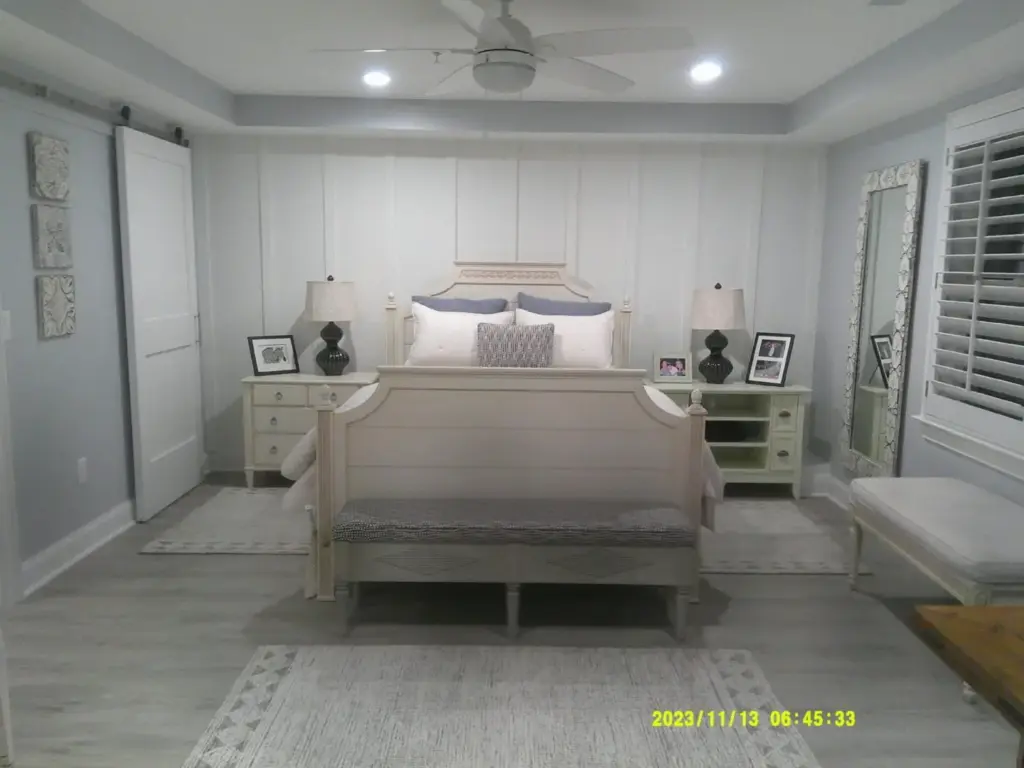
Breaking Down Basement Finishing Costs: What You’re Paying For
When evaluating basement finishing cost, it’s essential to understand that you’re paying for far more than drywall and flooring. A properly finished basement must meet the same safety, comfort, and code standards as the rest of your home.
The Core Components of Basement Finishing
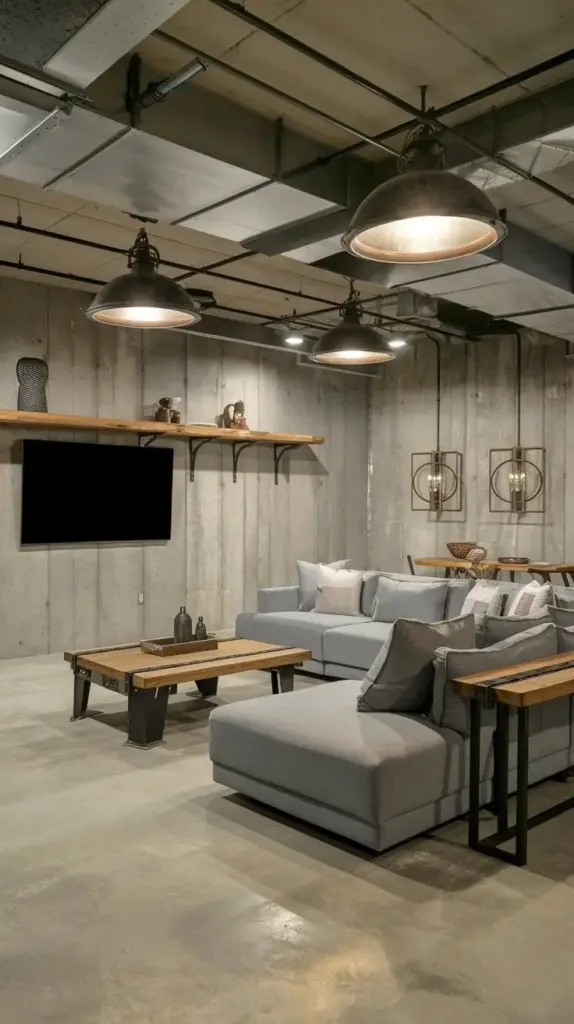
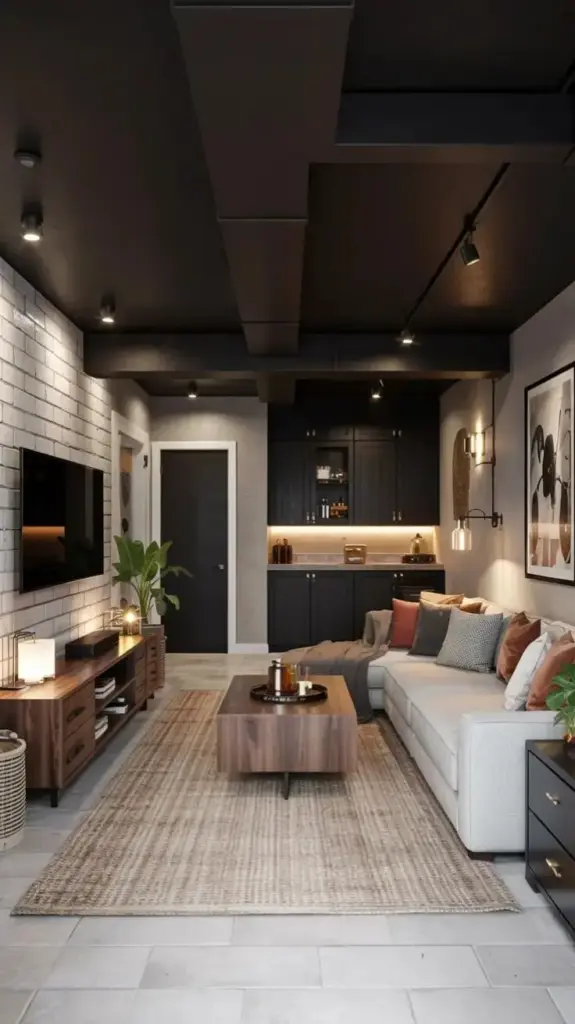

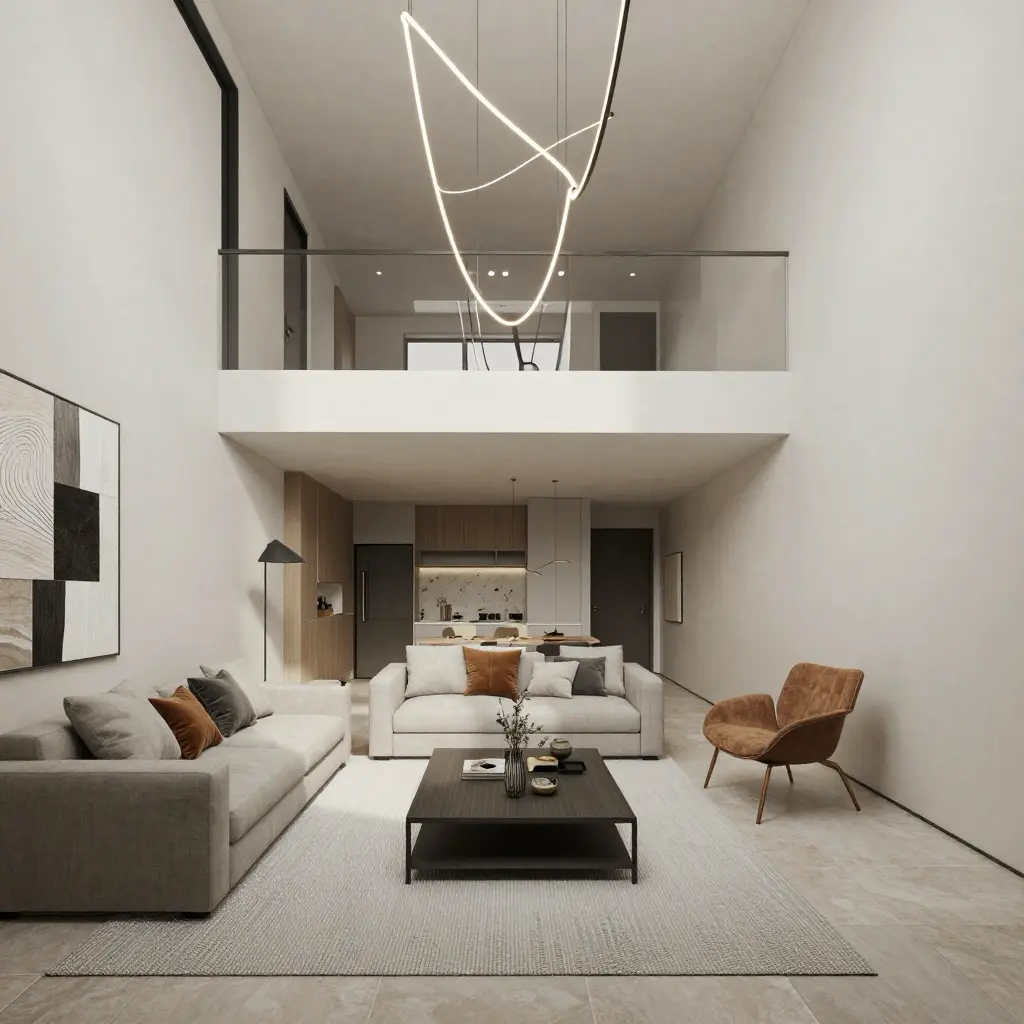
Here’s what basement finishing includes
Framing and Insulation
Basement walls require moisture-resistant materials, proper spacing, and insulation that helps regulate temperature and prevent condensation. This creates the structural backbone for everything that follows.
Drywall, Ceilings, and Interior Finishes
This includes wall surfaces, ceiling systems (especially important around ductwork and plumbing), trim, and paint. Basements often require specialized materials that better handle humidity than standard above-grade spaces. Once the structure is sound, consider interior design ideas that maximize your basement’s potential.
Electrical Work
Finished basements typically need:
- New lighting fixtures and recessed lighting
- Additional outlets and switches
- Panel upgrades to meet code
- Dedicated circuits for entertainment spaces
Plumbing and HVAC
Costs depend heavily on your design. Extending ductwork ensures proper airflow, while adding plumbing for a bathroom or wet bar increases labor and material expenses. Ventilation is especially critical in basements to maintain air quality and comfort.
When homeowners work with Atlanta Basement Design, these essentials are clearly outlined upfront, helping clients understand where their investment is going and avoid costly oversights later.
Basement Finishing Cost Per Square Foot: What’s Typical?
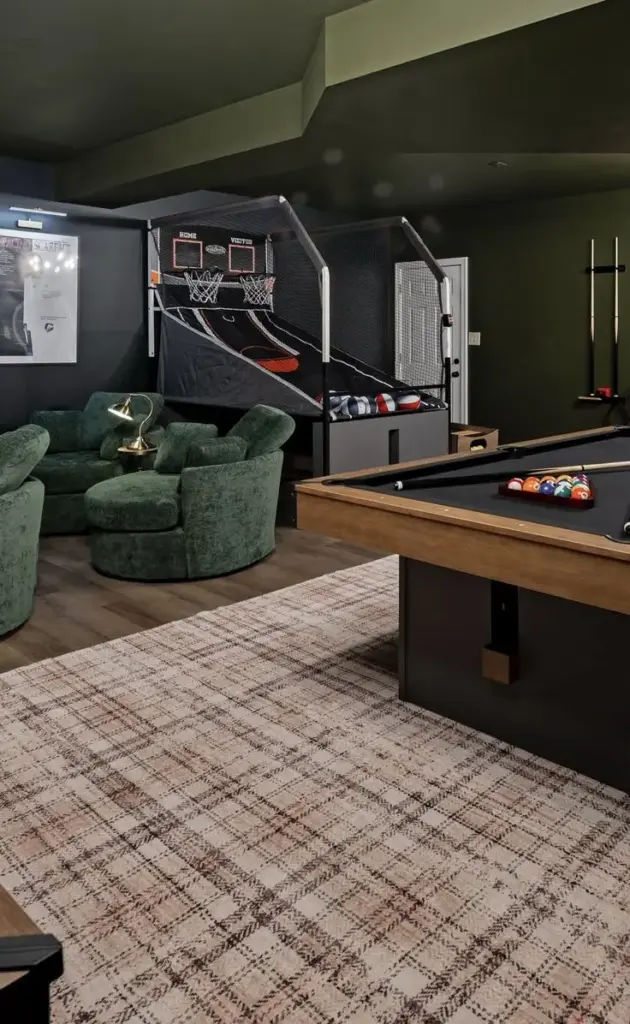
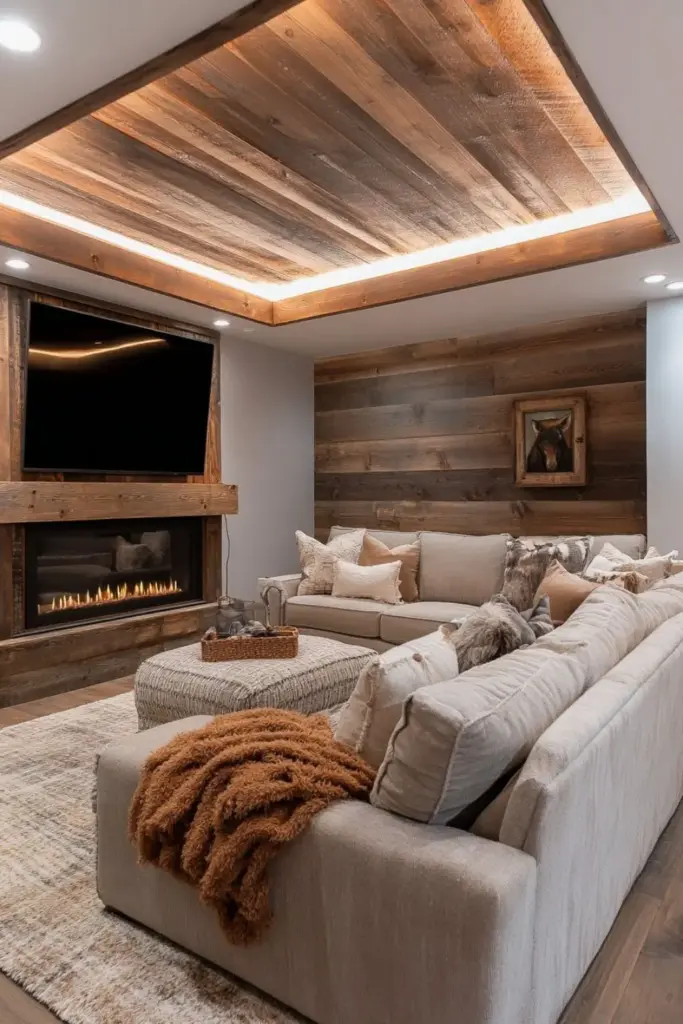
One of the most common ways homeowners estimate basement finishing cost is by looking at the price per square foot. While this provides a helpful starting point, it’s not a one-size-fits-all number.
| Finish Level | Typical Features | Best For |
| Basic | Open layouts, standard flooring, basic lighting, minimal plumbing | Playrooms, simple family spaces, and home offices |
| Mid-Range | Better finishes, more lighting, upgraded flooring, and defined zones | Family entertainment areas, guest spaces |
| Luxury/Custom | Bathrooms, wet bars, home theaters, built-in storage, soundproofing | High-end entertaining, multi-functional spaces |
Square footage is a crucial factor in the cost, but let’s not forget – the complexity of your basement is probably going to have an even bigger impact on your wallet. A tiny basement with a bathroom and a bar might actually end up costing more than a way bigger open space with minimal trimmings – and that’s exactly why figuring out what’s factored into that per-square-foot price is so important when you’re shopping around for estimates.
What Sinks the Most Money in Basement Finishing Costs?

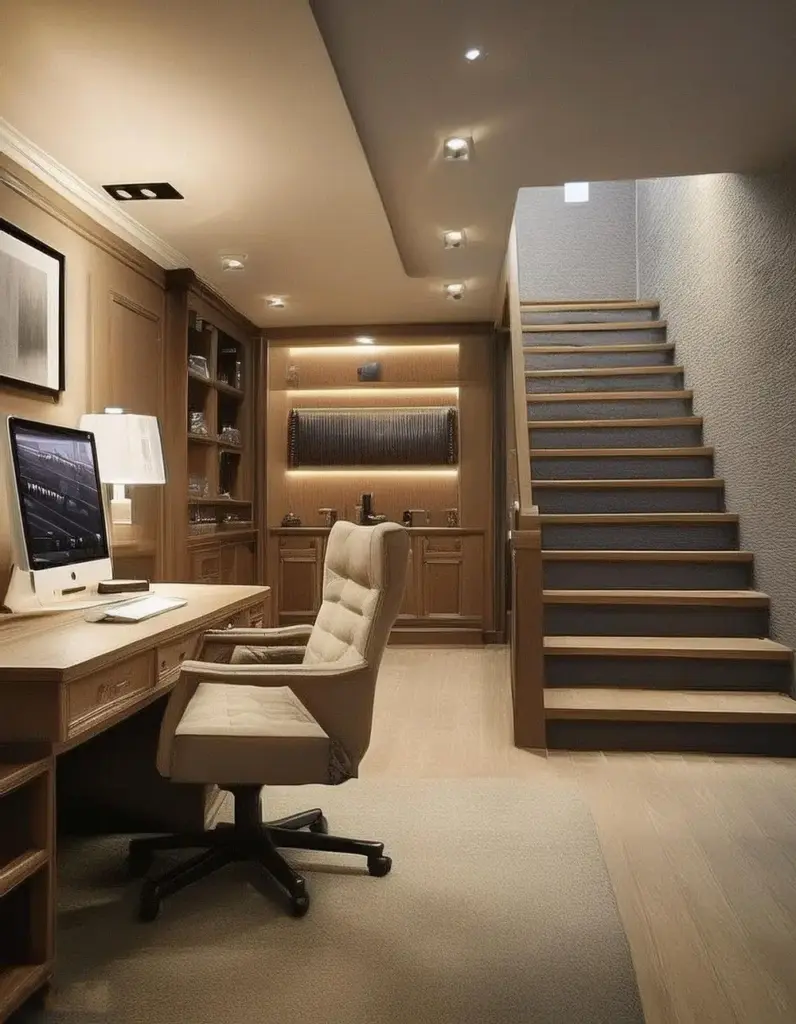
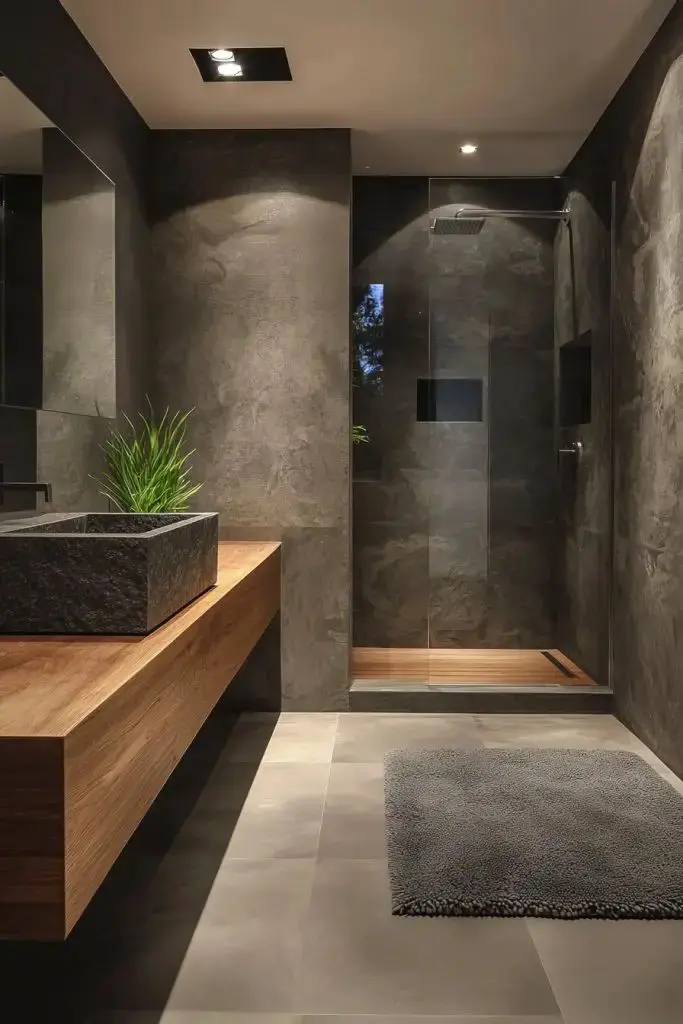
When it comes down to it, while square footage does play a role in the final bill, it’s the extra features and complexity that will really blow your budget wide open.
Cost Drivers That’ll Break the Bank
When it comes to the biggest cost hikes, here are some of the things that will drive your costs up:
Basement Bathrooms
Even a small basement bathroom is a major undertaking – you’re talking about plumbing rough-ins and drainage and ventilation to start with, plus waterproofing and all your fixtures and finishes, and if you’re not pre-plumbed then you can bet your concrete’s going to have to get sawed.
Bars and Kitchenettes
If you’re looking to entertain, a wet bar or kitchenette is always a popular choice – but it’s a pricey one too. You’re looking at cabinets and countertops and all the plumbing lines and outlets and appliances – so yeah, it’s going to add up.
Home Theaters and Entertainment Spaces
The technical work behind the walls can be extensive:
- Soundproofing materials
- Specialty lighting systems
- Custom wiring and acoustic treatments
- Advanced audio/visual equipment
Permits, Inspections, and Code Upgrades
Often overlooked when estimating costs, local building codes may require:
- Egress windows for safety
- Fire-rated materials
- Ceiling height adjustments
- Updated electrical panels
While these requirements add to the budget, they protect homeowners legally and financially in the long run.
Getting Accurate Basement Finishing Estimates From Contractors
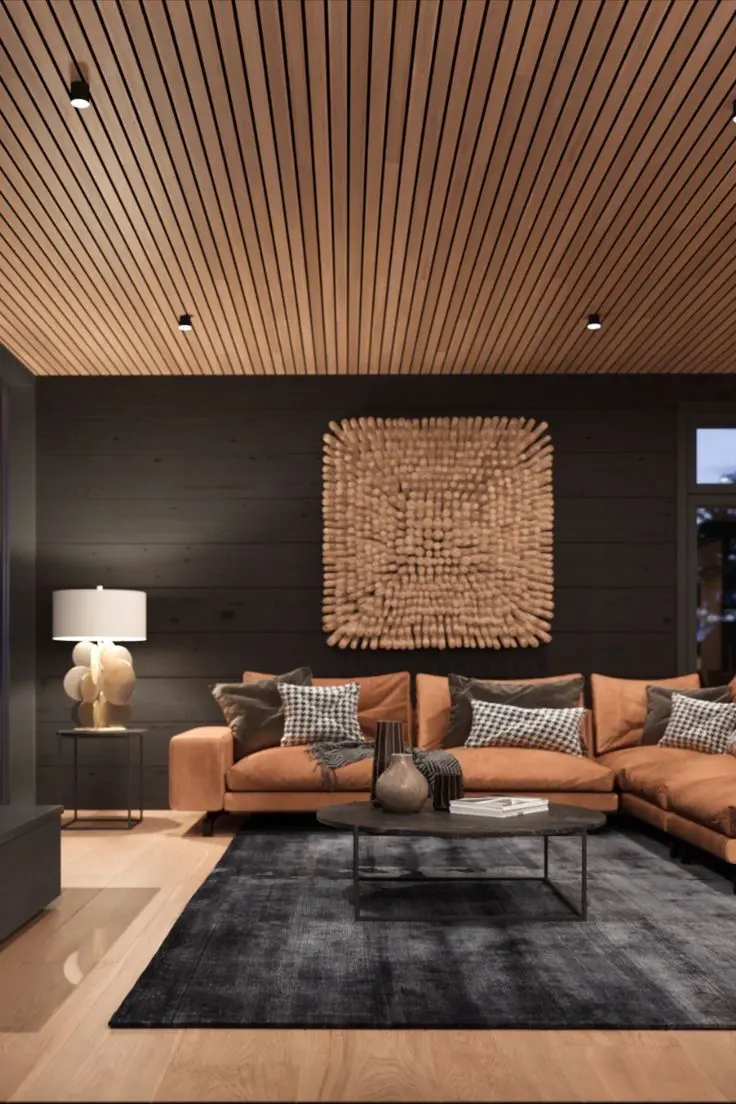
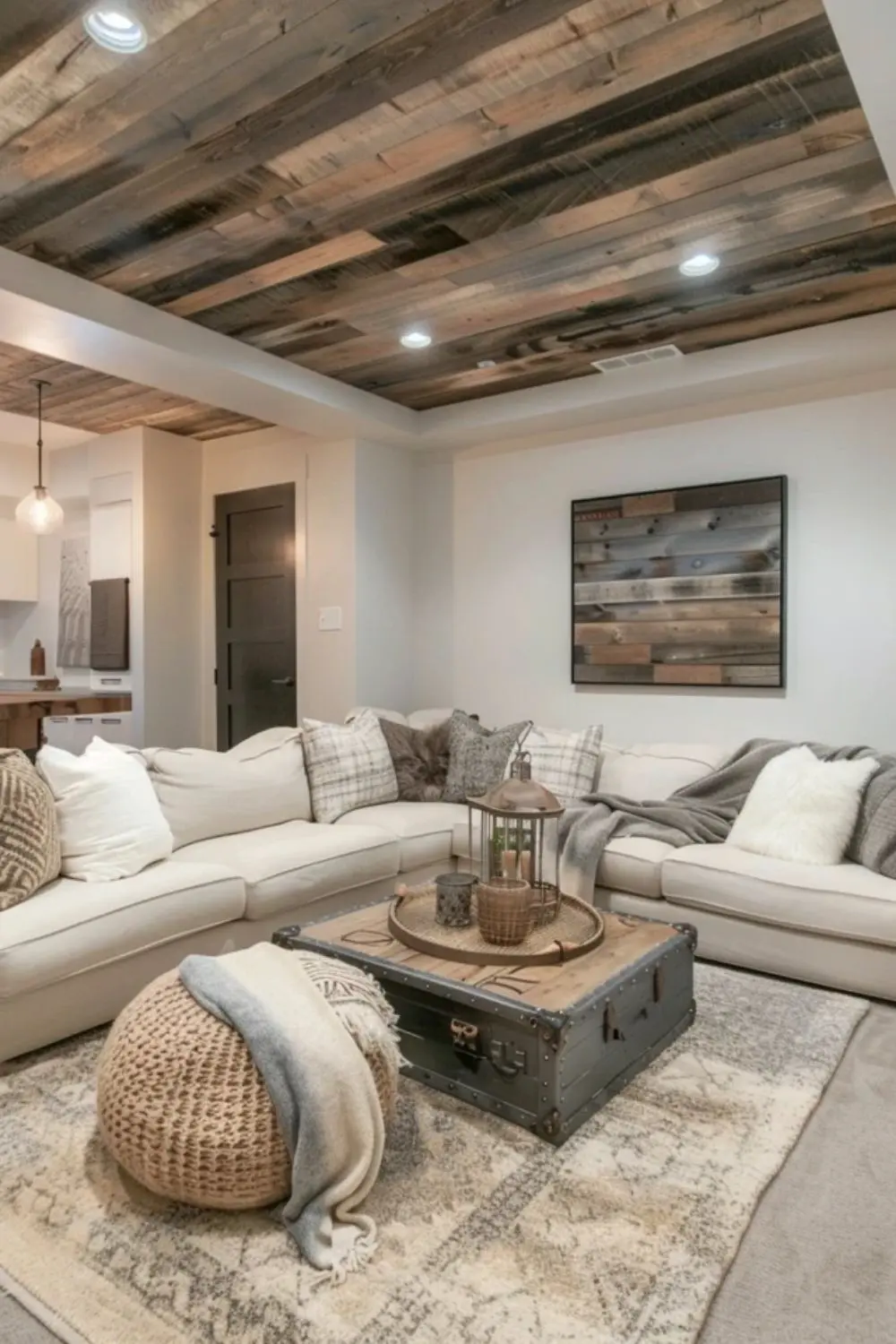
One of the best ways to control basement finishing costs is to start with accurate, detailed estimates. Not all contractor quotes are created equal, and vague pricing often leads to unexpected expenses later.
Questions to Ask Every Contractor
- What exactly is included in this estimate?
- Are permits, inspections, and cleanup covered?
- Are materials specified, or are allowances being used?
- How are change orders and unexpected issues handled?
- What’s the payment schedule and timeline?
To plan your renovation comprehensively, consider how your basement fits into your overall home improvement goals.
Why Detailed Estimates Matter
Detailed, itemized estimates allow you to compare bids realistically. A lower quote may seem appealing at first, but missing line items often lead to higher final costs. Transparent pricing protects both the homeowner and the contractor by setting clear expectations from the beginning.
Basement projects often uncover hidden issues such as moisture, outdated wiring, or structural problems. Knowing how pricing changes are communicated helps avoid frustration mid-project.
How to Budget Smart for Your Basement Remodel
Smart budgeting goes beyond choosing finishes; it starts with planning for the full scope of the project. Whether you’re tackling a basement or any otherbudget-friendly remodeling project, understanding cost drivers helps you make informed decisions.
Build in a Contingency Buffer
Always include 10–15% extra to account for unexpected conditions like hidden moisture issues, outdated wiring, or structural surprises. Basements are notorious for revealing problems once walls are opened, and having financial flexibility prevents project delays or forced compromises in quality.
Prioritize Foundational Elements
These essentials ensure long-term comfort and durability:
- Moisture control and waterproofing
- Proper insulation and ventilation
- Quality electrical and lighting
- Code-compliant safety features
Decorative upgrades like custom trim, upgraded flooring, or built-in shelving can often be added later, but foundational elements should never be compromised. Skipping proper moisture barriers or adequate insulation may save money initially, but will cost far more in repairs and energy bills down the road.
Think About Breaking Your Project into Phases
Some home owners do the main living areas first and then add things like bars or built in features later – whenever they can afford it. This approach works out pretty well in a few ways:
- It spreads costs out over time, without adding extra interest charges on top
- You get to start using the space sooner, which can be a real game changer
- It gives you a chance to figure out how you actually use the space, before committing to any super permanent features
- Plus, it helps to reduce the stress of having a huge project hanging over your head
Breaking your project into phases is a pretty good idea if you’re not totally certain what you want to include, or if you want to try the space out and see how it feels before committing to all the fixings.
Getting a Handle on Basement Finishing Costs Before You Start Building
The cost of finishing a basement isn’t just about the square footage. There’s all sorts of other things that can drive up costs – like structural work, installing new plumbing or electrical systems, the finishes you choose, and even the permits you need. The more you know about what makes up the final bill, the easier it’ll be to compare different contractor estimates and spot any potential potholes in your budget.
Having an open and honest conversation with the contractors you’re working with, building in some extra contingency funds, and figuring out what’s really important to you can help turn your basement into a space that’s not just functional, but actually feels like home – without breaking the bank.
- 44shares
- Facebook0
- Pinterest44
- Twitter0
- Reddit0