A friend of mine — a senior designer at a German automotive consultancy — came back from a research trip to India last year with an unusual observation. He’d spent two weeks looking at EV scooters on the streets of Bangalore and Pune, and he told me: ‘We’re solving the wrong problem. We keep designing expensive things slightly better. They’re designing affordable things significantly better. And they’re doing it faster than us.’
- Why the Hardest Design Problem Is the Cheapest Product
- The Body Panel Decision: A Case Study in Material Honesty
- LED Signatures: Identity Design Under Thermal Constraint
- Dashboard UX: Designing for Attention in Dense Traffic
- Battery Packaging as Design Constraint
- EV Scooters at a Glance: Indian Budget vs European Premium
- The Design Lessons Western Studios Need to Learn
- FAQ: EV Scooter Industrial Design
- Why is budget EV design considered harder than premium EV design?
- What makes the Bajaj Chetak's metal body significant from a design perspective?
- How do Indian EV designers handle LED thermal management differently from European brands?
- What's the core UX failure in budget EV dashboards?
- Why does battery packaging matter as an industrial design decision, not just an engineering one?
- What should European and American EV designers actually take from the Indian market?
He wasn’t talking about luxury or prestige. He was talking about the thing that industrial design actually exists to solve: how do you make an object that is durable, coherent, technically current, and visually considered — at a price that real people can afford? That problem has a much harder answer than the one European and American design studios are typically working on. And right now, the most sophisticated answers are coming out of India.
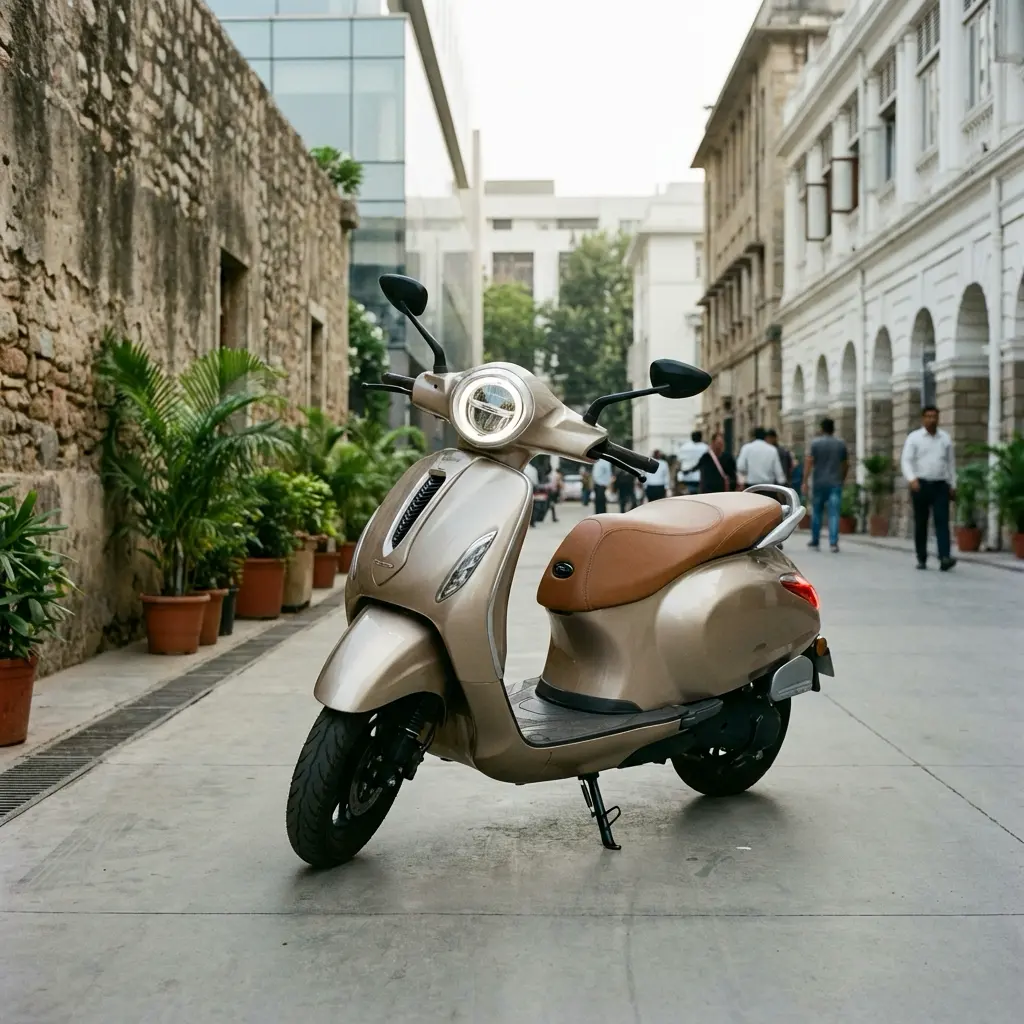
The Indian electric scooter market — specifically the sub-₹1 lakh segment, roughly equivalent to $1,100–$1,200 USD or €1,000–€1,100 — is where the genuinely interesting EV industrial design is happening in 2026. Not interesting in a novelty sense. Interesting in the sense that the constraints being worked against are harder, the volume stakes are higher, and the design solutions being developed have direct implications for where Western EV design needs to go as it moves from premium to mass market.
Why the Hardest Design Problem Is the Cheapest Product
There’s a principle in industrial design that most practitioners eventually arrive at through experience rather than education: budget constraints don’t make design harder in a linear way. They make it harder in a categorical way. Below a certain cost threshold, the design toolkit that European studios take for granted — premium-grade polymers, die-cast aluminum components, soft-touch surface coatings, multi-stage paint processes — simply isn’t available. You have to solve the problem with different tools.
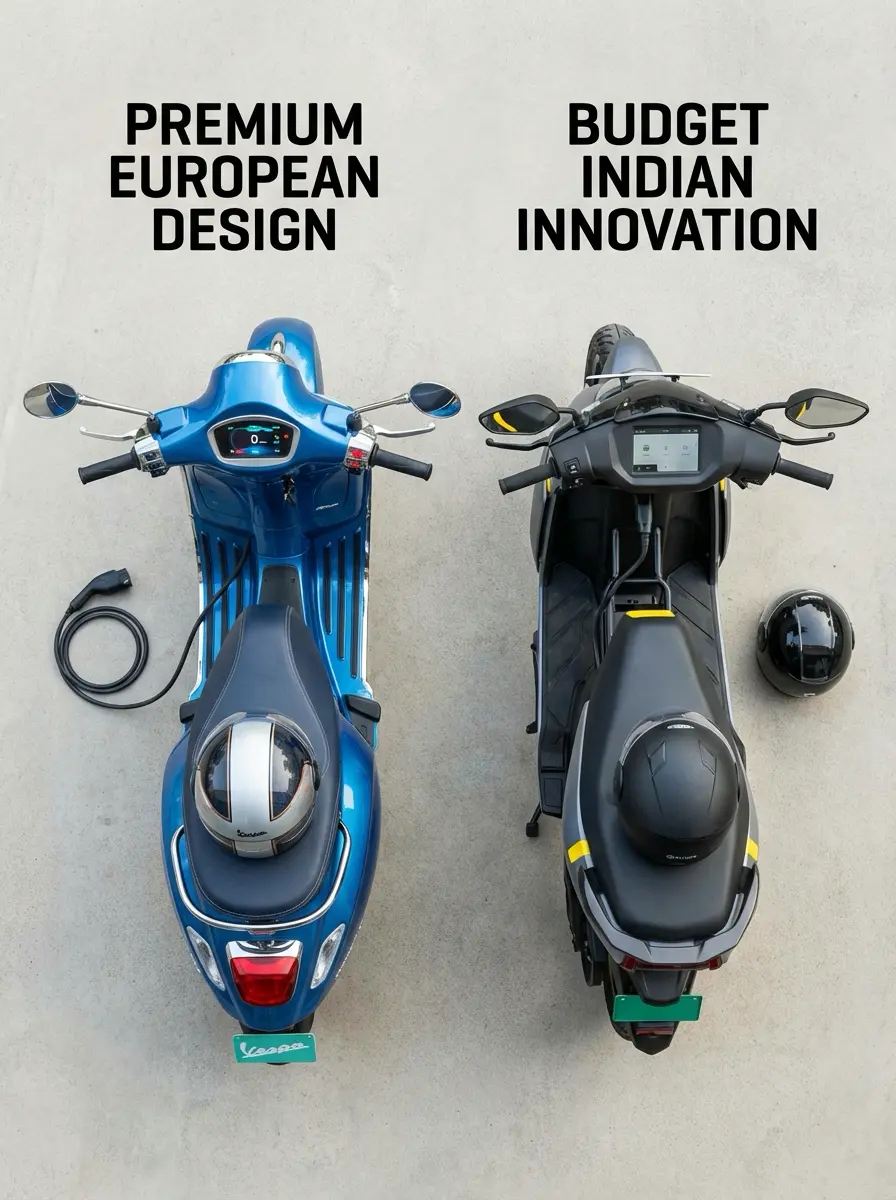
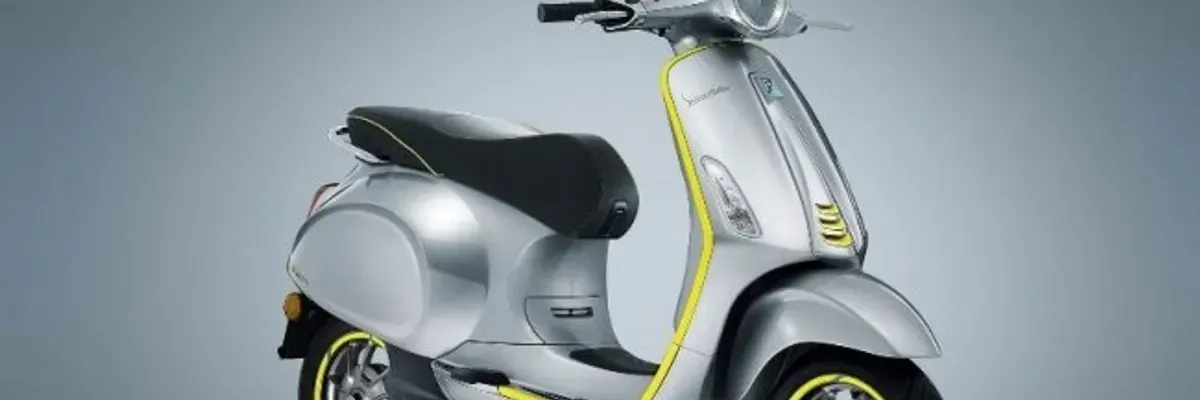
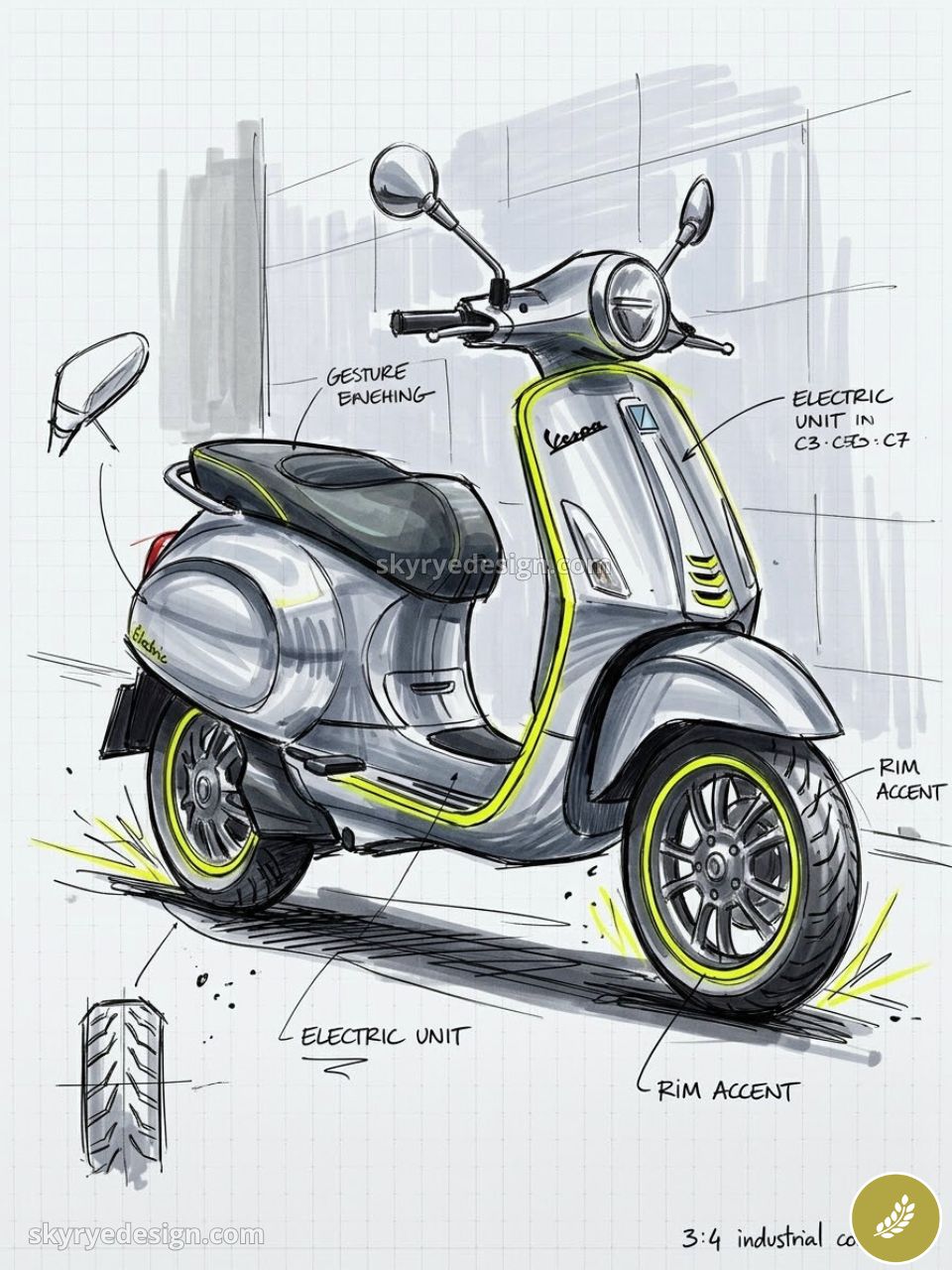
The Western EV market has largely avoided this problem by concentrating development effort in the premium segment. A Vespa Elettrica retails at around €6,500–€7,000.
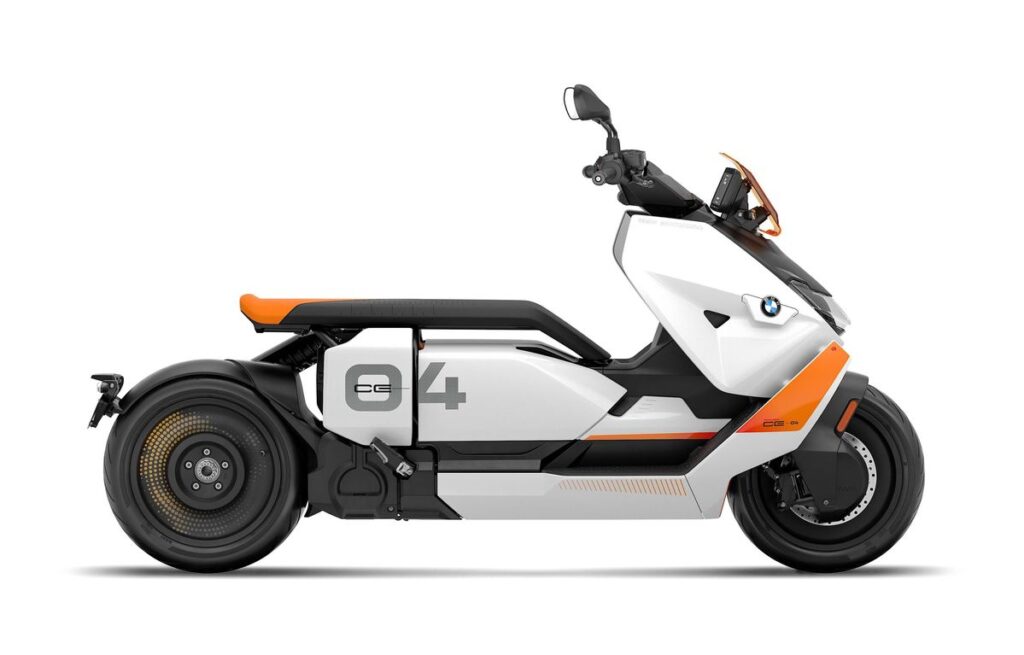
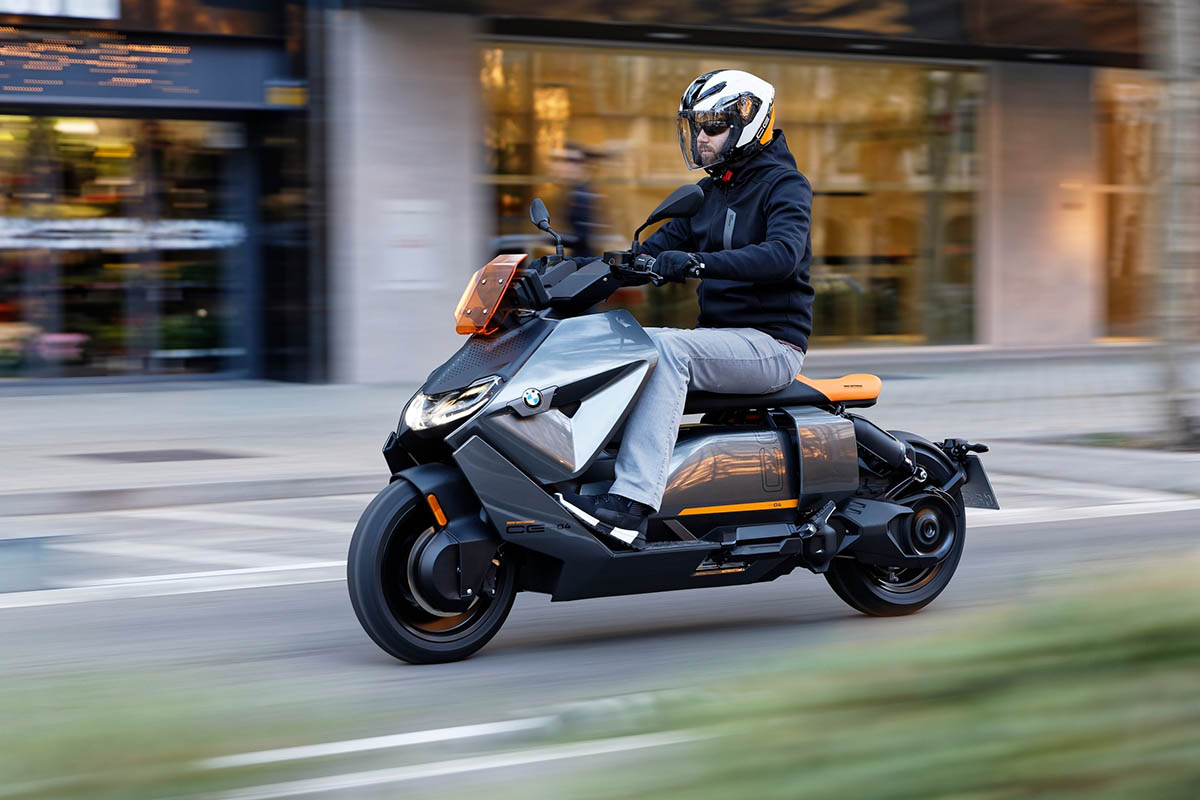
A BMW CE-04 starts at approximately €11,000. At those price points, the industrial designer has access to the full material and manufacturing toolkit. The design challenge is primarily about differentiation, desirability, and brand expression — genuinely interesting problems, but ones with generous budgets behind them.
The Indian sub-₹1 lakh EV brief is structurally different. The designer is working with a unit economics target that requires radical cost discipline at every component level, selling to a buyer who is spending a meaningful share of household income and will keep the vehicle for five to eight years, and simultaneously communicating technological advancement — because an electric scooter in this market carries an implicit promise of modernity that a petrol equivalent doesn’t.
Delivering all three simultaneously, within a supply chain that operates in one of the world’s most demanding climates, is a harder design problem than anything BMW Motorrad’s studio is currently working on.
The Body Panel Decision: A Case Study in Material Honesty
If you want to understand the design thinking behind Indian budget EVs, start with the body panel specification — specifically, the choice between metal and composite construction. It’s the most consequential single decision in the design brief, and the way different manufacturers have resolved it tells you a great deal about their design philosophy.
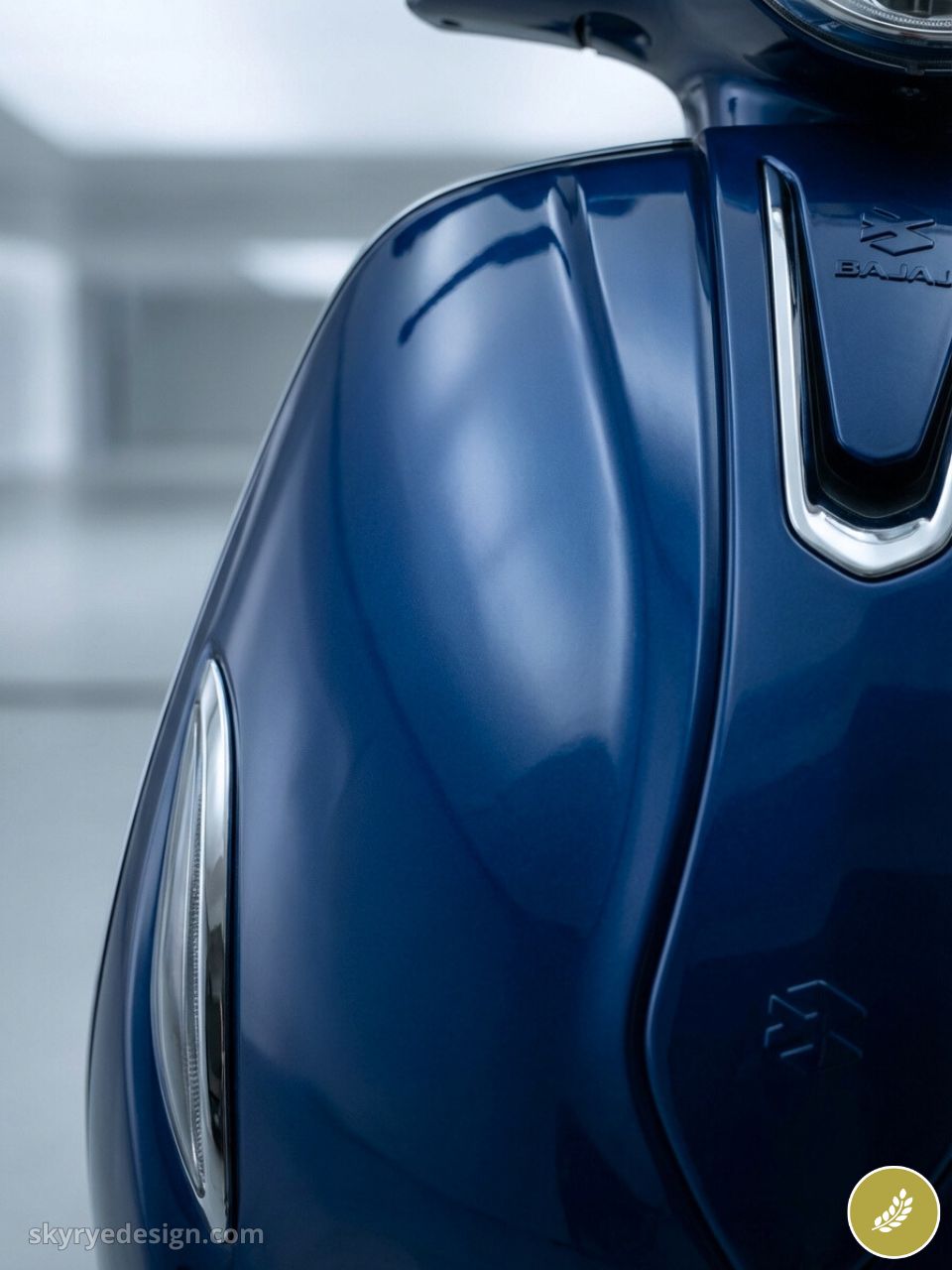
The Bajaj Chetak 2501’s metallic body is a deliberate statement, and one worth examining closely. Metal body panels at this price point are unusual — most competitors use ABS or polypropylene composites that are lighter, cheaper to tool, and faster to manufacture. Bajaj accepted the weight and cost penalty for a reason: metal ages differently than plastic. It holds its finish under UV exposure.
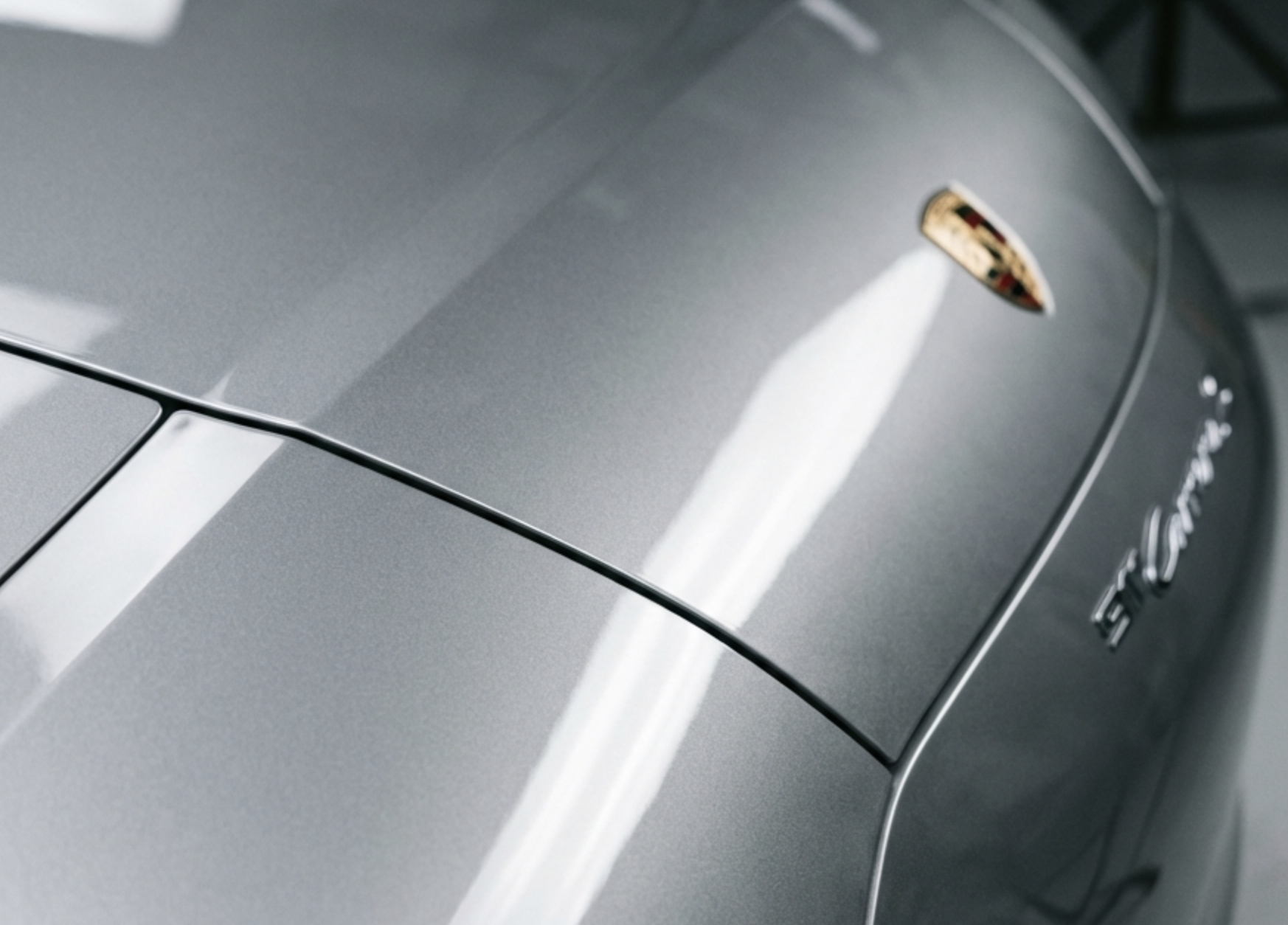
It doesn’t develop the surface micro-cracking and colour fade that plastic panels show after two Indian summers. For a product that a buyer is keeping for seven years, the long-term quality signal is worth the short-term cost premium. This is the same reasoning behind Porsche’s aluminum bonnet on the 911 — material selection as a quality commitment, not just an engineering decision.
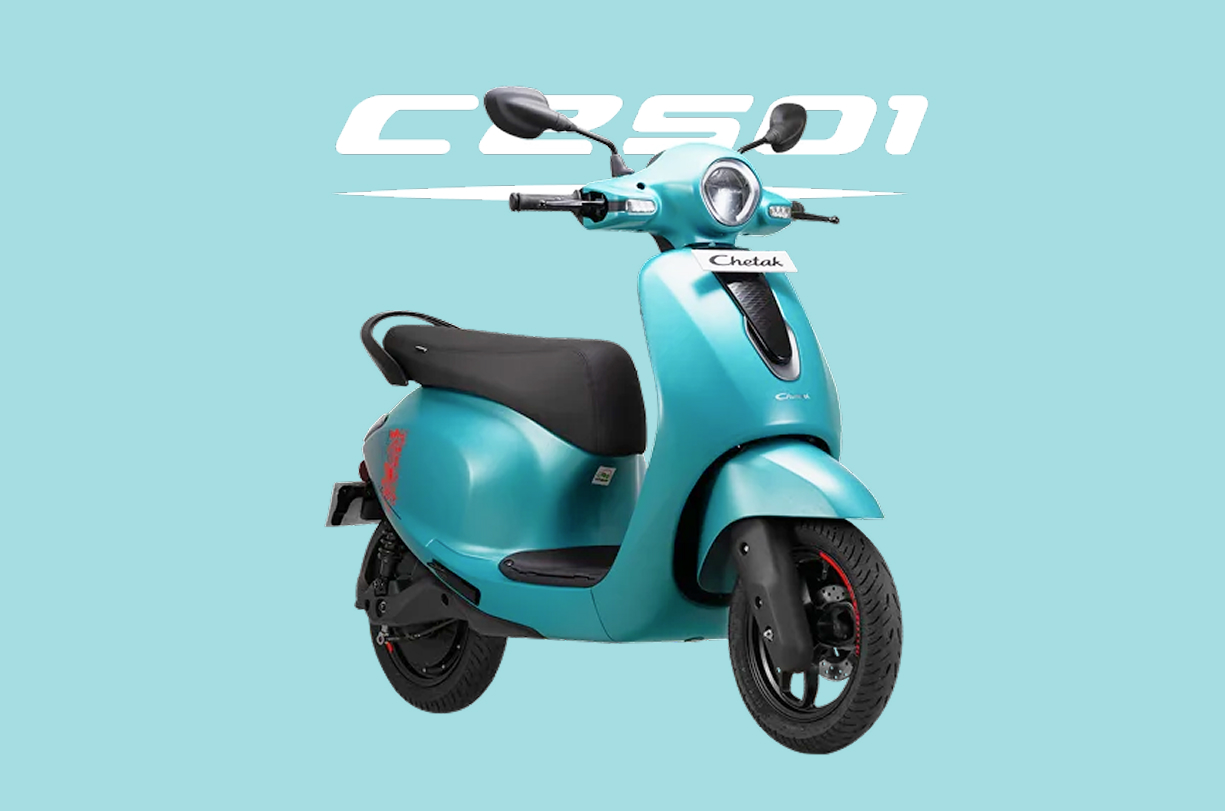
Most competitors work with composites, and the interesting design challenge there is how to use geometry, surface treatment, and graphic elements to override plastic’s inherent quality cues.
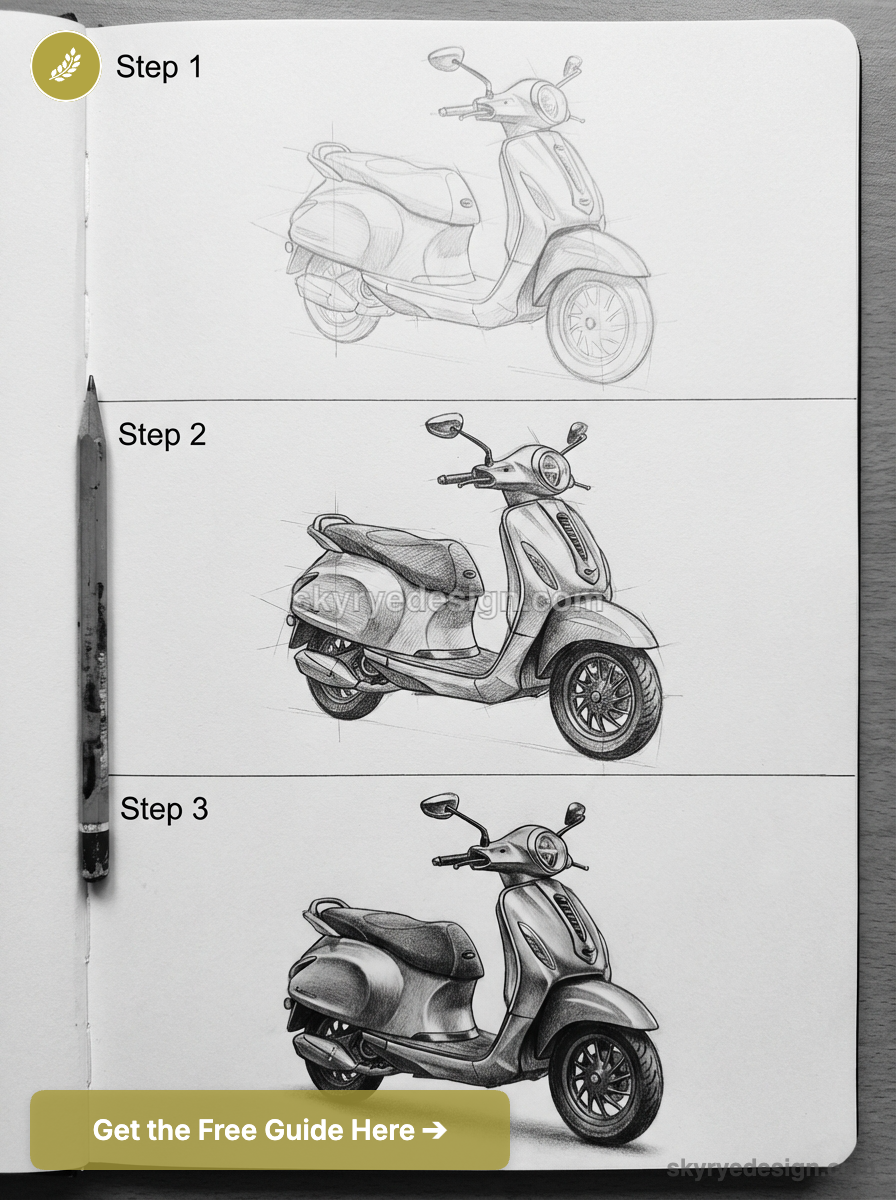
The techniques that work are borrowed directly from European automotive design practice: deep panel radii that catch light in ways that read as substantial, deliberate matte-to-gloss transitions that create visual hierarchy, and break lines that generate shadow and apparent mass where physical mass doesn’t exist.
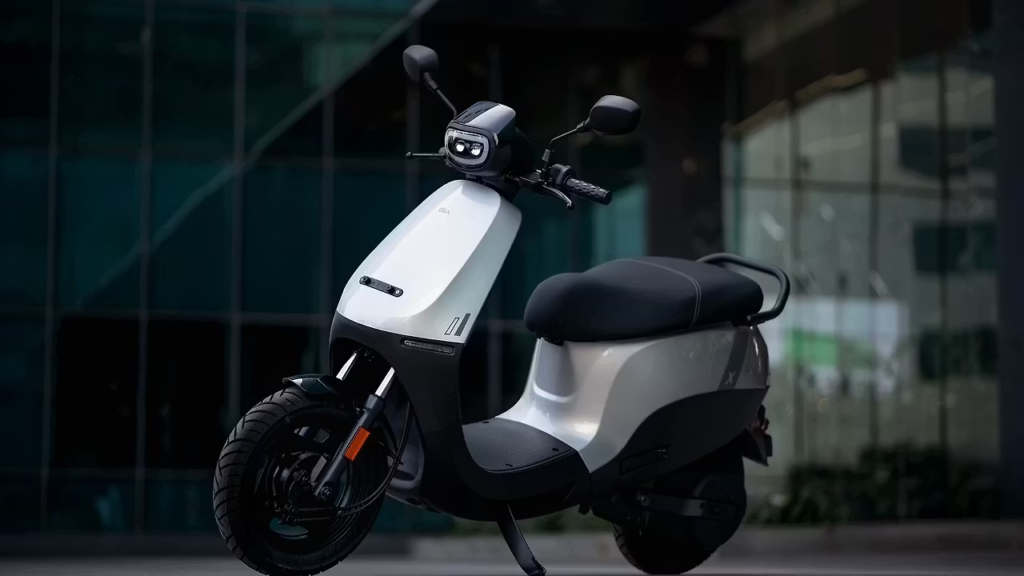
The Ola S1 X — which achieves the segment’s longest range at 143 km and sits comfortably in this price bracket — uses exactly this approach.
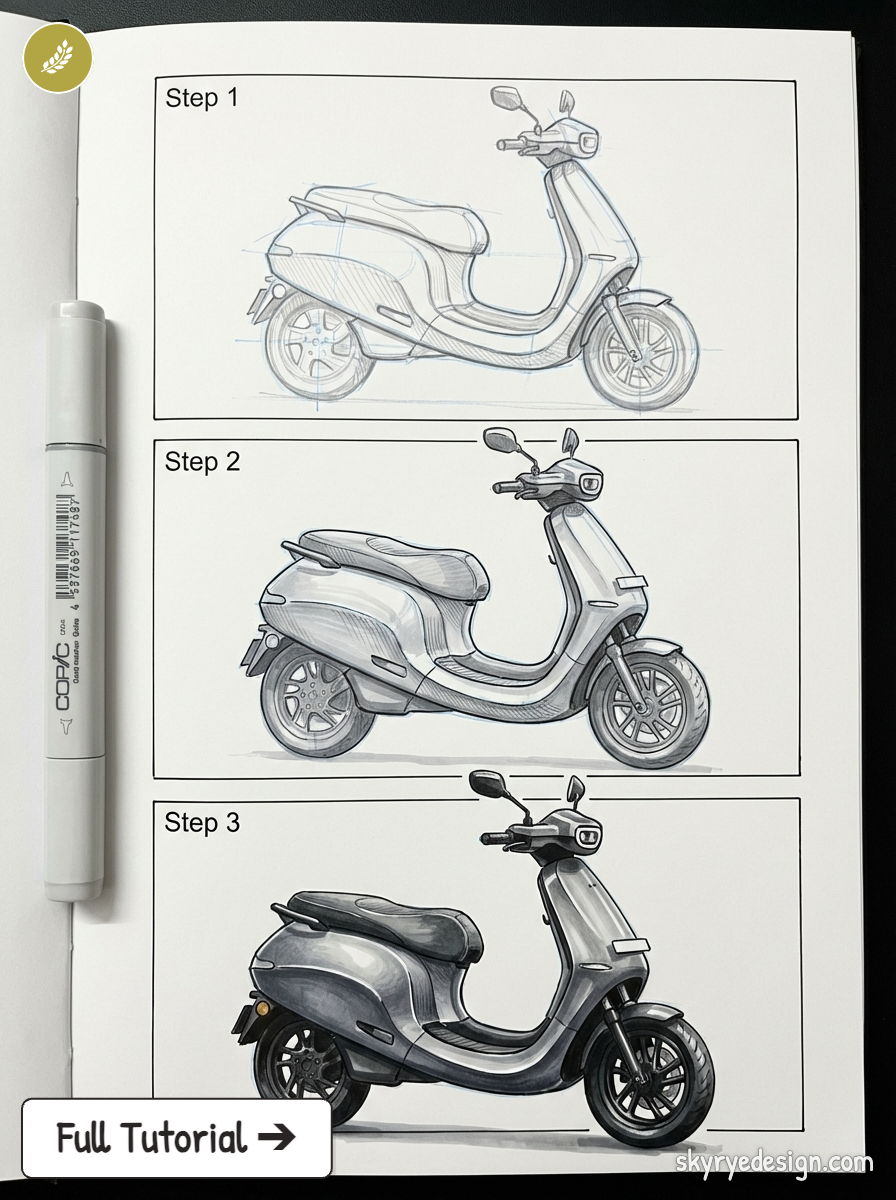
Its upper surfaces are matte, its lower accent elements gloss, creating the kind of surface differentiation that BMW’s designers use on the i3. It costs roughly 1% of what a BMW i3 costs. The design vocabulary is the same.
LED Signatures: Identity Design Under Thermal Constraint
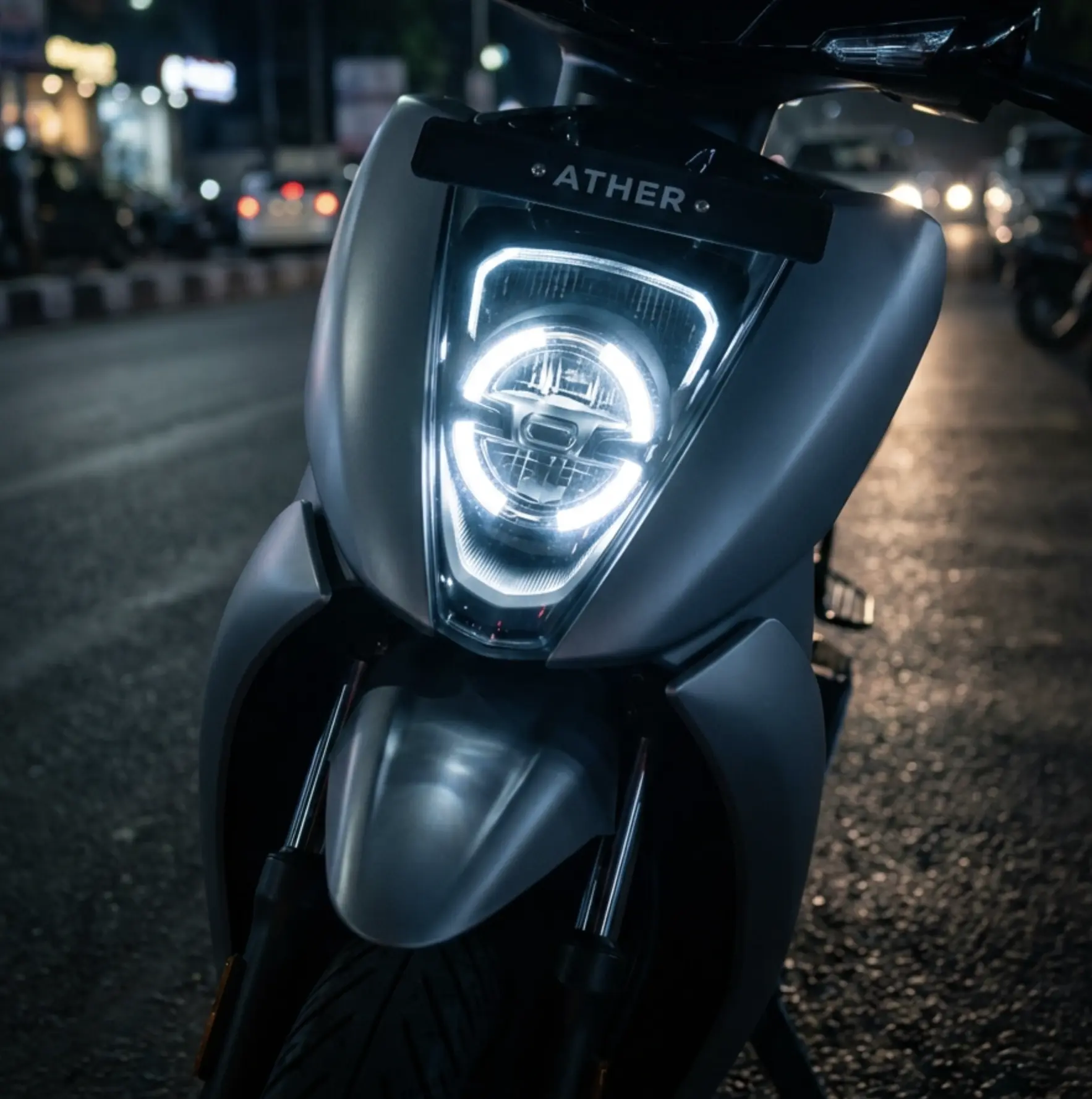
For European and American designers accustomed to seeing LED signatures as a premium feature — Audi’s Matrix LED headlights, Volvo’s Thor’s Hammer DRL, BMW’s Laserlight — the sophistication of LED identity design in the Indian budget EV segment is genuinely surprising.
The Ather 450S uses a distinctive LED ring at the front that functions as a geometric identity element recognizable from 50 metres in traffic — exactly the kind of brand signature that Audi spent years developing at the luxury end of the market, implemented in a product that costs less than a return flight from London to New York. TVS has taken a similar approach on the iQube, where the DRL arrangement is the primary visual differentiator from the front view. These aren’t accidental outcomes. They’re deliberate industrial design decisions made with the same intentionality that shapes premium product development.
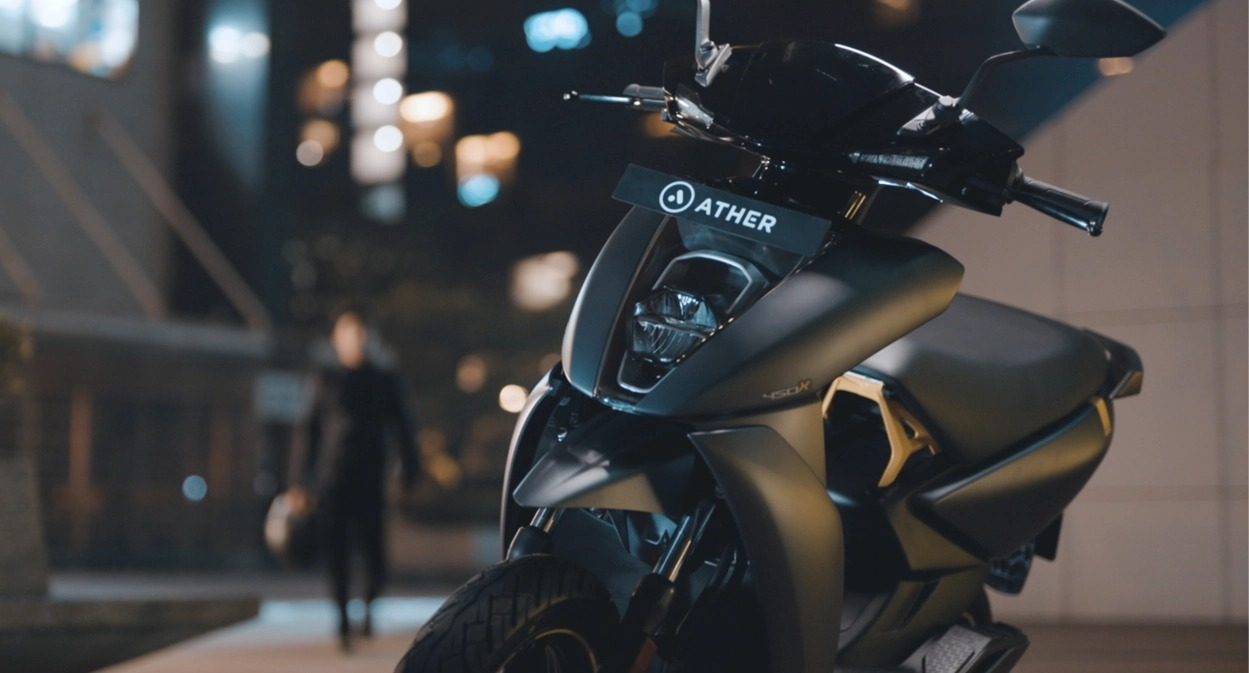
What makes this technically interesting from a design engineering perspective is the thermal management problem that EU and US designers rarely have to solve at this scale. LED clusters integrated into polymer housings operating in climates that regularly reach 40°C — sometimes sustained — require thermal dissipation engineering that simply isn’t a design constraint in Frankfurt or Seattle.
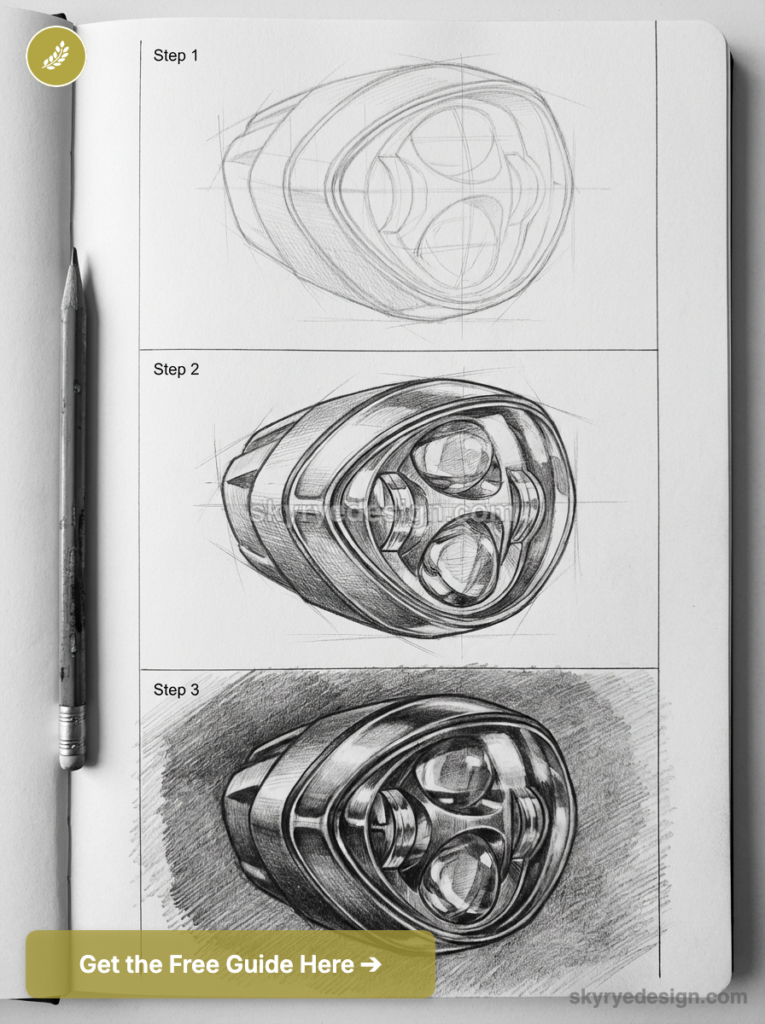
The solutions involve heatsink geometries integrated into the housing design, specified air gaps between the LED board and outer lens, and material selections that conduct heat away from the emitter. All of this is invisible in the finished product. All of it represents real engineering problem-solving that European designers working in temperate climates haven’t had to develop.
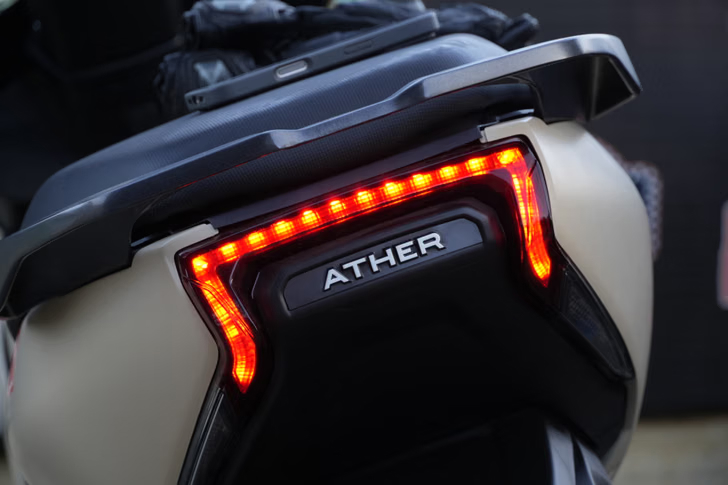
When the European EV market eventually faces the pressure to bring LED identity design into the €3,000–€5,000 urban scooter segment — and it will, as the market matures — the thermal management competency that Indian designers have built will be directly relevant.
Dashboard UX: Designing for Attention in Dense Traffic
The transition from analogue to digital instrumentation in budget EVs has created a UX surface that the Western design conversation tends to treat as a software problem. In the Indian market, it’s primarily a hardware and environmental design problem — and the solutions are instructive.
Consider the actual use conditions. A daily commuter in Mumbai or Bangalore is splitting six lanes of traffic, filtering past buses, navigating unpredictable pedestrian behaviour, and doing this in direct tropical sunlight that makes most standard display technologies unreadable. The dashboard in this context isn’t a feature showcase — it’s a safety-critical information surface that has to deliver the right data hierarchy at a glance, in conditions where a two-second glance is often all the rider can afford.
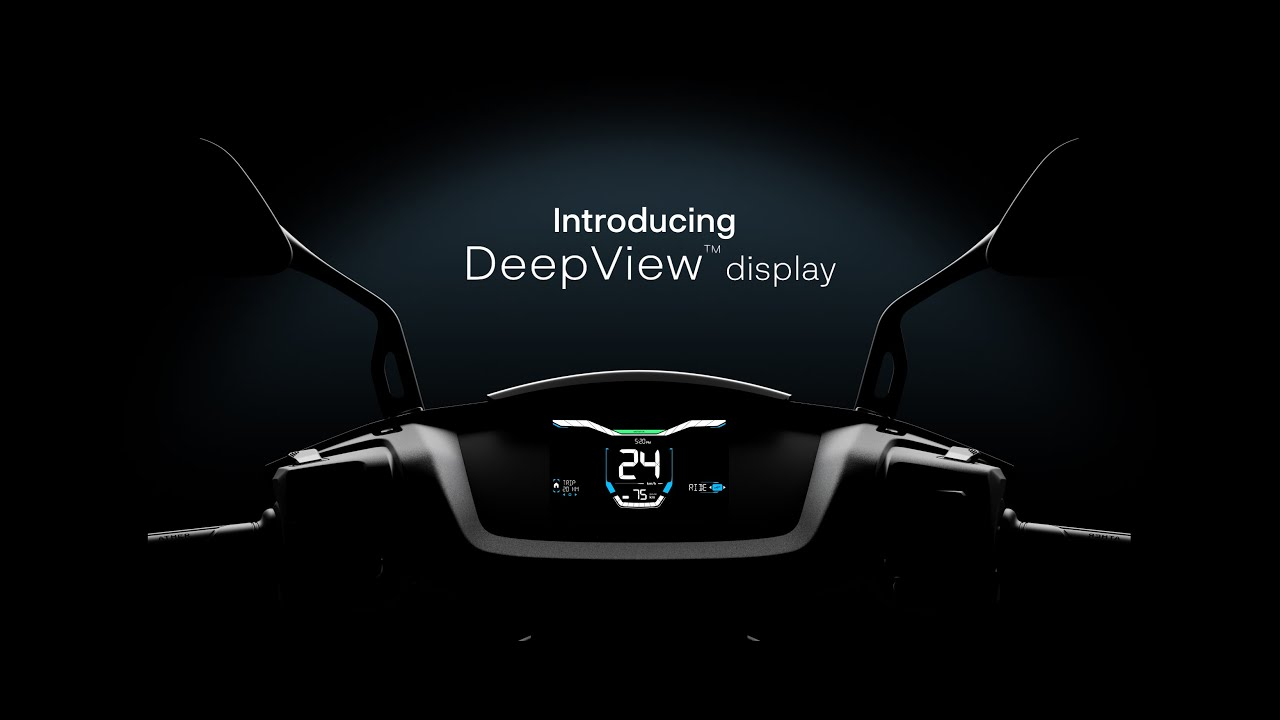
The best implementations in the current generation treat this as a reduced information environment — high contrast, large primary readouts for speed and battery state, secondary information accessible but not competing for attention. The Vida V1 Plus gets this right: legible in direct sunlight, intuitive battery state visualization, layout that prioritizes in-motion information over the feature richness that looks impressive in a showroom demo.
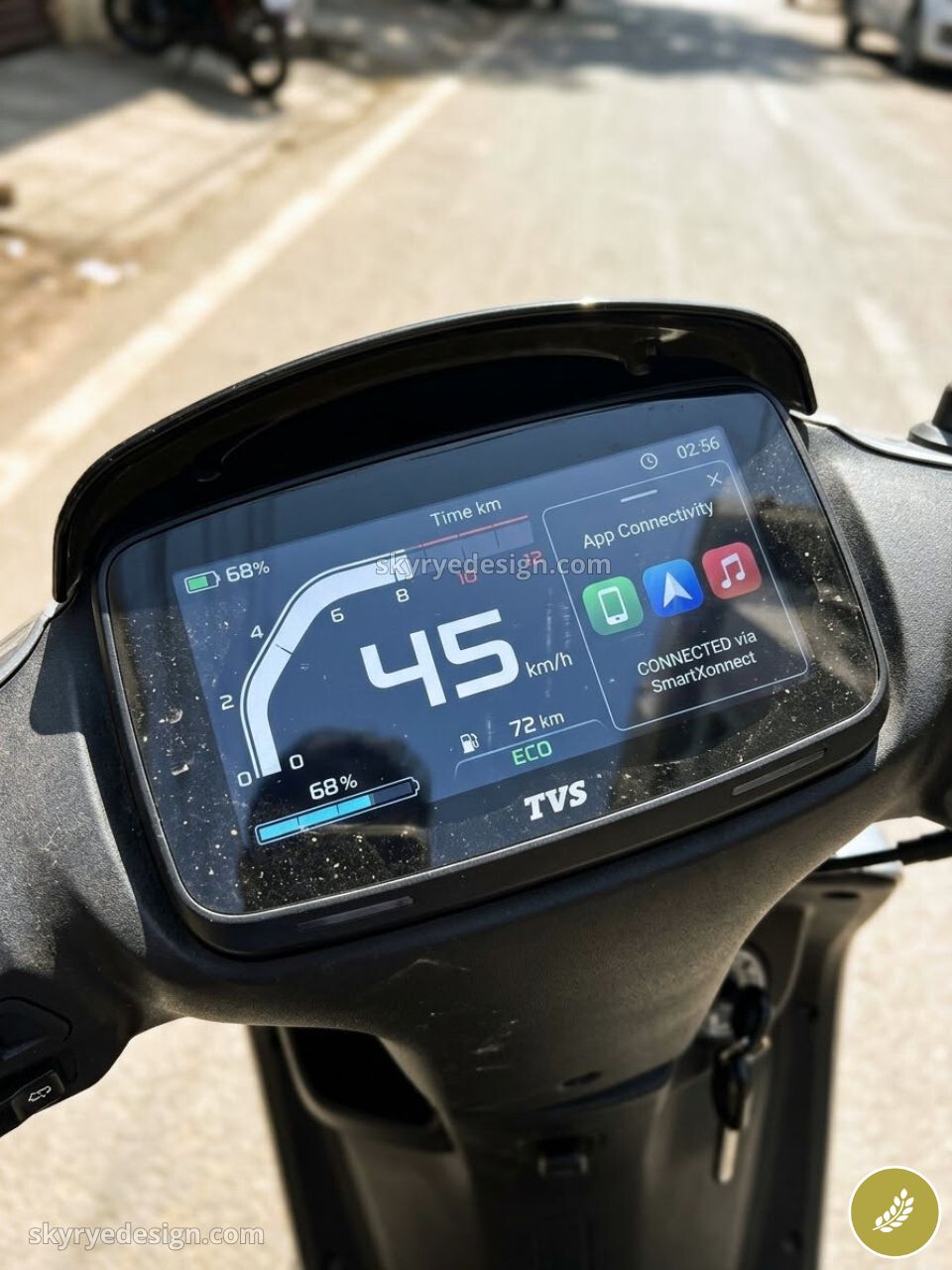
The worst implementations — and they exist across the segment — apply smartphone UI conventions to a vehicle display. Small typography, layered menu navigation, and graphic density that impresses in a product walkthrough and fails at 40 km/h. This failure mode is going to be increasingly familiar to European and American designers as digital dashboards move into sub-€3,000 urban mobility products. The comparative data that platforms like Mera Gadi provide — showing how different models translate advertised features into real-world usability — is the kind of buyer intelligence that helps distinguish genuine UX quality from specification-sheet performance.
Battery Packaging as Design Constraint
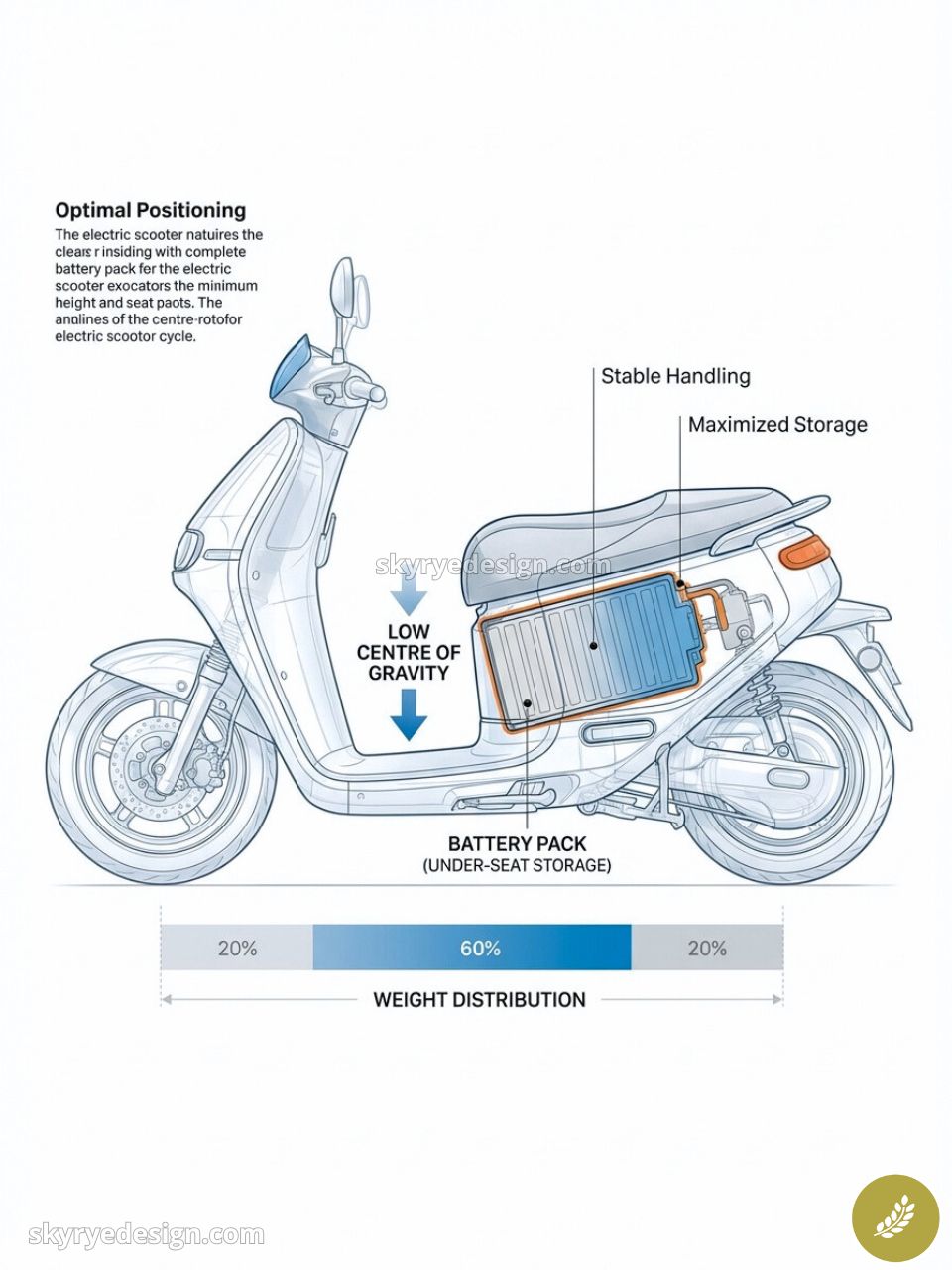
For Western designers used to thinking about battery packaging primarily as a range and charging conversation, the Indian market introduces a set of secondary constraints that reframe the problem entirely.
The battery pack in a sub-₹1 lakh scooter is the dominant cost component, the dominant weight component, and the dominant volume component simultaneously. How it’s packaged determines the scooter’s weight distribution, which determines handling character in dense urban traffic, where low-speed manoeuvring and tight turning circles matter more than highway dynamics.
It determines under-seat storage capacity, which is a primary purchase consideration for urban commuters who are also carrying a helmet, a rain jacket, and sometimes a day’s worth of groceries. And it determines the floor height and footboard geometry, which affects rider ergonomics across a user population that may range from 150cm to 190cm in height.
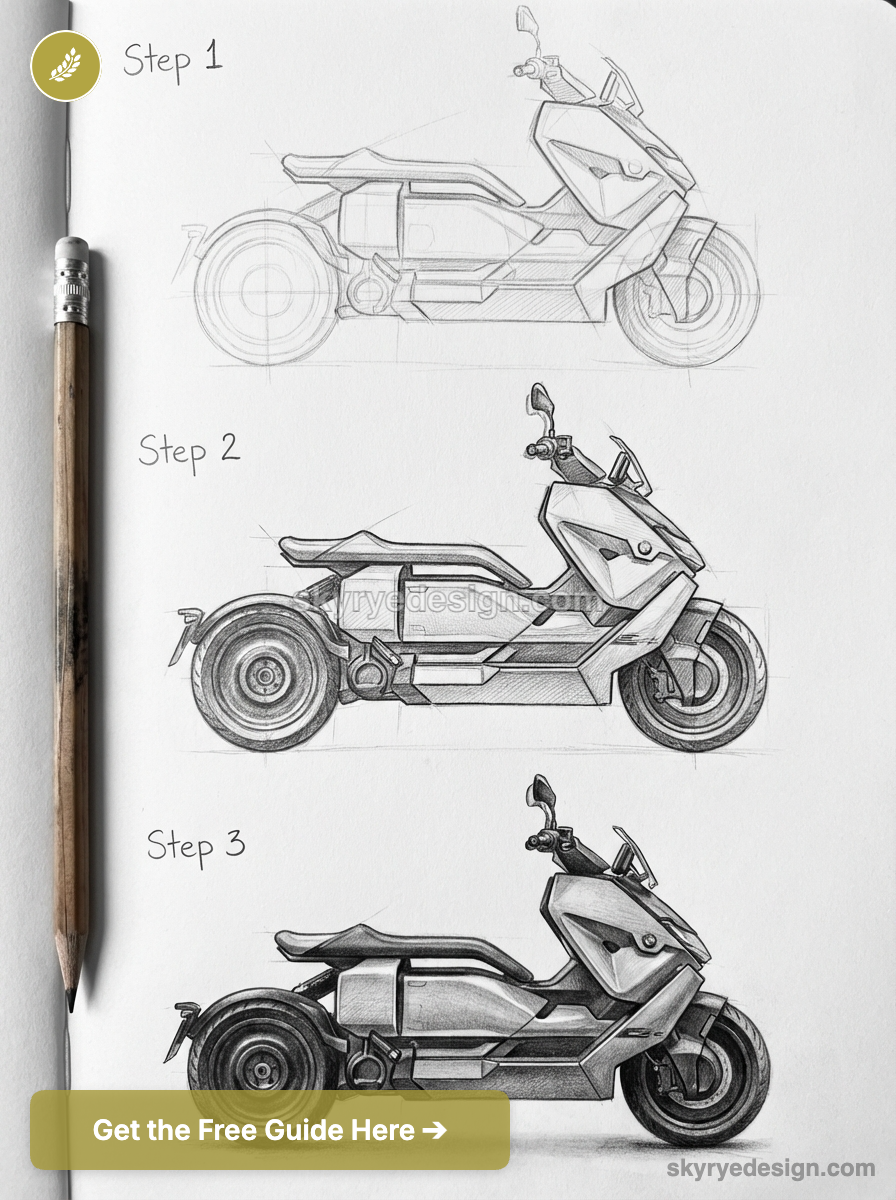
The range figures across the current generation reflect genuinely different engineering philosophies: from the Bounce Infinity E1’s 85 km at the conservative end to the Ola S1 X’s 143 km at the top of the segment. But the design-relevant difference isn’t just the number — it’s how each manufacturer has chosen to distribute the pack mass and what they’ve traded to achieve their range target.
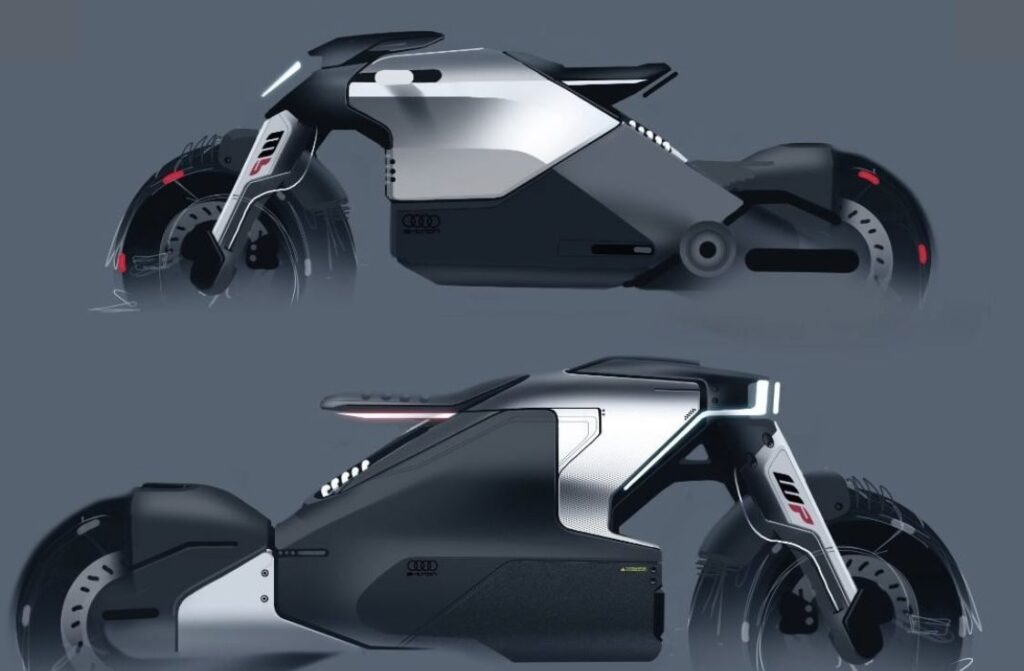
The Ola S1 X achieves its class-leading figure partly through a battery management system that optimises discharge curves, but also through a chassis-integrated pack design that keeps mass low and central — improving handling while maximising capacity within the available volume. This is integrated design thinking in exactly the sense that Jonathan Ive described as the distinction between Apple’s approach and the industry’s: hardware, software, and industrial form resolved together rather than sequentially.
For a detailed comparative breakdown of how current models trade off range, weight, and feature content at similar price points, the top 10 EV scooty under 1 lakh guide is a useful reference — particularly for understanding how the engineering decisions behind each platform translate to real-world ownership differences.
EV Scooters at a Glance: Indian Budget vs European Premium
The design problems are different. The price points are worlds apart. But looking at both markets side by side makes the constraint gap — and the ingenuity gap — immediately visible.
| Model | Market | Range | Price (approx.) | Design Signature | Design Challenge Solved |
| Bajaj Chetak 2501 | India | 113 km | ₹95,000 (~$1,100) | Metallic body, brass-tone LED | Quality signalling through material honesty at cost constraint |
| Ola S1 X (3kWh) | India | 143 km | ₹90,000 (~$1,050) | Matte/gloss panel hierarchy | Max range via chassis-integrated battery geometry |
| Ather 450S | India | 115 km | ₹98,000 (~$1,150) | Geometric LED ring identity | Brand signature under thermal + cost constraint |
| TVS iQube Base | India | 100 km | ₹96,000 (~$1,120) | DRL as primary front differentiator | Trusted-brand legibility at entry price point |
| Ampere Magnus EX | India | 121 km | ₹80,000 (~$930) | Practical, upright silhouette | Range-to-cost ratio for city commuters |
| Bounce Infinity E1 | India | 85 km | ₹68,000 (~$790) | Lightweight minimalist form | Low dead weight for short urban hops |
| Hero Eddy | India | 75 km | ₹65,000 (~$760) | Familiar step-through ergonomics | Maintenance simplicity at entry budget |
| Okinawa Praise Pro | India | 88 km | ₹78,000 (~$910) | Sleek tapered bodywork | Style-forward design within ABS constraints |
| Pure EV ePluto 7G | India | 111 km | ₹88,000 (~$1,020) | Feature-dense digital dashboard | Advanced UX spec at sub-₹1 lakh |
| Vespa Elettrica | Europe | 94 km | €6,699 (~$7,300) | Heritage silhouette, full metal body | Retrofit of iconic form language to EV powertrain |
| BMW CE-04 | Europe | 130 km | €11,900 (~$13,000) | Futurist flat-deck stance, HUD display | Category-defining visual language for urban EVs |
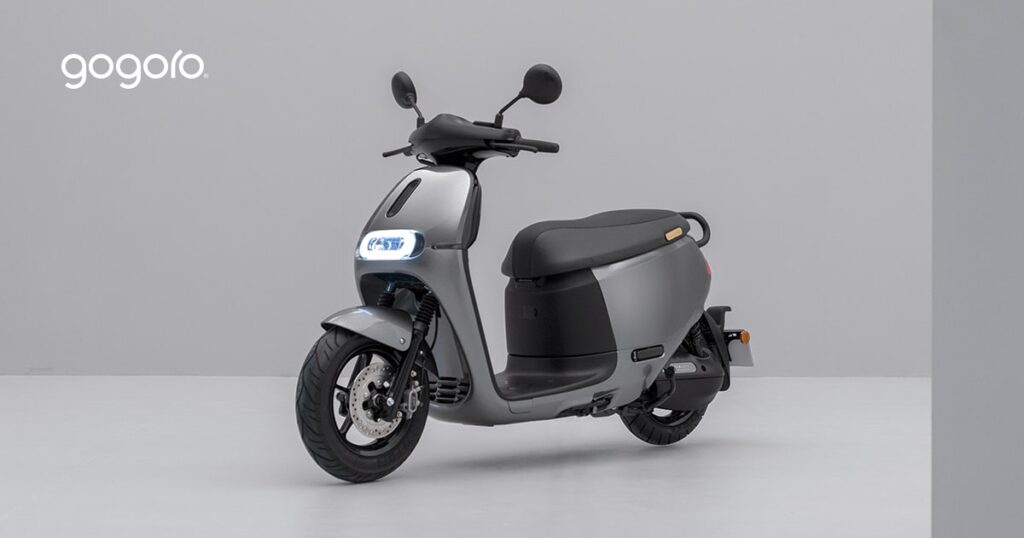
| Gogoro Viva | Taiwan | 110 km | €3,200 (~$3,500) | Interchangeable body panels | Swappable battery + modular identity system |
| Niu MQi GT Evo | Europe | 100 km | €3,499 (~$3,800) | Sportbike-lite stance | Performance cues at mid-range European price |
| Super Soco TC Max | Europe | 120 km | €4,500 (~$4,900) | Cafe racer aesthetic, retro hardware | Sub-culture identity design for urban riders |
| Silence S01 | Europe | 115 km | €7,500 (~$8,200) | Flat-floor utility platform | Practicality-first design with storage integration |
Price bands are approximate and subject to regional variation. Indian prices ex-showroom Delhi; European prices vary by market. Range figures reflect manufacturer-claimed WLTP or equivalent test conditions.
The Design Lessons Western Studios Need to Learn
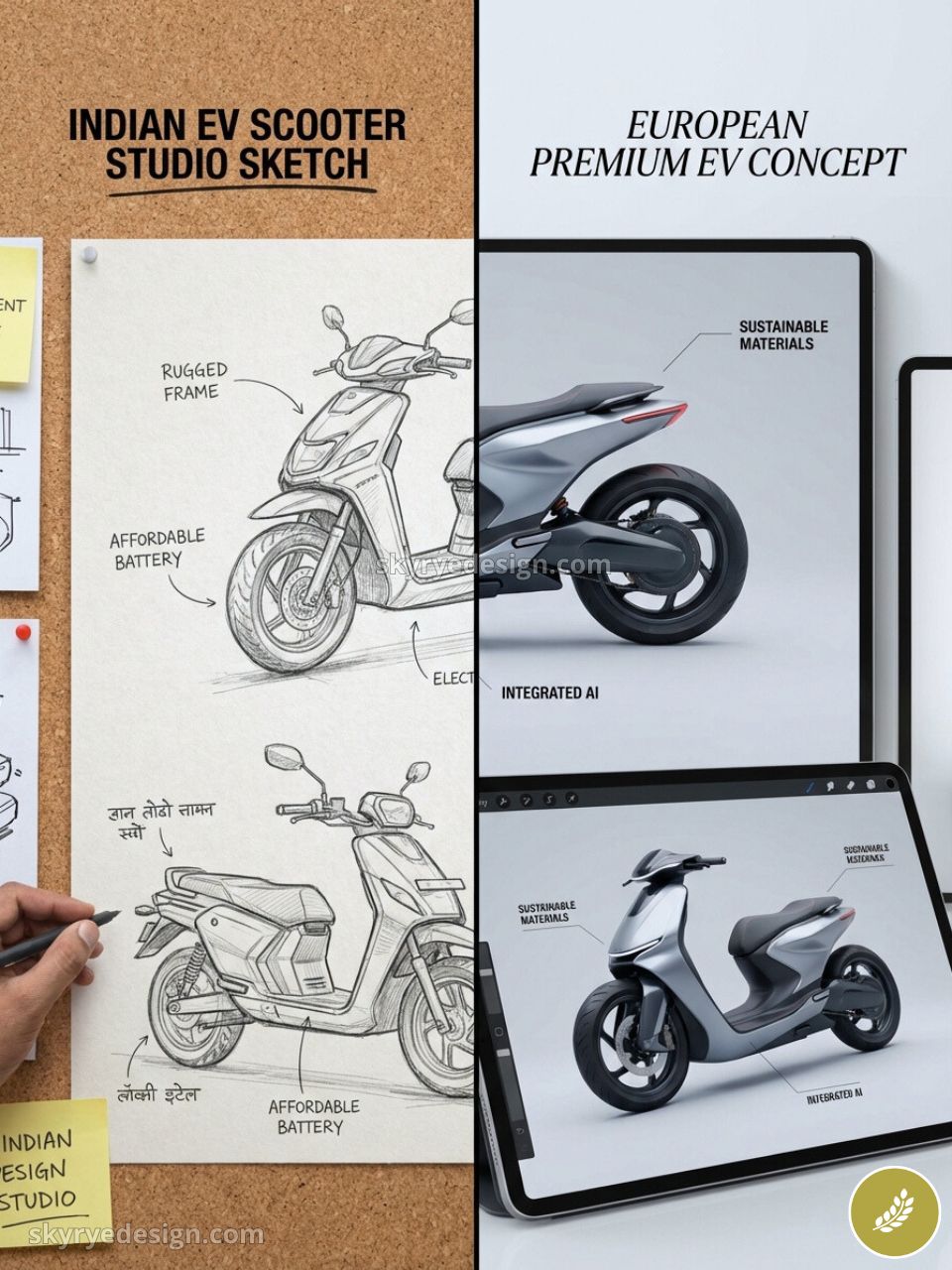
The assumption in European and American industrial design circles — often unstated but consistently present — is that the interesting EV work is happening at BMW Motorrad, at Piaggio, at Gogoro in Taiwan, at the premium and near-premium end of the developed markets.
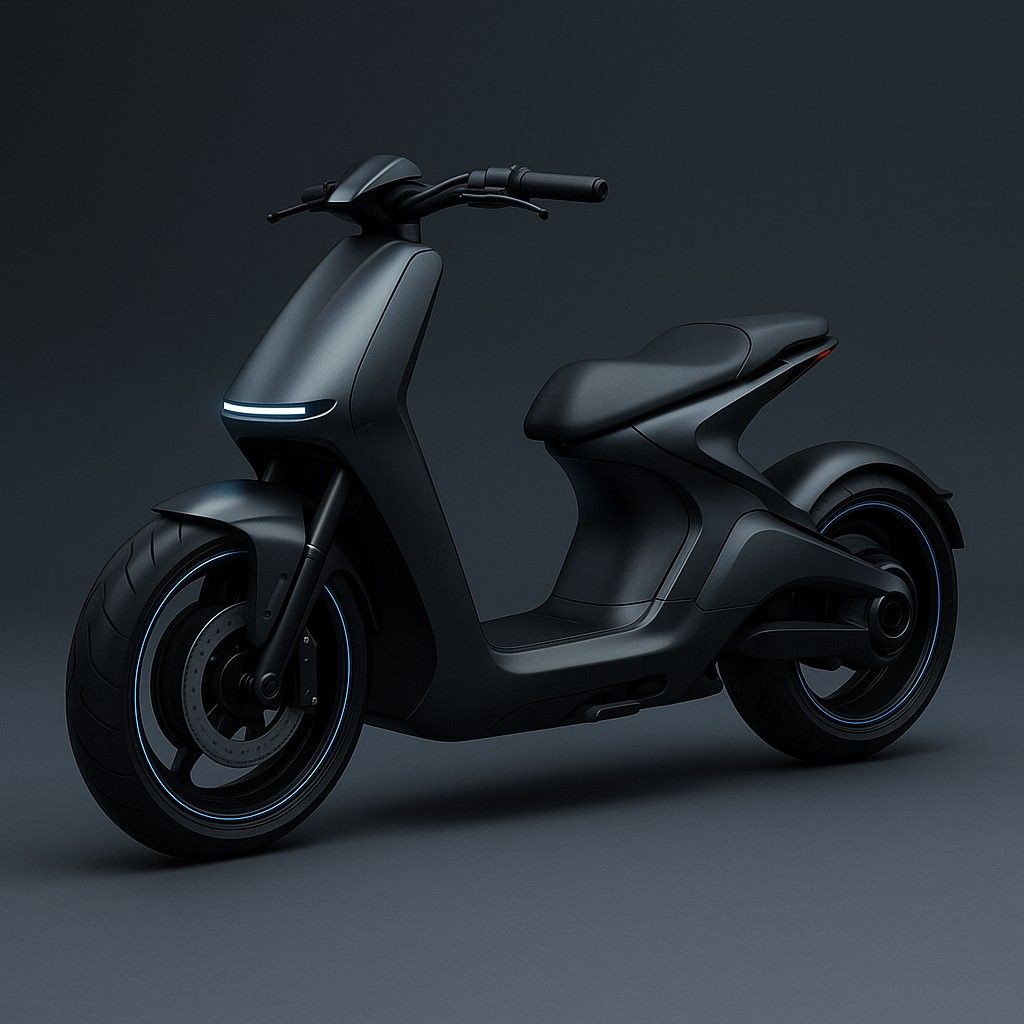
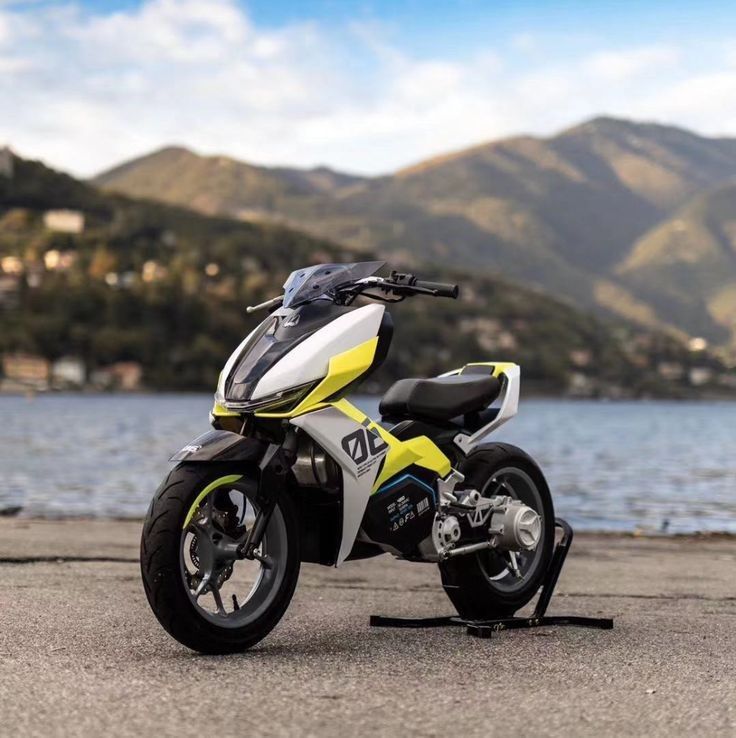
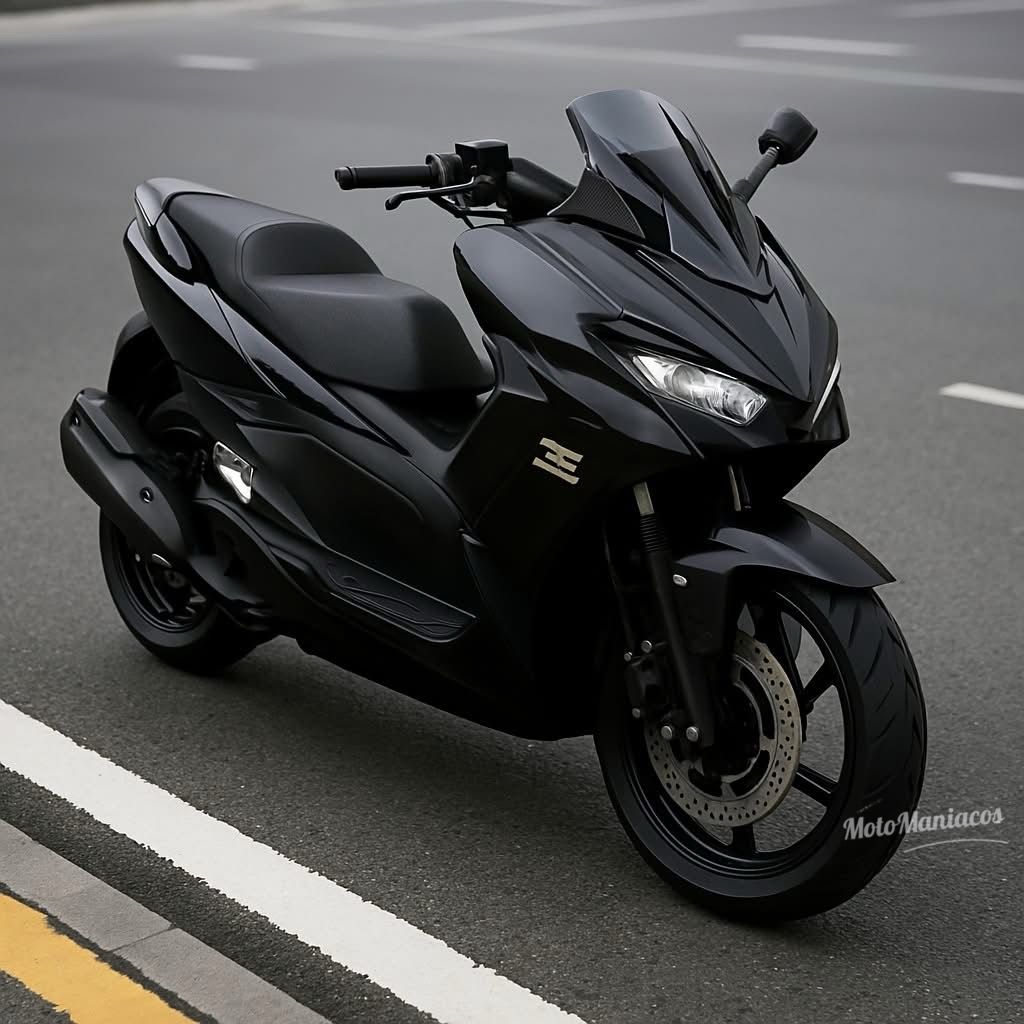
The assumption is worth examining because it’s leading Western studios to under-invest in a set of competencies that they’re going to need.
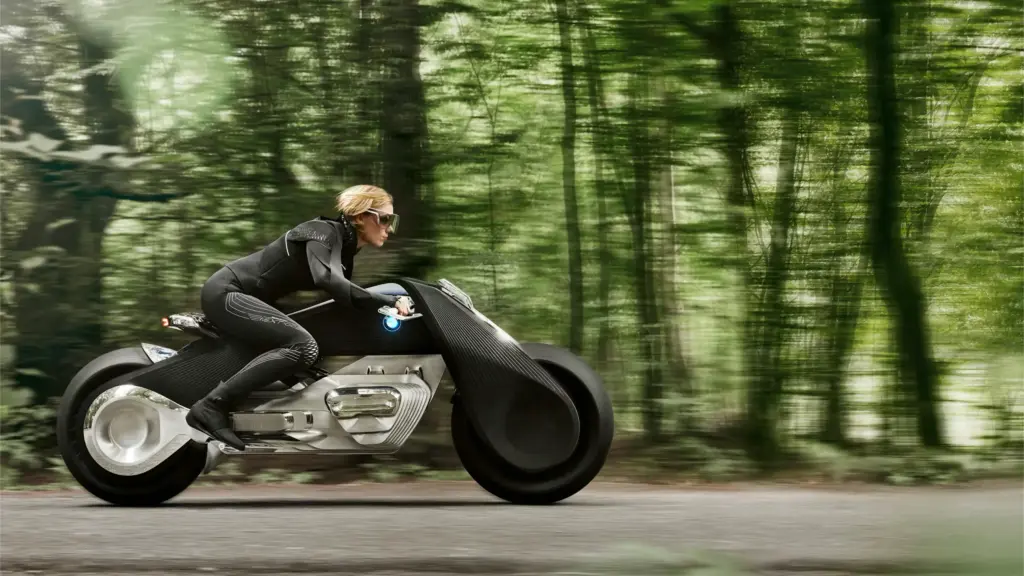
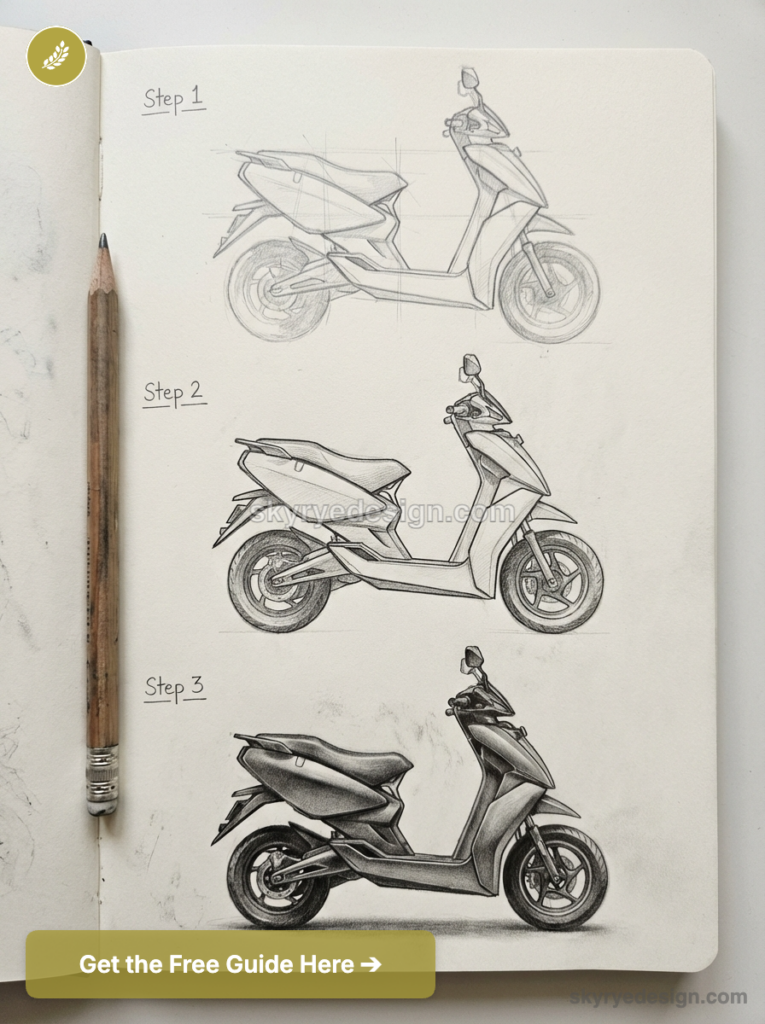
The mass-market EV transition is coming to Europe and the US on a timeline that’s now relatively visible. As government incentive structures shift, as charging infrastructure matures, and as the initial premium adopters are followed by the mainstream — cost-conscious, practically motivated, not buying an identity statement — the pressure on unit economics in the Western EV market is going to intensify dramatically.
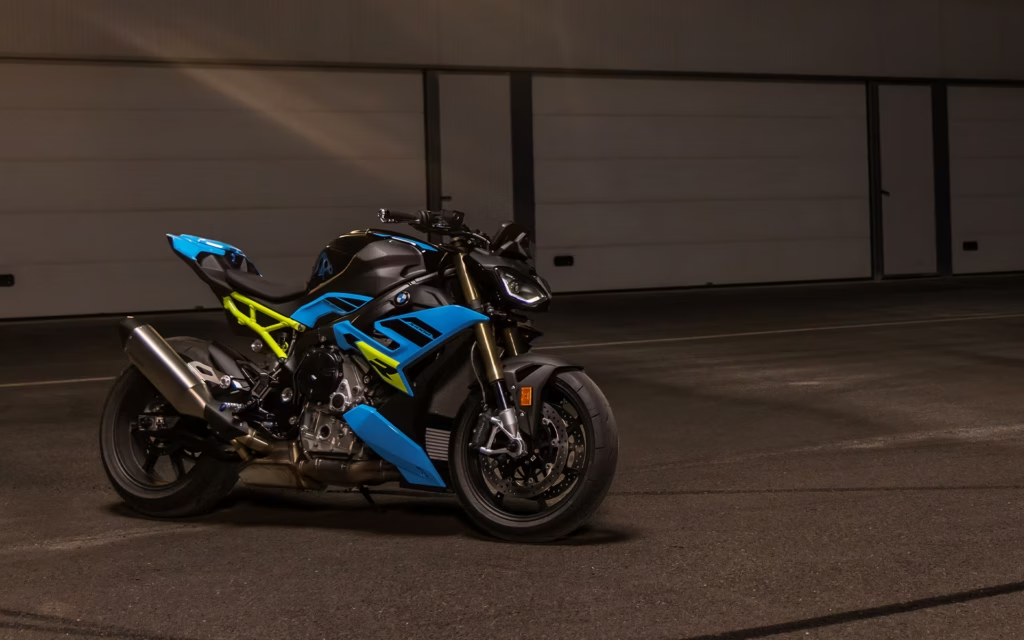
The BMW CE-04 at €11,000 is not the product that will drive mass adoption in Amsterdam or Austin. Something at €2,500–€3,500 is. And designing that product well, under those constraints, is exactly the problem that Indian studios have been solving for five years.
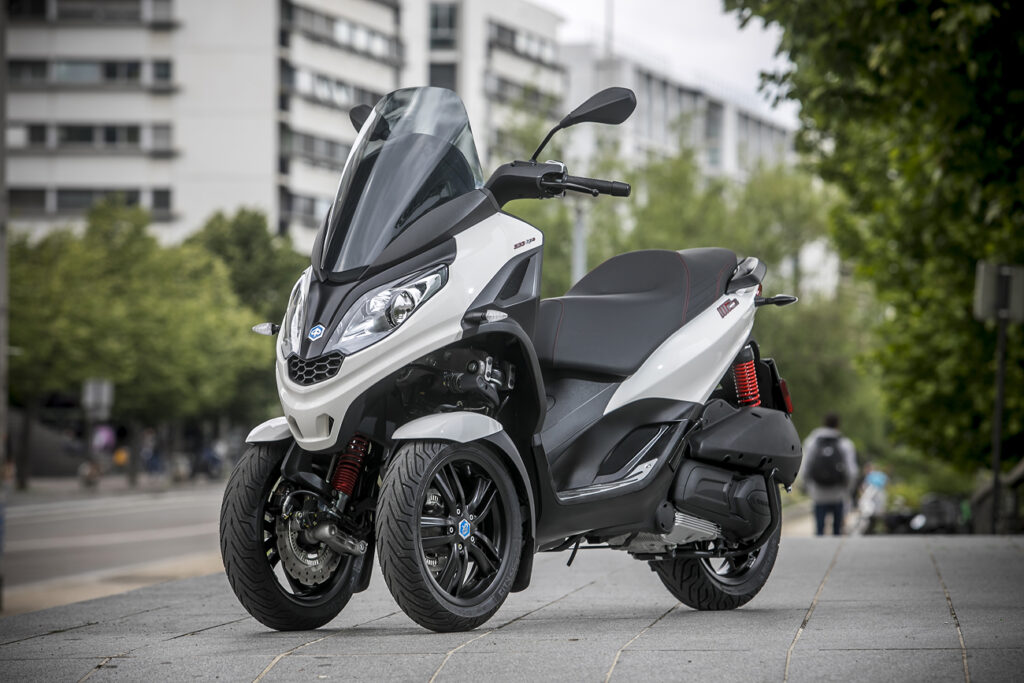
The specific competencies worth studying: constraint-driven material innovation that creates quality signals without premium material costs. LED identity design under thermal and cost constraints. Digital UX designed for real-world attention conditions rather than showroom demos. Battery packaging integrated with chassis and body design from the first sketch rather than added after structural decisions are made.
The Bajaj Chetak’s metal body decision, the Ather’s LED identity strategy, the Ola’s chassis-integrated battery geometry — these aren’t compromises adapted from better products. They’re design solutions developed under conditions that European manufacturers haven’t faced yet, to problems that European manufacturers will eventually have to solve. The studios that are paying attention to Pune and Bangalore right now will have a meaningful head start when that moment arrives.
The most instructive design school in the global EV space right now isn’t in Munich or Milan or Pasadena. It’s operating under a cost ceiling that most Western designers would dismiss before reading the brief. That’s exactly why it’s worth reading.
FAQ: EV Scooter Industrial Design
Why is budget EV design considered harder than premium EV design?
Premium EV design operates with a full material and manufacturing toolkit — die-cast aluminum, multi-stage paint processes, soft-touch coatings. Budget design removes most of that toolkit and asks for the same quality perception with what remains. The designer solves quality signalling through geometry and surface treatment logic rather than material cost — a fundamentally different methodology than European and American studios typically develop.
What makes the Bajaj Chetak’s metal body significant from a design perspective?
At sub-₹1 lakh pricing, a metal body is unusual — it adds manufacturing complexity and weight. Bajaj accepted both costs because metal holds finish under UV exposure, avoids the surface degradation plastic shows after two Indian summers, and signals long-term quality to a buyer keeping the vehicle for seven-plus years. It’s the same logic behind Porsche’s aluminum bonnet: material selection as quality commitment, not just engineering decision.
How do Indian EV designers handle LED thermal management differently from European brands?
LED clusters in polymer housings operating at sustained 40°C require heatsink geometries built into the housing, specified air gaps between LED board and outer lens, and materials that conduct heat away from the emitter. These solutions are invisible in the finished product but represent engineering competency that European budget EV designers will need as their markets mature — the Indian segment has already solved this at scale.
What’s the core UX failure in budget EV dashboards?
Applying smartphone UI conventions to a vehicle display — small typography, layered menus, high graphic density. These read well in showroom demos and fail at speed in direct sunlight. The best implementations use reduced information environments: large primary readouts for speed and battery state, secondary data accessible but not competing for attention during active riding.
Why does battery packaging matter as an industrial design decision, not just an engineering one?
The battery pack determines weight distribution (handling in dense traffic), under-seat storage volume (a primary purchase consideration), floor height, and rider ergonomics — all of which shape the object’s proportions and the rider’s daily experience. The Ola S1 X’s 143 km range reflects both battery chemistry and chassis-integrated pack design that keeps mass low and central. Engineering and industrial form resolved together from the first sketch.
What should European and American EV designers actually take from the Indian market?
Four competencies: constraint-driven material innovation for quality signals without premium costs; LED identity design engineered for high-temperature thermal performance; dashboard UX designed for real-world attention conditions; and battery packaging integrated with chassis geometry from the design development stage. These are problems the Western mass-market EV segment will face as pricing moves from premium to mainstream.
- 52shares
- Facebook0
- Pinterest52
- Twitter0
- Reddit0