These days, digital growth isn’t about just one thing. Brands that get ahead know that design, content, and smart search engine optimization (SEO) need to work together. A good-looking website is nice, but it needs strong content and a solid backlink plan to really take off. At the same time, the best article won’t get seen if the website is hard to use or if no good websites link to it.
The future is for businesses that look at digital growth as a whole. Instead of having separate teams for design, content, and SEO, brands are putting them together. This makes things faster, more consistent, and improves visibility long-term, which is what people want.
Design Builds User Trust

When someone visits a website, the design makes the first impression before they read anything. Clean designs, simple navigation, and a clear layout guide people to what they need. A well-designed website keeps people around longer, which tells search engines that the site is reliable and relevant.
Today, good design is more than just looks. It needs to be accessible, work on phones, load fast, and be clear. These things affect how people use the content. If a page takes too long to load or looks messy, people will leave. That hurts rankings, conversions, and how people see the brand.
In the future, design will use data even more. Teams will use user behavior, heatmaps, and computer-made insights to create layouts that really work for the audience. Design won’t just look good, it will be smart.
Content Should Match What People Want, Not Just Keywords

Looks grab attention, but content makes people trust you. Users want info that is clear, helpful, and sounds like it was written by a person. Search engines are now rewarding content that is deep, has a purpose, and is original.
Long guides, expert opinions, tutorials, and examples are great content types. The big change now is writing content that knows what people want to do, not just what they search for.
Brands often use too much computer-generated text here. While it can help, it can’t replace a real plan. People can tell when something sounds fake or empty. The brands that do the best combine research, personal thoughts, and stories with clear writing.
As content and design get closer, writers and designers will work together sooner. Instead of writing text and then fitting it into a design, teams will make visual content where the words and design make each other better.
The Strength of Smart Backlinks

Even with great design and content, you need authority to grow, and that comes from smart backlinks.
Backlinks are like digital recommendations. When well-known websites link to a brand, it shows that the brand is credible and makes it easier to find in search engines. The future of link building is about quality over quantity. It’s about being precise, personal, and relevant.
Businesses are hiring pros who know how to place links well, reach out to websites, and check domain quality. Agencies like Millenio are important here. They focus on doing things the right way, using relevant placements, and getting links from high-authority websites. This helps brands build a backlink profile that seems real and trustworthy.
For companies that want a simple way to manage link-building, marketplaces like Buildalink are becoming key. They connect brands with trusted publishers, which makes things easier and faster. As search engines get smarter, expert help will be key for getting links that last.
Where Design, Content, and Backlinks Come Together

The real change happens when design, content, and backlinks all work as one plan, not separate tasks.
1. Design helps people use content better
A good layout helps users scan text, understand important points, and take action. If people are more engaged, rankings go up.
2. Content makes backlinks more valuable
When a website has in-depth, well-researched content, backlinks become more believable and helpful. Publishers prefer to link to pages that have something to offer.
3. Backlinks make well-designed, quality pages more visible
Even the best website won’t get seen without authority. Backlinks show the website to new people and improve search performance long-term.
Together, these things create a cycle: good design – better content use – more backlink chances – higher search visibility – more user trust.
This is what successful brands are doing now.
The Move to Collaborative Digital Growth Teams
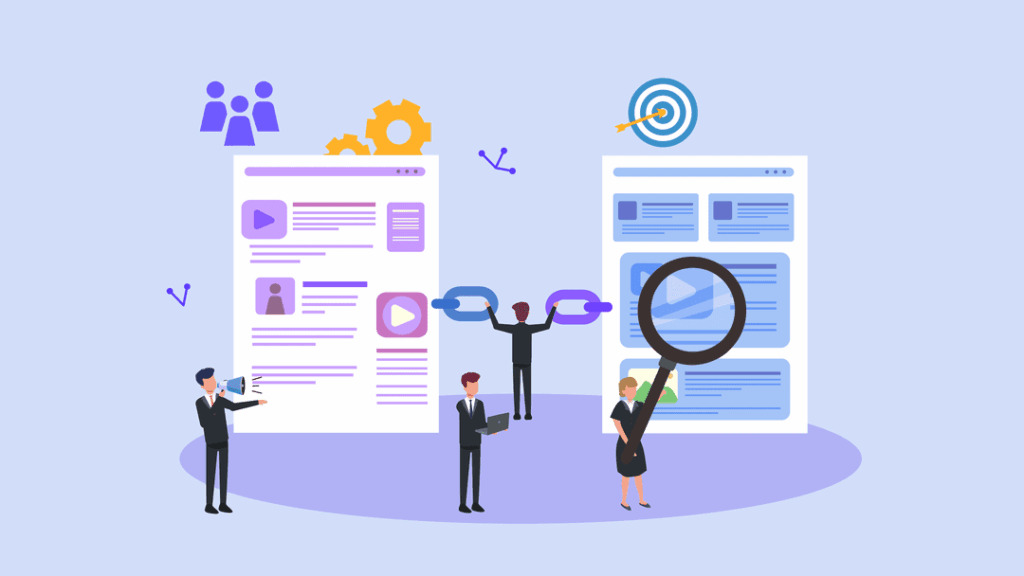
The future of digital growth is all about working together. Instead of having separate roles, companies are making teams that combine design, content planning, and SEO from the start. This means:
- Projects get done faster
- Fewer changes are needed
- Things are more consistent
- Smarter choices
- Better return on investment
Teams that get how the whole digital system works can see how design affects SEO, how content affects user behavior, and how backlink quality affects rankings.
This is what makes good brands stand out from the rest.
What Businesses Should Expect

Things will keep changing in the next few years. Brands should get ready for:
- Higher expectations for website usability
- Search engines are checking quality more closely
- More demand for content that is trustworthy and original
- Better backlink analysis and tougher spam rules
- Computer tools that help, but don’t replace, human strategy
Companies that stay flexible and invest in a combined approach will lead the way in the digital world.
Conclusion
Digital growth is now about design, content, and smart backlinks all working together. By connecting these things, businesses can make online experiences that attract users, earn trust, and do well in search engines.
As things change, brands that use a united digital plan and work with experts like millenio.co.uk and platforms like buildalink.io will be set up not just to grow but to do well.
- 0shares
- Facebook0
- Pinterest0
- Twitter0
- Reddit0