If you want to learn how to practice sketching and see steady, real improvement, try incorporating it into your daily routine in small, manageable steps. By focusing on core techniques, experimenting with the right tools, and setting clear, achievable goals, you’ll gradually build confidence and create drawings you’re proud of.
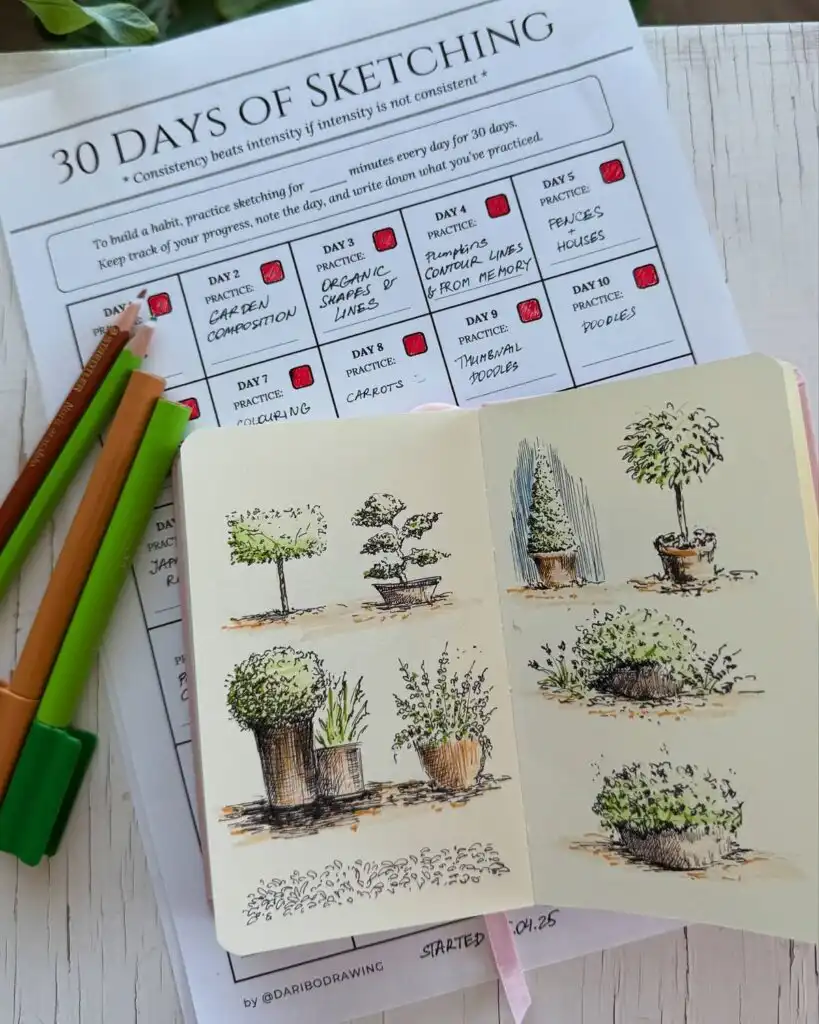
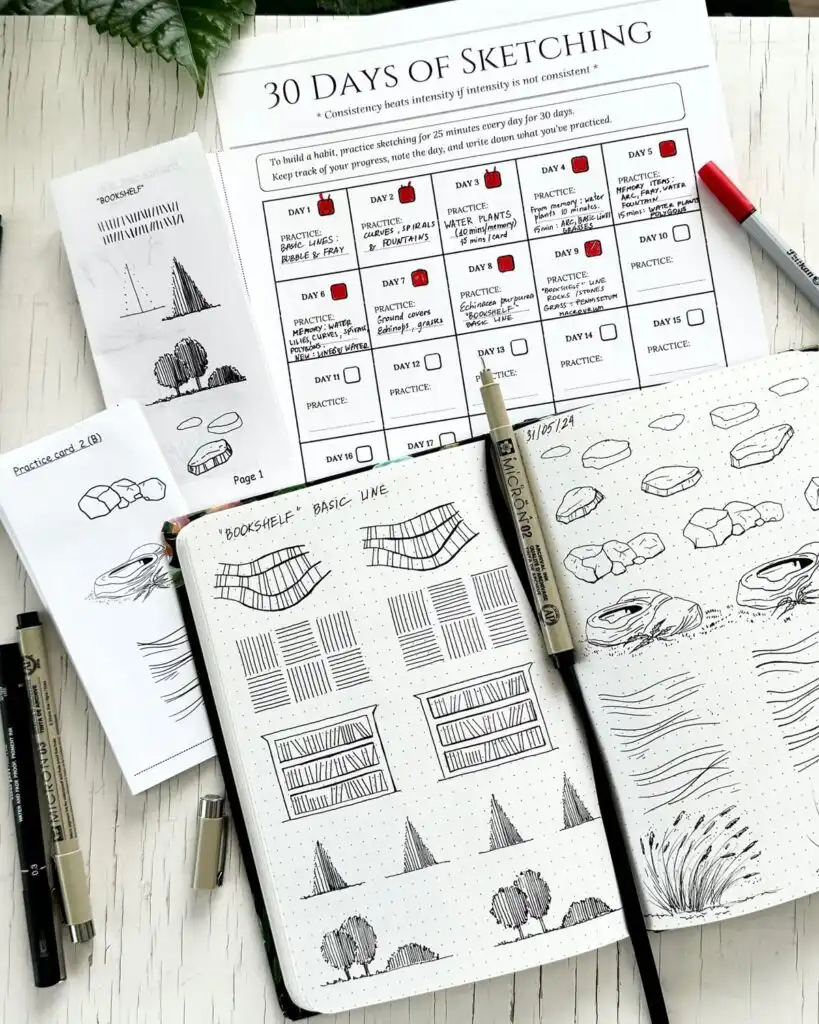
Build a daily warm-up routine
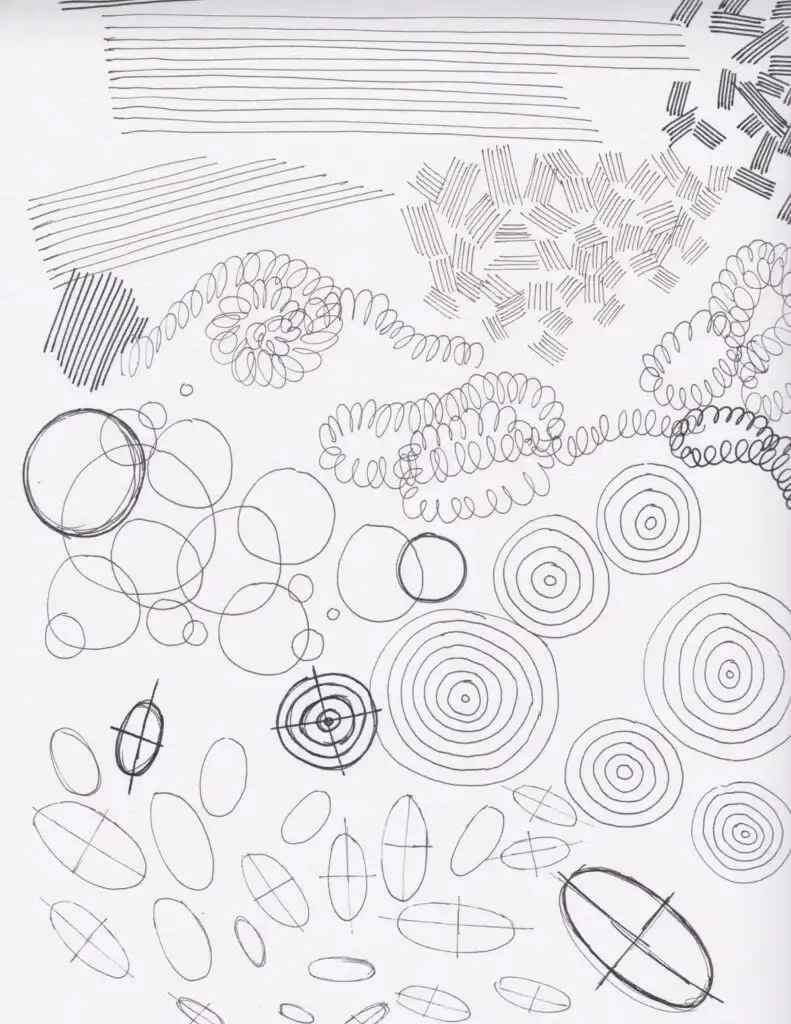
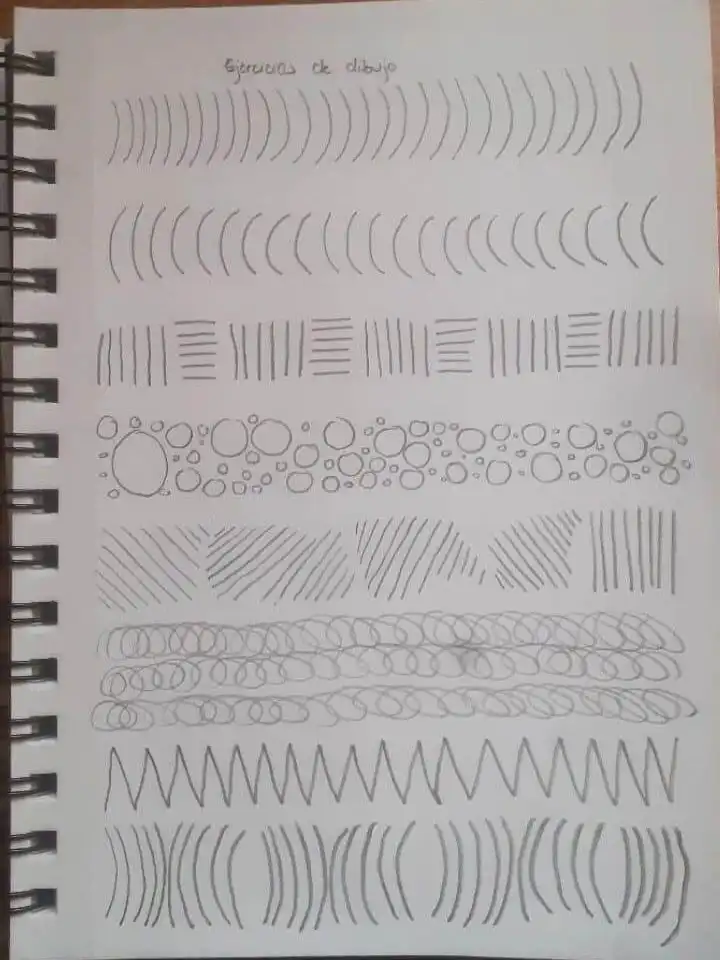
It can be tempting to dive straight into a big drawing project, but taking a few minutes to warm up helps loosen your wrist and boost control. Spend 10 to 15 minutes experimenting with basic mark-making, such as hatching or scribbles, to condition your hand-eye coordination.
Start with short strokes
- Draw quick lines that vary in length and direction.
- Practice consistent pressure to improve control.
- Experiment with shading shapes like spheres or cubes.
Tips like these can be found in short practice routines recommended by Crave Painting [1]. Even a few minutes per day adds up to substantial progress.
Focus on basic fundamentals
Strong sketches rely on fundamentals like proportion, perspective, and value. Practicing these core skills makes every subject more manageable.
Explore perspective drawings
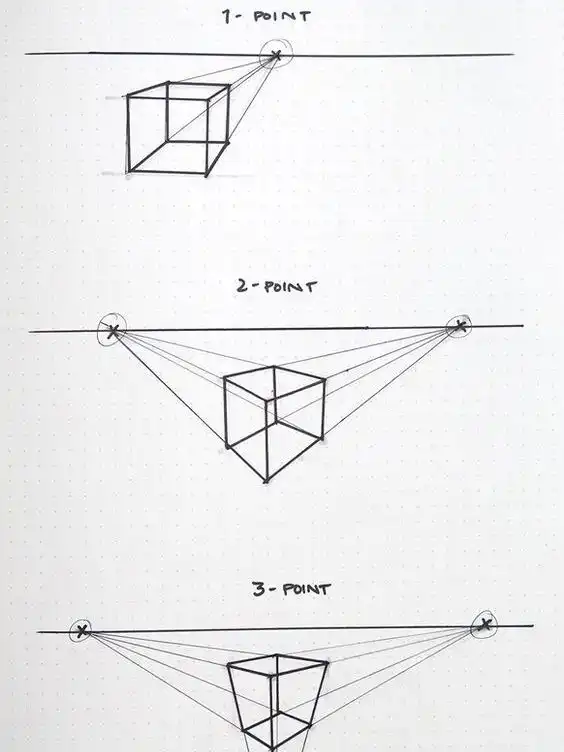
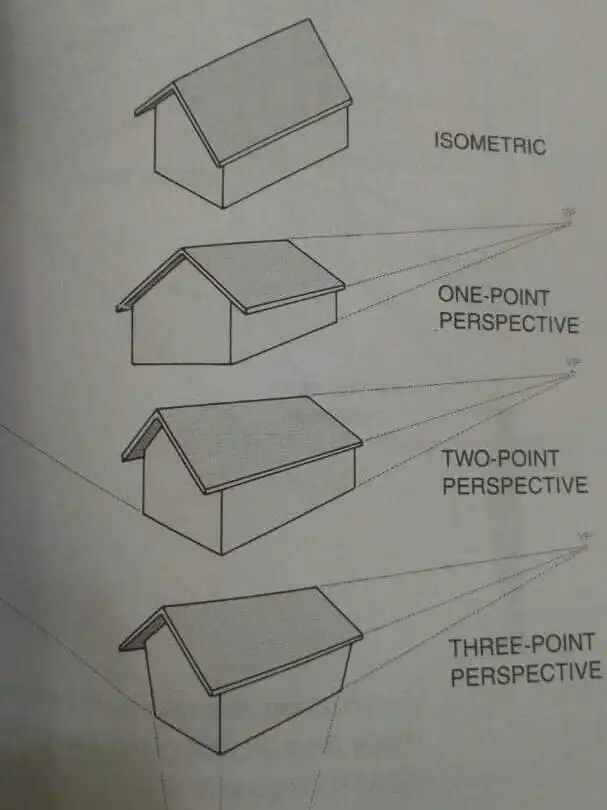
Perspective defines how objects look in three-dimensional space. Reddit’s ArtistLounge community [2] advises working through one-, two-, and three-point perspective to gain confidence in drawing scenes accurately.
- Begin with simple boxes and horizons.
- Move on to complex angles, like building exteriors or interiors.
Try negative space
Negative space is the area around and between the subject you’re drawing. By focusing on these “empty” parts, you train your eye to see shapes more accurately. This method helps you capture outlines and proportions without overthinking details.
Experiment with affordable tools
While it’s easy to get excited about fancy supplies, you don’t need a huge budget to practice sketching. A few well-chosen tools will keep you inspired and help refine your technique.
Gather essential pencils
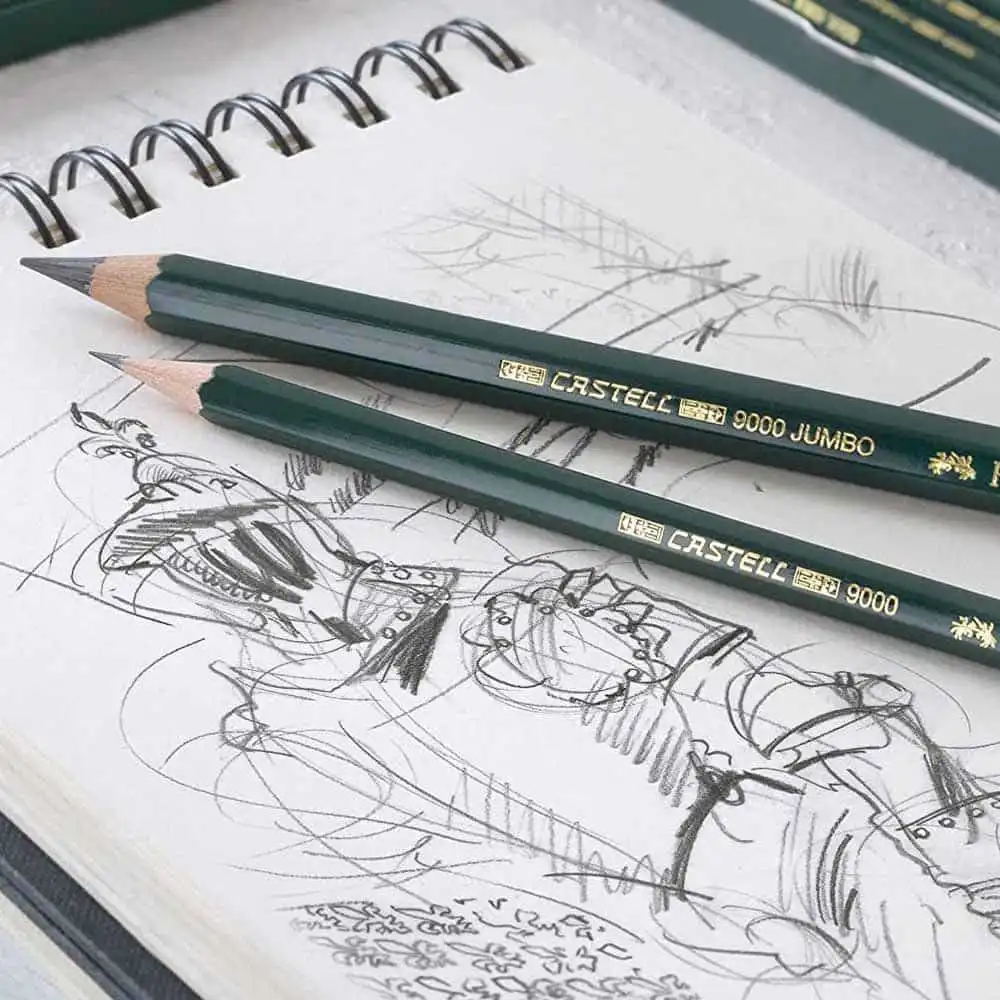
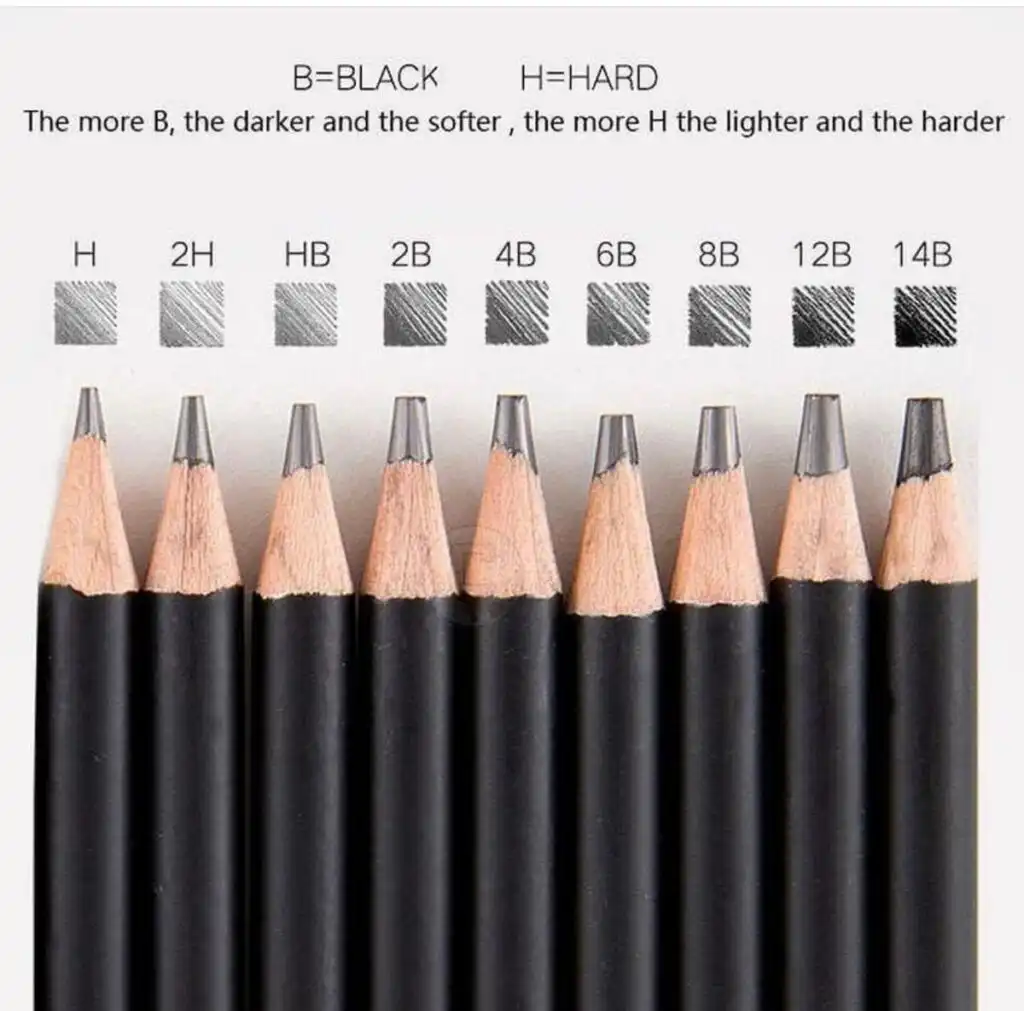
Carol Rosinski, as cited by Toad Hollow Studio [3], recommends a graphite pencil range from 4H to 6B for versatility. You can start with HB, 2B, and 4B to cover a wide value range without complicating your setup.
Use the right erasers
- Kneaded eraser: lifts graphite subtly without smudging.
- Polymer (vinyl) eraser: fully removes heavier lines, though use gently to avoid paper damage.
Track monthly skill goals
Setting a specific goal each month pushes you beyond your comfort zone. Love Life Drawing [4] suggests picking one or two new techniques to master, such as drawing facial features or learning the skeletal structure.
Break tasks into pieces
- Focus on one region of anatomy at a time, like hands or feet.
- Allocate a few days to perspective drills.
- Try a weekly still-life study to sharpen observational skills.
By revisiting each piece of knowledge routinely, you’ll see steady improvement in your final sketches.
Frequently asked questions
What is the best frequency for practice?
Aim for at least 10 to 15 minutes daily. Consistency matters more than marathon sessions once a week.Do I need expensive art supplies to start?
No. A basic set of pencils (HB, 2B, 4B), good-quality paper, and a couple of erasers are enough to begin. Stick to a budget-friendly setup and upgrade tools gradually.How can I stay motivated on hard days?
Set small goals, like completing one quick sketch. You’ll feel more accomplished after checking it off. Tracking progress in a planner or notebook also boosts motivation.Should I practice with photos or real objects?
Drawing from real objects gives you a better sense of dimension, texture, and lighting. Photos are fine for occasional practice, but try sketching objects around you to hone observational skills.How do I measure my improvement?
Compare sketches from a few weeks or months ago with your current ones. Check for better proportions, smoother shading, or more dynamic lines. Keeping a dated sketchbook makes it easier to spot these gains.
By following a daily warm-up routine, focusing on the fundamentals, experimenting with accessible tools, and setting monthly targets, you’ll steadily build your sketching skills. Commit to consistent practice, and over time, you’ll see your artwork become more fluid and expressive. Keep challenging yourself, and your sketches will evolve into pieces you’re truly proud to share.
References
- 0shares
- Facebook0
- Pinterest0
- Twitter0
- Reddit0