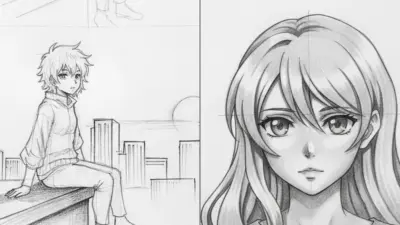
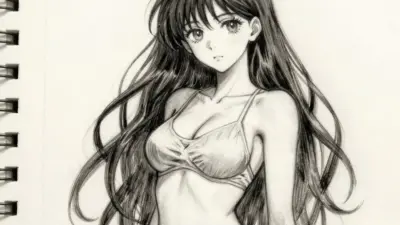
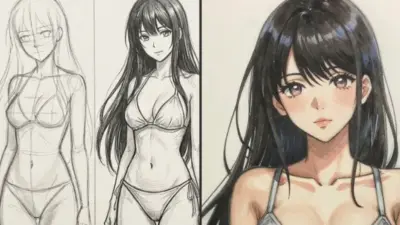
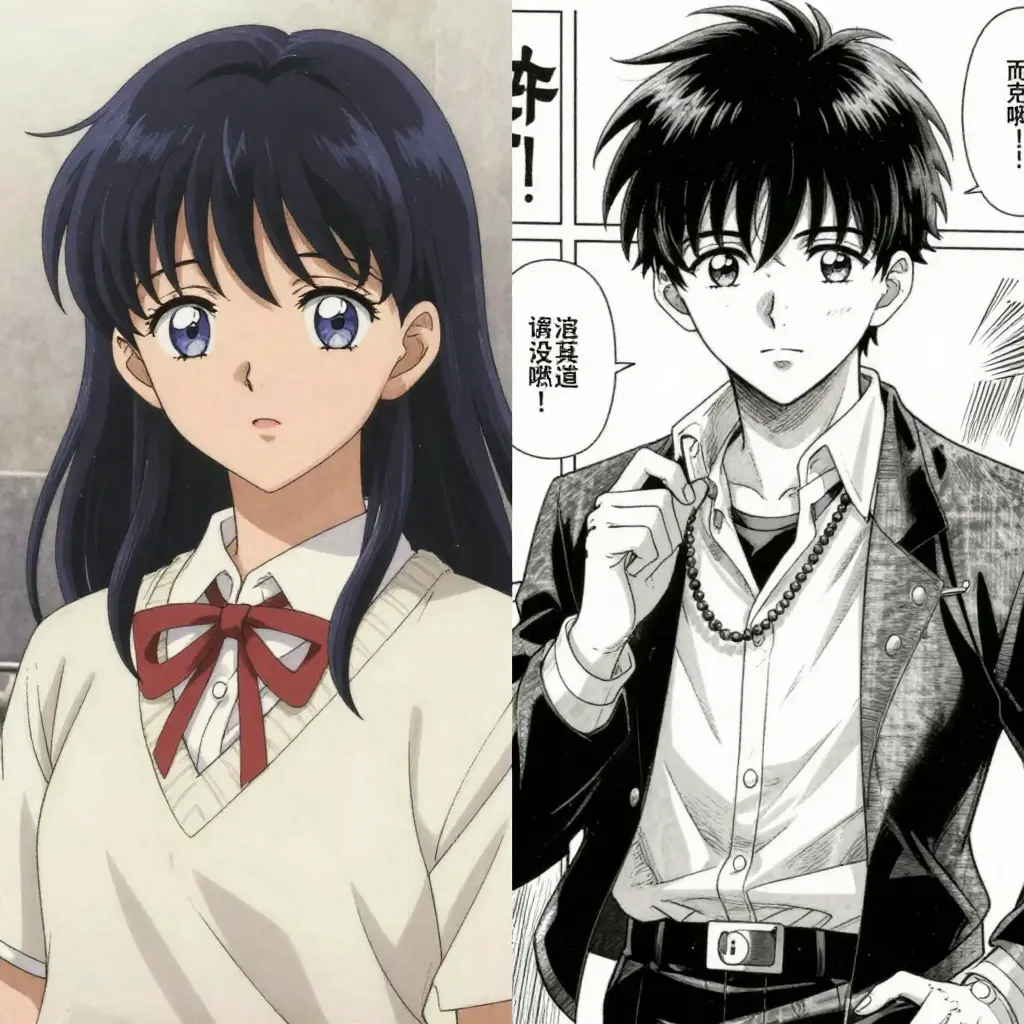
Anime and manga are often spoken about as if they’re interchangeable—but visually, structurally, and culturally, they are fundamentally different art forms. If you’ve ever wondered why manga is almost always black-and-white, why anime characters sometimes look slightly different from their printed counterparts, or how storytelling changes between panels and frames, this guide breaks it all down.
- What Is Manga Art Style?
- What Is Anime Art Style?
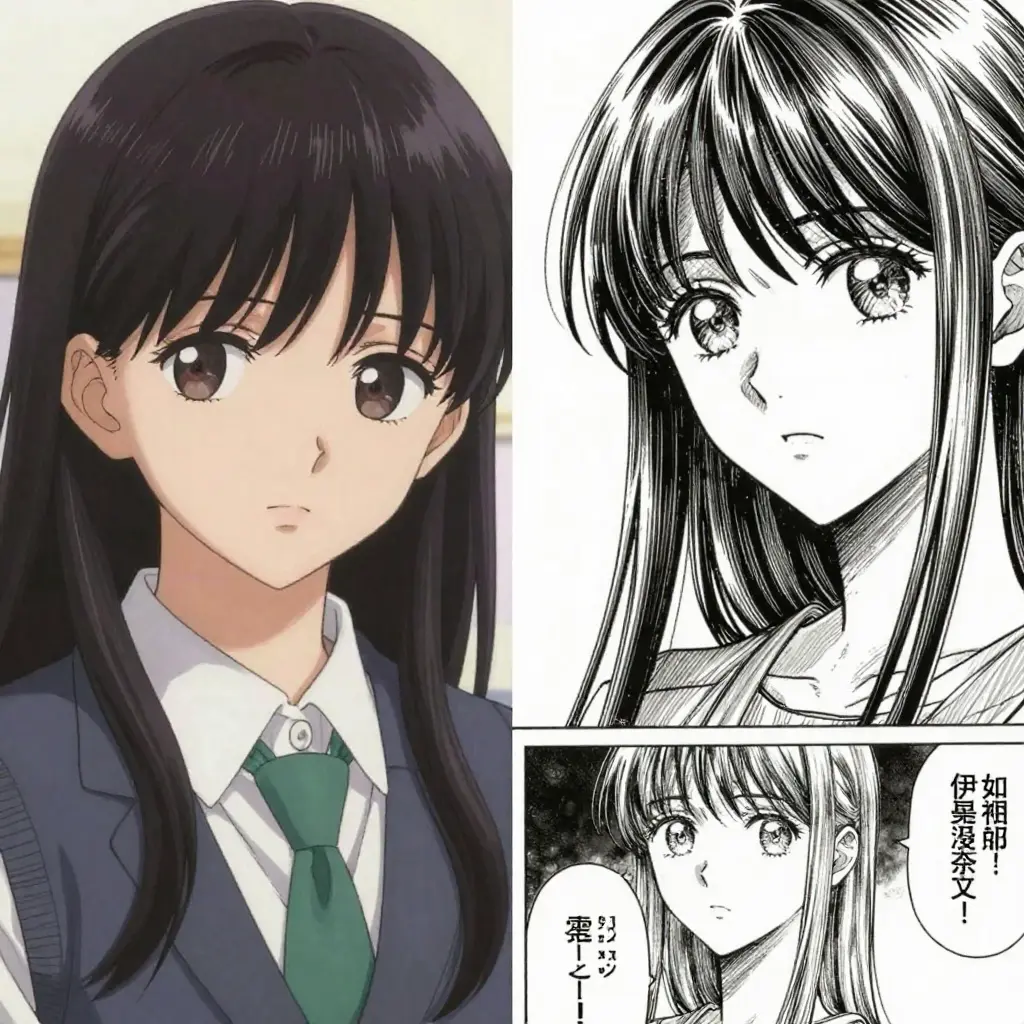
- Core Visual Differences: Anime vs. Manga
- Eyes, Faces, and Body Proportions
- Action, Motion, and Energy
- Backgrounds and World-Building
- Storytelling Pace: Reader vs. Viewer Control
- Adaptation Changes: Why Anime Looks Different Than Manga
- Genre Differences in Art Style
- Cultural Context: Why These Styles Exist
- Which Is Better: Anime or Manga?
- Anime vs. Manga Art Style FAQs
- Final Thoughts: Two Art Forms, One Creative Ecosystem
This ultimate guide to anime vs. manga art style explains not just what makes them different, but why those differences exist, how they evolved historically, and how artists adapt designs across mediums. Whether you’re a fan, student, creator, or marketer working in pop culture, this article gives you a complete, SEO- and AEO-optimized reference.
What Is Manga Art Style?
1. Black-and-White by Design (Not Limitation)
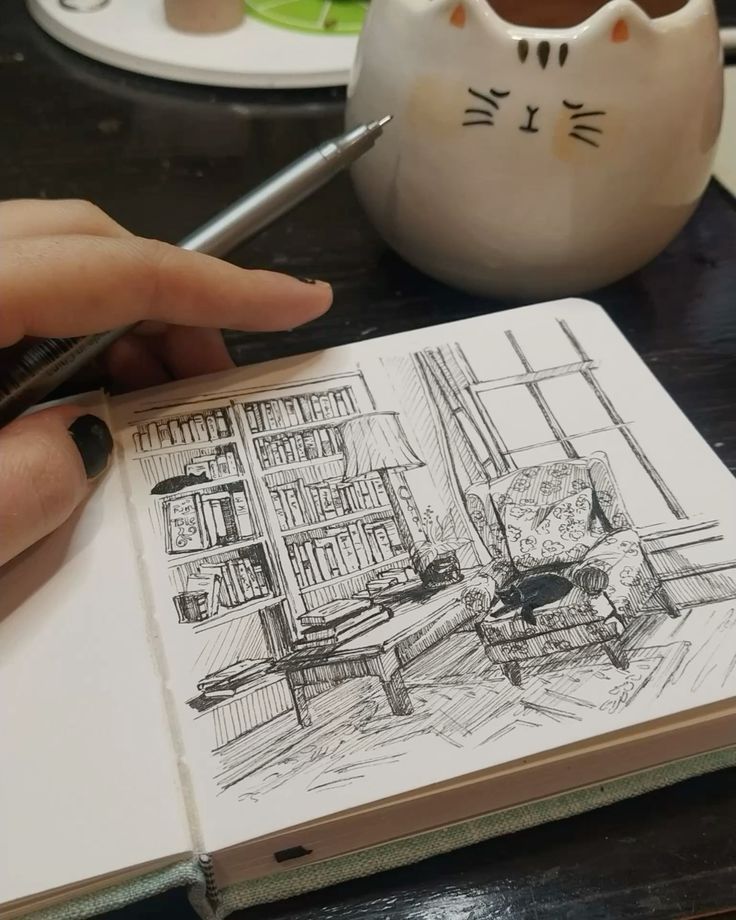
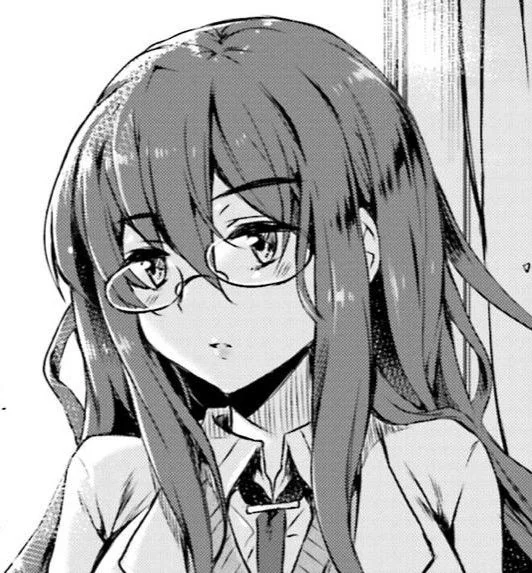
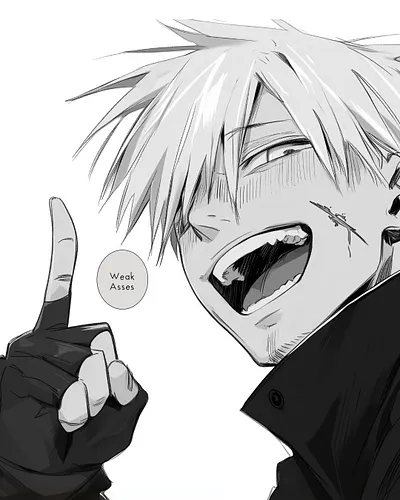
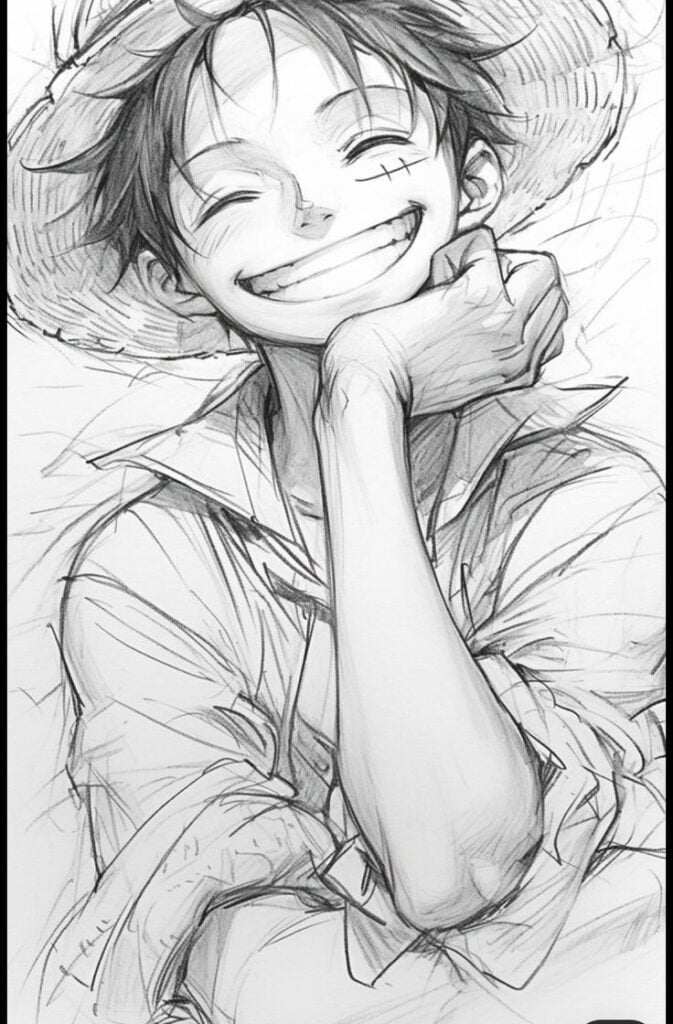
Manga is traditionally printed in black and white, a choice rooted in post-war Japanese publishing economics and weekly serialization schedules. Artists rely on:
- Line weight variation for depth
- Screentones for shading and atmosphere
- Negative space for emotional pacing
This constraint shaped manga into a highly expressive minimalist art form, where clarity and emotion matter more than color realism.
2. Expressive Line Work and Stylization
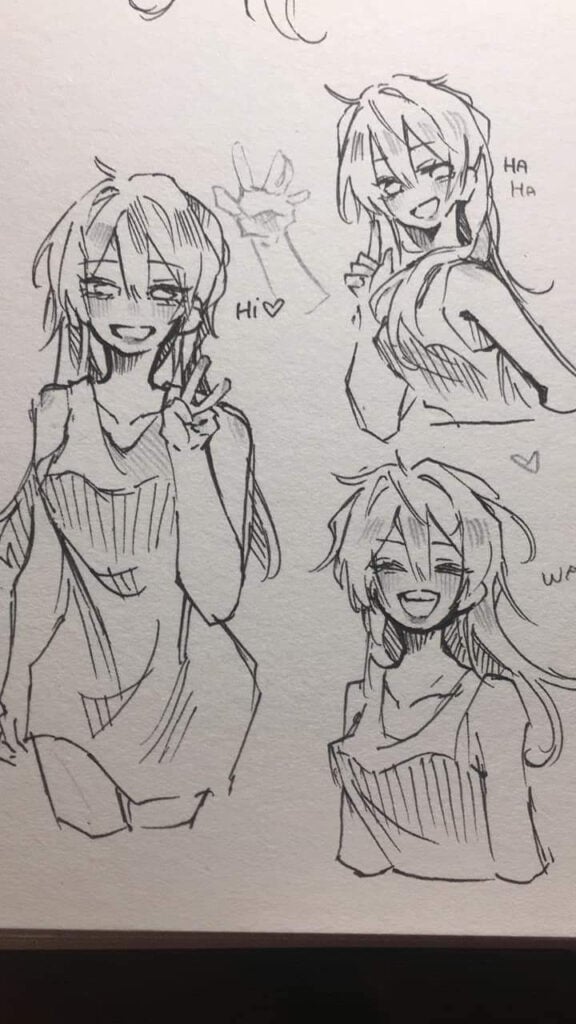
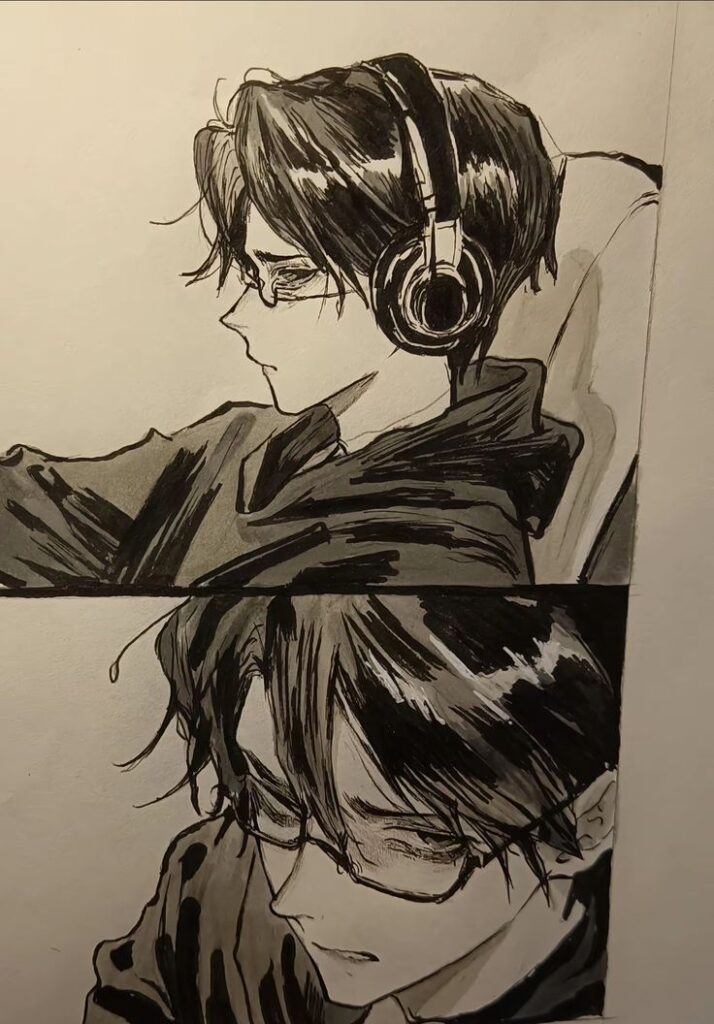
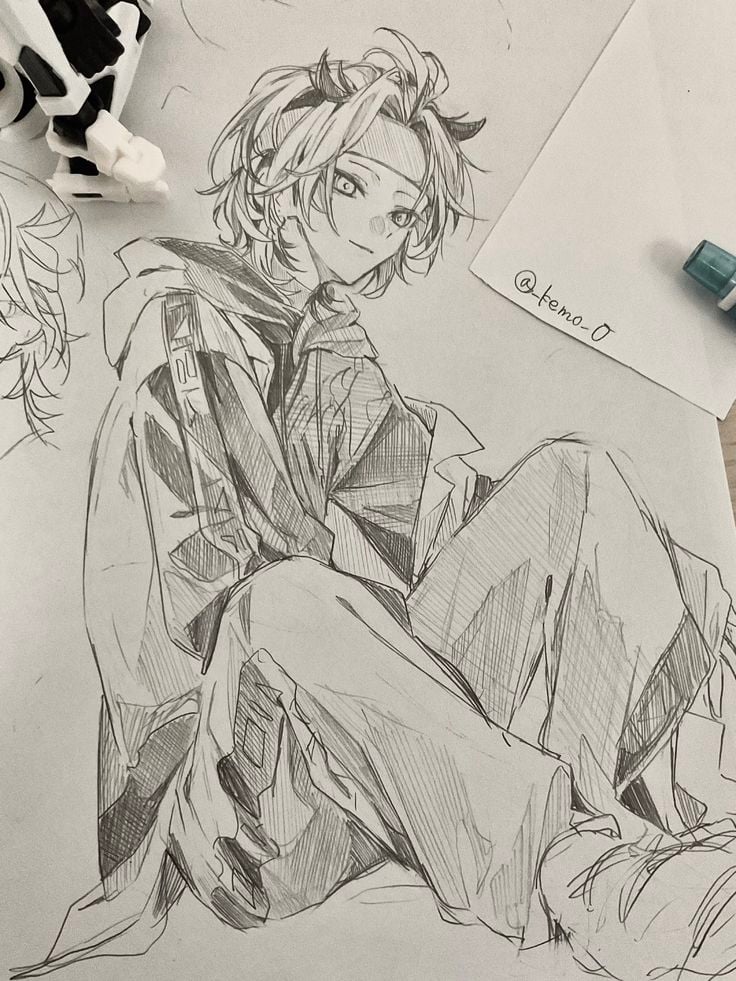
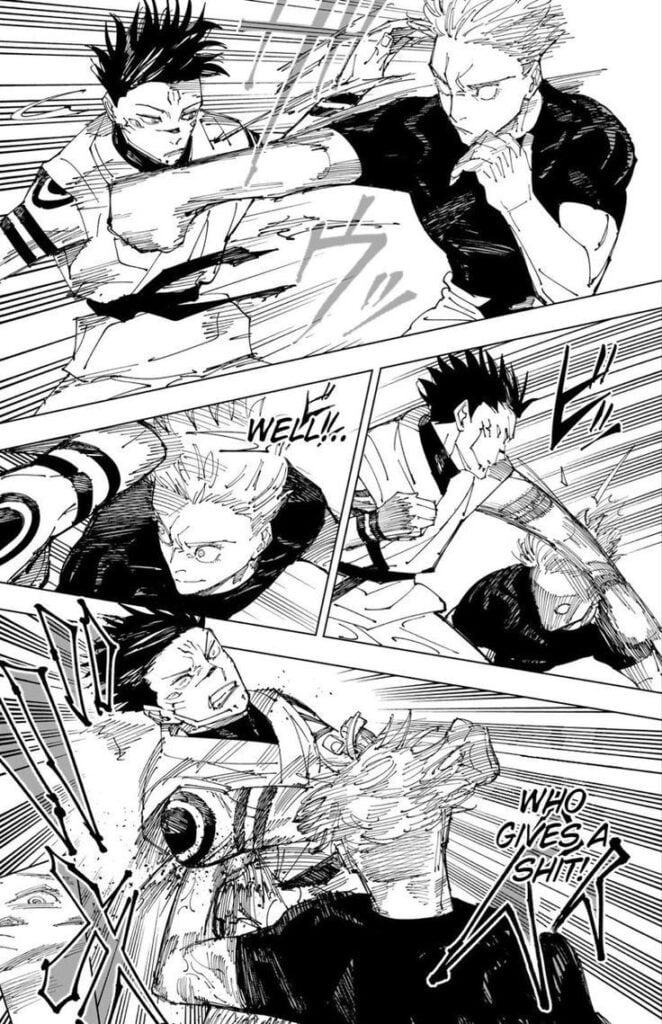
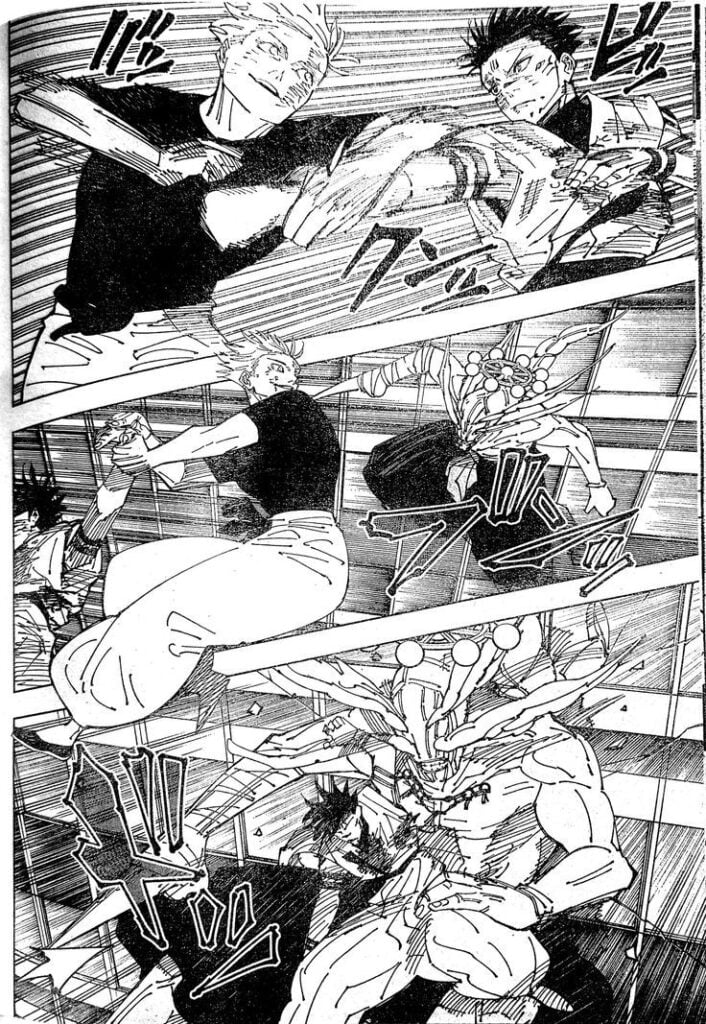
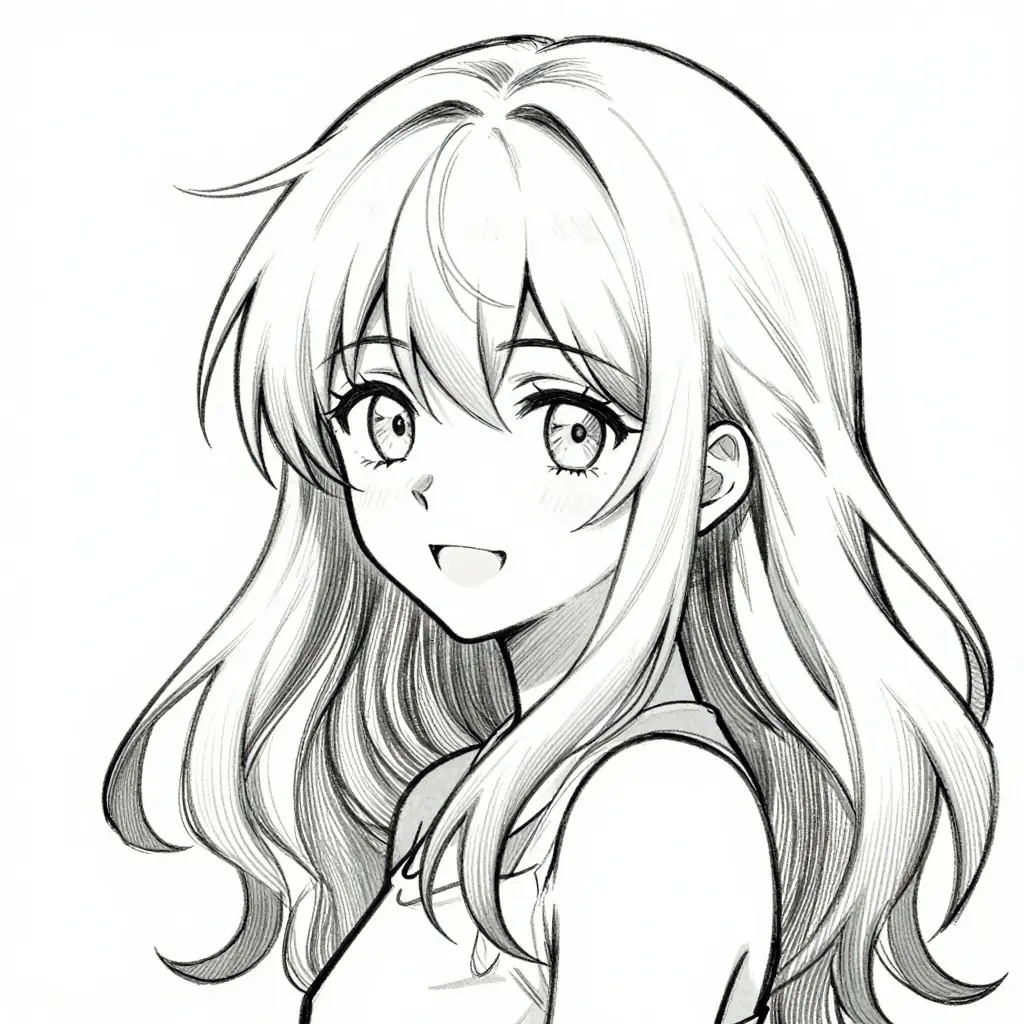
Manga artists exaggerate facial expressions far beyond realism:
- Oversized eyes for emotion
- Simplified noses and mouths
- Visual metaphors (sweat drops, speed lines, chibi forms)
This allows readers to instantly understand emotional context without dialogue.
3. Paneling as Storytelling Language
Manga panels are not rigid. They:
- Stretch across pages for dramatic moments
- Break borders during action scenes
- Shrink to slow time or heighten tension
For example, in Berserk, dense cross-hatching and large panels create weight and brutality, while Naruto uses speed lines and diagonal panels to emphasize motion.
What Is Anime Art Style?
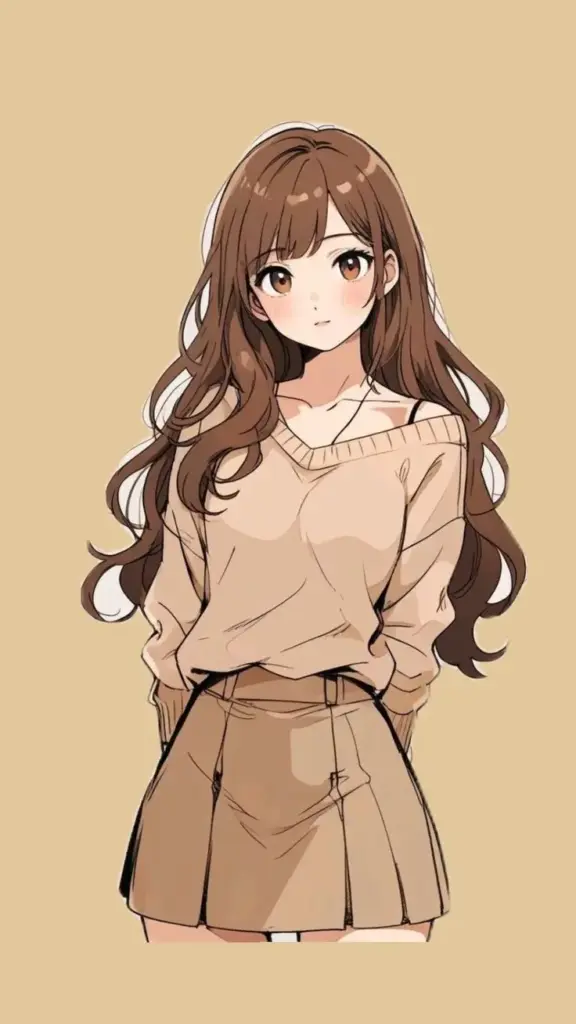
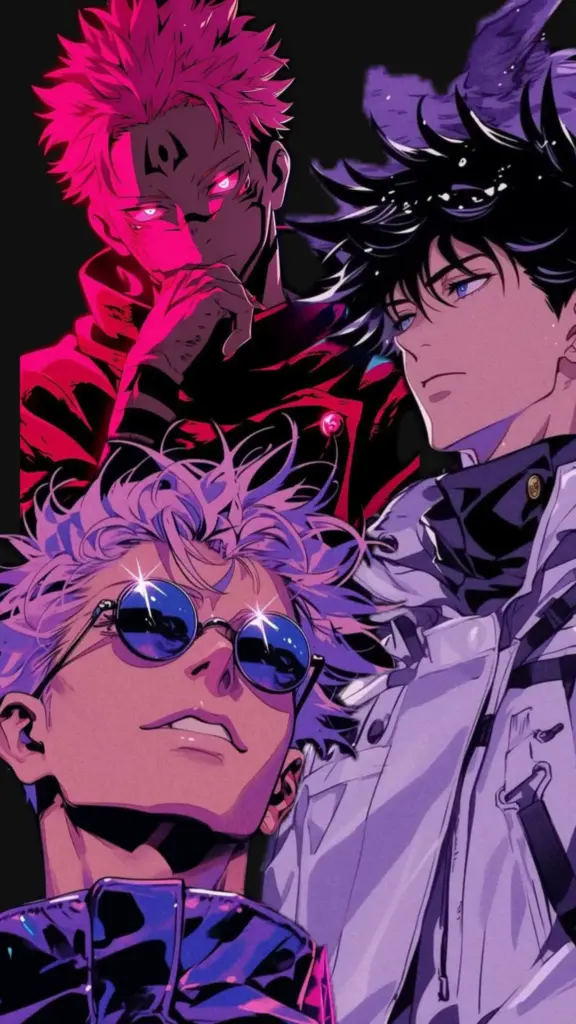
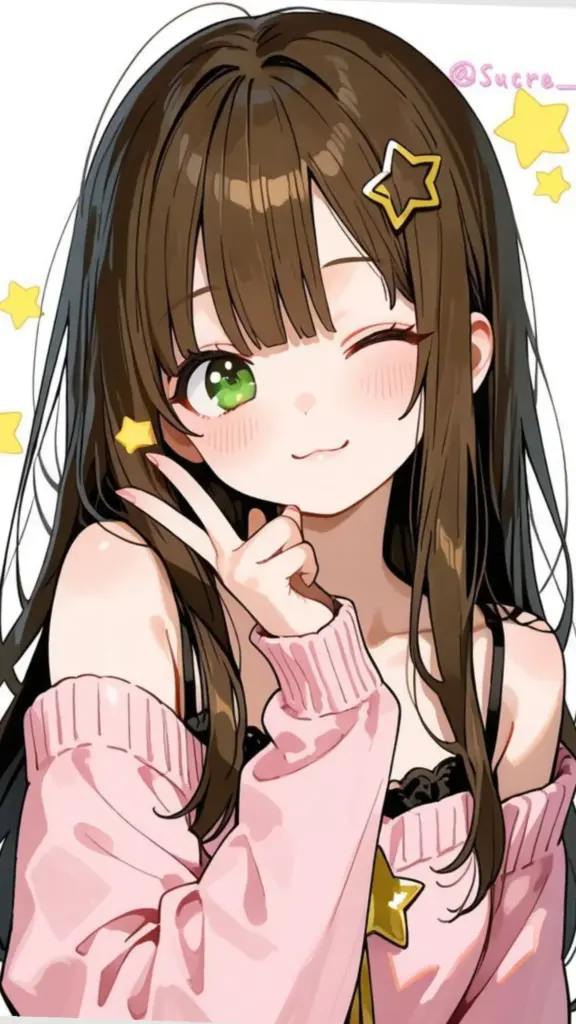
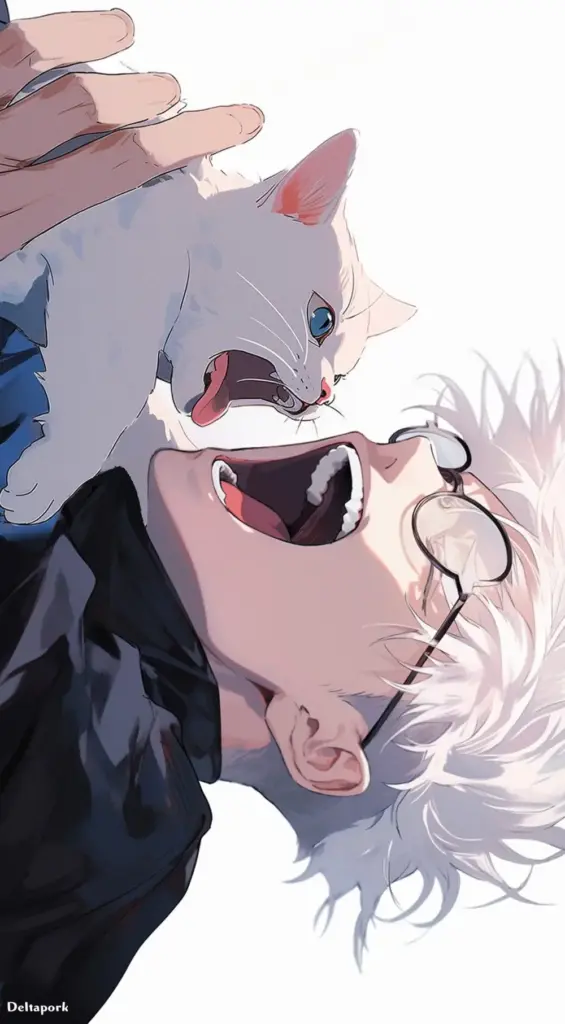
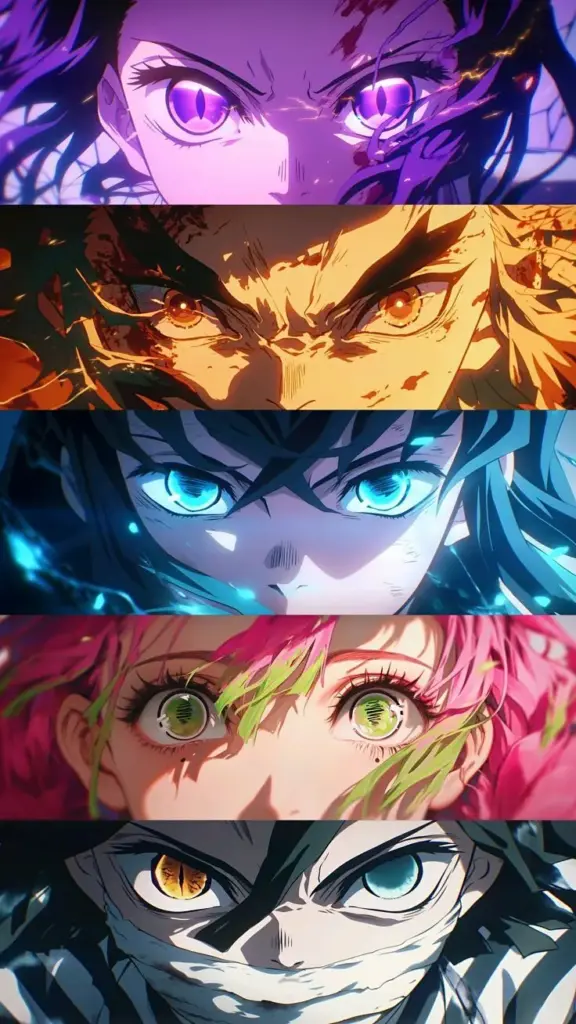
1. Full Color and Motion
Anime transforms static illustrations into moving images. This introduces:
- Color theory and lighting
- Animation timing and frame economy
- Camera angles and motion blur
Because animation is expensive, studios often simplify designs to ensure characters can be animated consistently across hundreds of frames.
2. Design Adaptation for Animation
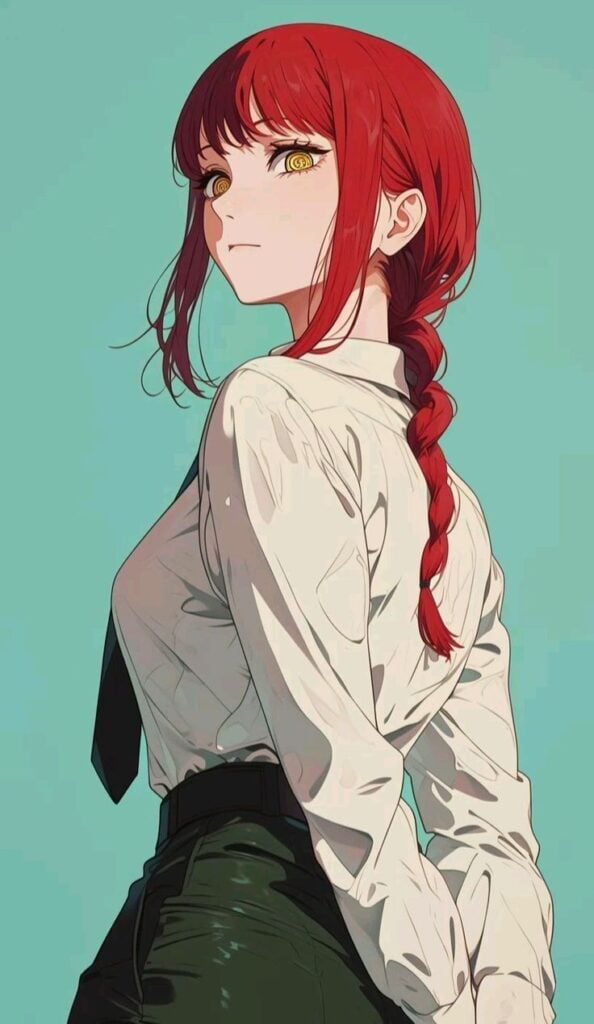
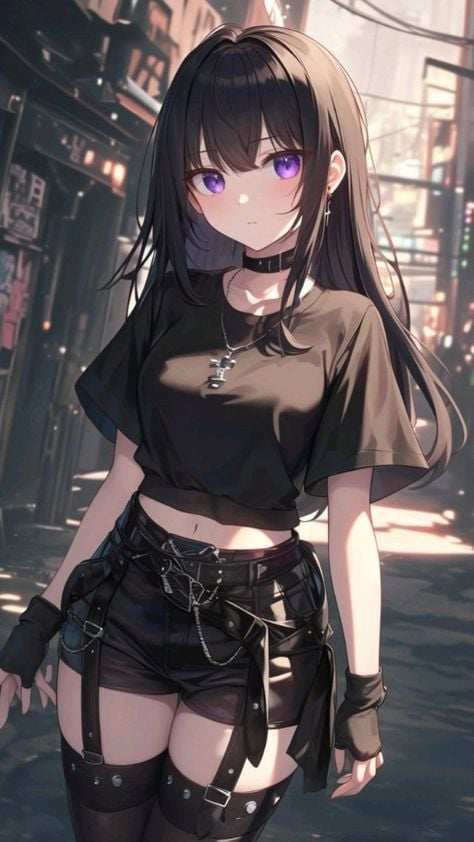
Anime character designs are often:
- Cleaner than manga originals
- Less detailed in hair and clothing
- Adjusted for facial consistency
For example, Attack on Titan tones down manga line density to maintain fluid action sequences.
3. Visual Direction and Atmosphere
Anime adds:
- Music and sound design
- Voice acting and timing
- Color grading to define mood
In Spirited Away, soft lighting and painterly backgrounds create warmth and surrealism that cannot exist in print.
Core Visual Differences: Anime vs. Manga
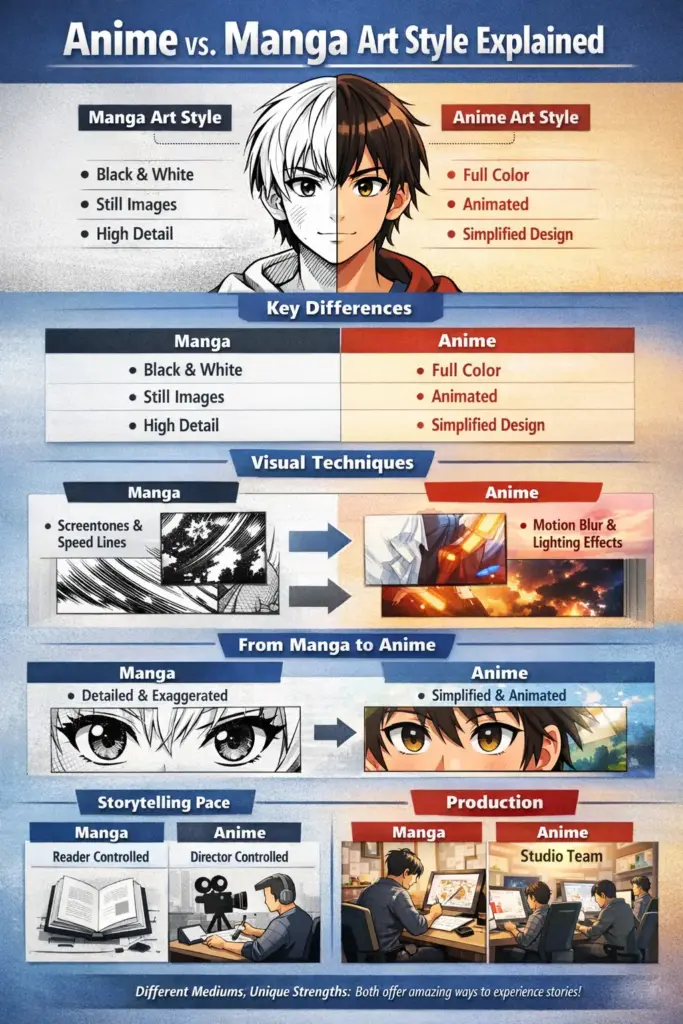
| Element | Manga Art Style | Anime Art Style |
|---|---|---|
| Color | Black & white | Full color |
| Motion | Implied via lines | Actual animation |
| Detail | High static detail | Simplified for movement |
| Pacing | Reader-controlled | Director-controlled |
| Production | Individual artist | Studio collaboration |
Eyes, Faces, and Body Proportions
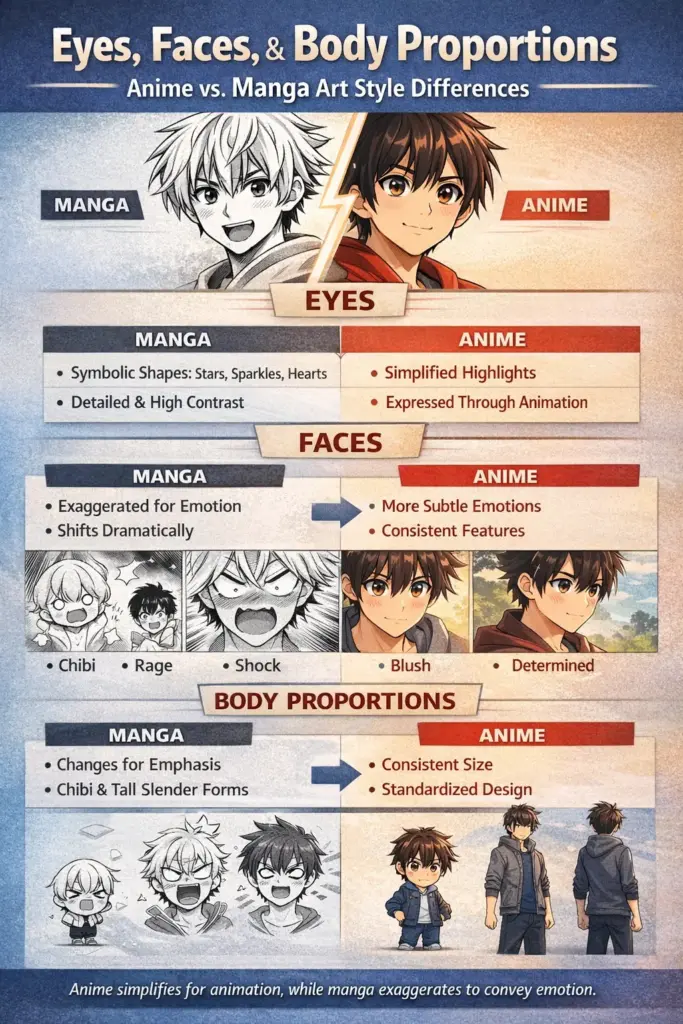
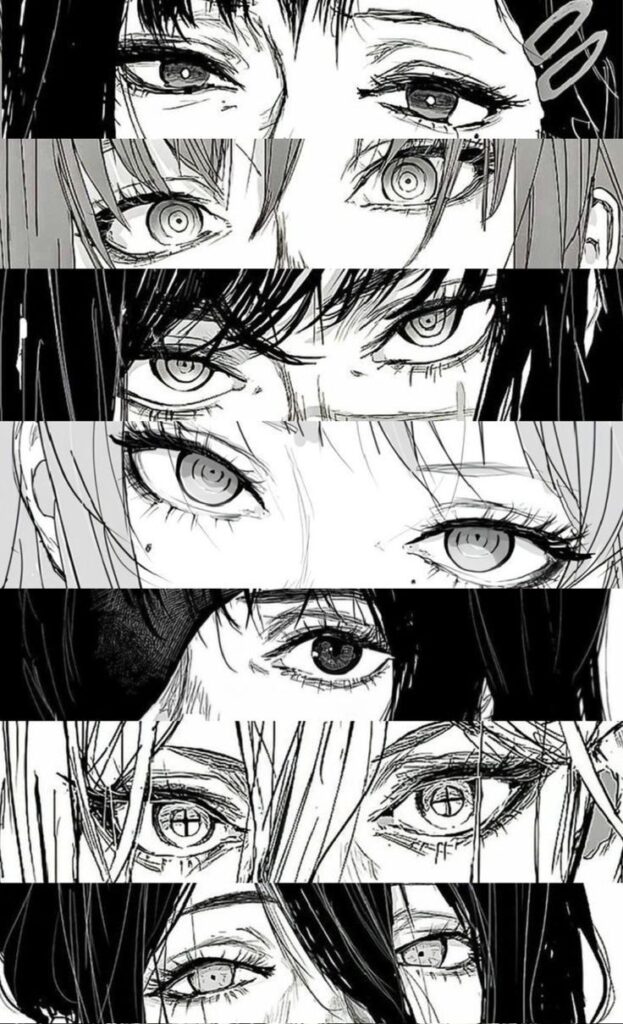
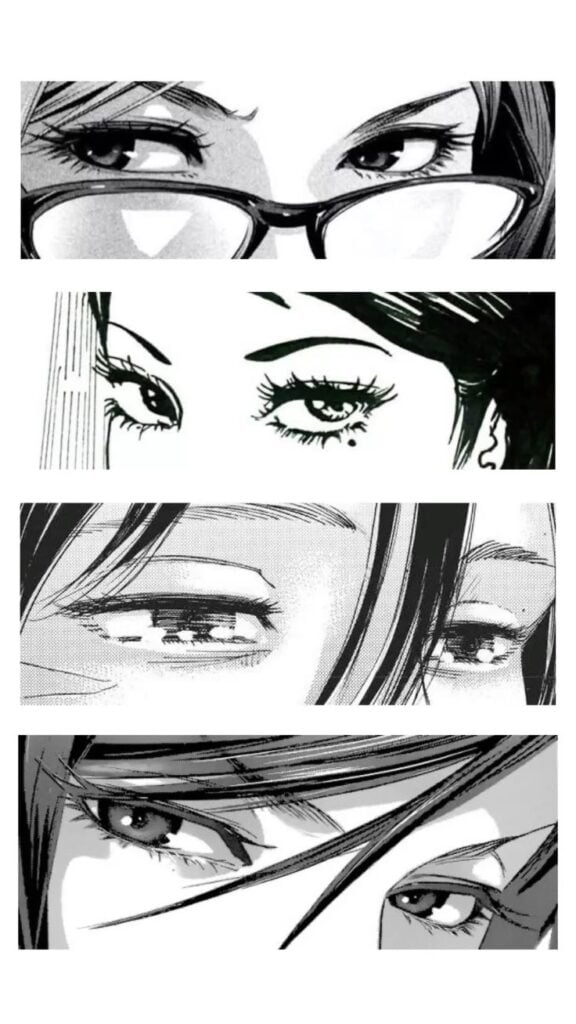
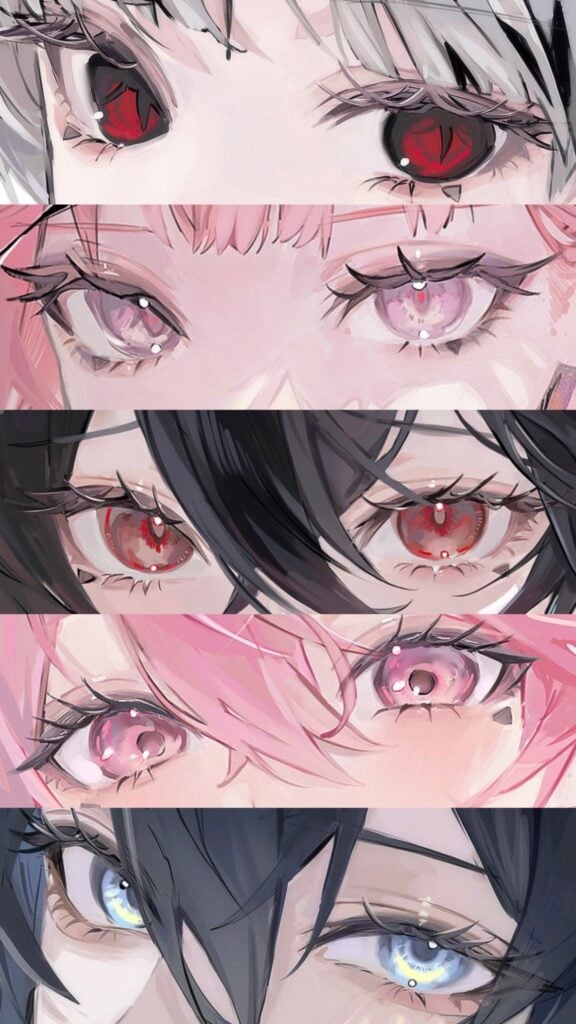
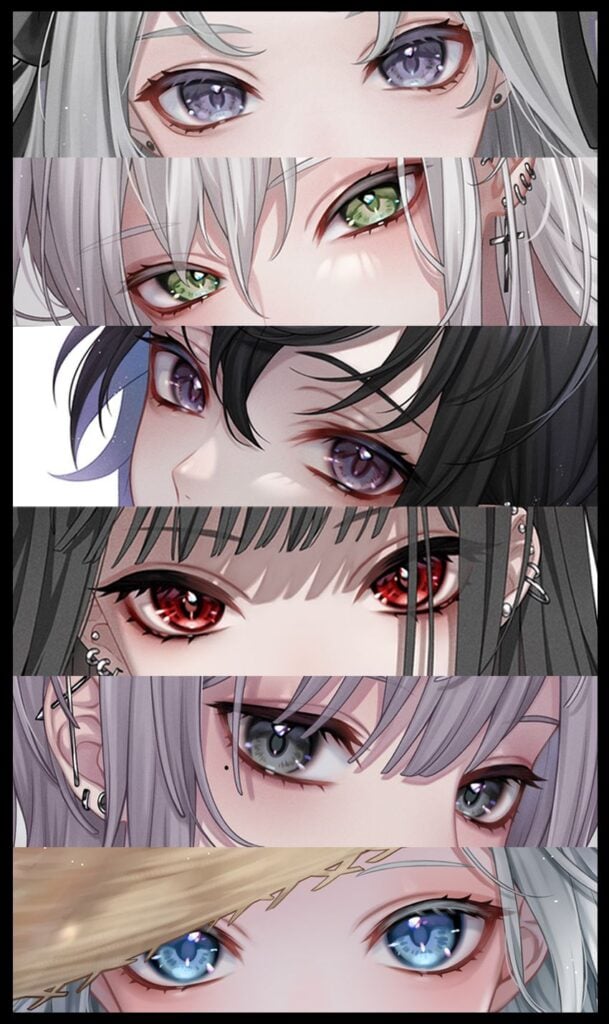
Eyes
- Manga eyes often contain intricate highlights and symbolic shapes.
- Anime eyes are simplified and animated to express emotion through movement rather than detail.
Faces
Manga faces shift dramatically depending on emotion. Anime maintains consistency to avoid jarring animation transitions.
Bodies
Manga proportions change panel-to-panel for effect. Anime proportions stay fixed for continuity.
Action, Motion, and Energy
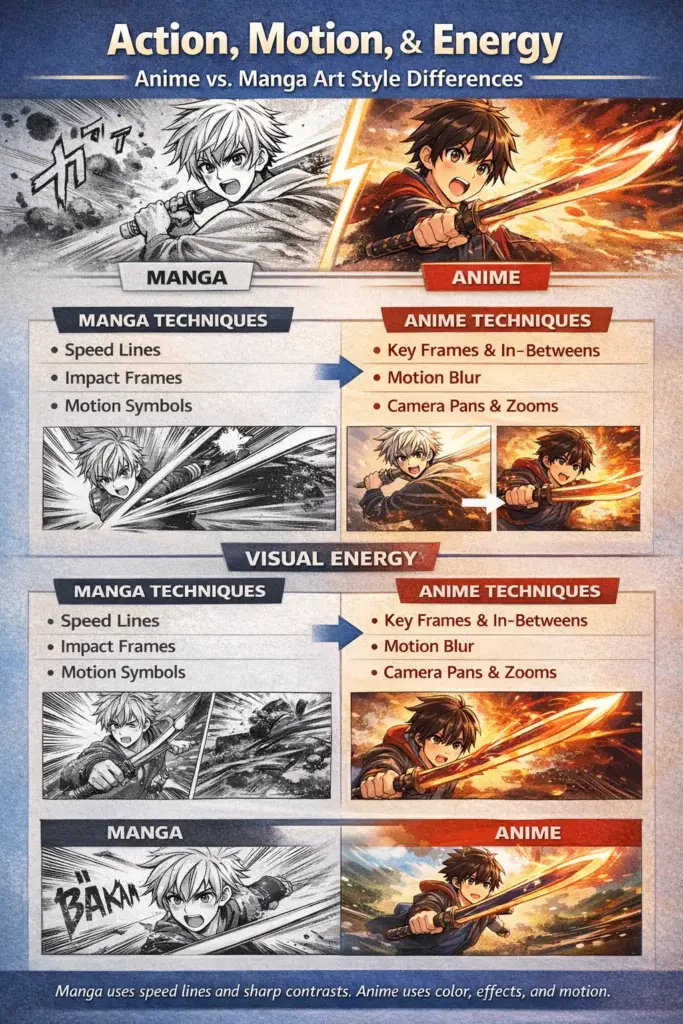
Manga relies on:
- Speed lines
- Impact frames
- Implied motion
Anime uses:
- Key frames and in-betweens
- Motion blur
- Camera pans and zooms
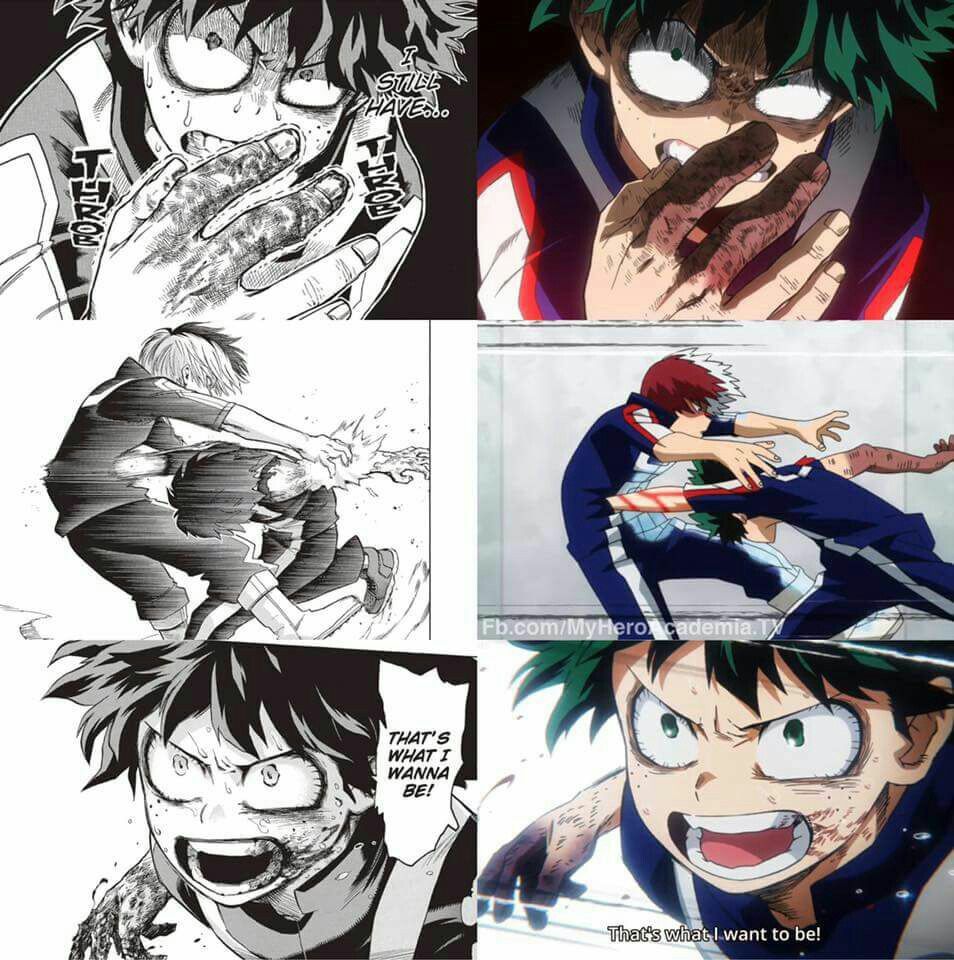
Compare the same fight in Demon Slayer versus its anime adaptation—the anime adds flowing elemental effects and color gradients, while the manga emphasizes sharp contrast and composition.
Backgrounds and World-Building
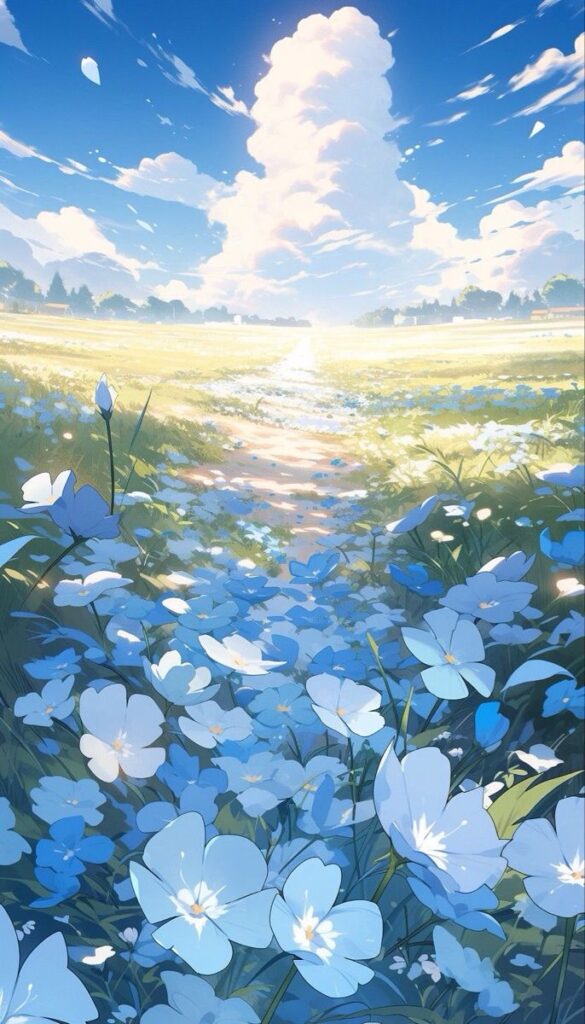
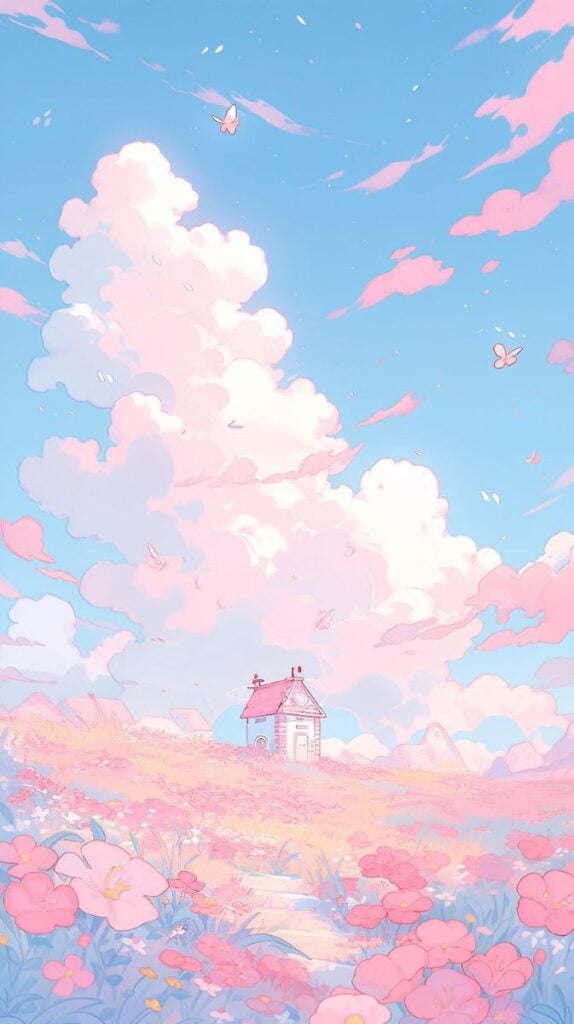
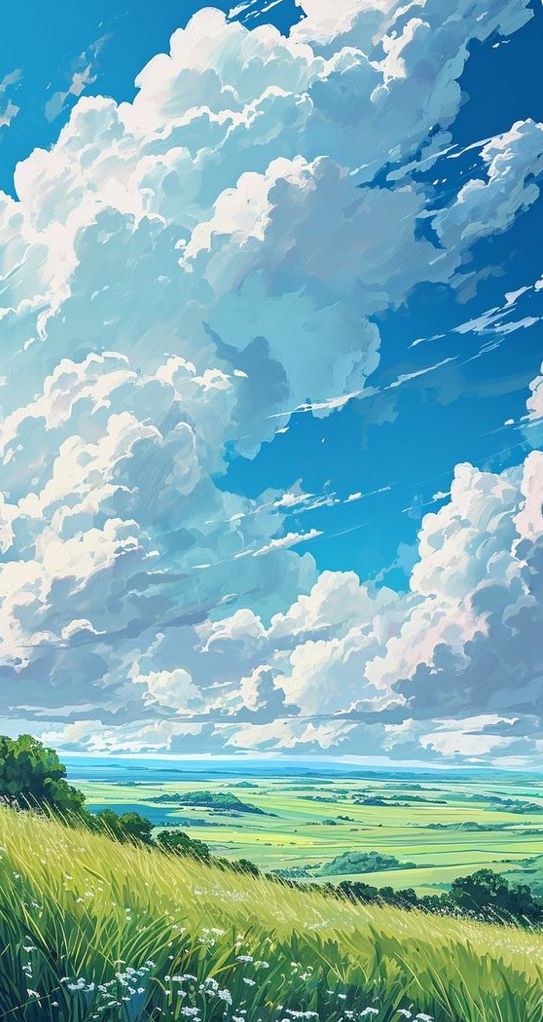
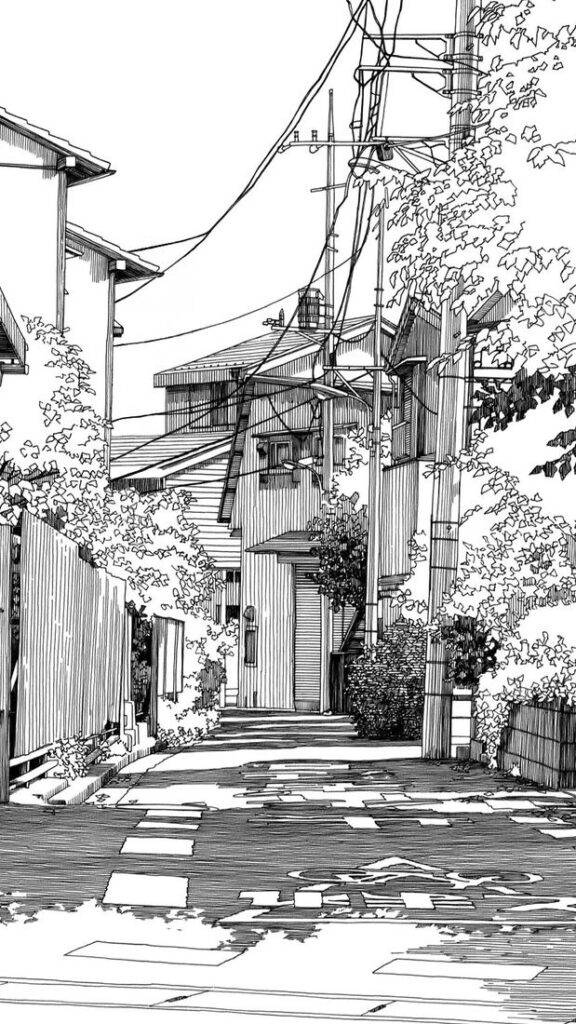
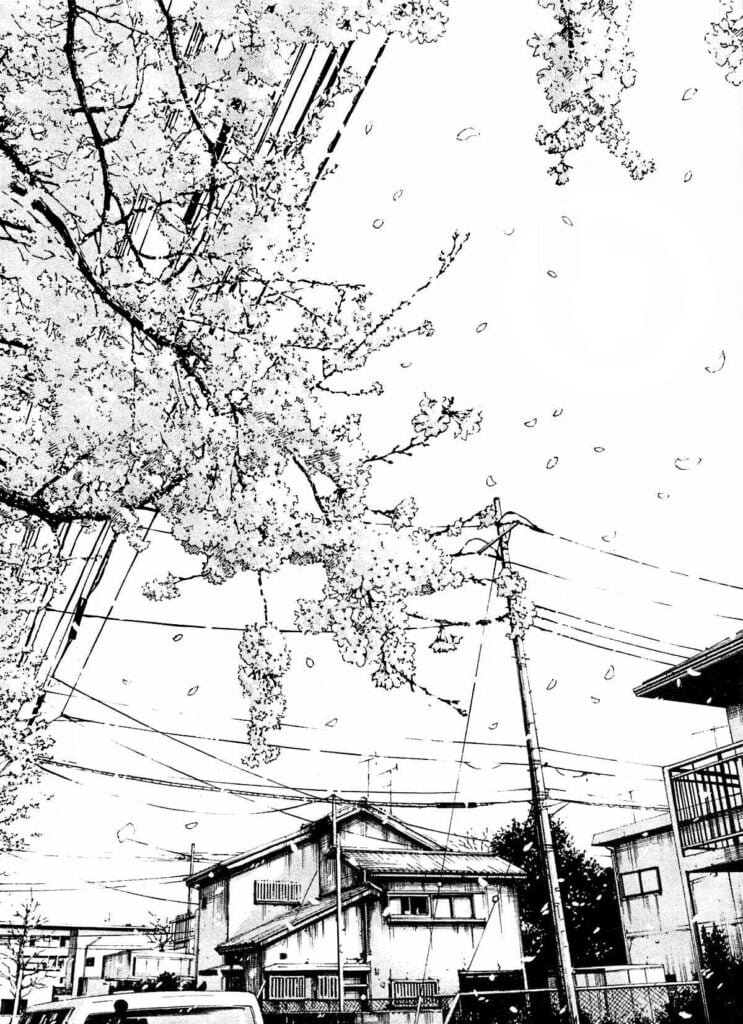
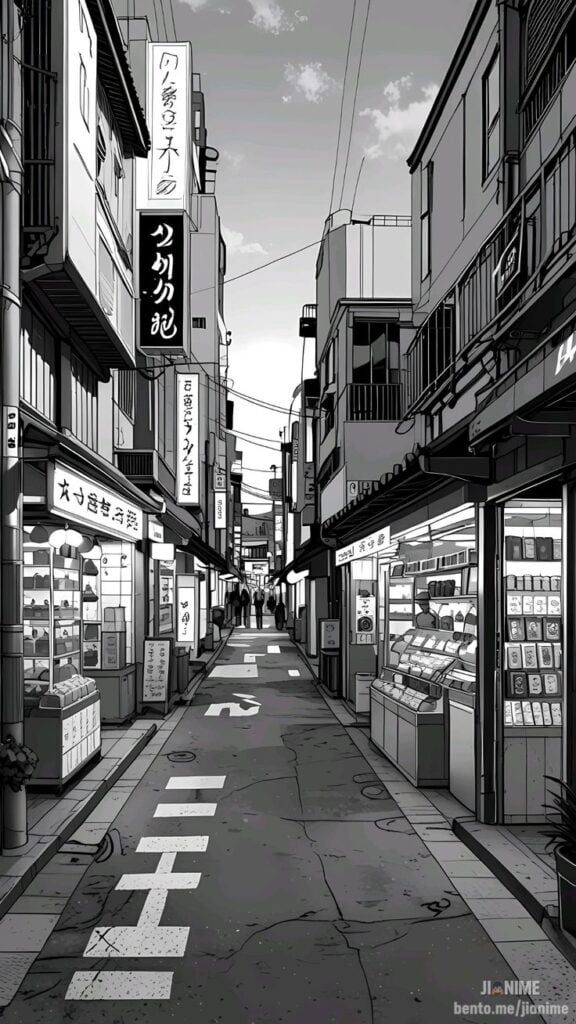
Manga backgrounds are often minimal to keep focus on characters and speed of reading. Anime backgrounds are fully rendered and reused across scenes, contributing to immersion.
Storytelling Pace: Reader vs. Viewer Control
One of the biggest differences isn’t visual—it’s control.
- Manga lets readers pause, reread, and linger.
- Anime dictates timing, emotional beats, and suspense.
This is why some scenes feel more intense in manga and more emotional in anime.
Adaptation Changes: Why Anime Looks Different Than Manga
Anime adaptations change art styles because of:
- Budget constraints
- Weekly broadcast schedules
- Studio-specific art direction
Studios often standardize designs to ensure multiple animators can work on the same character without inconsistency.
Genre Differences in Art Style
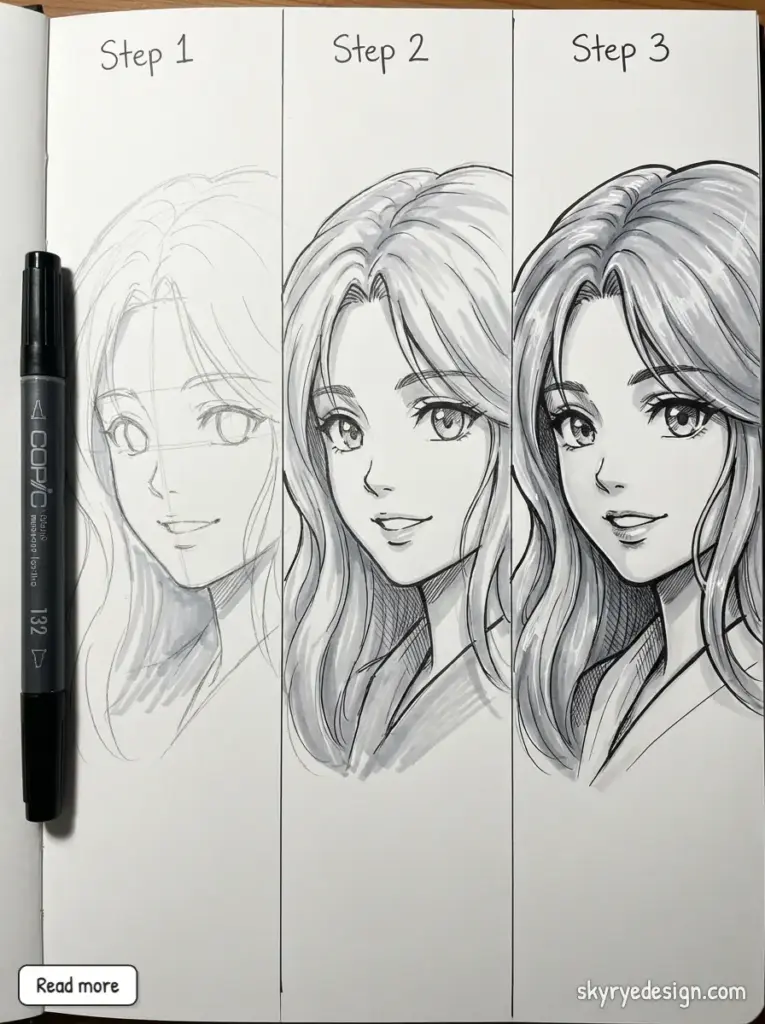
Shonen (Action)
- Bold lines, exaggerated motion
- Example: Dragon Ball Z
Shojo (Romance)
- Soft lines, decorative elements
- Large expressive eyes
Seinen (Adult)
- Realistic proportions
- Detailed shading and anatomy
Cultural Context: Why These Styles Exist
Japan’s publishing and animation industries shaped these differences:
- Manga developed for mass weekly consumption.
- Anime evolved under television and film constraints.
- Artist-to-studio pipelines demanded efficiency and consistency.
Which Is Better: Anime or Manga?
Neither is better—they are different tools for storytelling.
- Choose manga if you value:
- Artistic detail
- Creative pacing
- Direct connection to the creator
- Choose anime if you value:
- Music and voice acting
- Cinematic storytelling
- Emotional timing
Many fans enjoy both for complementary reasons.
Anime vs. Manga Art Style FAQs
Is anime art style the same as manga?
No. Manga is static, black-and-white, and reader-paced. Anime is animated, colored, and director-paced.
Why does anime look simpler than manga?
Animation requires consistency and efficiency across thousands of frames.
Can anime exist without manga?
Yes, original anime exist, but many anime adapt manga for proven storytelling.
Why do manga artists use exaggerated expressions?
To convey emotion instantly without relying on dialogue or color.
Final Thoughts: Two Art Forms, One Creative Ecosystem
Anime and manga are deeply connected, but they thrive because they excel at different things. Manga is intimate, raw, and artist-driven. Anime is collaborative, cinematic, and immersive. Understanding their art styles deepens appreciation for both—and reveals just how intentional every visual choice really is.
- 696shares
- Facebook0
- Pinterest696
- Twitter0
- Reddit0