Making your home more energy-efficient doesn’t require a full renovation or a complete overhaul of your systems. Strategic upgrades in key areas of the home can significantly reduce energy use, lower monthly utility bills, and improve indoor comfort year-round. From the roof above your head to the air you breathe indoors, certain improvements consistently deliver strong returns.
Understanding which upgrades have the biggest impact allows homeowners to prioritize their investments wisely. Below, we explore three of the most effective energy-efficient home upgrades and explain how each one contributes to a more comfortable and cost-effective living space.
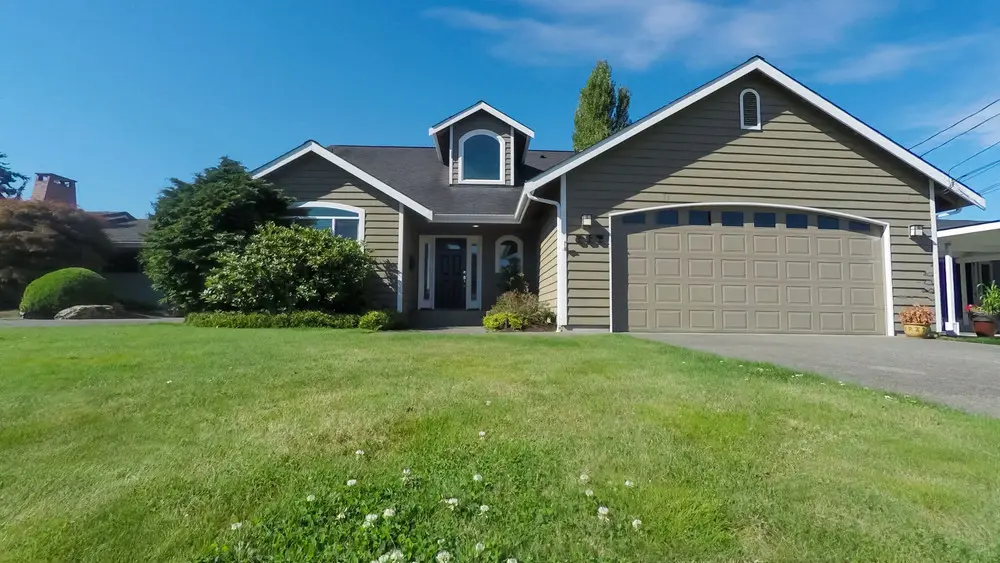
Energy-Efficient Roofing Helps Control Heat at the Source
The roof plays a major role in regulating a home’s temperature, especially during warmer months. Traditional roofing materials absorb a large amount of heat, which then transfers into the attic and living spaces below. Energy-efficient or “cool” roofs are designed to reflect much of the sun’s ultraviolet radiation instead.
According to Hom365, energy-efficient roofs can lower roof surface temperatures by up to 50 degrees Fahrenheit. By reducing how much heat the roof absorbs, the home stays cooler overall, which can reduce the strain on cooling systems. In addition, cool roofs can decrease peak cooling demand by 10–15% by providing better insulation from external heat.
These benefits don’t just improve comfort—they can also translate into energy savings over time. By limiting heat gain at the top of the home, energy-efficient roofing helps stabilize indoor temperatures and reduce how often air conditioning systems need to run.
Upgrading Windows Reduces Major Energy Loss
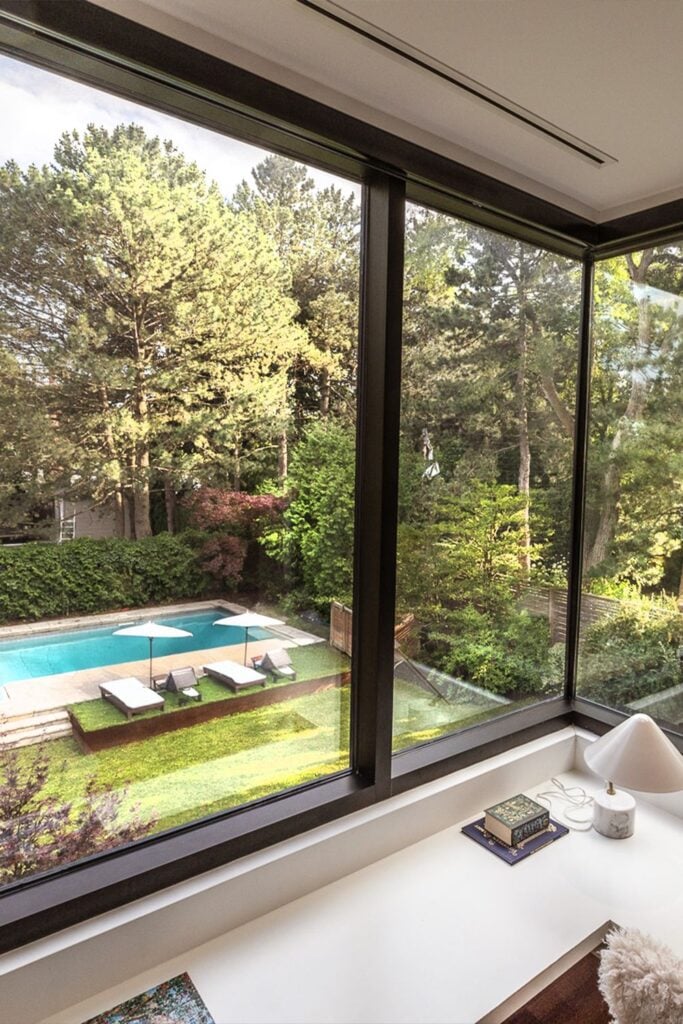
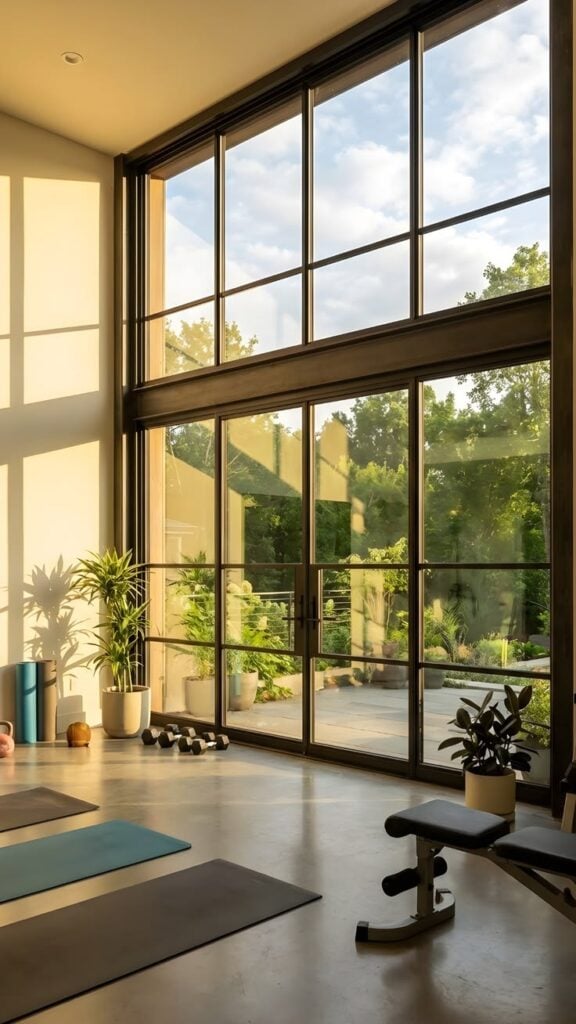
Windows are one of the most common sources of energy inefficiency in residential homes. Older or poorly sealed windows allow heated or cooled air to escape, forcing HVAC systems to work harder to maintain a comfortable indoor environment.
The Department of Energy reports that heat loss through windows accounts for 25-30% of residential energy use. This means that nearly a third of a home’s energy consumption can be tied to inefficient or outdated windows.
Energy-efficient windows are designed with improved insulation, advanced glazing, and tighter seals to reduce air leakage. These features help keep warm air inside during colder months and block excessive heat during warmer seasons. Beyond energy savings, upgraded windows can also reduce drafts, minimize outdoor noise, and improve overall indoor comfort.
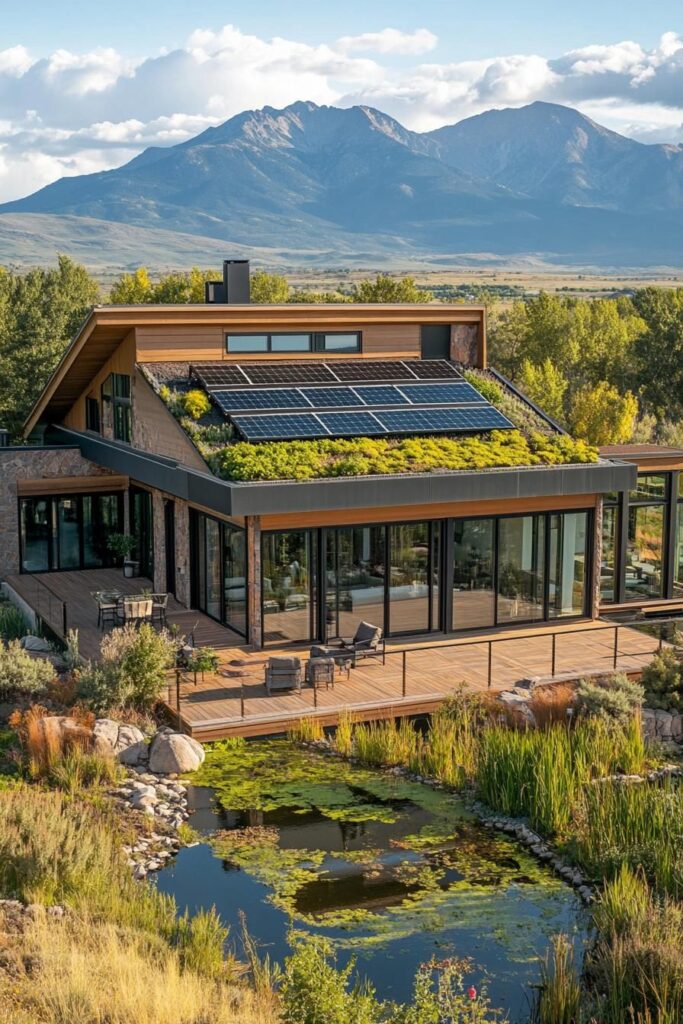
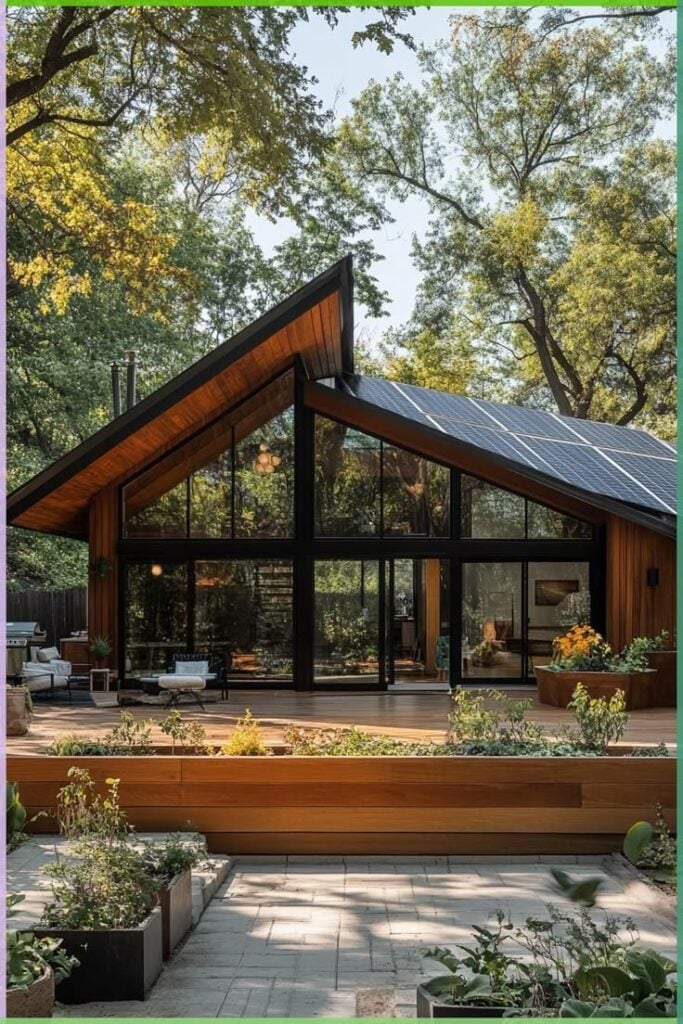
For homeowners looking to improve efficiency without changing major systems, window upgrades are a practical and impactful option.
Modern Air Conditioners Offer Significant Energy Savings
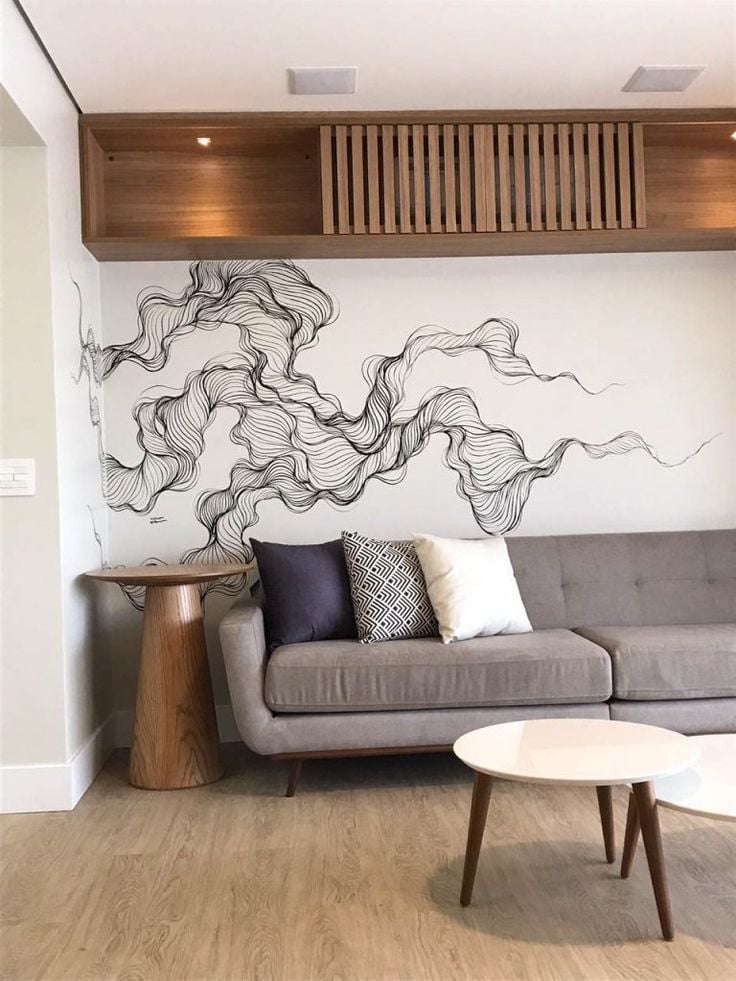
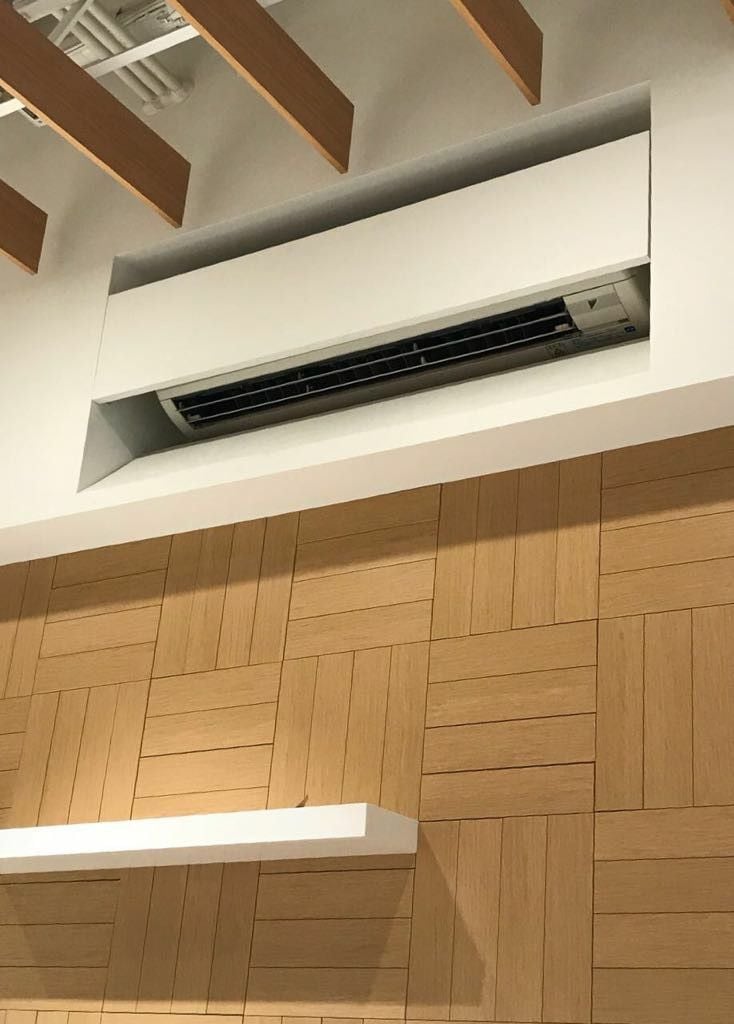
Cooling systems are among the largest energy consumers in most homes, particularly in warmer climates. Older air conditioners often operate far less efficiently than modern models, leading to higher energy bills and inconsistent cooling performance.
According to Energy Star, upgrading to energy-efficient air conditioners can reduce cooling energy costs by 20-50%. Newer systems are designed to deliver the same level of comfort while using significantly less electricity.
High-efficiency air conditioners these days come with some really clever features like variable speed compressors, smart thermostats, and air flow designs that are a step above the rest. This lets the system dial back its output whenever you don’t need it to be blasting away – no more full-blast cooling 24/7. Over time, that not only saves you money on your energy bills but also extends the life of the system because it’s not getting worn out from running at top speed all the time.
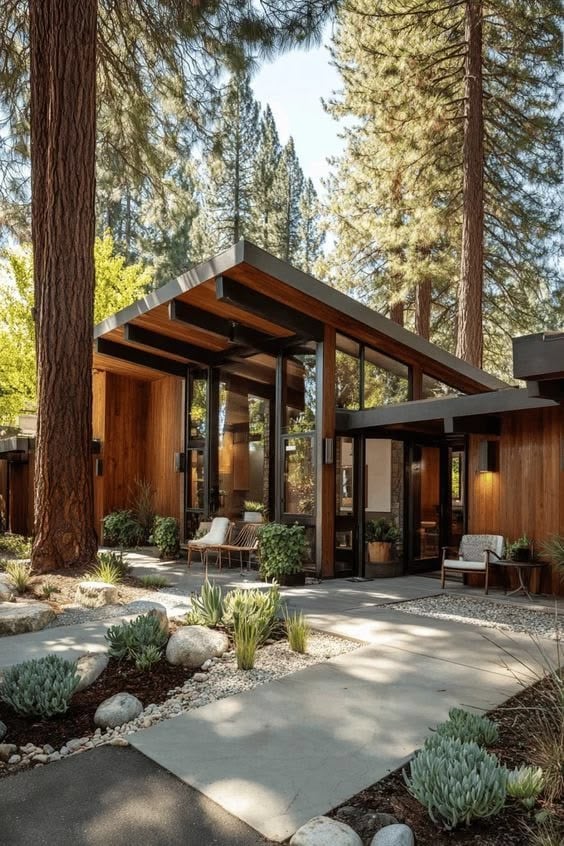
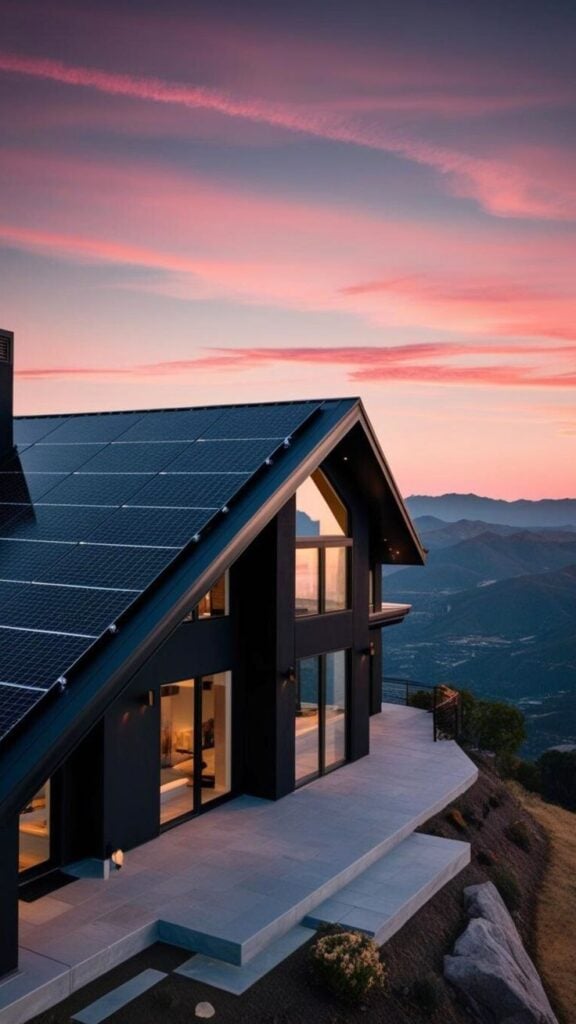
The thing about energy-efficient home upgrades is that they don’t just cut your utility bills, they also make your home a far more pleasant place to live. Upgrading the roof, windows and air conditioning system each tackle a different way that energy is leaking out of your house and working together to make things a lot more efficient.
When you focus on upgrades that actually make a tangible difference, you can make informed decisions about what you’re putting your money into and get a solid return on your investment – both right now and in the long run. Whether you’re trying to bring your monthly costs down, make your home a more comfy place to be or boost your property value, taking the plunge and investing in energy efficiency is a no-brainer – it’s a solid step towards building a smarter, more resilient home.
- 26shares
- Facebook0
- Pinterest26
- Twitter0
- Reddit0