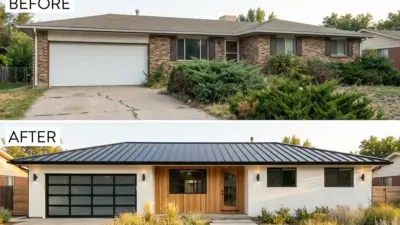

Most people assume that once a house is built, the foundation remains a solid and unchanging part of the landscape. We focus on the roof and the siding while ignoring the dark area beneath our feet. This hidden zone determines the health of the structure.
A foundation is a complex environment that interacts with soil and weather every single day of the year. When the balance is off, the entire building begins to suffer from invisible stresses. Neglecting the base leads to sagging floors and persistent musty odors in the hallways.
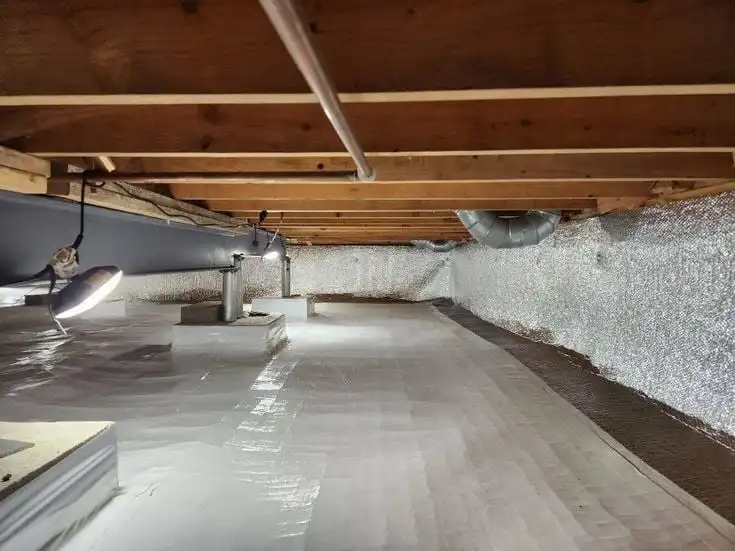
Long term stability depends on restoring proper conditions below the home. That work begins in the crawl space, not in the living areas above. Crawl space repair solutions provide a comprehensive way to restore the balance and ensure the home stays level for decades. These methods focus on removing the factors that lead to decay and structural failure. A healthy foundation is the result of active care and planning.
Moisture Control as the Foundation
Liquid is the primary driver of almost every issue that occurs in the dark areas beneath a residential property. It comes from the earth as vapor or from the outside as rain runoff. Managing this flow is the first step in any protection plan.
When the air stays damp, organic materials like wood joists begin to absorb moisture and lose their strength. This leads to a loss of rigidity that impacts the entire floor system above the ground. Dry environments are necessary for maintaining the integrity of the home.
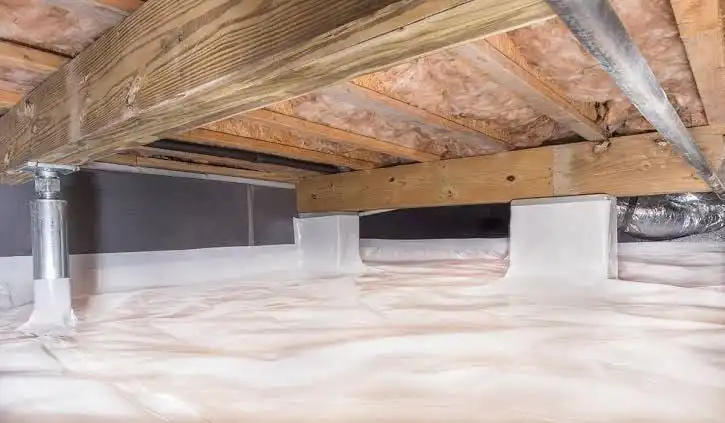
Controlling humidity prevents the growth of irritants that can damage the structure and affect the air quality for the family. Using a vapor barrier and a dehumidifier creates a stable climate that resists seasonal changes. Stability starts with a focus on keeping the area dry.
Structural Supports and Ground Conditions
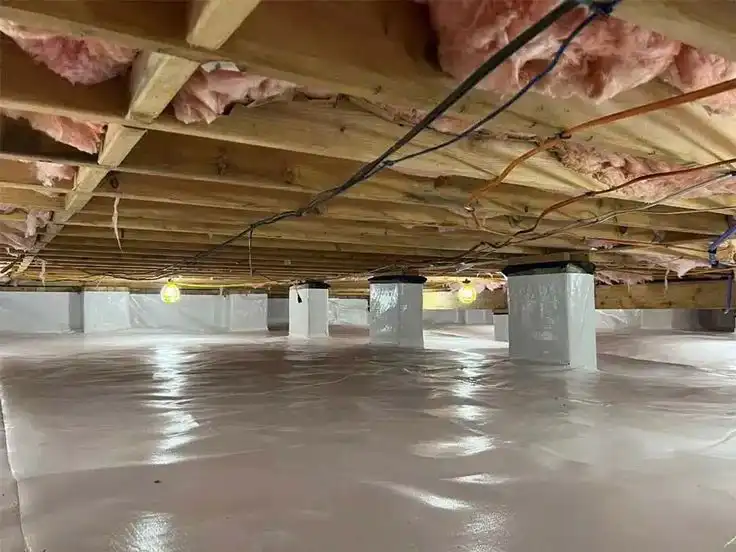
Piers and beams are the skeletal system that carries the weight of the entire house and distributes it to the earth. If these supports become unlevel, the framing above begins to twist and pull out of alignment. This movement creates visible cracks in the drywall.
Ground conditions vary significantly based on the local soil type and the amount of water present in the yard. Saturated dirt loses its ability to hold a heavy load, causing piers to sink or tilt over time. Consistent support requires a firm and predictable base beneath.
Restoring support integrity involves reinforcing weak spots and ensuring that every beam is carrying its fair portion of the building weight. This process requires a careful look at the soil density and the condition of the wood. Stable ground is the anchor for a healthy home.
Airflow and Environmental Management
Ventilation was once the standard for managing the air beneath a home, but it often brings in more moisture than it removes. Modern strategies focus on sealing the area to create a thermal buffer between the ground and the floors. This isolation improves energy efficiency.
Balancing the air requires a mix of sealing and mechanical management to keep the relative humidity at a safe level. This prevents the stack effect from pulling damp and dirty air into the main living spaces of the house. Clean air is a result of smart management.
The impact of this environmental control is felt in every room through warmer floors and a fresher scent in the air. It reduces the strain on the heating and cooling systems while protecting the framing from rot. Managing the climate is a vital part of stability.
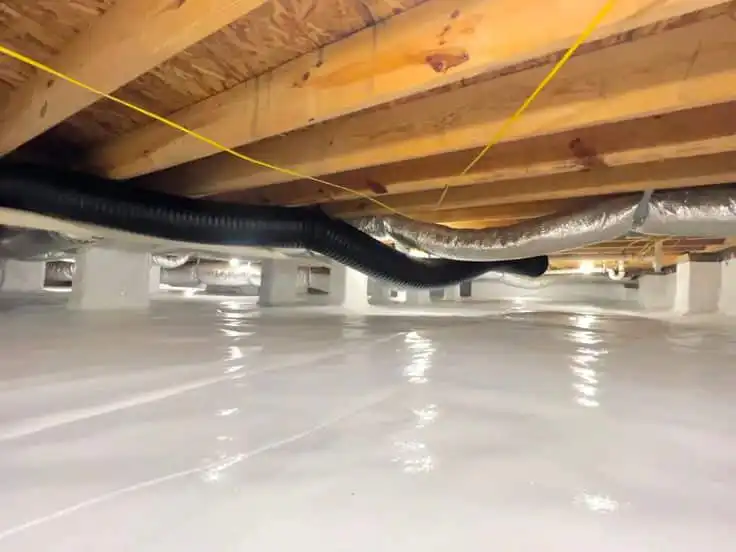
Maintenance and Monitoring Over Time
Consistency is the key to ensuring that a foundation remains stable throughout the life of the building. It is not enough to simply install a system and forget it while the seasons change outside. Regular checks prevent small issues from turning into major structural failures.
Homeowners should look for signs of pooling water or changes in the way the floors feel when walking across a room. Monitoring the condition of the barrier and the sump pump ensures that the protection remains intact. Staying alert is the best defense against damage.
Long term habits like cleaning the gutters and grading the yard away from the house protect the foundation from unnecessary stress. These simple tasks keep the soil predictable and reduce the workload for the drainage system. Prevention is an ongoing commitment to the home.
Why Stability Requires a System View
Everything in a house is connected, from the dirt floor in the crawl space to the shingles on the peak of the roof. Stability is not a single fix, it is the result of multiple systems working together in harmony. This view ensures a better result.
Choosing a comprehensive strategy is far more effective than just reacting to a single soft spot or a sticking door. By addressing the moisture and the support at the same time, you create a permanent solution. This avoids the cycle of temporary patches and recurring stress.
Ultimately, a stable foundation provides a sense of security that allows you to enjoy your property for many years to come. Investing in the health of the base is a smart decision for any owner. A healthy home is a result of a system approach.
- 0shares
- Facebook0
- Pinterest0
- Twitter0
- Reddit0