Key Takeaways
- 2026 marks the emergence of next-level trends in modern home construction, with a focus on sustainability, technology, and wellness.
- Flexible, personalized, and light-filled spaces are shaping the homes of the future.
- Material and design innovations lead to enhanced efficiency, comfort, and overall livability.
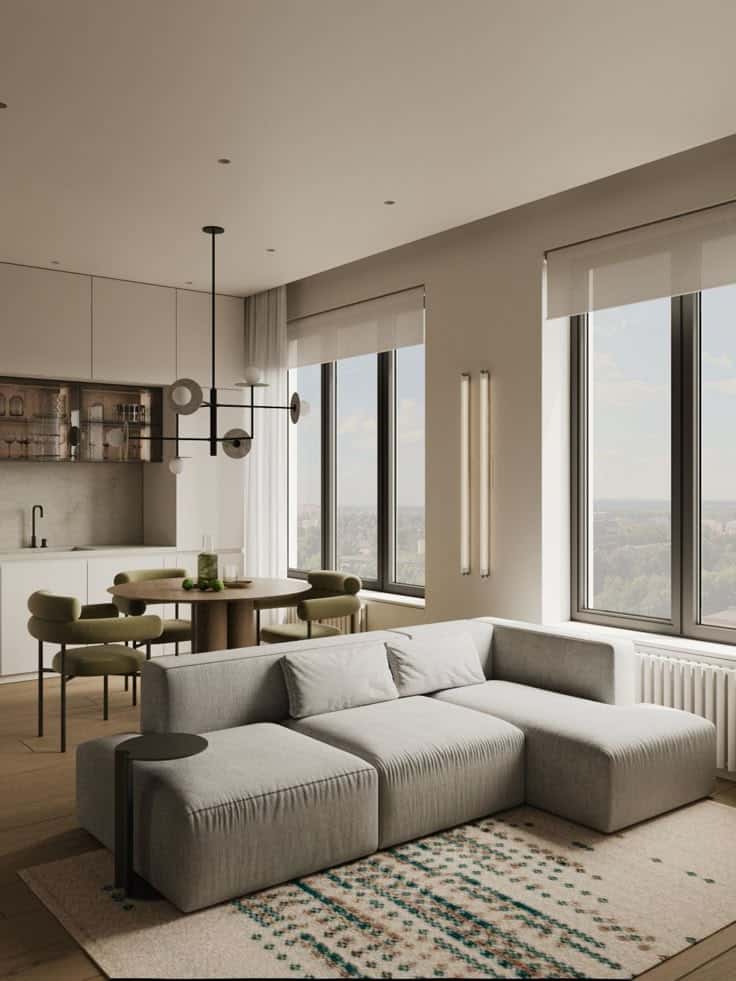
The pace of change in home construction is accelerating as we approach 2026, with a powerful focus on blending advanced technology, sustainable practices, and personalized comforts. Whether planning a rebuild or a new design, understanding these trends ensures your investment aligns with future-forward living and lifestyle needs. For those embarking on renovation projects or new builds, innovative guidance from an experienced construction Seattle firm can make all the difference in achieving your ideal living space.
Modern homeowners and builders are no longer content with one-size-fits-all solutions. Instead, they’re demanding environmentally responsible materials, state-of-the-art technology, and living spaces designed for holistic well-being and adaptability. These evolving expectations are shaping the trajectory of home construction, promising residences that are healthier, more efficient, and tailored for the long term.
In 2026, outstanding home design means more than mere aesthetics—it’s about crafting spaces that foster connection, innovation, and comfort. By weaving together efficiency and inspiration, the industry is setting new standards for what it means to live well at home. Early adopters who incorporate these trends are well-positioned to enjoy both increased property value and a higher quality of life.
Sustainable and Biophilic Design
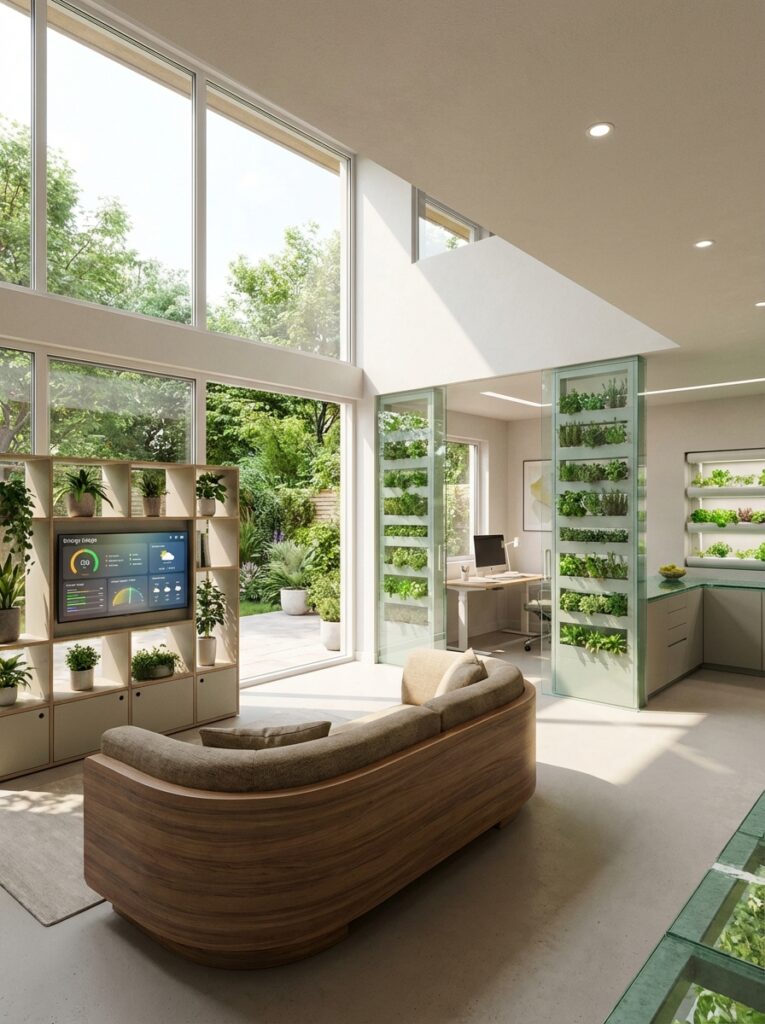
Sustainability is driving significant change in the construction sector. Biophilic design, which prioritizes the integration of natural elements into built environments, is transforming the way homes look and function. Think natural woods, living green walls, and energy-efficient materials that minimize environmental impact. These spaces not only reduce a home’s carbon footprint but can also enhance emotional health, echoing trends highlighted by Architectural Digest.
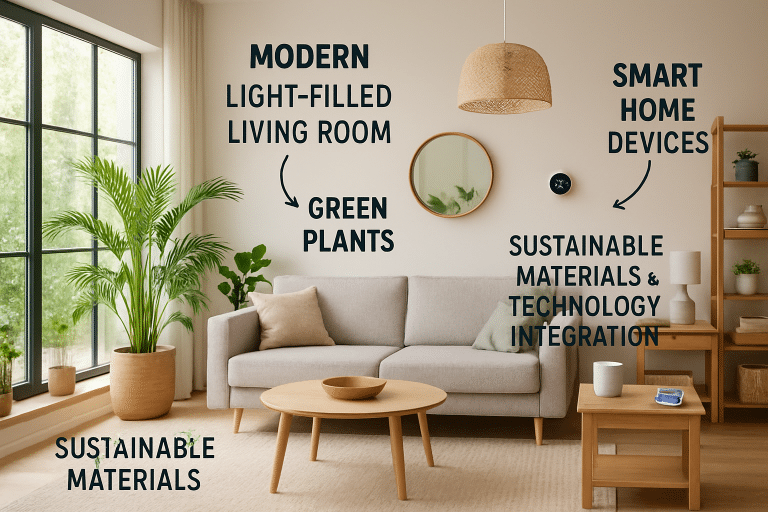
Smart Home Integration
The smart home revolution shows no sign of slowing. By 2026, intuitive systems will offer complete, voice-activated control of security, climate, lighting, and entertainment. Integration isn’t just about convenience—it also means smarter energy use and tailored environments that adapt to personal routines, further enhancing comfort and reducing utility bills.
Example Innovations
- AI-powered climate controls that learn family habits
- Multi-device security systems accessible from anywhere
- Lighting that adjusts throughout the day, syncing with natural circadian rhythms
Multifunctional Spaces
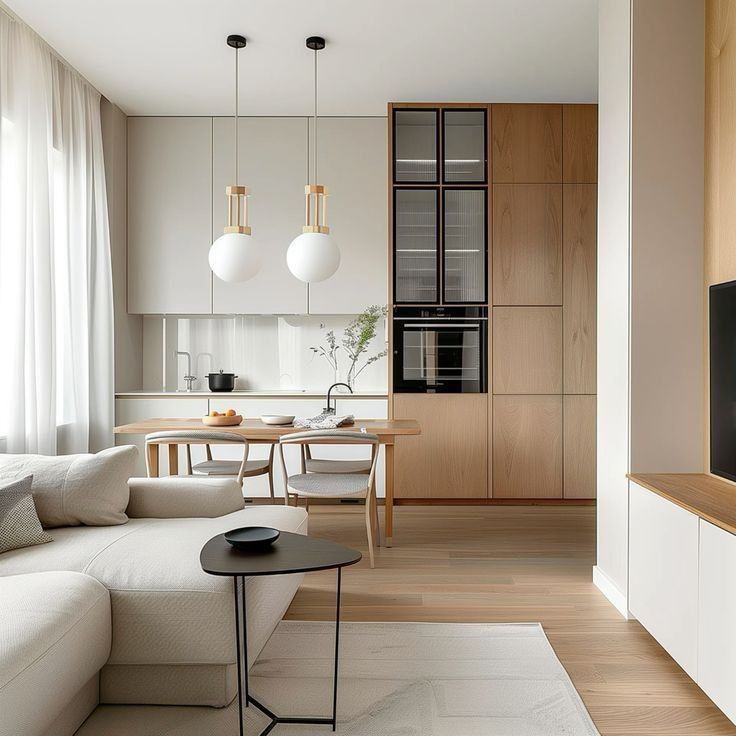
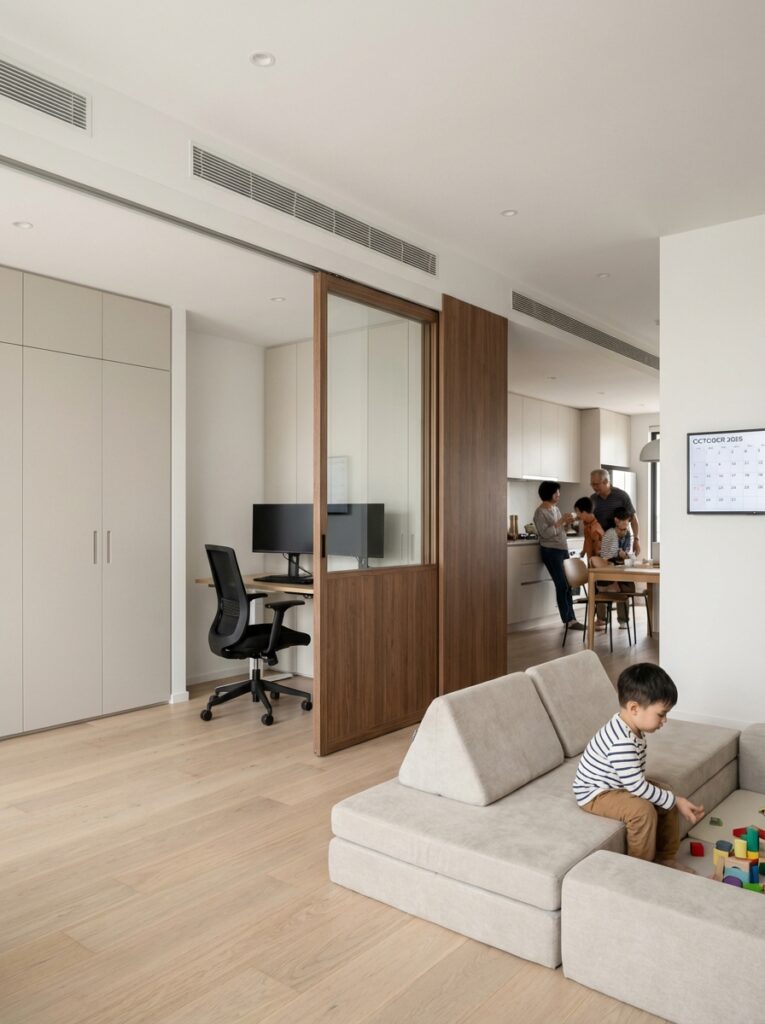
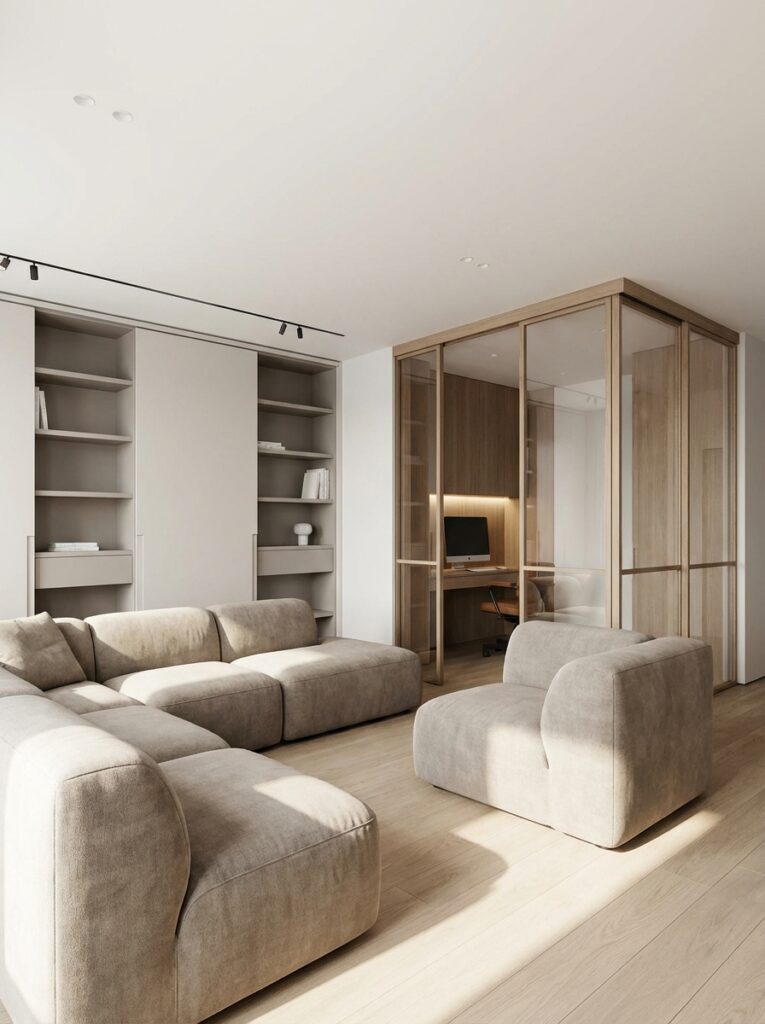
Homes in 2026 are designed for flexibility. The pandemic era cemented remote work and hybrid arrangements, making office nooks, adaptable guest rooms, and convertible living spaces standard. Smart storage, movable walls, and modular furniture enable residents to maximize every square foot—ideal for families, professionals, or multi-generational living.
Wellness-Focused Features
Prioritizing wellness, today’s home design incorporates high-grade air filtration, circadian lighting, and mindful spaces dedicated to relaxation or fitness. The goal is to foster environments that nurture both body and mind. Enhanced indoor air quality, water purification, and acoustically engineered rooms all contribute to a balanced, health-oriented lifestyle, as explored by Architectural Digest.
Advanced Building Materials
Innovations such as self-healing concrete, advanced recycled composites, and next-generation insulating materials are transforming home building. These technologies enhance energy efficiency, prolong lifespan, and minimize maintenance. As regulatory standards tighten around sustainability, embracing these materials becomes essential for future-proofing new homes.
Emphasis on Natural Light and Ventilation
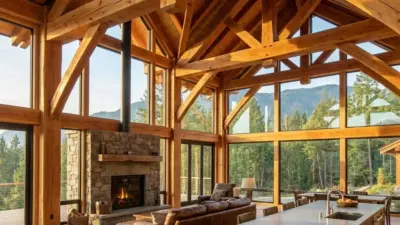
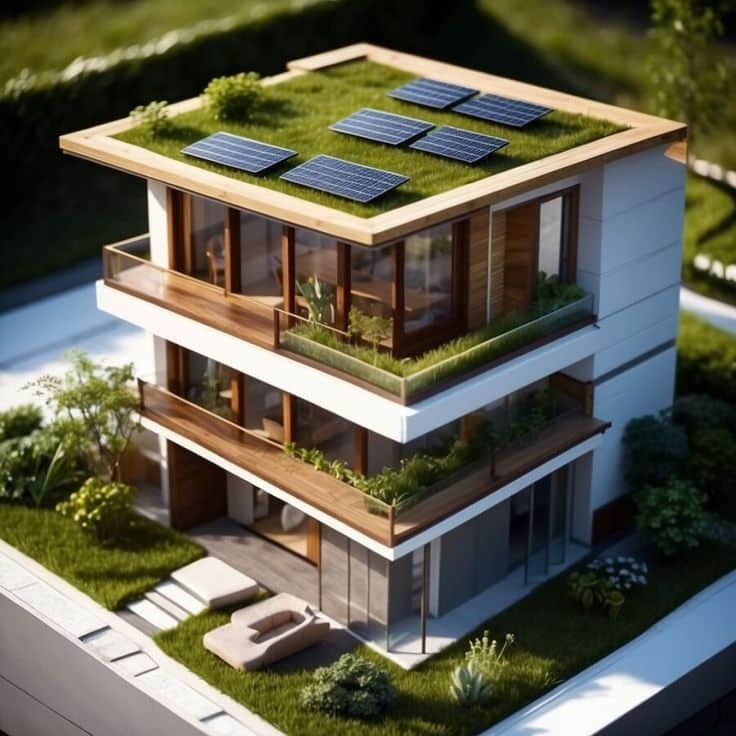
To promote wellness and reduce energy dependency, new homes feature expansive windows, open layouts, and operable skylights for maximum daylight and cross-breeze. These features lower reliance on artificial lighting and air conditioning, delivering not only energy savings but also a more uplifting atmosphere throughout the day.
Benefits
- Lower energy bills
- Boosts mood and productivity
- Creates a visually appealing, airy environment
Personalized Aesthetics
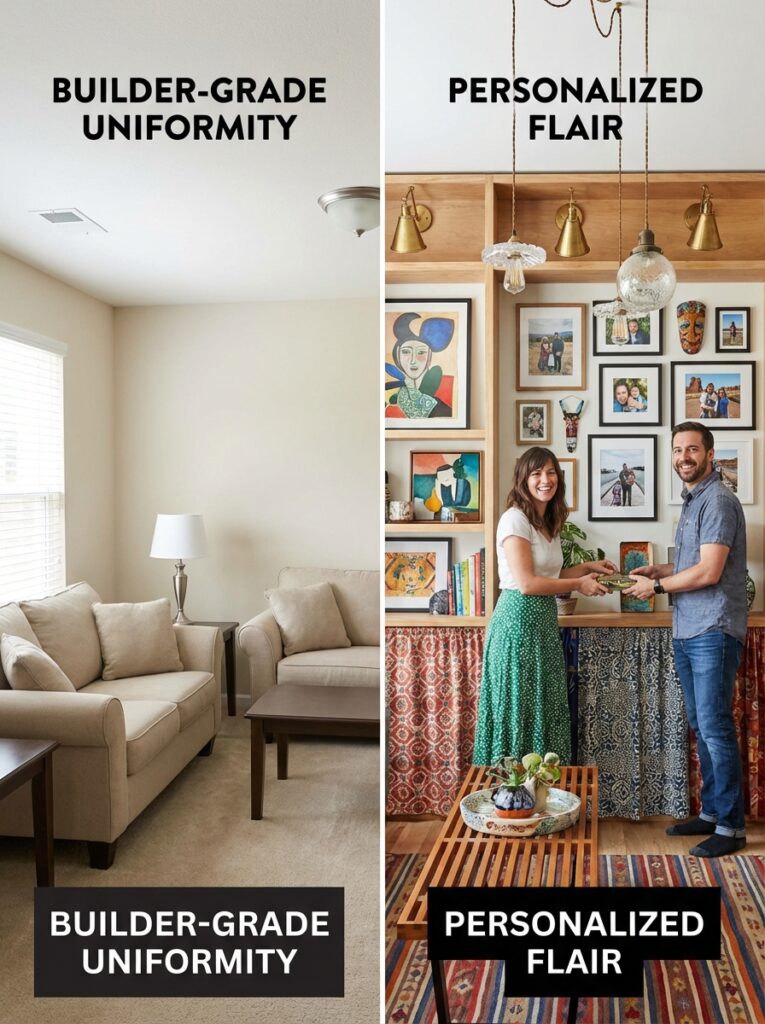
The era of uniform, builder-grade design is fading. Homeowners now seek to embed unique flair into finishes, fixtures, and architectural features. From curated art collections to bespoke cabinetry and fixtures, the modern home becomes a reflection of its owners’ values, personalities, and heritage.

Tips for Personalization
- Incorporate custom-built or hand-crafted elements
- Celebrate local art or history in interior choices
- Blend vintage finds with contemporary accents
Outdoor Living Spaces
With an increased appreciation for nature and gathering, outdoor rooms are integral to home design. Seamless transitions between interiors and decks, patios, or gardens create additional living and entertaining spaces. Covered patios with weatherproof technology, built-in kitchens, and cozy fire features support year-round enjoyment, blending the best of indoor comfort and outdoor freedom.

Final Thoughts
The home of 2026 combines sustainability, technology, and wellness with personalized, flexible living. By embracing smart systems, multifunctional spaces, biophilic design, and innovative materials, homeowners can enjoy comfort, efficiency, and long-term value. Prioritizing natural light, ventilation, and wellness-focused features ensures healthier living, while personalized finishes and outdoor living areas enhance lifestyle satisfaction. Staying informed about these trends allows you to create a home that is not only future-ready but also uniquely yours.
- 3shares
- Facebook0
- Pinterest0
- Twitter3
- Reddit0