Remember when home lighting meant flipping a switch for that stark, yellow glow from old bulbs? Those days feel ancient now. LEDs have flipped the script, turning light into a tool that shapes mood, highlights your favorite pieces, and saves you cash without sacrificing style.
This piece dives into why LED technology rules modern home decor. We’ll cover its smart features, design perks, and easy ways to make it work in your space. Get ready to see how these tiny lights can transform your home from basic to brilliant.
The Technological Leap – Understanding Modern LED Advantages
LED tea lights aren’t just brighter; they’re smarter and greener than ever. They fit right into today’s push for homes that look good and do good. Let’s break down what makes them stand out.
Unmatched Energy Efficiency and Sustainability Credentials
LED bulbs use up to 80% less power than old incandescent ones. A single swap in your living room could cut your electric bill by 75% over time. The U.S. Department of Energy reports that widespread LED use might slash household lighting costs by $30 billion a year by 2030.
This matters for eco-friendly folks. LEDs don’t have mercury like CFLs, so they’re safer for the planet. You can light up your home without guilt, knowing you’re helping the environment one bulb at a time.
Superior Color Rendering Index (CRI) and Light Quality
CRI measures how true colors look under a light—think 100 as perfect sunlight. High-CRI LEDs hit 90 or more, so your red throw pillows pop and your wooden shelves warm up the room just right. Low-CRI lights make everything look washed out, like a bad filter on a photo.
In decor, this shines. Art on your walls or fabrics on your couch need accurate hues to impress guests. Choose LEDs with strong CRI, and your space feels alive and inviting.
Longevity and Reliability: Investing in Permanent Fixtures
Most LEDs last 25,000 hours or more— that’s over 20 years with average use. Compare that to incandescent bulbs that burn out in a year. No more ladders or trips to the store interrupting your vibe.
This reliability boosts design choices. You can install recessed lights or chandeliers without worrying about constant tweaks. It’s like buying furniture that never wears out, keeping your decor fresh for decades.
Design Flexibility – Form Follows Light, Not Just Fixture
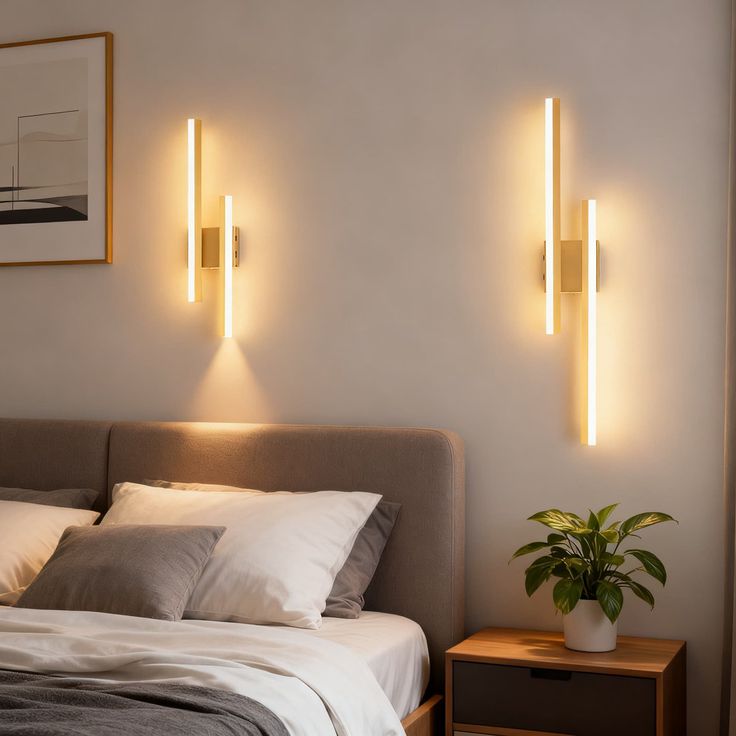
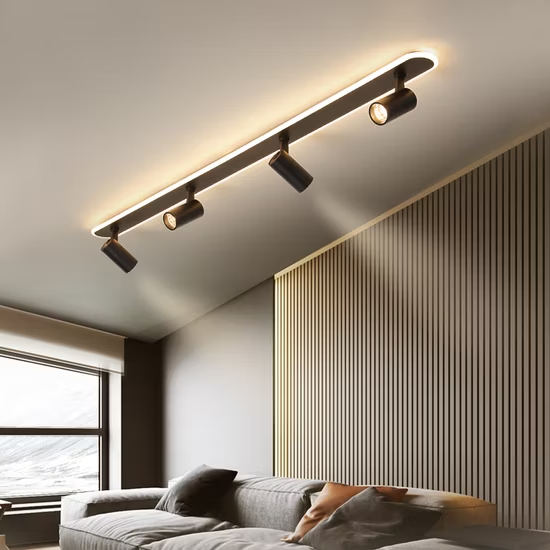
Light used to hide in lamps or fixtures. Now, LEDs let it dance with your decor. They open doors to shapes and setups you never imagined.
Miniaturization and Integration: Embedding Light Seamlessly
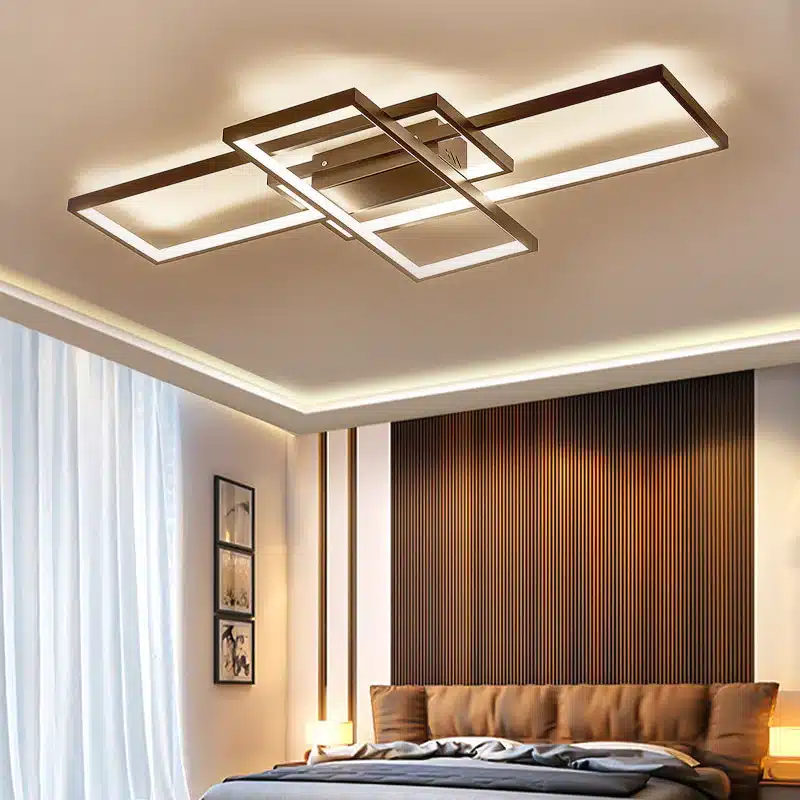
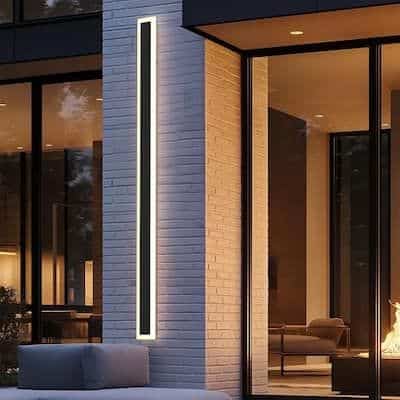
LED chips are tiny, smaller than a grain of rice. This lets designers tuck them into walls, under stairs, or behind mirrors. Cove lighting runs along ceilings, washing walls in soft glow without bulky bulbs.
Picture slim strips lining kitchen cabinets—they highlight glassware at night. Or backlit panels in bathrooms that make tiles sparkle. These integrations make light part of the architecture, not an add-on.
- Pros of slim LED strips: Easy to hide, low heat output, and customizable lengths.
- Best spots: Behind TVs for ambient effects or along baseboards for subtle paths.
Dynamic Color Tuning: From Warm Amber to Cool Daylight (Tunable White)
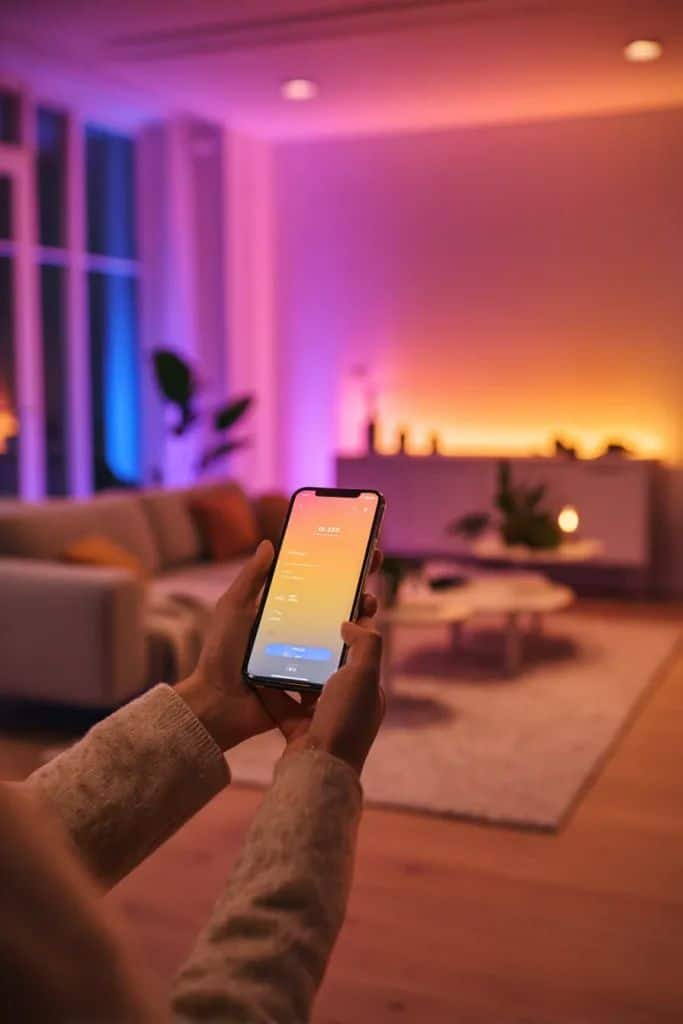
Tunable white LEDs shift from cozy 2700K yellows to crisp 6500K blues. You control it with an app or dial, matching the sun’s arc through your day. Evenings get that relaxing amber; mornings wake you with daylight vibes.
Why does this rock for decor? A warm tone makes leather sofas feel snug, while cool light perks up a home office. It’s like having a mood ring for your room.
For color fans, pair it with schemes like monochromatic setups to keep things cohesive. Experiment—your walls might surprise you.
Creative Shapes and Non-Traditional Light Sources
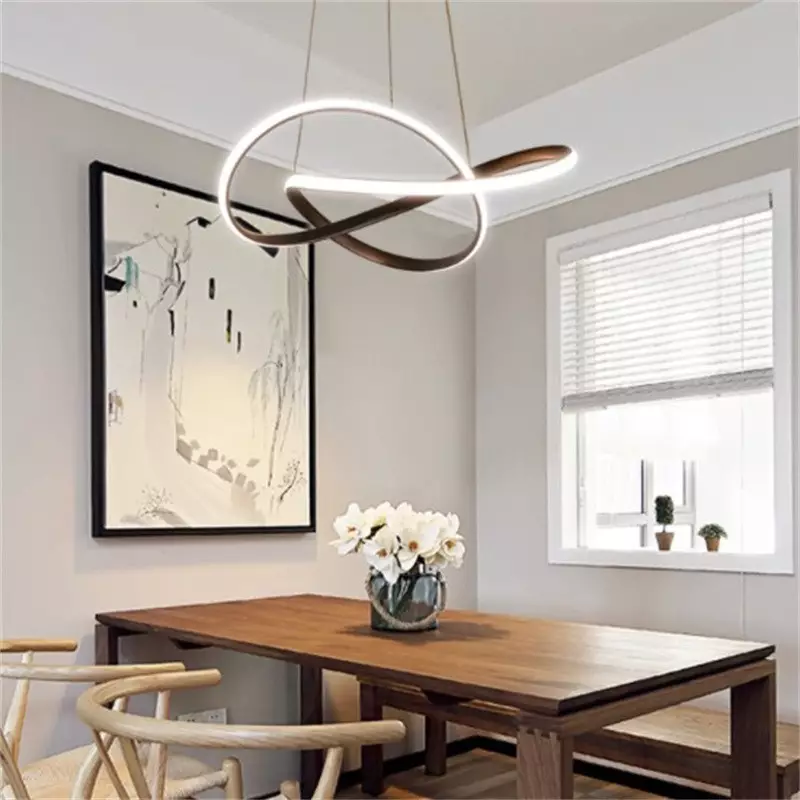
Forget round bulbs; LEDs come in neon ropes, glowing orbs, or flat panels. Bendable strips wrap around headboards for a starry bed. Or embed them in acrylic tables that light up from within.
These options turn light into art. A custom LED sculpture over your dining table becomes the centerpiece. Designers love how they blend form and function, making everyday spots feel special.
- Ideas to try:
- LED-lit shelves displaying books or plants.
- Flexible films on windows for privacy with glow.
- Glowing wall art that changes with seasons.
The Smart Decor Revolution – Connectivity and Control
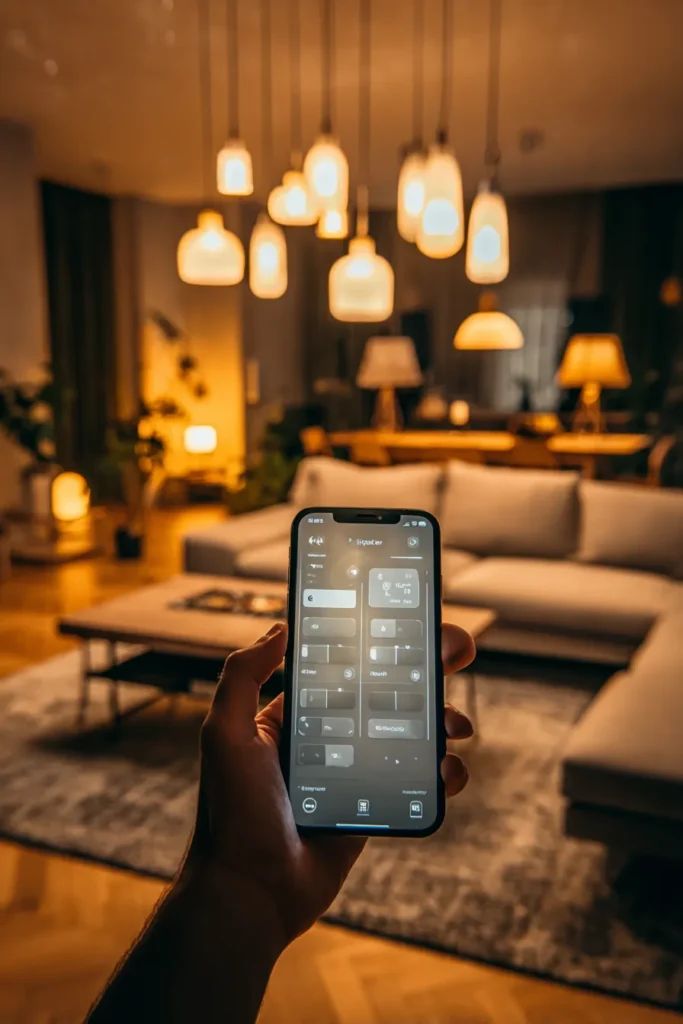
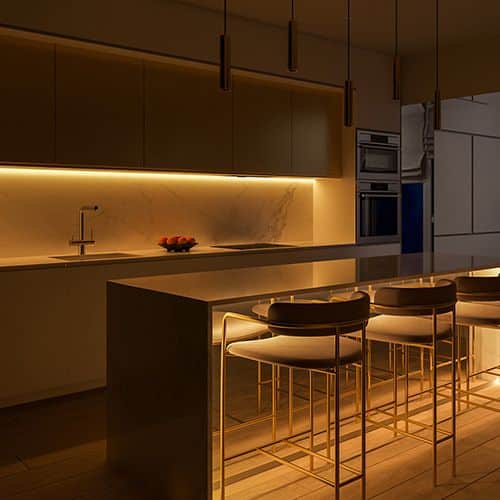
Smart LEDs connect to your phone or voice assistants. They respond to your life, not the other way around. This level of control elevates home decor to something personal and alive.
Hyper-Personalization Through Smart Lighting Ecosystems
Systems like Philips Hue let you set scenes for any moment. “Romantic Dinner” dims to soft pinks; “Game Night” blasts blues. Link bulbs across rooms for whole-home flows.
Map these to your decor—warm lights on textiles for texture, cool on metals for shine. It’s personalization at your fingertips. Guests will ask how you nailed the atmosphere every time.
Biometric Lighting: Aligning Light with Circadian Rhythms
Your body clock craves light that mimics nature. Smart LEDs automate this: bright and blue in the morning to boost energy, fading to orange at night for better sleep. Studies from the Lighting Research Center show this cuts fatigue by 20%.
In your home, it ties into wellness decor. A bedroom with rhythm-sync lights feels restorative, like a spa. Your space supports health, making daily life smoother.
Voice Control and Automation Integration in Home Staging
Say “Alexa, cozy mode,” and lights adjust without a touch. This keeps focus on your rugs or artwork, not switches. In staging, it wows buyers—show a room’s potential in seconds.
Integrate with smart homes for routines, like entry lights welcoming you home. It’s effortless magic that highlights your style choices.
Practical Implementation – Tips for Decorators and Homeowners
Ready to upgrade? Start small, but think big. These tips make LED integration smooth and stunning.
Calculating Light Levels: Avoiding the Glare Trap
Lumens matter more than watts now—aim for 800 per square foot in kitchens, 100-200 for bedrooms. Too much creates harsh spots; too little leaves shadows. Use apps to map your needs.
Layer lights: overhead for tasks, accents for mood. Diffusers soften LEDs, preventing that clinic feel. Test setups at night to catch glare early.
- Quick lumen guide:
- Living room: 1,500-3,000 total.
- Bathroom: 1,000-2,000 for clear mirrors.
- Outdoor patio: 500-1,000 for evenings.
Selecting the Right Fixture Compatibility for New LED Retrofits
Not all dimmers work with LEDs—old ones cause flickers. Pick LED-specific ones with smooth drivers. Check bulb bases (E26 is standard) before buying.
Retrofit kits swap incandescents easily. If buzzing hits, swap the driver first. Pro tip: Test one fixture before full install to avoid headaches.
Showcasing Texture and Material with Directional Lighting
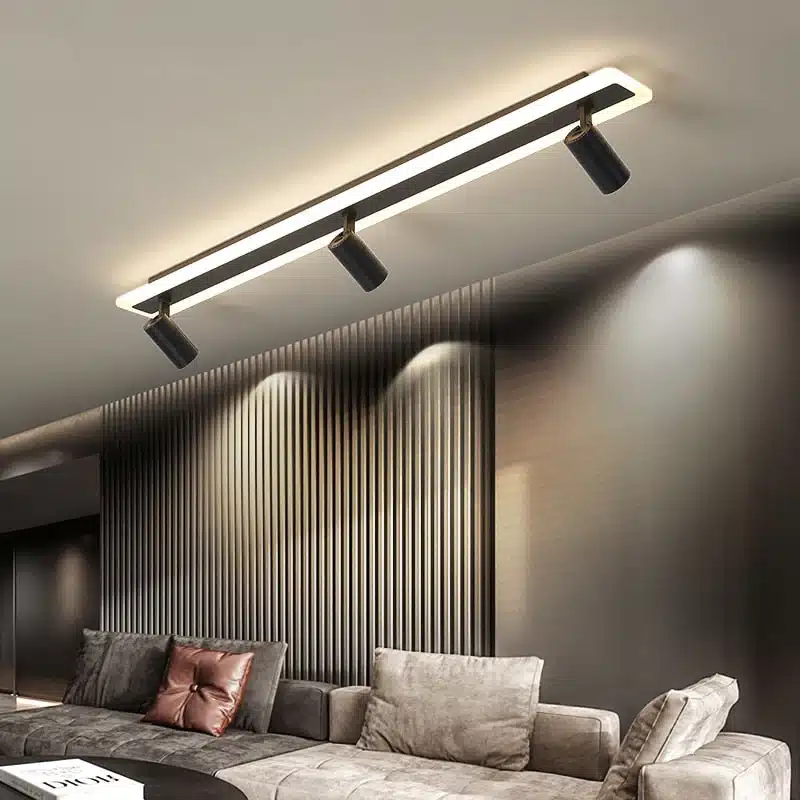
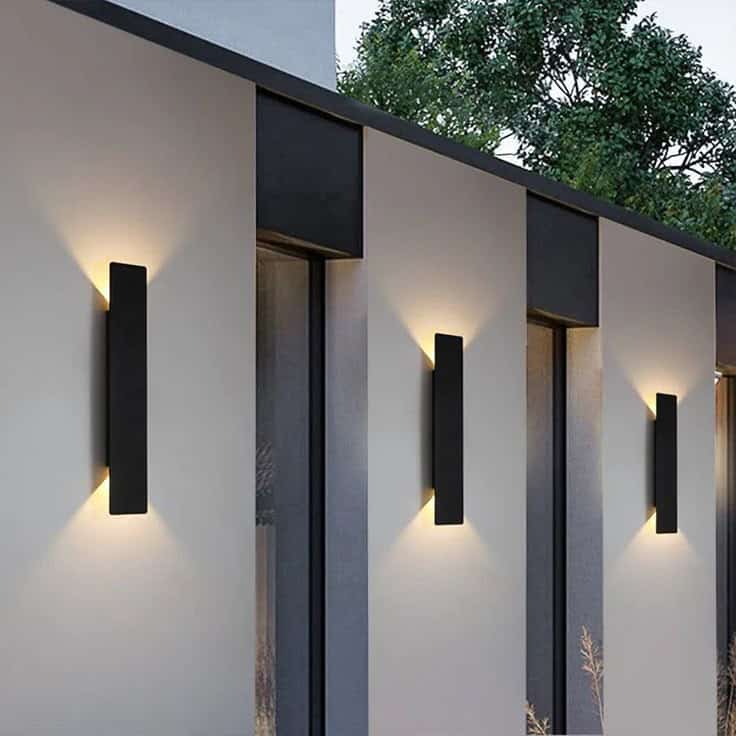
Spotlights with 30-degree beams hit just right, casting shadows on woven baskets or stone walls. This adds depth, like stage lights on a set. Adjust angles to skim surfaces for subtle highlights.
In hallways, linear LEDs graze moldings. For art, track lights pivot to follow your gaze. Play with it—your textures will thank you.
Conclusion: Illuminating the Future of Interior Aesthetics
LEDs have moved past basic glow to shape how we live and design. Their efficiency, flexibility, and smarts make them essential for homes that adapt and inspire. From tunable hues to voice commands, they offer control that boosts both beauty and function.
Invest in quality LEDs now, and your space gains lasting value. Check your current setup—could it use a brighter future? Swap one bulb today, and watch your decor come alive.
- 3shares
- Facebook0
- Pinterest0
- Twitter3
- Reddit0