Most leaks don’t manifest on day one of installation. They bide their time. They sit for months, for years, traveling into a building until finally it becomes too much to handle. And the worst part? It’s all because of things done on day one when installing that don’t reveal themselves until far later.
This is the thing about roof hatches, installations are simple yet complicated. There’s a hole in a watertight plane and now it needs to be made watertight again. When people forget that roofs are a plane through which water sits and accumulates, and instead treat the roof hatch like any other opening, that’s when things go haywire.
This isn’t always a catastrophic failure. In fact, it’s generally small failures that materialize over time with the elements and then, before you know it, there’s a stain on the ceiling or drywall, and it seems to come out of nowhere.
Curb Height That Nobody Calculates

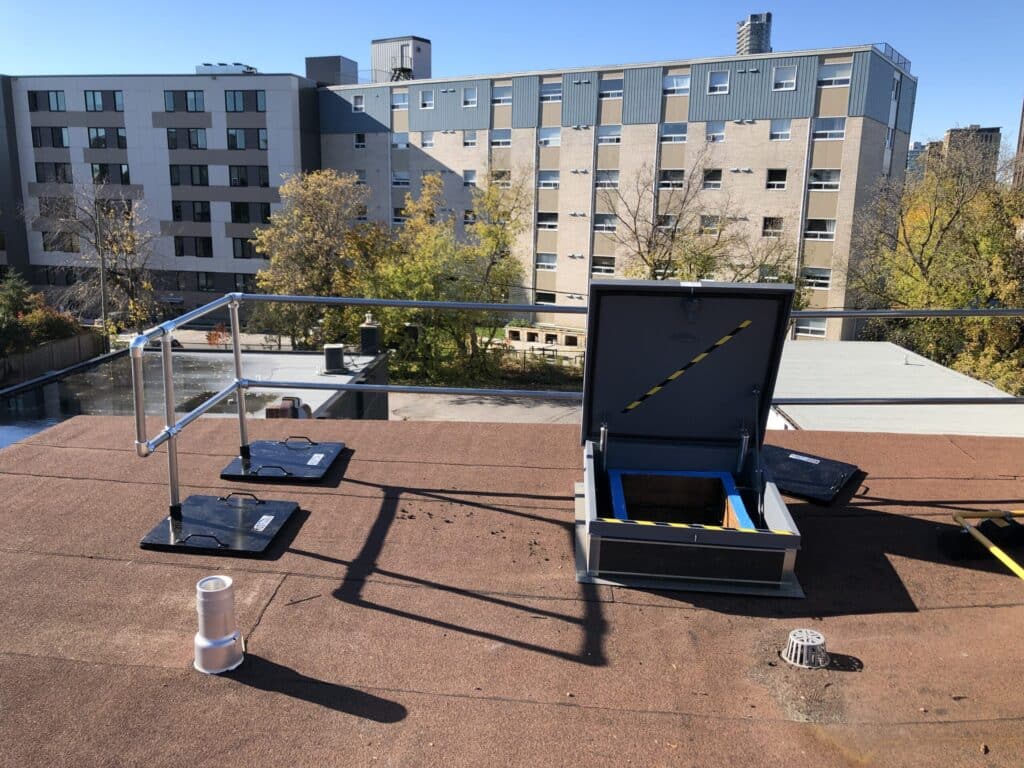
One of the most common blunders in roof hatch installation happens before the hatch even arrives on the job. The curb needs to be adequate height so water doesn’t pond around it. So, what’s so wrong?
It’s relatively common knowledge that there should be at least an 8-inch curb height above finished roof. Finished roof is key. If there will be tapered insulation or multiple layering systems and the curb is put in prior to anything else going down, an 8-inch curb could become a 5-inch curb. A 3-inch curb. Subsequently, driving rain can easily pond around the curb during normal precipitation.
But wait, there’s no leaking. It sits, annoying every seam/seam joint in its path for eternity. Freeze/Thaw actions take their toll on the seams. UV rays play a part in making it dryer than usual. The ponding water makes its way in, usually along the base of the curb, where the roofing membrane meets the vertical side. Then, when someone sees water damage in the building, it’s been a problem for years.
Flashing Placement That’s Incorrect Yet Appears Correct
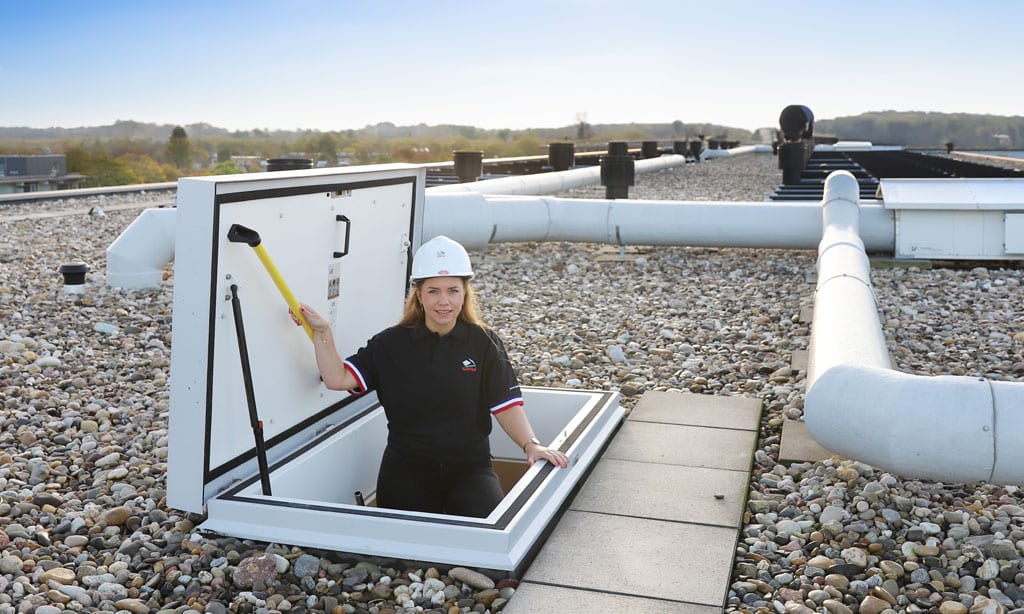
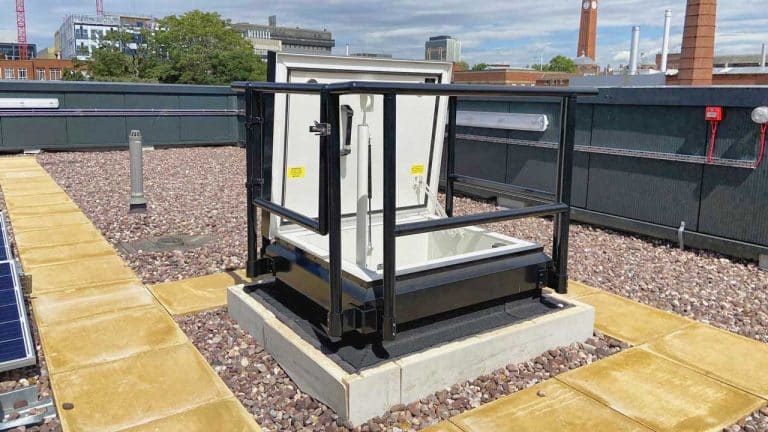
Base flashing around roof hatches needs to be watertight yet allow for movement. Movement? Isn’t that counterproductive? Roofs expand and contract with heat; so do hatches and curbs, but they may do so at different intervals depending upon construction material. If movement isn’t recognized, flashing can experience issues.
In practice, a technician will bring the base flashing up the side of the curb and seal it with mastic/caulk. And it passes inspection because it looks watertight. What doesn’t meet inspection? The fact that the roof and metal curb move independently from one another. Six months down the line, compounded by summers of expansion and winters of contraction, small separations along those seams emerge. Water gets behind it and between the two, hidden from all.
There’s a way to do it, specific lapping protocols; movement integration that works best with professional products like the ones found on https://surespancovers.us/roof-hatches/ wherein manufacturers detail how flashing should integrate with their curb design. If these steps are missed because it takes too long or someone assumes that it’s installed all the same with every hatch, when their warranty runs out, they’re going to have bigger issues at play.
Counter Flashing That Defeats the Purpose

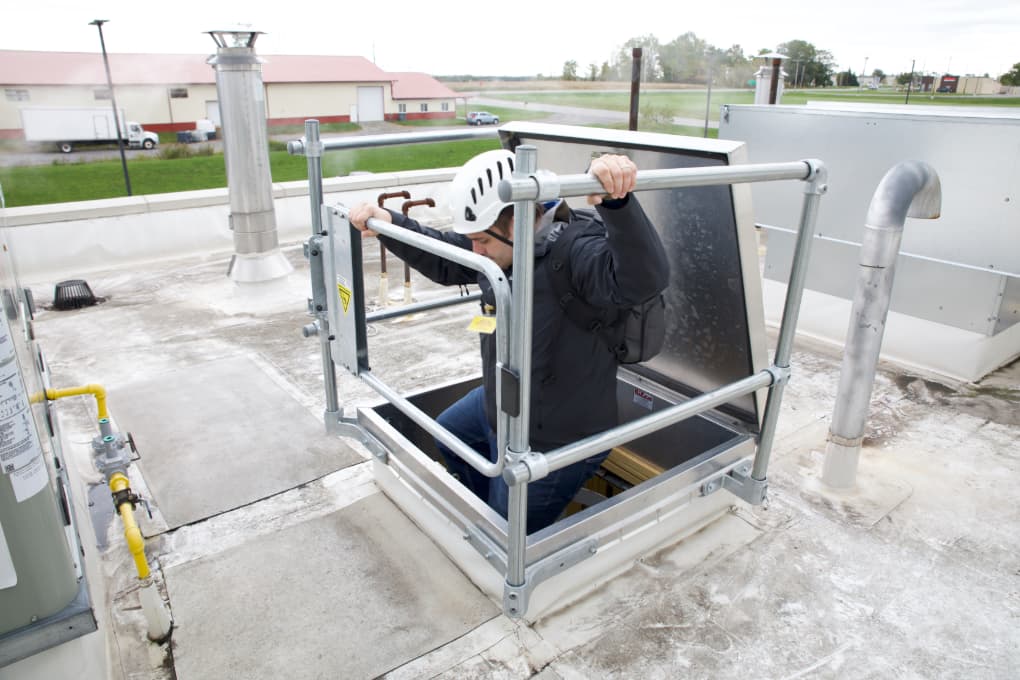
Counter flashing is designed to cover the joint between base flashing and curb. Why? To send water away from this joint, ultimately protecting it. But mistake number three comes in droves here.
Mistakes happen with sealant, there is a gap between counter flashing and the top of the curb; “that must be sealed” so they run a bead of caulk along like it’s helping to create an ideal environment. It’s not, it’s trapping water behind instead of allowing it to flow out.
Water flows in (and it always finds a way) behind that metal piece and now we have problems. It ponds behind there, treks down to base flashing and finds poor performance amongst the lower seal. This is one of those times where a fix makes everything worse, in reality, counter flashing should never trap water; instead, it should allow water to shed and exfiltrate.
The Fastener That Nobody Is Thinking About

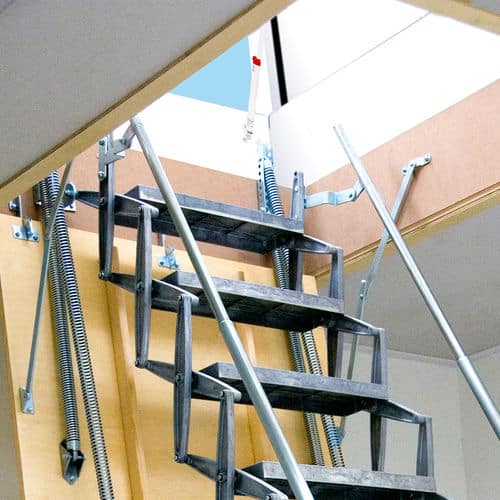
Roof hatches need to be attached to curbs which need to be attached to roof structures, every fastener that goes through a roofing membrane is an opportunity for leaking materials to break down this intersection of new construction materials mixed with existing ones.
This is relatively common but rarely approached properly, is there sealant around fasteners? Yes or No? One technician is incredibly reliant and takes his time; another rushes through one minor aspect, with high hopes each one is perfectly installed. They’re not. There are outlets where some ports are adequately secured while others are not.
But those which are inadequately installed don’t present themselves right away, slowly but surely they welcome cupfuls of moisture over time with each rainstorm; they soak into insulation below the membrane until then, there’s leaking inside somewhere.
Even further? Over-tightening screws makes washers/seals unable to create watertight compression points; washers may not be secure enough or screws may not be long enough to catch wood/metal framing but they’re still used, no one knows if hatch is secure; it’s all just help up by sealant that will fail due to wind pressure.
Membrane Termination at Base Curb
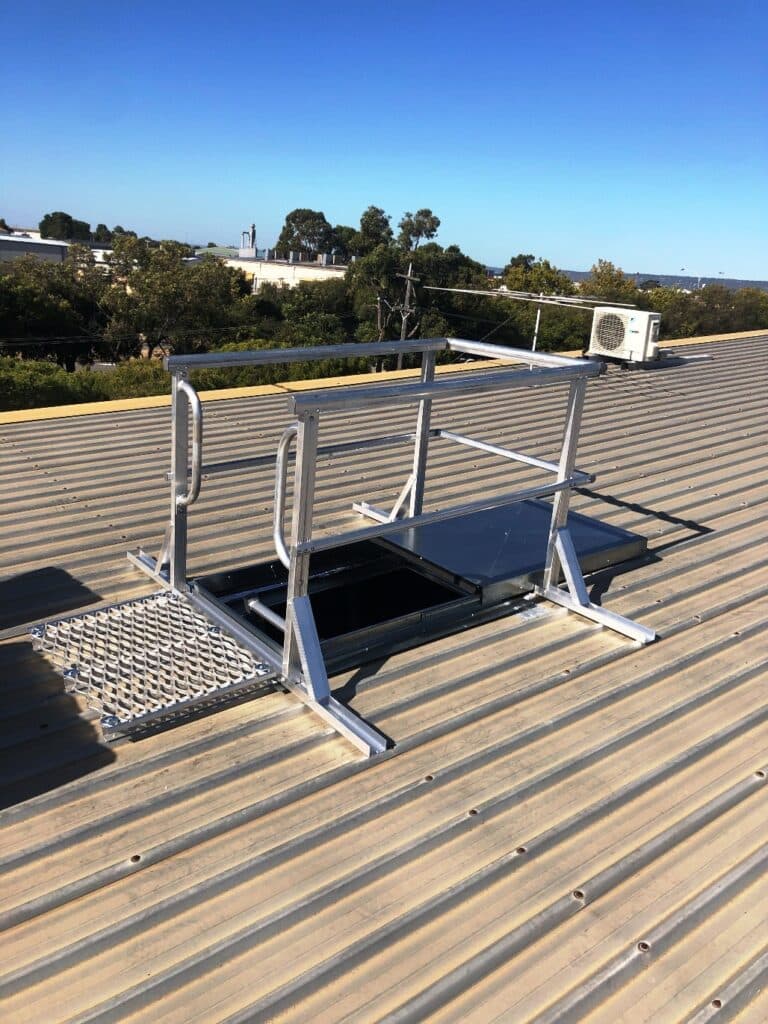
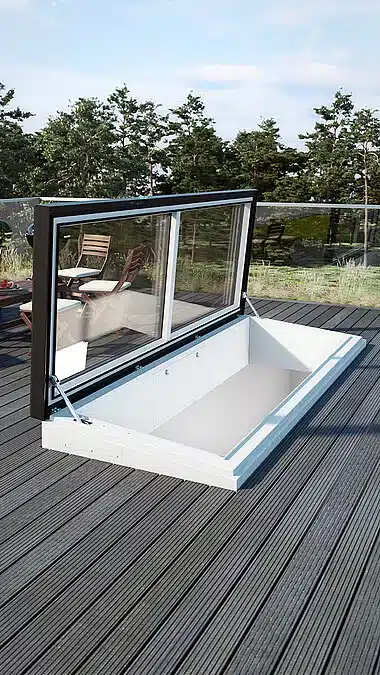
The single most important seal comes with the transition between roofing membrane at base curb, not only must it prevent moisture from migrating back but also needs to handle moisture running across roofs, differential materials movement thermal cycling, UV exposure, this is not something to get wrong.
The biggest problem? Someone thinks it’s an easy seal; all they must do is stick it and there’s no prep on curb surface; we’re left with the wrong adhesive for what kind of membrane exists; we’ve got inadequate overlaps, sequencings that fail, which means this becomes the weakest point, not only in the roof but across all seams.
The professional installation considers things that nobody gives thought to, the surface needed to be prepped if metal; membranes had to be heated if modified bitumen like EPDM needs prepped surfaces that were cleaned and primed beforehand; single ply has specific adhesives during curing times; if skipped it’s a bombs away move two years down – ten years down later.
Details Are Important – Over Time It Makes Sense
They all have one thing in common, they’re all cuts taken that looked fine on day one but became problematic down the line over time. Proper installation isn’t complicated, it’s intensive.
Roof hatch installation isn’t complicated, but doing it right requires details and knowing how the specific hatch design meshes with specific roofing systems integrates with manufacturer specifications which take longer than shortcuts.
Building owners must pay attention, facility managers must ensure everything is calculated beforehand so when curbs need calculations they do prior to hatch, ensure they’re following manufacturers guidelines instead of how we do it all the time, hatch specified inspections happen at each step, not just at the finish when it’s already sealed up.
It’s better to take money once than pay for water damage later over time it’s been festering that nobody knew about without any signs before rubber met road.
- 0shares
- Facebook0
- Pinterest0
- Twitter0
- Reddit0