Paintings for home decor offer a simple way to transform any room by adding style, color, and personality. They can reflect an individual’s taste while enhancing the overall feel of a space. Choosing the right artwork can make a room feel more inviting and complete.
The best paintings for home decor balance aesthetics and emotion, fitting both the space and the mood the homeowner wants to create. From abstract designs to classic scenes, the variety allows for easy personalization in every room.
Investing in quality wall art can also be practical, as it can last for years and often becomes a signature element of a home’s design. This makes selecting the right painting an important decision for anyone wanting to improve their living space.
Choosing the Perfect Paintings for Home Decor
A well-chosen painting can transform a room by adding personality and enhancing its atmosphere. The key is to find artwork that fits personal taste, complements the room’s colors, and suits the function of the space.
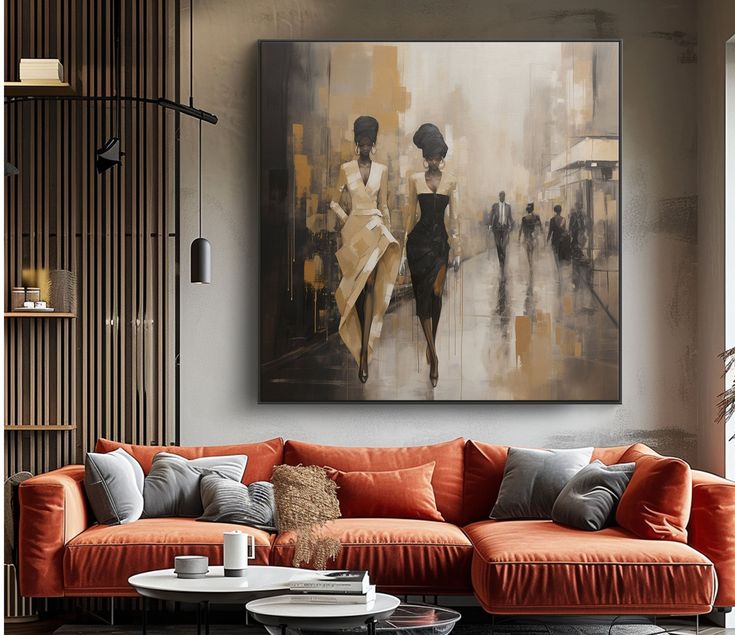
Identifying Your Style Preferences
Understanding one’s style is the first step in selecting paintings. Some prefer clean lines and simplicity found in modern or minimalist art, while others are drawn to detailed classical or impressionist pieces. It helps to look at art that naturally attracts attention, whether in galleries, museums, or online.
He or she should consider the overall home decor style—whether it’s traditional, contemporary, or eclectic—and find artwork that highlights these themes. Personal emotional resonance with a piece can also guide the decision. Art that sparks interest or feeling will likely feel more rewarding in the space.
Selecting Colors That Complement Your Space
Colors play a vital role in how art affects a room. Choosing paintings with colors that either match or balance the existing palette helps create harmony. Warm hues like reds and browns add coziness, while blues and greens bring calmness.
The painting’s color scheme should also consider lighting. Natural light changes the way colors appear, so testing art in the room at different times helps verify its effect.
Using a color wheel or understanding color psychology can aid in selecting works that emphasize the desired mood, such as energetic reds or serene blues.
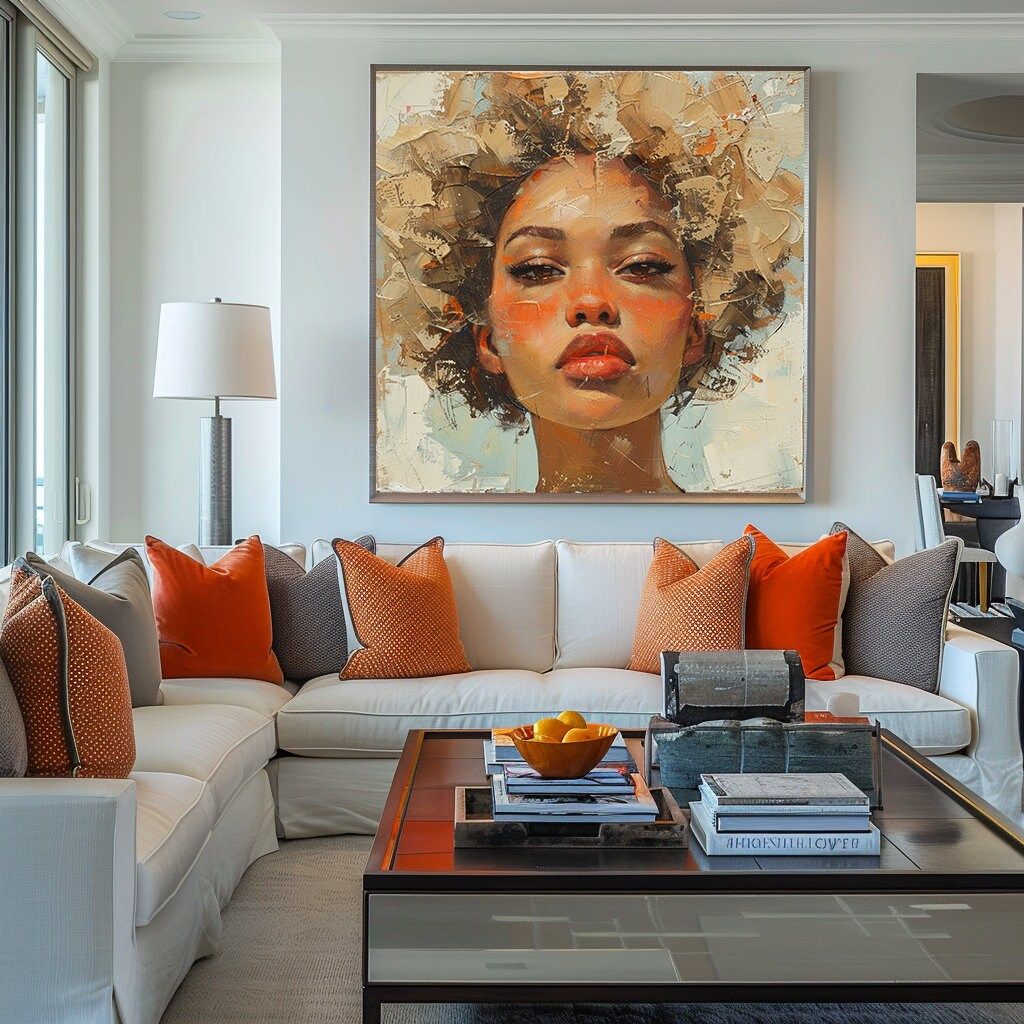
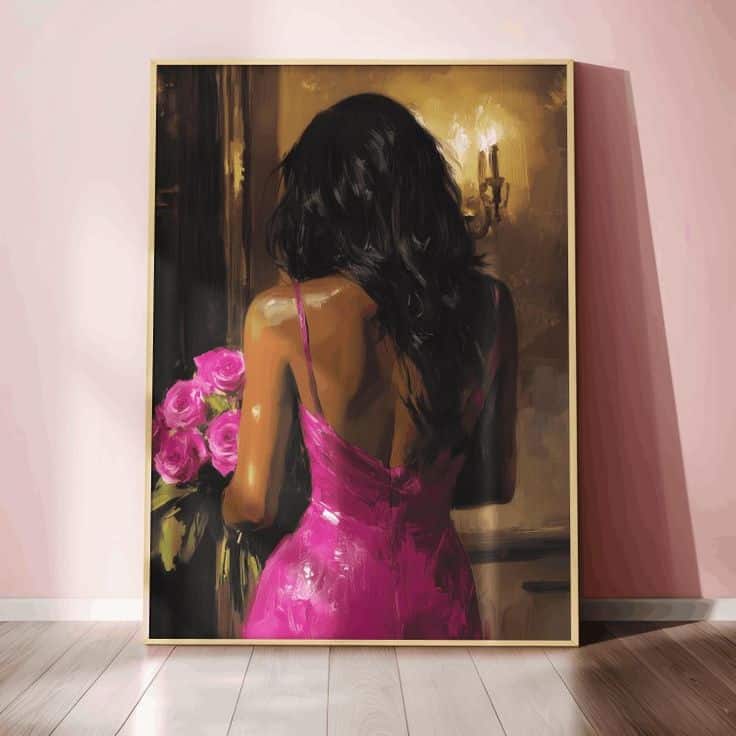
Matching Art With Room Purpose
The function of a room influences the type of paintings that work best. In living rooms, larger bold pieces can serve as focal points, encouraging conversation. Bedrooms might benefit from calming landscapes or soft abstracts to promote relaxation.
Art in dining areas could be vibrant and energetic, enhancing social interaction, while hallways often suit smaller, subtle works that add interest without overwhelming the space.
Considering the room’s use ensures that the painting not only looks good but also fits the atmosphere and meets emotional needs effectively. This adds balance between decoration and purpose.
For more detailed guidance, explore tips on how to choose home decor art that resonates with your style. (https://acraftedpassion.com/how-to-choose-home-decor-art-that-really-resonates-with-you/)
Popular Types of Paintings for Home Interiors
Paintings can shape the look and feel of any room. Different styles bring unique colors, shapes, and emotions. Choosing the right type depends on the mood a homeowner wants to create and how the art fits with the room’s design.
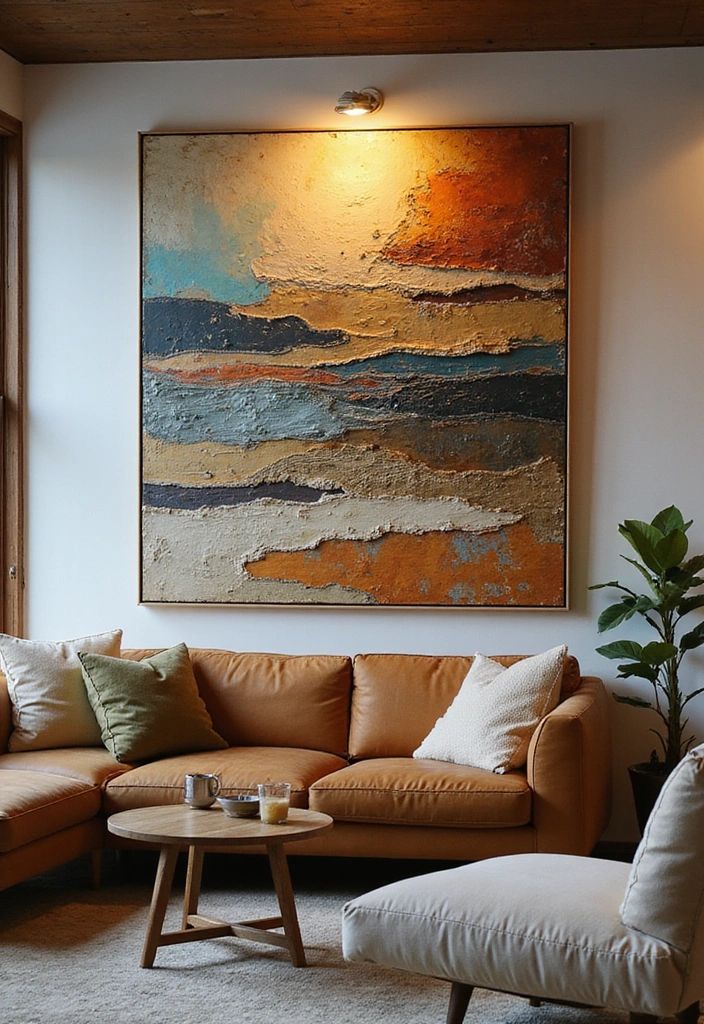
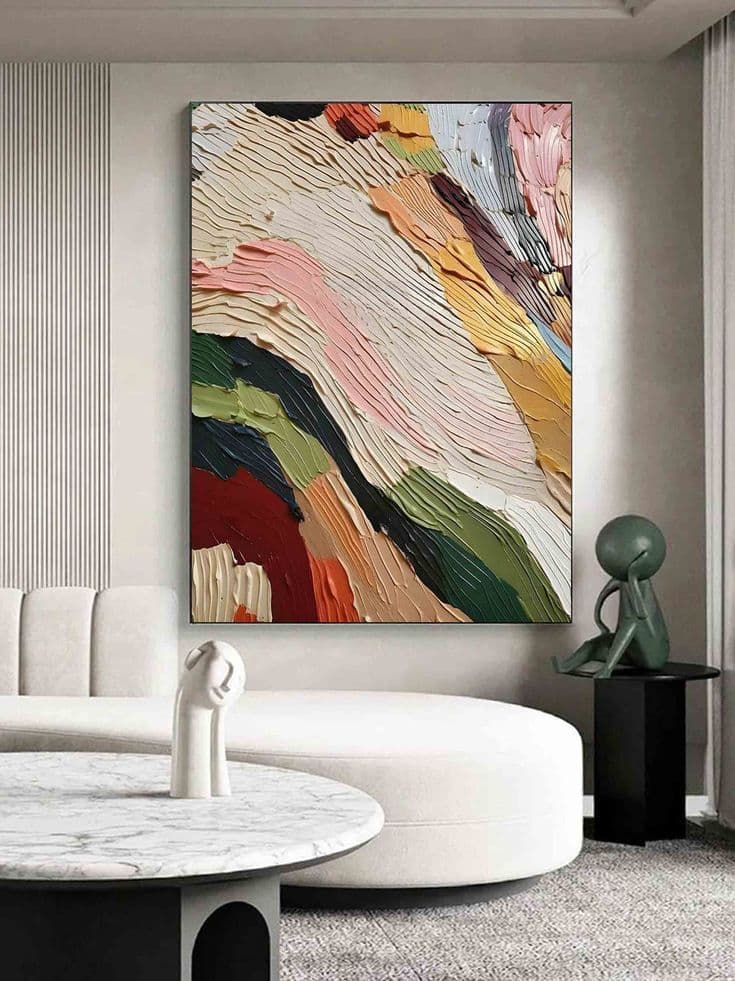
Abstract Art
Abstract art uses shapes, colors, and lines instead of clear images. It allows for personal interpretation and can bring energy or calm to a space. This type of painting often features bold colors or muted tones, depending on the room’s palette.
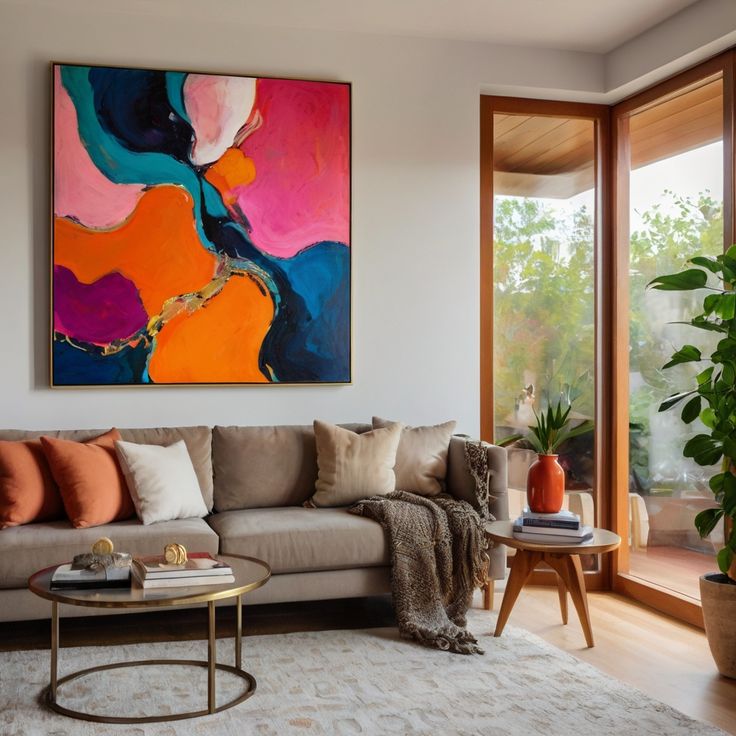
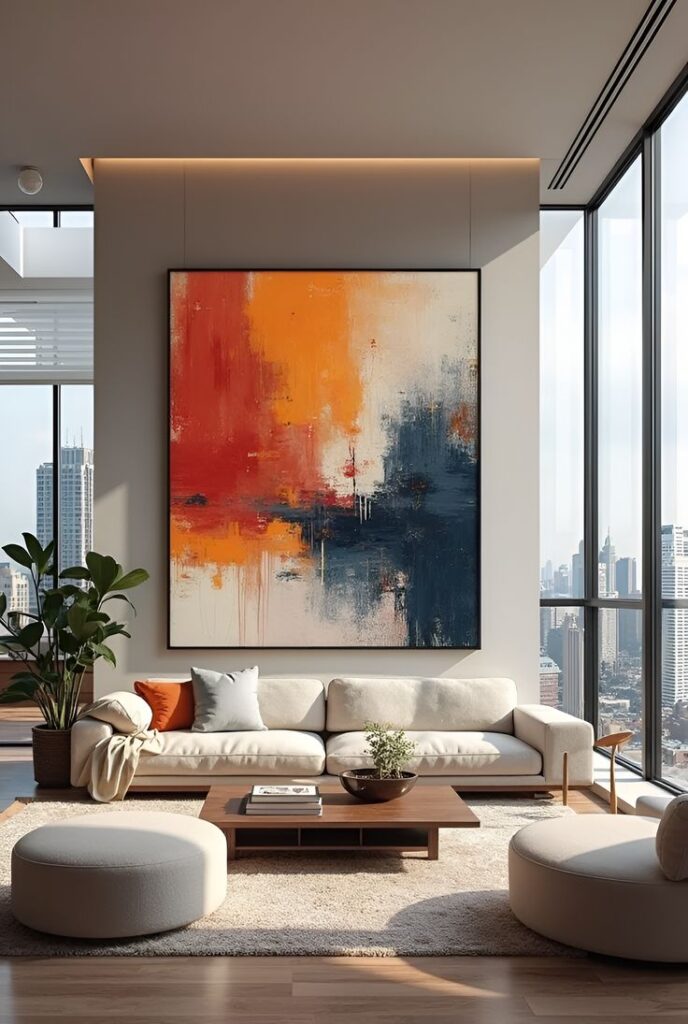
Abstract pieces work well as focal points in living rooms or offices. They can break monotony and add a fresh, modern feel. Because they don’t depict specific scenes or objects, abstract paintings are versatile and fit with many decorating styles.
Homeowners should consider size and color balance when selecting abstract art. Larger pieces can dominate a space, while smaller ones pair well in groups to create interest.
Landscape Paintings
Landscape paintings capture nature scenes like forests, rivers, mountains, or fields. These works often provide a soothing, peaceful vibe, making them ideal for bedrooms and living rooms.
They offer a connection to the outdoors, which can make a home feel more open and relaxing. Traditional or modern landscapes can complement rustic, classic, or even contemporary interiors.
When choosing landscape art, pay attention to the color tones to ensure they harmonize with the room’s decor. Soft, natural colors create a calm atmosphere, while bright or dramatic skies can add visual excitement.
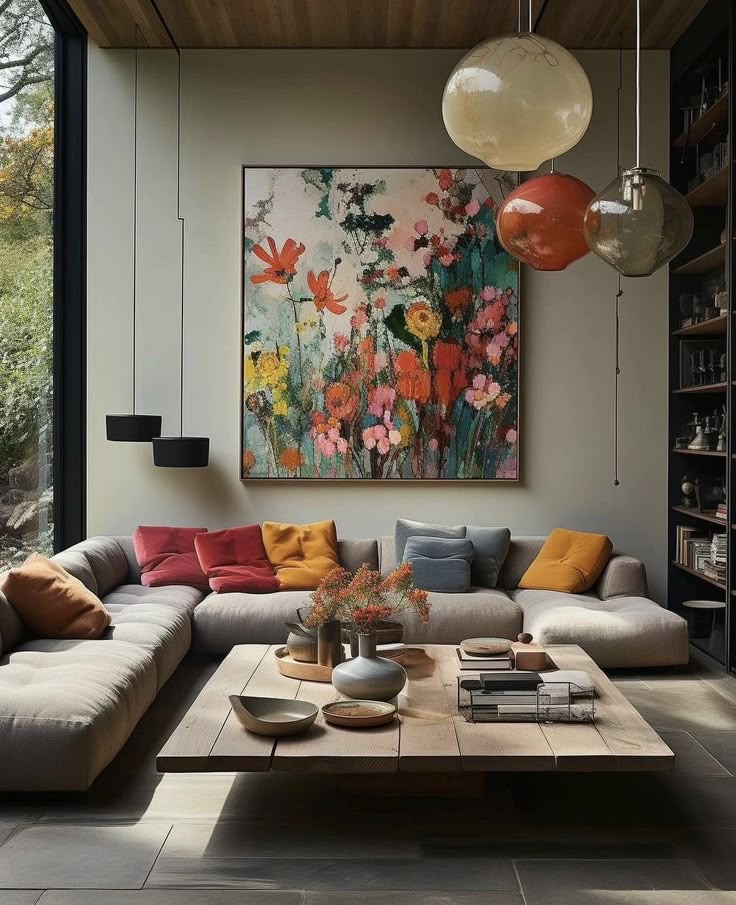
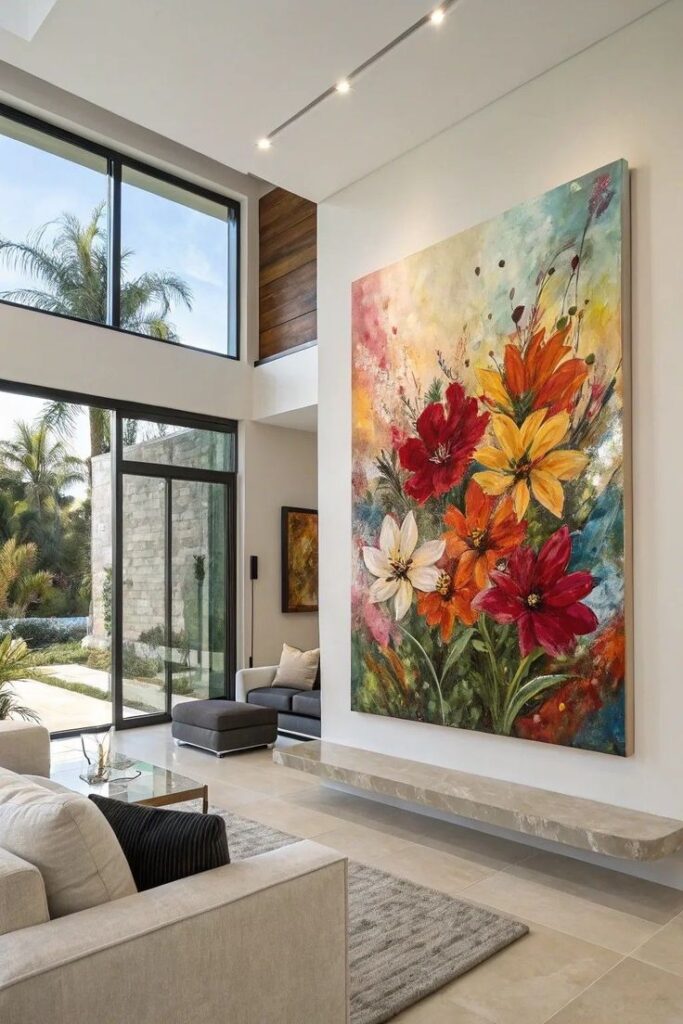
Modern and Contemporary Pieces
Modern and contemporary paintings include a wide range of styles created in recent decades. This category often features bold designs, experimental techniques, and new materials.
These works can be abstract or figurative but always reflect current artistic trends. They add a fresh, updated look to any space and appeal to those who want art with a cutting-edge feel.
Modern art fits well in minimalist spaces, offices, and living areas that favor clean lines and open layouts. It helps keep interiors from feeling outdated by introducing unique forms and textures.
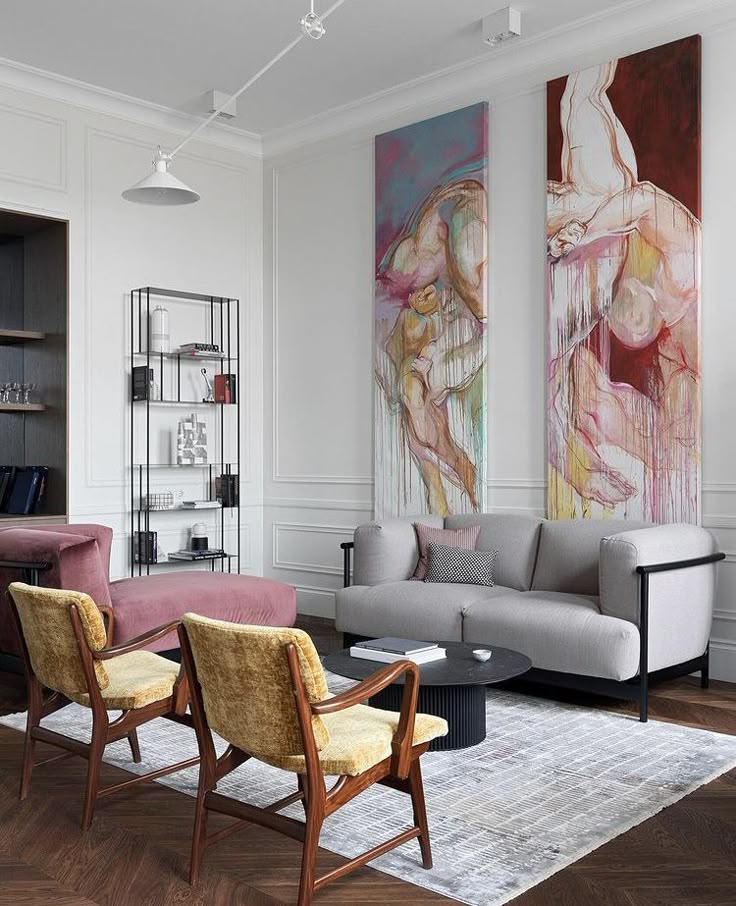
Portrait and Figurative Works
Portrait and figurative paintings focus on human figures, faces, or animals. These pieces bring character and story into a room, offering a personal and emotional connection.
They suit traditional or eclectic interiors, often placed in dining rooms, hallways, or studies where viewers can appreciate details and expressions.
When selecting these paintings, consider the mood they evoke—serene, dramatic, or playful—and how they match existing color schemes. Framing style also plays a key role in setting the tone, from ornate and classic to sleek and modern.
For examples and ideas on choosing the best paintings for your home, visit Different Styles of Paintings Used in Interior Design.
Where to Shop for Paintings Online
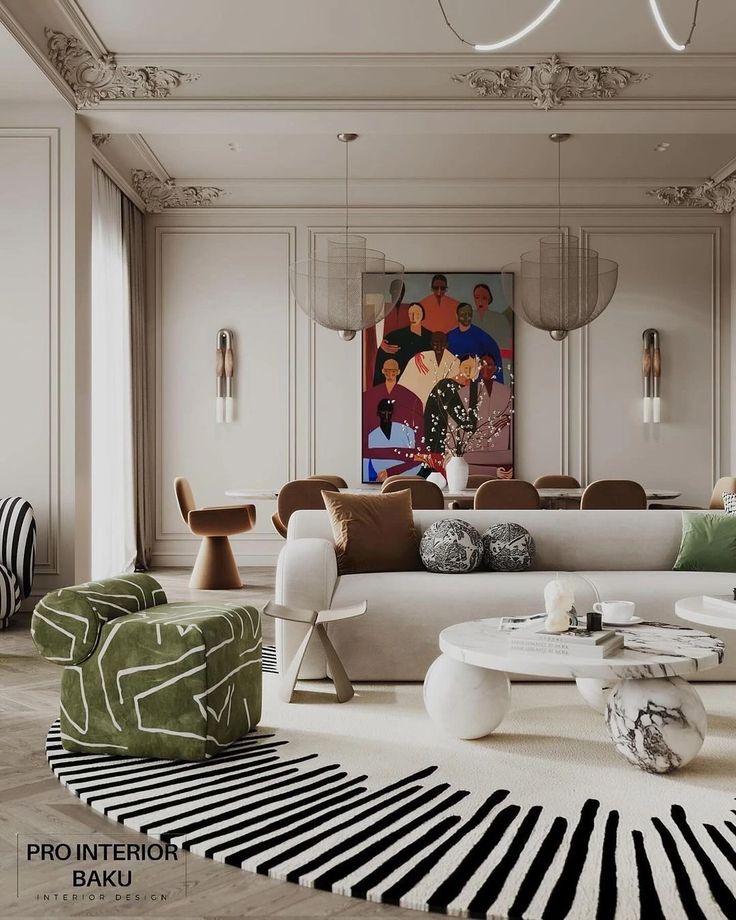
Finding the right painting online means knowing which retailers offer good quality, fair prices, and clear policies. Options include large retailers with wide selections, sites offering custom pieces, and times like Cyber Week when buyers can save a lot with big discounts.
Top Online Wall Art Retailers
Retailers like Art.com, Moes Home, and Great Big Canvas provide broad selections of paintings and wall art. They offer various styles including modern, abstract, and classic designs. Prices often start around $15 to $20, with options to buy prints or originals.
Some retailers, such as IKEA, focus on affordable art with prices starting as low as $4. Many sites offer custom framing and easy return policies, while shipping costs vary. Many platforms like Etsy or Society6 allow buyers to support independent artists directly, giving access to unique artwork that is not mass-produced.
Custom Artwork Options
For a personal touch, Etsy and MixTiles let customers order custom art. Etsy has many independent artists offering original pieces or digital files for printing. MixTiles specializes in customizable photo wall art that ships ready to install, with no tools necessary.
Minted also offers commissioned original works, allowing buyers to request a specific style or subject. While custom art usually cannot be returned, many platforms have guarantees or customer service to assist when issues arise. Custom options often cost more but create a unique focal point tailored to the buyer’s space.
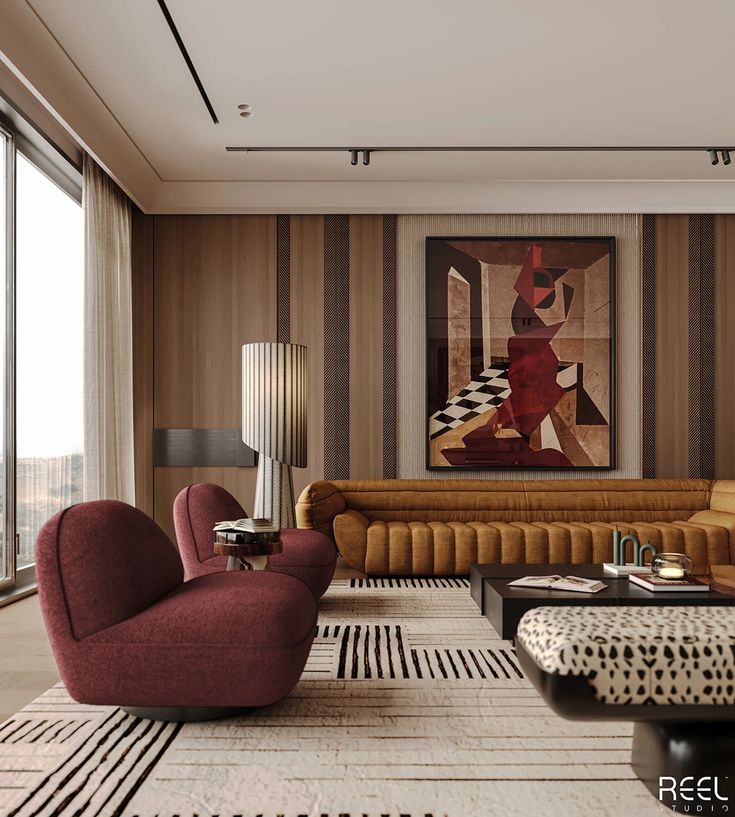
Benefits of Shopping Online During Cyber Week
Cyber Week is a prime time for art shoppers to find deals with up to 70% off on paintings and prints. Many retailers run promotions on limited-edition art, custom framing, and home decor bundles.
Buying during this sale period offers significant savings while still accessing high-quality pieces. Larger retailers may offer free shipping thresholds, and some independent artist shops participate with discounts as well. Shopping online during Cyber Week combines convenience, variety, and strong financial value.
Tips for Arranging and Displaying Paintings
Successful painting arrangements depend on thoughtful placement, size matching, and how pieces relate to each other and the space. The right setup can highlight artwork’s beauty and complement a room’s style.
Gallery Walls
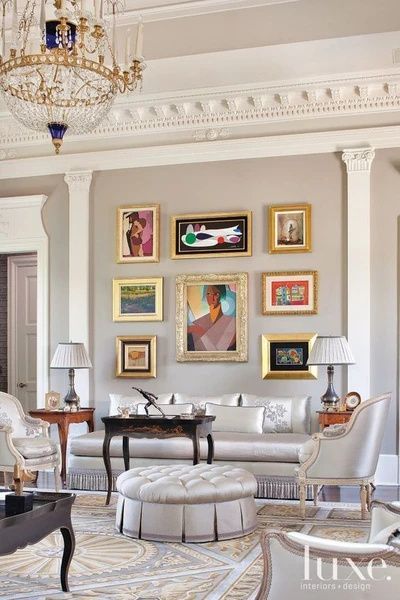
Gallery walls combine multiple paintings into one cohesive display. To avoid clutter, arrange artwork with some space between pieces to give each room to breathe. Odd numbers work best, such as groups of three, five, or seven, because they create a natural balance.
Start by defining the wall space you’ll use. Place the largest or most striking piece in the center at eye level. Then arrange smaller works around it, keeping in mind that heavier or darker frames should be lower or toward the left to balance visual weight.
Using similar frames or mats can unify the collection. Alternatively, mixing frame styles but spacing each thoughtfully adds charm without chaos. Tracing artwork on paper and taping it to the wall is helpful before hanging.
Single Statement Pieces
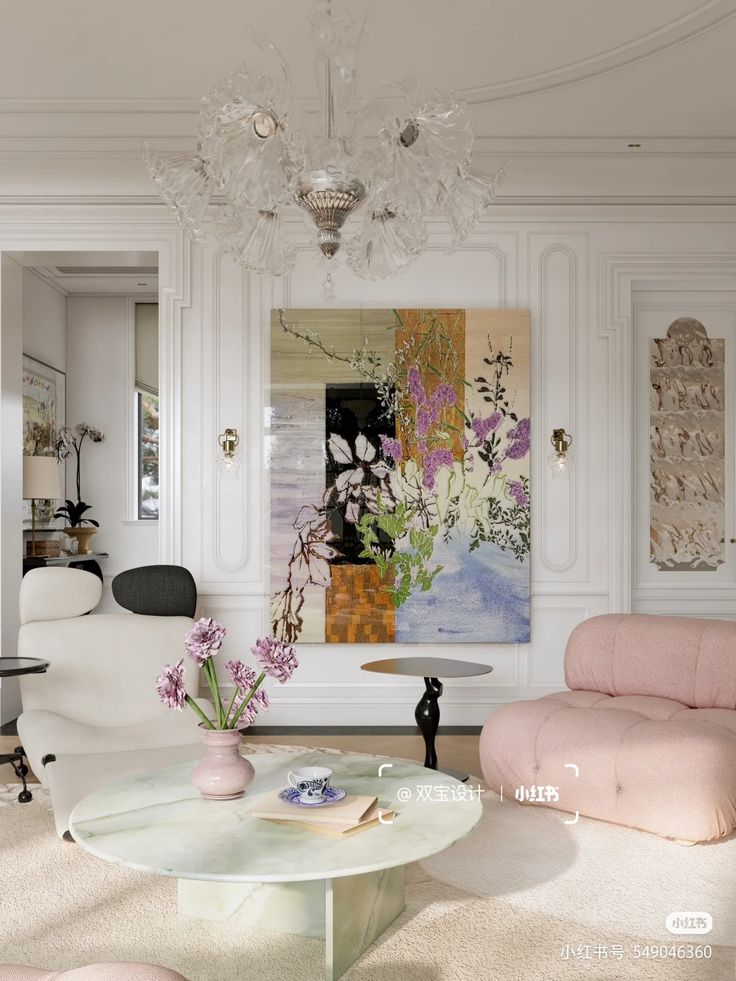
A single statement painting can serve as a strong focal point in a room. It should be hung at eye level—about one hand-width above seating or furniture like a sofa or console to connect the art to the room’s layout.
Size matters. The artwork should be at least two-thirds the width of the furniture below it. For example, a 6-foot sofa pairs well with artwork about 4 feet wide. This scale keeps the piece visually connected and avoids it looking lost or overwhelming.
Choose a painting that complements the room’s colors or style without competing with other décor. Lighting can enhance the effect—using adjustable gallery lights or natural light to focus attention on the artwork.
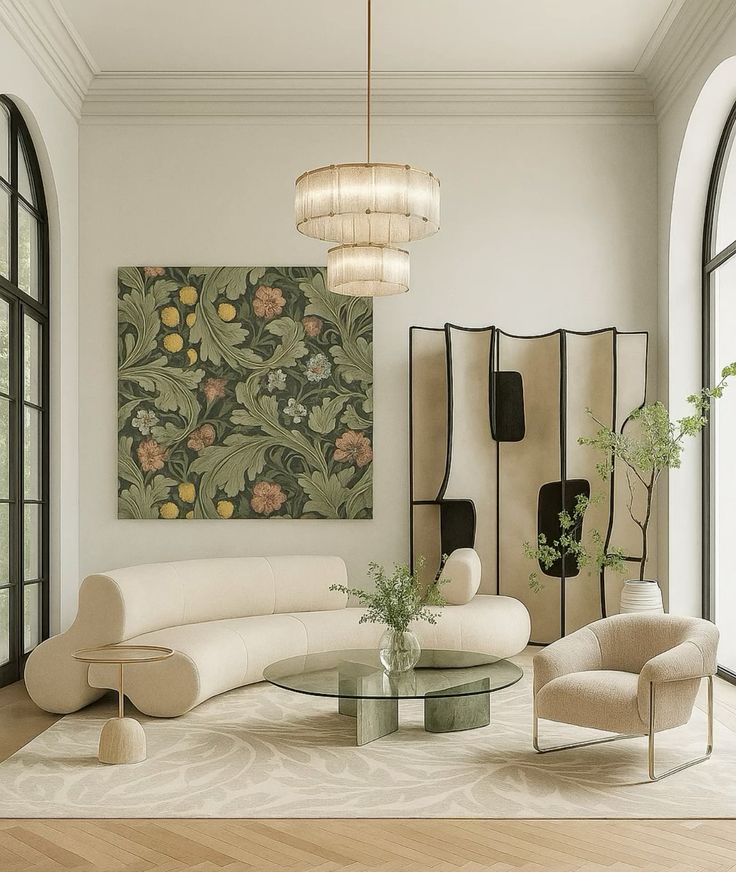
Balancing Scale and Proportion
Scale and proportion ensure paintings look harmonious with the room and furniture. Too small or too large art disrupts the balance, making the space feel awkward. Matching artwork to room size is crucial.
Measure wall space and furniture, then select art that fills the area appropriately. For collections, balance the visual “weight” of pieces by placing heavier or framed works lower and lighter ones higher or to the right.
When hanging multiple paintings, levels should match at the center of each piece rather than the top or bottom edges. This creates a steady eye flow across the display.
Using art to echo colors from furniture or fabrics also helps tie the space together, creating a natural connection between the painting and the room.
Learn more about effective art arrangements at How to Arrange Art for a Flawless Wall Display.
Caring for and Maintaining Your Home Decor Paintings
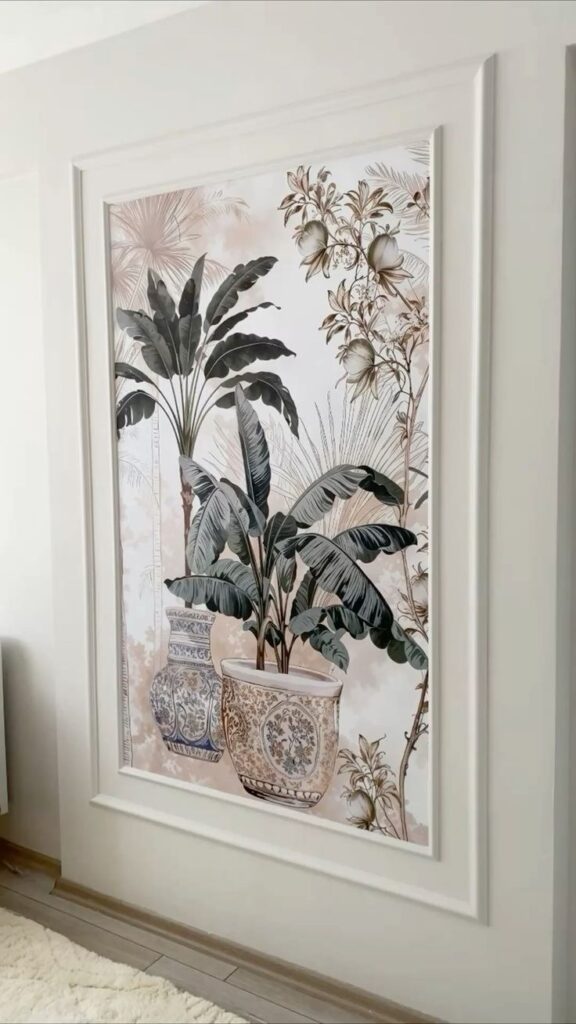
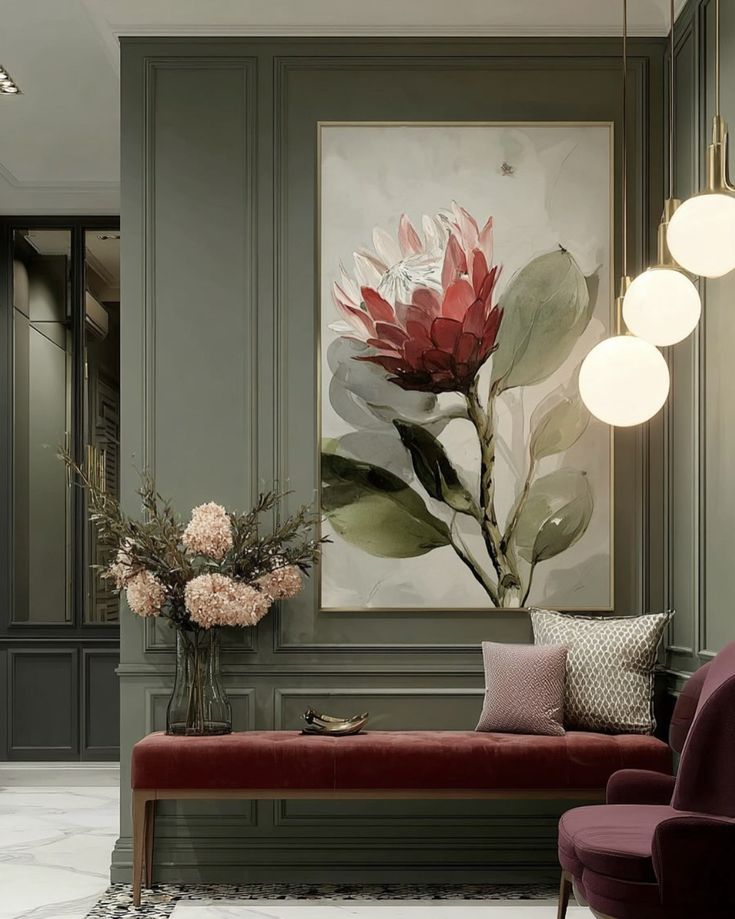
Proper care helps keep paintings looking fresh and vibrant for years. This involves choosing the right spot to hang them and using safe cleaning methods that protect the artwork without causing damage.
Proper Placement and Hanging Techniques
Paintings should be hung where they are safe from extreme temperature changes and moisture. Walls away from direct sunlight reduce fading and damage to colors. Avoid places near heaters, air conditioners, or bathrooms where humidity can warp the canvas or damage frames.
Use strong hooks or anchors designed to support the weight of the painting. It is better to hang paintings at eye level for the best viewing experience and to minimize the chance of accidental bumps. When moving or hanging artwork, handle it gently to prevent scratches or tears. Using professional packing materials like foam or bubble wrap during transport adds extra protection.
Cleaning and Preservation Tips
Keeping paintings dust-free is key to preservation. Dust them gently with a soft brush or clean microfiber cloth to avoid scratching the surface. Avoid using water or cleaning products on the painting itself, as moisture can damage the materials.
For stubborn dirt, a slightly damp cloth can be used carefully but must be dried immediately. Regular inspection for loose frames, hanging wires, or signs of damage allows timely repairs before serious problems develop. Avoid stacking paintings or storing them in damp, unventilated spaces, which can cause mold or warping. More cleaning advice can be found in this detailed guide on decorative painting care.
- 52shares
- Facebook0
- Pinterest51
- Twitter1
- Reddit0