Creating a more efficient home doesn’t have to mean expensive renovations or high-tech upgrades. In most cases, small, practical changes can noticeably improve comfort, reduce waste, and lower your monthly bills. The trick is knowing which improvements actually matter and which ones barely move the needle.
Before diving into any upgrades, it’s worth looking at simple ways to reduce ongoing utility costs — even something as small as using an Octopus Energy referral code when switching providers can help you start on a stronger footing. From there, the focus shifts to easy improvements you can make room by room, without blowing your budget.

Start by Tackling Hidden Energy Drains
Many households lose money through small inefficiencies that go unnoticed. These issues aren’t dramatic, but they quietly increase your monthly spend.
Check for Air Leaks
A home that leaks indoor air is harder to heat and cool.
Look around windows, door frames, and sliding doors for any gaps. Even a tiny draft makes your HVAC system work harder than it should.
A simple tube of weatherstripping or silicone sealant is usually enough to fix the problem and takes less than 20 minutes for most areas.

Use Natural Light More Intentionally
People often underestimate how much lighting contributes to energy use. Even though LED bulbs are efficient, turning lights on unnecessarily still adds up over the year.
Adjust your workspace to face windows, open curtains during the day, and keep dark areas clear so natural light can fill the room.
Switch Devices to Energy-Saving Modes
Most modern appliances, TVs, and computers include eco-modes, but many households never turn them on.
A quick pass through your device settings can lower ongoing usage with zero impact on your day-to-day life.
Make Smart, Low-Cost Upgrades
You don’t need to overhaul your entire home to notice meaningful improvements — some of the most effective upgrades cost very little and last for years.
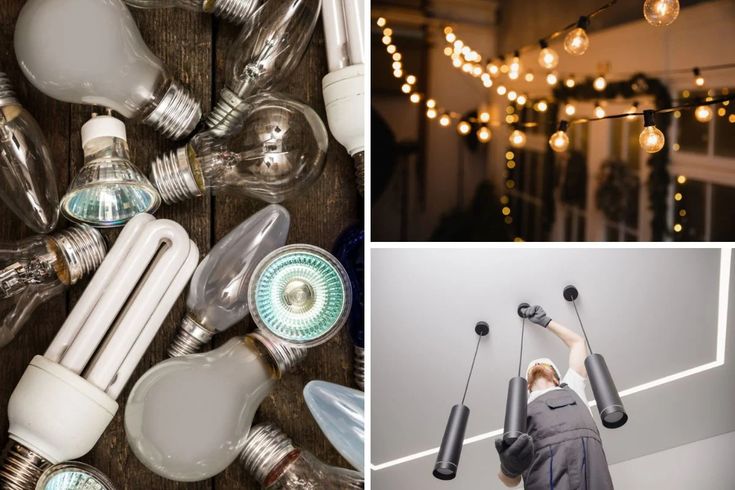
Install LED Bulbs in High-Use Areas
If you haven’t updated your lighting in a while, start with the rooms you use most, such as the living room, kitchen, and bedroom.
LED bulbs consume far less electricity than older globes and don’t need to be replaced as often, making them a cost-effective swap.
Add Draft Stoppers to Doors
Even in well-built homes, gaps under doors can let in hot or cold air.
Draft stoppers are inexpensive, easy to install, and instantly improve insulation, especially in rooms that face the outdoors.
Use Power Strips for Standby Appliances
A surprising number of devices continue drawing power even when they’re switched off.
Plugging clusters of electronics — like gaming consoles, routers, and TVs — into a single power strip makes it simple to cut their power completely with one switch.
Choose Energy-Efficient Shower Heads
Modern shower heads can reduce water use without lowering water pressure.
This kind of small hardware change lowers both your water bill and the energy used to heat the water, offering a double saving.
Improve Efficiency in the Kitchen
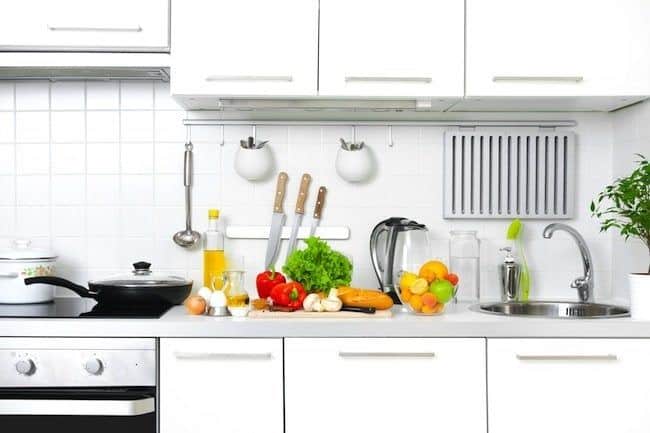
The kitchen is often one of the biggest contributors to energy and water use, but there are straightforward ways to make it more efficient without replacing appliances.
Match Pot Size to Burner Size
Using a small pot on a large burner wastes heat and increases cooking time.
Matching the pot to the burner lets the heat distribute more evenly, which improves both speed and energy use.
Avoid Pre-Heating When It’s Not Necessary
Most modern ovens heat up quickly, and many meals don’t require a fully pre-heated temperature.
Adjusting old habits like this consistently can save more energy than people expect.
Store Leftovers in Smaller Containers
A fuller fridge runs more efficiently when items are stored in appropriately sized containers.
It also prevents cold air from escaping every time you open the door.
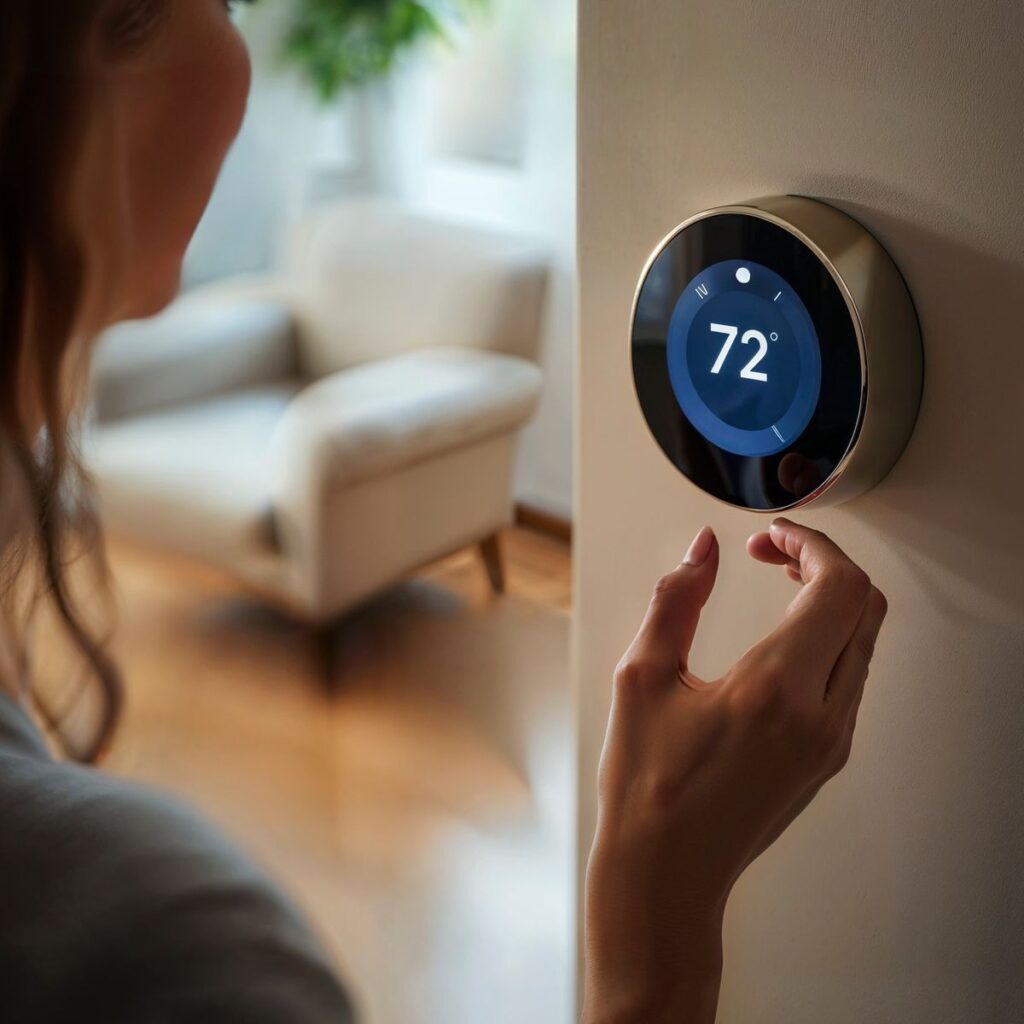
Make the Most of Your Heating and Cooling
Heating and cooling systems consume a significant portion of a household’s energy, but targeted adjustments can make them far more efficient.
Clean Filters Regularly
Dust-clogged filters restrict airflow and force your system to work harder.
A quick clean every one to two months keeps everything functioning properly and helps maintain stable temperatures.
Set Realistic Temperature Targets
Every degree matters. Setting your cooling or heating just a little closer to the outdoor temperature reduces stress on the system and keeps your bill more manageable.
Use Fans to Support Air Circulation
Ceiling or portable fans help move air around the room, meaning your heating or cooling doesn’t have to operate as intensely.
They’re inexpensive to run and can make a noticeable difference in comfort.
Build Better Daily Habits
Long-term efficiency is mostly about consistency. When your daily routine includes smarter choices, the savings naturally follow.

Wash Clothes in Cold Water
Most laundry detergents work just as well in cold cycles, and skipping the heating element reduces electricity usage significantly.
Run Appliances Only When Full
Dishwashers and washing machines are far more efficient when used for full loads instead of half-loads.
If you find yourself running these more often than needed, try adjusting your schedule slightly to maximise each cycle.
Turn Off Heating and Cooling When You’re Out
It’s an easy step to forget, but turning off systems when you leave the house prevents unnecessary energy use.
If you use timers or smart plugs, you can automate this without needing to remember each time.
Bringing It All Together


Improving your home’s efficiency isn’t about expensive upgrades — it’s about taking small, thoughtful steps and creating habits that support long-term savings. When you pay attention to everyday usage, make low-cost changes where they’ll have the most impact, and remain consistent with simple routines, your home becomes more comfortable and your bills become more manageable.
- 3shares
- Facebook0
- Pinterest0
- Twitter3
- Reddit0