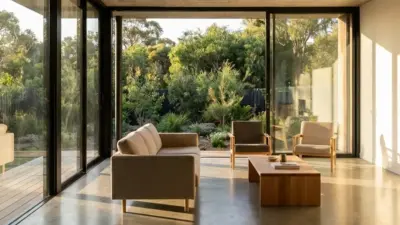
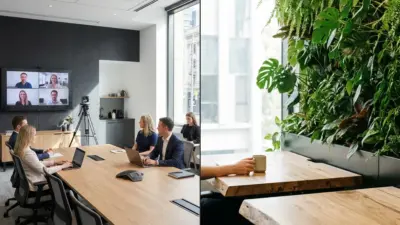
There’s something deeply comforting about a small home. The feeling of closing the door behind you and immediately being wrapped in your own cozy little world is hard to beat. But let’s be honest—smaller homes come with challenges too. Limited storage, awkward corners, and narrow rooms can quickly turn “charming” into “cramped.”
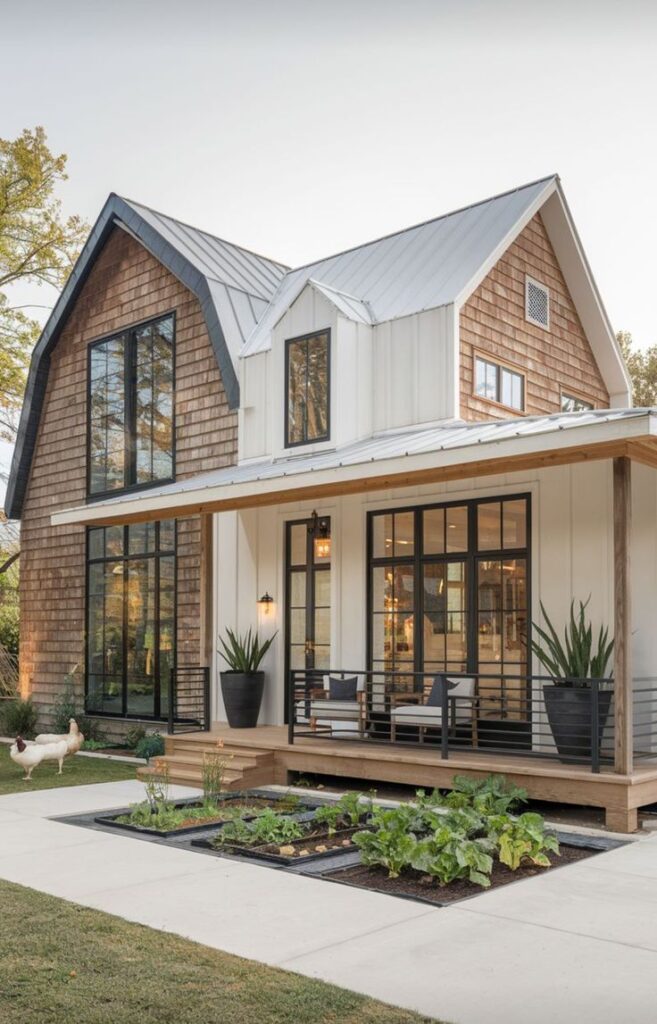
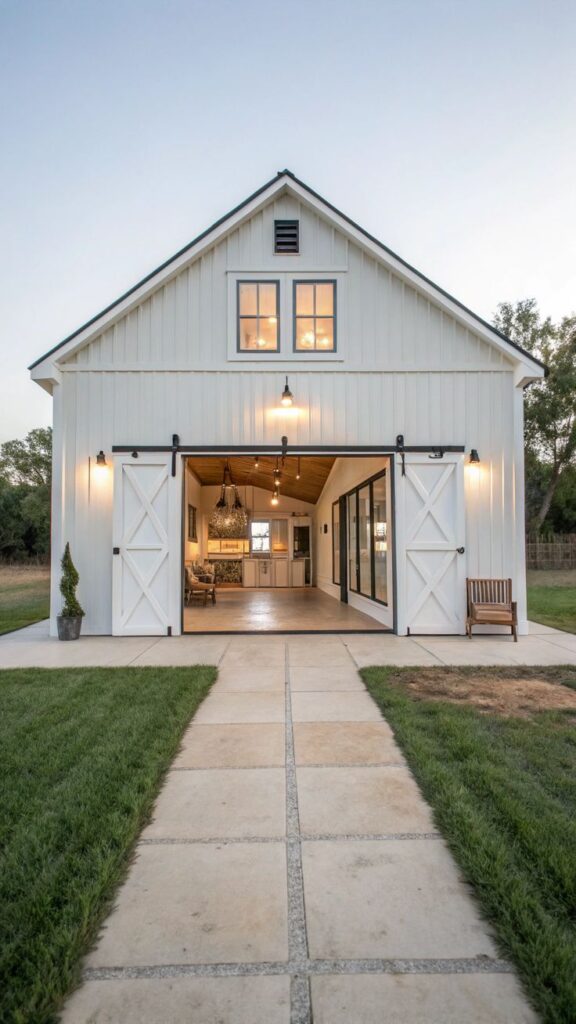
The good news? Clever design can completely transform how a space feels—regardless of its size or price tag. In fact, some of the most creative interiors in the world come from small, affordable homes, where every choice truly counts.
Whether you’re living in a compact apartment, a tiny house, or a budget-friendly fixer-upper, here are design ideas that deliver big impact without demanding big money.
1. Let Natural Light Do the Heavy Lifting
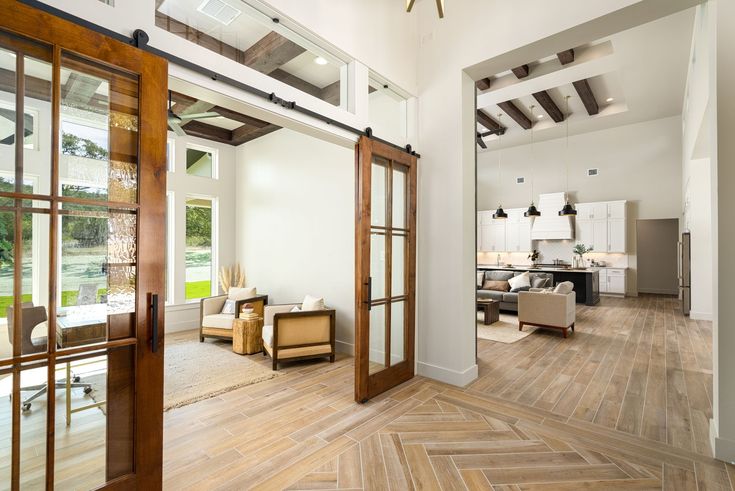
If there’s one “magic” ingredient for opening up a space, it’s natural light.
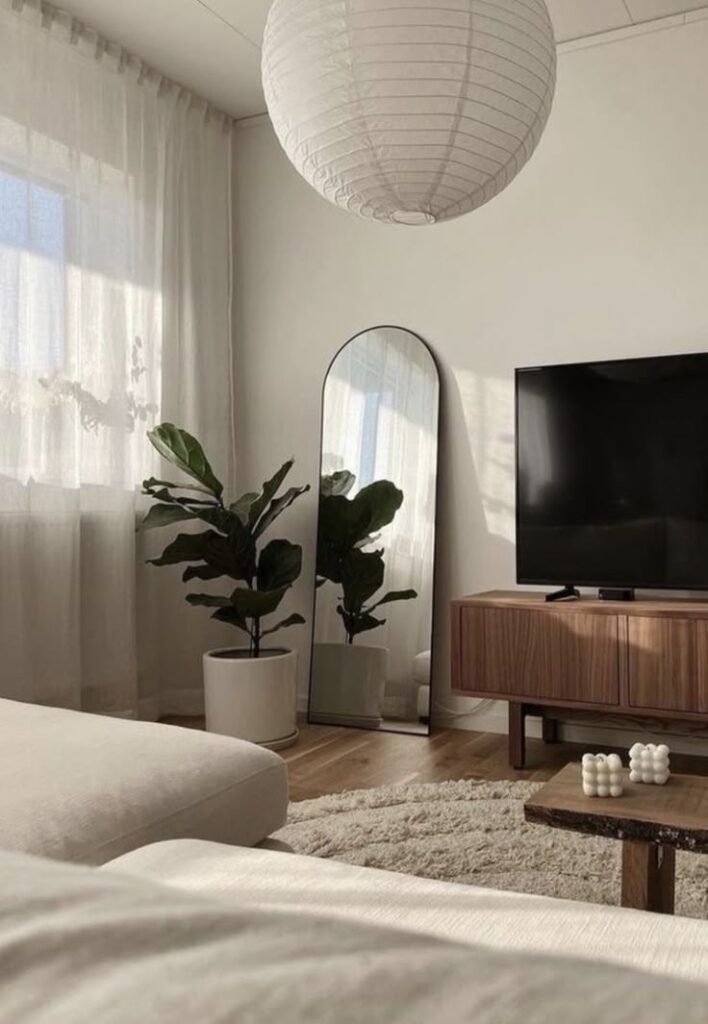
Light makes rooms appear larger, ceilings feel higher, and corners less noticeable.
- Use sheer curtains or leave windows bare if privacy allows.
- Replace heavy drapes with linen or light cotton.
- Add mirrors opposite windows to bounce light deeper into the room.
Even a single bright window can trick the eye into thinking a room has doubled in size.
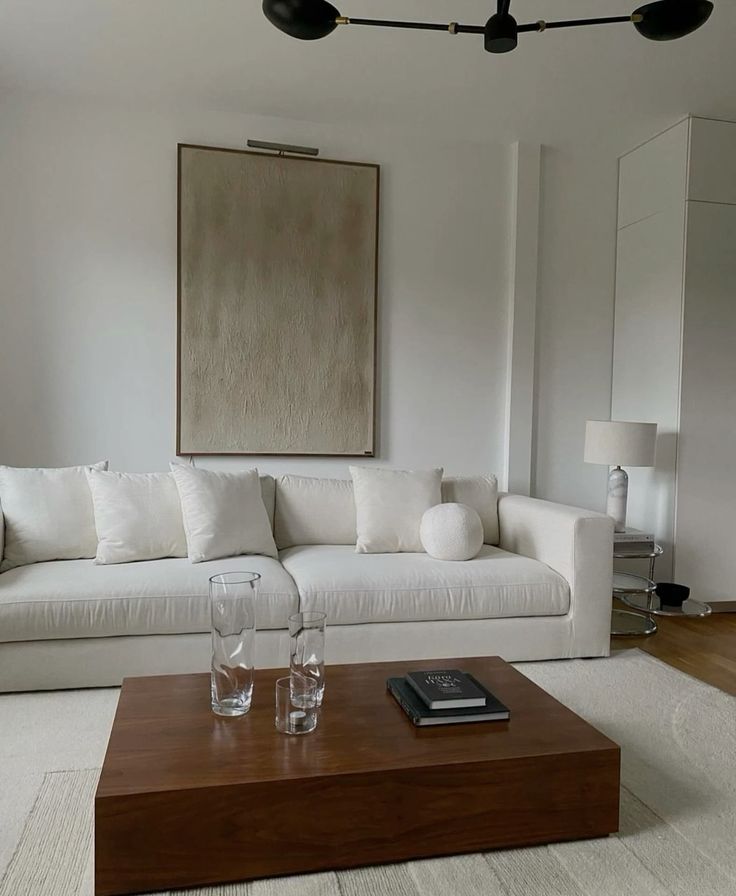
2. Keep the Colour Palette Soft and Cohesive
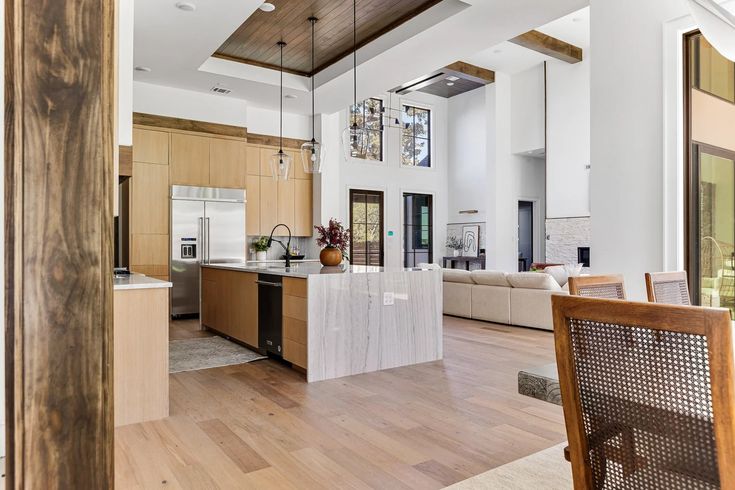
Bold colours are fun, but small rooms benefit most from harmony and flow.
- Light neutrals (soft white, warm beige, pale grey) expand visual space.
- Add accents through cushions, art, or rugs rather than painting entire walls dark.
- Keep the colour drip consistent from one room to the next—it avoids visual “breaks” that make a home feel chopped up.
Think of it like creating a calm backdrop that makes small details shine.
3. Choose Furniture That Works Twice as Hard
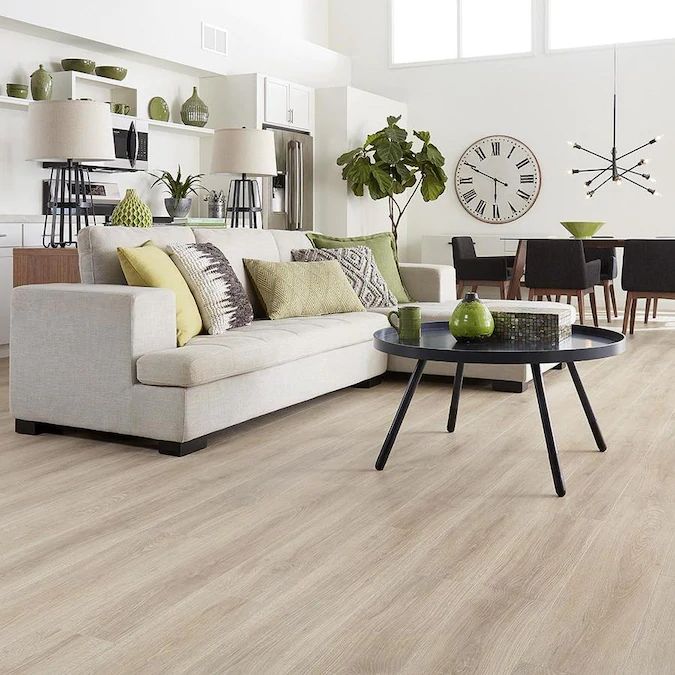
Small spaces reward furniture that earns its keep.
- Beds with storage drawers
- Drop-leaf dining tables
- Sofas with hidden compartments
- Wall-mounted desks that fold away
One of the biggest mistakes people make is buying too much furniture. In a small home, it’s better to choose fewer, smarter pieces than many small ones that clutter the room.
4. Vertical Space Is Your Secret Weapon
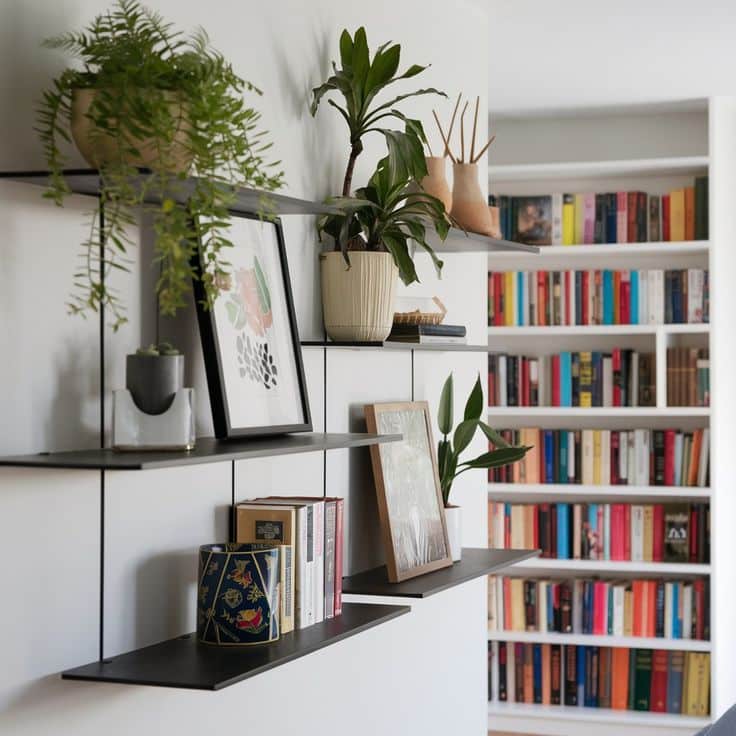
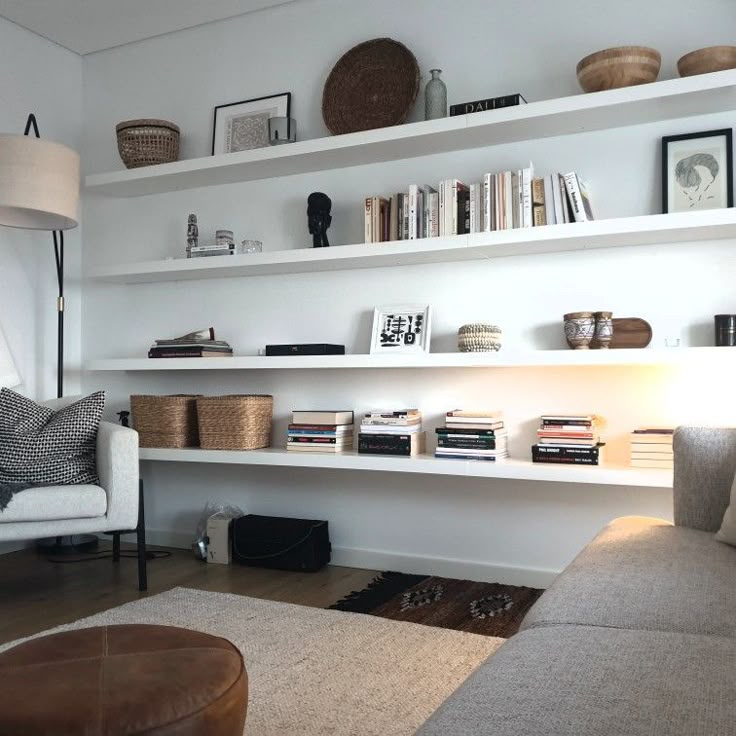
When you can’t expand outward, expand upward.
- Tall bookcases draw the eye up and create a feeling of height.
- Floating shelves make walls useful without taking up floor space.
- Vertical magnetic boards or rail systems keep kitchens tidy without crowding countertops.
This is particularly helpful in older affordable homes, where floor layouts might be unusual but ceiling height is often surprisingly generous.
5. Decluttering Isn’t a Trend—It’s a Tool
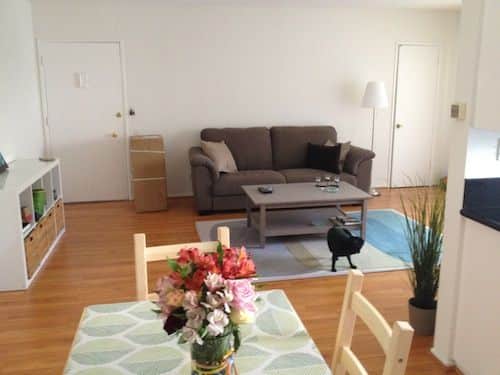
Small spaces amplify everything: the good and the bad.
A single table filled with random items can make a whole room feel chaotic. The solution isn’t minimalism for the sake of minimalism; it’s intentional living.
Ask yourself:
- Do I use this weekly?
- Does this item support the way I actually live?
- Is it stealing space without adding value?
The calmer the room, the more spacious it feels.
6. Play With Scale (Not Everything Needs to Be Tiny)
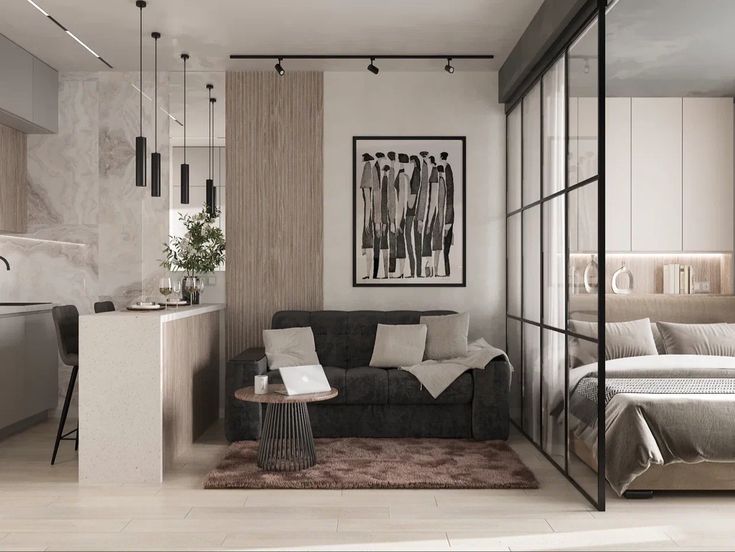
Many people assume small rooms require small furniture.
Surprisingly, the opposite often works better.
A thoughtfully chosen large piece (like a statement sofa or a bold artwork) can anchor a room and make it feel more structured and intentional. Several small pieces, on the other hand, can create visual clutter.
Try one or two generously sized items and keep the rest of the room streamlined.
7. Add Depth With Textures and Layering
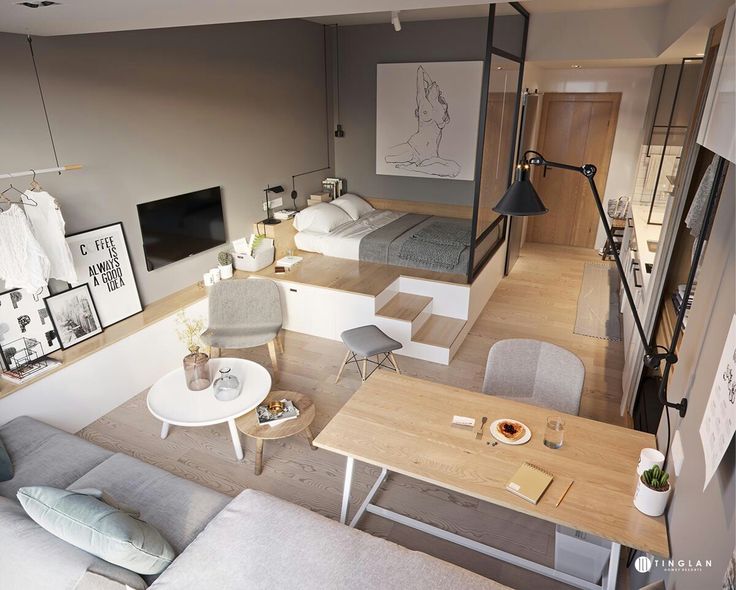
Texture adds richness without shrinking space.
- Light cotton curtains paired with a jute rug
- A smooth sofa with a chunky knit throw
- Wooden side tables next to metal lamps
Layering textures creates a sense of warmth and dimension without introducing visual heaviness.
8. Use Smart Zoning to Create “Rooms” Within a Room
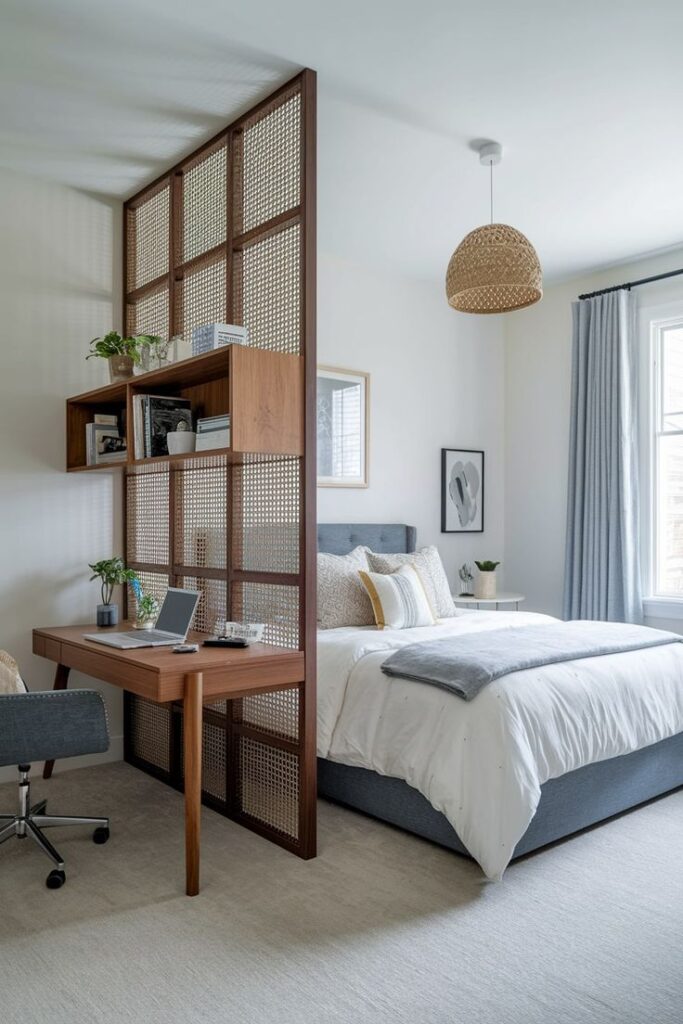
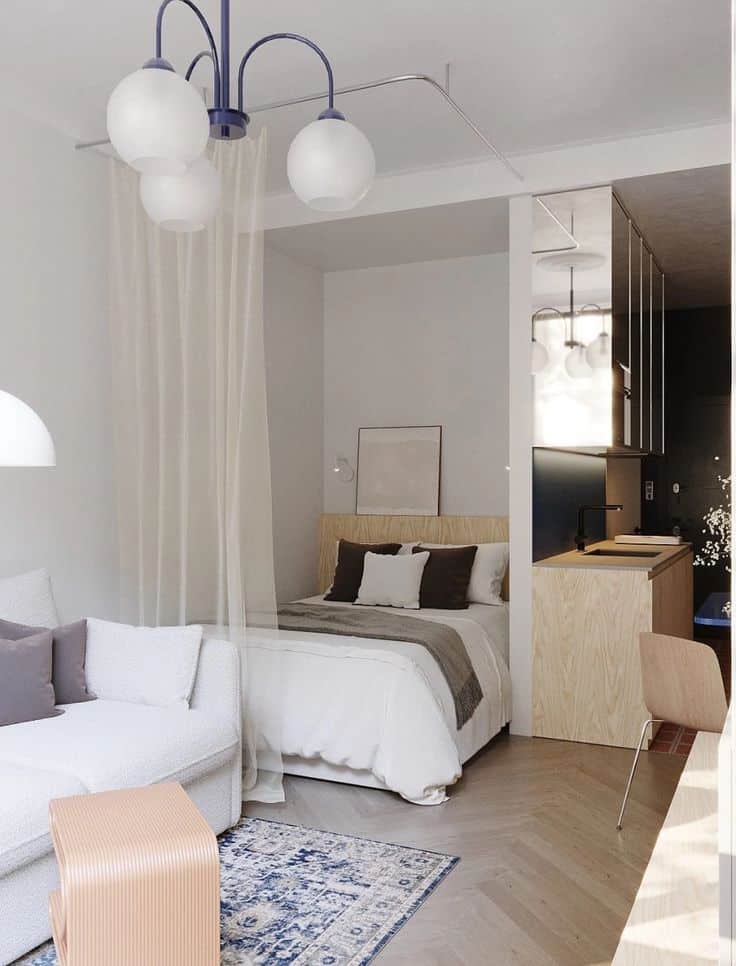
Small homes often have open layouts. Instead of fighting them, embrace zones.
- A rug under the dining table defines a “dining area.”
- A standing lamp and single armchair can create a quiet reading corner.
- A slim console behind the sofa marks a living space without blocking it.
Zoning helps a small home feel intentional, not accidental.
9. Bring Nature Indoors
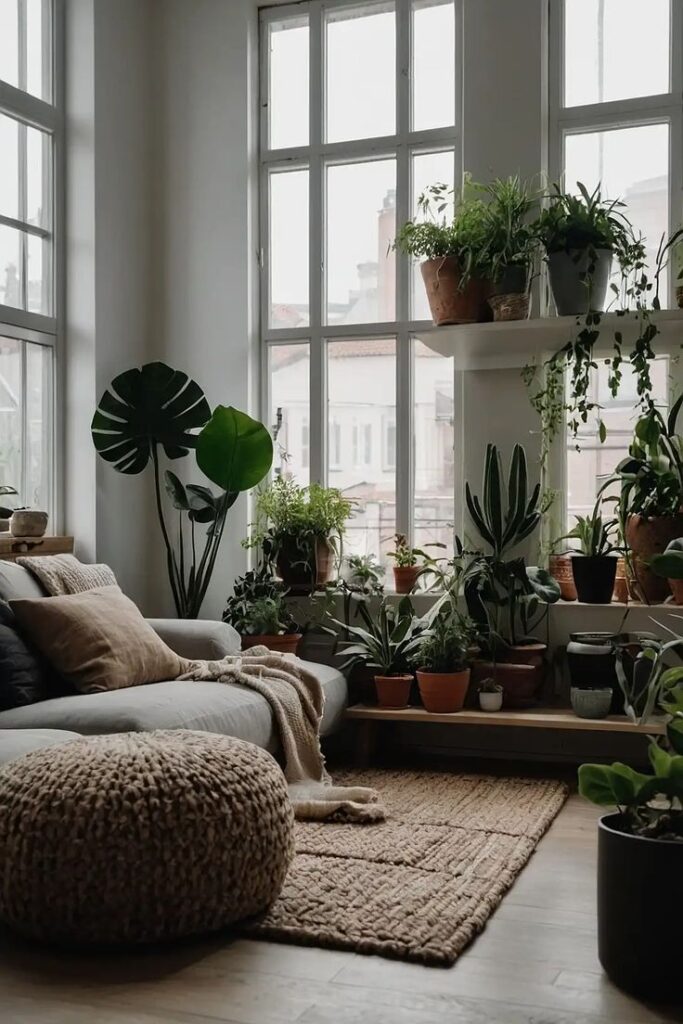
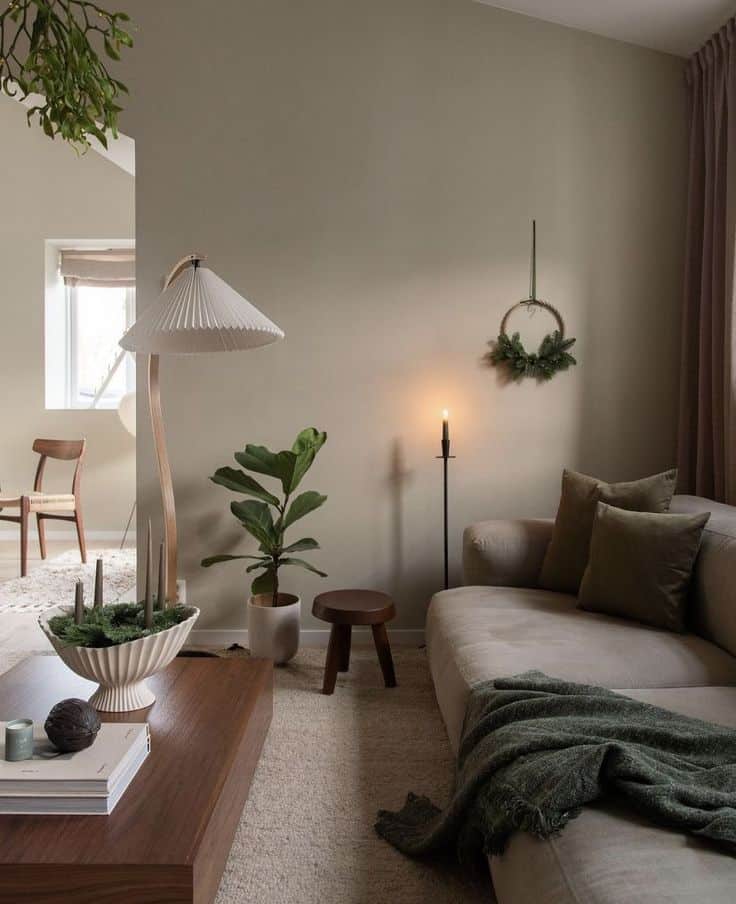
A few well-placed plants instantly soften a small home. They add life, colour, and a feeling of freshness.
Stick to:
- One tall plant in a corner
- A few medium plants grouped together
- Small, low-maintenance greens on shelves
Avoid dozens of tiny pots scattered everywhere—they quickly become clutter.
10. Finally: Start With the Home That Fits Your Life
Design can transform any space, but choosing the right home from the start makes things even easier. Affordable properties around the world often come with unique layouts, charming details, or flexible renovation potential. Sites like All Real Estate are useful for browsing these kinds of homes—whether you’re searching for something small and character-filled, or simply exploring what’s possible in different regions.
Final Thoughts
A small home isn’t a limitation—it’s an opportunity.
It pushes you to get creative, to think more intentionally, and to fall in love with the details that truly matter. With a few clever design choices, even the tiniest home can feel spacious, elegant, and entirely your own.
If you approach it with imagination, you’ll quickly discover:
the size of the space is never as important as the way you shape it.
- 76shares
- Facebook0
- Pinterest75
- Twitter1
- Reddit0