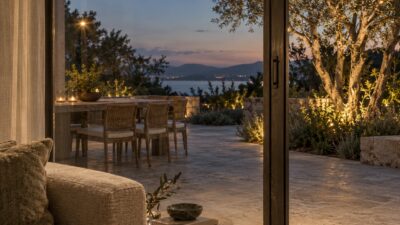
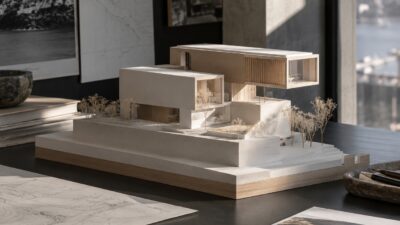
Scandinavian architecture has become one of the most influential design movements in the world. Defined by simplicity, functionality, natural materials, and a deep respect for the environment, it reflects not only aesthetic preferences but also the climate, culture, and social values of the Nordic region.
- What Is Scandinavian Architecture?
- The Historical Roots of Scandinavian Architecture
- Country-by-Country Architectural Characteristics
- Core Principles of Scandinavian Architecture
- Materials Commonly Used in Scandinavian Architecture
- Sustainability in Scandinavian Architecture
- Iconic Scandinavian Buildings and Architects
- Scandinavian Architecture in the Modern World
- Frequently Asked Questions About Scandinavian Architecture
- Final Thoughts: Why Scandinavian Architecture Endures
From traditional wooden farmhouses to globally admired modernist icons, Scandinavian architecture offers timeless lessons for architects, designers, and homeowners alike. This comprehensive guide explores its history, country-by-country characteristics, materials, sustainability principles, iconic buildings, and modern trends, while answering the most common questions people ask about Nordic design.
What Is Scandinavian Architecture?
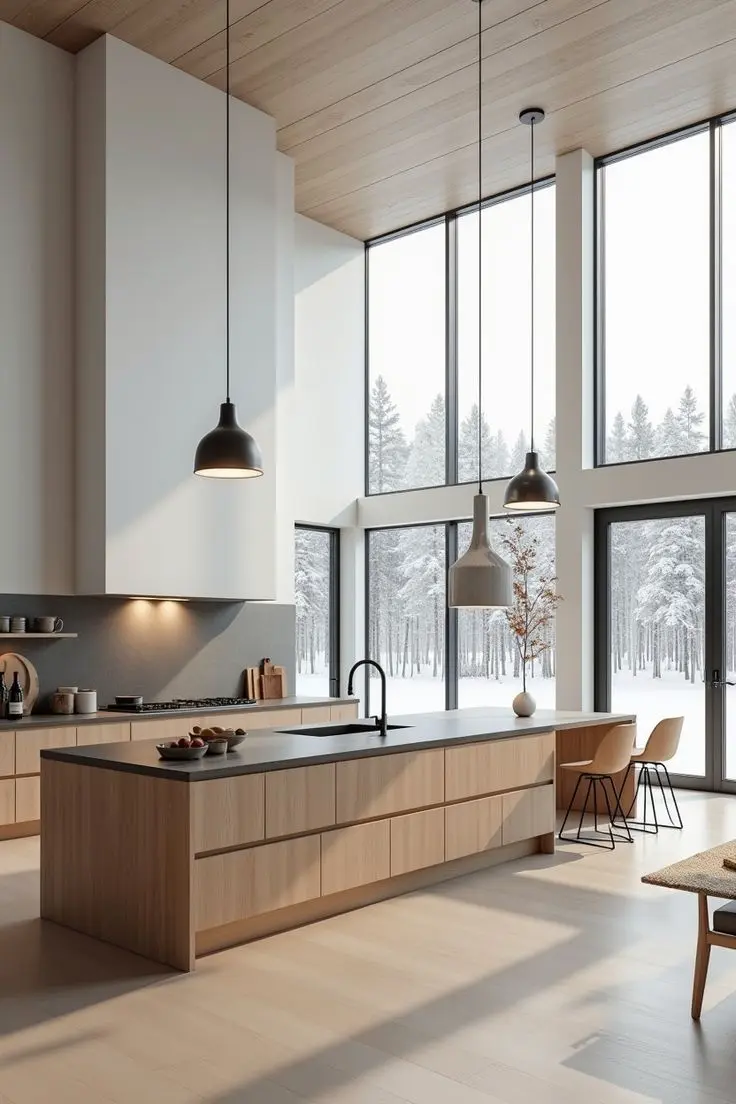
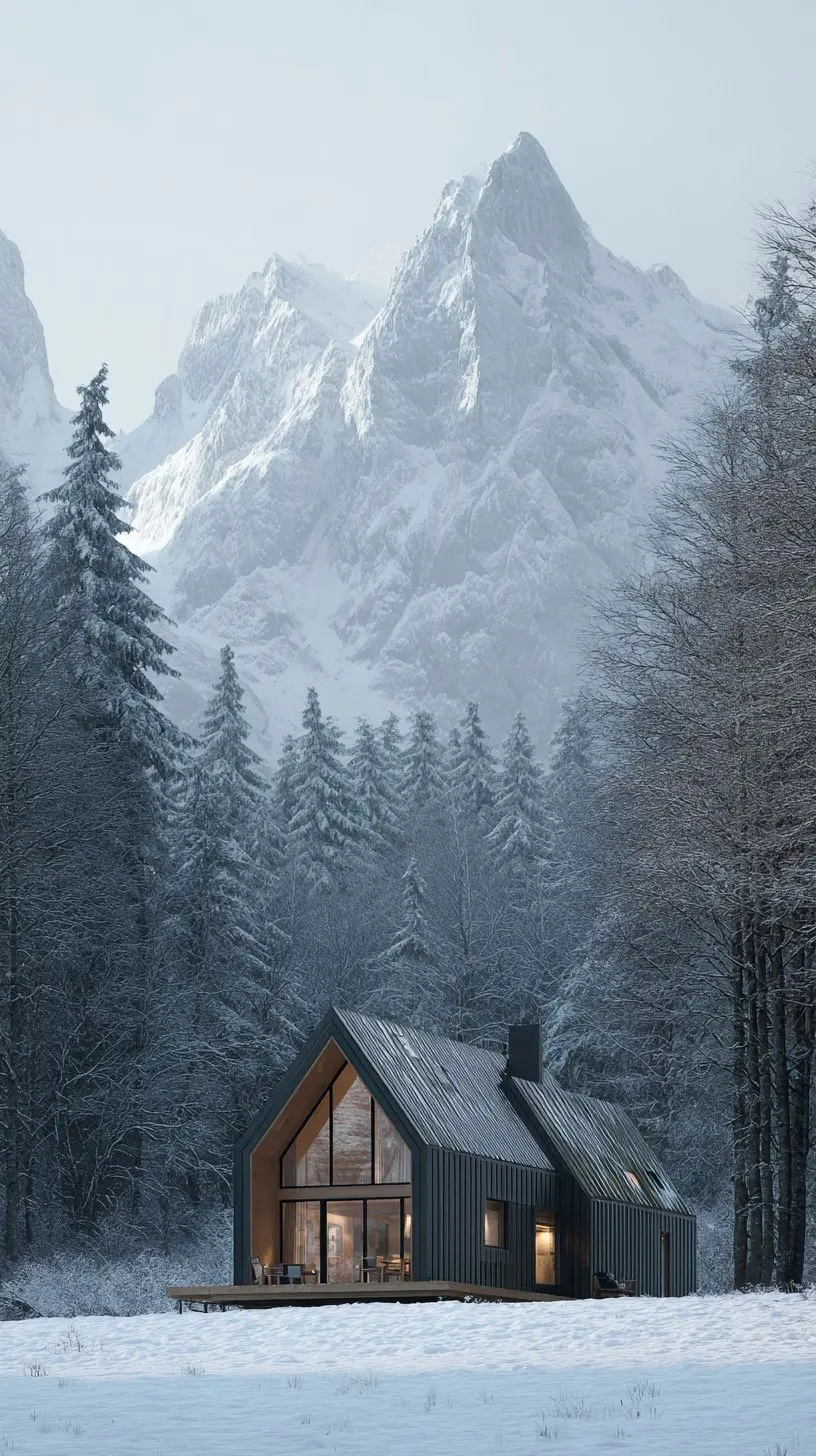
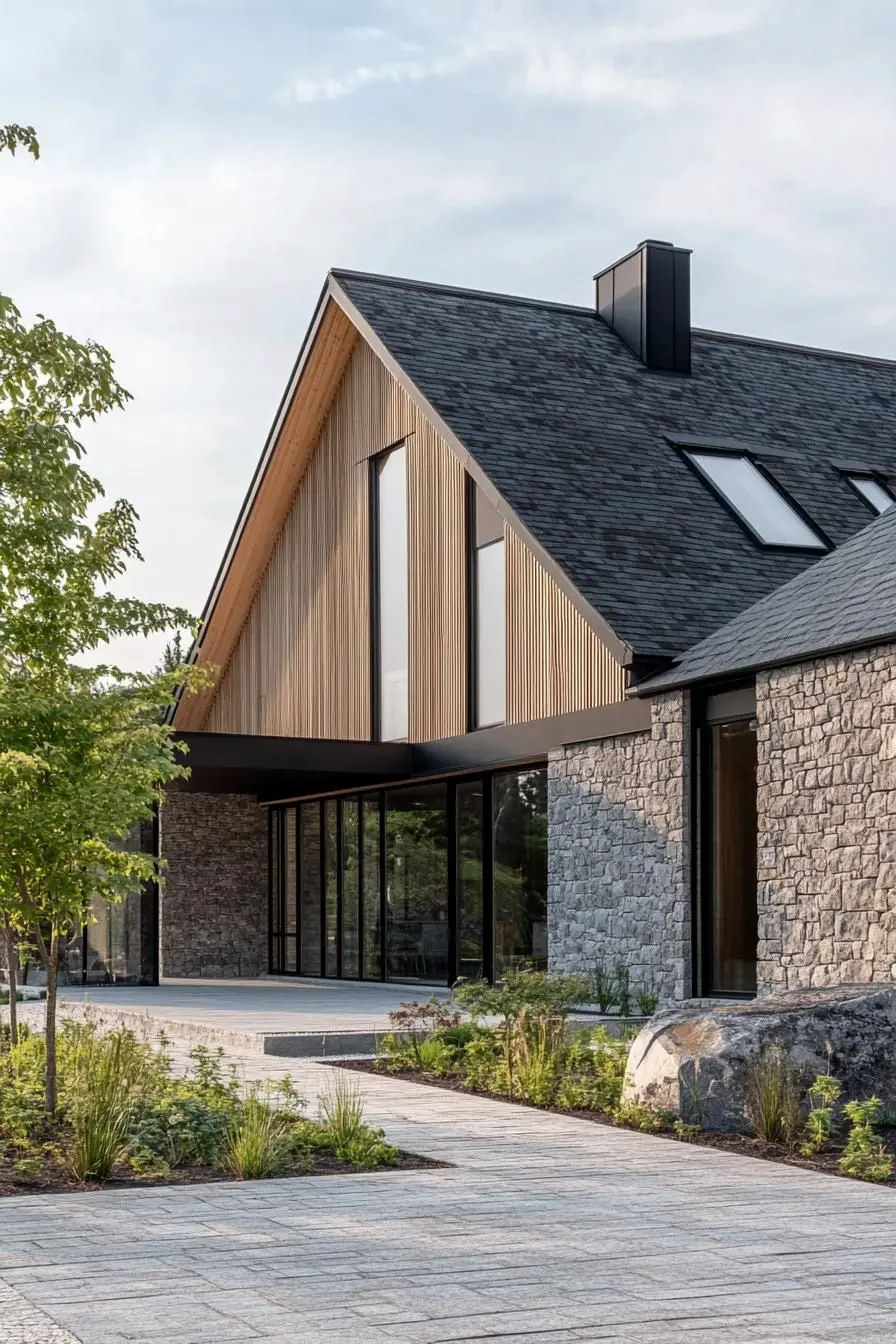
Scandinavian architecture refers to the architectural styles developed in the Nordic countries:
- Denmark
- Sweden
- Norway
- Finland
- Iceland
At its core, Scandinavian architecture emphasizes:
- Functional, human-centered design
- Clean lines and minimal ornamentation
- Natural light and open interiors
- Local, durable materials
- Harmony with nature and landscape
Rather than pursuing grandeur, Nordic architecture focuses on livability, comfort, and long-term sustainability.
The Historical Roots of Scandinavian Architecture
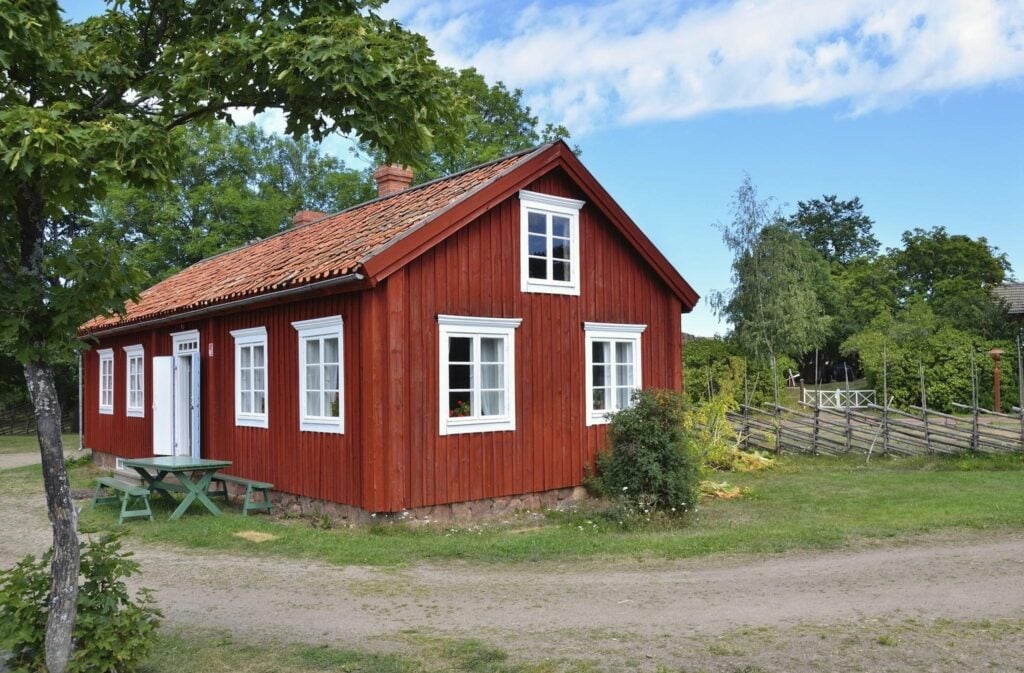
Early Vernacular Architecture
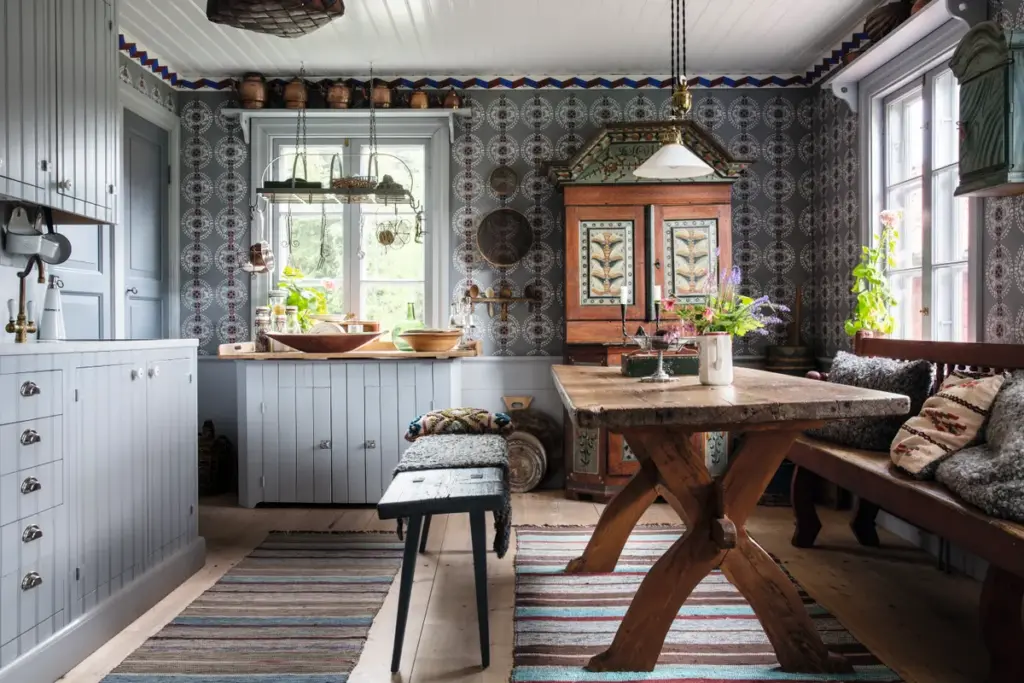
Scandinavian architecture began as a response to harsh climates and limited daylight. Early Nordic buildings were:
- Constructed primarily from wood, stone, and turf
- Designed with steep roofs to shed snow
- Compact and insulated for long winters
The Viking longhouse is a prime example—elongated wooden structures that housed both people and livestock under one roof to preserve heat.
Medieval and Religious Influence
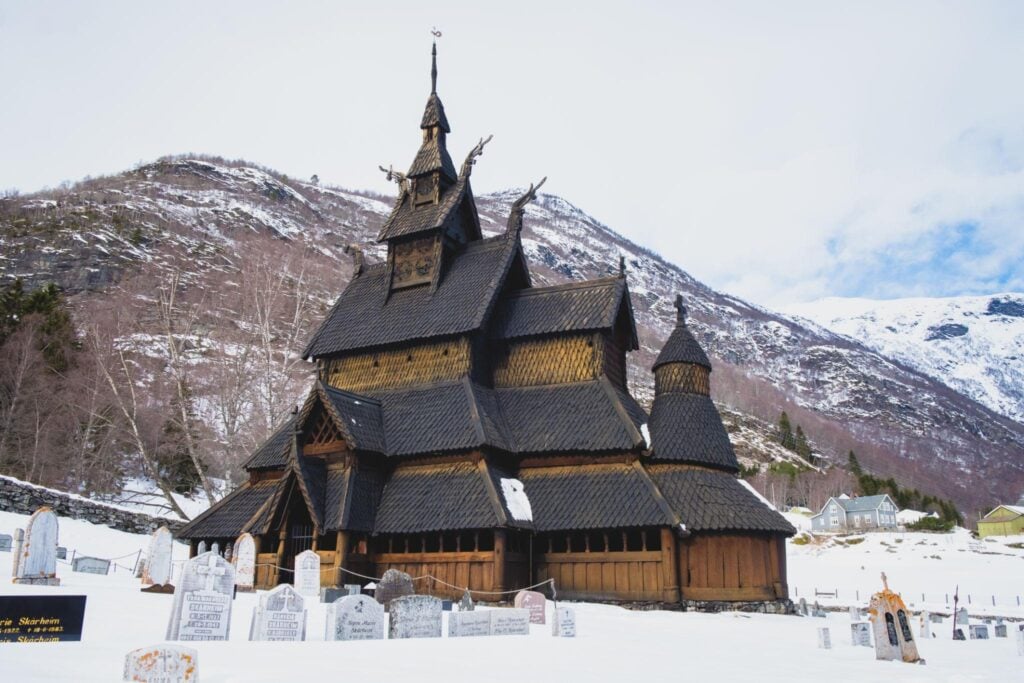
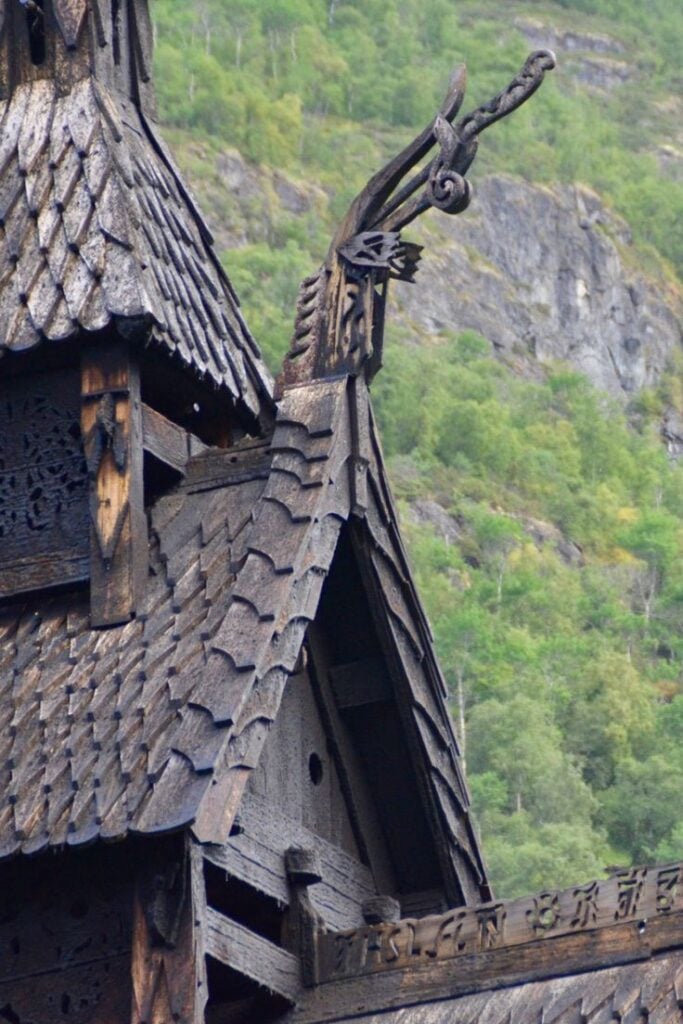
During the Middle Ages, Christianity introduced stone churches and monasteries. Norway’s stave churches—wooden structures with intricate carvings—remain some of the most distinctive medieval buildings in Europe.
19th Century National Romanticism
As Nordic countries developed national identities, architects embraced National Romanticism, blending folk traditions with modern construction. This era emphasized:
- Craftsmanship
- Symbolism drawn from nature
- Regional materials
Scandinavian Modernism (1930s–1960s)
The global breakthrough came with Scandinavian Modernism. Influenced by functionalism and social democracy, architects designed buildings that were:
- Affordable and accessible
- Minimal yet warm
- Designed for everyday life, not elites
This philosophy shaped housing, schools, libraries, and civic spaces across the region.
Country-by-Country Architectural Characteristics
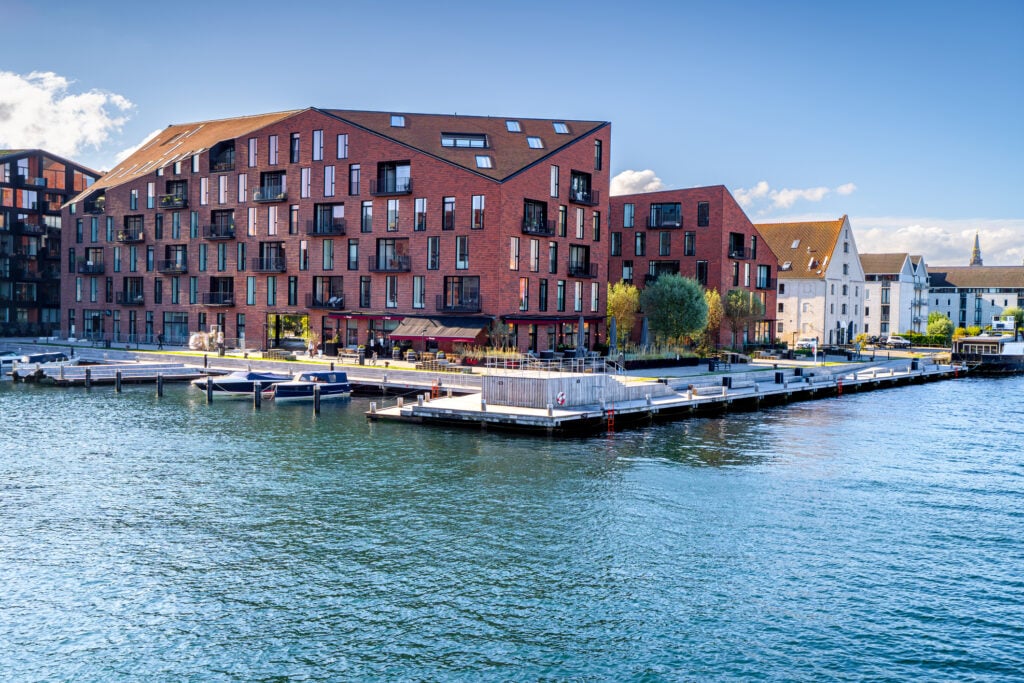
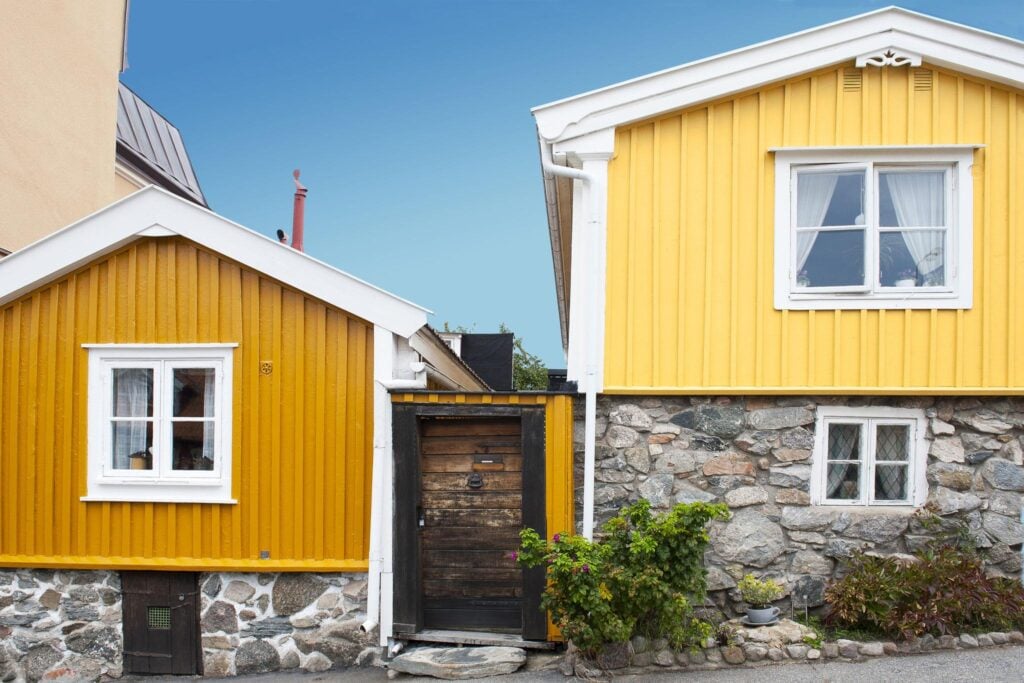
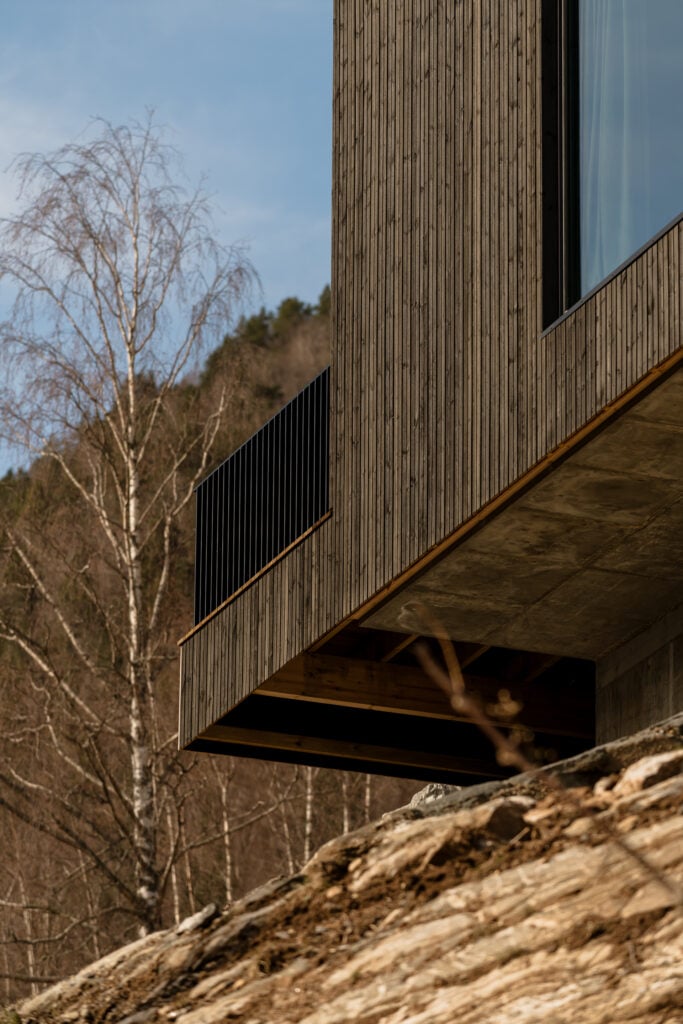
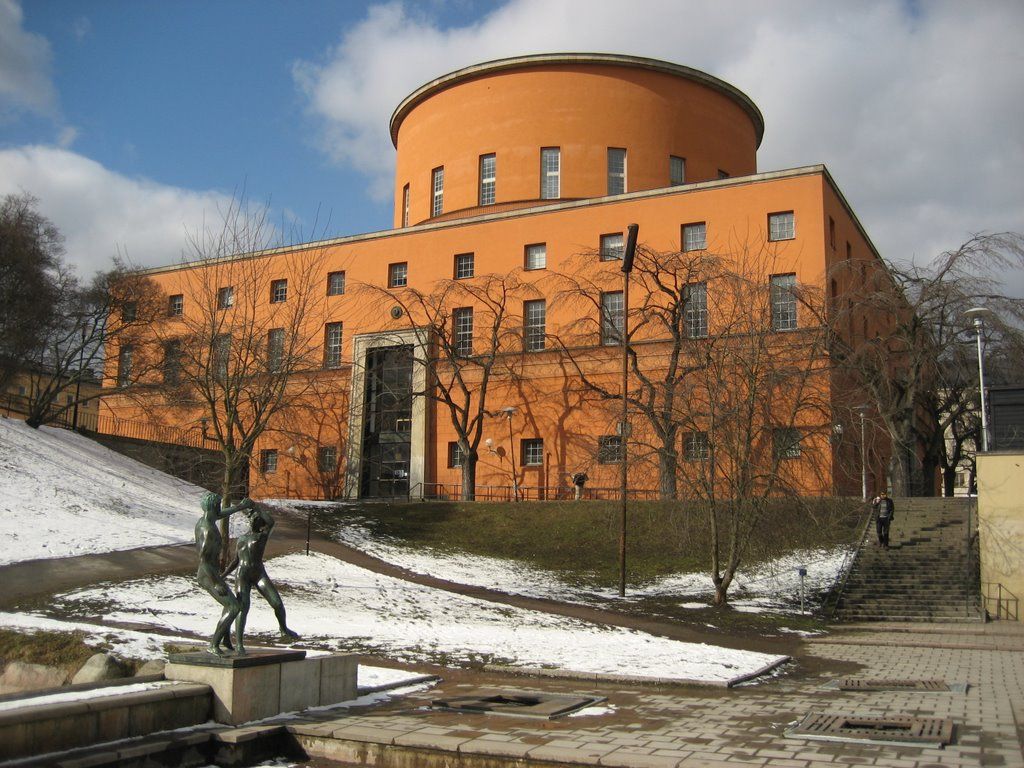
Denmark: Functional Elegance
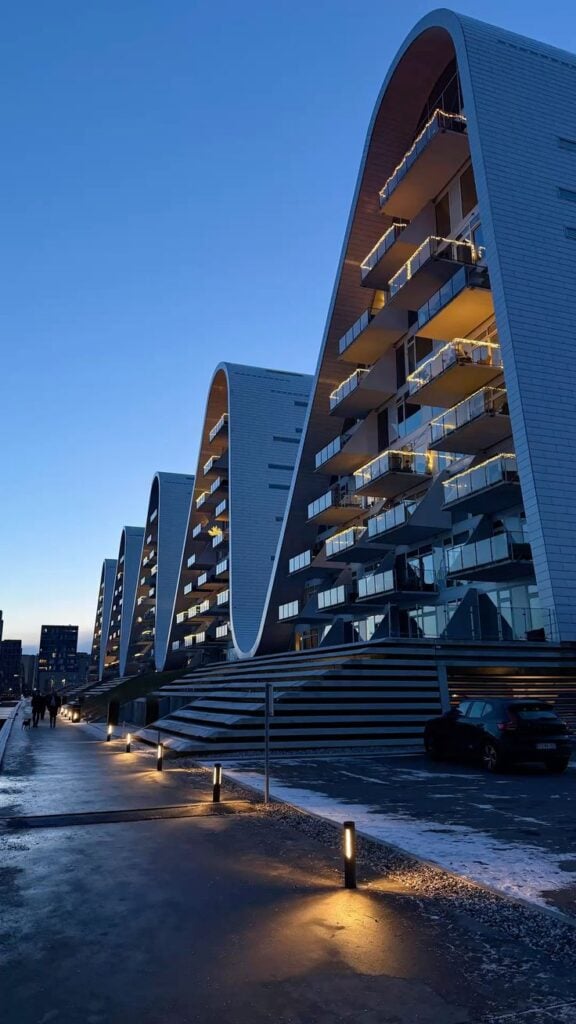
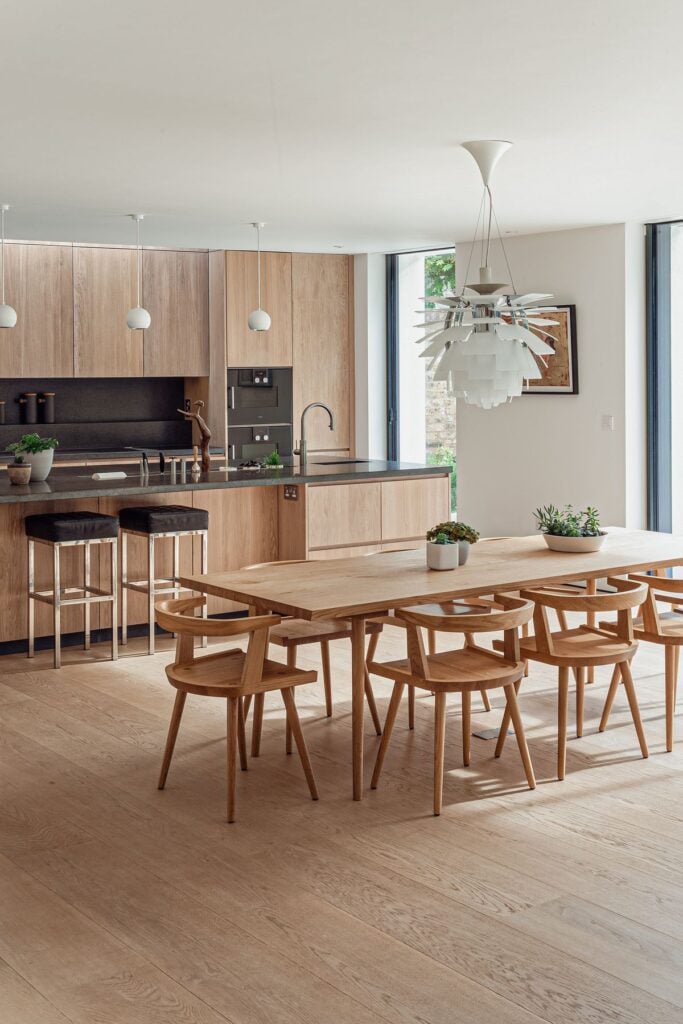
Danish architecture balances precision and comfort. Known for:
- Clean geometry
- Brick, glass, and wood combinations
- Human-scale urban design
Denmark’s architectural philosophy closely aligns with the concept of hygge—creating spaces that feel warm and welcoming.
Sweden: Light and Social Design
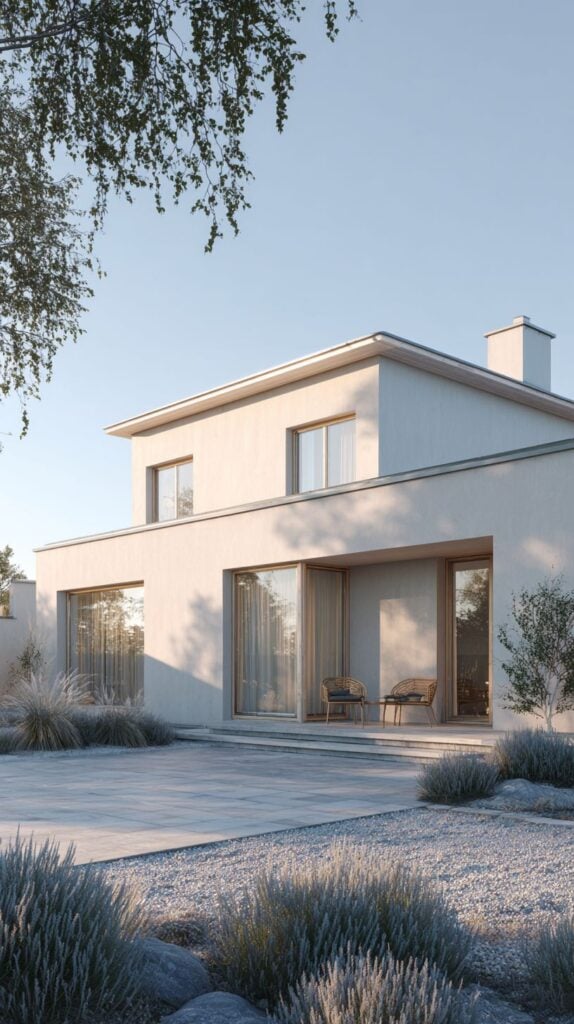
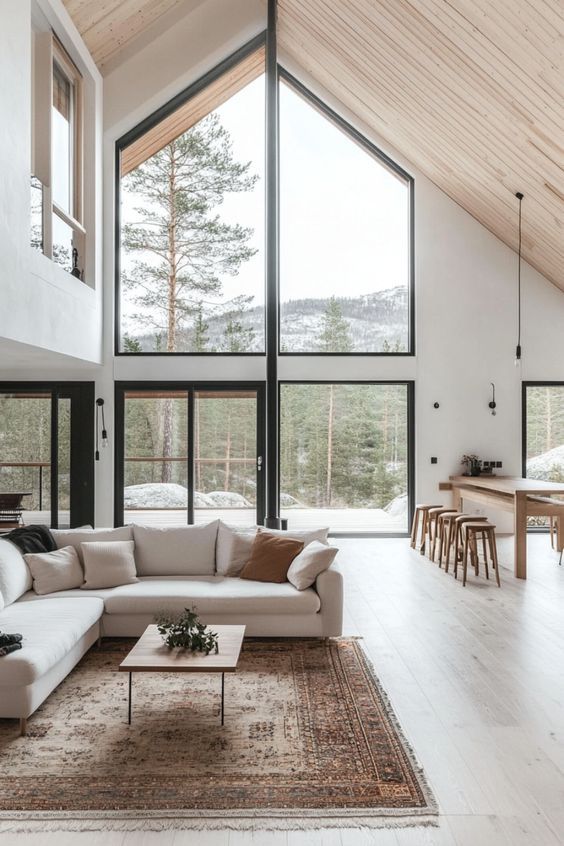
Swedish architecture emphasizes:
- Bright interiors and white surfaces
- Functional layouts
- Strong public housing traditions
Sweden pioneered modern welfare-state architecture, prioritizing equality and quality of life.
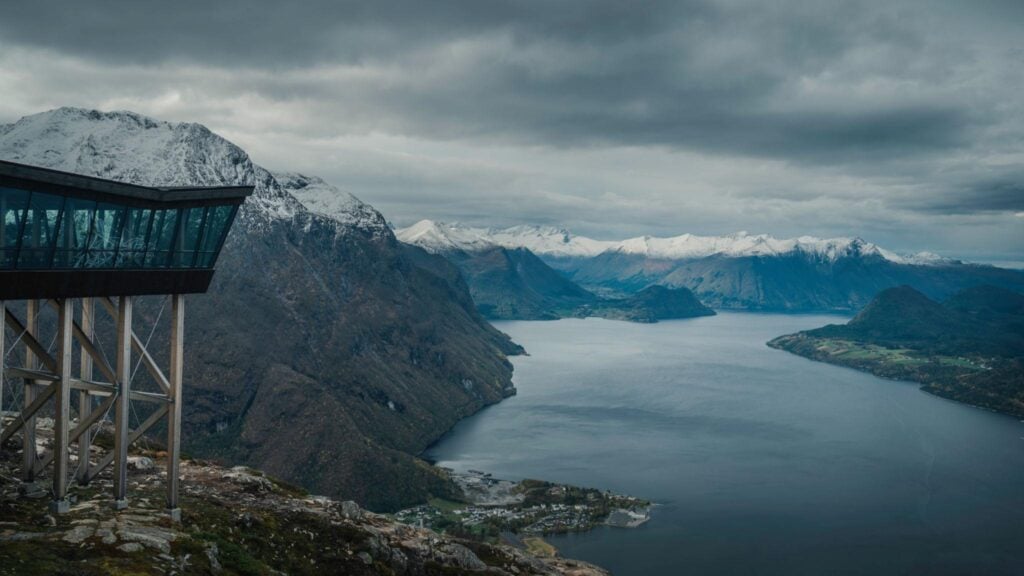
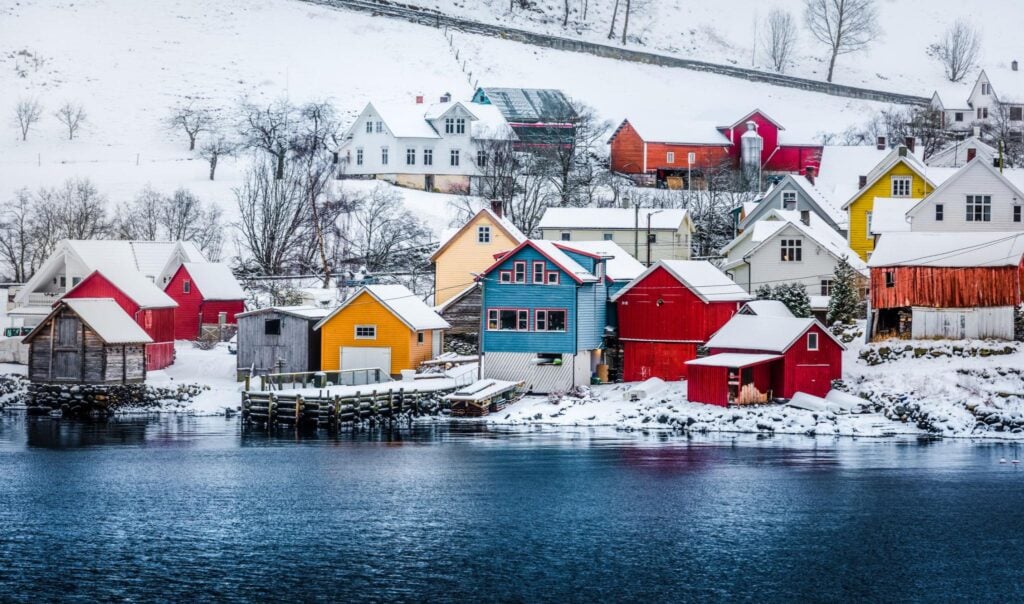
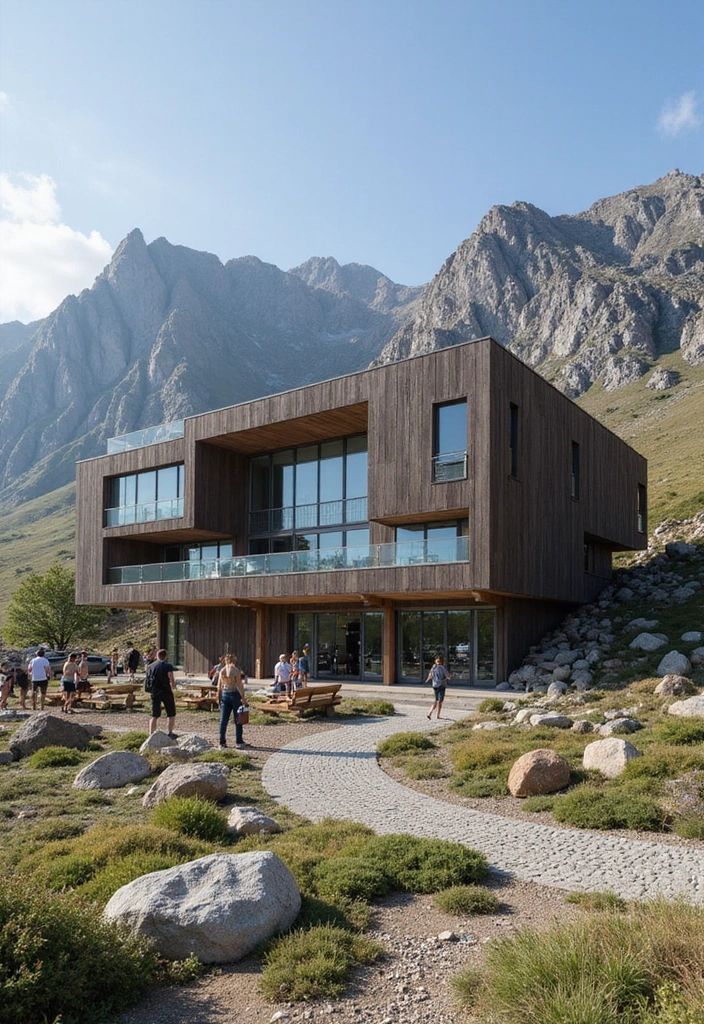
Norway: Architecture in the Landscape
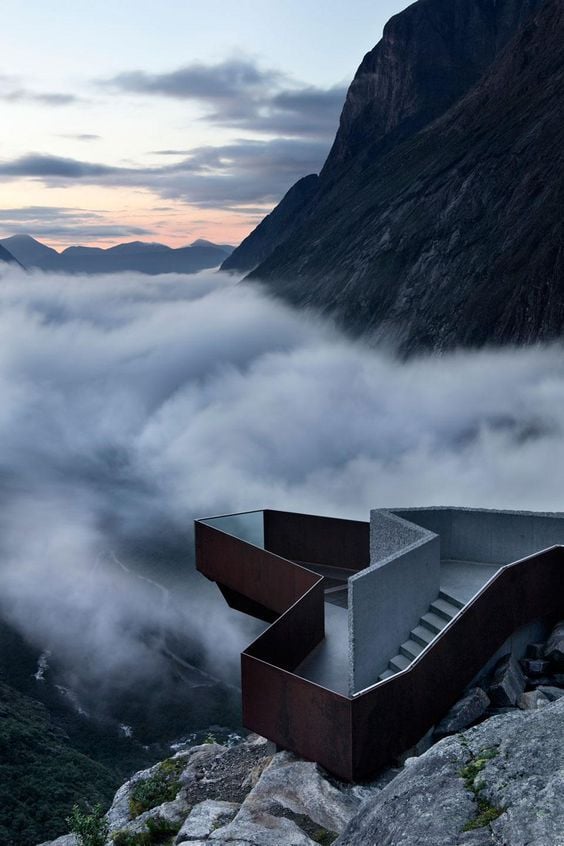
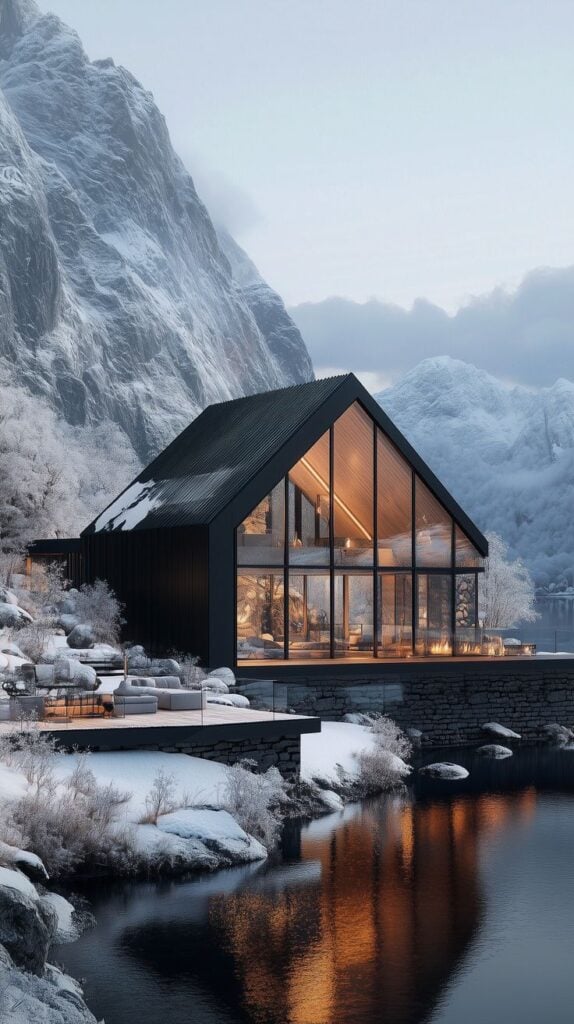
Norwegian architecture is deeply shaped by nature:
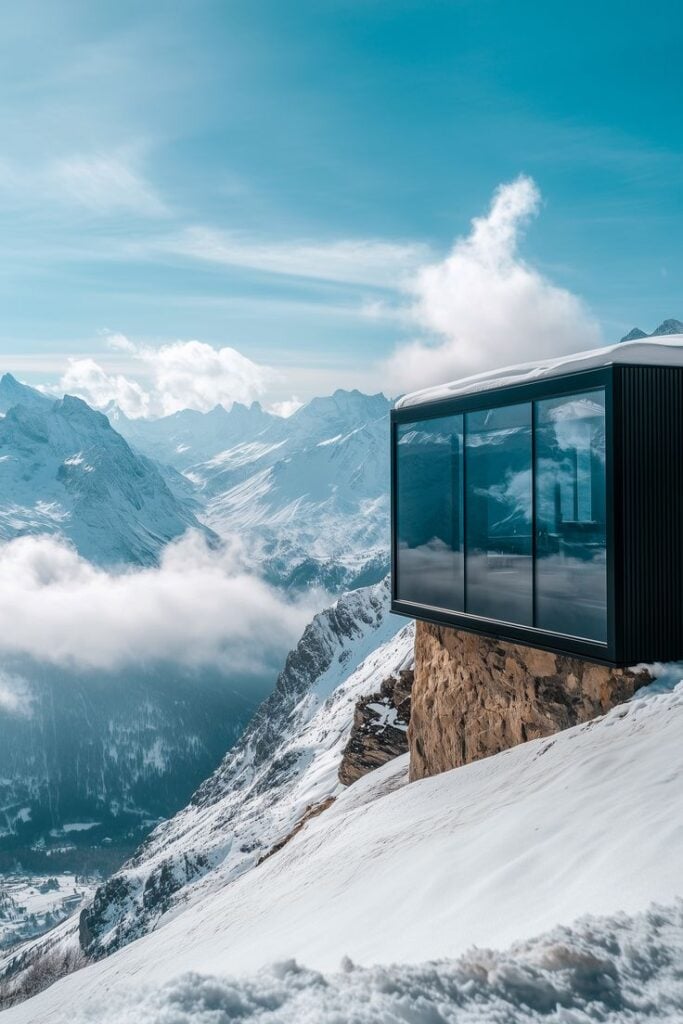
- Buildings adapt to fjords, mountains, and coastlines
- Extensive use of timber
- Bold contemporary designs that still feel rooted
Modern Norwegian architects often treat buildings as extensions of the terrain.
Finland: Emotional Modernism
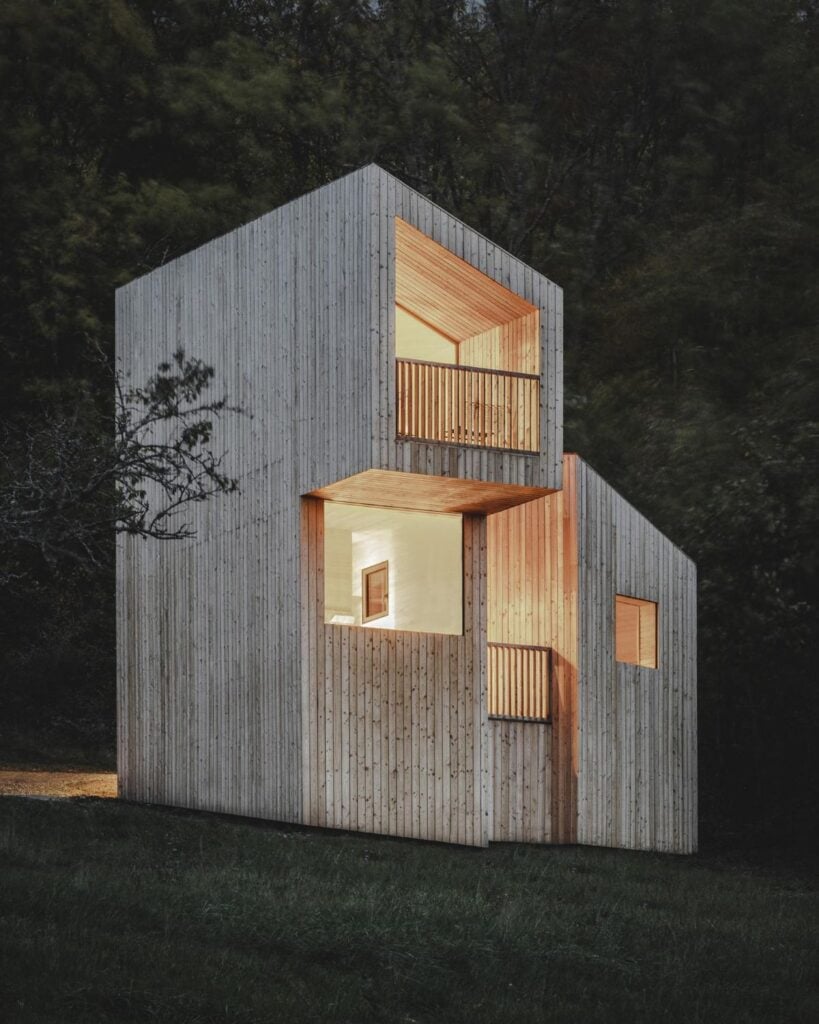
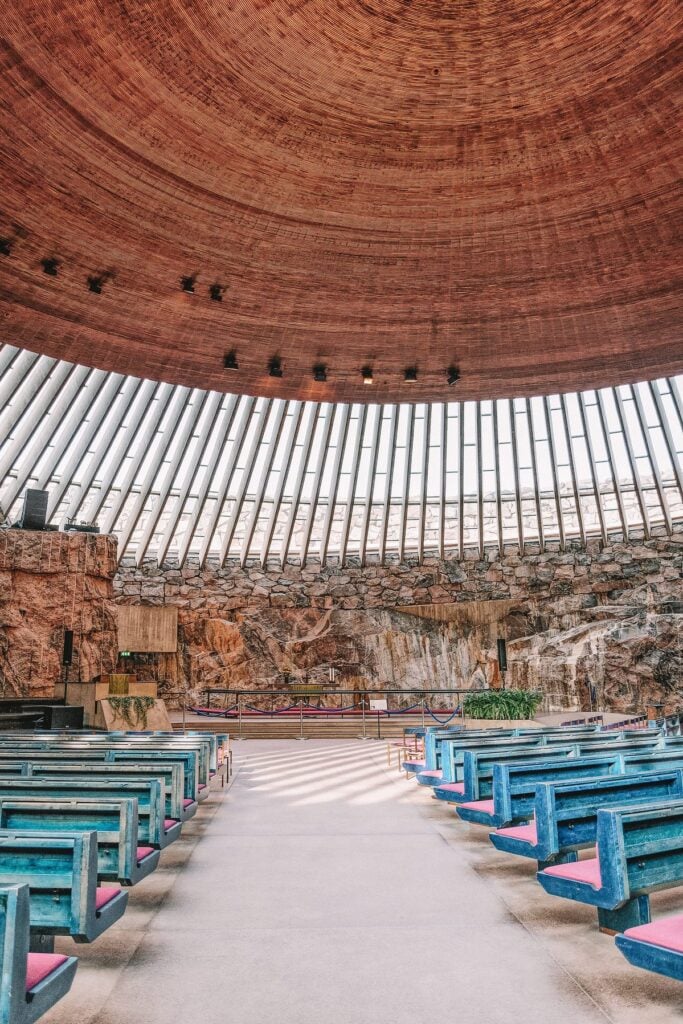
Finland’s architectural identity blends:
- Modernism with organic forms
- Warm materials like wood and brick
- Deep emotional resonance
Finnish architecture is often quieter and more introspective, focusing on atmosphere as much as function.
Iceland: Pragmatic and Geological
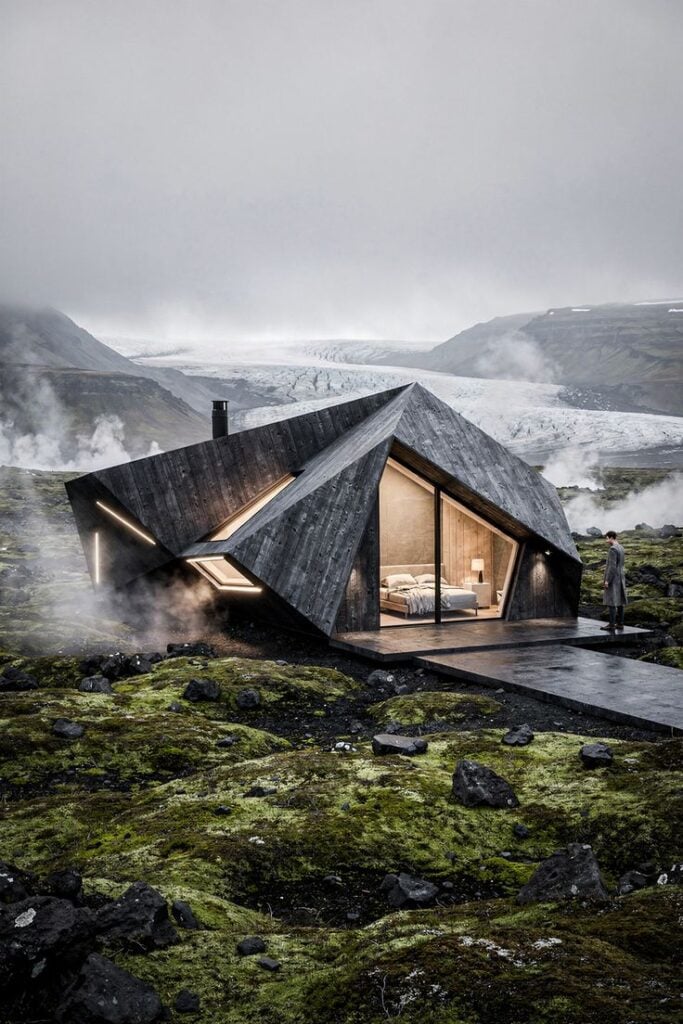
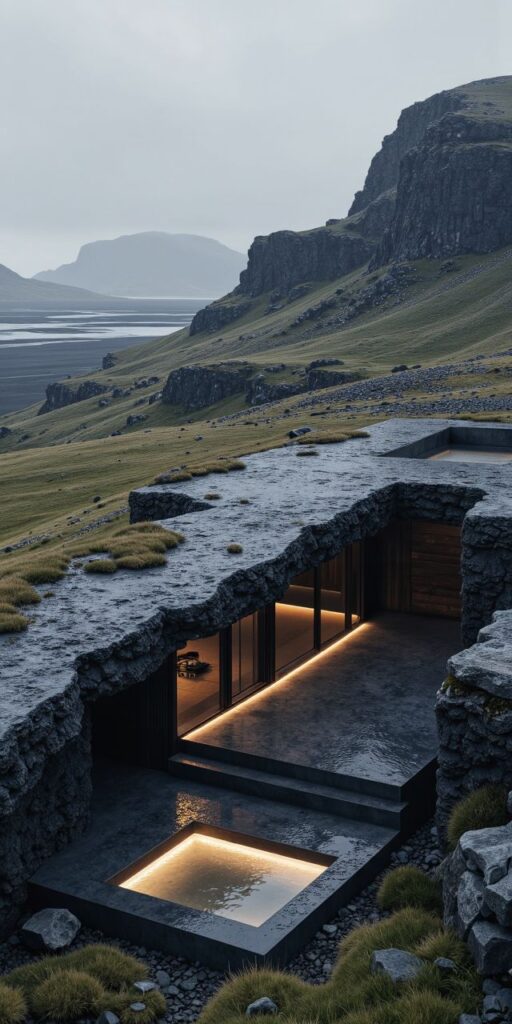
With limited forests, Iceland relies heavily on:
- Concrete construction
- Compact, weather-resistant forms
- Bright colors to counter dark winters
Architecture here is shaped by volcanic landscapes and extreme weather conditions.
Core Principles of Scandinavian Architecture
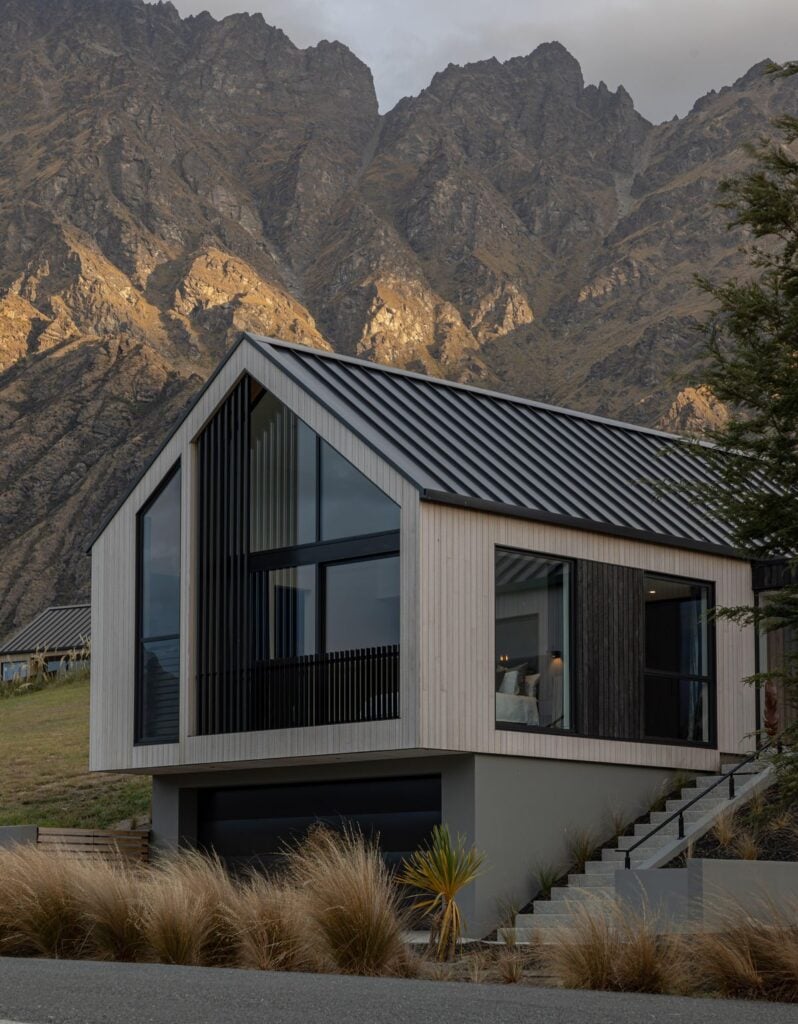
1. Simplicity and Minimalism
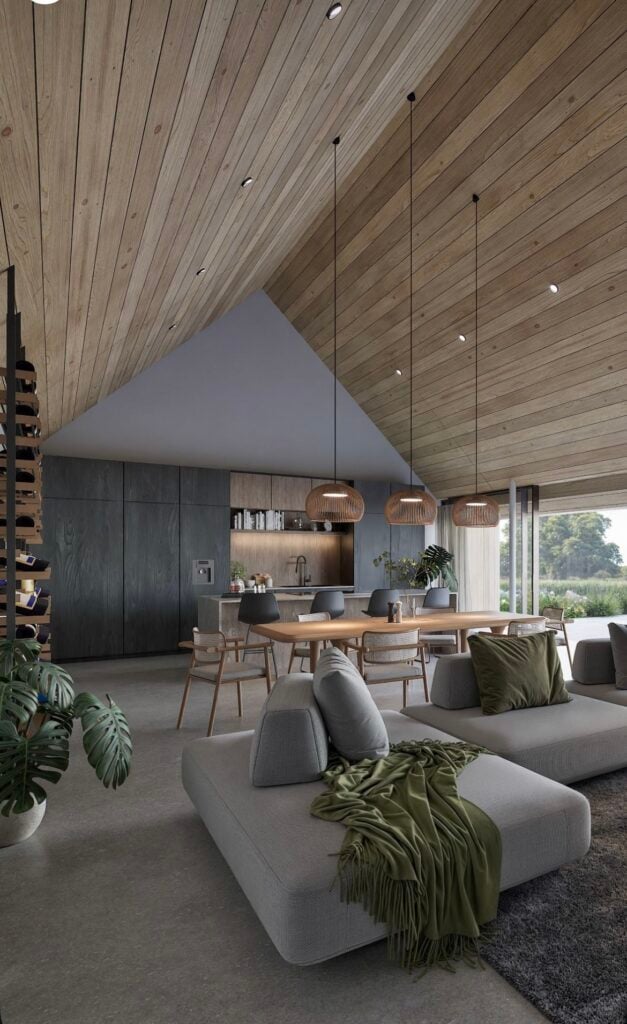
Scandinavian architecture avoids unnecessary decoration. Every element serves a purpose, creating calm, uncluttered environments.
2. Function Before Form (But Never Without Beauty)
While function is essential, Nordic design proves that practical buildings can still be elegant and emotionally engaging.
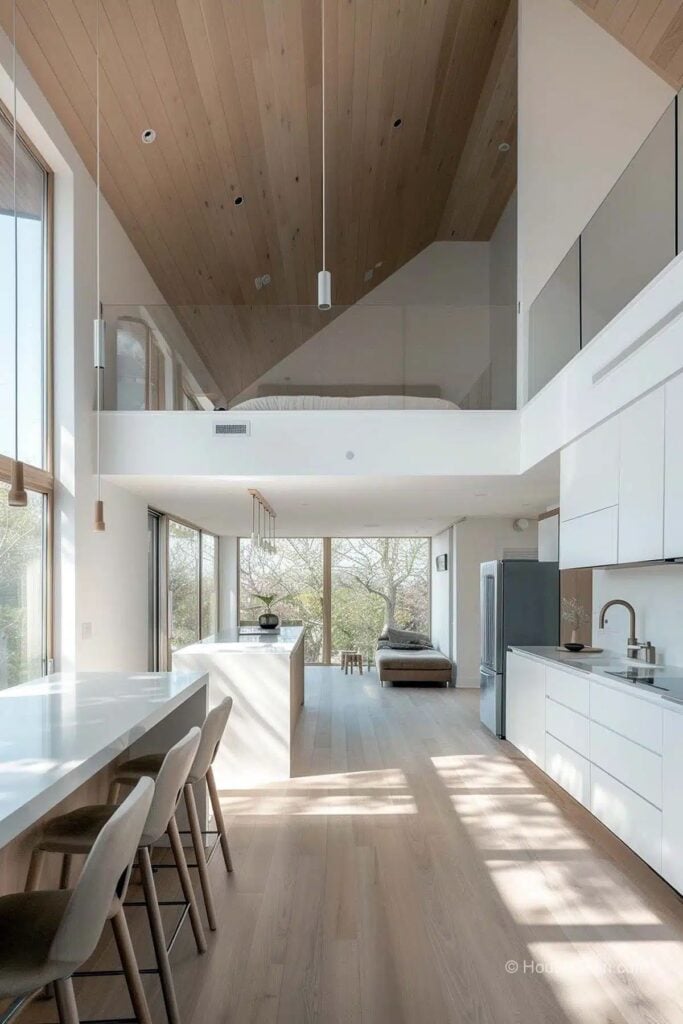
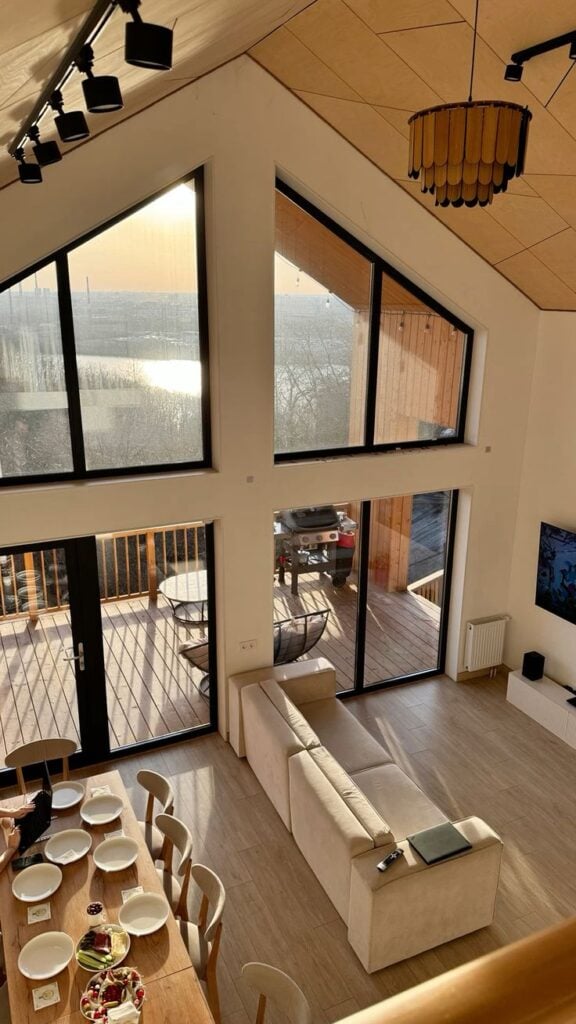
3. Natural Light as a Design Element
With limited daylight during winter months:
- Large windows
- Open layouts
- Light-reflecting surfaces
are central to Scandinavian buildings.
4. Connection to Nature
Buildings often:
- Frame views of forests, water, or sky
- Use natural textures
- Blur indoor-outdoor boundaries
5. Human-Centered Scale
Spaces are designed for comfort, accessibility, and daily use—not monumentality.
Materials Commonly Used in Scandinavian Architecture
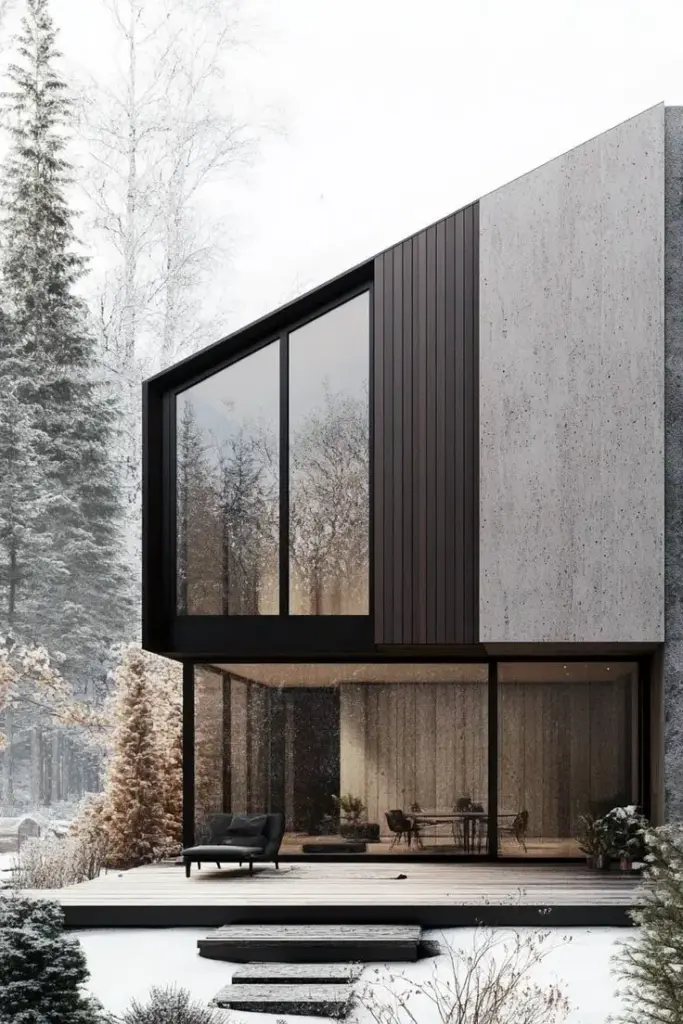
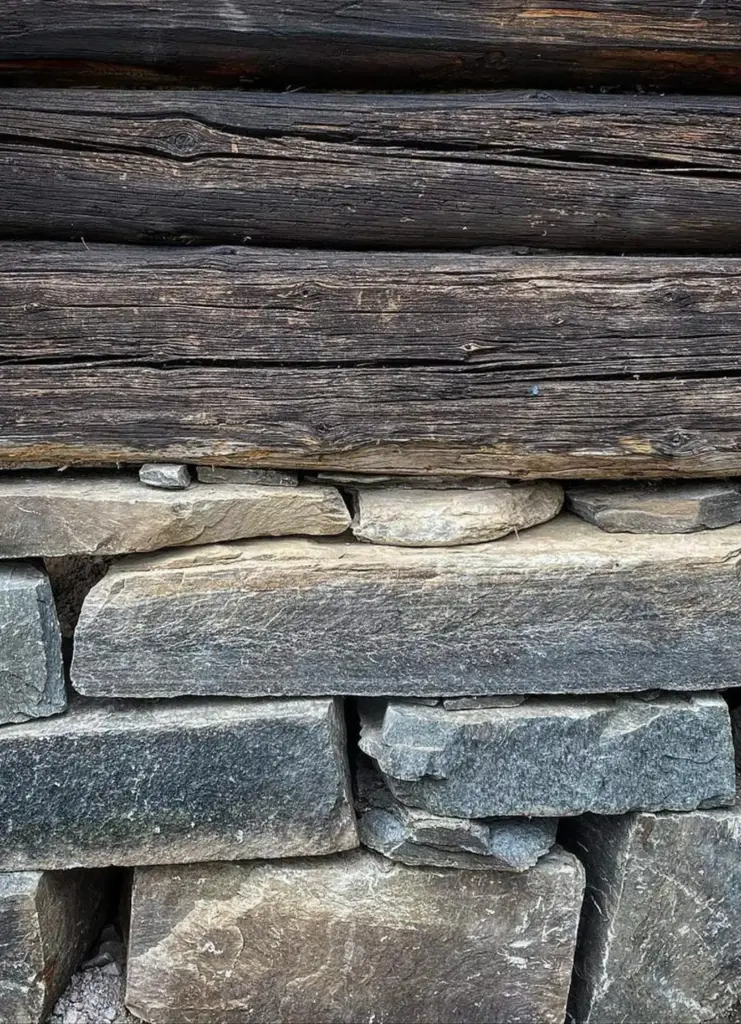
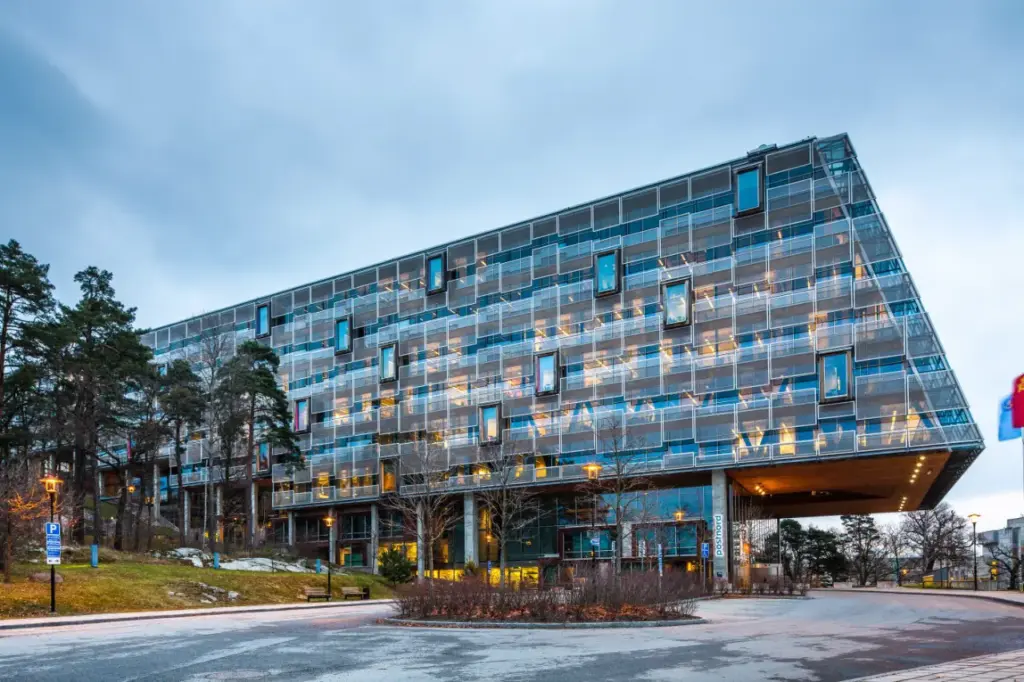
Wood
The most iconic Scandinavian material:
- Pine, spruce, and birch are common
- Used structurally and decoratively
- Ages beautifully over time
Stone
Used in foundations, civic buildings, and traditional homes—especially granite and local stone.
Concrete
Widely adopted in modern Nordic architecture for:
- Durability
- Thermal mass
- Clean, honest expression
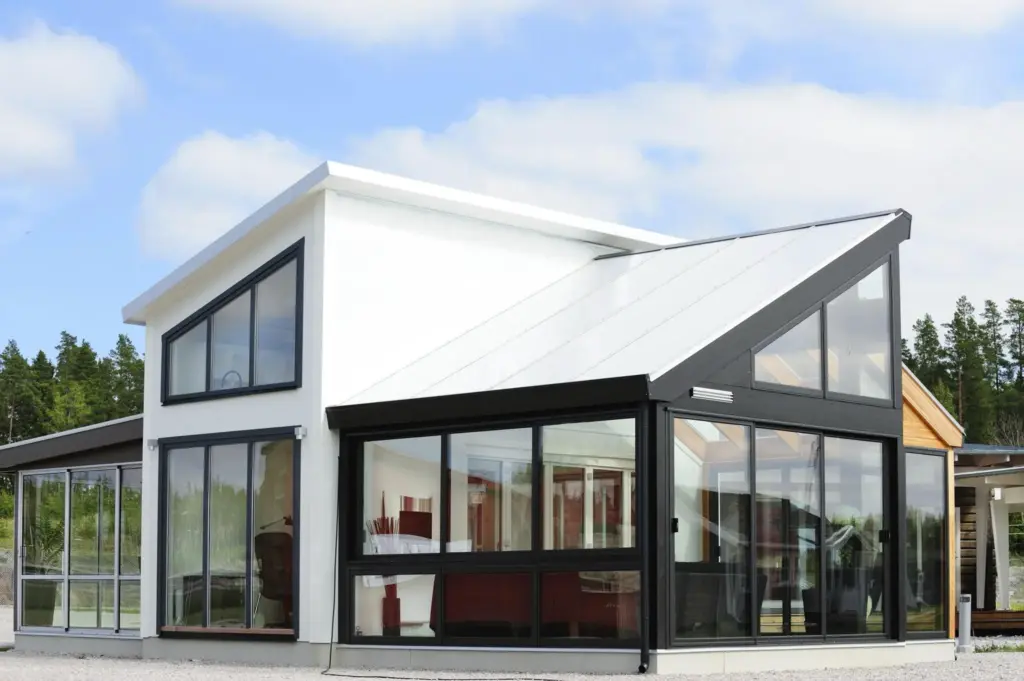
Glass
Large expanses of glass maximize daylight and connect interiors to the surrounding environment.
Sustainability in Scandinavian Architecture
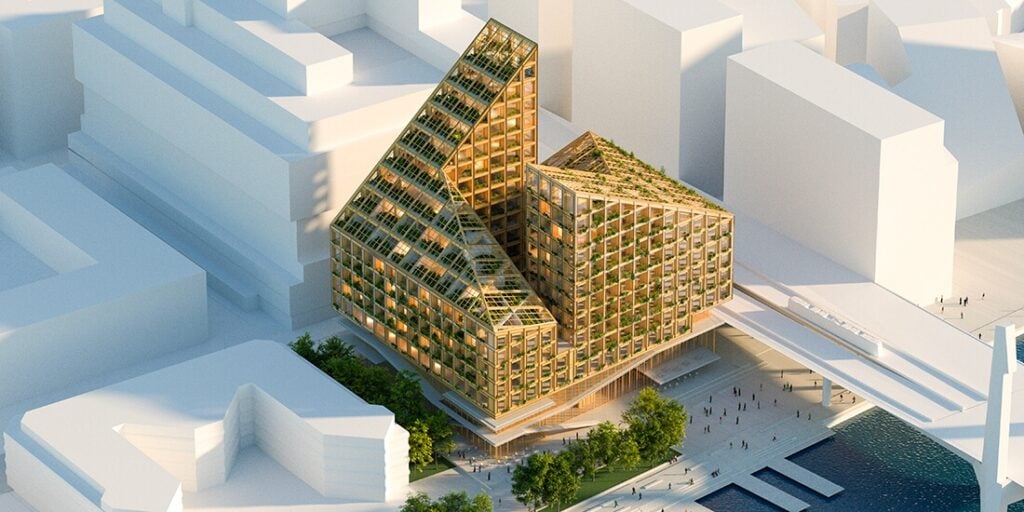
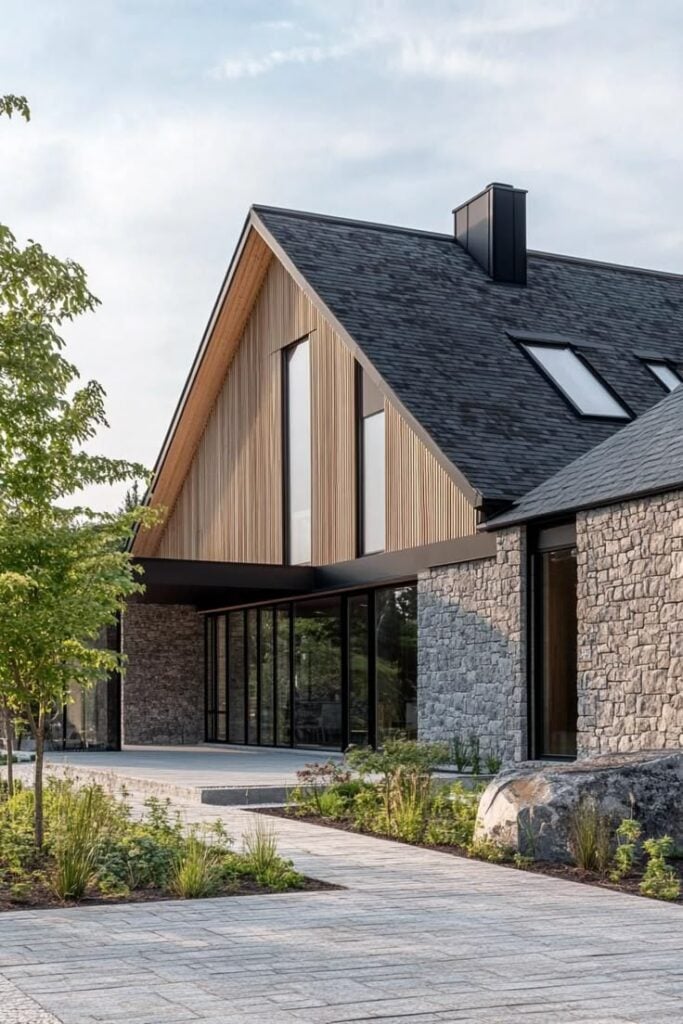
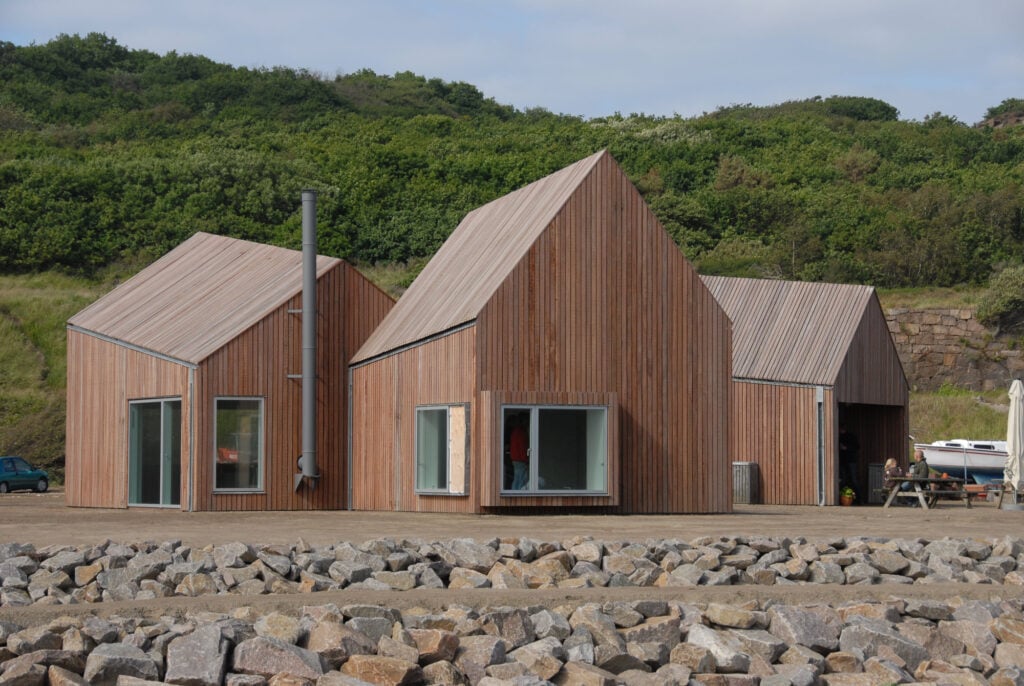
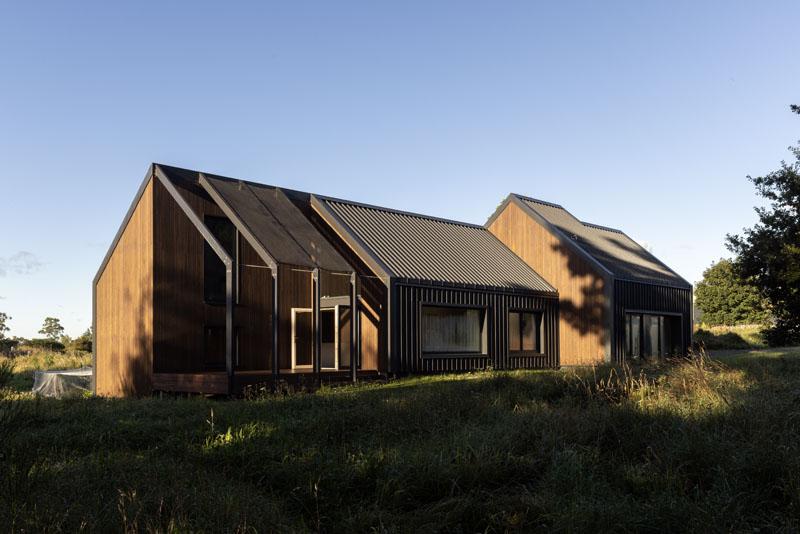
Scandinavian architecture is globally recognized for its leadership in sustainable design.
Key Sustainability Practices
- Energy efficiency: Passive houses, high insulation standards
- Renewable energy: Solar, geothermal, hydroelectric
- Local materials: Reduced transportation impact
- Longevity: Buildings designed to last generations
Nordic countries consistently rank among the world’s greenest due to building codes that prioritize environmental responsibility.
Iconic Scandinavian Buildings and Architects
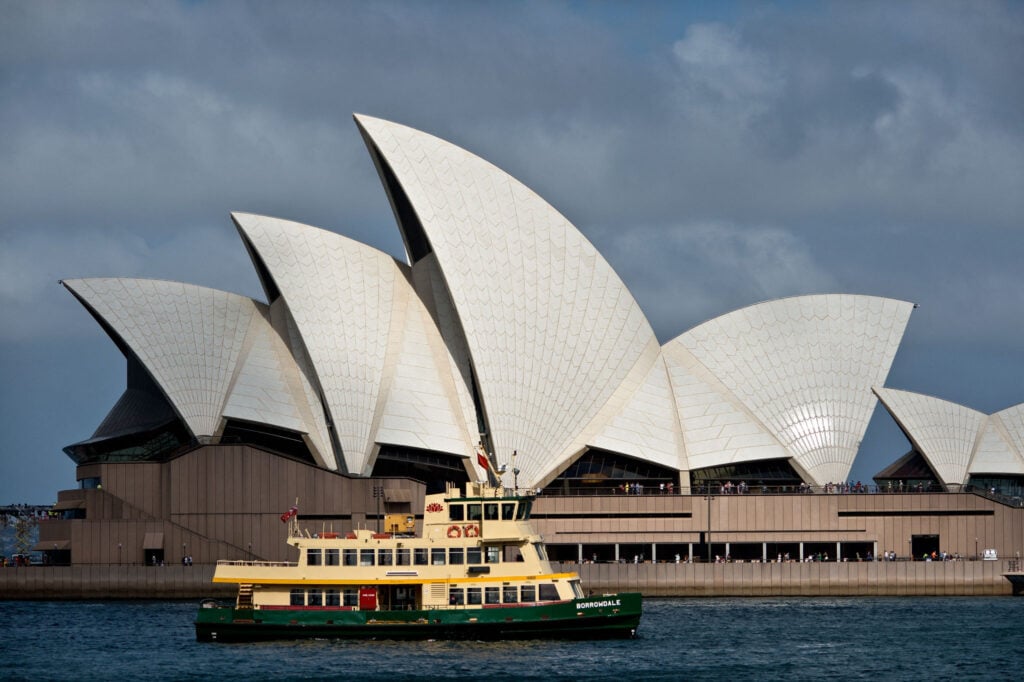
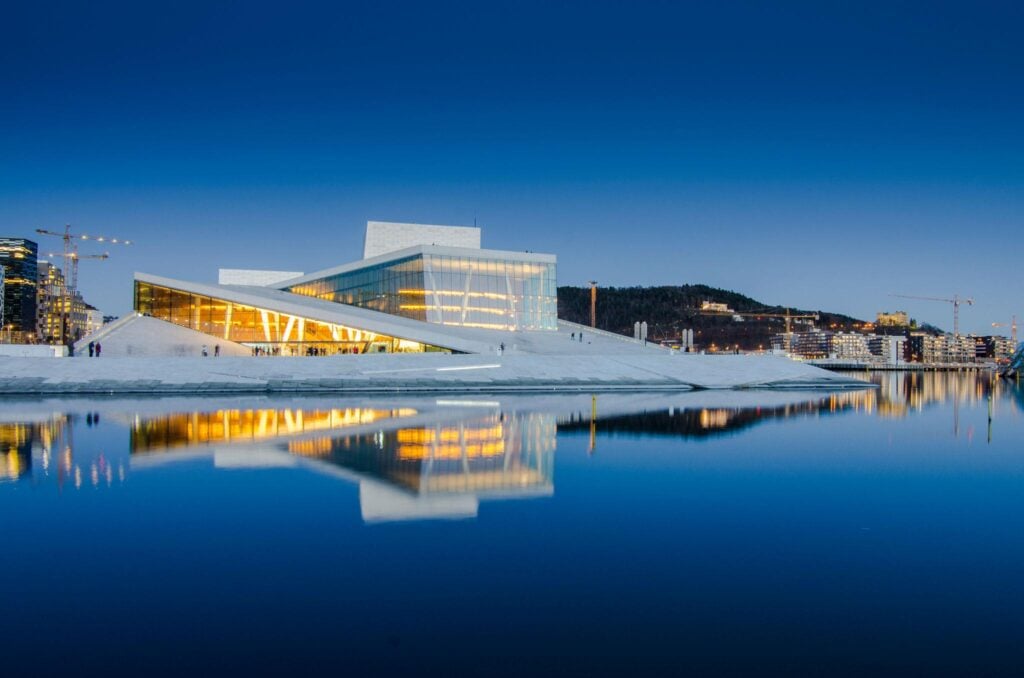
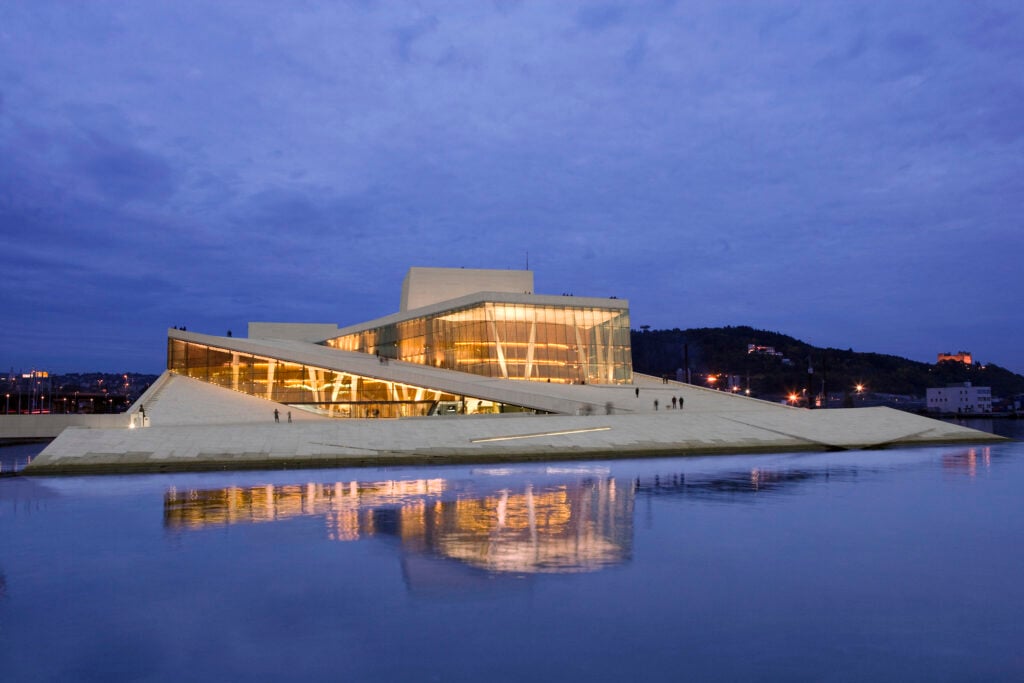
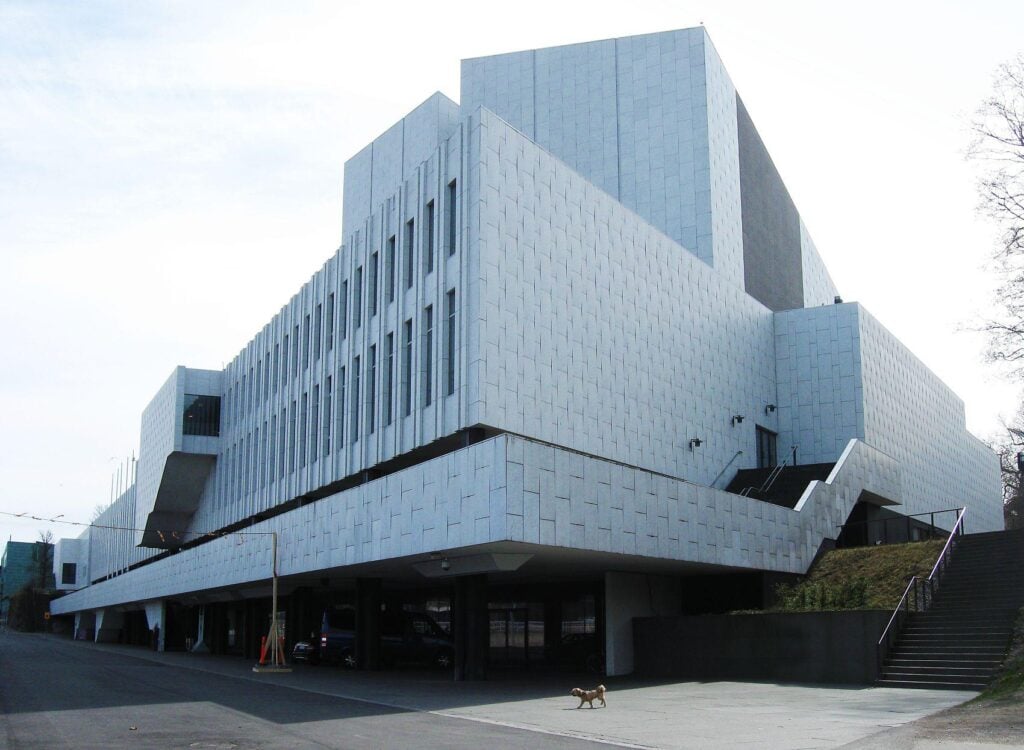
Notable Buildings
- Stockholm Public Library – A landmark of Swedish modernism
- Oslo Opera House – A public building designed to be walked on
- Finlandia Hall – A masterpiece of Finnish modern architecture
- 8 House – A contemporary model for mixed-use living
These buildings demonstrate how Scandinavian architecture merges innovation with public life.
Scandinavian Architecture in the Modern World
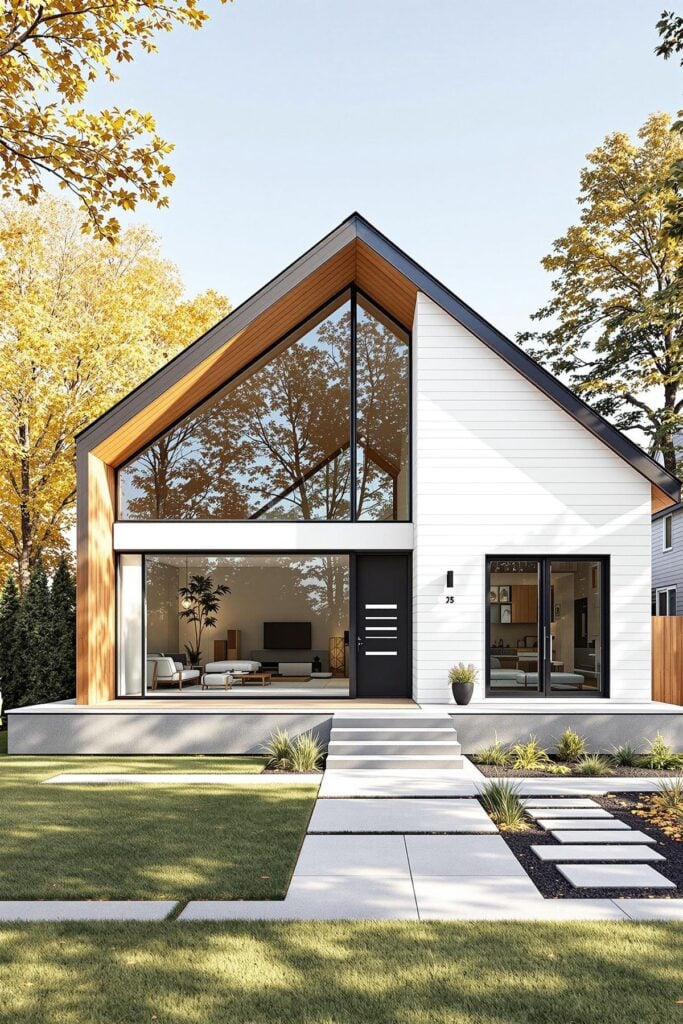
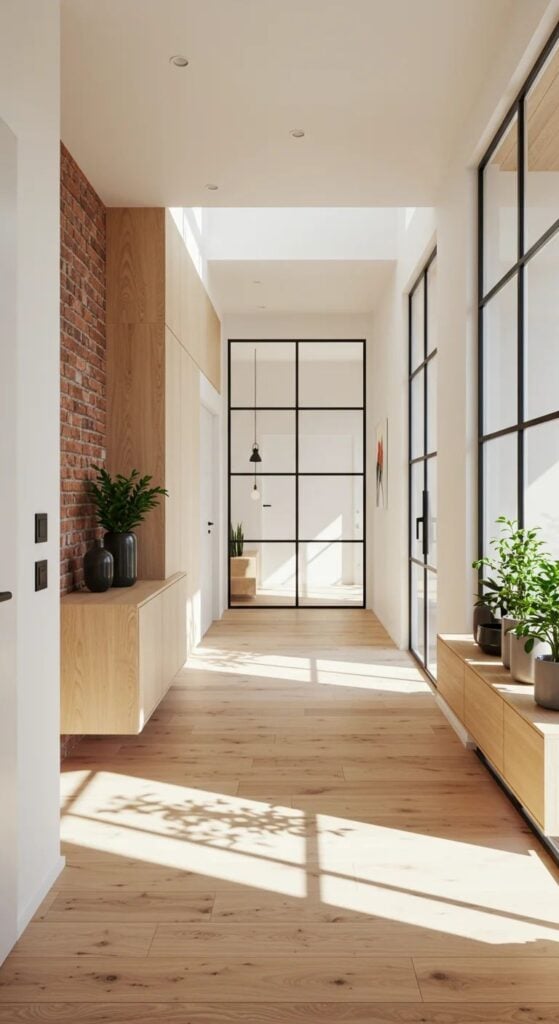
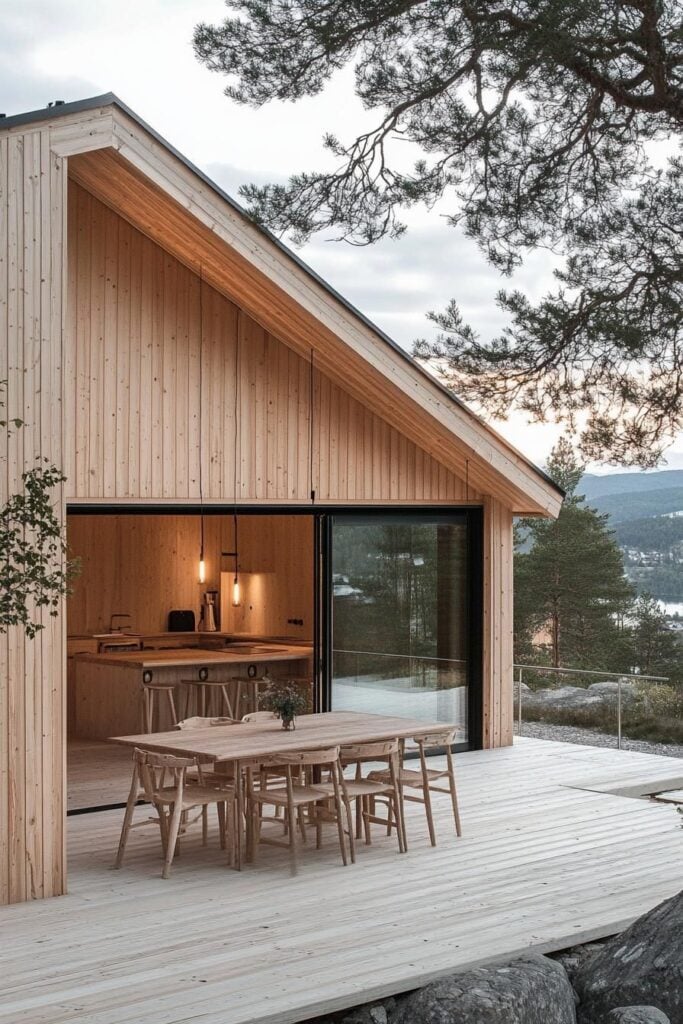
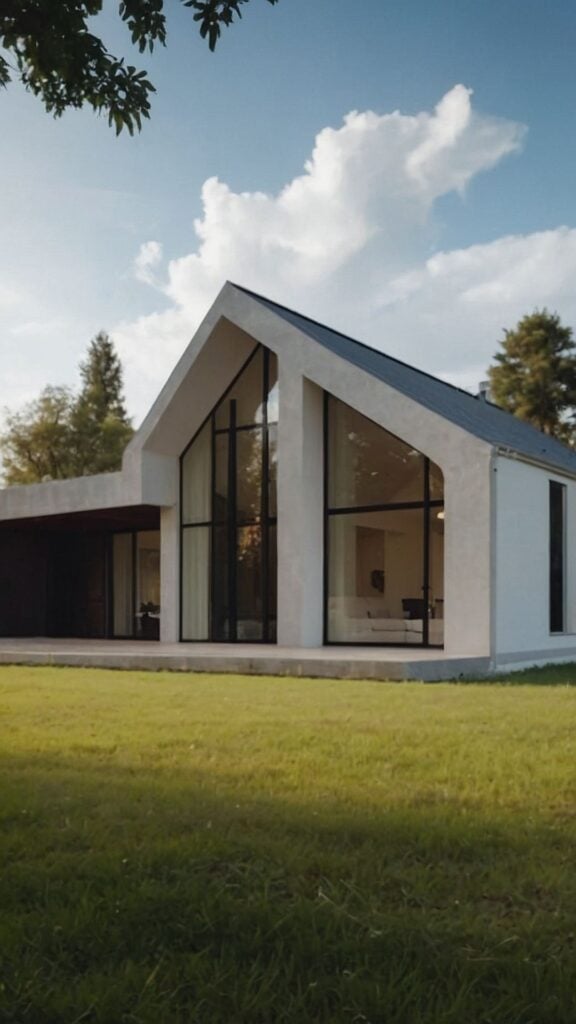
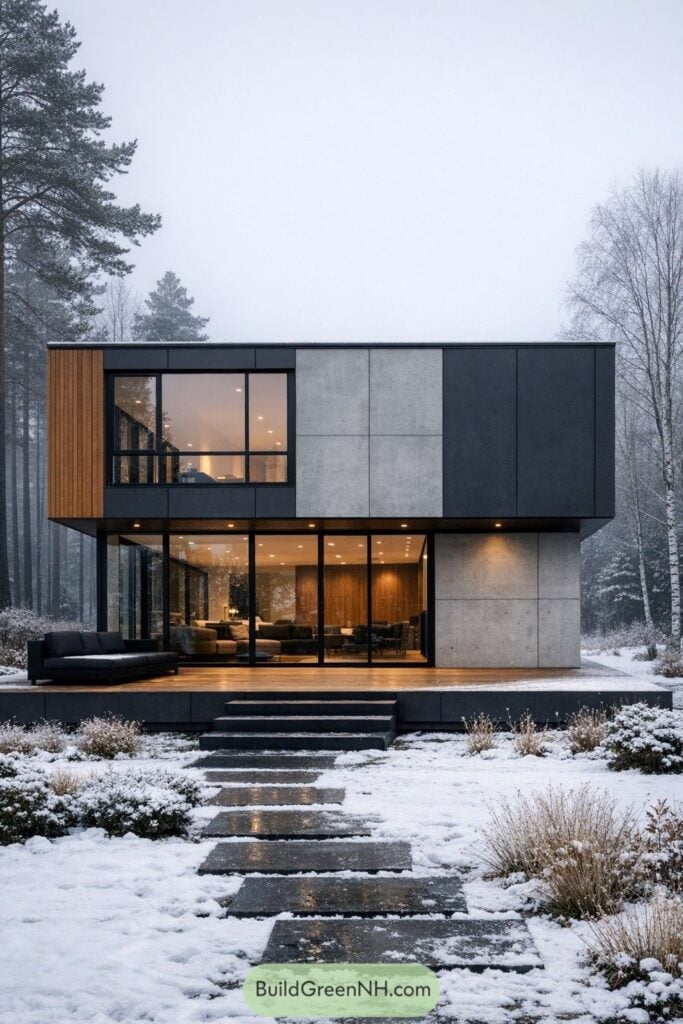
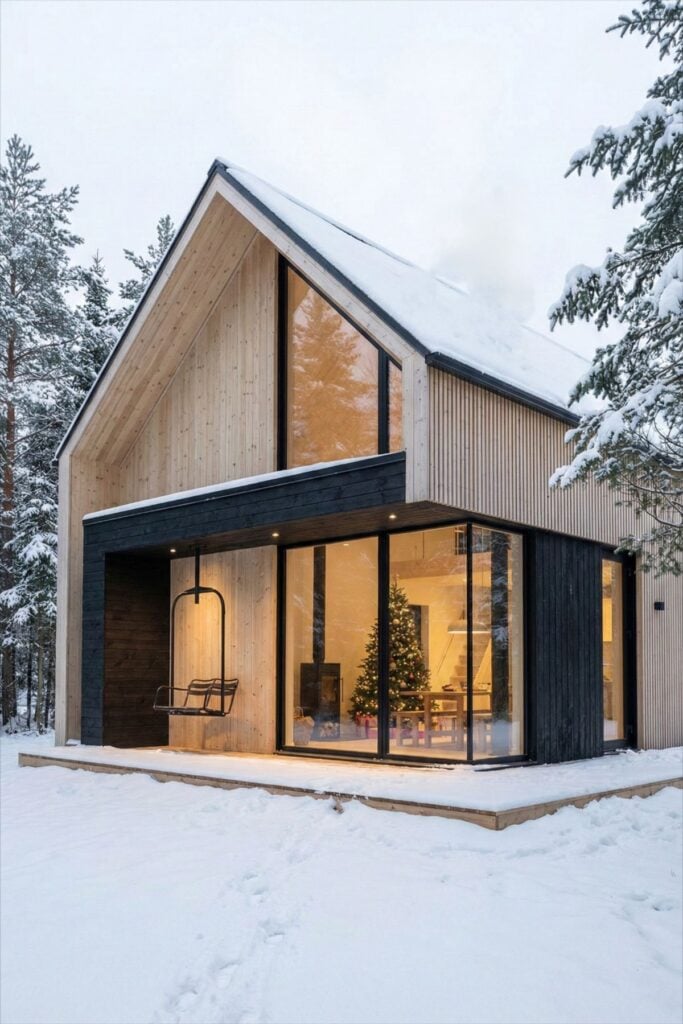
Global Influence
Scandinavian architectural principles influence:
- Residential design worldwide
- Office and workplace layouts
- Sustainable urban planning
Minimalist interiors, open plans, and biophilic design trends all trace roots back to Nordic thinking.
Urban Planning and Cities
Nordic cities prioritize:
- Walkability
- Public transit
- Green spaces
- Mixed-use neighborhoods
Architecture supports social interaction rather than isolation.
Technology Meets Tradition
Modern Scandinavian architecture integrates:
- Smart home technology
- Modular construction
- Carbon-neutral building practices
while maintaining warmth and human connection.
Frequently Asked Questions About Scandinavian Architecture
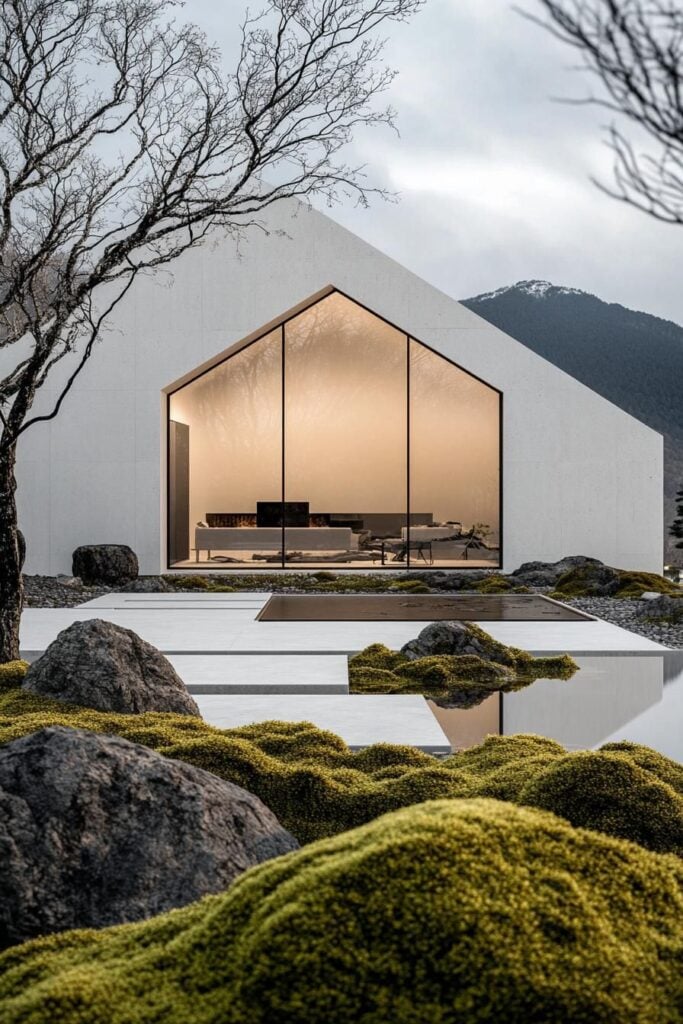
What defines Scandinavian architecture?
Simplicity, functionality, natural materials, sustainability, and strong connections to nature.
Why is Scandinavian architecture so popular?
It creates calm, livable spaces that balance beauty with practicality and environmental responsibility.
Is Scandinavian architecture the same as minimalist design?
Minimalism is a component, but Scandinavian architecture also emphasizes warmth, texture, and comfort.
What materials are most common in Nordic architecture?
Wood, concrete, stone, and glass—often sourced locally.
How does climate influence Scandinavian architecture?
Designs maximize insulation, daylight, and energy efficiency to adapt to long winters and cold temperatures.
Scandinavian design becomes easier to identify when you compare its restrained materials and climate response with the features in this guide to historic and modern architectural styles.
Final Thoughts: Why Scandinavian Architecture Endures
Scandinavian architecture is not a trend—it’s a philosophy. Rooted in climate, culture, and social values, it proves that buildings can be functional, sustainable, and deeply human at the same time.
As the world moves toward greener, more people-centered design, the principles developed in the Nordic countries continue to offer a blueprint for the future of architecture.
- 2.0Kshares
- Facebook0
- Pinterest2.0K
- Twitter0
- Reddit0