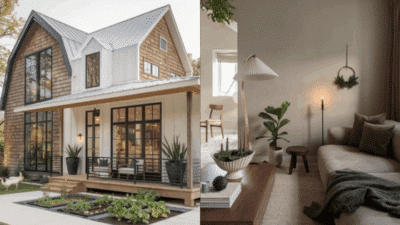
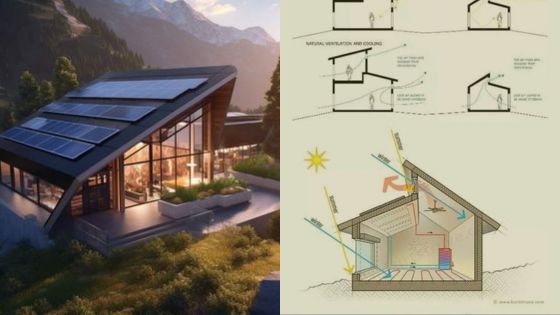
When it comes to home design, mixing old and new can create a beautiful and interesting look. It takes a lot of thought and planning to preserve the charm and character of an old house while adding modern upgrades that fit its style. In this article, we’ll discuss useful tips and creative ideas for incorporating modern elements into older homes. We’ll try to find a balance between keeping the past and enjoying the comforts of the present.
- Work with the Original Features, Not Against Them
- Make a Statement with Modern Additions
- Consider Colour and Paint
- Choose the Furniture Wisely
- Choose Materials That Harmonise Old and New
- Use Wallpaper & Textures to Add Depth
- Light and Space for a Modern Touch
- Respect the Home’s Proportions
- Design Cabinetry That Feels Both Unique and Traditional
- Conclusion
Work with the Original Features, Not Against Them
Start projects with paint analysis. It’s like doing a bit of a forensic examination, so you can reveal the home’s true colour story and its changes through the major renovations during each architectural period. Focus on the inherently restoring process, where you see the different times the building was renewed and re-imagined by its owners, rather than getting the right number and details for a historical re-creation.
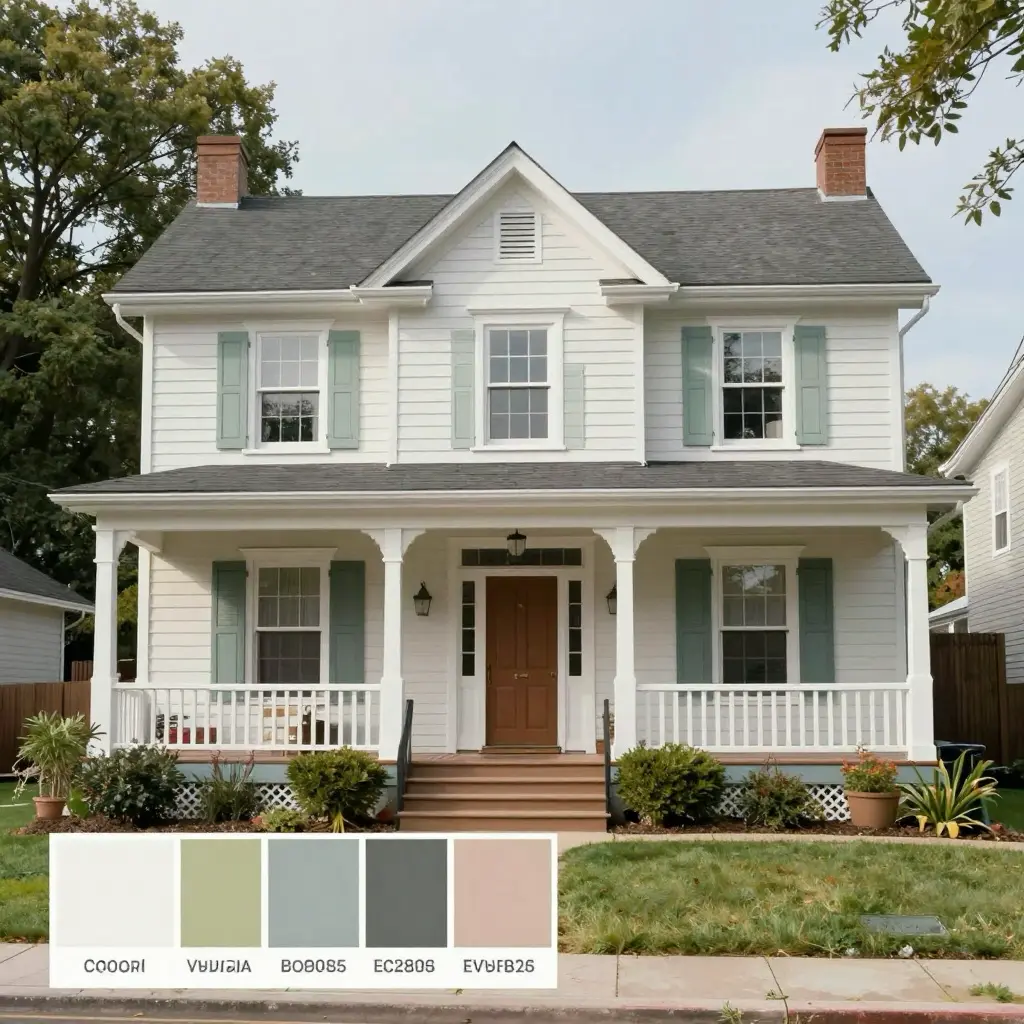
Use the findings to uncover original colour schemes that may be covered under multiple layers of later paint, allowing you to colour unify the different periods of the home. Ensure the process is documented so the current owner can appreciate the history of their home, while also improving the home’s resale and local historical value.
Careful restoration like this often depends on having the right equipment to work gently and precisely with historic materials. Lightweight cordless power tools allow for controlled paint removal, delicate surface preparation, and small-scale repairs without the intrusion of trailing cables or overly aggressive machinery, an important consideration when working around fragile, original features.
Make a Statement with Modern Additions
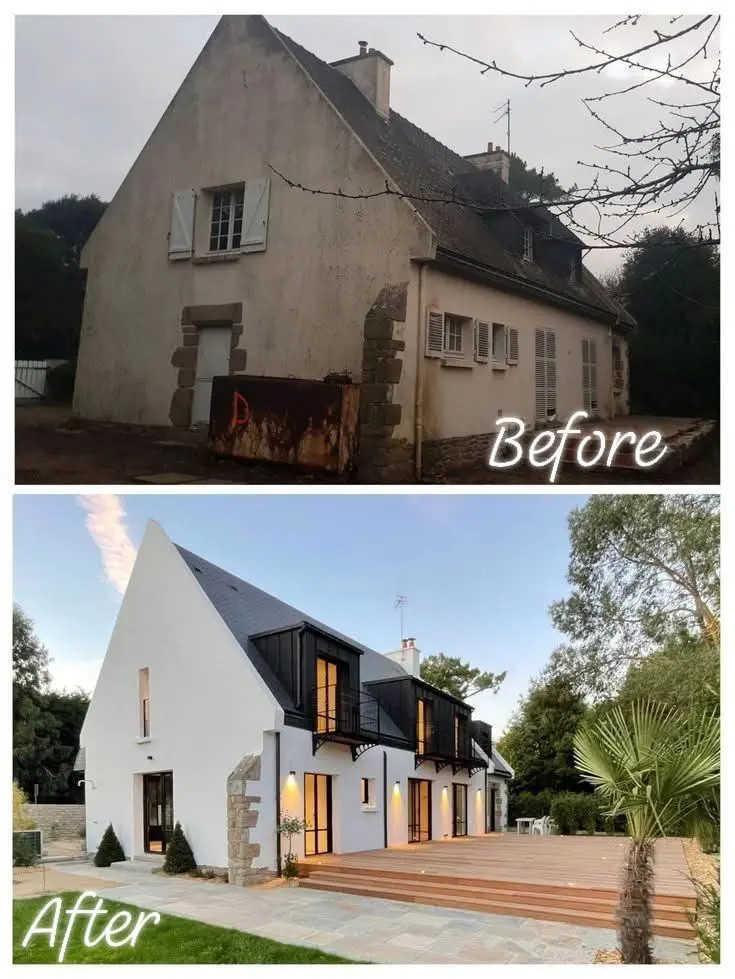
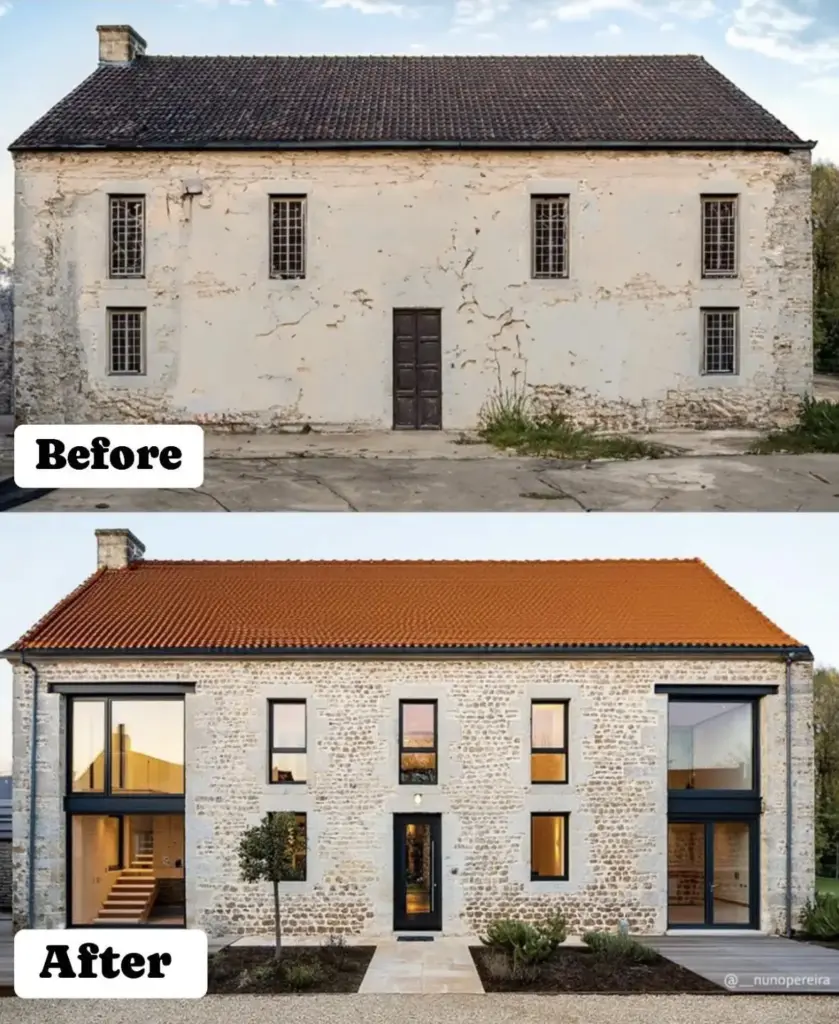
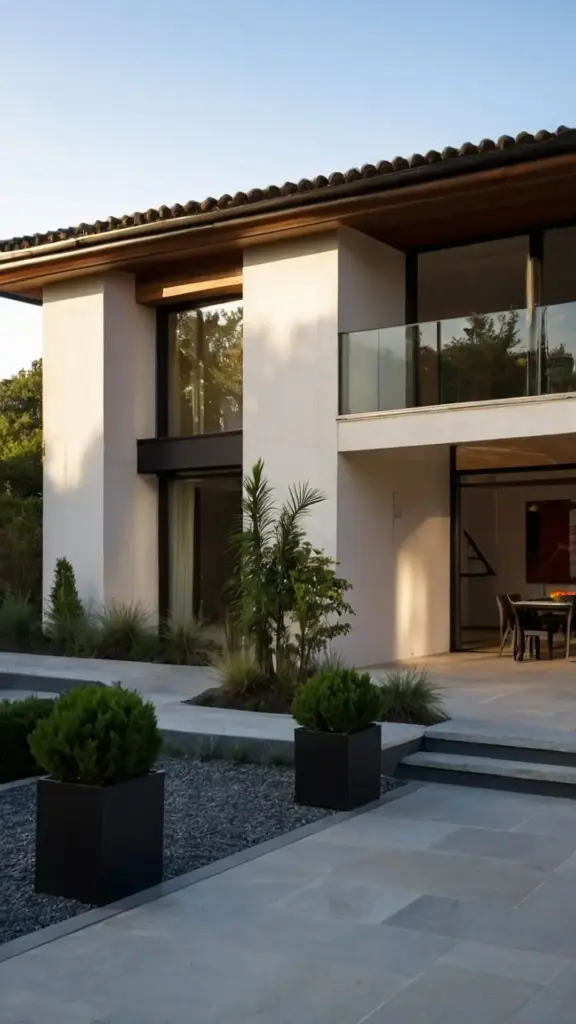
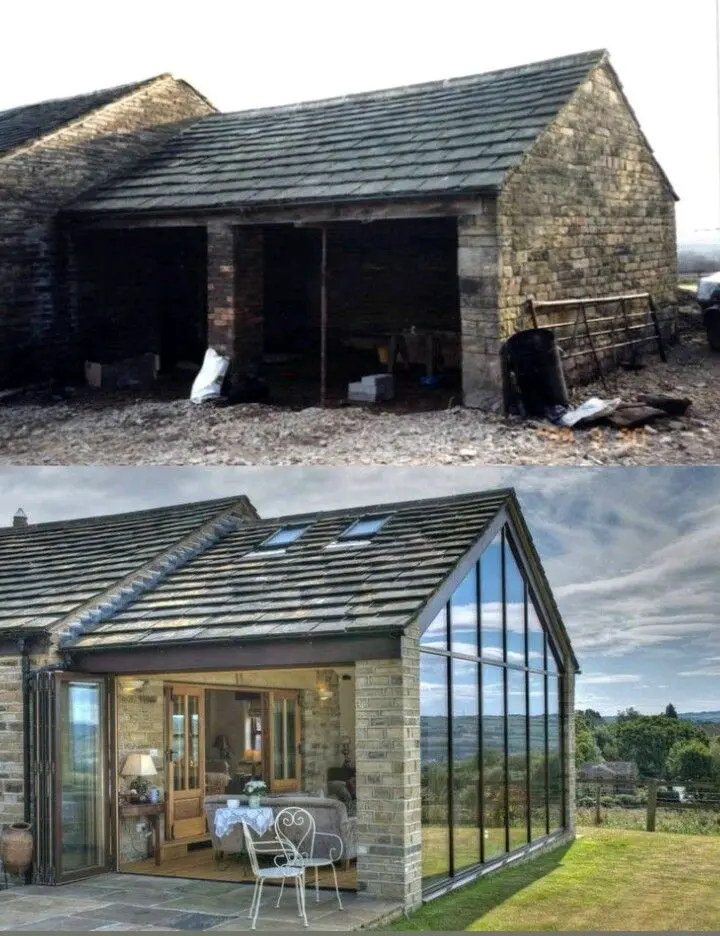
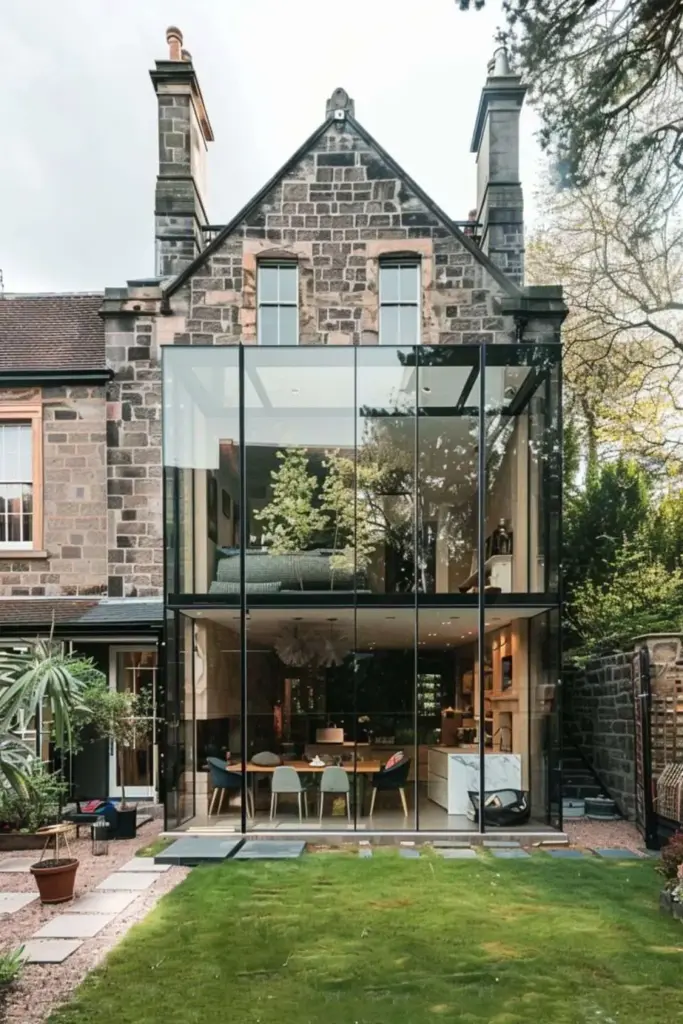
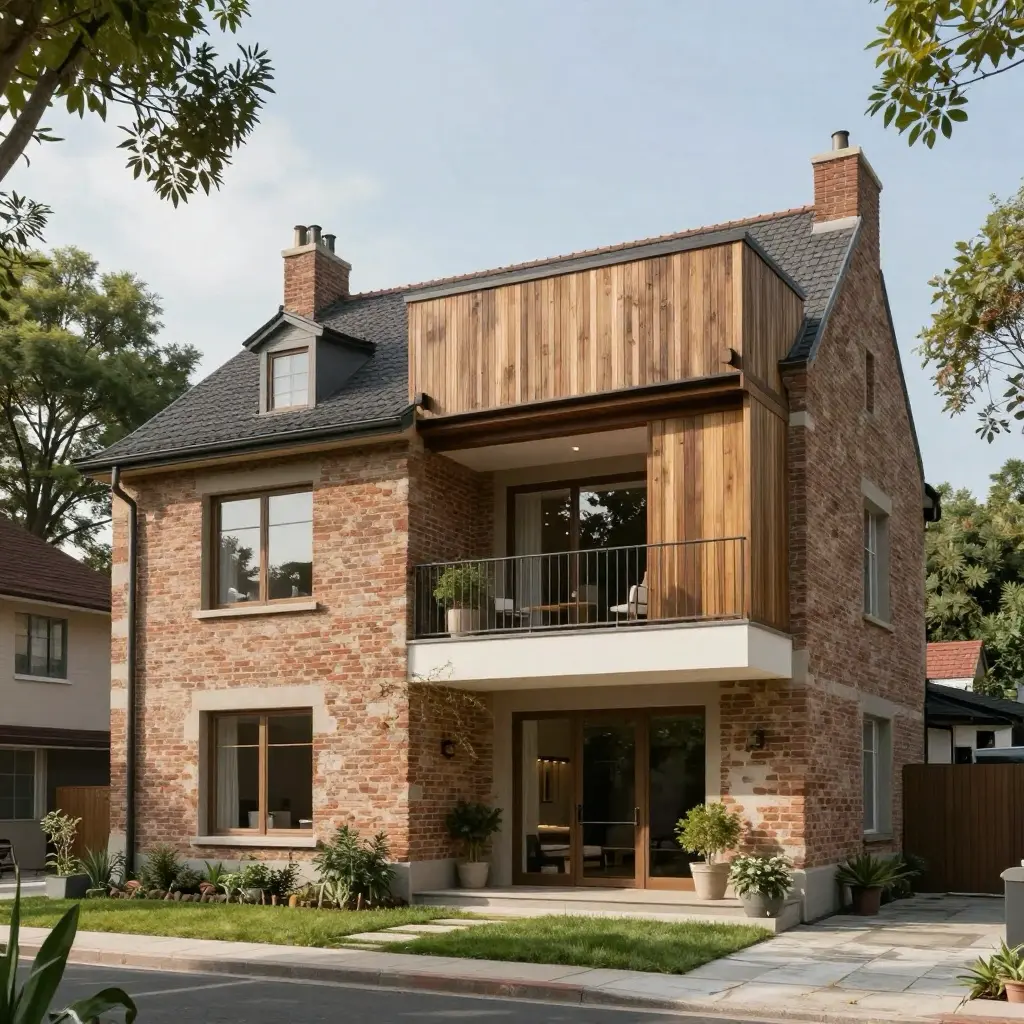
Our go-to advice is to do modern additions at the back of your old house. Most preservation commissions are strict about the historical architecture of old houses’ facades. However, the back isn’t as historically regulated as the front, so you have a little more freedom and wiggle room there to make stylistic changes. If you have a family room or an open-plan area, you can modernise it at the back of the house without risking disapproval from the commission or disrupting the flow of the old house’s historical architecture.
For example, installing modern energy-efficient windows and updated wiring doesn’t have to be visible from the outside. You can even embed updated architectural features: original or traditional-looking doors and Hardware through and through with modern features cleverly hidden. We also try to place the most contemporary elements in the back or inside the structure, where fewer codes apply. This keeps the historical and traditional looks intact on the front and outside, where it’s most visible.
Behind the scenes, achieving these discreet upgrades often comes down to efficiency and access. Using modern cordless power tools enables trades to work cleanly within confined or sensitive areas of older homes, helping integrate contemporary systems while minimising disruption to surrounding historic fabric.
Consider Colour and Paint
Colour can be your best friend or your worst enemy. We’ve seen some homeowners agonising over their Victorians, hoping to turn them into colourful Painted Ladies replete with bright pinks, aquas, and purples, only to realise that those colours look out of place in our neck of the New England woods, where earth-toned palettes have really stuck throughout the centuries. If you want to respect a home’s heritage, nothing beats the classic 19th-century colours. They are essentially a mixture of a range of hues known as earth colours, including ochres, deep greens, reddish browns, and other pigment colours available in the area where the home exists.
And if you’re worried about pairing lacquered or oil-painted antiques with modern finishes, a well-thought-out colour story can act as the great unifier between the two, as opposed to a disaster where the residence ends up looking like a furniture catalogue. My number one tip is to take cues from the history and context of the current residence to define your colour scheme.
Choose the Furniture Wisely
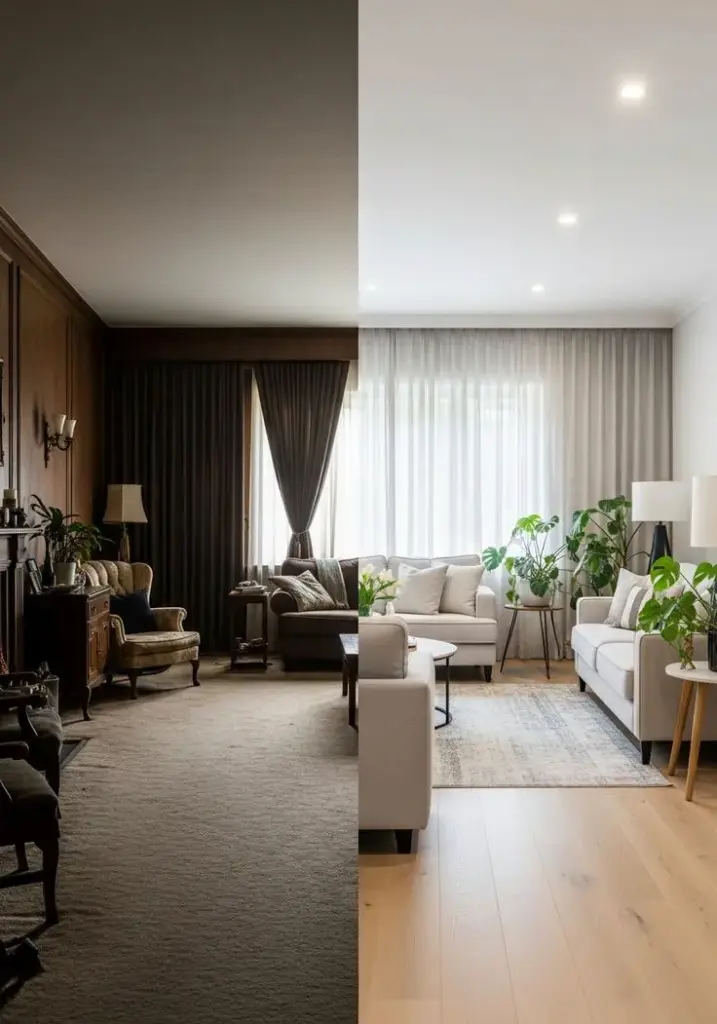
One of the easiest (and under-appreciated) touch-ups is to update old furniture with new legs and hardware. Replacing over-the-top brass ornate pulls with sleek chrome handles, or even adding quirky castors to antique pieces, is like “jewellery” for the home – it’ll make them very current without looking like someone tried too hard to erase their past. We did this with a client’s Edwardian sideboard, and those brushed brass knobs gave it just enough edge to make it relevant.
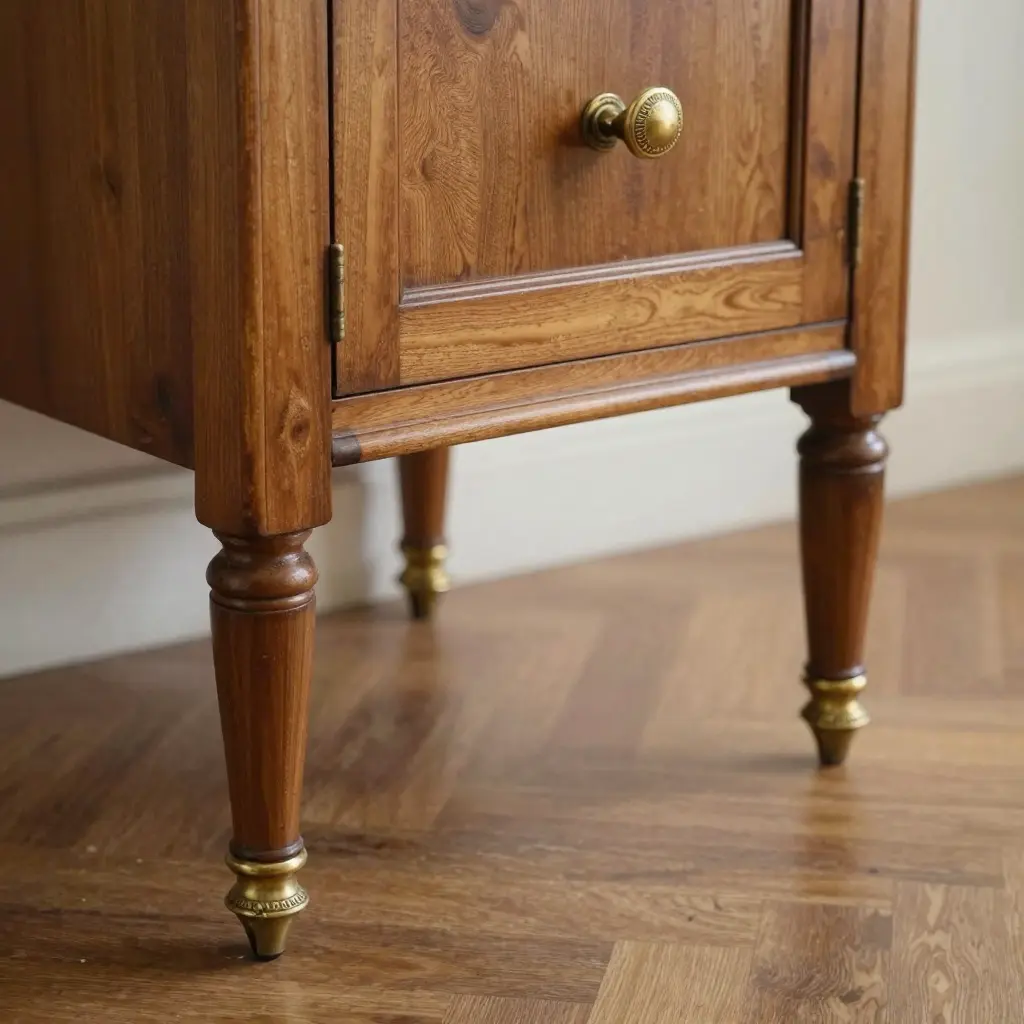
The piece is no longer an awkward old relic. For a curated effect, coordinate some elements you want to repeat across styles. Throw the same velvet throw on a Victorian armchair and on a modern sofa. Or place identical table lamps on either side of a room. These echoes give the eye something to “hold on to” to balance the linear mix quantifiably. The interplay is easier to achieve when you layer the lighter, current pieces upfront and place the more substantial heritage furniture at the back.
Choose Materials That Harmonise Old and New
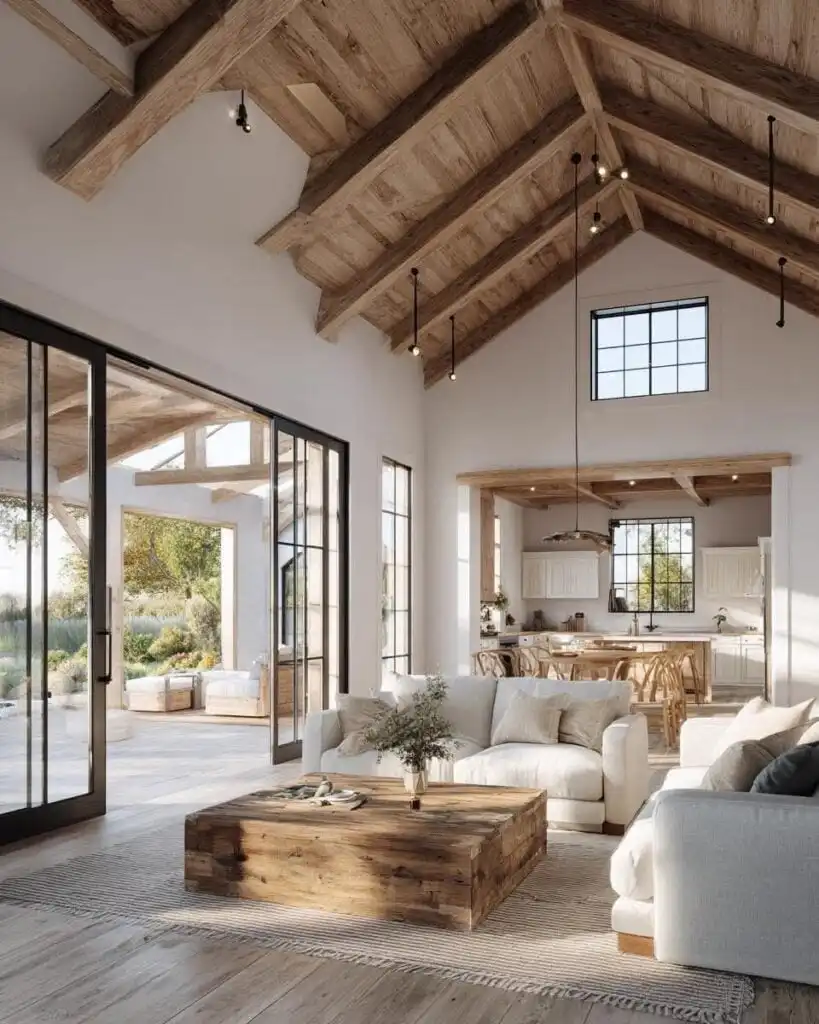
Bringing together English mahogany and unexpected modern accents is an excellent starting point. For a recent commission – a historic inner city apartment – we mixed traditional old house mahogany furniture and a wild zebra root to create a unique saturated theme with the green grasscloth walls. The design didn’t feel cluttered as you’d expect from such a combination, but instead, we felt a strong sense of connection with it. Nature-inspired colours and items act as a great bridge between disparate design elements.
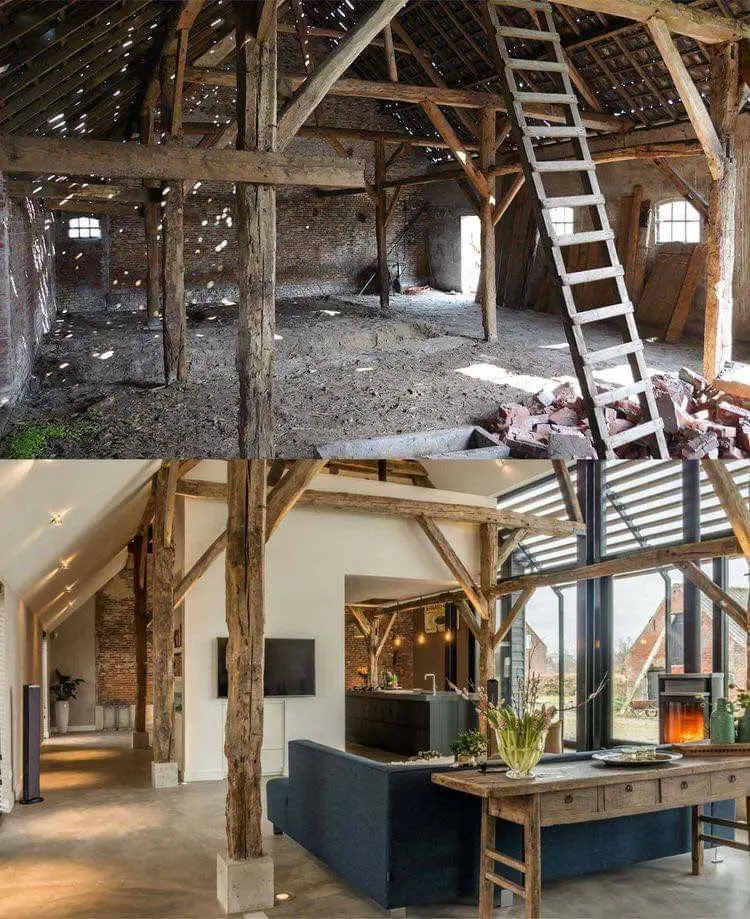
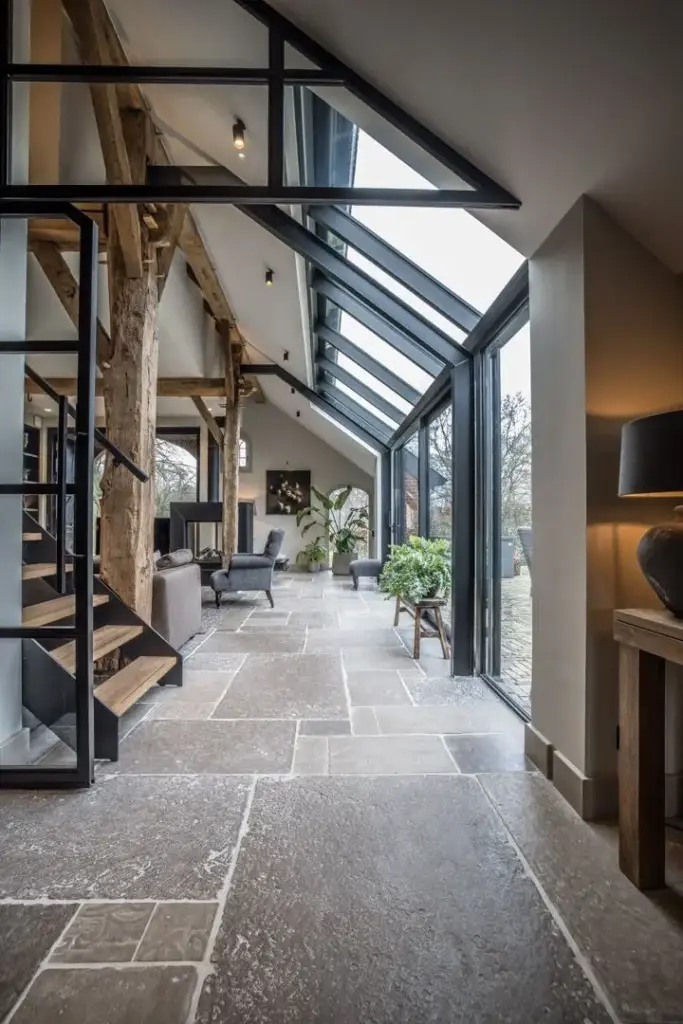
You can also add texture, depth, and dimension by mixing different metals and wood. Set a modern matte steel side table next to your vintage wooden chairs, or a copper lamp next to an original chimney in your home. This allows the modern and historic elements to complement each other without creating eyesores. Keep in mind: let one material lead and let the other contrast in texture and colour; then apply both sparingly as accents for cohesion.
Use Wallpaper & Textures to Add Depth
We usually recommend using natural fibre wallpaper. A textured wallpaper made from natural fibres such as grass, linen, or hemp adds an extra dimension and depth to a space. Because they’re natural, they look organic rather than over-the-top and “fussy.” A good trick is to install grasscloth wallpaper up a stairwell or on the back panel of built-in bookshelves, so you get nice shadows and depth that complement your period moulding or woodwork.
You can also wallpaper the ceiling, or the “fifth wall” as I like to call it. This way, you turn an often neglected part of the room into a focal point, so even if you have textured wallpaper on the ceiling, it won’t make your space feel cluttered because chances are, not a lot of people are looking up. But it’s important to note that the secret to avoiding your space from feeling busy or dated with textures is to keep your finishes in the same colour family. This prevents the room from looking crowded and doesn’t overwhelm the space the way busy wallpapers can, which makes period rooms feel small and dated.
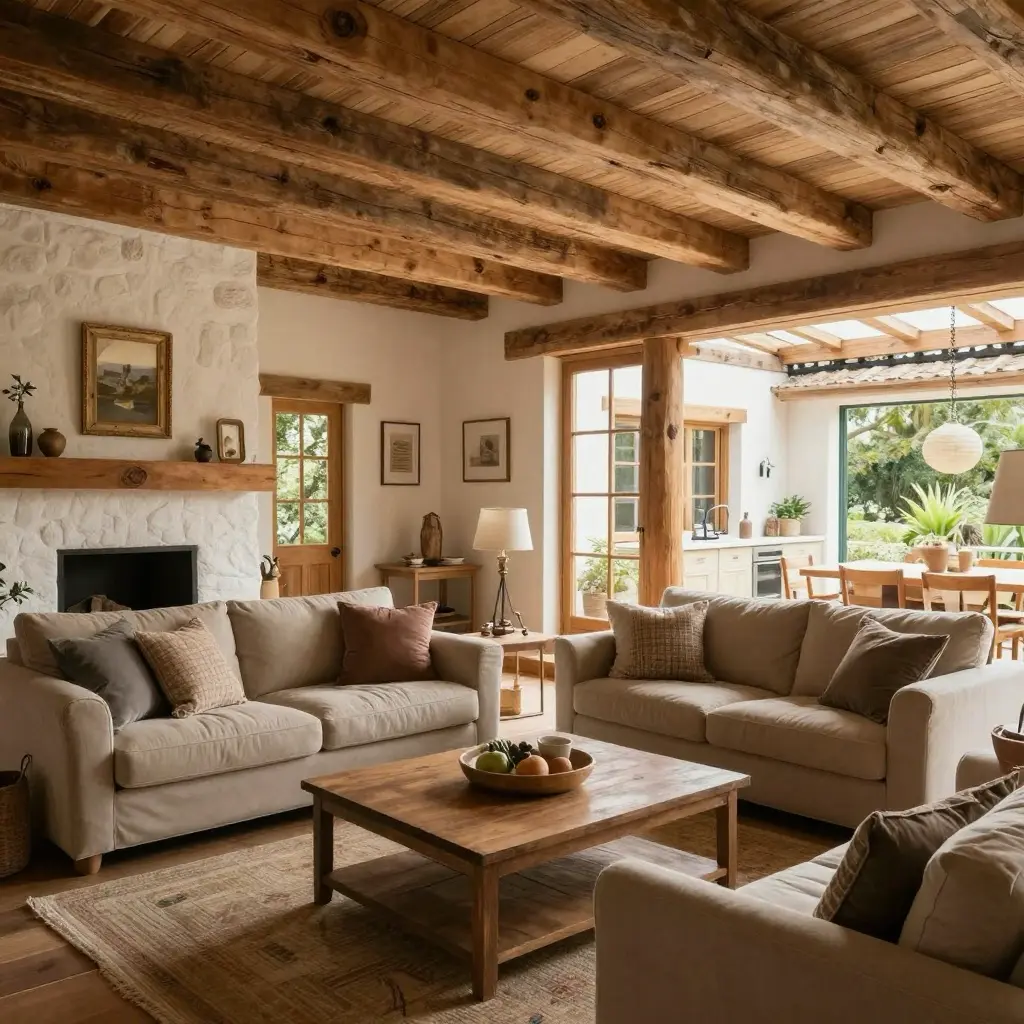
Light and Space for a Modern Touch
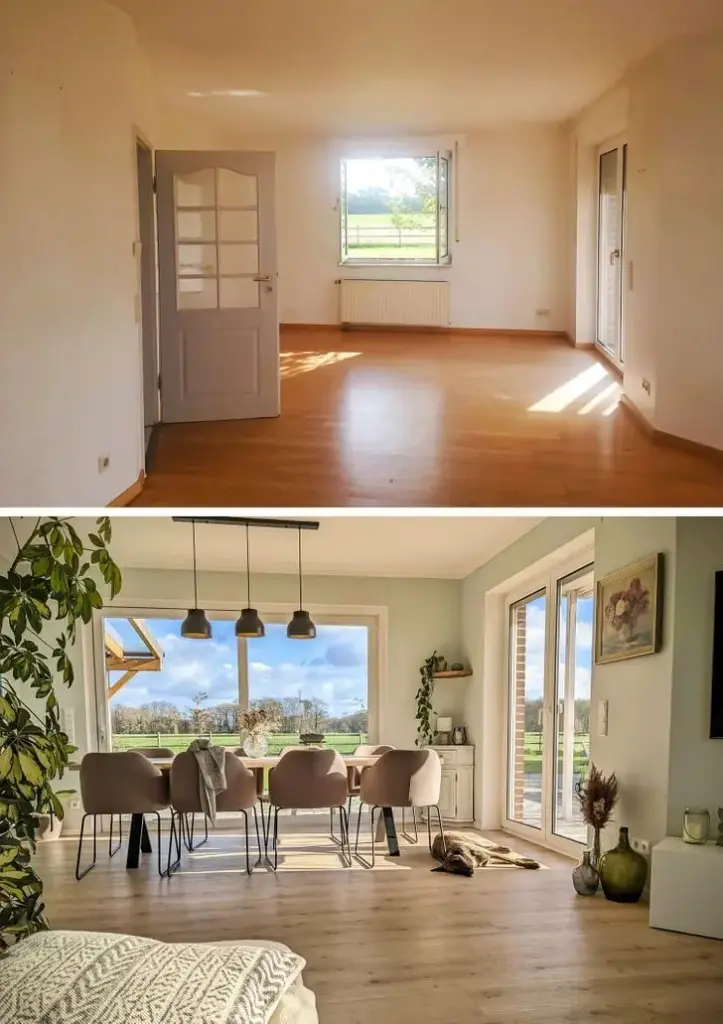
A common misconception is that increasing natural light into a period home requires altering external façades and adding oversized picture windows, which is absolutely not allowed for listed homes. Instead of focusing on taking in more light from the outside, we find that maximising the existing natural light within the property, particularly through internal layouts, works best for these types of homes. Reconfigured internal layout shouldn’t simply mean moving walls, as this affects the character and composition of older homes.
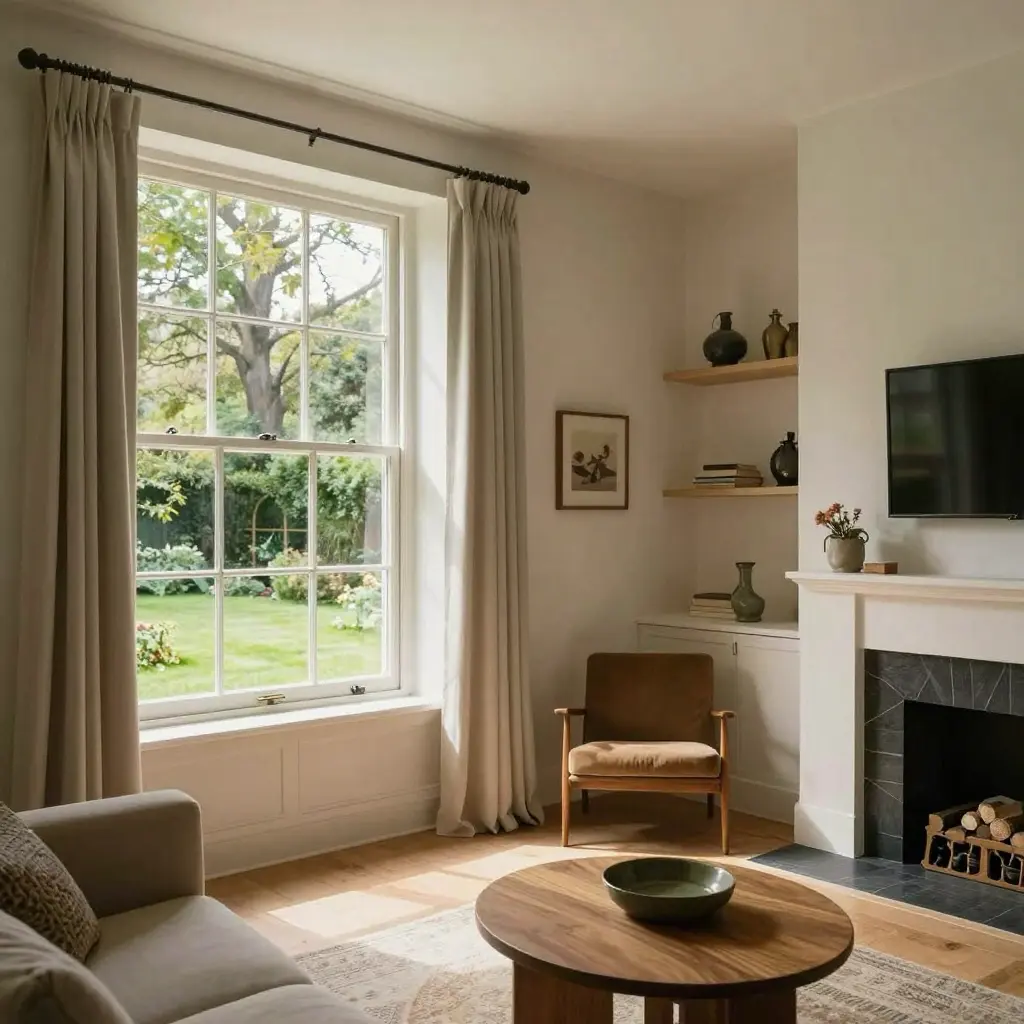
What we did in our projects is to install creative joineries and internal windows in place of walls – separate spaces but connect them visually. In one of our projects with a 1910’s townhome, we installed floor-to-ceiling bookcases with integrated frosted glass running between the kitchen and dining area. It helped retain both rooms’ original proportions, borrow light and views from one space to the other, and create an overall cohesive look inside the home. The impact on the flow of the family home and the natural daylight felt in each space was definitely tangible, and we didn’t even have to touch the protected external structure of the property.
Respect the Home’s Proportions
Overdoing it is how you end up with not very charming, awkward hybrids. We’ve had our hands in a few properties where it was clearly a white box interior trend gone wrong. Authentic trim was removed to make way for more linear proportions, only for them to come out horribly out of place. These conversions are notorious for fetching lower prices on the housing market because they rarely appeal to potential buyers who are often put off by the shapeless, characterless vibe of such homes.
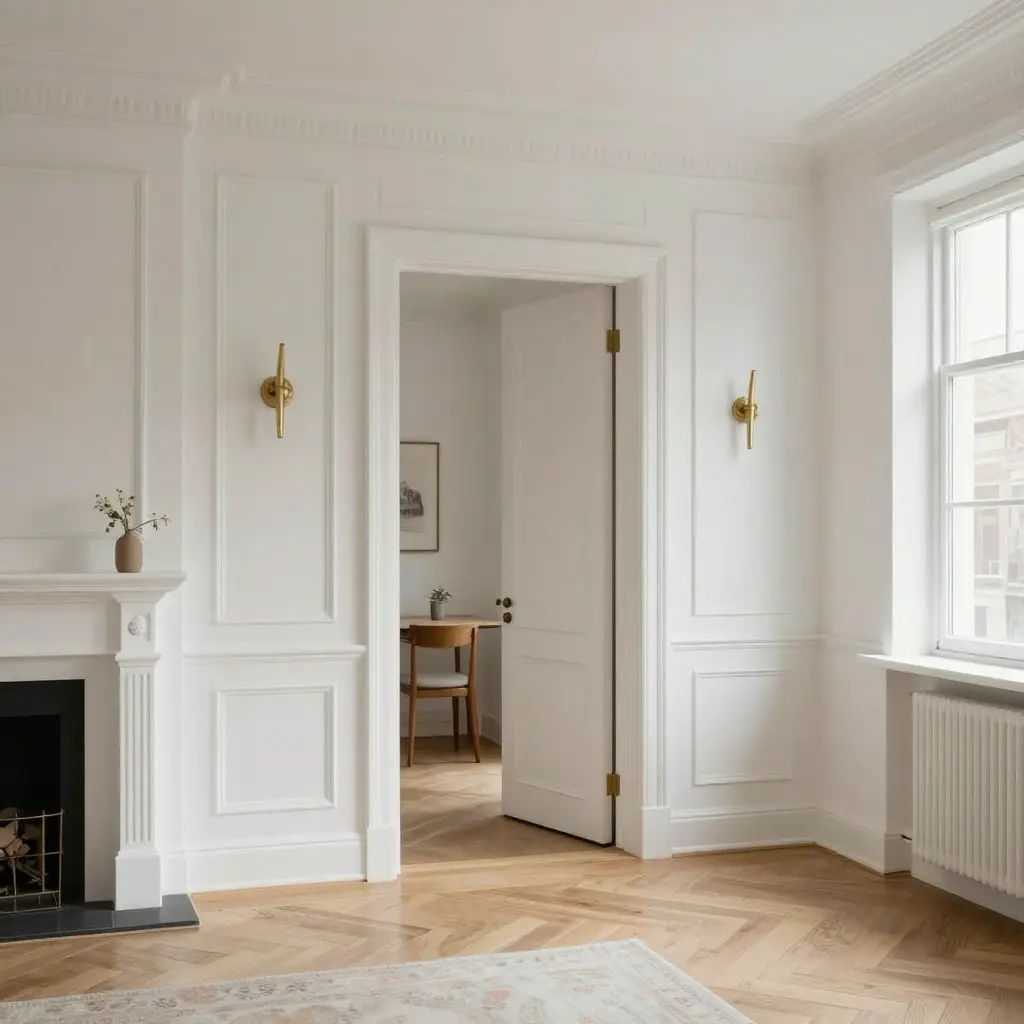
One of the major modern-period blended interior design secrets we’ve been able to take advantage of and develop is creating customised millwork and cabinetry that follow the same contours as original mouldings before they are removed due to decay, creating built-in shelving that better suits the new layout of the room. This way, the architectural details characteristic of the old home are kept intact.
The home retains its traditional architectural details because you have to replicate the old profiles in your new structures to blend them in perfectly. People will call them modern, but they won’t be able to tell they’re not original to the home. It’s this integrity that adds value to traditional homes and enhances price when combined with modern features that make the home more habitable.
Design Cabinetry That Feels Both Unique and Traditional
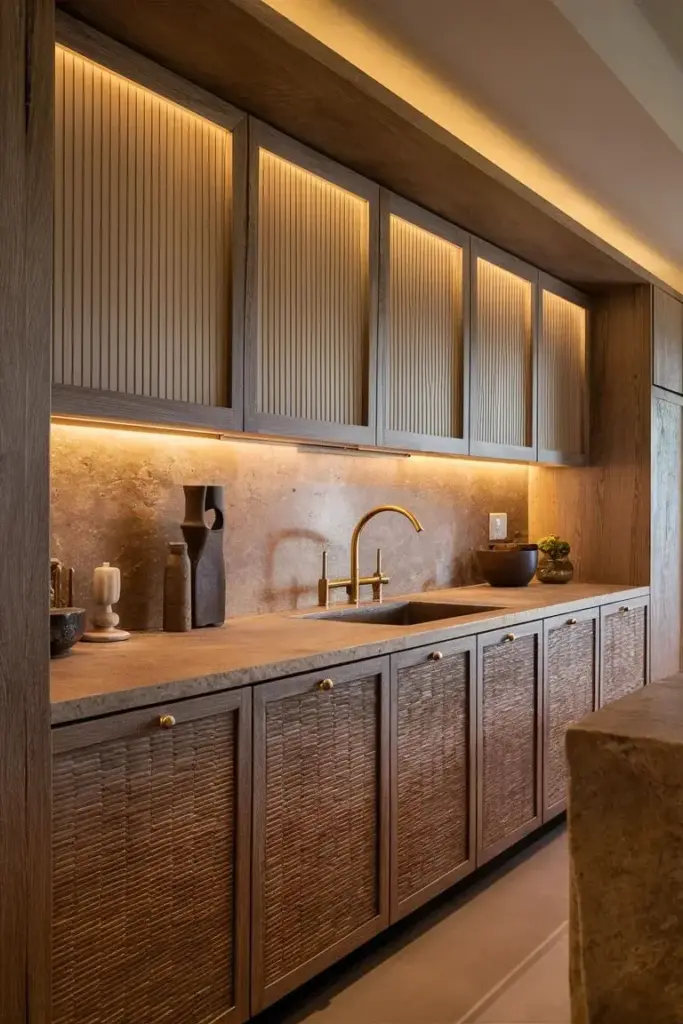
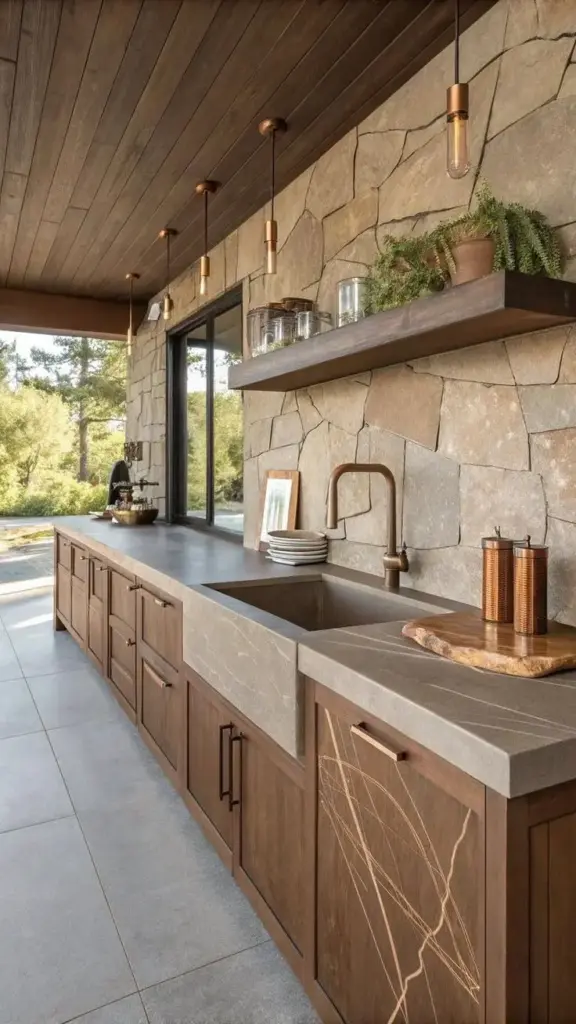
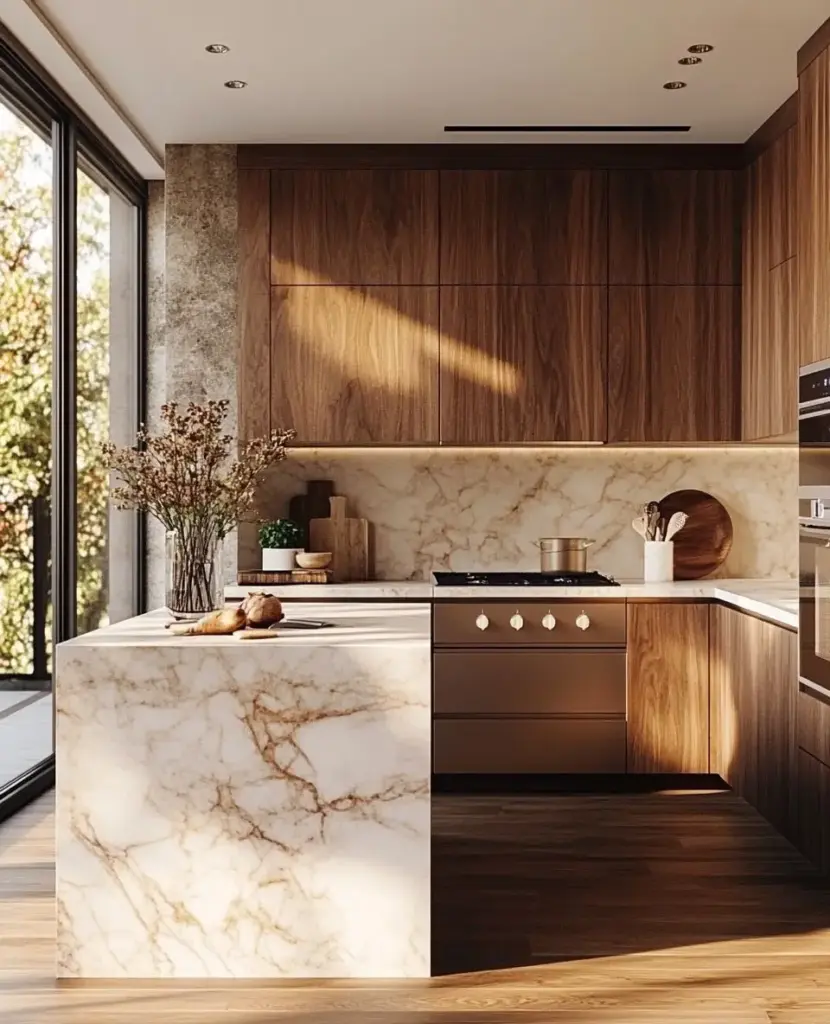
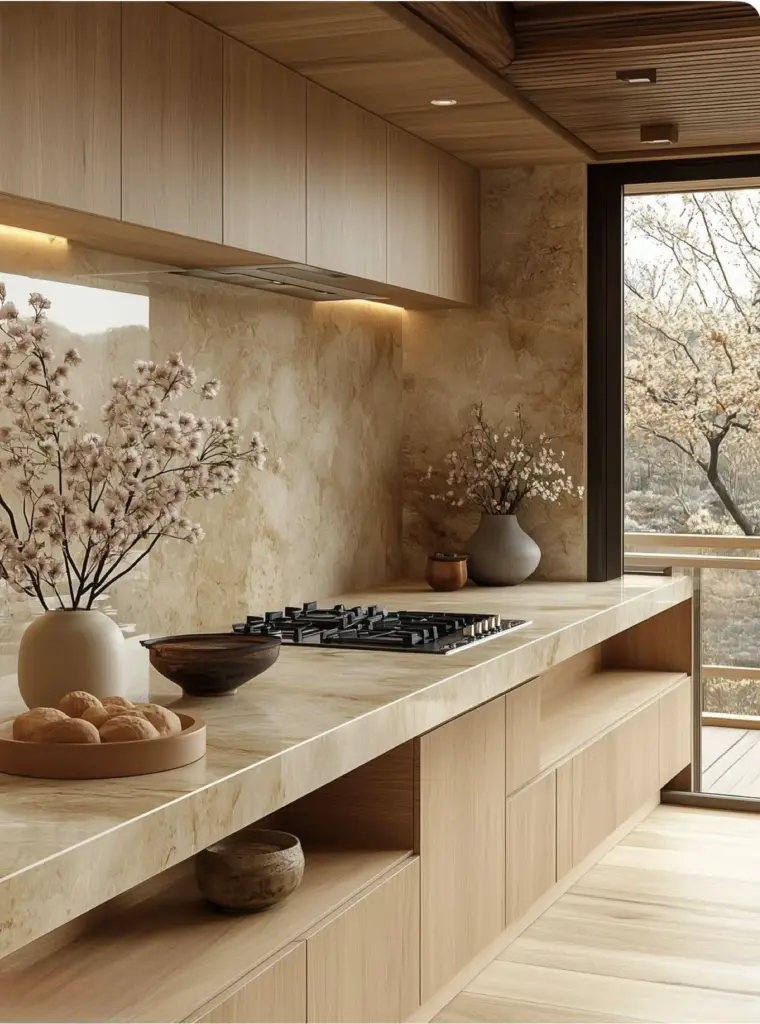
Modernity’s uniform cabinetry runs are ditched in favour of breaking the kitchen into separate built pieces that look like 3 or 4 distinct pieces of antique furniture, such as a corner cupboard in salvaged pine, a sideboard in paint, and a hutch in natural oak. Kitchens are designed and built with completely separate units of cabinetry that make the entire cabinetry arrangement seem like an accumulation of cabinets, built and installed at different times rather than in the same weekend. This means there are no dead straight runs, and instead of one long continuous stretch of counter, you get two segments, often with two soapstone counters and a wood prep counter in between, which evoke more old-world vibes.
The cabinetry design benefits from the natural perfection of asymmetry. Upper shelves may be slightly out of line with the lower shelves, differing widths are used for rails and stiles; and small on-counter cabinets may not line up with the base below. These little touches create an overall imperfection that adds authenticity.
Layering is very important. Cabinetry moves from furniture-grade details with olive liftoff hinges and fully inset custom door profiles, to exposed butt hinges, and finally to minimal European hinges. Overlay doors are never used, and hardware is traditionally placed about 2/3rds of the way up on a door or drawer.
Conclusion
In the end, living with an older home often means living with concerns that newer builds simply don’t have – uneven floors, ageing systems, or structural quirks that can feel overwhelming at first. The goal is to approach these issues with patience and respect for the house rather than frustration.
Start with a thorough assessment, prioritise repairs that protect the structure, and choose thoughtful upgrades that work with the home’s original fabric. This way, you can solve real problems without sacrificing character. Older homes don’t need to be “fixed” all at once. They need informed decisions that balance safety, comfort, and heritage, allowing them to remain both livable today and meaningful for the years to come.
- 654shares
- Facebook0
- Pinterest654
- Twitter0
- Reddit0