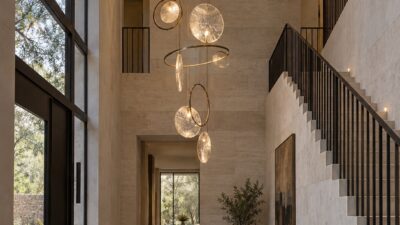
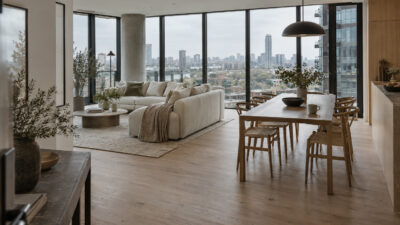
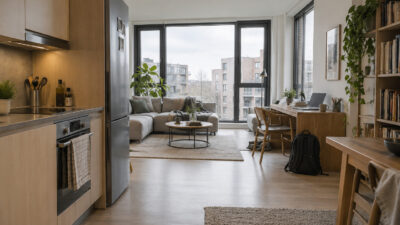
Interior design is experiencing a meaningful shift. More homeowners and designers are moving away from purely aesthetic-driven choices and embracing spaces that feel grounded, restorative, and environmentally responsible. Nature-inspired and sustainable interior design trends focus on creating homes that not only look beautiful but also support well-being, longevity, and a stronger connection to the natural world. From organic materials to calming color palettes, these trends reflect a growing desire for balance, authenticity, and mindful living.

Why Nature and Sustainability Are Influencing Interior Design
As daily life becomes increasingly fast-paced and digitally driven, interiors are evolving into sanctuaries that offer comfort and calm. Nature-inspired design brings the outdoors in, using colors, textures, and materials that feel familiar and soothing. Sustainability adds another important layer, emphasizing responsible sourcing, durability, and reduced environmental impact.
This approach to design prioritizes quality over excess. Instead of frequent updates driven by fleeting trends, homeowners are choosing pieces and layouts that feel timeless, functional, and connected to the environment. The result is a home that supports both personal well-being and broader ecological responsibility.
Earthy Color Palettes That Ground a Space
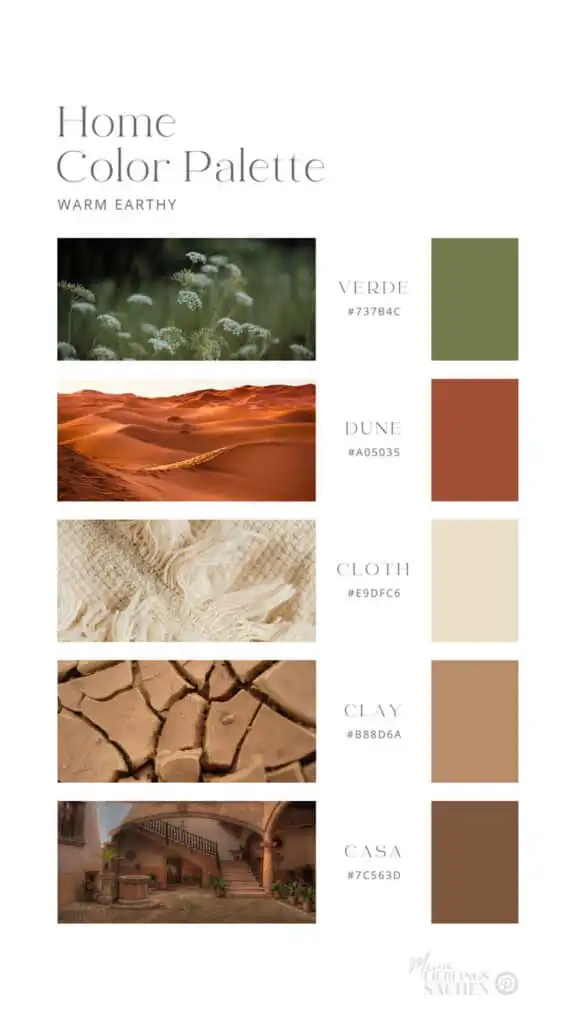
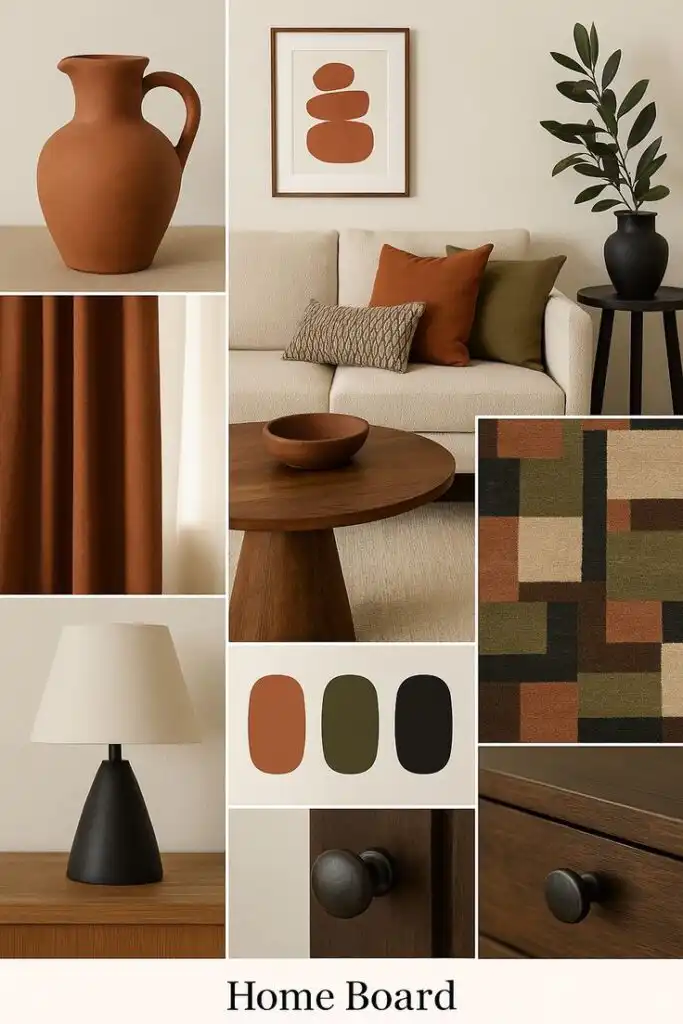
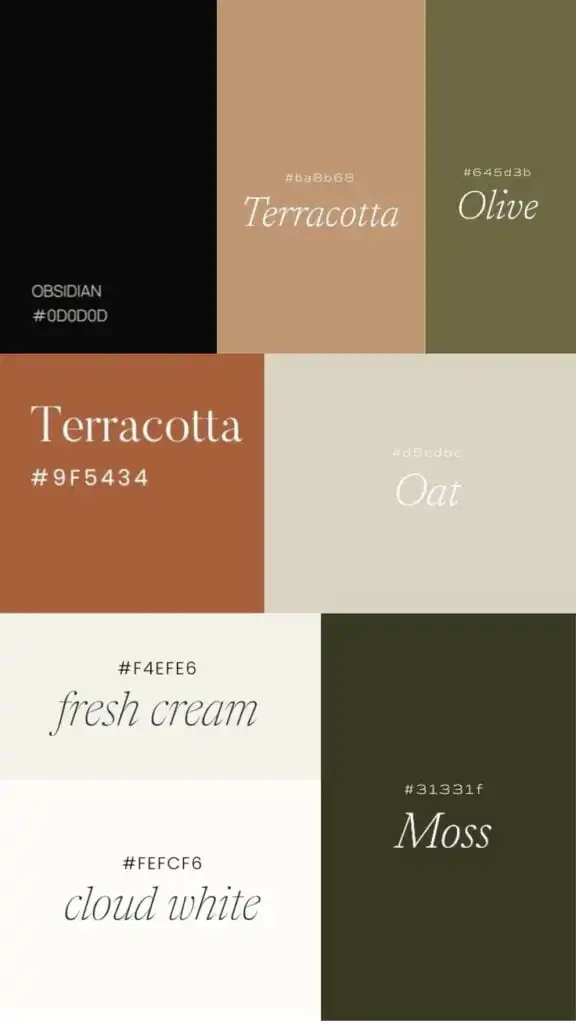
Color plays a central role in nature-inspired interiors. Earthy tones such as clay, sand, olive, rust, and warm browns create a grounded foundation that feels inviting and calm. These hues reflect landscapes found in nature and help spaces feel cohesive and balanced.
One standout influence making a strong return is from the 70’s, which is a design scheme of plush textures, rich earthy hues, and various natural materials. This updated take on retro style feels sophisticated rather than nostalgic, blending warm color palettes with modern silhouettes and sustainable finishes. When used thoughtfully, these colors add depth and personality without overwhelming a space.
Natural Materials That Add Warmth and Texture
Sustainable interior design places a strong emphasis on natural materials. Wood, stone, clay, linen, wool, and rattan are being used not just for their aesthetic appeal, but for their durability and low environmental impact when responsibly sourced.
These materials introduce texture and warmth, making interiors feel lived-in and authentic. Exposed wood beams, stone countertops, linen upholstery, and handcrafted ceramics all contribute to a tactile experience that feels organic and comforting. Mixing finishes and textures also helps create visual interest without relying on excessive décor.
Biophilic Design and a Stronger Connection to Nature
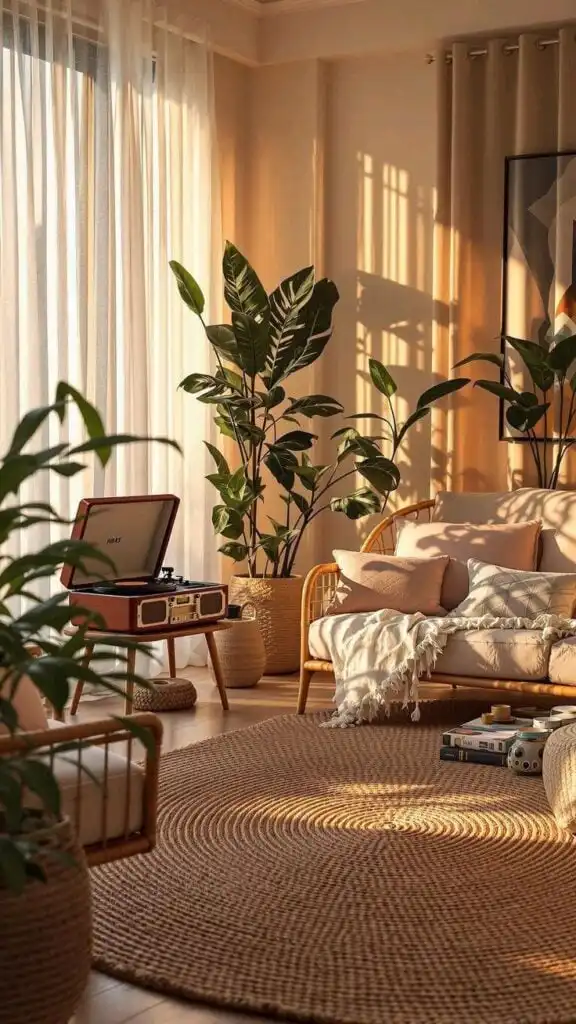
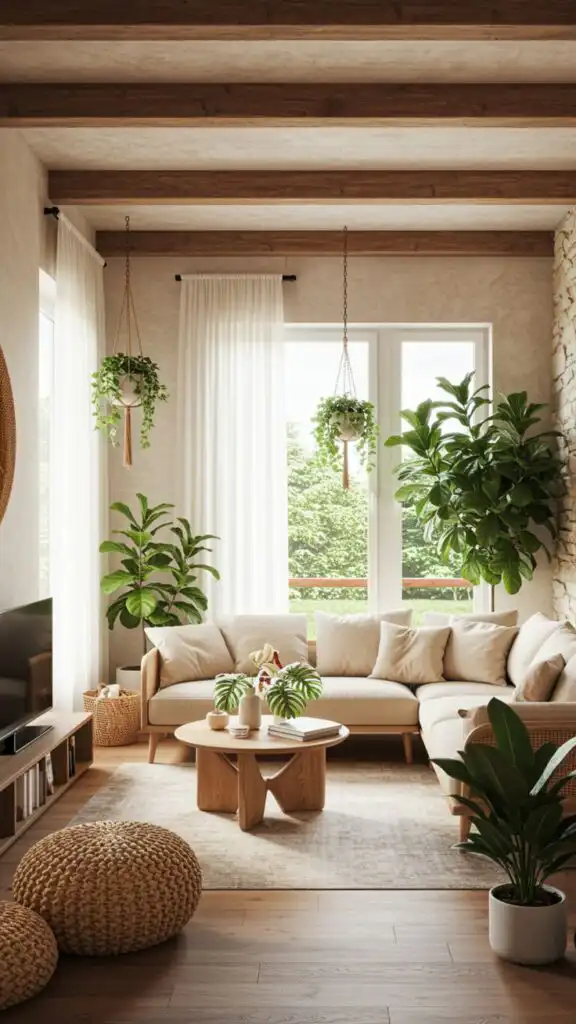
Biophilic design continues to gain momentum as homeowners recognize the benefits of incorporating nature into interior spaces. This design philosophy focuses on strengthening the relationship between people and their environments through natural light, greenery, and organic forms.
Large windows, indoor plants, natural airflow, and views of outdoor landscapes all support mental and physical well-being. Even in smaller homes, simple additions like potted plants, nature-inspired artwork, or natural fiber rugs can make a noticeable difference. These elements help create spaces that feel refreshing, calm, and restorative.
Balancing Clean Lines With Organic Shapes
Modern interiors often rely on clean lines and structured layouts, but nature-inspired design encourages balance. Organic shapes soften rigid spaces and add visual flow. Curved furniture, rounded lighting fixtures, and sculptural décor pieces help interiors feel more dynamic and inviting.If your space features many straight lines, adding some contrasting decor pieces like a round mirror can facilitate a more balanced look. This simple adjustment breaks up sharp angles and introduces movement, echoing the softer forms found in nature. The result is a space that feels thoughtfully designed rather than overly rigid.
Sustainable Furniture and Thoughtful Consumption
Sustainability in interior design goes beyond materials; it also influences how furniture is selected and used. Many homeowners are opting for well-made, long-lasting pieces instead of disposable or trend-driven items. Vintage and secondhand furniture are also gaining popularity, offering character while reducing waste.
Manufacturers are responding by creating furniture with responsibly sourced wood, low-VOC finishes, and ethical production practices. Modular and multifunctional pieces further support sustainability by adapting to changing needs without requiring replacement. These choices align with a more mindful approach to consumption and design.
Cool-Toned Naturals and the Rise of Calm Country Styles
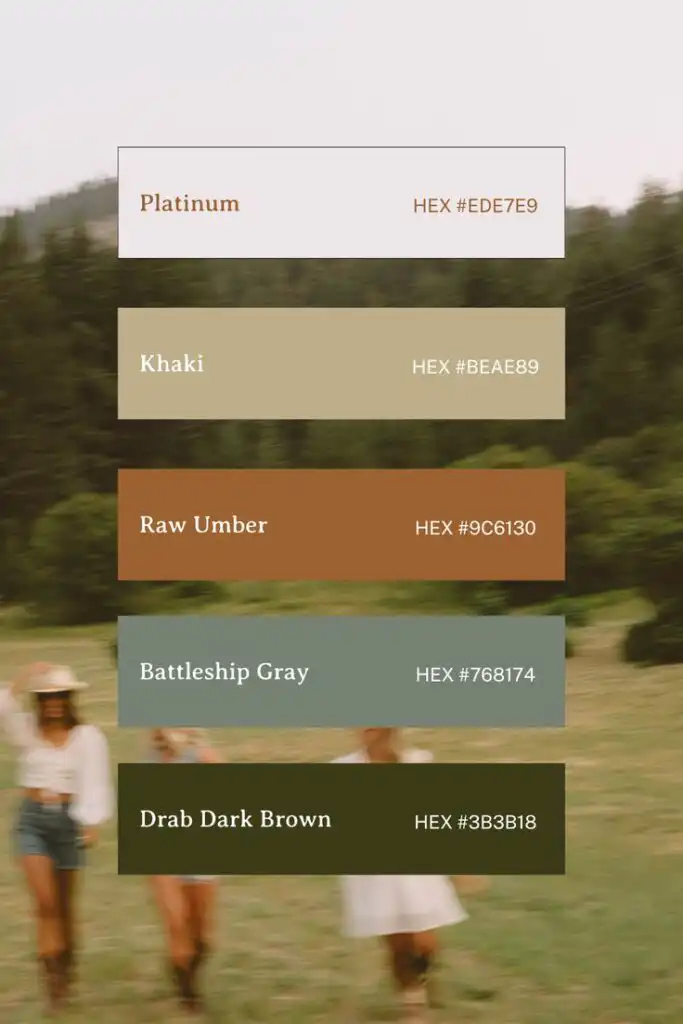
While warm earthy tones remain popular, cooler palettes inspired by nature are also emerging. These schemes draw influence from misty landscapes, coastal environments, and open skies. The Cool Country trend features a cool-toned palette, which includes white, grey, dusty blue, navy, and charcoal.
This style blends rustic charm with refined simplicity, creating spaces that feel relaxed yet polished. Natural wood accents, soft textiles, and subtle patterns prevent cool tones from feeling stark. The overall effect is a serene, breathable interior that feels connected to both countryside and contemporary living.
Handcrafted Details and Artisan Influences
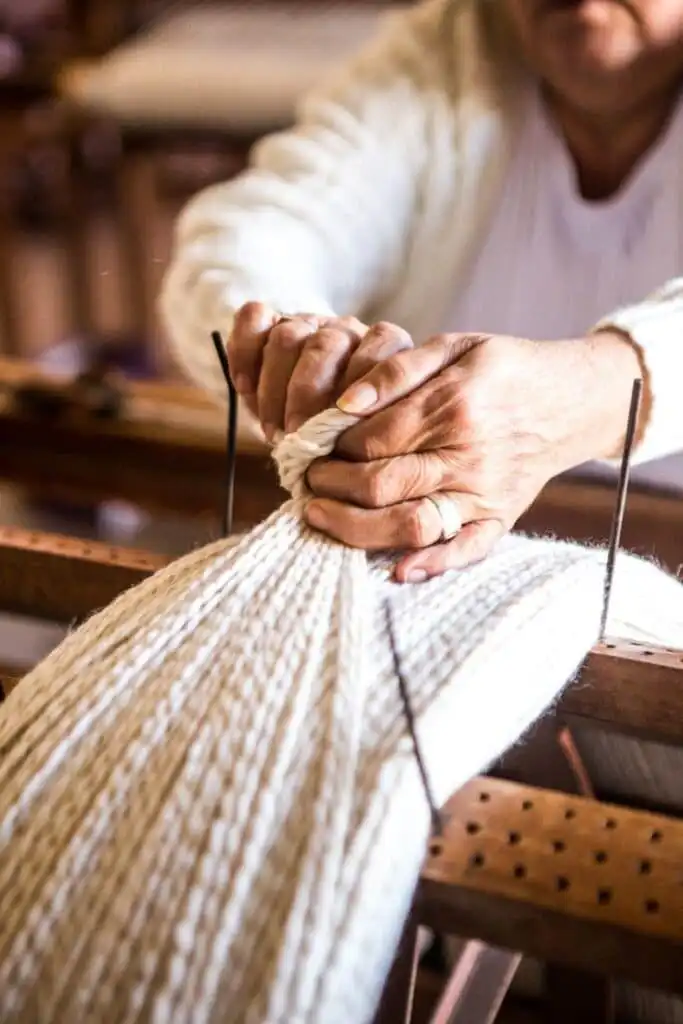
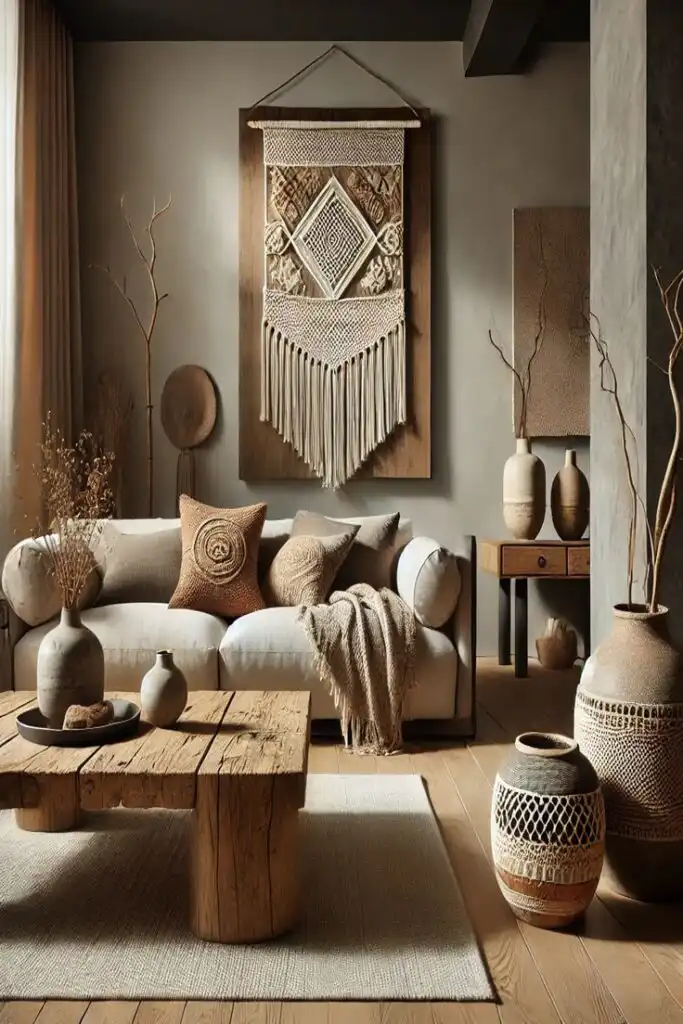
Nature-inspired interiors often highlight craftsmanship and individuality. Handcrafted décor items, artisanal tiles, and custom woodwork add character and authenticity to a space. These pieces tell a story and celebrate the human touch behind their creation.
Choosing handmade or locally produced items also supports sustainability by reducing mass production and transportation impacts. Even small details, such as hand-thrown pottery or woven wall hangings, can elevate a room and make it feel more personal and intentional.
Eco-Friendly Textiles for Comfort and Style
Textiles play a major role in creating comfortable, nature-inspired interiors. Organic cotton, linen, wool, and hemp are favored for their breathability, durability, and reduced chemical use. These fabrics feel soft and natural while contributing to healthier indoor environments.
Layering textiles through rugs, throws, cushions, and curtains adds warmth and depth. Neutral tones and subtle patterns allow these elements to complement the overall design rather than dominate it. The focus remains on comfort, simplicity, and timeless appeal.
Lighting That Mimics Natural Conditions
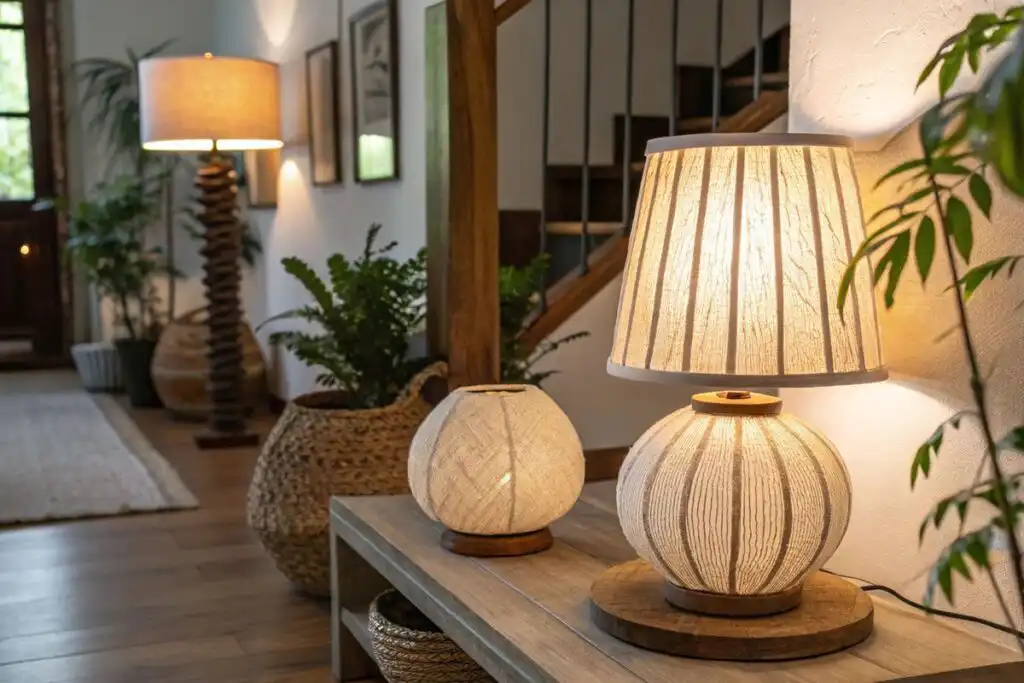
Lighting choices significantly impact how a space feels. Nature-inspired interiors favor lighting that mimics daylight and supports natural rhythms. Warm, diffused light creates a cozy atmosphere, while maximizing natural light helps interiors feel open and energizing.
Sustainable lighting options, such as LED fixtures and energy-efficient bulbs, reduce energy consumption without sacrificing style. Fixtures made from natural materials like wood, paper, or ceramic further reinforce the connection to nature.
By embracing natural materials, balanced forms, calming color palettes, and sustainable practices, interiors become more than just visually appealing. They become spaces that nurture well-being, respect the environment, and reflect a deeper connection to the world around us.
- 39shares
- Facebook0
- Pinterest39
- Twitter0
- Reddit0