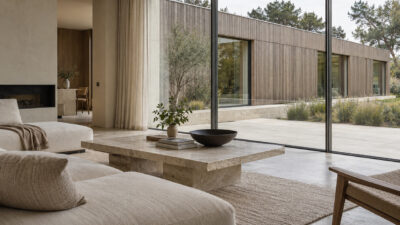
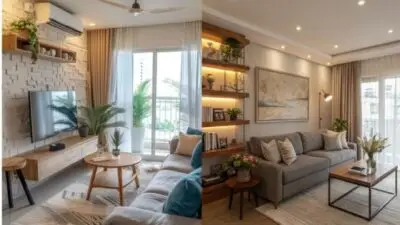
There’s a common myth in home improvement: if a space looks expensive, it must have been expensive to create. In reality, some of the most high-end homes achieve their look through smart decisions, restraint, and a deep understanding of how people experience space. The goal isn’t to renovate more — it’s to renovate better.
These home renovation tips focus on perception, proportion, and polish. They’re especially useful if you’re working with limited funds or if you’re exploring home renovation tips for beginners who want noticeable impact without costly mistakes.
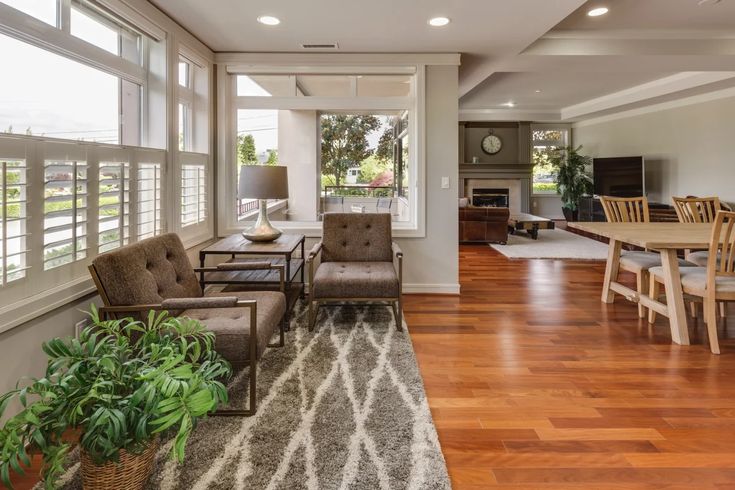
Start With How the Home Feels, Not What It Has
Luxury isn’t defined by how many features you cram into a house. It’s defined by how calm, cohesive, and intentional the space feels when someone walks in.
Before touching a wall or buying materials, take time to evaluate:
- Where does the eye naturally travel?
- What feels cluttered or visually noisy?
- Which areas feel dark, cramped, or unfinished?
High-end homes tend to have visual breathing room. That doesn’t mean empty — it means edited. Removing unnecessary elements often delivers more value than adding new ones.
This mindset alone can save thousands and prevent common beginner mistakes.
Exterior First: Curb Appeal Sets the Price Perception
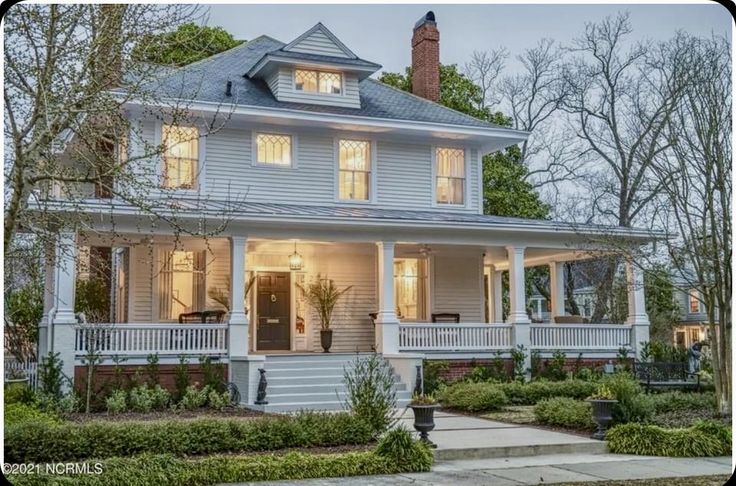
People subconsciously assign value to a home within seconds of seeing it. That judgment happens outside, long before they notice your kitchen finishes.
Improving curb appeal doesn’t require a full rebuild. Strategic upgrades do the heavy lifting:
- Clean, defined pathways
- Trimmed greenery with clear edges
- Consistent materials and colors
This is where insights commonly used by landscape architecture firms become relevant, even for small residential projects. Professionals understand scale, symmetry, and flow — principles that can be applied on a modest budget. Simple actions like aligning plant heights, framing entryways with greenery, or using one dominant material instead of three instantly elevate the exterior.
A well-composed front yard quietly signals quality before anyone steps inside.
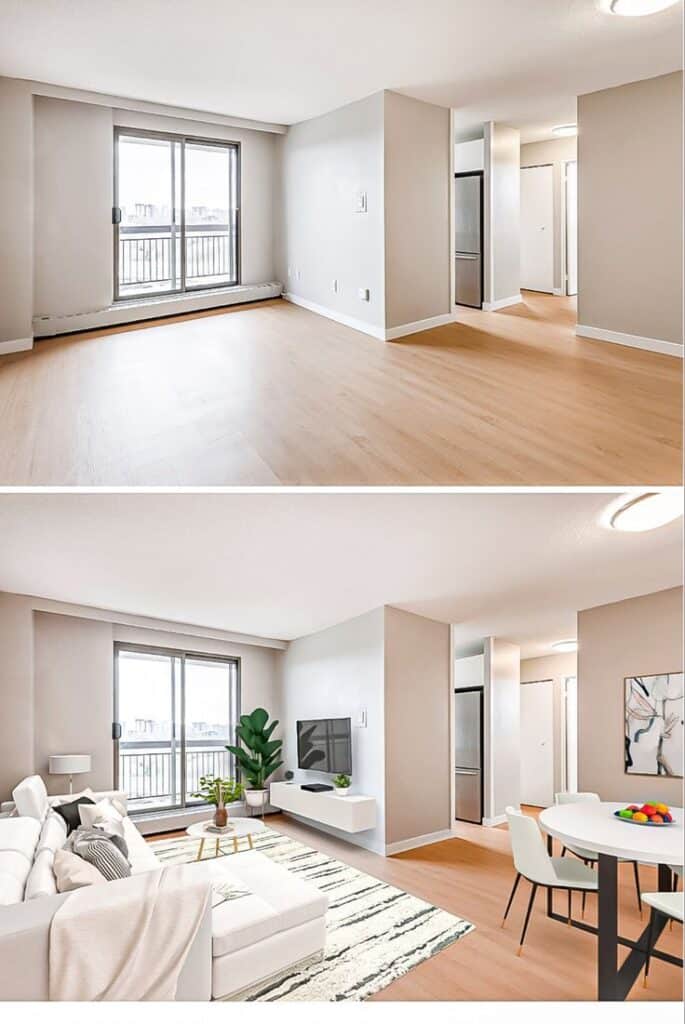
Paint Is Still the Highest ROI Tool — If Used Correctly
Paint is often recommended because it’s cheap. What’s less discussed is how paint is used in expensive homes.
The difference isn’t color — it’s consistency.
Upscale interiors usually:
- Stick to a tight color palette
- Use subtle contrast rather than bold jumps
- Extend the same tone across connected spaces
Avoid the beginner trap of painting every room a different shade “for personality.” Cohesion reads as intentional. Personality comes from texture, lighting, and layout — not color chaos.
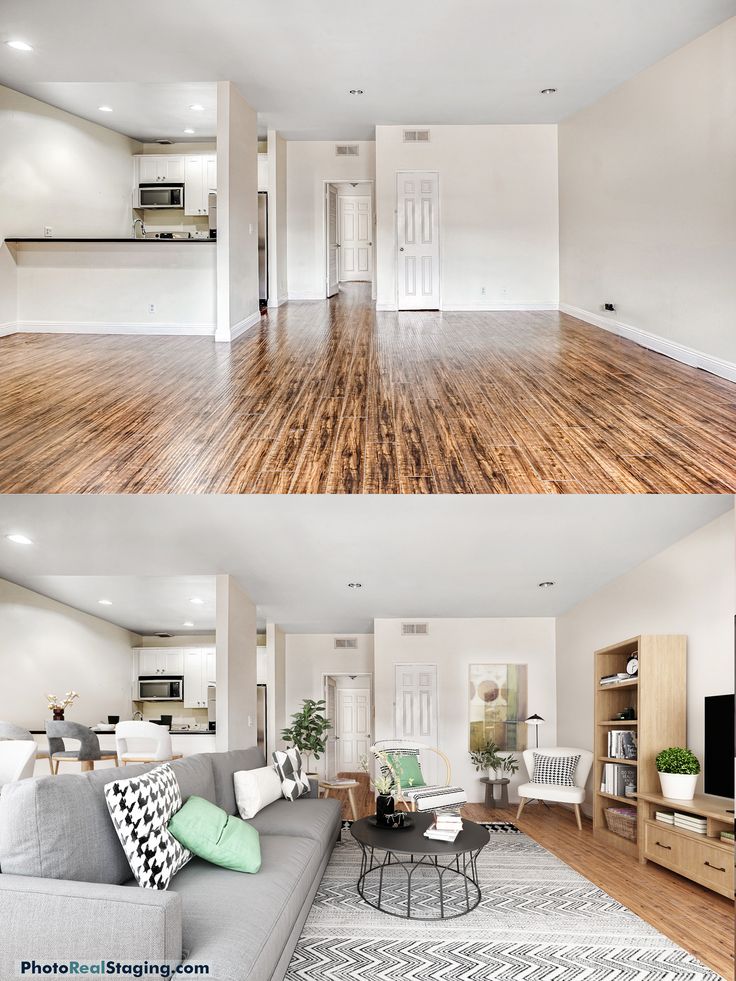
Also, don’t ignore ceilings, trims, and doors. When these elements are refreshed and aligned with wall colors, the entire room feels finished instead of patched together.
Upgrade Sightlines, Not Square Footage
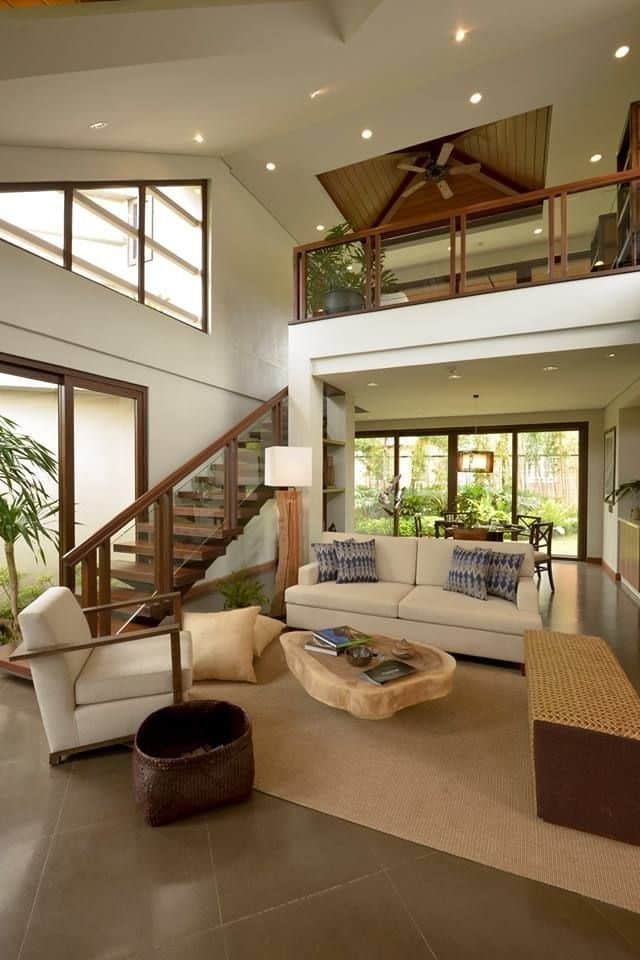
Many homeowners assume bigger equals better. In practice, expensive homes often feel larger because they manage sightlines intelligently.
Simple budget-friendly ways to improve this:
- Replace heavy curtains with lighter window treatments
- Use glass, open shelving, or partial dividers instead of solid walls
- Align furniture to open up natural pathways
When you can see farther across a space, it feels more expansive. That sense of openness is strongly associated with high-end design — even if the actual square meters haven’t changed.
Lighting Is Where Most Budget Renovations Fall Apart
Nothing exposes a cheap renovation faster than poor lighting.
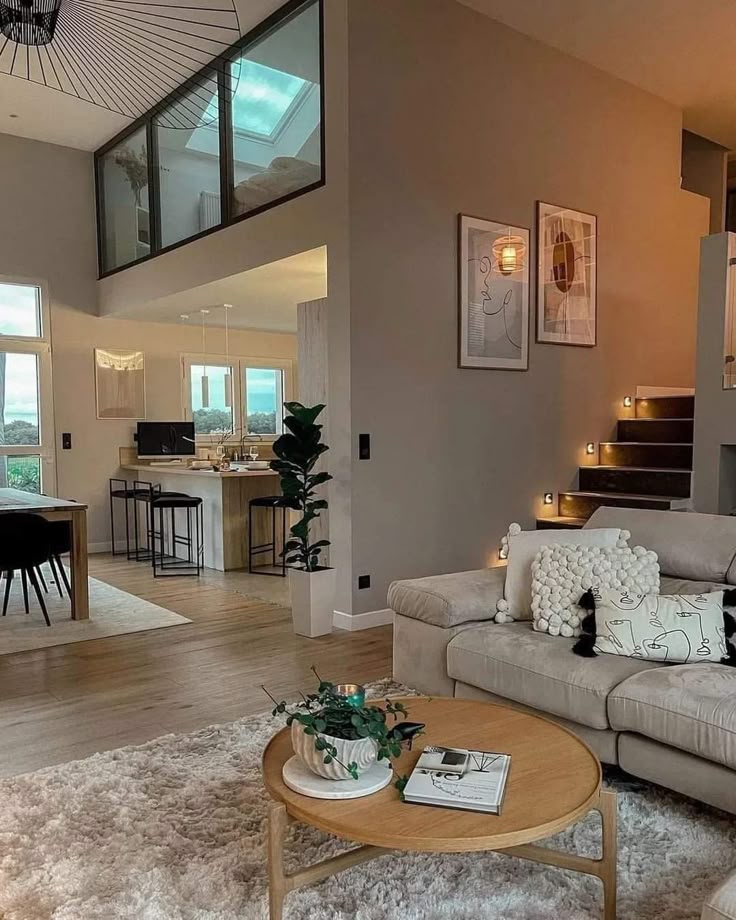
Expensive homes layer light:
- Ambient (overall glow)
- Task (functional lighting)
- Accent (visual interest)
Beginners often rely on a single overhead fixture. That creates flat, harsh spaces.
Instead, mix affordable options:
- Table and floor lamps
- Under-cabinet LED strips
- Wall sconces in key areas
Warm light temperatures and dimming options instantly improve atmosphere. The space feels considered, not improvised.
Materials Matter — But Placement Matters More
You don’t need marble everywhere to create a premium look. You need restraint.
A common professional trick is to use higher-quality materials in small, visible areas:
- Entry consoles
- Kitchen backsplashes
- Bathroom vanities
- Feature walls
When one focal point feels elevated, the surrounding simpler materials feel intentional rather than cheap. Overusing “luxury” finishes everywhere often has the opposite effect.
This is especially helpful for anyone following home renovation tips for beginners, where budget control is critical.
Storage That Disappears Creates Instant Sophistication
Clutter kills elegance faster than almost anything else.
High-end homes hide storage:
- Built-ins that blend into walls
- Closed cabinetry instead of open shelves everywhere
- Furniture that serves multiple functions
You don’t need custom carpentry to achieve this. Even inexpensive wardrobes, cabinets, or shelving units can look built-in when aligned properly and painted to match walls.
When storage disappears visually, the space feels calmer, cleaner, and more expensive.
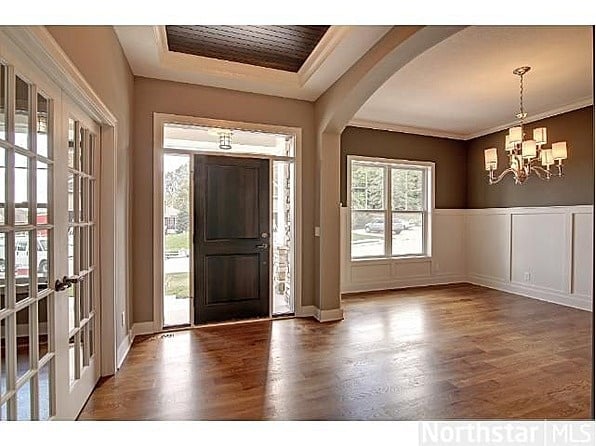
Floors and Doors: The Silent Value Signals
People may not consciously comment on flooring or doors — but they feel the difference.
You don’t need to replace everything:
- Refinish existing floors instead of replacing them
- Use large rugs to unify spaces
- Paint or upgrade door hardware consistently throughout the house
Uniformity is key. When doors, handles, and finishes match across rooms, the home feels thoughtfully designed rather than pieced together over time.
Avoid Trends That Age Poorly
Trends are tempting because they’re everywhere online. But many budget renovations look dated quickly because they chase what’s popular instead of what lasts.
Timeless choices usually include:
- Neutral bases
- Simple lines
- Natural textures
- Minimal ornamentation
Trends can still appear — but as accents, not foundations. Cushions, art, and lighting are easier to change than tiles and cabinetry.
This approach protects your investment and keeps the home feeling refined for years.
Know When to Bring in Professional Perspective
Even on a tight budget, a short consultation with designers, architects, or landscape architecture firms can prevent expensive missteps. You’re not paying for materials — you’re paying for judgment.
A professional eye can:
- Identify what not to change
- Suggest smarter layout adjustments
- Help prioritize spending for maximum impact
One or two strategic insights often save more money than they cost.
Bringing It All Together
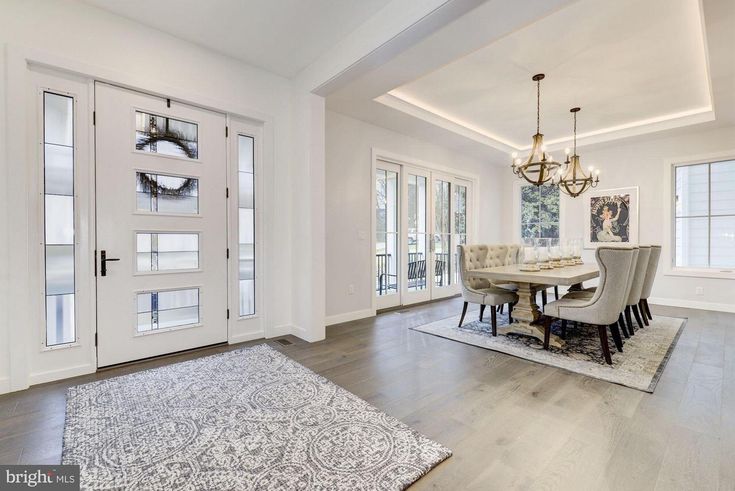
Making a house look expensive isn’t about copying luxury homes feature by feature. It’s about understanding how quality is communicated — through flow, restraint, proportion, and finish.
The best home renovation tips focus on clarity rather than complexity. When spaces feel intentional, cohesive, and calm, they naturally read as high-end. For anyone starting out, these home renovation tips for beginners offer a way to renovate with confidence instead of guesswork.
A well-designed home doesn’t shout its value. It lets people feel it — quietly, immediately, and memorably.
- 13shares
- Facebook0
- Pinterest10
- Twitter3
- Reddit0