
Let’s be honest. My home felt like a bus station for a while. Stuff everywhere, half-finished tasks humming in my brain, and this low-grade stress that meant I was never really working and never really resting. I’d flop on the couch after a chaotic day and just scroll, feeling neither peaceful nor productive. I was just… there.
I knew I needed a change, but a total overhaul felt impossible. Then I stumbled on an idea in an old book: the power of ritual. Not grand, complicated ceremonies, but tiny, repeatable acts. Little hooks in the day to hang my intention on. I started building them, one at a time. It wasn’t about being perfect; it was about creating a rhythm that my mind and my space could dance to. Here’s what I’ve learned, written from my kitchen table in a now-quiet house.
The First Sip: Claiming the Morning


We all have our little crutches, the things we think we need to get through the day. I remember a phase, trying to power through writing deadlines, where I’d see the little round tins of Prime Nicotine Pouches on my buddy’s desk. He’d pop one in, claiming it cut through the brain fog. I tried it once, just to see. The buzz was jittery and sharp, and left me feeling edgy, not clear. It struck me then that so much of what’s sold to us as a “focus tool” or a “moment of calm” is just anxiety in a different package. It doesn’t build a peaceful life; it just mortgages a minute of fake quiet for a longer-term itch. My ritual-building became about the opposite—finding focus in the taste of my morning coffee, or calm in the physical act of wiping a counter clean. Real peace, I learned, doesn’t come from a pouch; it comes from a practice.
Drawing the Line: The Work Zone Shuffle
Working from home blurred everything into a grey mush. I’d be answering emails from the couch at 9 PM, and feeling guilty about chores at 2 PM. The ritual that saved me was creating a “commute.” My “office” is just the end of the dining table. But the ritual is everything. At 8:55 AM, I make a fresh coffee, open my laptop, and light a specific candle. The smell of that candle now means “work brain on.” At 5:30 PM, I close the laptop, blow out the candle, and push my chair in. That’s it. I physically turn my back on it. That tiny, symbolic act tells my brain the work day is over. The stress of it stays at that end of the table. It sounds silly, but it built a wall that my anxiety couldn’t climb.

The Five-Minute Rescue
A chaotic space makes for a chaotic mind. I could never keep up with the cleaning, and the mess would pile up into a weekend monster I dreaded. My solution was the “five-minute rescue.” I set a timer on the oven. When it goes off after work, I blast through the house for just five minutes. I’m not deep-cleaning. I’m rescuing it from the day’s chaos. I put away shoes, load the dishwasher, fold the throw blanket, wipe counters. It’s a sprint, not a marathon. Seeing the main rooms tidy deflates my stress instantly. It’s a ritual of care for my future self, who gets to walk into a calm space instead of a warzone.
The Digital Sunset
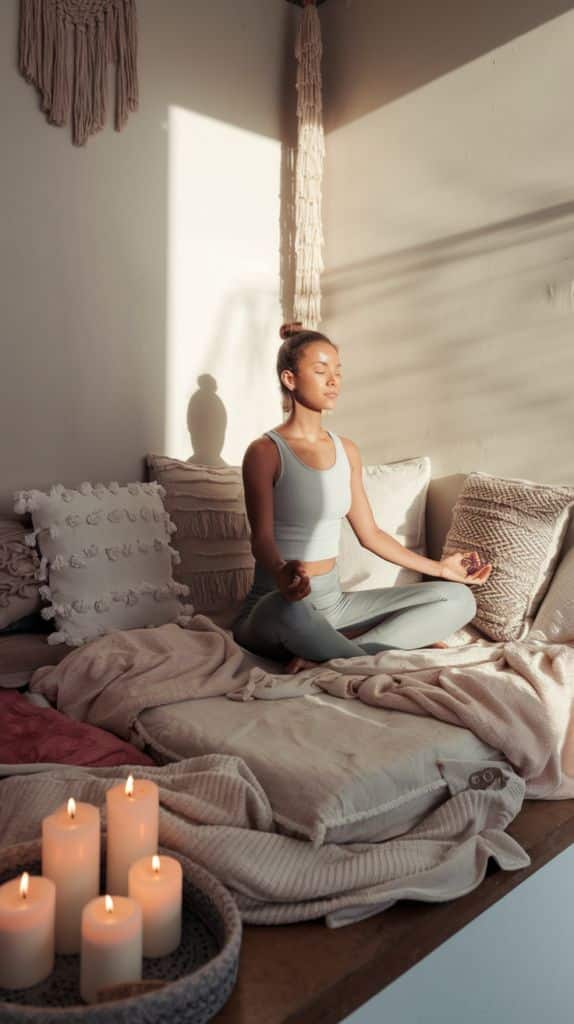
This was the hardest but most transformative ritual. Screens are peace-killers. My rule now is that at 9 PM, the phone goes into a drawer in the kitchen. Not on the nightstand, not in my pocket. In a drawer. The first few nights, my hand twitched towards it constantly. Now, that “sunset” is a relief. The last hour of the day is for paperback books (the kind that smell), silly conversations with my partner, or just staring at the ceiling, planning a garden I’ll probably never plant. The silence in the house after the screens go off is a physical thing. It’s thick and sweet. It’s when I finally hear myself think, and my home finally feels like a sanctuary.

The Plate on the Table
Even eating had become functional. Standing at the counter, shoveling food down. My ritual now is to use a plate. Always. Even for a snack. And to put it on the table, and sit down. No TV, no phone. Just me and the food. It forces a pause. You taste things. You notice you’re full. It turns fuel into a moment of respect for your own body. It’s a small act of dignity that changes your whole relationship with nourishment and time. Practicing mindful eating in this way is a small act of dignity that changes your whole relationship with nourishment and time.
The Last Word: Gratitude, Not Grudges
I used to go to bed running through my failures, the things I didn’t do, the emails I forgot. No wonder I woke up tired. Now, my last ritual is with a cheap notebook by the bed. I write one sentence about something good. “The cat slept in a sunbeam all afternoon.” “I finally fixed that wobbly shelf.” “I laughed hard today.” It takes 30 seconds. It forces my brain, which is wired to look for threats, to scan the day for a gift instead. It ends the day on my terms, with a note of thanks for the shelter of my home.

A Final, Important Note on False Shortcuts
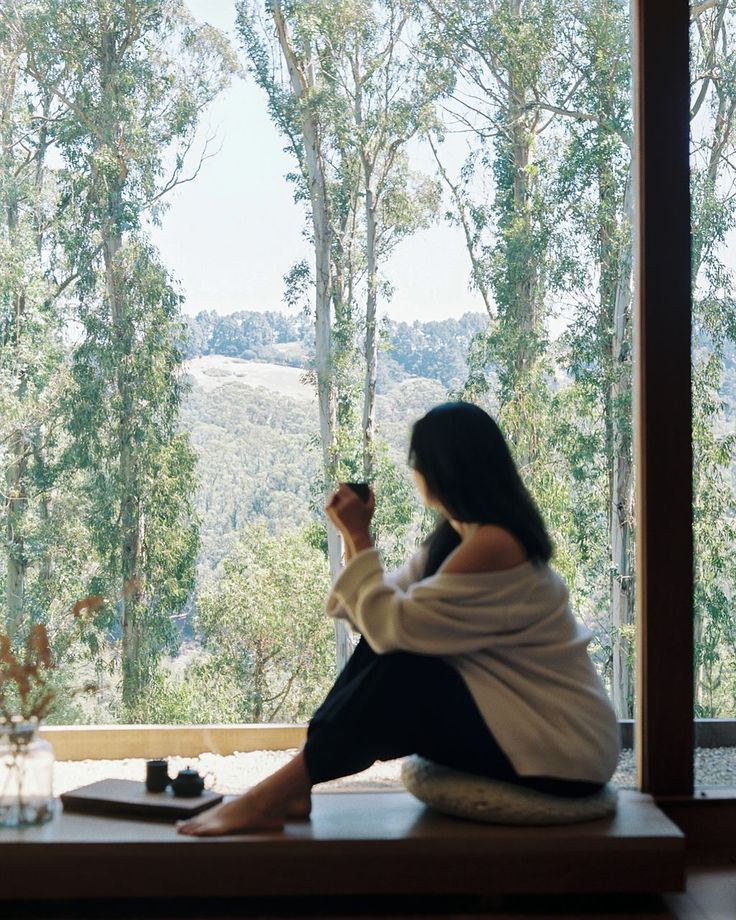
In building these rituals, the goal is to find your own natural focus and calm. It’s tempting to look for shortcuts, but some come with hidden, heavy costs. I’ve seen folks, desperate for a concentration boost or a moment of faux-calm, turn to things that hijack your nervous system. For instance, using something.
This isn’t a fancy system. It’s just me, figuring out how to be a human in a space. The rituals are the tracks I’ve laid down in the mud, so I don’t have to decide my path every single day. They’ve made my home productive because I have focus when it’s time to work. They’ve made it peaceful because I have permission to rest. It’s the daily returning to these small acts that builds a life, and a home, you actually want to live in.
If your routine already has a quiet evening rhythm, the room around it should support that pause too. This guide to spiritual home decor items shows how small artworks, candles, plants, and altar objects can make a corner feel calmer without turning it into a crowded display.
- 11shares
- Facebook0
- Pinterest8
- Twitter3
- Reddit0