I’ve learned over the years—sometimes the hard way—that a burst pipe can turn an otherwise normal day into a chaotic, stressful, and expensive mess. The first time it happened to me, I walked into my basement and stepped straight into an unexpected indoor pool. At the time, I didn’t know what had caused it or how I could have prevented it, but I’ve since made it my mission to understand exactly why pipes burst and what steps I can take to stop it from happening again. If you’ve ever dealt with this kind of sudden disaster—or want to avoid one—here are the top causes I’ve discovered and the strategies I now use to protect my home.
1. Freezing Temperatures
The most common culprit I’ve encountered is freezing weather. When temperatures drop, the water inside pipes can turn to ice. And since ice expands, it creates excessive pressure inside the pipe walls. Sometimes the pipe doesn’t even burst where the ice forms; it bursts downstream where pressure builds.
I once had a pipe freeze in the wall behind my kitchen sink. I didn’t notice until the weather warmed, and suddenly water started leaking from the cabinet below. That incident taught me the importance of insulating pipes, especially those in unheated areas like basements, attics, crawl spaces, and garages.
How I now prevent it:
- I wrap vulnerable pipes with foam insulation sleeves.
- On extremely cold nights, I let faucets drip slightly to keep water moving.
- I make sure cabinet doors under sinks stay open when it’s freezing, allowing warm air to reach the pipes.
- And I maintain steady indoor heating, even when I’m away.
2. Aging or Deteriorated Pipes
Another lesson I’ve learned is that pipes don’t last forever. Over time, they weaken due to corrosion, rust, mineral buildup, or simple material fatigue. When this happens, even normal water pressure can make a pipe give way.
My house is older, so I’ve had to deal with this firsthand. One of my copper pipes had developed small pinhole leaks long before it finally burst. Had I known the signs earlier—discolored water, reduced flow, or unexplained wet spots—I could have addressed the issue before it escalated.
My prevention approach now:
- I schedule routine inspections, especially if I suspect corrosion.
- I’ve replaced sections of older piping with more durable materials like PEX.
- I keep an eye out for early warning signs, no matter how minor they seem.
3. High Water Pressure
High water pressure might feel great in the shower, but I’ve learned it can wreak havoc on your plumbing system. Excessive pressure strains pipe joints, valves, and even appliances. When pressure gets too high, the weakest point in the system gives out—and that usually means a burst.
I once had a plumber check my pressure levels from brea plumbing after a series of loud banging noises came from my pipes. It turned out my water pressure was significantly above the recommended level. I had no idea that municipal pressure can sometimes fluctuate and affect your home.
What I do to prevent pressure-related bursts:
- I installed a pressure regulator to keep levels stable.
- I occasionally test water pressure using an inexpensive gauge from the hardware store.
- I address any “water hammer” sounds immediately, since they often indicate pressure issues.
4. Blockages and Clogs
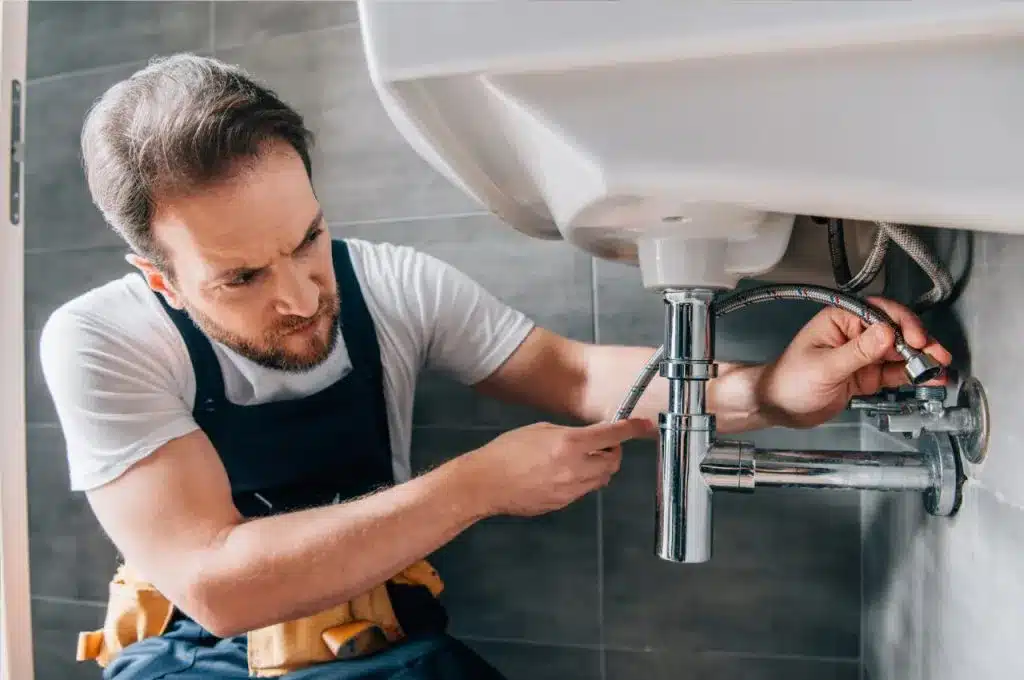
Blockages might not seem like a threat to pipes at first, but once I experienced a burst caused by a severe clog in a drain line, I understood the danger. When water can’t flow where it’s supposed to, pressure builds behind the blockage. Eventually—if it’s not relieved—the pipe may crack or explode.
My worst clog-induced burst happened when tree roots infiltrated an old underground pipe. The blockage forced water to back up and burst a section of the line inside my basement wall.
My prevention strategy:
- I avoid flushing anything other than toilet paper.
- I never pour grease or thick substances down the drain.
- I schedule periodic drain cleanings.
- And because I live near large trees, I have my sewer line inspected every couple of years.
5. Poor Installation or Workmanship
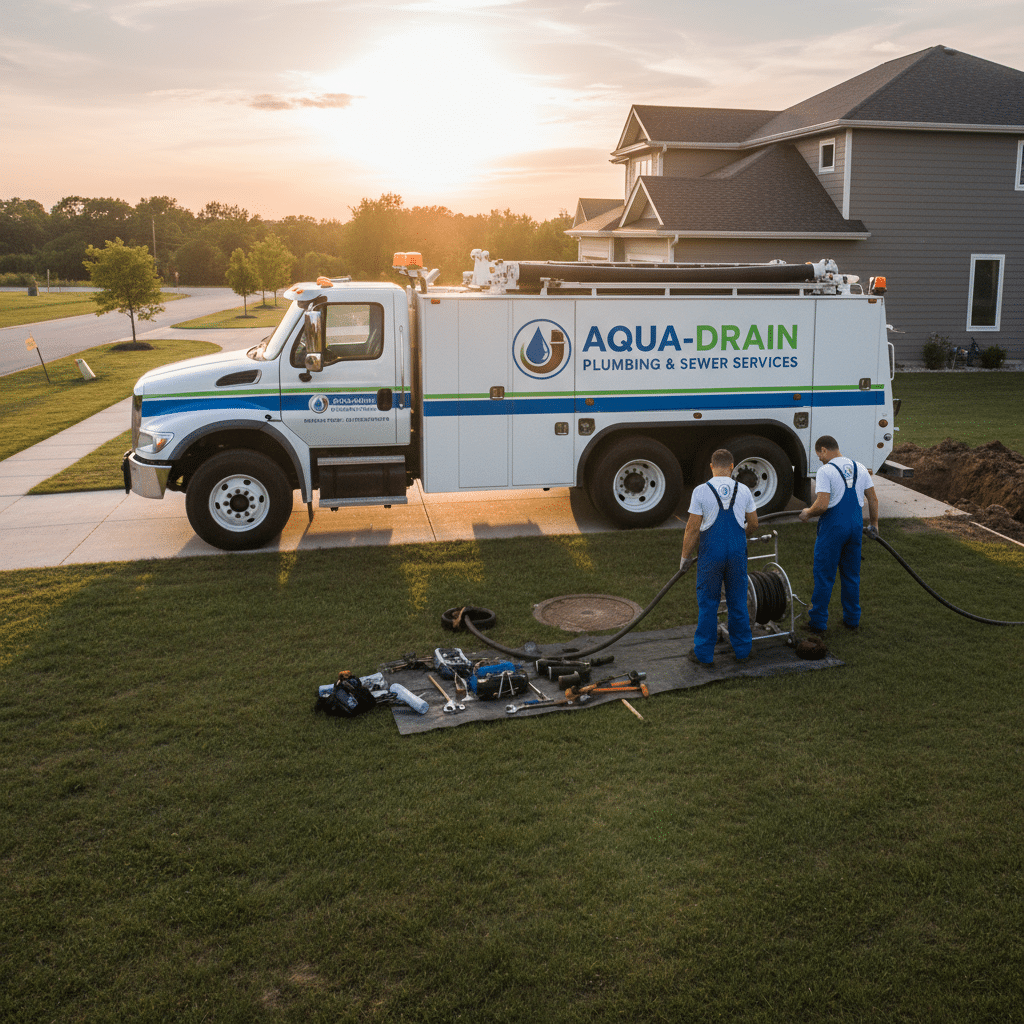
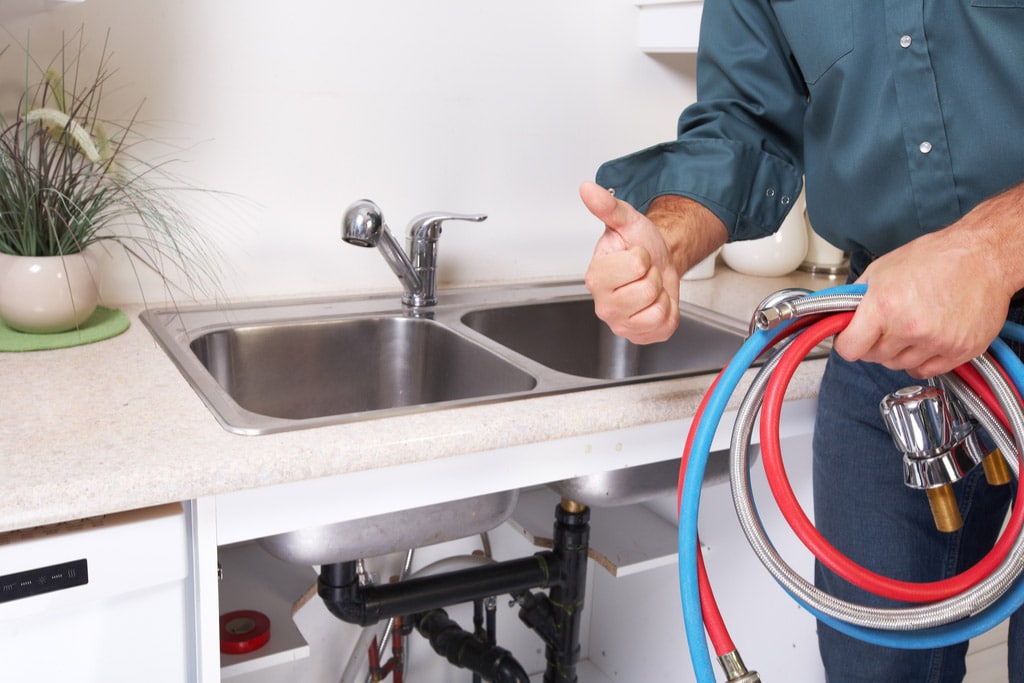
Sometimes the issue isn’t age, weather, or pressure—it’s simply poor installation. Before I knew any better, I hired a cheap handyman to install a section of piping in my laundry room. The joints weren’t sealed properly, and the support brackets were spaced too far apart. Six months later, that poorly supported pipe burst, flooding the room.
How I avoid this now:
- I hire licensed, reputable plumbers for major work.
- I make sure pipes are properly secured and supported.
- I double-check work when possible to ensure nothing looks loose, crooked, or flimsy.
Final Thoughts

Having dealt with multiple burst pipes in my life, I’ve realized that prevention is far easier—and cheaper—than repairs. Whether the cause is freezing temperatures, wear and tear, high pressure, blockages, or subpar installation, most burst pipes give signs long before the damage occurs. By paying attention to those small warning signals and taking proactive steps, I’ve been able to protect my home from repeat disasters.
If you haven’t reviewed your plumbing system lately, consider this your reminder. Trust me—taking action now can save you from an unexpected indoor waterfall later.
- 8shares
- Facebook0
- Pinterest8
- Twitter0
- Reddit0