The discussion about electric rooflights is that these are upgraded features – when the budget permits, why not? But there comes a time when automation is not a matter of optional convenience but, instead, the only feasible method for opening roof windows. By understanding the difference between “this would be great” and “this is genuinely a must-have,” many unnecessary expenses down the road can be eliminated when manual systems are never even used.
Electric rooflights are much more expensive than manual versions, leading individuals to think they’ll use the manual option and grab a pole when necessary. A pole-operated rooflight can be done with a manageable 2.4-meter pole extension to get the desired height. However, this mindset doesn’t work well when the window is situated 4 meters up on a vaulted ceiling and getting it open would require getting down a ladder or climbing onto a stool.
When Manual Operation Isn’t Realistically Practical Because of Height
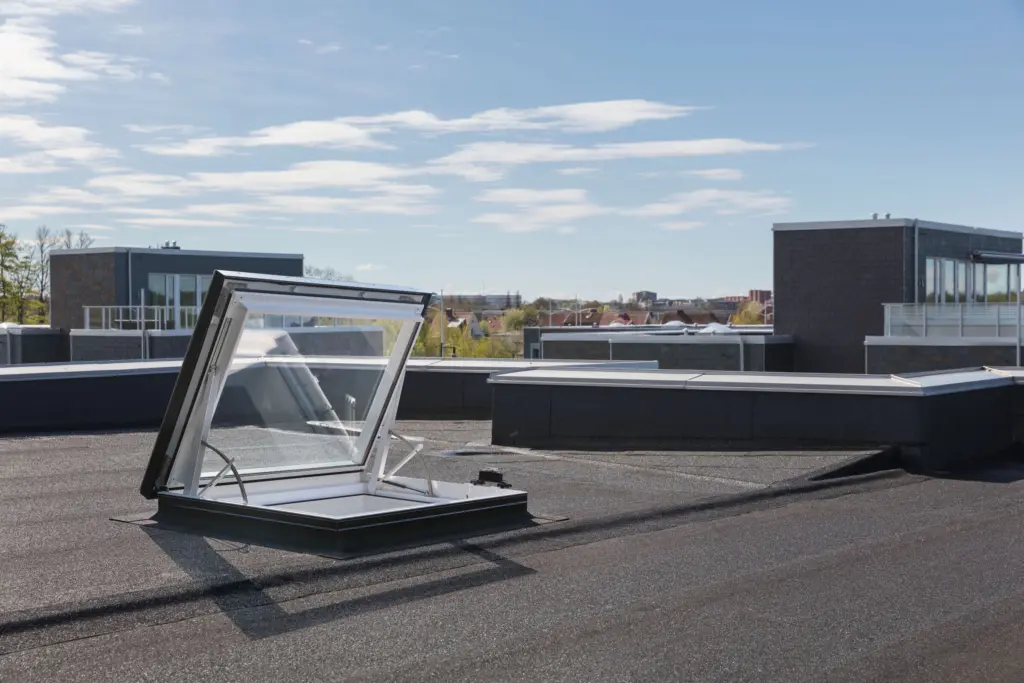
Most roofs are not higher than approximately 4 meters from top to bottom. In fact, a tall ceiling is considered one that is more than 3 meters. Standard ceiling height – approximately 2.4 meters – means most roof windows are reasonably high to be opened/closed by an extension pole in the room. Manual roof windows are typically opened with pole operators. Telescoping poles latch onto the window mechanism while someone stands in the room opening the window. This may feel somewhat awkward but is possible.
However, as soon as you go beyond 3 meters, operators become too cumbersome; operator poles are too heavy to extend outward and awkward to hinge horizontally; and from that distance, it takes substantial force to push a window open from that overhead reach. Once windows go above 4 meters – where double-height extensions or vaulted loft conversions with split-level ceilings often create windows in hard-to-reach positions – it’s no longer inconvenient to operate manually; it’s outright unreasonable.
In fact, with vaulted or cathedral ceilings, the roof window may be placed at the peak 5-6 meters high above the ground. No one is reaching up that high, as no extension pole will make it safely comfortable without risk of tipping over. The angle also makes manual operation through a vaulted ceiling almost impossible.
When Manual Operation Creates Feasibility Problems
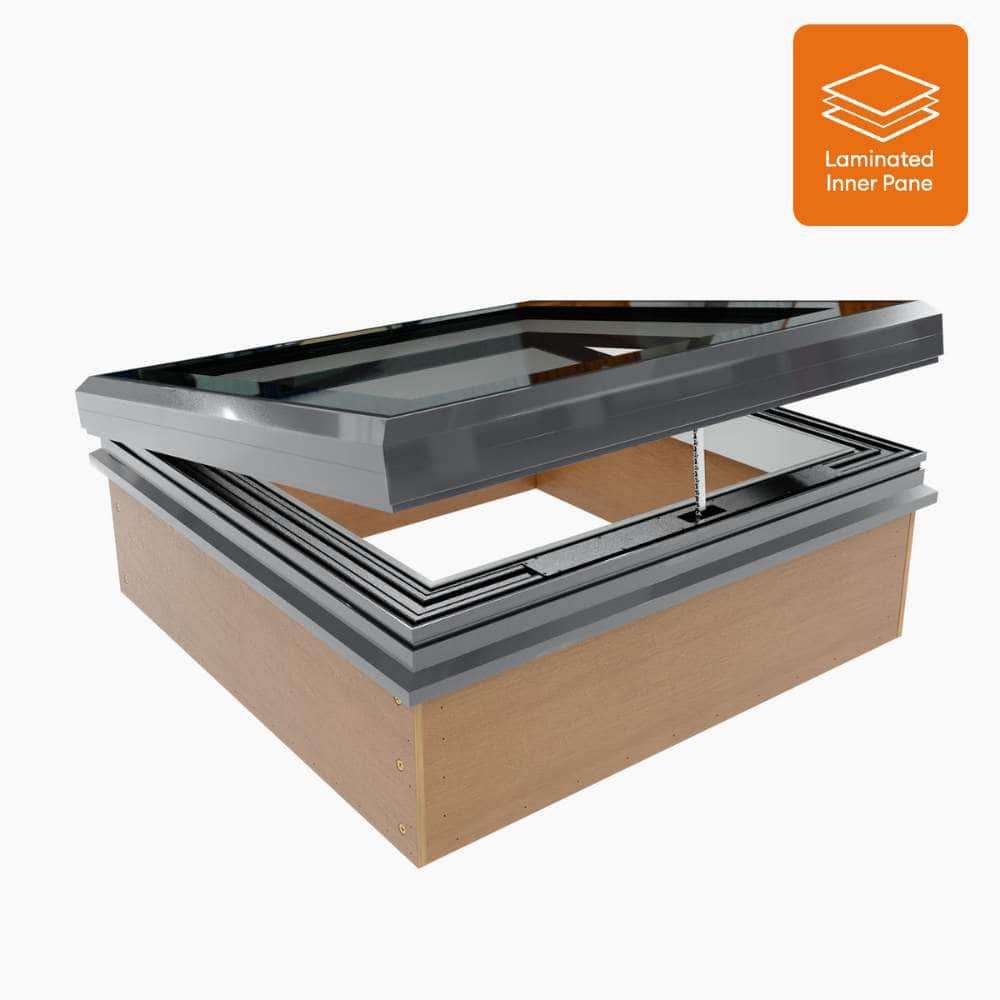
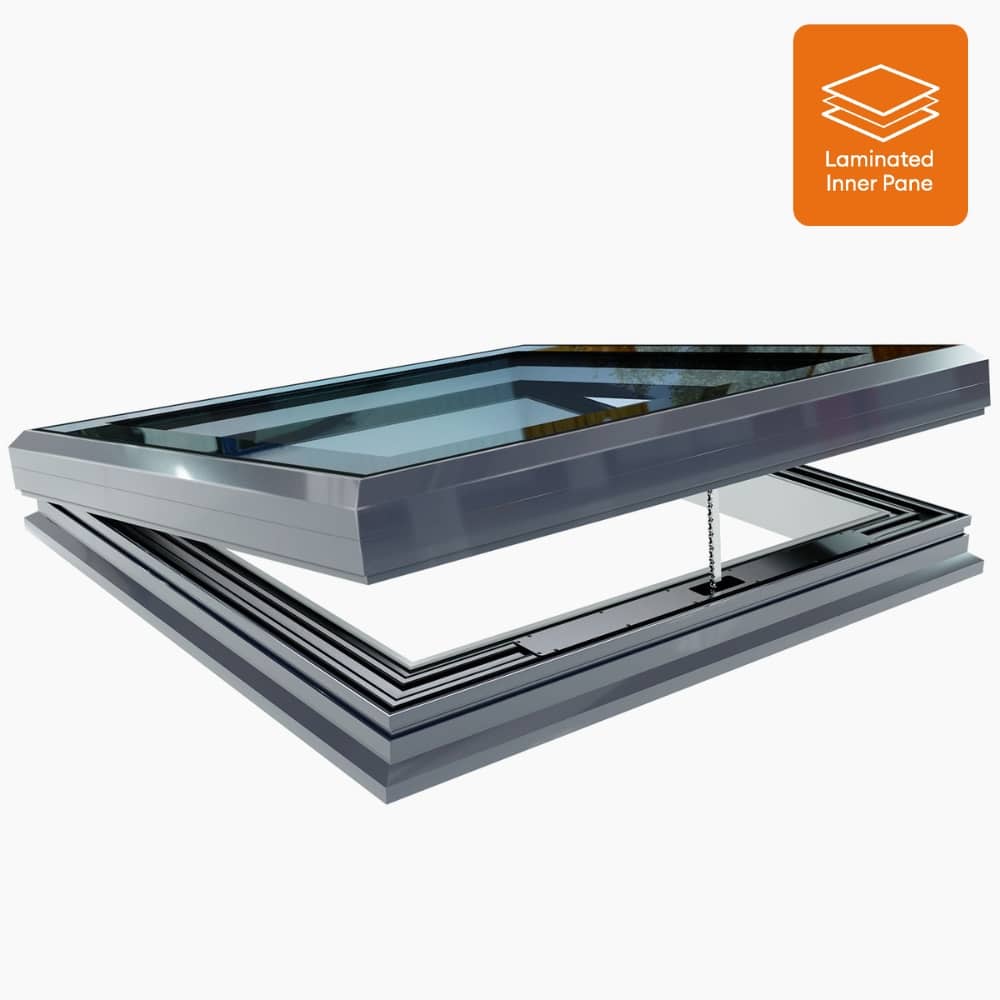
For so many reasons, manually operated windows assume a certain amount of physical capacity from users. For example, holding open an extension pole that spans only 2-3 meters takes effort; applying upward force as a pivot to hold on open takes tremendous shoulder stability and arm strength. For older homeowners, mobility-restricted occupants, or those who just lack upper body strength, this option is not feasible.
Using steps or stools or ladders to reach these windows creates alternative challenges; climbing to heights regularly is risky for injury. Excessive hassle means windows won’t be opened regardless of whether they should. Thus, manual windows defeat the purpose of having operable windows entirely if they’re impossible to open and close.
Electric operation windows from a reputable supplier like https://addlite.co.uk/product-category/electric-opening-rooflights/ removes all of this hassle and gives occupants access with the push of a button or remote control. This does not require any more physical ability than turning on a light. This isn’t a matter of making life easy; it’s making the feature functional for everyone regardless of age and physical limitations.
Weather Response and Protection
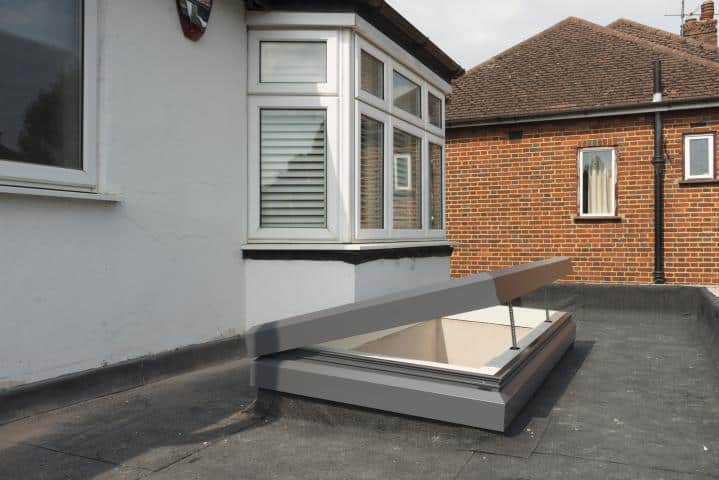
One thing people worry about operating a manual roof window is if they’re not home and bad weather rolls in. A summer rainstorm can flood an open skylight without anyone home to close it swiftly; at best, there’s going to be water damage; at worst, occupants aren’t going to get home in time to save anything inside their home.
Weather uncertainty means manual windows often stay shut during beautiful days because the risk isn’t worth it. Instead of being able to operate and get ventilation throughout the day, that window merely provides lighting yet misses its purpose entirely.
With electric systems, when it rains, electric rooflights have rain sensors; they will automatically close without occupants needing to be home. Likewise, temperature sensors determine when rooms are too hot and need to open spaces; when the temperature dips again, those open windows will close without any action.
Daily Usage Patterns Count
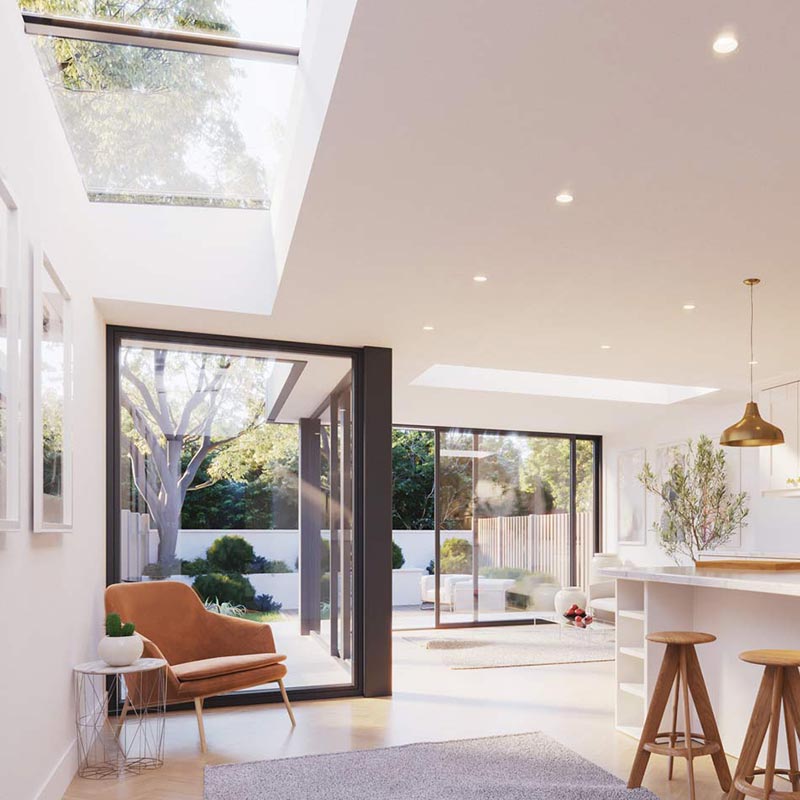
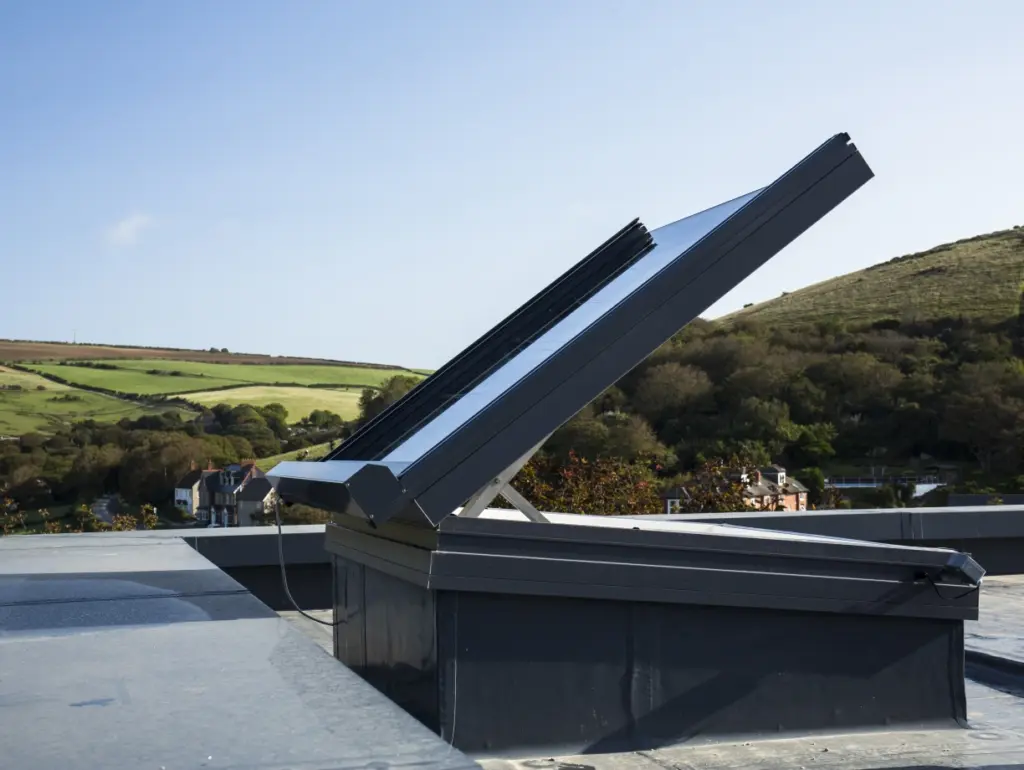
When people wake up in the morning, they must have time to go looking for their extension rods or climb up somewhere high to operate their windows. In the evening, they need to wind down and close their windows that take effort to reach back into their homes. These approaches mean windows remain shut most of the time and only have that glazing providing light functionality – which can ultimately defeat that primary purpose anyway!
Electric operation changes how this occurs; it’s almost as easy as adjusting a thermostat! Daily usage means the ventilation purpose remains functional as the air quality improves, making spaces more comfortable for all – especially with loft bedrooms under roofs that create heat and stale air.
Smart Home Integration Possibilities
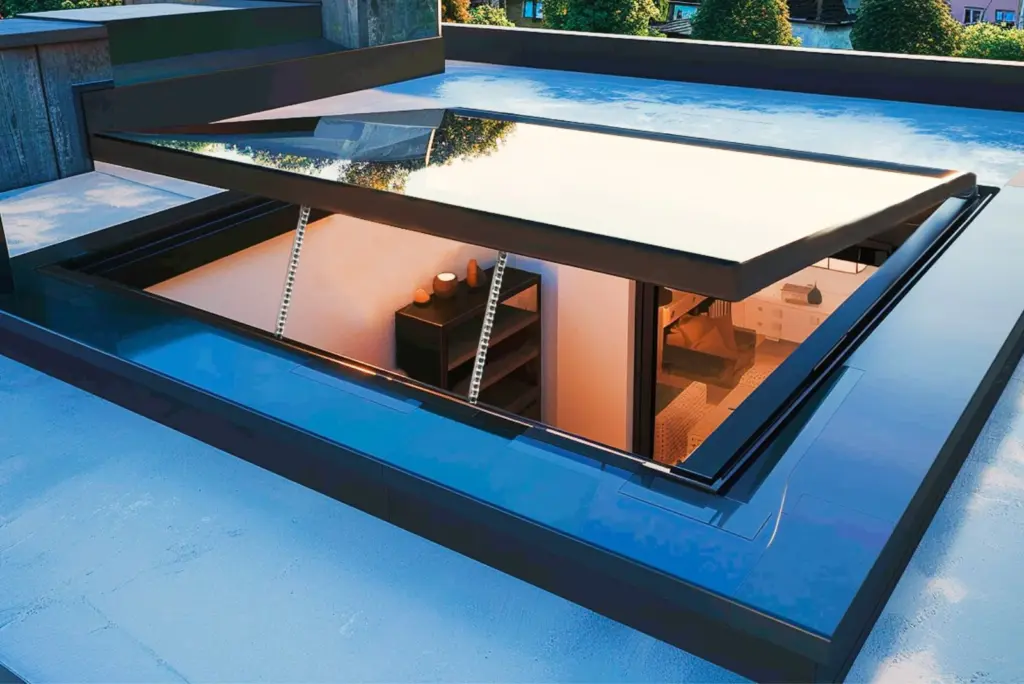
Another additional benefit of electric rooflights is their ability to connect with different home automation systems in a way that manual operation simply cannot do. Rooflights can integrate for scheduled openings – to air out rooms during the day before they’re closed before bedtime – or they can react to sensory concerns: electric roof windows can open when CO2 levels rise or humidity accumulates.
Furthermore, voice control becomes another easy option; “Close all skylights” becomes one automatic approach rather than manually searching for remotes when multiple operable windows exist throughout a home.
The Budgetary Perspective
Electric systems come at £500-£1,500 more per window; if a typical loft conversion requires 2-3 roof windows in tight proximity, that’s an extra £1,000-£4,500 added on top of project costs. In reality, in terms of a £40,000-50,000 conversion project, this amount isn’t as extreme because as people live with the conversion projects for years upon years down the road – and it’s not just a one-time cost upon installation – they justify expense increases effectively per window.
Through value-added brands the investment value becomes apparent – even if they’re more costly upfront – down the road they actually do what they claim.
The Ultimate Decision Making
The decision shouldn’t be just whether or not electric systems make sense; they should include honest assessments based on questions like “Is this window easy enough for me to get into?” “Will people in my house be able to execute the renovations?” “Will this room need frequent ventilation?”
When there are compromises made about difficult access, then automating the whole process is the best way to go.
- 9shares
- Facebook0
- Pinterest9
- Twitter0
- Reddit0