Most people’s understanding of building fires comes from movies and television—dramatic flames, people escaping just before explosions, heroes running through walls of fire. The reality is far less cinematic and far more dangerous. Smoke, not flames, kills the majority of fire victims. And it doesn’t take the 10 or 15 minutes movies suggest. In many building fires, smoke renders escape routes unusable in under three minutes from ignition.
This speed is what catches people off guard. Three minutes sounds like plenty of time until you account for detection delays, alarm response time, and the actual process of evacuating. By the time most people realize there’s a fire and start moving toward exits, the smoke has already filled corridors and stairwells, turning escape routes into death traps. Understanding this timeline explains why smoke ventilation isn’t just a nice-to-have feature—it’s essential life safety equipment.
How Smoke Spreads Through Buildings
Fire generates enormous volumes of smoke from the moment it starts. A small wastepaper basket fire in an office produces enough smoke to fill the room within a minute. As the fire grows, smoke production accelerates. Hot smoke rises to ceiling level, then spreads horizontally along corridors and through any available openings—doorways, ventilation ducts, gaps around pipes and cables.
The smoke moves faster than most people walk. In buildings with open floor plans or interconnected spaces, smoke can travel hundreds of meters in minutes. Stairwells act as chimneys, pulling smoke upward through the building and contaminating upper floors that aren’t even near the fire. This stack effect means fires on lower floors threaten occupants on upper floors almost immediately through smoke migration.
Modern buildings often contain synthetic materials that produce particularly toxic smoke when burning. Furniture, carpets, wall coverings, and insulation materials release chemicals that are poisonous in small concentrations. This smoke doesn’t just obscure vision—it poisons anyone who breathes it. A few breaths of highly toxic smoke can incapacitate people, leaving them unable to continue evacuating even if they wanted to.
The Visibility Problem
Smoke doesn’t need to be thick enough to completely block vision to create deadly conditions. Even relatively light smoke reduces visibility enough that people become disoriented in familiar buildings. Hallways that are walked daily become confusing mazes when you can’t see more than a few meters. Exit signs disappear in the haze. People pass by escape routes they can’t see, heading deeper into danger while thinking they’re moving toward safety.
The psychological impact compounds the physical danger. Smoke creates panic. People who might navigate calmly in clear conditions make poor decisions when surrounded by smoke. They follow others blindly, crowd toward familiar exits even when those routes are more heavily smoke-filled, or freeze in confusion instead of continuing to move. This disorientation and panic significantly slow evacuation, wasting precious time when every second matters.
Crawling low beneath the smoke—the advice everyone’s heard—helps with visibility and reduces toxic exposure, but it also slows movement to a crawl. People who might cover 50 meters in a minute while walking take several minutes to crawl the same distance. For buildings where exit distances are measured in hundreds of meters, this speed reduction can be the difference between escape and asphyxiation.
Why Ventilation Systems Are Critical

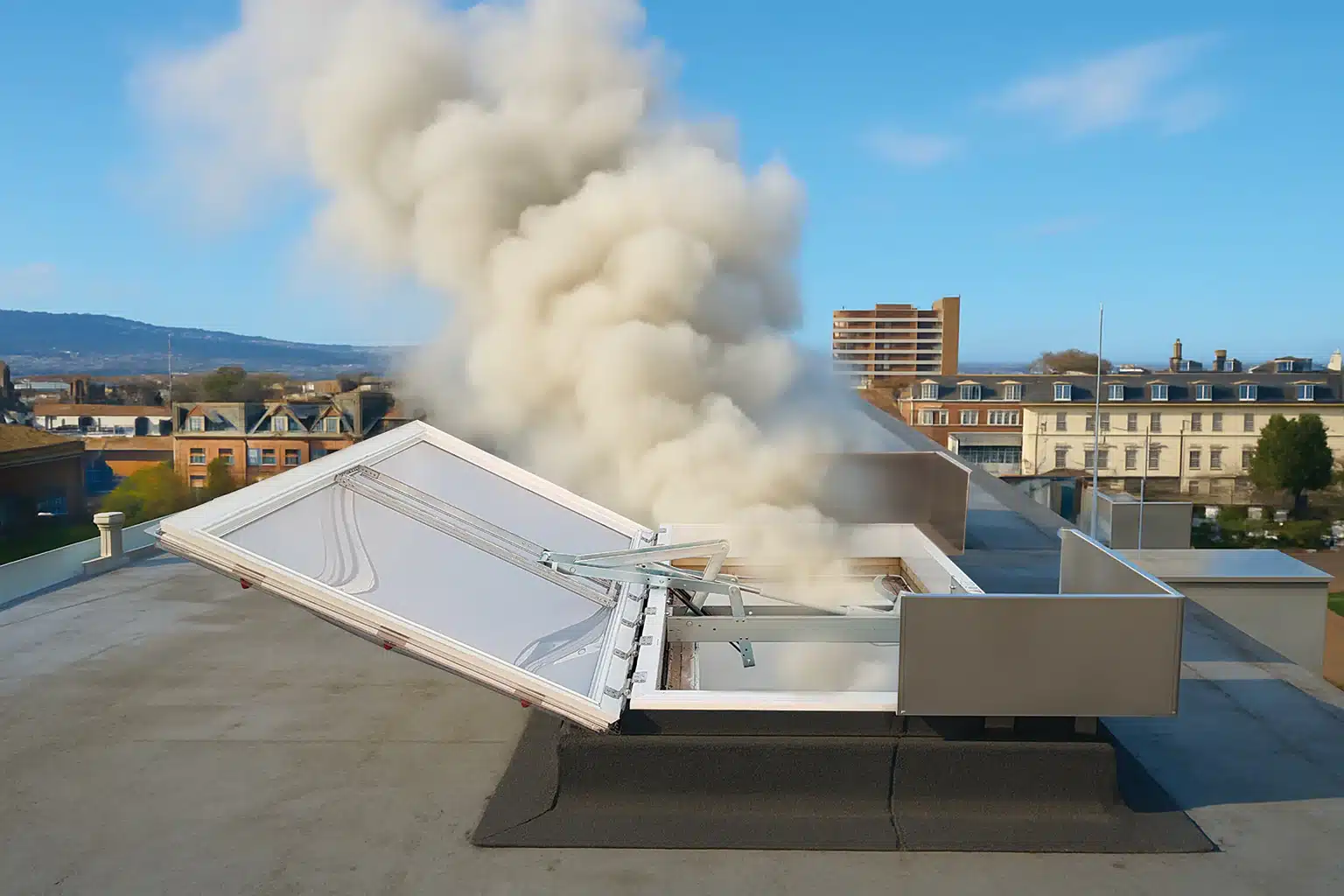
Smoke ventilation serves one purpose—getting smoke out of buildings faster than it accumulates. This sounds simple but it makes the difference between survivable and lethal fire conditions. When smoke vents open automatically at fire detection, they create openings through which hot smoke exits the building, rising out rather than spreading horizontally through escape routes.
The effect on evacuation time is substantial. Buildings with effective smoke ventilation maintain clearer escape routes for significantly longer than buildings without ventilation. Those extra minutes—often just three to five additional minutes of relatively clear air—are enough for most occupants to reach safety. Without ventilation, escape routes become impassable before many people even start evacuating.
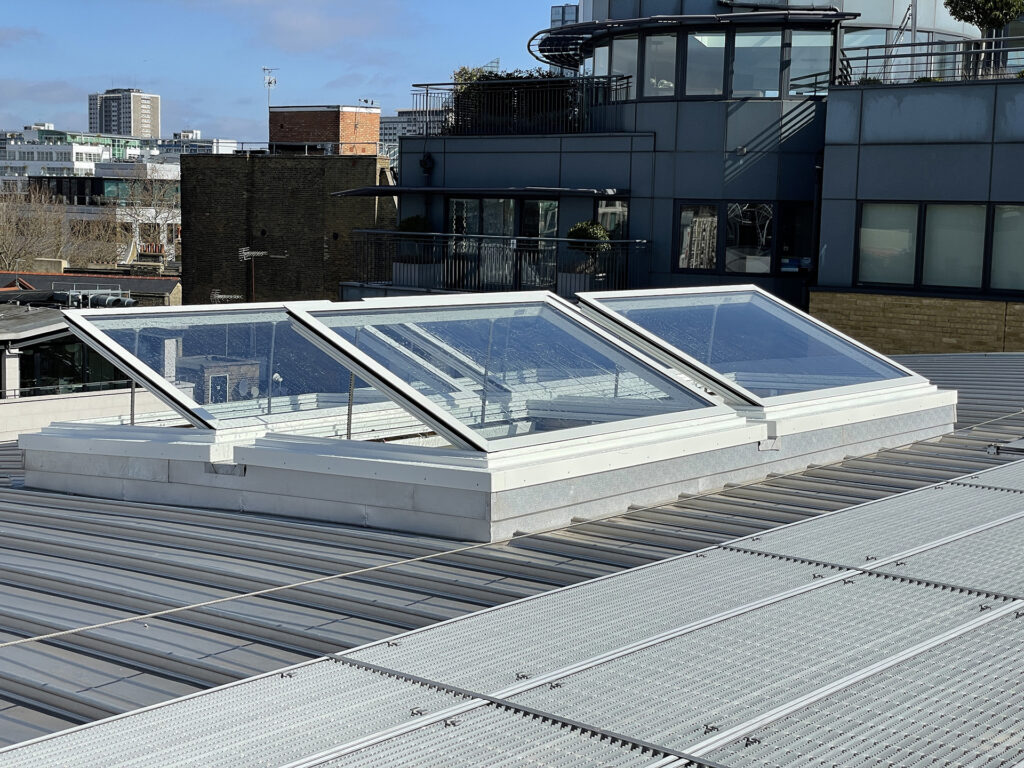
Quality automatic opening vent products from established manufacturers become essential rather than optional in this context. When buildings need reliable smoke control, systems such as Surespan aov products are engineered specifically to activate quickly during fires and provide the ventilation capacity that keeps buildings survivable during the critical evacuation period.
The positioning and sizing of smoke vents affects how well they protect escape routes. Vents placed strategically above corridors and near stairwells remove smoke from the areas people must use to evacuate. Undersized vents can’t remove smoke fast enough to keep ahead of fire production. Proper design considers both vent capacity and placement to ensure smoke control actually works when needed.
Detection and Response Time Reality
Even with perfect smoke ventilation, the system only helps if it activates quickly. Fires don’t announce themselves—they start small and grow. By the time flames are visible, substantial smoke has already been produced. Detection systems need to identify fires in the earliest stages, trigger alarms immediately, and activate ventilation without delay.
This is where the three-minute timeline becomes critical. If fire detection takes a minute, alarm response adds another 30 seconds, and occupants take a minute to process the alarm and start moving, that’s two and a half minutes gone before anyone has moved toward an exit. In buildings where smoke has already filled corridors by three minutes, evacuation windows have effectively closed before evacuation began.
Fast-acting smoke ventilation systems activated by early detection buy back those critical minutes. The smoke produced in the first minute or two exits through vents before it accumulates to dangerous levels. This keeps escape routes usable for the additional time needed for people to react, organize, and evacuate safely.
Building Design Factors
Some building designs make smoke problems worse while others naturally help. Open staircases connect floors vertically, allowing smoke to spread upward rapidly. Poor compartmentation gives smoke unrestricted paths throughout buildings. Long travel distances to exits mean people need more time in already-compromised conditions.
Buildings designed with fire safety as a priority incorporate features that slow smoke spread and protect escape routes. Fire doors compartmentalize buildings, containing smoke to smaller areas. Pressurized stairwells maintain clean air in escape routes even when adjacent spaces fill with smoke. Protected corridors give people relatively safe paths to exits even during fires.
But even well-designed buildings need active smoke management. Compartmentation slows smoke spread but doesn’t remove it. Pressurized stairwells work for the stairs themselves but not for the routes getting to those stairs. Smoke ventilation addresses the fundamental problem—getting smoke out of the building entirely rather than just slowing its movement.
The Cost of Inadequate Smoke Control
Buildings without proper smoke ventilation put occupants at risk that many owners and managers don’t fully appreciate. The speed at which smoke conditions become lethal isn’t intuitive. Three minutes sounds like adequate evacuation time until you account for how quickly that time disappears in reality.
The liability exposure for building owners is substantial. When fires occur and smoke prevents safe evacuation, questions about whether proper smoke ventilation was installed become central to any legal proceedings. Buildings that meet minimum codes might still face liability if those minimums prove inadequate during actual fires.
Insurance companies increasingly recognize that smoke ventilation quality affects risk. Buildings with robust smoke control systems demonstrate lower fire death and injury rates, which translates to lower insurance premiums and reduced liability exposure. The upfront cost of quality smoke ventilation systems pays for itself through reduced insurance costs and avoided liability over the building’s life.
Taking Smoke Seriously
The three-minute timeline for smoke to make buildings lethal isn’t speculation—it’s documented through fire investigations and research. Understanding this timeline should fundamentally change how building owners, designers, and managers approach fire safety. Smoke control isn’t optional equipment or a box to check for code compliance. It’s life safety equipment as essential as fire alarms and exit doors.
Buildings designed and equipped with proper smoke ventilation give occupants the time they need to evacuate safely. Those without it put people at severe risk regardless of what other fire safety measures are in place. The difference between adequate and inadequate smoke control is measured in lives saved or lost.
- 6shares
- Facebook0
- Pinterest6
- Twitter0
- Reddit0