Drawing hands can be tricky because they have many shapes, angles, and small details. Many people get stuck trying to draw every finger perfectly right away. The best way to draw hands is to break them down into simple shapes and basic forms before adding details.
By thinking of hands as a group of shapes like rectangles, ovals, and mittens, anyone can begin to build the overall structure. This makes the process less overwhelming and gives a clear path to follow. Learning how fingers bend and where joints connect helps create more natural and realistic poses.
With practice, understanding the basic hand shapes and studying how they move from different angles will make it easier. This simple approach helps beginners and experienced artists improve their skills step by step.
Understanding Hand Anatomy
To draw hands well, it helps to know what’s inside and how it all works together. The bones give the hand its shape, muscles and tendons control movement, and proportions keep it looking natural.
Bones and Structure
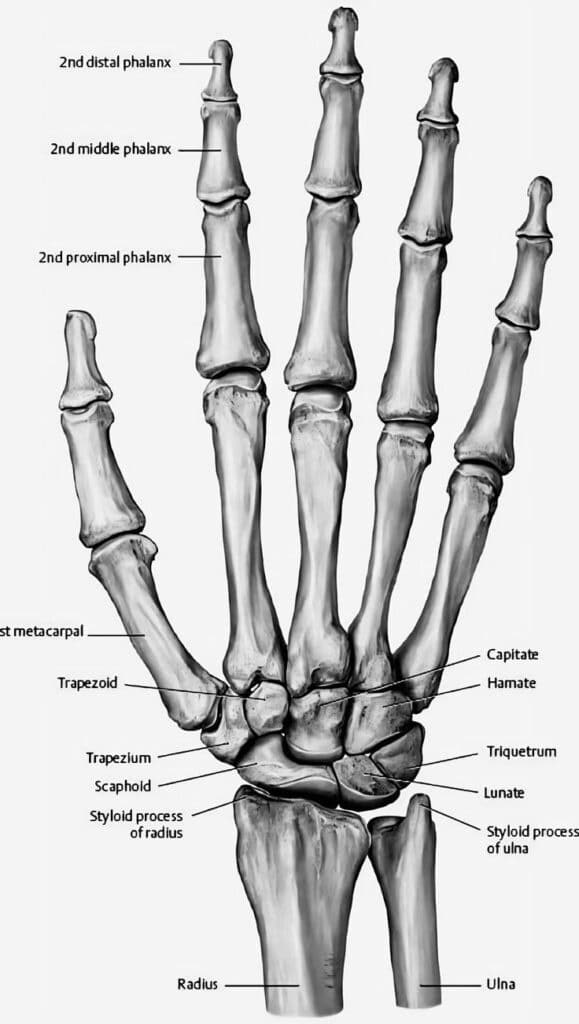
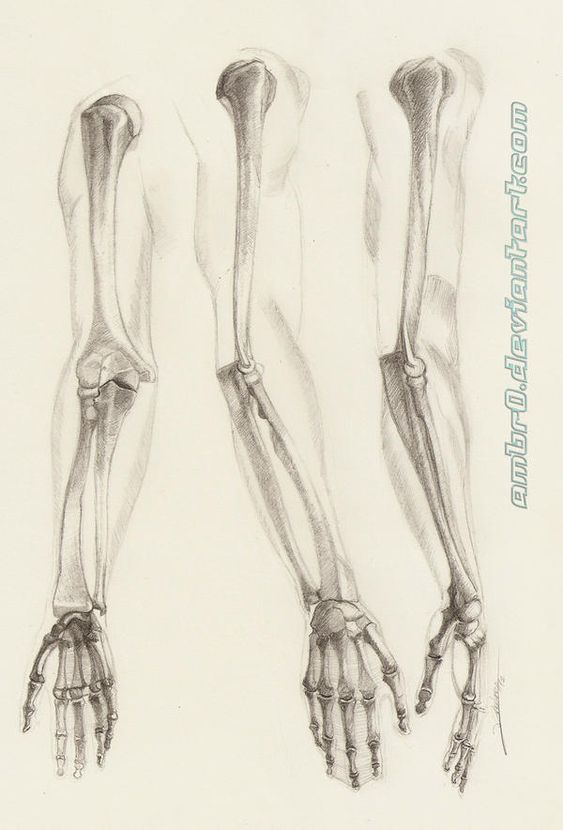
The human hand has 27 bones that create its frame. This count includes the wrist bones. They are divided into three groups:
- Phalanges: The finger bones. Each finger has 3 phalanges, except the thumb, which has 2.
- Metacarpals: Five bones that form the palm.
- Carpals: Eight small wrist bones arranged in two rows.
These bones connect at joints, allowing the fingers to bend and twist. The shape and length of these bones determine finger size and hand form. Understanding this structure helps when sketching fingers from different angles or poses.
Muscles and Tendons
Muscles and tendons are what move the hand. Tendons connect muscles to bones and help fingers flex, extend, and grip.
There are two main muscle groups:
- Intrinsic muscles: Small muscles in the palm that control fine movements like spreading fingers.
- Extrinsic muscles: Larger muscles in the forearm that control strong hand and finger motions.
Tendons run over the joints, so they may bulge slightly when fingers bend. Noticing this detail helps make hand drawings more realistic.
Proportions of the Hand
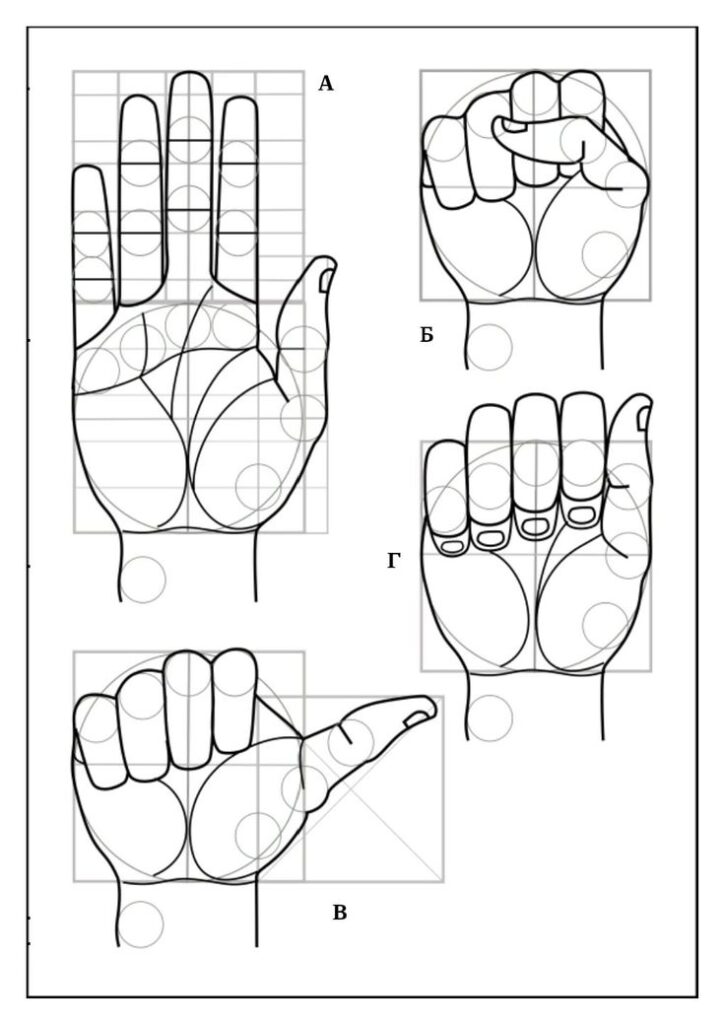
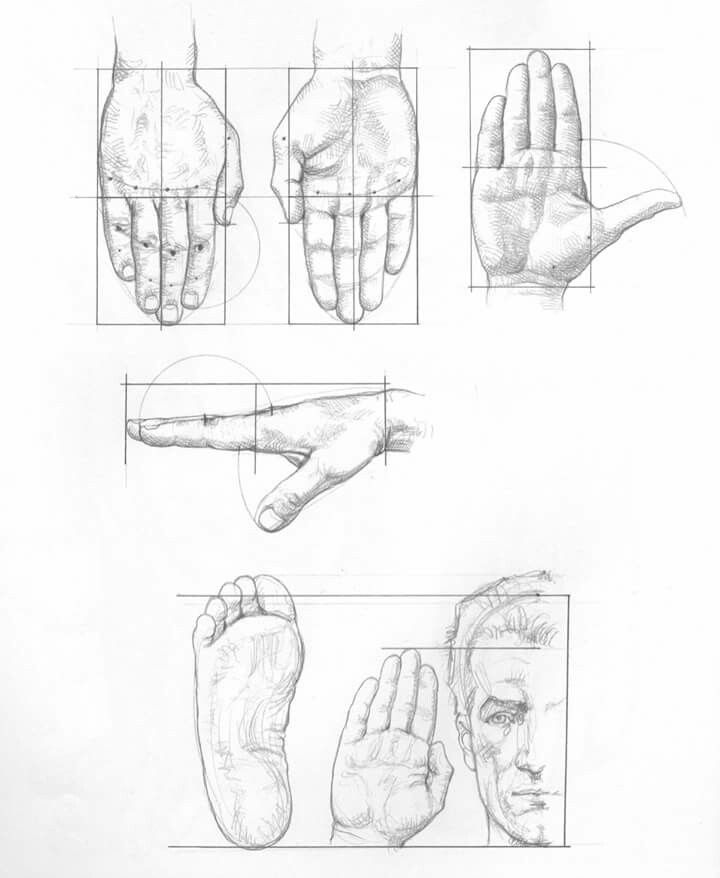
Keeping correct proportions makes a hand look right. The palm’s length is about the same as the middle finger. Fingers vary in length:
- The middle finger is usually the longest.
- The index and ring fingers are similar in length but shorter than the middle finger.
- The pinky is the shortest.
- The thumb sits lower and bends across the palm.
Palm width is typically two-thirds the palm’s length. Paying attention to these size relationships helps the hand look balanced and natural in drawings.
Essential Drawing Materials
Good materials make drawing hands easier and more enjoyable. Using the right pencils, paper, and tools helps create clearer lines and smoother shading. Each choice affects how details come out and how easy it is to fix mistakes.
Choosing the Right Pencils
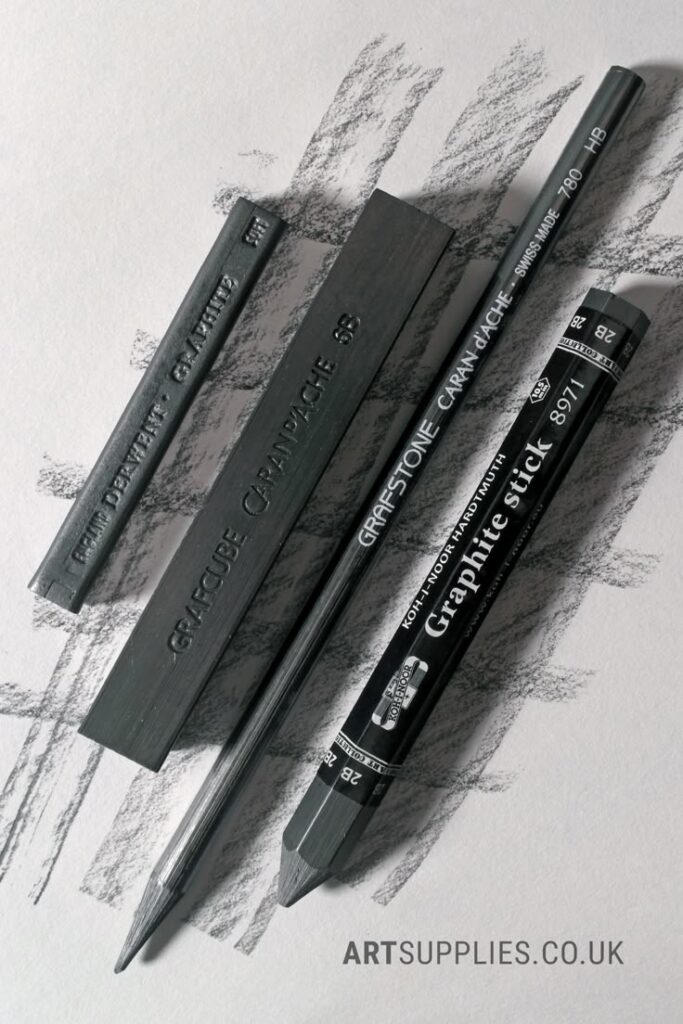
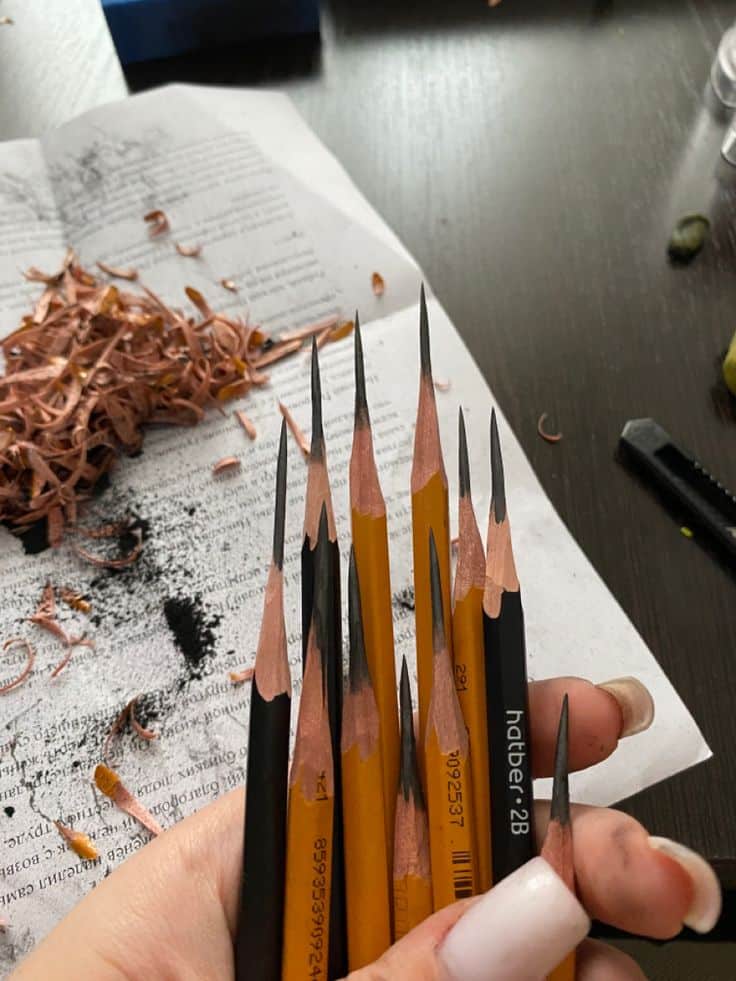
Pencils come in different hardness levels, marked by letters and numbers like 2H, HB, and 4B. Hard pencils (H, 2H) make lighter lines and are good for sketching shapes. Soft pencils (B, 2B, 4B) draw darker, richer lines suited for shading and details.
A set with a range of pencils is best. Starting with an HB pencil helps outline the hand, then softer pencils add shadows. Softer pencils also blend well, but they can smudge easily. Heavier pencils let artists control line darkness and thickness, which is important when drawing fingers and wrinkles.
Using pencils with a sharp, clean tip helps capture small details like knuckles and nails.
Recommended Paper Types
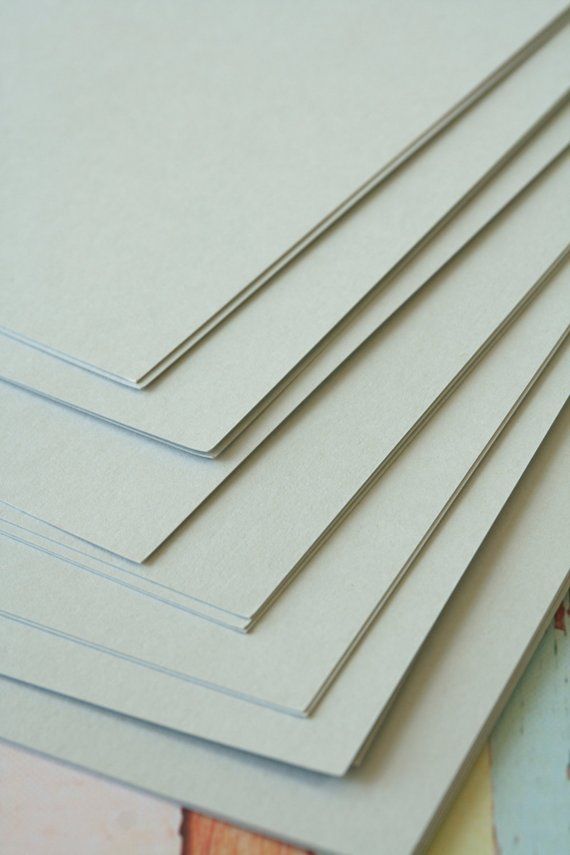
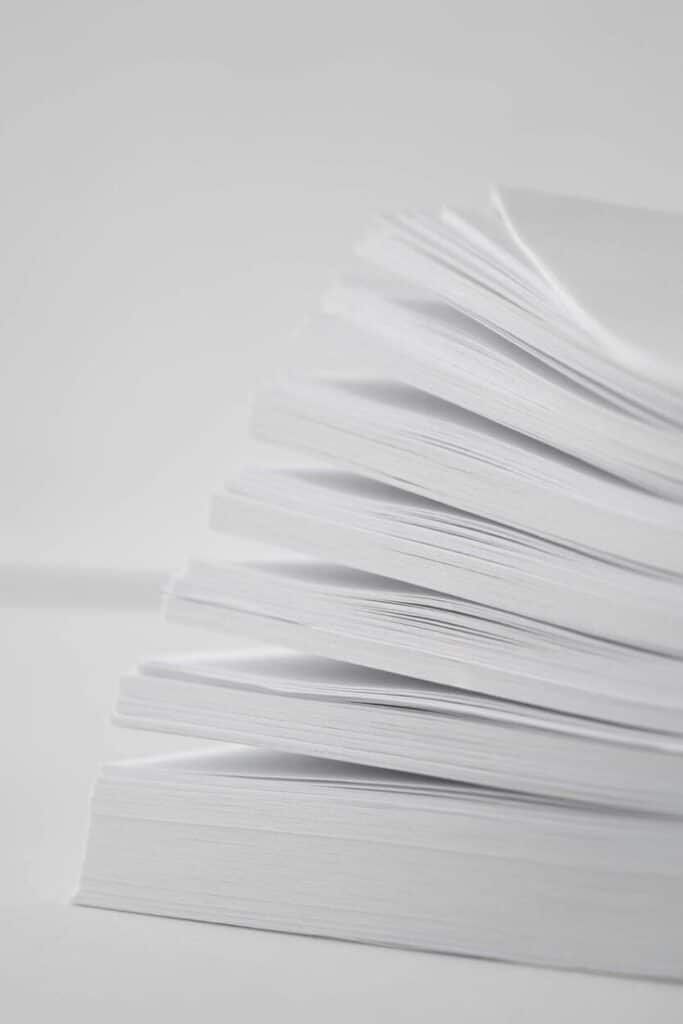
The texture of paper, called tooth, affects how pencil marks appear. Papers with a medium tooth hold graphite well and let artists add layers smoothly.
Smooth papers (like Bristol) work great for fine details and clean lines, but can be slippery. Rough papers add texture to shading but might make lines look uneven.
A size around 9×12 inches is easy to handle and allows enough space for hand drawings. Heavier-weight paper (around 80-100 lb) prevents tearing and warping when erasing or layering.
Erasers and Blenders
Erasers are key for correcting mistakes and creating highlights. Kneaded erasers can be shaped to erase tiny spots or lighten areas without roughening the paper. Rubber erasers remove graphite more aggressively but may damage delicate paper if used too hard.
Blenders, like tortillons or blending stumps, help smooth out shading and soften lines. They work by spreading graphite evenly, making shadows look more natural.
Using both erasers and blenders together lets artists fix errors and add subtle details like skin folds or soft shadows on the hand.
Basic Hand Shapes and Forms
To draw a hand well, it is important to start with simple shapes that represent the main parts. Using basic shapes helps artists see the hand as a group of connected parts, rather than trying to draw every detail right away. This makes the process clearer and easier to control.
Breaking Down the Palm
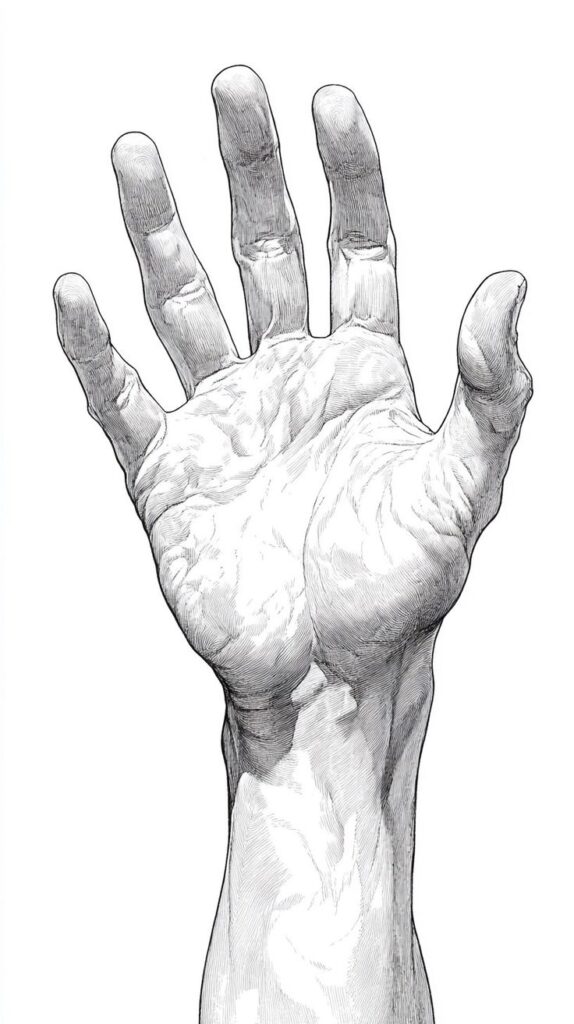
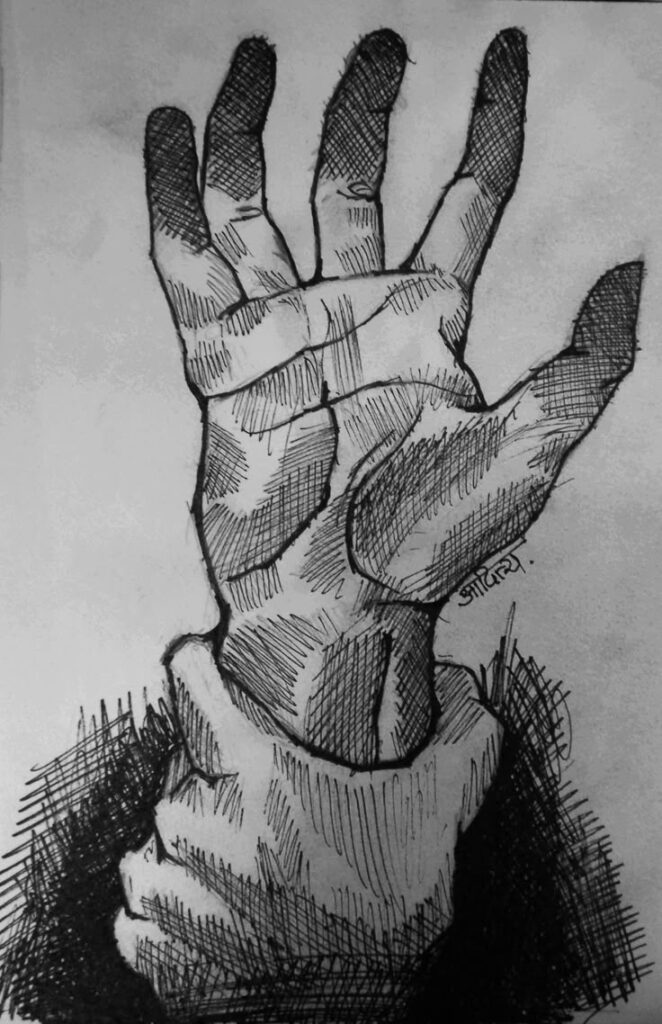
The palm is the largest part of the hand and acts as the base for all the fingers. It is often drawn as a rectangle or an offset pentagon shape. This basic form shows the width and height of the palm and helps place the fingers correctly.
The palm is not perfectly flat or square. Artists add a small triangle or curved shape on top of the rectangle to show the height difference between where the fingers connect and the palm’s surface. This also helps capture the natural shape and tilt of the hand.
Drawing Fingers as Simple Shapes
Fingers can be simplified into basic shapes like cylinders or rectangles. Each finger is made up of three segments, called phalanges, and starting with these shapes makes it clear how the fingers bend and move.
The thumb is shorter and wider than the fingers. It often starts as a simple triangle or wedge shape before adding details. Using simple shapes first lets artists focus on finger position and size without getting lost in details.
Mapping Knuckles
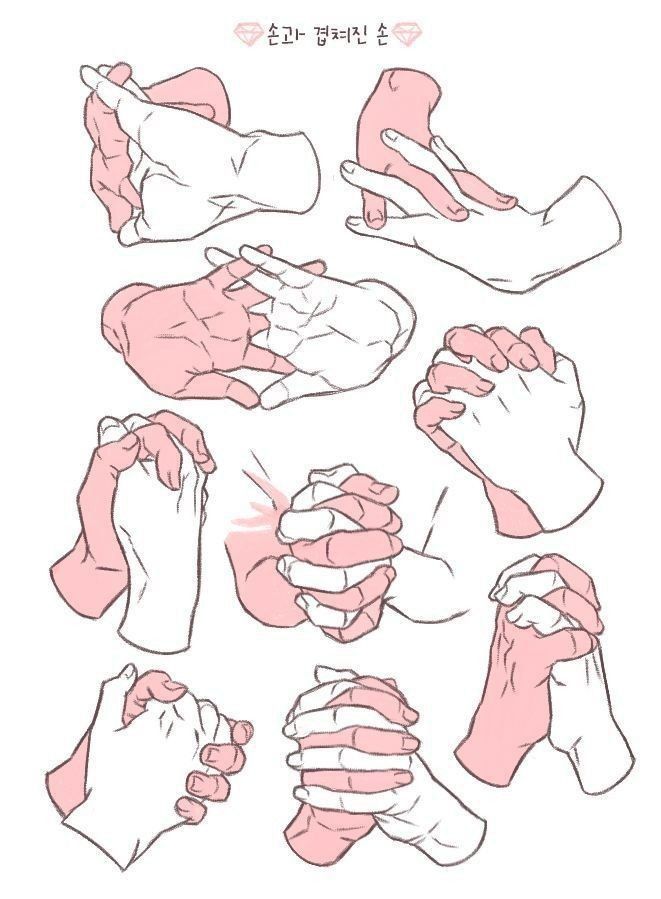
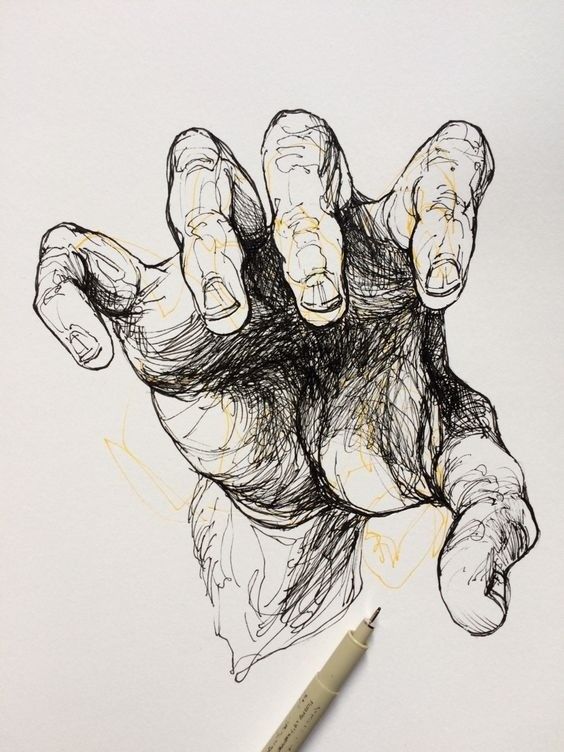
Knuckles are where fingers bend and connect to the hand. These points create important joints needed to make fingers look natural.
Artists mark knuckles with small circles or bumps on the palm shape. The knuckles form a slight curve from the pinky to the index finger. This curve helps show finger alignment and movement, making the hand look flexible and realistic.
Using this simple map of knuckles guides the artist in drawing finger poses that match how real hands move.
Drawing Hands from Different Angles
Drawing hands from various angles requires focus on shapes, structure, and how fingers connect. Using simple forms like boxes or rectangles helps when changing perspective. Observing how light and shadow play on the hand’s surfaces also supports realistic drawing.
Front View
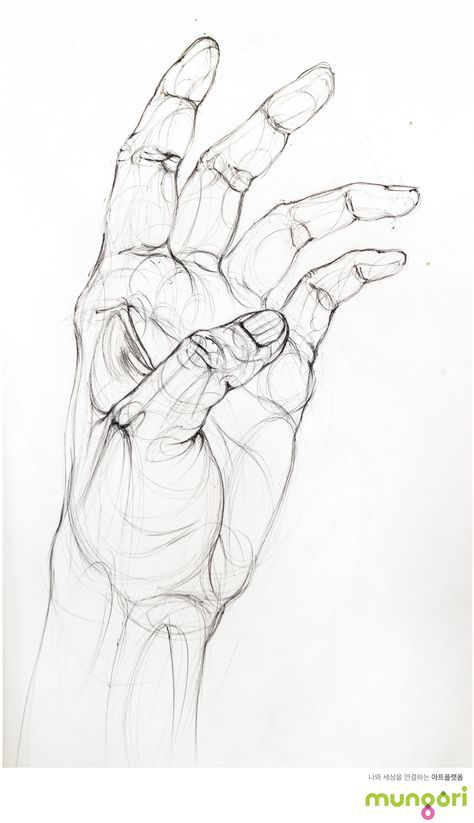
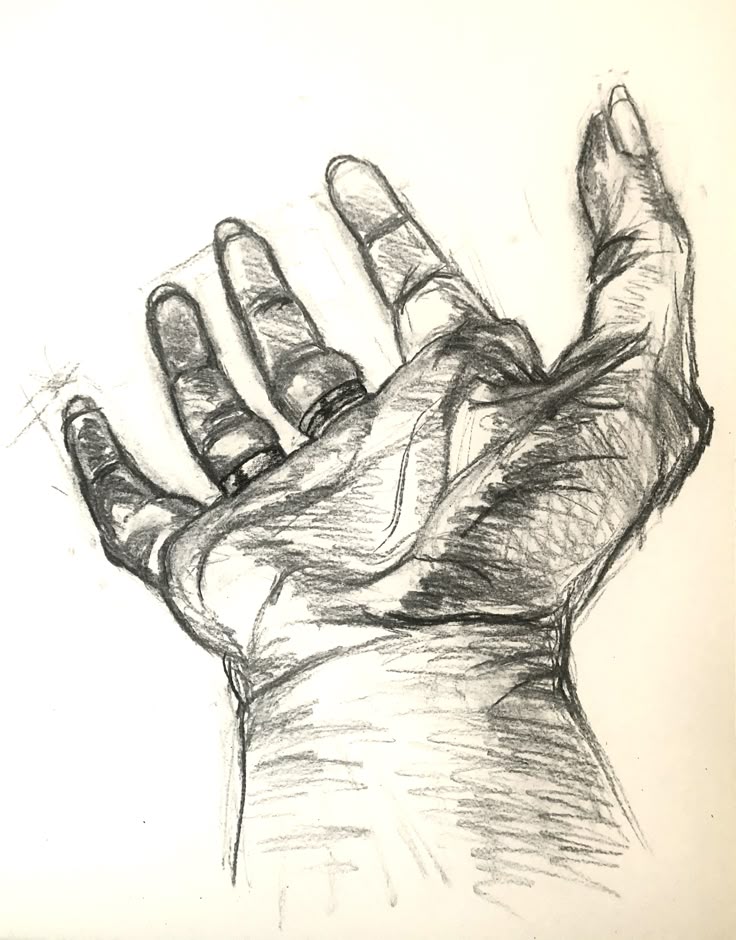
The front view shows the palm and fingertips directly facing the viewer. It is important to capture the natural curve of the fingers and the space between them. The thumb sits at an angle, creating a triangular shape with the palm.
Start by sketching the palm as a square or rectangle. Add finger shapes as elongated ovals or cylinders. Pay close attention to finger joints; they bend in specific places, usually at the knuckles.
Include subtle details like the creases where fingers bend and the texture of the skin. The fingertips have rounded ends, and nails should follow the curve of these tips. This angle clearly shows the palm lines, which can add realism if drawn carefully.
Side View
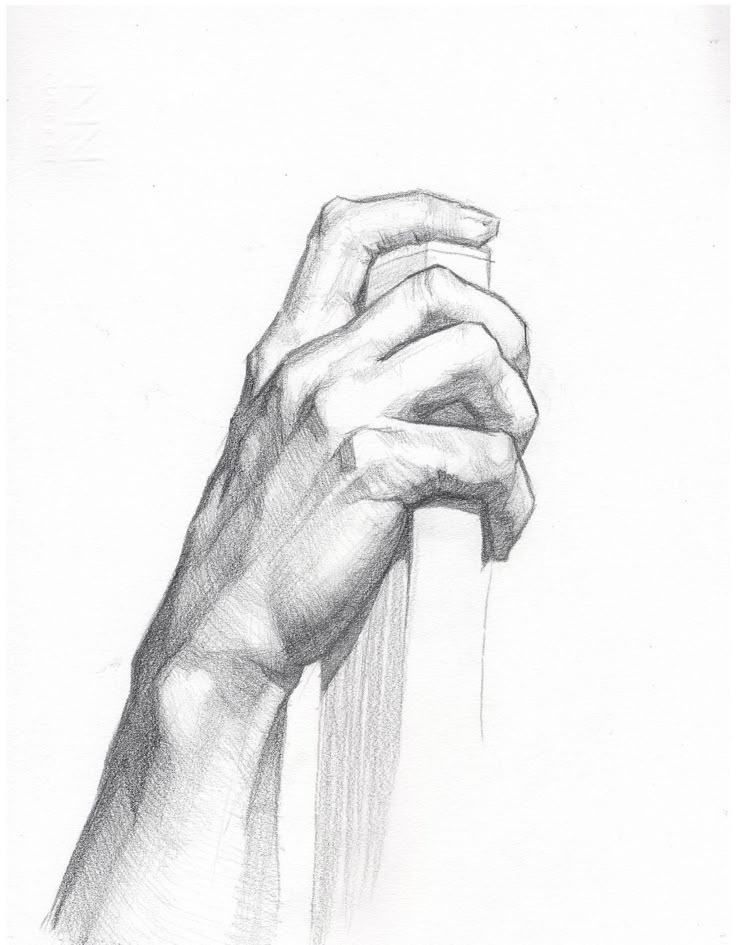
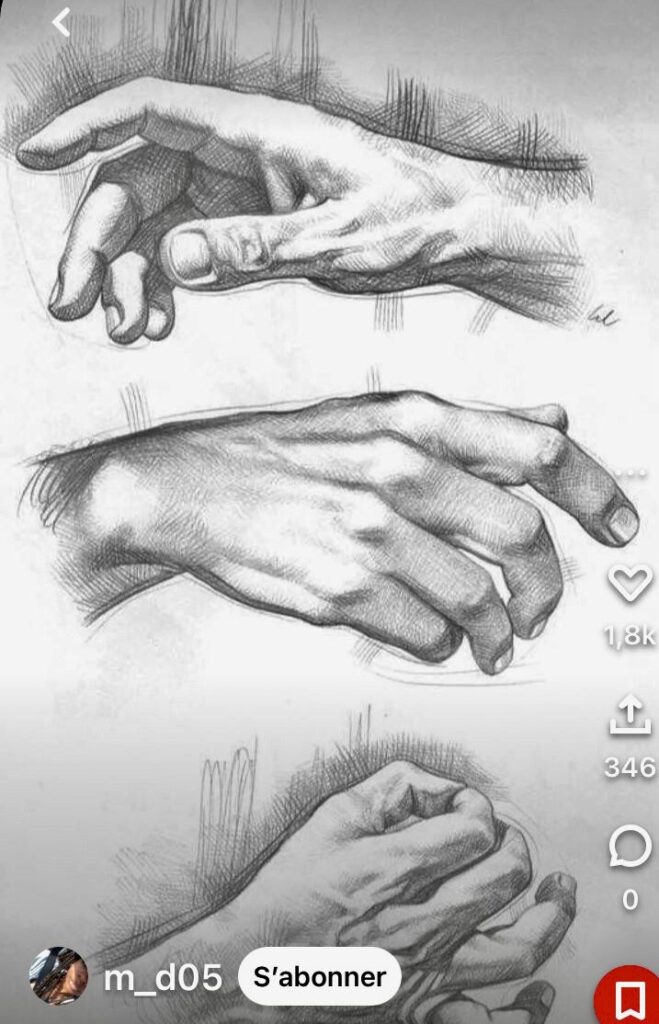
The side view of the hand reveals the thickness and depth of the fingers and palm. Fingers are stacked, creating overlaps that show how they tuck behind one another. The thumb’s position is more dynamic here, bending forward or backward.
Begin with a simple box shape for the palm, showing its thickness. Draw fingers as overlapping shapes, keeping in mind their lengths and how they curve. The wrist connects smoothly to the palm at a slight angle.
Highlight key points like the knuckles that protrude the most. Fingernails are mostly visible from the tips and side edges. Shadows between fingers and the palm help give volume and show the hand’s three-dimensional shape.
Back View
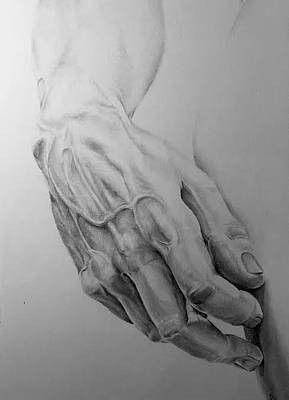
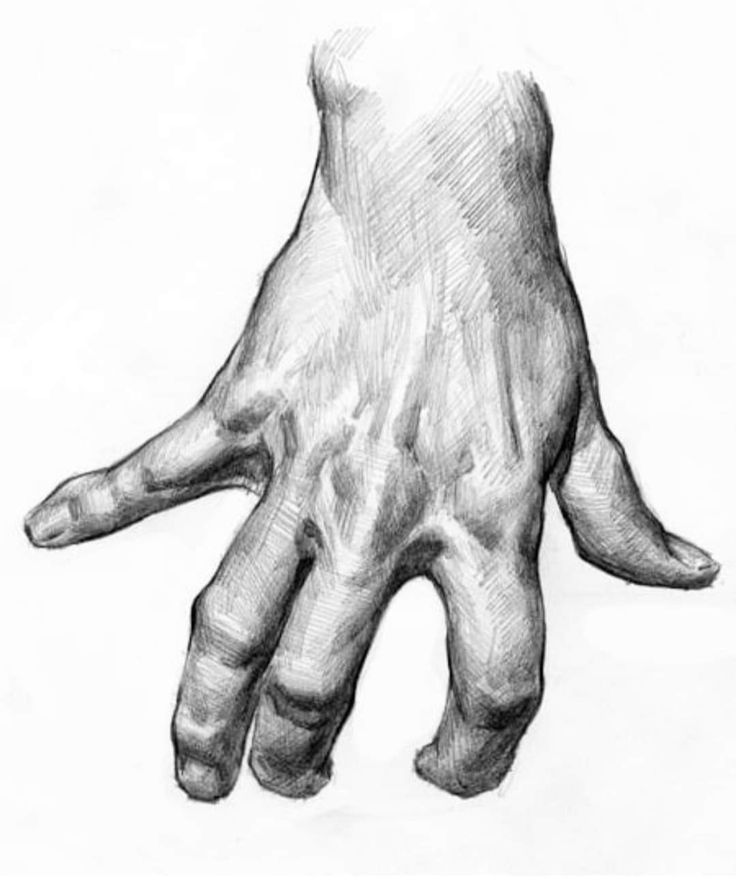
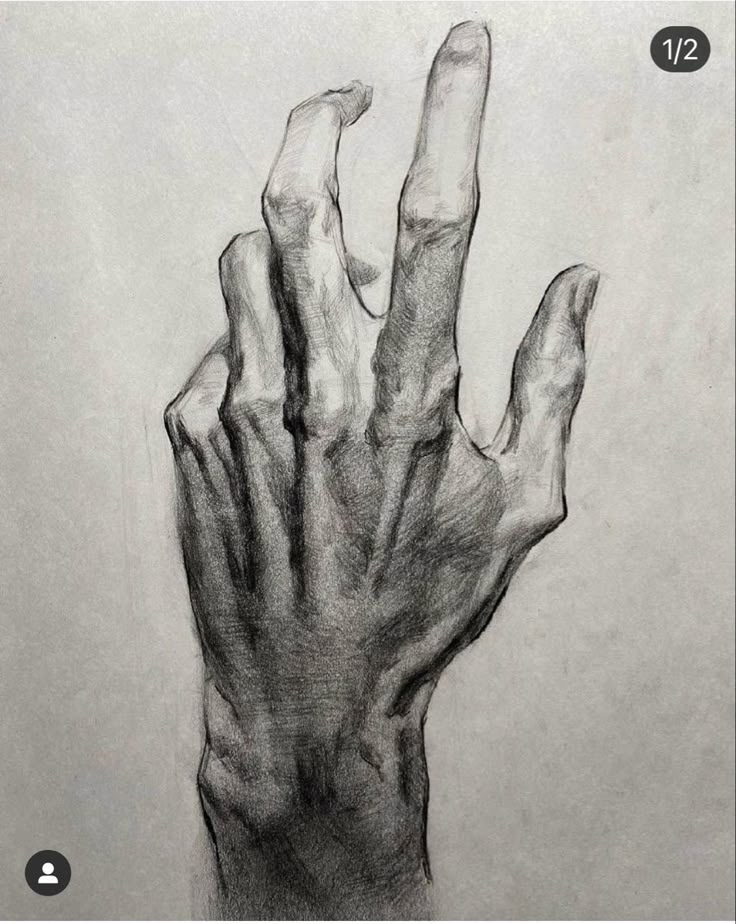
The back view focuses on the knuckles and the tendons running along the fingers and hand. The shapes here are less rounded compared to the palm and show more bone structure under the skin.
Use a rectangular shape for the back of the hand. Fingers taper off with visible knuckle bumps and slight divisions between each joint. Tendons can be drawn as thin lines stretching from the wrist to the fingers.
The thumb appears foreshortened or bent at a sharp angle, depending on the pose. Nails are more visible here than on the side, but less so than in the front view. Adding subtle shadows under the knuckles enhances the hand’s volume and realistic look.
Sketching Hand Poses
Drawing hands well means capturing how they naturally rest, hold things, or express emotions. Each pose has specific shapes and angles to observe. Paying attention to the placement of fingers and the curve of the palm helps make sketches look more real.
Relaxed Hand Positions
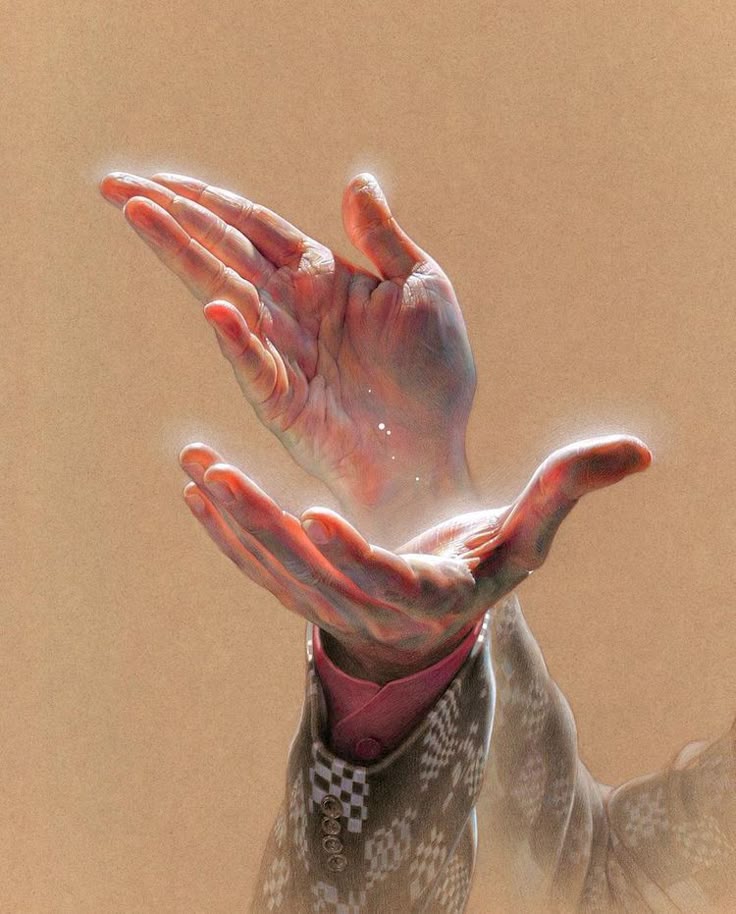
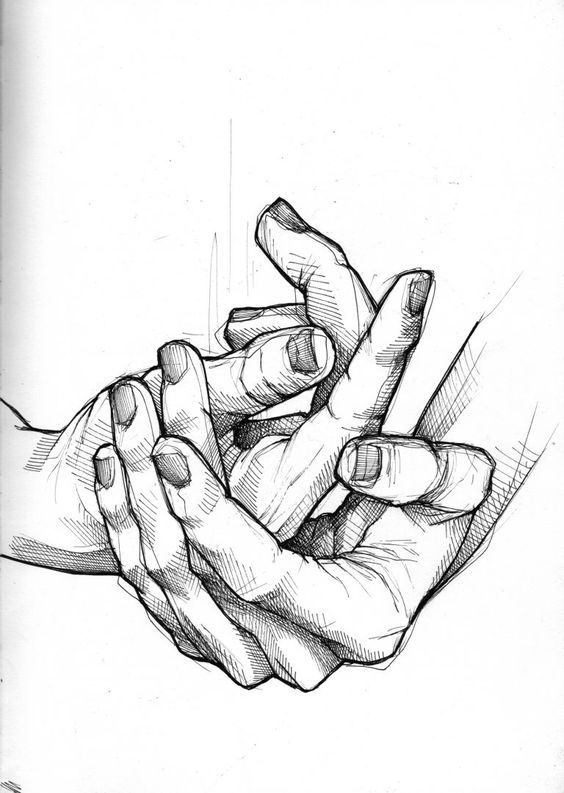
Relaxed hands often have slightly curved fingers with no tension. The artist should notice gentle bends at the knuckles and the natural space between fingers. The palm tends to look soft, and the fingers point in different directions, but don’t stretch fully.
To sketch this, start with a loose oval shape for the palm. Then add light, curved lines for each finger, making sure some fingers overlap or angle differently. Avoid stiff, straight lines because really relaxed hands rarely hold such perfect form. This approach helps the hand seem comfortable and natural on paper.
Gripping Objects
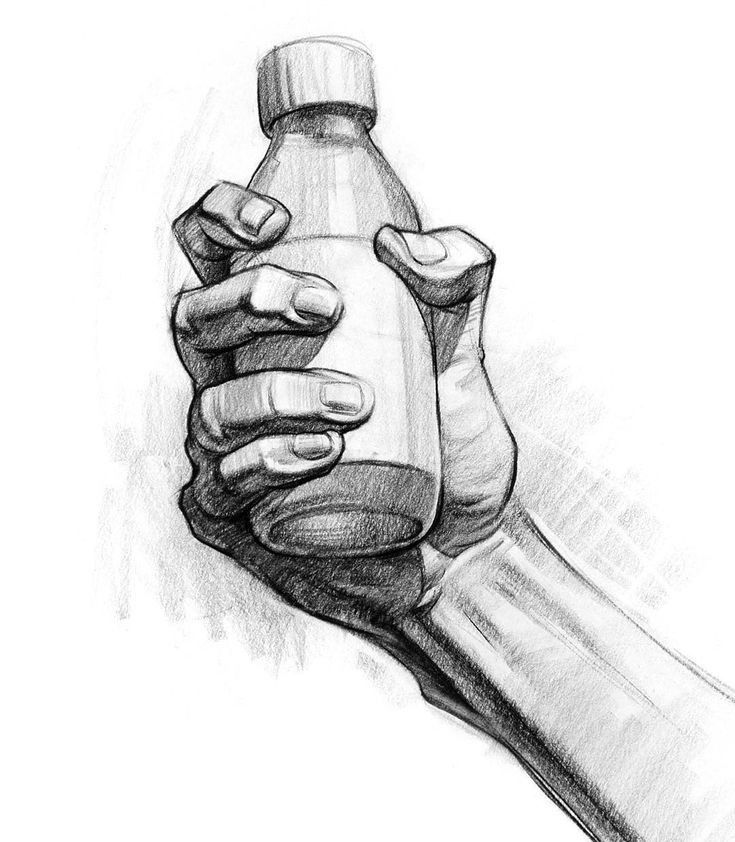
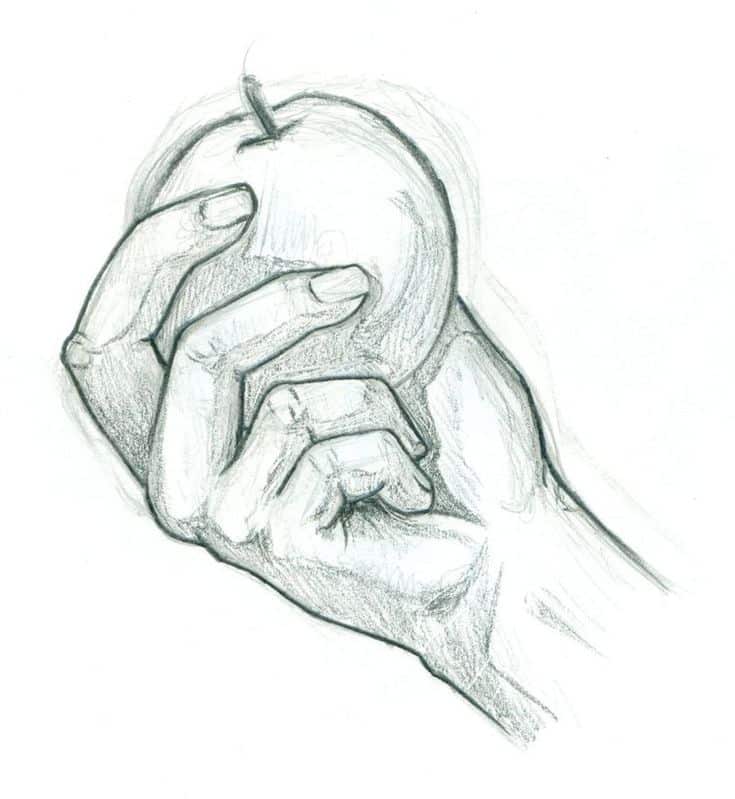
A gripping hand changes shape depending on what it holds. Fingers wrap around objects, bending at joints, with thumbs locking in opposition. The key is showing how fingers press together and the tension in the palm.
Begin with a basic shape of the object. Sketch the palm lightly around it. Fingers curl tightly, so focus on overlapping lines where they meet the object. Make knuckles more prominent since muscles tighten here. Thumbs usually help secure the grip and may rest on top or the side.
Expressive Gestures
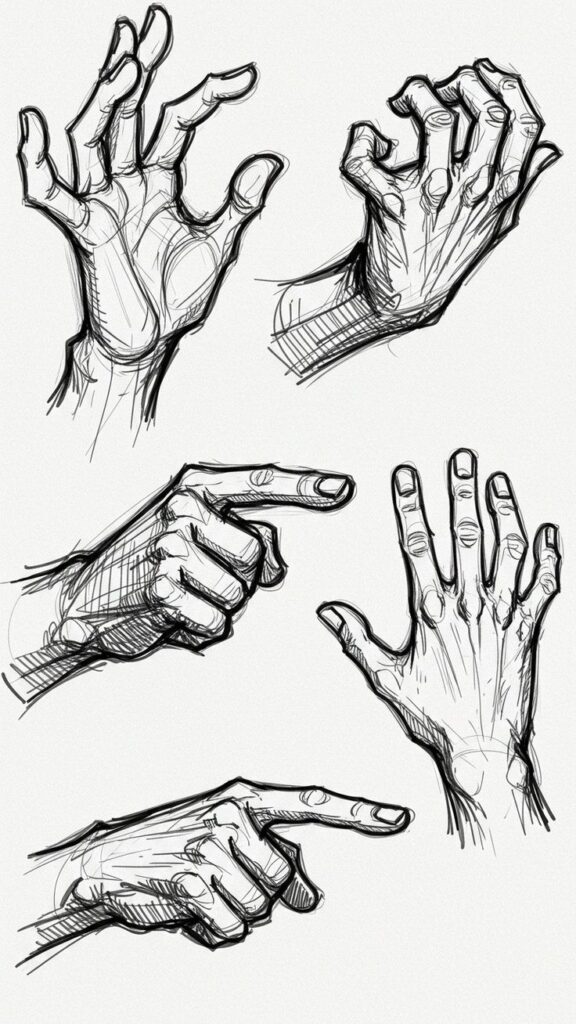
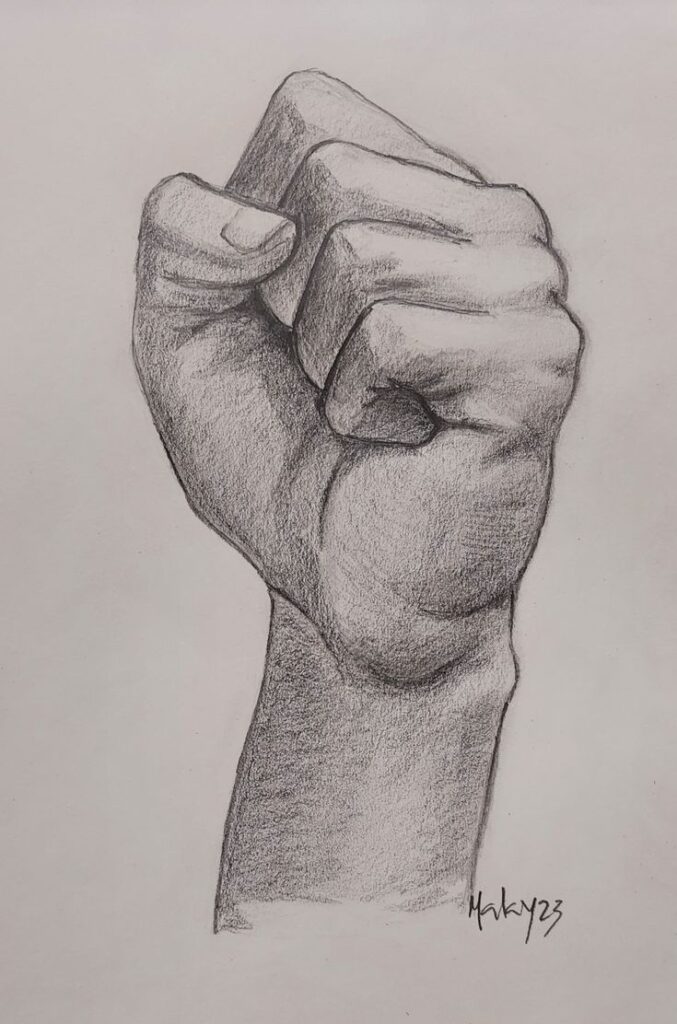
Hands can show emotions or actions like pointing, waving, or signaling. These poses often involve exaggerated finger positions or stretches. It’s important to watch how the fingers and palm angle change to communicate clearly.
For gestures, start by illustrating the palm’s base and then place fingers in dynamic poses. Fingers might be spread wide, bent sharply, or extended straight to emphasize meaning. Shading around joints and creases can add emphasis to movement and drama without overcomplicating the drawing.
Adding Realism and Details
To make a hand drawing look realistic, it’s important to focus on how light affects the hand, the way the skin folds naturally, and the small details like nails and wrinkles. These elements bring depth and life to the drawing without making it look messy or overdone.
Shading and Highlights
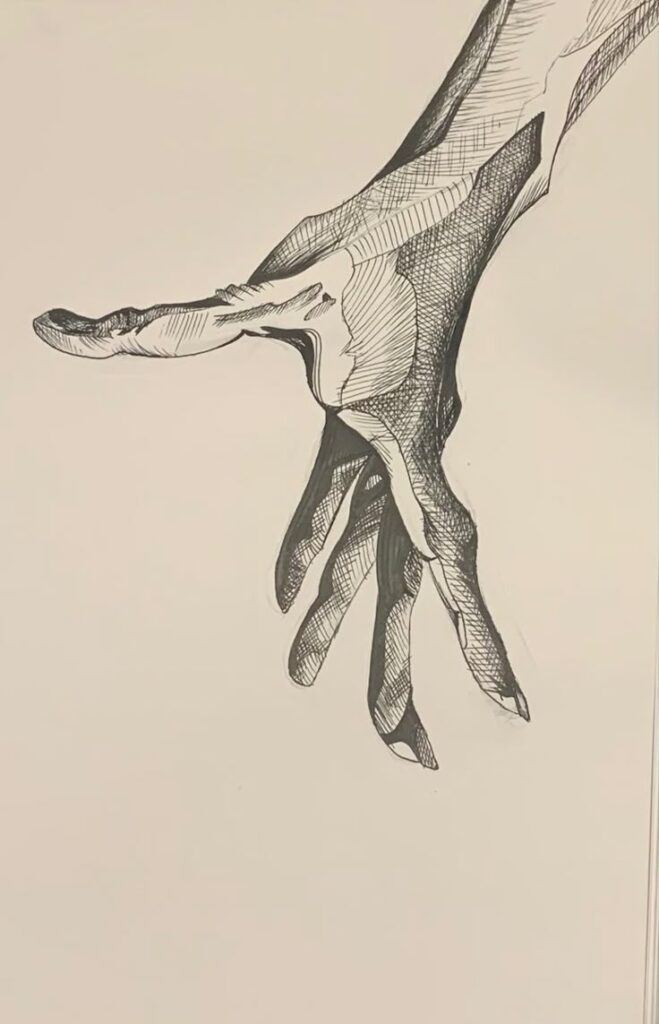
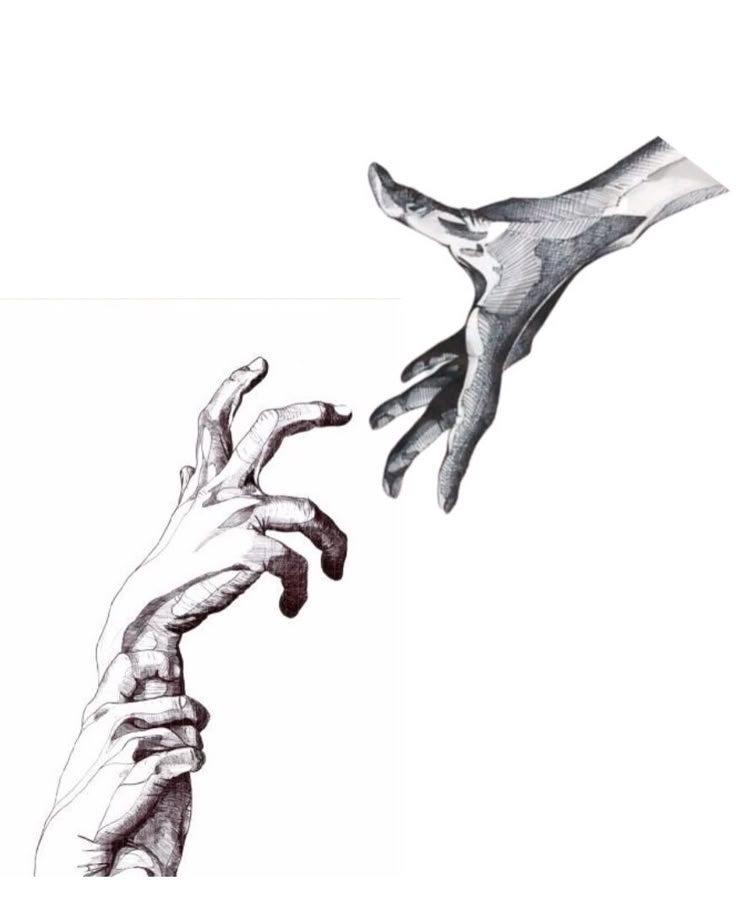
Shading shows the hand’s three-dimensional shape by adding darker tones where the light doesn’t hit. Areas like the sides of fingers, under the knuckles, and between fingers should have soft shading. This helps the hand look solid and less flat.
Highlights should be added where the light hits directly, such as on the tops of knuckles and the tips of fingers. Using a light touch with an eraser or white pencil can create these bright spots. It’s important to blend the shading smoothly for a natural look.
Drawing Skin Folds
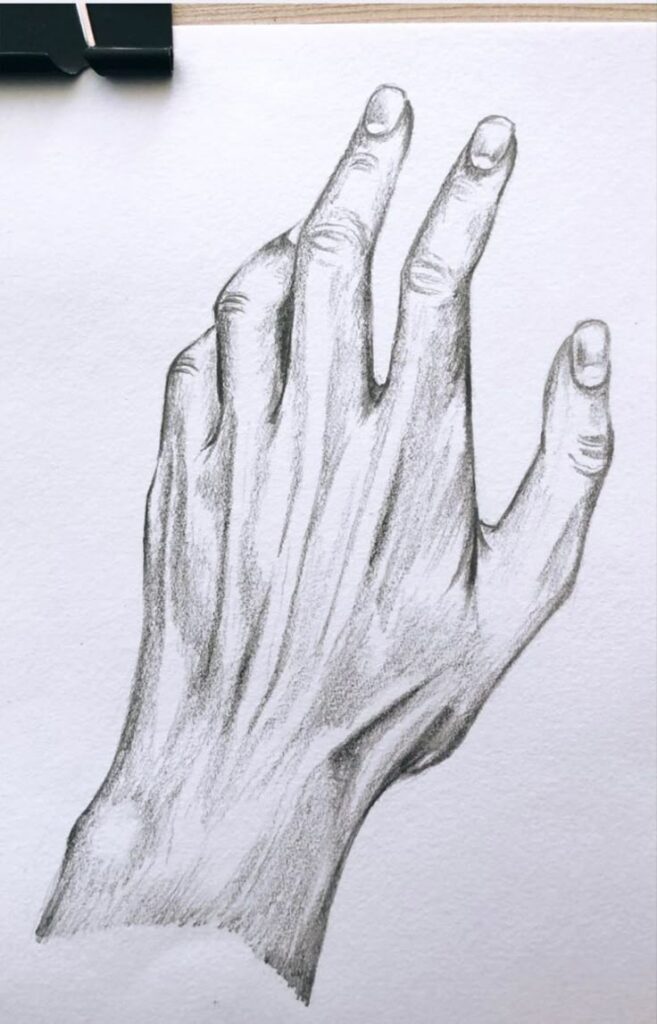
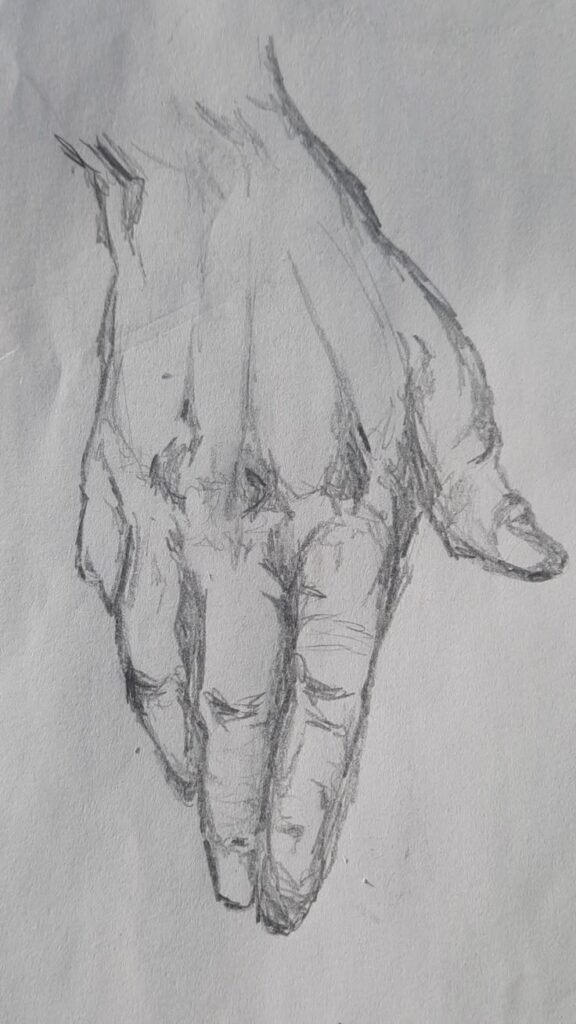
Skin folds happen mainly at the joints and where the hand bends. These folds don’t need to be drawn as sharp lines but rather as soft curves or creases. Adding them in the right places helps show the hand’s flexibility.
Small lines on the palm and around the knuckles give a sense of movement. Overdoing skin folds can make the hand look wrinkled or old, so it’s best to add just enough to suggest the shape and texture of the skin.
Depicting Nails and Wrinkles
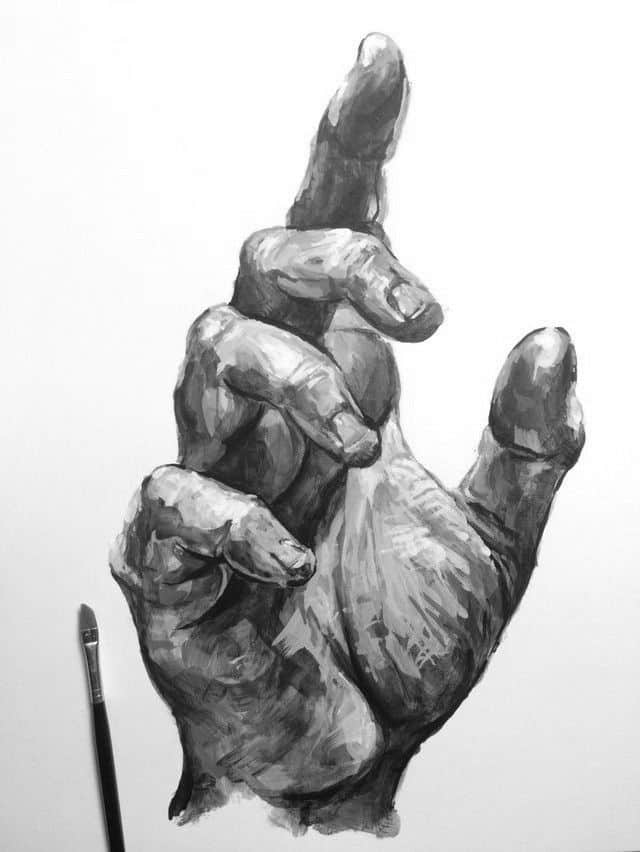
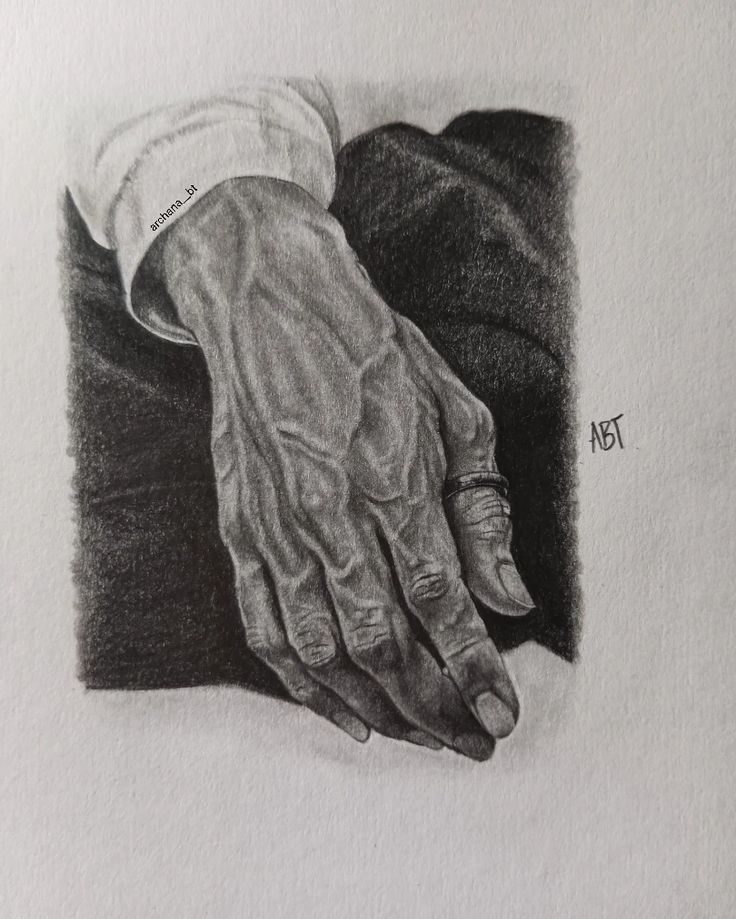
Nails are small but important details. They should follow the finger’s curve and be shaded lightly to show their shape. Adding a subtle line to separate the nail from the skin makes them look realistic.
Wrinkles appear mostly around joints and on the palm. They are thin, soft lines that add character to the hand. It’s best to observe a real hand to see where wrinkles naturally form before drawing them. Adding too many wrinkles can distract from the overall look.
Common Mistakes to Avoid
Many people struggle with drawing hands because of common errors that make their sketches look unnatural or awkward. Problems with size, pose, and detail often hold back the overall drawing. Avoiding these mistakes can help artists improve their hand drawings faster.
Proportion Errors
One of the most frequent problems is getting the proportions wrong. Fingers are not all the same length, and the thumb has a unique position that many beginners miss. The knuckles do not line up perfectly in a row, and fingers don’t sit parallel to each other.
It helps to pay close attention to the size relationships between parts of the hand. For example, the middle finger is usually the longest, while the pinky is much shorter. Keeping these differences accurate makes the hand look more real.
Artists should also watch the overall width and length of the palm. If the palm is drawn too narrow or too wide compared to the fingers, the hand will seem off. Using simple shapes to map out proportions before adding details often improves accuracy.
Stiff Poses
Hands rarely stay still, so stiff, straight finger placements make drawings look unnatural. Many beginners draw their fingers too rigidly or aligned, which removes the natural flow and personality of the hand.
To avoid this, artists can practice gesture drawing. This means quickly sketching hand positions to capture movement and curves. Fingers usually have slight bends and vary in angle, which gives hands more life.
Another tip is to avoid keeping the edges of the hand straight and parallel. Real hands have subtle curves along the sides. Drawing hands with more relaxed and varied finger positions improves the overall feel.
Overcomplicating Details
Trying to draw every wrinkle and line at once can overwhelm beginners and clutter the sketch. Hands have many small details, but adding all of them too soon can slow progress and confuse the drawing.
Starting with basic shapes like ovals and rectangles helps break the hand into manageable parts. Once the shape and pose feel right, an artist can add simple details gradually.
It’s better to focus on clear forms and keep things simple early on. Too much fine detail can also stiffen the drawing. Practicing this step-by-step approach builds confidence and skill over time.
How can I start drawing hands without feeling overwhelmed?
Begin by breaking down the hand into simple shapes like rectangles, ovals, and mittens to build the overall structure, making the process less overwhelming and clearer to follow.
Why is understanding hand anatomy important for drawing realistic hands?
Knowing the bones, muscles, and proportions inside the hand helps you accurately portray how it looks and moves from different angles, making your drawings more realistic.
What are the basic shapes I should use to sketch fingers and the palm?
Fingers can be simplified into cylinders or rectangles with three segments, and the palm can be drawn as a rectangle or offset pentagon to establish the basic form.
How do I choose the right materials for drawing hands?
Use pencils with a range of hardness levels, such as HB for outlines and softer B pencils for shading, along with suitable paper like Bristol or rough textured paper for different effects.
What are common mistakes to avoid when drawing hands?
Avoid proportion errors, stiff poses, and overcomplicating details early on by focusing on simple shapes, correct proportions, and natural, relaxed finger movements.
- 0shares
- Facebook0
- Pinterest0
- Twitter0